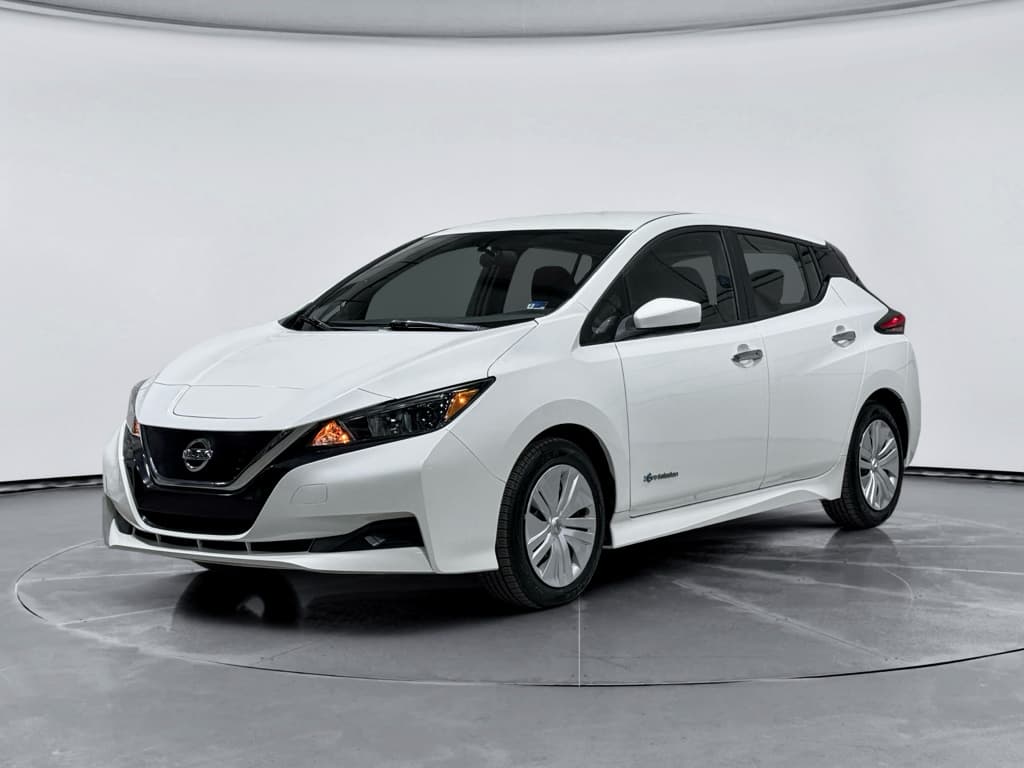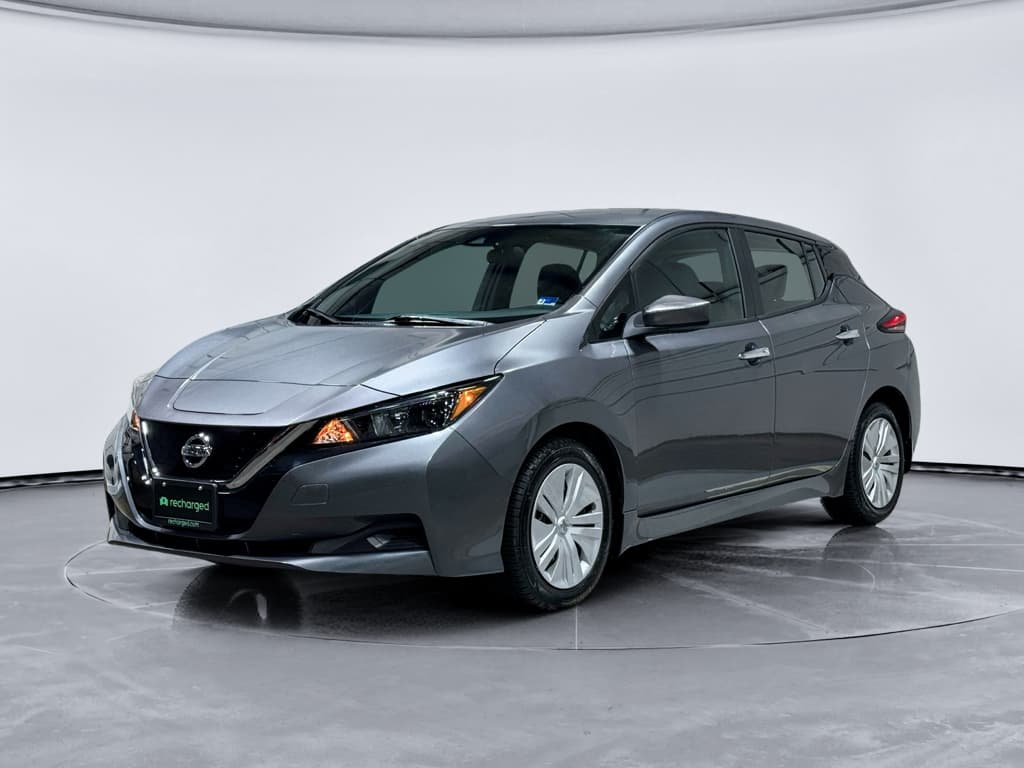
If you’re shopping for a used electric SUV, chances are the used Nissan Ariya vs Toyota bZ4X comparison is on your shortlist. Both are roomy, family-friendly EVs from brands you know, but they take very different approaches to range, comfort, resale value, and long‑term support, especially now that the Ariya is being phased out of the U.S. lineup while the bZ4X is getting significant updates.
Why this comparison matters in 2026
Overview: Used Nissan Ariya vs Toyota bZ4X
On paper, the Nissan Ariya generally offers more range, more power options, and a more premium interior than the Toyota bZ4X. Independent comparisons often rate the Ariya as the better all‑around EV, especially for comfort and performance. At the same time, used‑market data shows the bZ4X usually holds its value better, reflecting Toyota’s reputation for long‑term reliability and lower perceived risk.
For a used buyer, that reveals an important trade‑off: the Ariya tends to give you more EV for the money right now, because it has already depreciated harder, while the bZ4X is the safer choice if you care about predictable costs, simple ownership, and Toyota’s deep dealer network.
Quick take: who each SUV fits best
At a glance: Ariya vs bZ4X fit
Match each SUV to your priorities before you dive into the details.
Choose a used Nissan Ariya if…
- You want longer range and stronger acceleration options.
- You care about a quieter, more upscale interior for commuting and road trips.
- You’re value‑driven and don’t mind buying a model that’s been discontinued in the U.S. as long as warranty and parts support remain.
- You’re comfortable relying more on DC fast‑charging networks rather than future dealer incentives.
Choose a used Toyota bZ4X if…
- You prioritize long‑term reliability and resale value above all else.
- You do mostly local driving where its modest range is plenty.
- You want the backing of Toyota’s large dealer network and ongoing EV investment.
- You care about simple, low‑drama ownership more than quick acceleration or a plush cabin.
Key specs: used Nissan Ariya vs Toyota bZ4X
Core numbers: Ariya vs bZ4X (U.S. market, recent model years)
These are typical specs you’ll see on 2023–2025 examples on the used market. Exact figures vary by trim.
| Spec | Nissan Ariya (typical) | Toyota bZ4X (typical) |
|---|---|---|
| Battery options | ~63 kWh & ~87 kWh packs | ~71–72.8 kWh pack (U.S.), single size |
| EPA range (FWD, max) | Up to ~304 miles (larger pack) | Up to 252 miles (XLE FWD) |
| EPA range (AWD, max) | Roughly mid‑200s miles | Up to 228 miles |
| Horsepower range | Around 214–389 hp depending on trim | 201 hp (FWD), 214 hp (AWD) |
| 0–60 mph (quickest trims) | Low‑5‑second range | High‑6‑ to 7‑second range |
| Onboard AC charging | 7.4–11 kW depending on market/trim | 7.6 kW AC (later U.S. models) |
| Max DC fast‑charge | Up to ~130 kW | Up to 150 kW |
| Typical used price (2025 model year) | About mid‑$20Ks to upper‑$40Ks | Roughly upper‑$20Ks to mid‑$40Ks |
Always verify range, battery size, and drivetrain on the specific VIN you’re considering.
Spec sheets vs real world
Battery, range, and charging
For most used EV buyers, usable range and charging behavior matter more than anything else. Here the Ariya usually wins on paper, while the bZ4X brings a few subtle charging advantages, especially in cold weather and at high‑power DC stations.
Ariya: stronger range options
- Smaller battery trims typically offer EPA ratings around 220 miles.
- Larger‑battery FWD versions can reach around 300 miles EPA, giving you noticeably more cushion for highway trips.
- Real‑world testing suggests the Ariya’s range is usually in line with EPA figures when driven reasonably, assuming a healthy battery.
For many shoppers, that extra 40–60 miles vs a comparable bZ4X trim is the difference between charging every day and every few days.
bZ4X: modest range, improved charging behavior
- U.S. models top out at an EPA‑rated 252 miles in FWD form, with AWD trims typically in the low‑ to mid‑220‑mile range.
- Toyota has pushed continuous improvements in cold‑weather fast‑charging and battery thermal management on newer model years.
- Some early owners reported disappointing winter efficiency, which Toyota has targeted with updates, worth verifying by model year and firmware.
If most of your driving is local and you have home charging, the bZ4X’s range is usually “enough,” but it offers less flexibility than the Ariya.
Range and depreciation snapshot
Home charging reality check
Driving, comfort, and technology
From behind the wheel, these two EVs feel different even though they live in the same compact‑to‑midsize SUV segment. The Ariya leans into the relaxing, near‑luxury side of things; the bZ4X feels more like a practical Toyota with an electric twist.
How they feel to live with
Subjective impressions drawn from owner feedback and road tests.
Cabin comfort
Ariya: Softer materials, a quieter cabin, and lounge‑like touches make it feel more upscale than many mainstream EVs in this price range.
bZ4X: Functional and airy, but some hard plastics and the unusual steering‑wheel/instrument placement bother certain drivers.
Driving character
Ariya: Smooth, quiet, and confident. Higher‑power trims deliver genuinely brisk acceleration.
bZ4X: Easygoing and predictable rather than exciting. Great for commuting; less inspiring for enthusiasts.
Infotainment & tech
Ariya: Clean interface, strong driver‑assist suite, and modern graphics.
bZ4X: Toyota’s newer infotainment system is much improved over older models and continues to get incremental updates.
Owners consistently praise the Ariya’s cabin quality and ride comfort, while the bZ4X gets high marks for ease of use and feeling familiar to longtime Toyota drivers.
Reliability and known issues
Both Nissan and Toyota have strong reputations in the gasoline world, but their first modern mass‑market EV SUVs have had teething pains. Understanding the common issues by model and year is critical when you’re looking at used examples.
Nissan Ariya: solid early feedback, future uncertainty
- Owner reviews for recent model years generally cite high satisfaction with performance, build quality, and comfort.
- The biggest concern is strategic: Nissan has stopped importing the Ariya to the U.S. from the 2026 model year, raising questions about long‑term marketing support, even though service, parts, and warranties are still promised.
- Because the Ariya arrives after the long‑running Leaf, Nissan already had EV experience, which shows in its refinement.
The takeaway: the Ariya itself isn’t widely seen as unreliable, but future parts pricing and dealer familiarity are worth watching.
Toyota bZ4X: early stumbles, improving trajectory
- Early production cars were hit by a high‑profile wheel‑hub recall and owner complaints about winter charging and real‑world range.
- Toyota has been iterating: later model years see upgraded battery management, improved cold‑weather DC fast‑charging, and interior/infotainment tweaks.
- Resale data suggests used‑market confidence is improving, helped by Toyota’s broader reliability reputation.
The takeaway: check recall completion, ask about software updates, and favor later builds when you can.
Non‑negotiable for any used EV
Resale value and total cost of ownership
Depreciation is where these two SUVs really start to separate. Used‑car data shows that the Nissan Ariya depreciates faster over five years than the Toyota bZ4X. That’s bad news for the first owner, but potentially great news for you as a used‑EV shopper.
- Ariya: higher 5‑year depreciation means lower used prices for a given year and mileage, especially on higher‑trim models with big batteries.
- bZ4X: lower 5‑year depreciation reflects stronger resale value, so you may pay more upfront but lose less if you sell later.
- Insurance and maintenance: both are generally reasonable for EVs in this class, but local rates and dealer labor costs can tilt in Toyota’s favor thanks to a larger footprint.
Ariya as a value play
Charging experience and road‑trip usability
Both SUVs use the CCS standard for DC fast charging in the U.S., so they can tap the same public networks. Fast‑charging speeds are broadly comparable on paper, roughly 130–150 kW peak, but how each SUV manages heat and cold can change the real story on the road.
Ariya on the highway
- Longer‑range trims mean you can skip more chargers or arrive with more buffer.
- Charging curves are competitive, but like most EVs, you’ll get the best results when preconditioning the battery and arriving at fast‑chargers with a low state of charge.
- Because of its larger battery, a full 10–80% DC charge can take slightly longer than a smaller‑pack bZ4X, but you stop less often.
bZ4X on the highway
- Smaller effective range means you’ll plan a few more stops on long trips, especially in cold weather.
- Newer model years bring better cold‑weather charging behavior and pre‑conditioning, which used buyers should actively seek out.
- Toyota’s NACS adoption on future models will open up Tesla’s Supercharger network; earlier bZ4X examples may rely on adapters or continue to use CCS networks only, depending on hardware.
Don’t forget your charging ecosystem
How the Recharged Score helps with used Ariya and bZ4X
A spec sheet won’t tell you if a particular Ariya lived an easy garage‑kept life in California or spent winters fast‑charging at 10°F. The same goes for a bZ4X that may or may not have had its latest software updates. That’s where the Recharged Score Report becomes your best friend.
What you see in a Recharged Score
Every vehicle on Recharged, including Ariya and bZ4X models, comes with a transparent health and value snapshot.
Verified battery health
Fair market pricing & history
Expert EV‑specialist support
Financing, trade‑in, and delivery
Ready to find your next EV?
Browse VehiclesChecklist: which electric SUV is right for you?
Quick buyer checklist: Used Nissan Ariya vs Toyota bZ4X
1. Map your real daily range needs
Write down your longest typical day of driving in miles. If that’s under ~80 miles, both SUVs will work; if you regularly hit 150+ miles, the Ariya’s bigger battery options may be worth the extra complexity.
2. Decide how long you’ll keep the SUV
If you plan to keep it 2–4 years, an Ariya that’s already depreciated hard can be a bargain. If you’re thinking 7–10 years, the bZ4X’s stronger resale and Toyota’s long‑term presence may appeal more.
3. Check charging where you live and work
Use charging apps to see CCS fast‑chargers and Level 2 options near your home, office, and regular routes. If fast‑charging is sparse, you may want the Ariya’s longer range; if you have a garage and can install Level 2, either will be easy to live with.
4. Review recall and software status
For any candidate Ariya or bZ4X, confirm recall completion and ask for documentation on software and firmware updates. This is especially important for early bZ4X builds and any Ariya that’s been fast‑charged heavily.
5. Compare total monthly cost, not just price
Look beyond the purchase price: include insurance quotes, expected energy costs, and projected resale. A slightly more expensive bZ4X might be cheaper to own over time if it holds its value better.
6. Get an independent or Recharged Score report
Whether you buy through Recharged or elsewhere, do not skip a <strong>battery health and history inspection</strong>. If you buy with Recharged, that work is done for you and clearly summarized in the Recharged Score.
FAQ: used Nissan Ariya vs Toyota bZ4X
Frequently asked questions
Bottom line: should you choose a used Ariya or bZ4X?
If you want the most EV for the money, longer range, stronger performance options, and a more premium cabin, a well‑vetted used Nissan Ariya is hard to beat. Its steeper depreciation works in your favor, as long as you’re comfortable with its discontinued status in the U.S. and you verify battery health and software history carefully.
If you prioritize long‑term simplicity, brand reputation, and resale value, a used Toyota bZ4X is the safer, more conservative play. It may not be the most exciting EV SUV, but it aligns well with buyers who want predictable ownership costs and Toyota’s broad dealer footprint.
Either way, the difference between a great used EV and an expensive mistake comes down to the specific vehicle in front of you, its battery health, history, and price. Shopping through Recharged gives you that clarity up front with the Recharged Score, EV‑savvy guidance, and a streamlined, transparent buying experience for your next electric SUV.