The used Mercedes EQS is one of 2026’s biggest luxury‑EV bargains. New, it was six‑figure tech theater; used, heavy depreciation pulls many cars into well‑optioned E‑Class money. This guide walks you through everything you need to know before buying a used EQS in 2026, sedan vs SUV, 450+ vs 580, real‑world range, battery health, common issues, and how to shop the market without getting stuck with someone else’s beta test.
The short version
Why a used Mercedes EQS is tempting in 2026
Mercedes EQS at a glance (used market 2026)
The EQS launched as Mercedes’ technocratic halo EV, the electric S‑Class that looks like a digital lozenge. Underneath the aesthetic controversy is a deeply comfortable, eerily quiet long‑distance car with one of the largest batteries on the market and an interior that, spec‑for‑spec, can still make a Tesla Model S feel like Scandinavian office furniture.
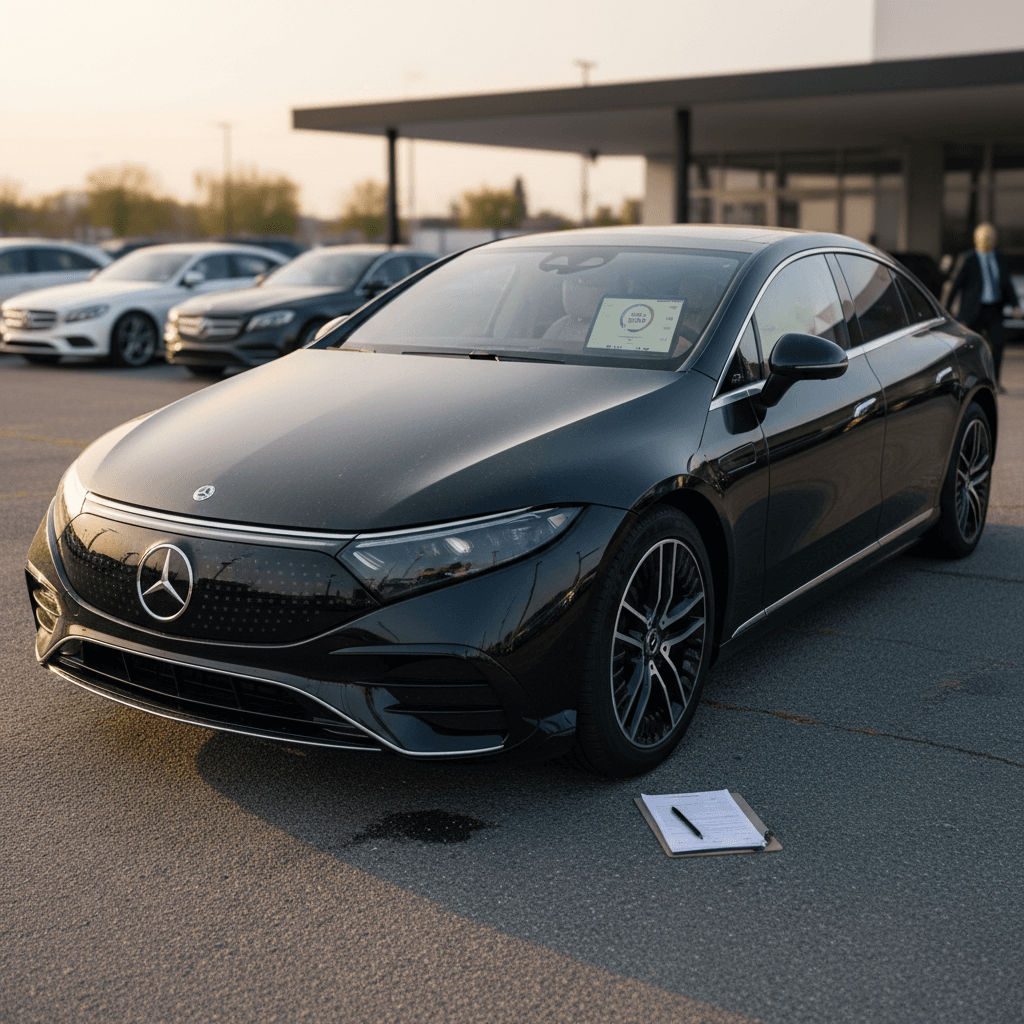
The catch, and your opportunity, is that the EQS has been a heavy depreciator. Market data by early 2025 shows typical used EQS prices clustering near the low‑to‑mid‑$50,000s, with some higher‑mile examples below that. Projected five‑year residuals suggest roughly $60,000 of value lost from new on well‑optioned cars. For a used buyer in 2026, you’re essentially getting flagship Mercedes comfort, tech and refinement for nicely loaded midsize‑luxury money.
The flip side
Sedan vs SUV and trims: which used EQS should you target?
In the U.S., your used Mercedes EQS choices break down into two basic body styles and several power levels:
EQS sedan vs EQS SUV on the used market
Same basic tech, very different personalities
EQS Sedan (V297)
What it is: A low, sleek liftback sedan, the original EQS.
- Model years: 2022 onward in the U.S.
- Versions: EQS 450+, EQS 450 4MATIC, EQS 580 4MATIC, AMG EQS 53.
- Pros: Best efficiency and range, huge rear seat comfort, quiet as a bank vault.
- Cons: Styling is polarizing; some find steering + brake feel numb.
EQS SUV
What it is: A taller 3‑row SUV derivative on the same EVA platform.
- Model years: 2023 onward.
- Versions: EQS 450+, EQS 450 4MATIC, EQS 580 4MATIC, Maybach EQS 680.
- Pros: Higher seating, available 3rd row, still very quiet.
- Cons: Less efficient, shorter real‑world range, larger tires and more weight.
If you care most about range and efficiency, the EQS 450+ sedan is the sweet spot. It’s rear‑wheel drive with a single motor and the full 107.8 kWh usable battery pack, yielding EPA range ratings around 350 miles on early 2022–2024 cars. The dual‑motor EQS 580 4MATIC trades some of that range for all‑wheel drive and serious thrust, well north of 500 horsepower.
On the SUV side, the same naming logic applies: 450+ is single‑motor RWD, 450 4MATIC and 580 4MATIC add a front motor and all‑wheel drive. The SUV’s bluff profile and extra mass mean you see noticeably lower highway efficiency than in the sedan, but if you live somewhere with snow or need three rows, it can make sense as a used buy, just don’t expect Lucid‑level range.
Range, battery and charging: what you’ll really get
Most EQS sedans in the U.S. carry a usable battery of roughly 107.8 kWh. Early EPA ratings put the EQS 450+ sedan around 350 miles and the EQS 580 4MATIC just under that, in the mid‑340‑mile range when new. Real‑world owners regularly report highway results within striking distance of those numbers if you stay reasonable with speed and wheel size.
Real‑world range expectations
- EQS 450+ sedan: Commonly 300–340 miles on the highway; more in city or mixed driving.
- EQS 580 sedan: Expect 260–310 miles depending on wheels, climate and driving style.
- EQS SUV 450+/580: Typically 230–290 miles highway; SUVs are simply less slippery.
These are broad, real‑owner ranges; actual results depend heavily on speed, temperature, wheels and elevation.
Charging experience
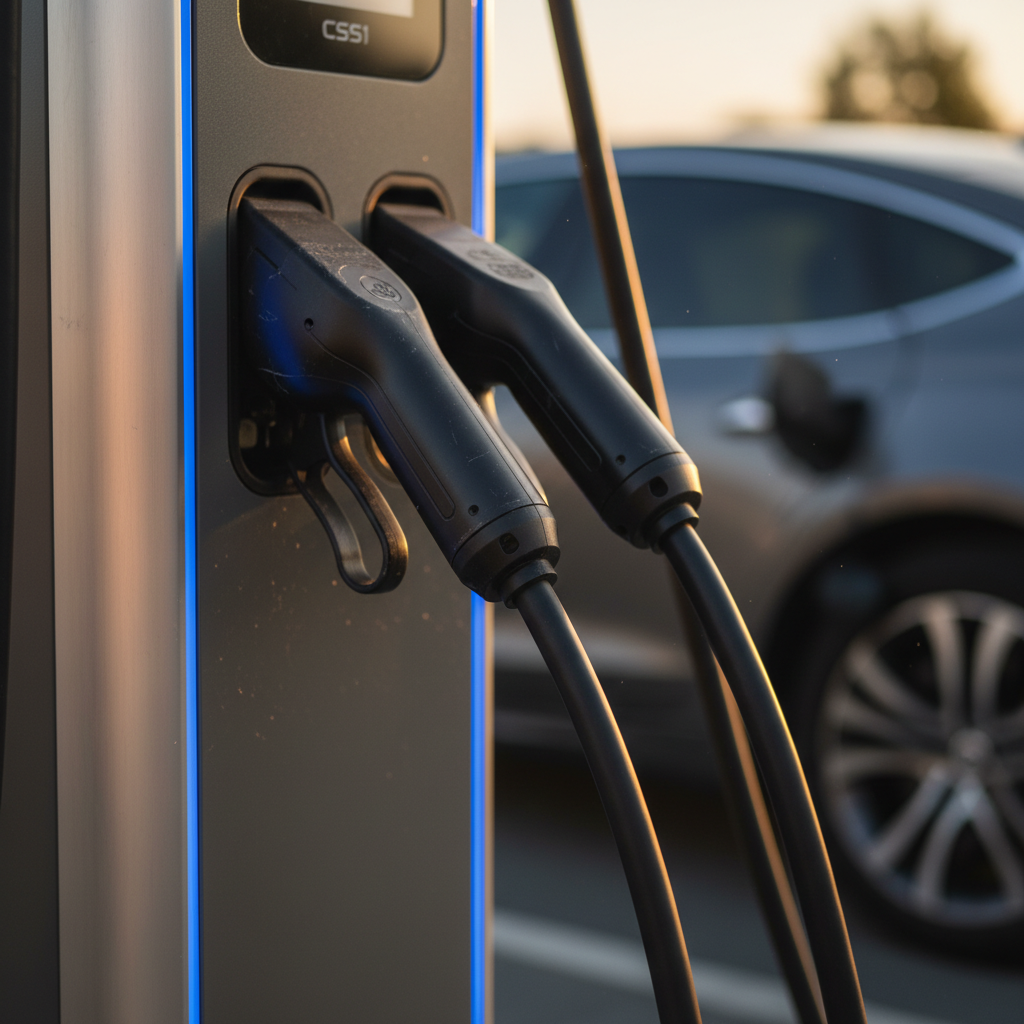
- Connector: CCS1 DC fast charging, J1772 for Level 2 AC on U.S. cars.
- DC rate: Peaks around 200 kW on many trims when conditions are right.
- AC charging: Up to 9.6–11 kW on Level 2, meaning ~10–12 hours from low to full at home.
- Planning: On road trips, think in terms of miles gained per 15–30‑minute stop, not 0–100%.
Battery health matters more than headline range
The EQS battery pack itself has not been the star of most horror stories; more often, it’s charging communication glitches or software gremlins that interrupt a DC fast‑charge session around 50–70% state of charge. That makes a clean history of software updates and successful road‑trip use particularly reassuring when you’re shopping used.
Depreciation, prices and value in 2026
If you like your luxury cars the way you like your spacecraft, already launched, de‑bugged and sold back to Earth at a discount, the EQS is your moment. Independent market trackers singled it out for very steep early depreciation, with some studies showing nearly half the value gone after the first year on certain builds. By early 2025, typical listing data had many EQS sedans hovering around $50,000, with fresher or better‑equipped examples closer to $60,000.
Typical used Mercedes EQS price bands in 2026 (U.S.)
Approximate asking ranges assuming clean titles; actual prices vary with options, miles and region.
| Model / Trim | Model years | Typical miles | Ballpark asking price |
|---|---|---|---|
| EQS 450+ sedan | 2022–2023 | 25k–45k | $48,000–$58,000 |
| EQS 580 4MATIC sedan | 2022–2023 | 25k–45k | $52,000–$65,000 |
| AMG EQS 53 | 2022–2023 | 20k–40k | $65,000–$80,000 |
| EQS 450+ SUV | 2023–2024 | 15k–35k | $55,000–$70,000 |
| EQS 580 SUV | 2023–2024 | 15k–35k | $65,000–$85,000 |
These are directional price bands, not offers. Always cross‑check current listings.
Why depreciation is your friend here
The key is to avoid letting that low price blind you to condition. A neglected or problematic EQS can erase your depreciation win in a single out‑of‑warranty repair or a battery‑related buyback drama. This is a car where inspection quality matters far more than haggling the last $500 off the sticker.
Common EQS issues and what to avoid
EQS owners report a split experience. Many 2023–2024 builds do thousands of miles with “zero issues.” Others bounce in and out of the dealership for software faults and nuisance warnings. You are trying to buy the former and avoid the latter.
Most commonly reported EQS trouble spots
Not automatic deal‑breakers, but they demand scrutiny
Infotainment & software glitches
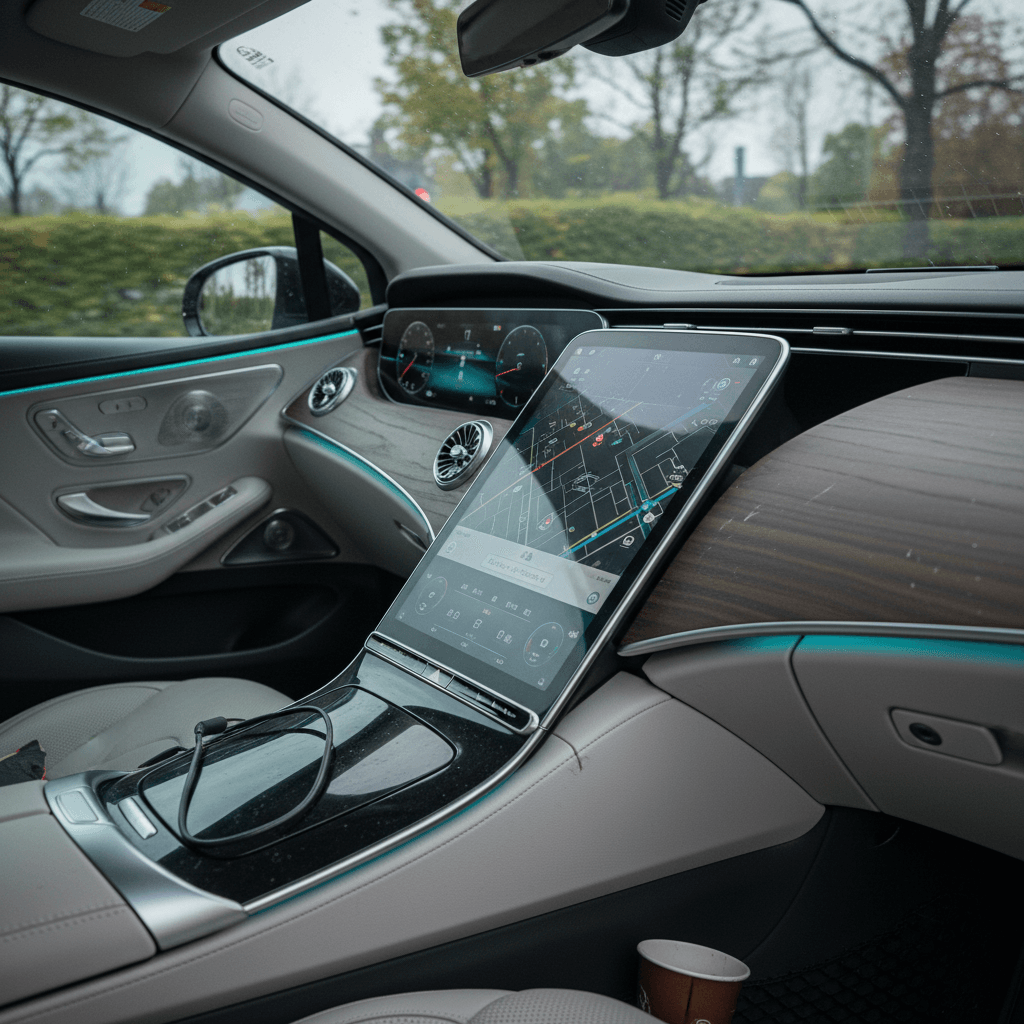
MBUX Hyperscreen and the broader software stack can throw random errors, freeze or lag. Look for:
- Documented software updates.
- Few or no repeat complaints in service history.
- All driver‑assist features working smoothly on test drive.
ADAS & sensor issues
Some owners report warnings that disable adaptive cruise or lane‑keep systems, often due to radar/camera calibration or sensor faults.
Multiple visits for the same ADAS fault are a red flag on a used car.
DC fast‑charging faults
Not universal, but there are reports of EQS cars that begin DC charging normally then error‑out at ~50–70% state of charge.
Ask the seller about recent road trips and whether charging has ever stopped unexpectedly.
Interior squeaks & trim niggles
The cabin is generally solid, but occasional creaks, buzzing trim or pano roof noises show up in owner forums.
Annoying more than catastrophic, but worth noticing on a test drive.
Check‑engine / HV warnings
Intermittent high‑voltage system warnings that clear on restart are occasionally mentioned.
One or two logged incidents that were fixed may be fine; a pattern is not.
Dealer support variability
Some Mercedes dealers are still developing EV expertise. Long waits for parts, limited EV loaners, and slow diagnostics are common themes.
Buying from an EV‑savvy retailer helps cushion this.
Walk‑away signals on a used EQS
"The EQS can be sublime when it’s working, but complexity cuts both ways. On the used market, due diligence is the whole game."
Pre‑purchase checklist for a used EQS
Used Mercedes EQS inspection checklist
1. Pull a complete service and repair history
You want to see consistent dealer or specialist visits, routine maintenance and software updates, without a pattern of repeat electrical or charging issues. A single repaired incident isn’t scary; five visits for the same ghost code is.
2. Get objective battery health data
Ask for a <strong>battery state‑of‑health report</strong>, not just the dash range number. At Recharged, every EQS listing includes a Recharged Score with verified battery diagnostics so you can see capacity and thermal behavior before you sign anything.
3. Test DC fast charging if possible
On a pre‑purchase test, stop at a reputable DC fast charger. Confirm that the car negotiates the session quickly, reaches expected power levels, and can charge beyond 70% without erroring out.
4. Exercise all driver‑assist systems
On a safe stretch of road, test adaptive cruise, lane centering, blind‑spot monitoring and automatic emergency braking. Any persistent warnings or disabled features should be investigated with a scan tool and, ideally, a Mercedes dealer.
5. Inspect tires, wheels and brakes
Many EQS cars left the factory on 20"–21" low‑profile tires that wear quickly and are expensive to replace. Uneven wear, curb rash or shudder under braking can add thousands to your first year of ownership.
6. Check every seat, panel and screen
Run every seat adjustment, massage program, ambient lighting profile and door soft‑close. With this many motors and controllers, you’re simply trying to catch anything that doesn’t feel factory‑fresh.
Where Recharged fits in
How the Recharged Score de-risks a used EQS
On a mainstream used Camry, you can shrug and trust the odometer. On a six‑figure German EV, you want instrumentation. That’s what the Recharged Score is designed to be: an x‑ray of the car’s battery, pricing and overall condition so you don’t have to be a high‑voltage engineer to make a good decision.
What the Recharged Score tells you on an EQS
Clarity where the factory window sticker is silent
Battery state of health
We use dedicated EV diagnostics to measure usable capacity and thermal behavior, not just what the dash guesses. You see how the pack is aging compared with typical EQS baselines.
Fair market pricing
Our pricing model looks at current market data, trim, mileage and options so you can see whether a specific EQS is priced fairly, under market or wishful thinking.
Condition and risk flags
We synthesize inspection findings, Carfax, and known EQS trouble spots into an easy‑to‑read score, highlighting what’s routine and what deserves a tougher conversation, or a pass.
Ready to find your next EV?
Browse VehiclesPair that with Recharged’s financing, trade‑in and nationwide delivery, and you can realistically buy a complex car like the EQS entirely online, without wondering what’s lurking in the high‑voltage logs.
450+ vs 450 4MATIC vs 580: choosing the right spec
On the used market, the trim badge on the trunk matters a lot more than the color of the ambient lighting. Here’s how to think about the main EQS powertrains.
Used EQS trims: how they stack up for 2026 buyers
High‑level comparison for U.S. EQS sedan and SUV shoppers.
| Trim | Drive layout | Character | Best for |
|---|---|---|---|
| EQS 450+ | RWD, single motor | Most efficient, longest range, calm and smooth rather than fast. | Drivers who prioritize range, low running costs and relaxed highway cruising. |
| EQS 450 4MATIC | AWD, dual motor (detuned) | More traction than 450+, less power than 580. | Snow‑belt buyers who don’t need the full 580 shove. |
| EQS 580 4MATIC | AWD, dual motor (high output) | Very quick, more standard equipment; less range than 450+. | Drivers who want "S‑Class with launch control" vibes and live somewhere with charging abundance. |
| AMG EQS 53 | AWD, performance tuned | Loudest, quickest, stiffest, shortest range; more complex hardware. | Enthusiasts who understand they’re buying a high‑performance, high‑complexity halo car. |
All versions share the same basic luxury experience; the differences are about power, grip and range.
Snow vs range trade‑off
Ownership costs: tires, service and warranty
On paper, EQS running costs benefit from EV fundamentals: no oil changes, fewer moving parts, regenerative braking. In practice, this is still a flagship Mercedes. Some line items look more Maybach than Model 3.
Where the EQS saves you
- Energy: Even at mediocre utility rates, electricity usually undercuts premium gasoline for an S‑Class.
- Brakes: Regenerative braking dramatically stretches pad and rotor life for gentle drivers.
- No engine maintenance: No timing chains, spark plugs, oil changes or turbos to fail.
Where costs bite back
- Tires: 20"–21" performance tires plus heavy curb weight = short tread life and expensive replacements.
- Out‑of‑warranty repairs: Anything touching high‑voltage systems, Hyperscreen or ADAS can be five‑figure territory if not covered.
- Dealer labor rates: Flagship‑car rates, and not all dealers are yet fast or efficient with EV diagnostics.
Warranty basics to know
If you’re stretching for a used EQS that’s near the end of its comprehensive warranty, it’s worth running the numbers on a third‑party service contract or buying from a retailer, like Recharged, that is transparent about inspection results and can help you avoid the problem children in the first place.
FAQ: buying a used Mercedes EQS in 2026
Frequently asked questions about used EQS shopping
Is a used Mercedes EQS right for you?
A used Mercedes EQS in 2026 is not the safe, anonymous choice. It’s the bold one. You are buying into S‑Class‑grade comfort, a genuinely massive battery and a cabin that still feels futuristic, at a price that reflects both aggressive depreciation and the realities of early‑generation EV complexity. If you go in with clear eyes, good data and a ruthless pre‑purchase inspection, you can end up with one of the most serene, long‑legged electric cars on the road for the cost of a new mid‑tier crossover.
If that sounds appealing, start by deciding whether you’re a 450+ range‑maximizer or a 580 power‑chaser, then focus on the cleanest examples you can find. Use battery health reports, service history and real‑world charging behavior as your filters, not just photos and monthly payment. And if you’d rather have a guide in your corner, shopping an EQS through Recharged means every car comes pre‑vetted with a Recharged Score, fair pricing, financing options and EV‑specialist support from click to driveway.