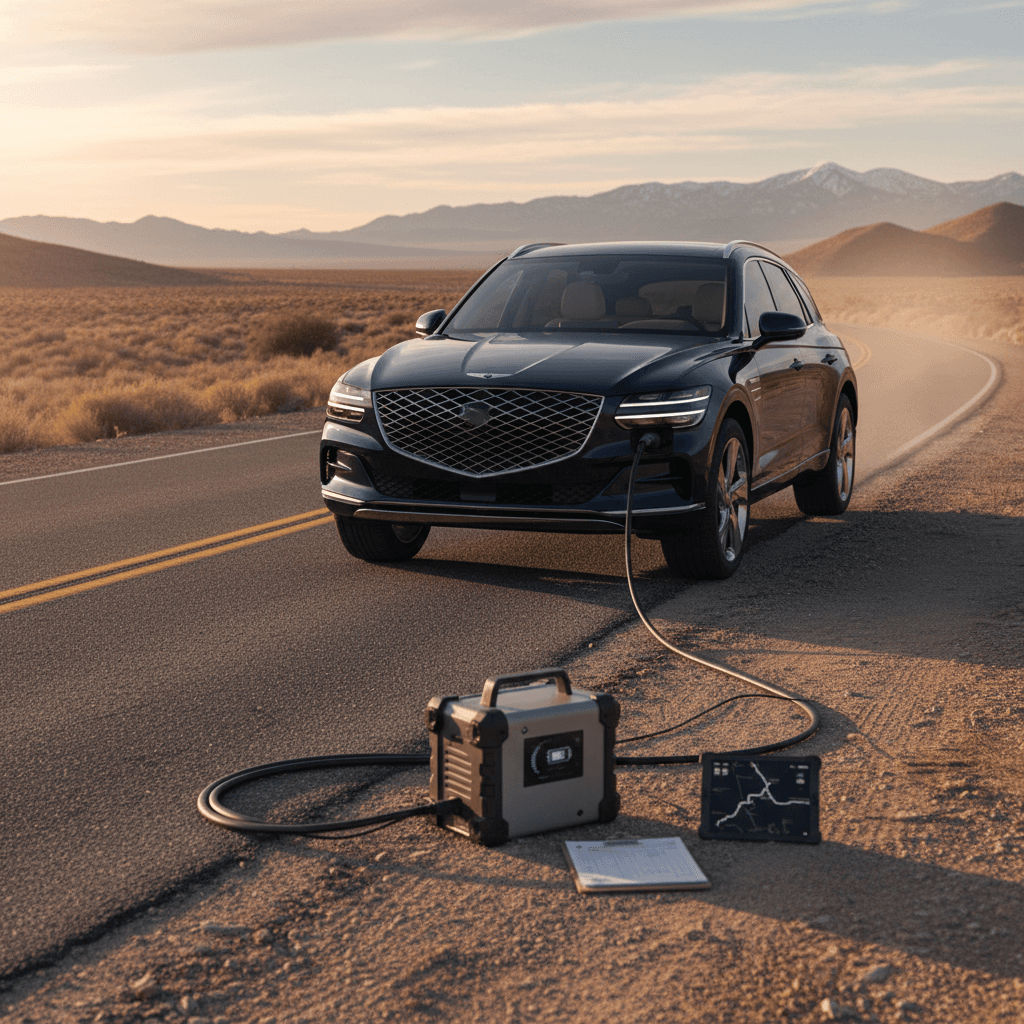
If you’re considering a Genesis Electrified GV70, you’ve probably seen the official range numbers, but what you really care about is how far it will go on the highway in the real world. This guide breaks down the Electrified GV70 real-world highway range, using independent test data and practical experience so you can plan road trips confidently and shop for a new or used example with your eyes open.
Quick answer
Electrified GV70 range basics: EPA vs reality
Before we zoom in on highway use, it helps to understand the official numbers Genesis and the EPA publish for the Electrified GV70. These figures are your starting point, not a promise.
Genesis Electrified GV70 official range and efficiency
Key official range and energy-use numbers for U.S.-spec models.
| Model year / battery | Test cycle | Rated total range | Highway rating | Combined consumption |
|---|---|---|---|---|
| 2023–2025, 77.4 kWh | EPA | 236 miles | 83 MPGe highway (≈ 215 miles est.) | 37 kWh/100 mi |
| 2025 (Europe/UK, ~84 kWh) | WLTP | Up to 298 miles | No separate highway figure | ~3.2 mi/kWh |
| Real-world 75 mph test | C&D 75‑mph loop | 190 miles | , | ≈ 2.7 mi/kWh |
EPA ratings give a useful baseline, but real-world highway range is usually lower.
In the U.S., the 2023–2025 Electrified GV70 is rated at 236 miles of combined EPA range, with a highway efficiency of about 83 MPGe. The EPA also publishes a separate highway-only range estimate of around 215 miles, which is a better proxy for steady freeway driving than the big headline number.
Don’t fixate on the 236-mile number
Highway range tests: What independent data shows
Independent tests are the best way to translate lab results into what you’ll see on the open road. A few credible sources have now put the Genesis Electrified GV70 through dedicated highway loops and longer-term evaluations.
Real-world highway range at a glance
A respected highway range test at a constant 75 mph returned about 190 miles on a charge in an Electrified GV70, roughly 80% of the official EPA combined range. That’s very typical: most EVs lose 15–25% of their rated range at true interstate speeds due to aerodynamic drag increasing with speed.
Another data set focused on real-world range estimates at 75 mph points to around 191 miles in good conditions, essentially mirroring the independent test result. Owners and reviewers also commonly report 2.3–2.7 mi/kWh, versus the idealized ~3.2 mi/kWh you’d infer from the EPA label. In plain English, the GV70 is a quick, luxurious SUV first and an efficiency champ second.
How the GV70 compares to rivals
How speed, weather, and terrain change your highway range
Range isn’t a single number. Highway range in a Genesis Electrified GV70 is a moving target shaped by how you drive and where you drive. Here’s how the major factors play out in the real world.
Major factors that affect your Electrified GV70’s highway range
Think in terms of percentage changes, not just miles.
Cruising speed
Above about 60 mph, aerodynamic drag climbs rapidly. Going from 65 mph to 75 mph can easily trim 10–15% off your range in any EV, including the Electrified GV70.
Temperature & HVAC
Cold weather and heavy HVAC use hit range hard. Running heat on a winter highway drive can shave 20% or more off your real‑world range, while mild temperatures with little climate use are your best‑case scenario.
Terrain & elevation
Long climbs demand energy; you’ll gain some back on descents via regen braking, but not all of it. Expect hilly interstate routes to feel shorter on range than flat Midwestern highways.
Best‑case highway scenario
- Speed around 65–70 mph
- Temperatures in the 60s–70s °F
- Light climate control
- Relatively flat terrain
In this scenario, many drivers will see 200–215 miles of usable highway range if they’re comfortable arriving with a small buffer around 5–10% state of charge (SoC).
Worst‑case highway scenario
- Speeds of 75–80+ mph
- Winter temps below freezing
- Cabin heat running continuously
- Headwinds or lots of climbing
In tough conditions, it’s safer to plan on 150–175 miles between fast‑charge stops, especially if you want to arrive with 10–20% remaining.
Cold-weather penalty is real
Realistic road-trip planning in a Genesis Electrified GV70
So how do those numbers translate into actual road trips in the U.S., say, a 400‑mile interstate day between major cities? The key is to think in terms of usable window (roughly 10–80% SoC) and how quickly this Genesis can recharge.
Sample 400-mile day in an Electrified GV70
1. Start at 100% at home
Leave home or your hotel fully charged. Your first highway leg will usually be your longest, often 180–200 miles before you’re down to 15–20%.
2. First DC fast charge: 10–80%
Stop at a 150–350 kW charger. In good conditions, the Electrified GV70’s 800V architecture can go from 10% to 80% in about 18–20 minutes when the charger and battery cooperate.
3. Second leg: 150–180 miles
From 80% down to roughly 15–20% is a comfortable second stint. At 70–75 mph, that’s typically 2–2.5 hours of driving.
4. Optional top‑off or lunch stop
If you’re stretching beyond 400 miles, add a second 10–70% stop during lunch. That’s another 15–25 minutes on a strong DC fast charger.
5. Arrive with a buffer
Aim to reach your destination with at least <strong>10–20% SoC</strong>. That gives you flexibility if traffic detours or a charger is offline.
What most owners experience
Charging speeds, stops, and using Tesla Superchargers
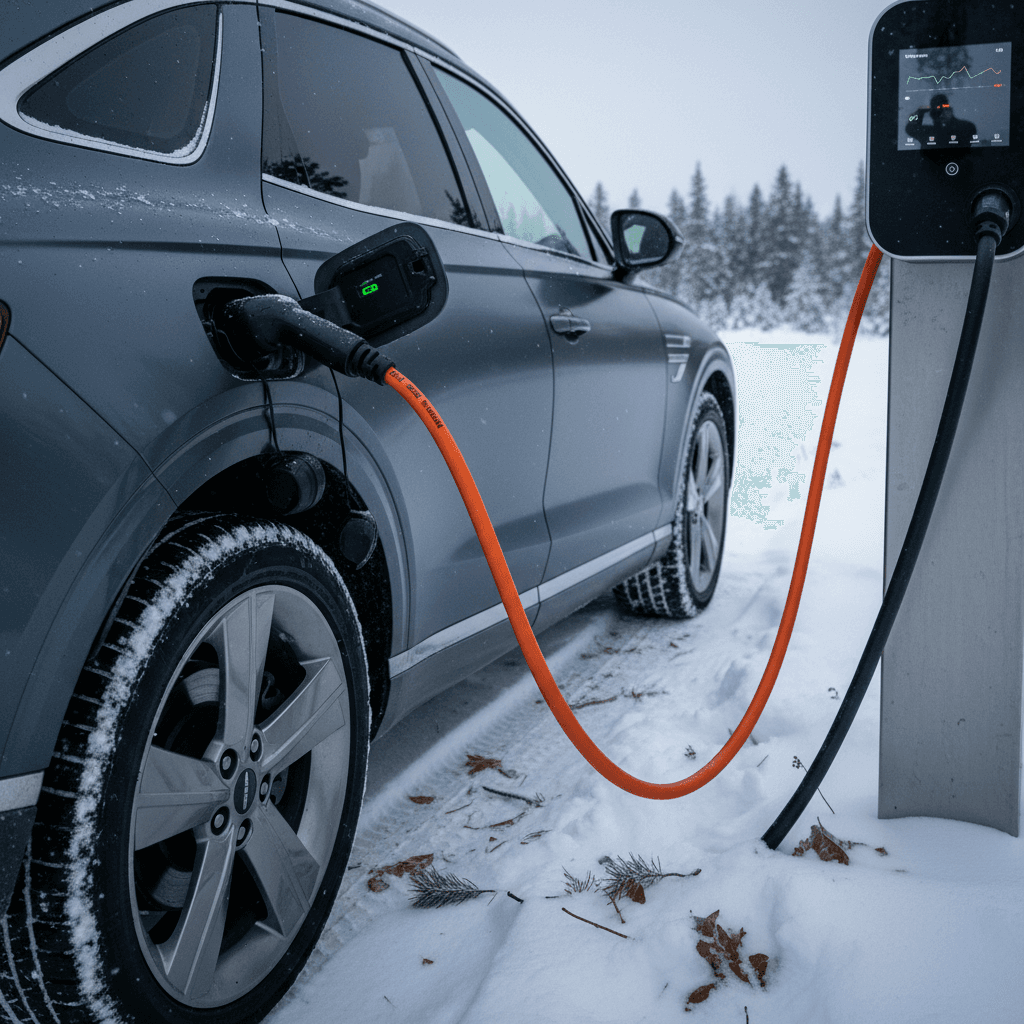
Range is only half the story. The other half is how quickly you can get those miles back. Here the Genesis Electrified GV70 has a real strength: its 800‑volt electrical architecture and strong DC fast‑charging capability.
Electrified GV70 charging basics
Approximate charging performance for U.S. models on common chargers.
| Charger type | Max power | Typical use | Approx. time |
|---|---|---|---|
| Level 2 home / workplace | Up to 10.9 kW | Overnight charging | ~8 hours 0–100% |
| DC fast 150 kW | ≈150–170 kW sustained | Highway stops | ~20–30 min 10–80% |
| DC fast 350 kW | Peak ~230–240 kW | Best-case public fast charge | ~18–20 min 10–80% |
Real‑world times vary with charger capability, temperature, and battery state of charge.
On a capable 150–350 kW unit, you’re typically looking at 18–25 minutes to go from a low state of charge (around 10%) to 80%. That’s roughly 150–170 miles of highway range added in the time it takes to use the restroom and grab a snack.
Supercharger access and NACS
Practical tips to maximize real-world highway range
You can’t change physics, but you can stack the deck in your favor. A few smart habits will noticeably improve your Electrified GV70’s real‑world highway range without turning every drive into a hyper‑miling experiment.
Simple ways to stretch Electrified GV70 highway range
Use Eco or Normal, not Boost
Sport and Boost modes are fun but encourage heavy acceleration. For long drives, stick with Eco or Normal and reserve Boost for quick passes.
Target 65–70 mph when you can
Each 5 mph you add above 65 chips away at efficiency. Even backing off from 77 mph to 70 mph can gain you a meaningful chunk of range over a long leg.
Precondition while plugged in
In hot or cold weather, use the climate preconditioning while the car is still on the charger. That way you warm or cool the cabin using grid power, not your battery.
Check tire pressure regularly
Underinflated tires add rolling resistance and hurt range. Make a habit of checking pressures monthly, and especially before a road trip.
Travel lighter when possible
Roof boxes, bike racks, and heavy cargo all hurt range. Remove roof accessories when you don’t need them and avoid treating the cargo area like a storage unit.
Use built‑in route planning
The car’s nav and many third‑party apps can factor in charging stops automatically, reducing anxiety and helping you arrive with a sensible buffer.
Think in hours, not just miles
Buying a used Electrified GV70: Range and battery health
If you’re looking at a used Genesis Electrified GV70, real‑world highway range isn’t just about the original specs, it’s also about how the battery has been treated over time. The good news: modern EV packs, including Genesis’s, generally hold up well when owners follow basic charging hygiene.
Key range-related checks on a used Electrified GV70
These questions help you understand how much real range you’re buying.
Battery health & charging history
Ask how the previous owner charged: mostly at home on Level 2, or frequent DC fast charging? Occasional fast charging is fine, but a road‑warrior DC‑only life can add wear over many years.
On Recharged, every vehicle includes a Recharged Score Report with verified battery health and charging history insights where available, so you’re not guessing about range.
Realistic range at your speeds
During a test drive, note projected range at highway speed with a known state of charge. Compare it to the EPA number and the 185–210‑mile real‑world band discussed in this article.
Remember that weather, HVAC use, and elevation changes will all influence what you see on the dash.
How Recharged helps
Ready to find your next EV?
Browse VehiclesGenesis Electrified GV70 range FAQ
Frequently asked questions about Electrified GV70 real-world range
Bottom line: Is the Electrified GV70’s highway range enough?
The Genesis Electrified GV70 doesn’t chase headline range numbers the way some competitors do, but it offers honest, usable real‑world highway range in the 185–210‑mile band for most drivers, backed by very quick DC fast‑charging. For many owners, especially those who are ready for a short break every few hours, that combination makes long‑distance travel straightforward rather than stressful.
If you’re shopping for a used Electrified GV70, the key is understanding the particular vehicle in front of you, its battery health, charging history, and how its real‑world range lines up with your driving patterns. That’s exactly where Recharged comes in, with verified Recharged Score battery diagnostics, transparent pricing, and EV‑specialist support from your first question through delivery. When you know what the highway range really looks like, you can decide with confidence if this luxury EV SUV fits your life.