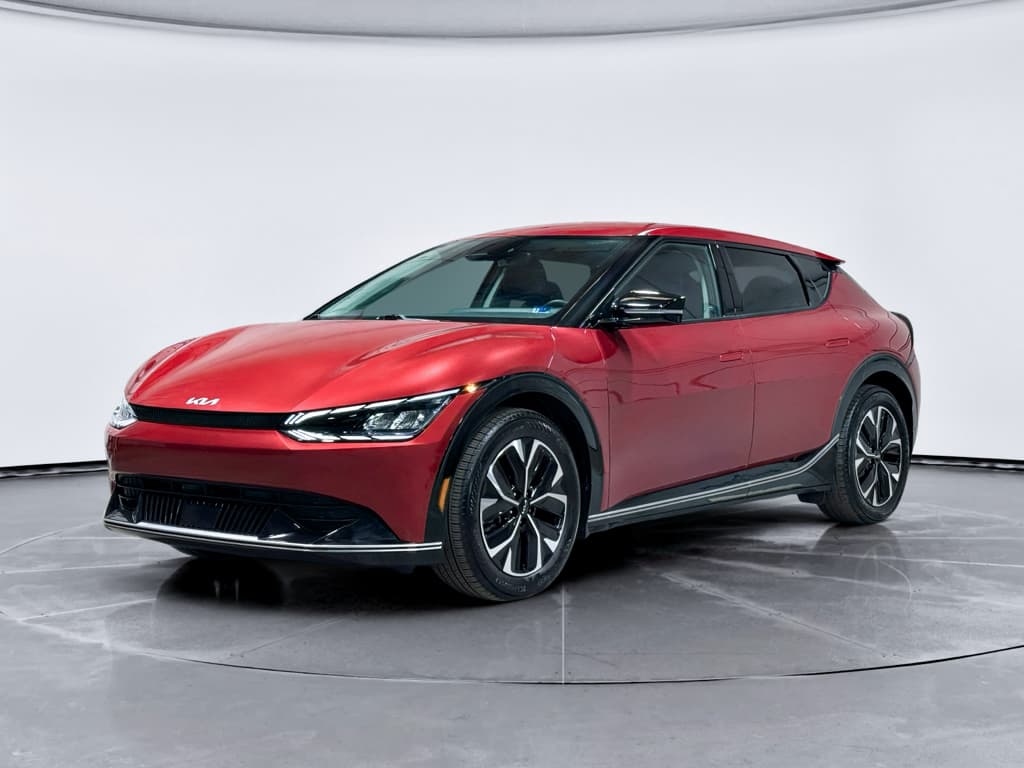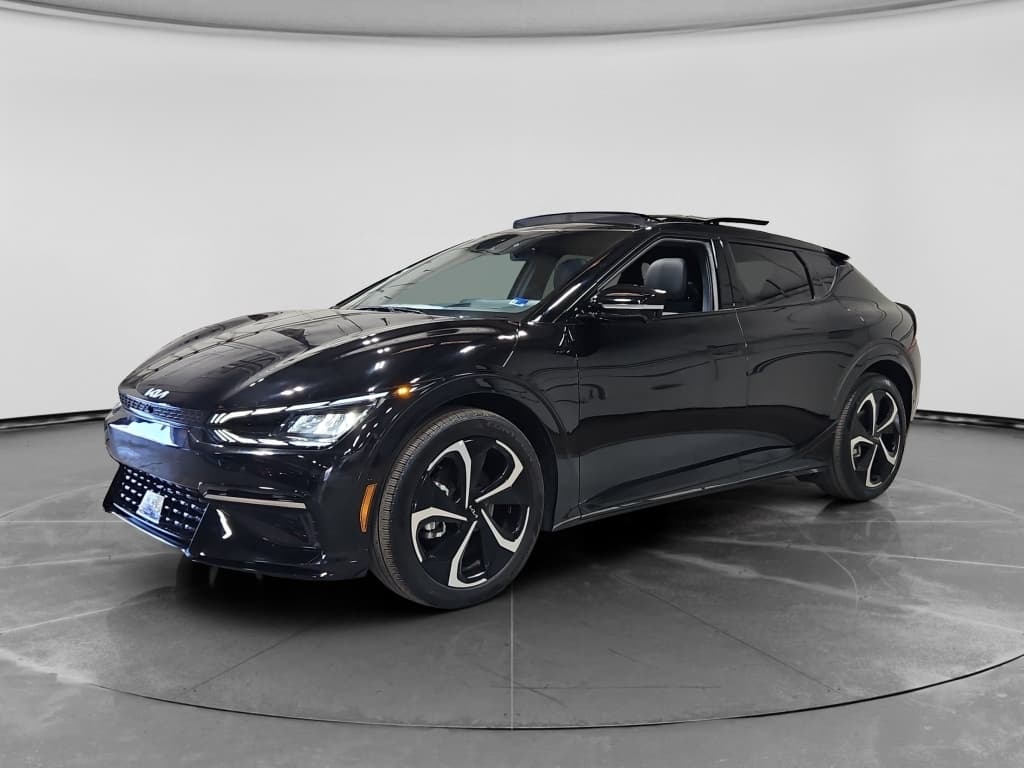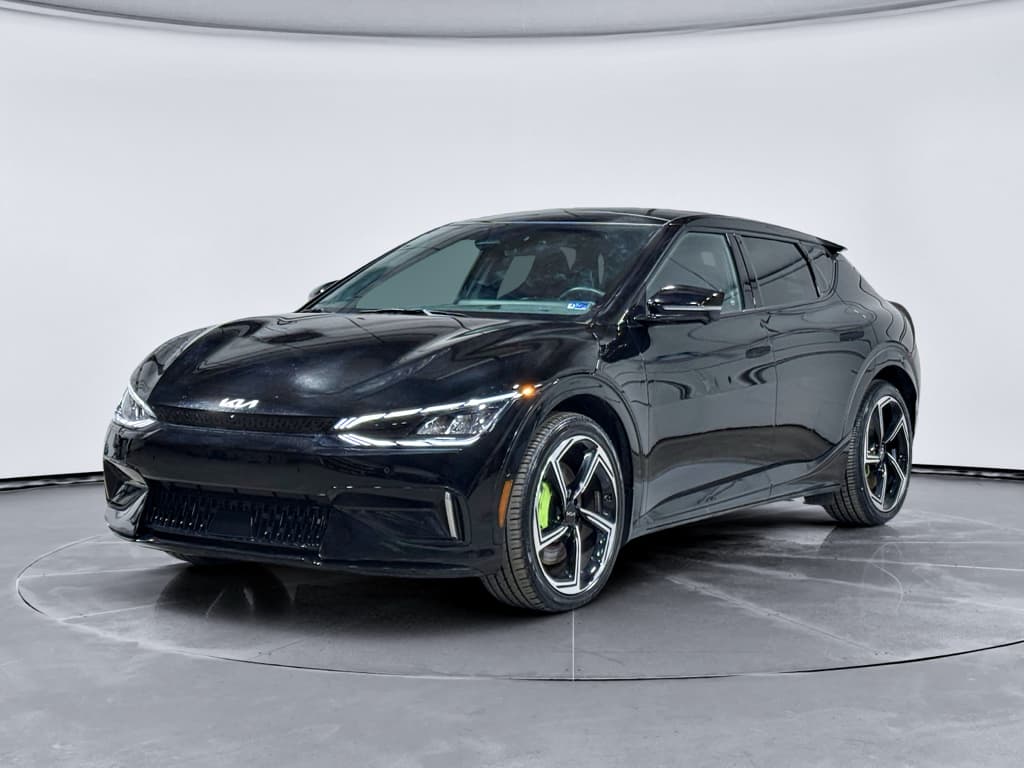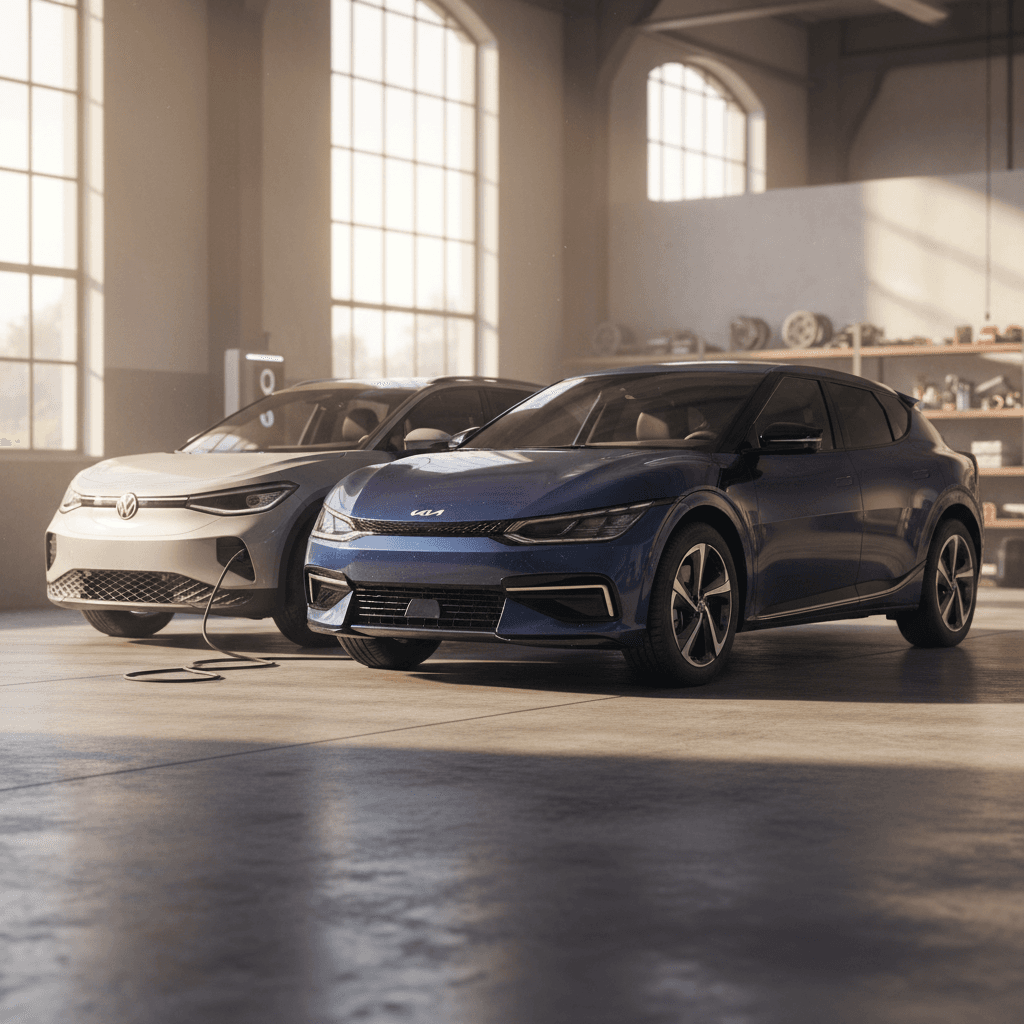
If you’re shopping the used electric SUV aisle in 2026, the Kia EV6 and Volkswagen ID.4 are probably sitting right next to each other on your short list. Both offer family‑friendly space, solid range, and DC fast charging, but they feel very different from behind the wheel, and they age differently on the used market. This 2026 used Kia EV6 vs Volkswagen ID.4 comparison walks you through the real trade‑offs so you can buy with confidence.
Who this comparison is for
Overview: Used EV6 vs ID.4 in 2026
Kia EV6: the sleek, sporty option
- Feels more like a tall sports wagon than a traditional SUV.
- Generally quicker, with strong acceleration even in mid‑level trims.
- Excellent DC fast‑charging speeds and long‑legged highway range.
- Interior feels modern, with a design‑forward cockpit.
Volkswagen ID.4: the laid‑back family crossover
- Traditional SUV shape with a roomy back seat and cargo area.
- Softer, quieter ride that many families prefer in daily driving.
- Good range, especially with the larger battery, but slower DC charging than EV6.
- Straightforward, practical cabin, even if VW’s early software annoyed some owners.
Bottom line up front
Quick specs: used Kia EV6 vs VW ID.4
Core specs snapshot (typical U.S. used models you’ll see in 2026)
These are representative configurations you’re likely to find in volume on the used market, not every possible trim.
| Spec | Used Kia EV6 (common trims) | Used VW ID.4 (common trims) |
|---|---|---|
| Model years you’ll mostly see | 2022–2024 (early 2025s starting to appear) | 2021–2024 (some 2025s) |
| Typical battery size | 77.4 kWh pack on most U.S. cars | ~62 kWh standard; ~82 kWh on Pro/Pro S |
| EPA range (ballpark, larger pack RWD) | Up to roughly mid‑200s miles depending on trim and wheels | Up to high‑200s miles on big‑battery RWD Pro models |
| DC fast‑charging peak | Up to ~240 kW on 77.4 kWh EV6 | Typically up to ~170 kW on newer big‑battery ID.4s |
| On‑board AC charger | 11 kW | 11 kW |
| Drive layout | RWD or AWD; performance‑oriented GT available | RWD or AWD; tuned for comfort |
| Body style feel | Low, sleek, almost wagon‑like | Boxier, true crossover feel with higher roof |
Always confirm exact battery, motor, and charging specs on the specific used vehicle you’re considering.
Used pricing, value and depreciation
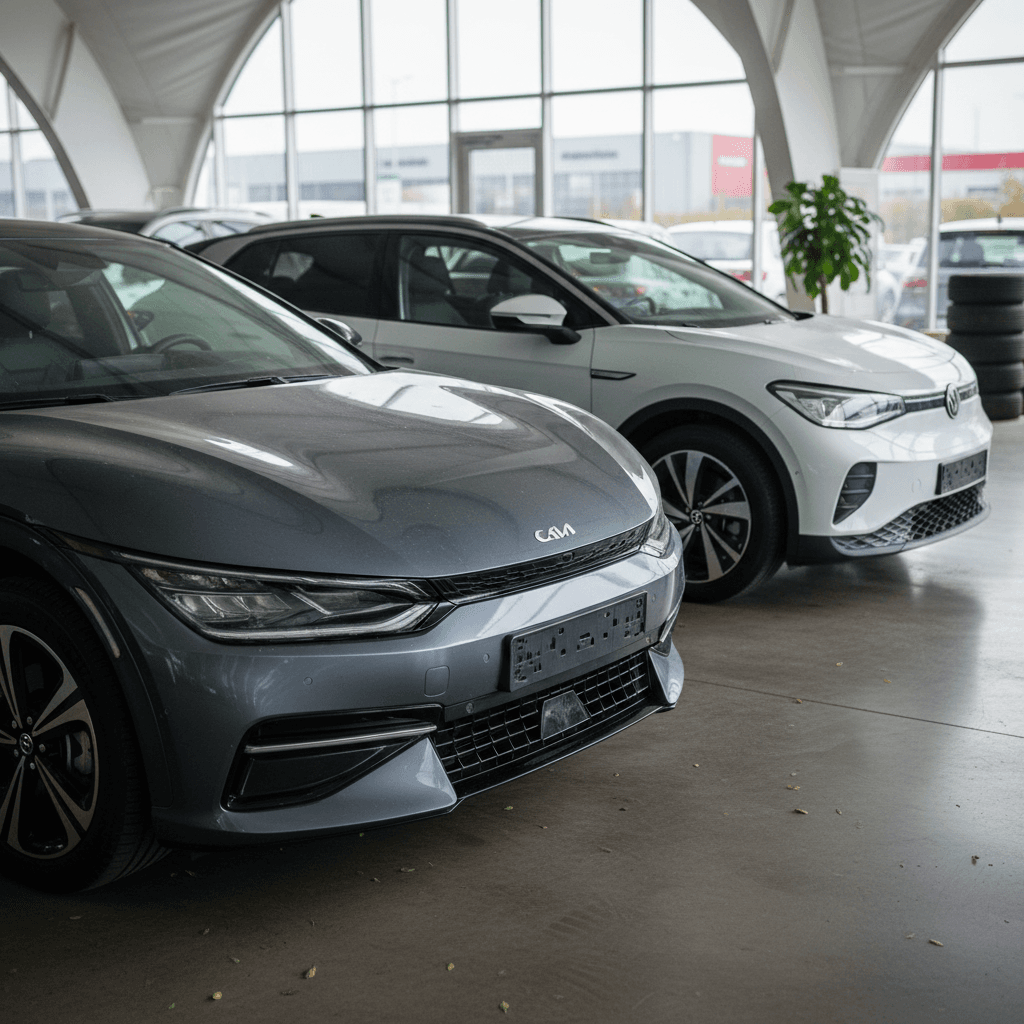
Used EV pricing has been on a roller coaster since 2022. Generous new‑EV incentives, the federal used EV tax credit, and shifting demand have pushed many electric crossovers, EV6 and ID.4 included, down faster than comparable gas SUVs. That’s painful for first owners and a gift for you.
How EV6 and ID.4 typically behave on the used market
What you’re likely to see shopping 2022–2024 models in 2026
Used Kia EV6 pricing tendencies
- EV6 launched a bit more expensive than ID.4 when new, especially in higher trims.
- Fast depreciation means you may find well‑equipped 2023–2024 EV6s at surprisingly attractive prices versus new.
- Sporty trims (Wind, GT‑Line) can hold value slightly better than base cars, but they still undercut similar‑age gas SUVs.
Because the EV6 feels more premium and fun to drive, many used shoppers see it as the "value upgrade" if prices are close.
Used Volkswagen ID.4 pricing tendencies
- VW chased volume with aggressive lease deals and discounts, so there are lots of ID.4s cycling back to the market.
- That supply often makes ID.4 one of the lower‑priced used EV crossovers for its size, especially earlier 2021–2023 models.
- Pro/Pro S models with the larger battery and updated 2024‑on hardware usually command a premium over Standard models.
If you’re price‑sensitive and okay with slower charging, a used ID.4 can be an excellent bargain commuter or family car.
Don’t shop price without range and charging context
Range and efficiency in real life
On paper, both the EV6 and ID.4 offer plenty of range for most U.S. drivers. In practice, wheel size, weather, and how fast you drive will matter more than the EPA window sticker. Here’s how they tend to behave once the new‑car smell has faded.
What to know about EV6 vs ID.4 range on the used market
1. Battery size drives the whole story
Most U.S. Kia EV6s use the 77.4 kWh pack, which puts them solidly in the mid‑200‑mile club in mixed conditions when new. The ID.4 comes in two main flavors: a smaller pack (roughly low‑200‑mile EPA ratings) and a larger ~82 kWh pack that can stretch near 300 miles on paper. On a used car, confirm which pack you’re getting.
2. Highway vs city range
Both SUVs are efficient around town, but at 70–75 mph, aerodynamics and gearing favor the EV6 slightly. Owners often report that the EV6 hangs onto its EPA range better on long freeway stints, while the ID.4’s boxier shape costs a bit at speed.
3. Cold‑weather performance
Neither brand has fully magic‑proofed winter. Expect 20–35% range drops in cold climates, especially on short trips. The ID.4’s heat pump (when equipped) can help, but so can the EV6’s preconditioning and efficient HVAC. Look at owner reports from your region if you live in snow country.
4. Degradation vs behavior
By 2026, early 2022 models of both EV6 and ID.4 tend to show modest battery degradation, not dramatic losses, when reasonably cared for. Driving style, storage, and fast‑charging habits usually matter more than the badge on the hood.
Range reality check
Charging speeds and road‑trip ability
This is where the spec sheets really start to diverge. The Kia EV6 was one of the first mainstream EVs to bring truly high‑power DC fast charging to the masses, while the ID.4 took a more conservative approach that has improved over time but still doesn’t quite match the Kia.
Charging performance comparison (typical large‑battery models)
Approximate peak DC charging performance on common U.S. trims; actual speeds depend heavily on state of charge, temperature, and charger quality.
| Charging metric | Used Kia EV6 (77.4 kWh) | Used VW ID.4 (82 kWh Pro/Pro S) |
|---|---|---|
| Peak DC fast‑charge power | Up to ~240 kW on many trims | Up to roughly 170 kW on newer 82 kWh cars |
| 10–80% DC fast‑charge time (ideal conditions) | Often around 18–20 minutes when new | Roughly 30–36 minutes on many big‑battery ID.4s |
| On‑board AC charging (home / Level 2) | 11 kW (about 30–35 miles per hour at 48A) | 11 kW (similar home charging performance) |
Fast charging isn’t just about the maximum kW, how long the car holds high power matters just as much.
Charger networks matter as much as the car
Why the EV6 feels easier on long trips
- Its high peak charge rate and strong charging curve mean short, sharp stops, especially from low state of charge.
- The car can recover a large chunk of range in the time it takes you to stretch, grab a snack, and hit the restroom.
- If you road‑trip several times a year, those 10–15 minute differences per stop add up.
When the ID.4’s charging is "good enough"
- If your driving is mostly regional, say, 150‑mile circles from home, a big‑battery ID.4 Pro still works well.
- You’ll spend longer at fast chargers than an EV6 driver, but if you only DC fast‑charge a few times a month, it may not matter.
- On a strict budget, the slower charging is often the trade you make for a lower purchase price.
Comfort, space and ride quality
Step inside these two and you’ll immediately feel the philosophical difference. The Kia EV6 wants you to think "futuristic grand tourer." The ID.4 just wants to haul your people and stuff without drama.
Interior feel and practicality
Both are roomy; they just prioritize different things.
Kia EV6 comfort & space
- Lower seating position; feels more like a sporty hatchback than a tall SUV.
- Rear seat space is good, but taller passengers may notice the sloping roofline.
- Cargo area is long, but the rakish hatch steals some vertical space vs ID.4.
- Ride is firmer and more controlled, especially on bigger wheels, great for handling, a bit busier on broken pavement.
Volkswagen ID.4 comfort & space
- More upright seating with a traditional SUV feel and easy entry/exit.
- Generous headroom and a truly adult‑friendly back seat, even with child seats installed.
- Boxier cargo area makes loading bulky items simpler.
- Ride tuning skews soft and quiet, soaking up daily bumps with less drama, ideal for commuting and kid duty.
Family‑car snapshot
Tech, safety and driver assistance
Both brands packed these SUVs with the driver‑assist alphabet soup: lane‑keeping, automatic emergency braking, adaptive cruise control and more. But their approaches to in‑car tech and user experience are pretty different, especially on earlier ID.4s.
Kia EV6 tech and feel
- Clean, dual‑screen layout with generally intuitive menus.
- Available extras like head‑up display and premium audio on higher trims.
- Kia’s driver‑assist suite is polished and confidence‑inspiring on the highway.
- Over‑the‑air updates exist but aren’t as central as on pure software‑first EV brands.
Volkswagen ID.4 tech and feel
- Early 2021–2023 ID.4s were infamous for laggy, quirky software and touch‑sensitive controls.
- Later updates, especially 2024‑on U.S. models with larger screens and improved software, address many pain points.
- VW’s adaptive cruise and lane‑keeping are competent, though the tuning can feel less natural than Kia’s to some drivers.
- If you’re not a gadget chaser, the ID.4’s simple instrument cluster and big center screen may be all you need.
Software version matters on a used ID.4
Battery health and used‑EV risk
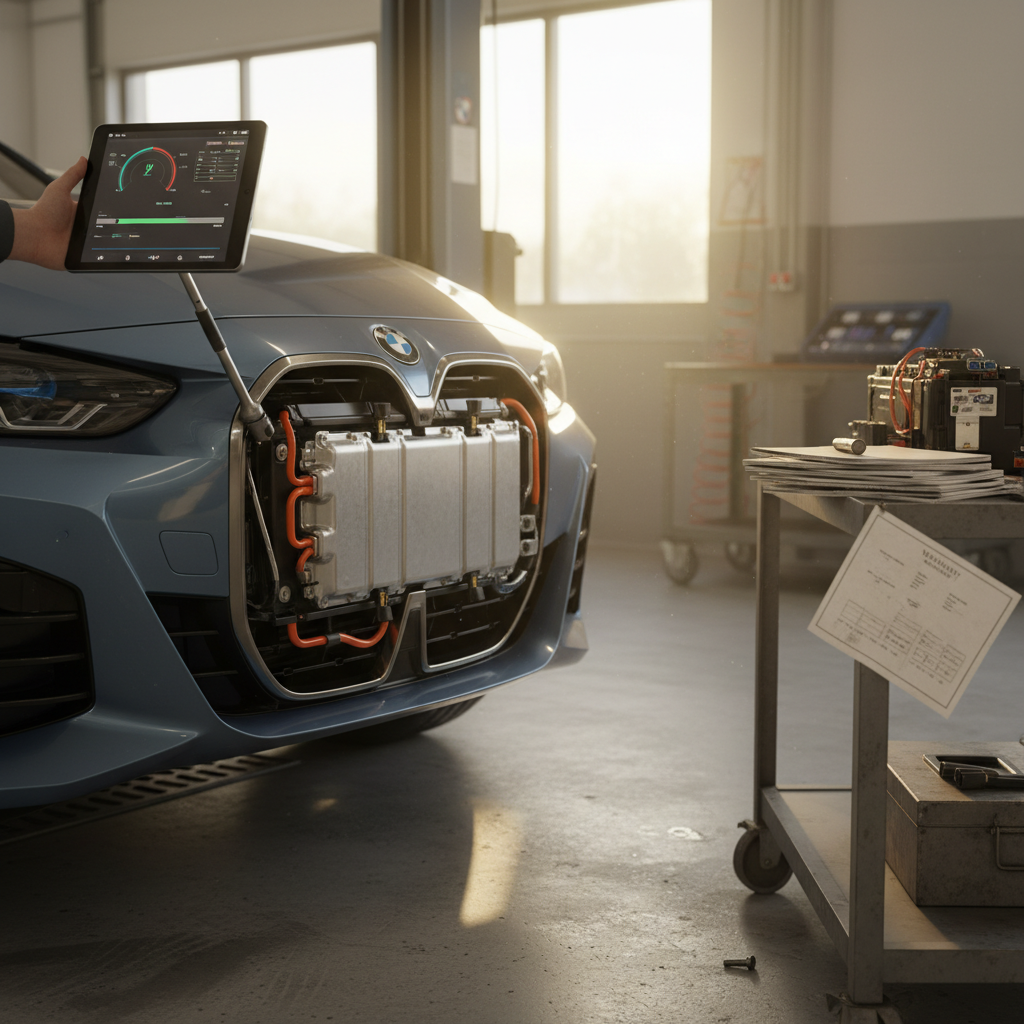
The battery is the beating heart of any used EV purchase. A healthy pack means years of painless ownership; a tired one can turn a good deal into a rolling regret. Both Kia and Volkswagen warranty their high‑voltage batteries for many years, but warranty alone doesn’t tell you how a specific car has been treated.
Battery warranties you’ll typically see
Don’t buy blind on battery health
This is where Recharged steps in. Every vehicle sold on Recharged includes a Recharged Score Report, which incorporates battery‑health diagnostics rather than guessing from mileage alone. That means you can compare, say, a 2023 EV6 and a 2022 ID.4 on more than just paint color and price, you see how the pack is actually aging.
Battery‑health questions to ask on any used EV6 or ID.4
How often was it DC fast‑charged?
Frequent high‑power DC sessions aren’t automatically bad, but repeated, back‑to‑back fast charging at high states of charge can accelerate wear. Ask for charging habits, and favor cars that did most charging at home Level 2.
What’s the real usable range now?
Take a reasonably long test drive at your typical speeds, reset a trip computer, and see how projected range lines up with reality. A diagnostics‑backed report, like the Recharged Score, goes even deeper than this seat‑of‑the‑pants check.
Is the battery still under factory warranty?
An early‑build 2022 might be halfway through its 8‑year window by 2026. A newer 2024 car likely has more warranty runway left, which can be worth a price premium.
Has the car sat parked for long stretches?
Long storage at very high or very low state of charge can stress batteries. A vehicle history that shows regular use and charging is often healthier than a "barn‑find" EV with almost no recent miles.
Ownership costs, insurance and warranty
Beyond the purchase price, EVs rewrite the rules for running costs. You’ll spend little or nothing on oil changes and far less on brakes, but you’ll want to think about electricity rates, insurance and long‑term warranty coverage.
Cost of living with a used EV6 vs ID.4
Where the money goes after you bring it home
Energy costs
If you can charge at home, both SUVs will almost always undercut an equivalent gas crossover on fuel costs. Efficiency is similar enough that your electricity rate matters more than which of these two you choose.
Insurance
Insurance quotes vary wildly by ZIP code and driver profile. In many markets, the EV6 can sit slightly higher due to its performance and price point. The ID.4’s softer image and lower average transaction price sometimes translate to modestly lower premiums.
Maintenance and repairs
Both skip most traditional maintenance. Kia’s dealer network and VW’s long U.S. presence mean you’re not hunting for exotic parts. On a used EV, prioritize service history and any open recalls rather than brand loyalty alone.
Extended coverage and peace of mind
Which used EV SUV fits you?
Put the spec charts aside for a moment and think about how you actually live. Your daily routines and road‑trip style will tell you more about which of these EVs belongs in your driveway than any brochure spec.
Choose your path: EV6 vs ID.4 by real‑world use case
The highway‑happy road‑tripper
You regularly drive 200+ mile days at 70–80 mph.
Fast, reliable DC charging and short stops matter a lot.
You enjoy a firmer, more connected ride and don’t mind a lower seating position.
Best fit: <strong>Kia EV6</strong>, larger battery, preferably RWD or dual‑motor Wind/GT‑Line.
The suburban family shuttle
Your days look like school drop‑offs, Costco runs, and commuting under 60 miles.
Comfort, quiet, and an easy loading height matter more than 0–60 times.
You may only fast‑charge on a few road trips a year.
Best fit: <strong>Volkswagen ID.4</strong>, ideally with the larger battery for winter margin.
The value‑focused commuter
You want the lowest total cost to get into a modern EV crossover.
Most of your charging will be at home or work; public fast charging is rare.
You’re open to earlier model years if the battery checks out clean.
Best fit: A well‑priced <strong>ID.4 Standard or Pro</strong> with documented battery health, or a competitively priced EV6 if pricing lines up.
The enthusiast who still needs four doors
You care about steering feel, acceleration, and design as much as cargo room.
You might occasionally hit a twisty road just for fun.
You still need to carry people and stuff, but you don’t want to feel like you’re driving an appliance.
Best fit: <strong>Kia EV6</strong>, with the sportier trims on your test‑drive list.
How Recharged helps used EV6 & ID.4 shoppers
Buying a used EV shouldn’t feel like detective work. At Recharged, the goal is to make EV ownership simple and transparent, especially when you’re choosing between close competitors like the Kia EV6 and Volkswagen ID.4.
- Every vehicle on Recharged comes with a Recharged Score Report that includes verified battery‑health diagnostics, not just a guess based on mileage.
- You see fair market pricing grounded in real‑world used EV data, so you can quickly tell if that EV6 Wind or ID.4 Pro is priced right.
- EV‑specialist advisors can talk you through charging needs, range expectations, and trim differences, no pressure, no jargon.
- You can handle the process end‑to‑end online, including financing, trade‑in, and nationwide delivery, or visit the Recharged Experience Center in Richmond, VA if you prefer to kick the tires in person.
- If you already own an EV you’re replacing, Recharged offers instant offers or consignment options to make the switch painless.
A smarter way to cross‑shop EV6 and ID.4
Ready to find your next EV?
Browse VehiclesFAQ: used Kia EV6 vs Volkswagen ID.4
Frequently asked questions
Both the used Kia EV6 and Volkswagen ID.4 can be terrific electric SUVs in 2026, but they’re aimed at slightly different hearts. The EV6 is the quicker, sharper road‑tripper; the ID.4 is the calm, practical family partner. Focus on how you actually drive, insist on real battery‑health data, and compare specific cars, not just badges. When you’re ready, Recharged can help you line up your favorite EV6s and ID.4s, dig into their Recharged Scores, and have the right one delivered straight to your driveway.