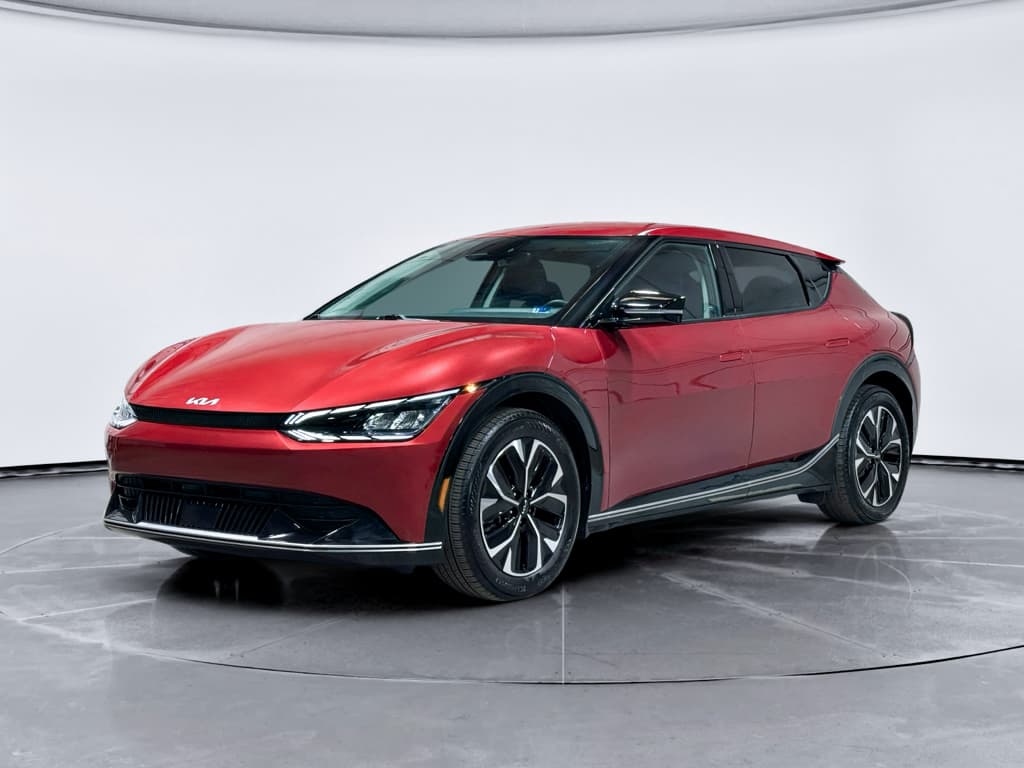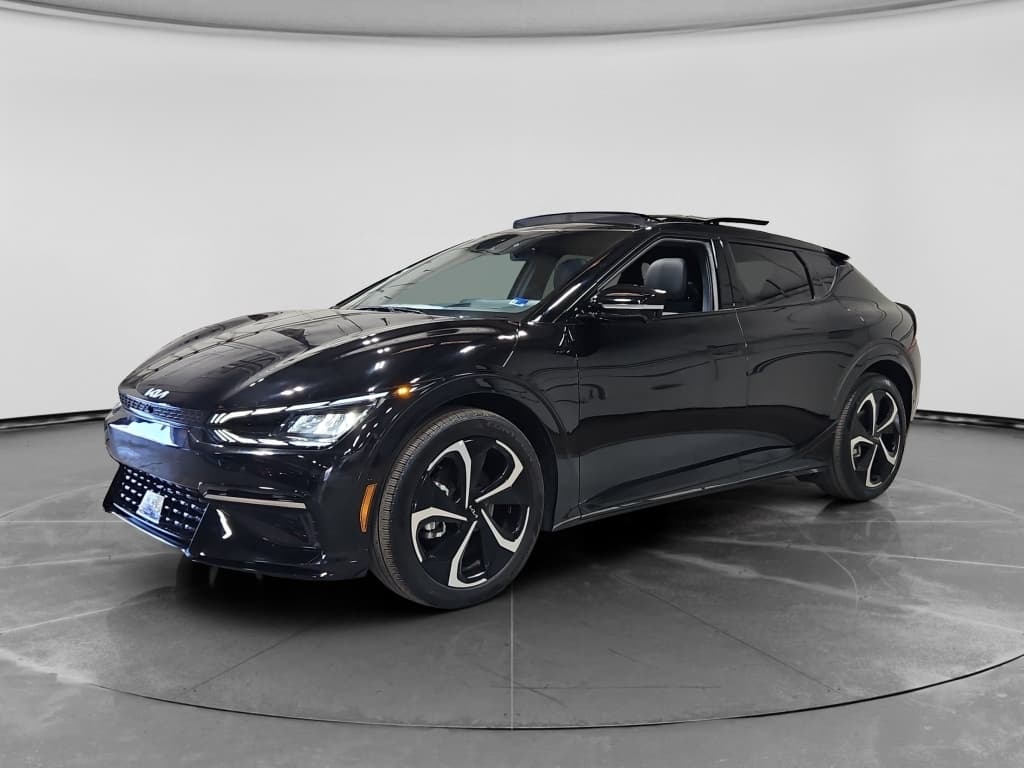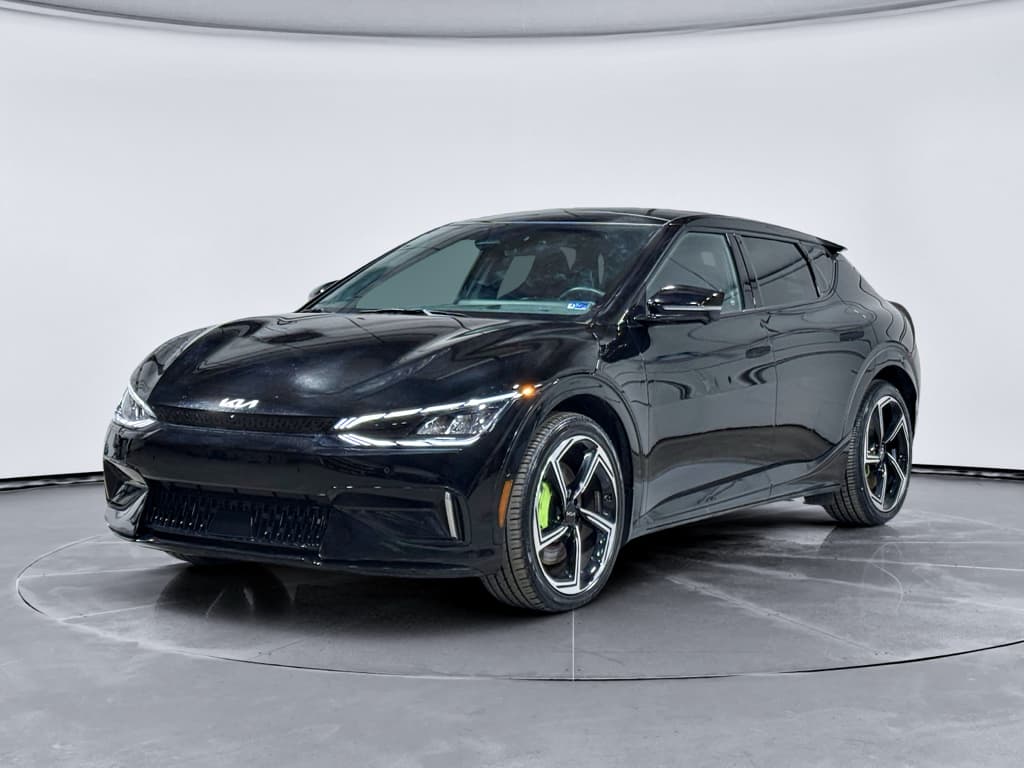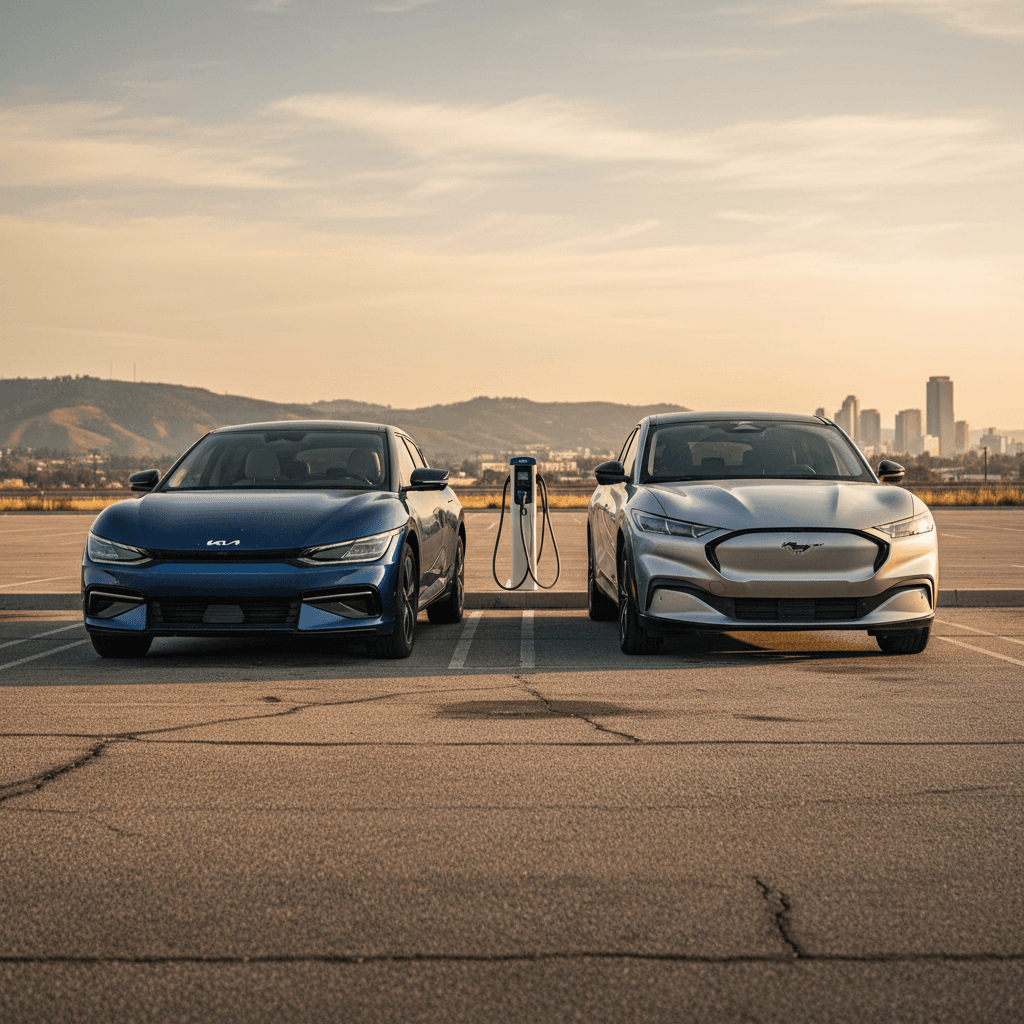
If you’re shopping for a used electric SUV in 2026, the Kia EV6 and Ford Mustang Mach‑E are probably at the top of your list. Both are stylish, quick, family‑friendly EVs, but they differ in range, charging behavior, reliability history and how they age as used vehicles. This 2026-focused used Kia EV6 vs Ford Mustang Mach‑E comparison walks you through the details so you can pick the right one for the way you actually drive.
Who this guide is for
Overview: Used Kia EV6 vs Mustang Mach-E in 2026
Kia EV6: The efficiency and charging champ
- Generally better DC fast‑charging speeds thanks to an 800‑volt architecture and an 84 kWh pack on 2025+ models.
- Competitive or better EPA range on rear‑wheel‑drive trims, especially 2024–2025 Light Long Range / Wind / GT‑Line.
- Sporty, low-slung feel; not as upright as some SUVs, but still practical for families.
- Warranty support has been strong, but some early‑build cars had charging‑related ICCU issues that you’ll want to check have been fixed.
Ford Mustang Mach‑E: The characterful all‑rounder
- More traditional crossover/SUV shape and a familiar Ford badge, appealing if you’re coming from a gas SUV.
- Strong performance options (GT and Rally) and plenty of trims with extended‑range batteries up to around 91 kWh.
- Software and recall history is longer and messier than the EV6, including door‑latch and roll‑away recalls, but most issues are software‑fixable.
- Because Ford has sold a lot of Mach‑Es, there’s usually a wide used selection and sometimes more aggressive pricing.
Quick decision snapshot
Key Specs: Used EV6 vs Used Mach-E
Core Specs for Typical Used EV6 and Mach-E Configurations
Representative specs for popular 2023–2025 trims you’re most likely to find used in 2026. Exact numbers vary by year and wheel size, but this gives you a realistic cross‑shop baseline.
| Model & configuration | Battery (usable, approx.) | EPA range (approx.) | 0–60 mph (approx.) | Peak DC fast‑charge rate | Drivetrain |
|---|---|---|---|---|---|
| Kia EV6 RWD Long Range (Wind / GT-Line, 2023–2024) | 77.4 kWh | around 300 mi | ~7.0 s | up to ~240 kW on 800V | RWD |
| Kia EV6 RWD Long Range (2025 refresh) | ~84 kWh | Kia targets ~319 mi for RWD trims | ~7.0 s | similar peak, longer high‑speed window | RWD |
| Kia EV6 AWD Long Range | 77.4–84 kWh | mid‑ to high‑200s mi | ~5.0 s | similar peak; slightly higher consumption | AWD |
| Ford Mustang Mach‑E RWD Standard Range (Select/Premium) | ~70–73 kWh | mid‑ to high‑200s mi, depending on year | mid‑6 s | around 115–150 kW depending on year | RWD |
| Ford Mustang Mach‑E RWD Extended Range (Premium) | ~88–91 kWh | around 300 mi (some years a bit more) | mid‑6 s | similar peak to SR, higher average | RWD |
| Ford Mustang Mach‑E GT / Rally (eAWD) | ~91 kWh | mid‑200s mi | around 3.8–4.0 s | fast enough for road trips; more energy use | AWD |
Always confirm exact specs for the specific VIN you’re considering, battery size and range can change by trim and year.
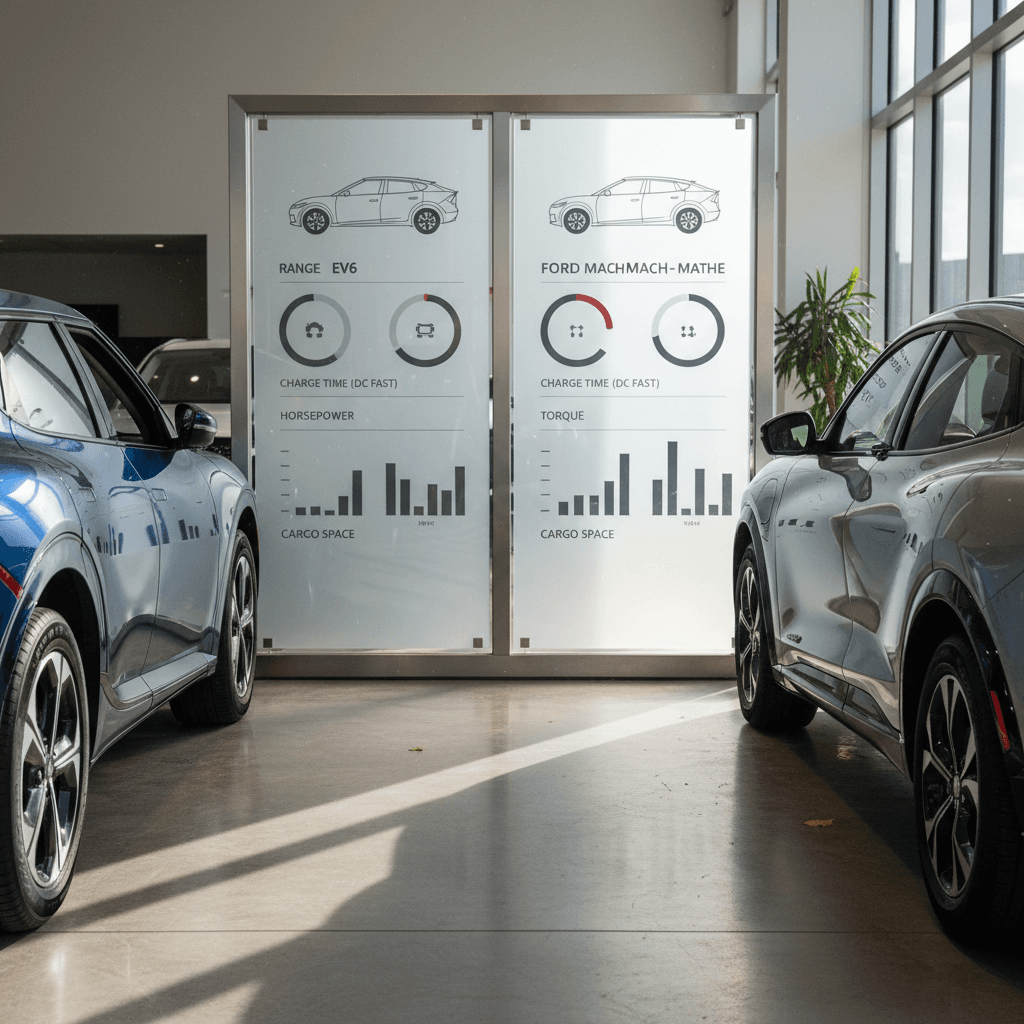
Spec sheet vs. used reality
Real-World Range and Charging Experience
How They Behave on the Road and at Chargers
Both have enough range for daily use; the bigger differences show up on 150–350 kW fast chargers.
Range in everyday driving
Kia EV6: Owners commonly report that RWD long‑range trims can achieve high‑200s miles on mixed driving, with 2025 models nudging a bit higher thanks to the larger 84 kWh pack.
Mach‑E: Extended‑range RWD trims land in a similar ballpark, but AWD and GT models can drop into the low‑ to mid‑200s if you drive them hard or in cold weather.
DC fast‑charging behavior
EV6: Its 800‑volt architecture lets it jump quickly to high power, often 200+ kW on 350 kW stations, keeping road‑trip stops comparatively short when the station is healthy.
Mach‑E: Peak rates are lower and the curve is flatter. You can still road‑trip comfortably, but charging sessions tend to run a bit longer from 10–80% compared with an EV6.
Practical range rule of thumb
What to Check on a Test Drive
1. Verify real‑world range estimate
Start with the car at 80–90% charge and compare the projected range to the original EPA figure. A modest drop is normal on a used EV; big gaps may warrant a deeper battery health check.
2. Plug in at a DC fast charger
If possible, visit a 150–350 kW station. Watch how quickly the EV6 or Mach‑E ramps up, how long it holds high power, and whether the station or the car throttles unexpectedly.
3. Test home and Level 2 charging
If you have access to a 240V Level 2 charger, verify that the onboard charger works as expected and that there are no unusual noises or errors during charging.
4. Check for charge‑port errors or warning lights
On both models, intermittent charge‑port or high‑voltage system warnings can hint at hardware or software issues. Scan for stored diagnostic codes if you can.
Performance and Driving Character
Kia EV6: Sporty and planted
- Feels more like a sporty hatchback or wagon than a tall SUV.
- RWD trims deliver smooth, predictable power; AWD versions bring strong off‑the‑line punch without the drama of the Mach‑E GT.
- Ride quality is firm but controlled; on rough pavement, some shoppers prefer the EV6’s balance over the stiffer Mach‑E GT setups.
- Steering is quick and direct, which many drivers enjoy on twisty roads.
Ford Mustang Mach‑E: Characterful and fun
- The styling and badge push it toward the “electric pony car” side of the spectrum, especially on GT and Rally trims.
- GT and Rally variants are genuinely quick, with sub‑4‑second 0–60 mph runs and strong mid‑range pull.
- Standard and Premium trims dial things back a bit with softer tuning that’s easier to live with every day.
- One‑pedal driving and regenerative braking tuning have improved via software updates over time; check that a used car is up to date.
Which feels more fun?
Reliability, Known Issues and Recalls
Neither the used Kia EV6 nor the Ford Mustang Mach‑E is a disaster, but both have early‑generation EV quirks and recalls you should take seriously, especially when you’re buying used and may not know the car’s full history.
Common Reliability Talking Points
These aren’t guarantees of problems, just patterns you should be aware of and screen for when shopping used.
Kia EV6 reliability notes
- Early‑build cars (especially 2022) were more likely to see ICCU (charging control) failures that can strand the car. Kia has been addressing this via software and hardware updates.
- Some owners report infotainment glitches and occasional sensor issues, but nothing systemically worse than other modern EVs.
- On the plus side, the EV6 benefits from Kia’s long battery and powertrain warranties, which can still apply to used buyers if the car is within age and mileage limits.
Mustang Mach‑E reliability notes
- Ford has issued multiple software and safety recalls, including high‑profile campaigns for door latches (locking passengers in) and roll‑away risks on some model years.
- Many issues are fixed with over‑the‑air or dealer software updates, but not every used car has been kept up to date.
- Early cars also saw occasional high‑voltage battery contactor issues, again typically addressed via recalls or software.
Non‑negotiable: Recall and update status
Reliability Checklist for Used EV6 and Mach-E
1. Run a VIN recall search
Use the manufacturer’s recall lookup or a reputable vehicle history report to see whether open recalls remain, especially on Mach‑Es affected by door‑latch or roll‑away campaigns.
2. Confirm charging‑system updates
For EV6, ask specifically about ICCU‑related updates. For Mach‑E, verify high‑voltage and charging‑system software is current.
3. Look for warranty coverage left
Kia’s long battery and powertrain warranty can be a big plus on a used EV6. Mach‑E coverage depends on original in‑service date and mileage; confirm what’s left in writing.
4. Ask for service records
A car that’s seen regular dealer visits is more likely to have received recalls and software updates on time.
Interior, Tech and Everyday Practicality
Cabin space and comfort
- EV6: Lower roofline and sportier seating position. Rear headroom can be a bit tighter for tall adults, but foot and knee room are good. Cargo space is solid but not class‑leading.
- Mach‑E: Slightly more upright seating and a more traditional SUV feel. Rear seat entry and headroom may be easier for families or older passengers.
Tech, screens and UX
- EV6: Dual-screen setup with Kia’s interface, which many owners find intuitive after a short learning curve. Physical controls for climate are a plus.
- Mach‑E: Large vertical center screen with Ford’s SYNC software. Great for maps and media, but some basic functions are buried in menus. OTA updates have improved responsiveness and features over time.
- Both offer strong driver‑assistance suites (adaptive cruise, lane‑centering, blind‑spot monitoring) on most trims, though hardware and features vary by year and package.
- Cargo space is more than adequate in either model for weekly errands and road trips, but the Mach‑E’s shape makes bulky child seats and tall cargo slightly easier to handle.
- Road and wind noise are reasonably controlled in both; wheel and tire choices affect noise more than the badge on the grille.
- Seat comfort is subjective, test both if you can, especially if you have back or hip issues.
Family‑use tip
Used Pricing, Depreciation and Total Cost
Exact prices swing with mileage, option packages, incentives and local inventory, but by 2026 both the Kia EV6 and Ford Mustang Mach‑E have experienced meaningful depreciation from their original MSRPs. That’s good news if you’re shopping used, especially if you’re comfortable with 2022–2023 model years.
Used EV Economics Snapshot (Typical 2026 U.S. Market Patterns)
Who tends to be cheaper used?
Total Cost of Ownership Factors to Compare
1. Remaining warranty coverage
Kia’s long battery and powertrain warranty can significantly reduce financial risk vs. an out‑of‑warranty Mach‑E with similar mileage.
2. Insurance quotes
Call your insurer with specific VINs for both models. Premiums can differ based on repair costs and loss history.
3. Charging plan
If you can charge at home overnight on a 240V circuit, both models will be inexpensive to run. If you rely heavily on DC fast charging, the EV6’s speed advantage may offset its purchase price over time.
4. Software and recall history
A car that’s fully up to date on software and recall work is likely to be cheaper to own than one that needs immediate dealer attention.
Best Used Trims and Model Years to Target
Sweet‑Spot Used Trims for Most Shoppers
Focus on long‑range, well‑equipped trims with solid charging and driver‑assist features.
Recommended Kia EV6 trims (used)
- 2023–2025 EV6 Wind RWD Long Range: Excellent efficiency, strong range, and fast charging without GT insurance and tire costs.
- 2023–2025 EV6 GT‑Line RWD or AWD: Adds more features and style; AWD for snow‑belt buyers, RWD for maximum range.
- Avoid or scrutinize early 2022 builds with incomplete service history or unresolved charging‑system campaigns.
Recommended Mustang Mach‑E trims (used)
- 2023–2025 Premium Extended Range RWD: The sweet spot for range, comfort and value. Look for cars with updated software and completed recalls.
- 2023–2025 Mach‑E GT: Great if you want performance and don’t mind shorter range and higher tire costs.
- Avoid neglected early‑build cars with a long list of outstanding recalls or crash damage in their history.
Title status matters more than trim names
Which Used EV Is Better For You?
Choose Based on Your Priorities, Not Just the Badge
Range & road‑trip‑first buyers
Lean toward a <strong>Kia EV6 RWD Long Range</strong>, especially 2024–2025 models with the 77.4–84 kWh pack.
Take advantage of its stronger DC fast‑charging curve for highway travel.
Verify that all charging‑system updates (ICCU and related) have been completed.
Performance & style enthusiasts
Shortlist the <strong>Mustang Mach‑E GT or Rally</strong>, or an <strong>EV6 GT</strong> if you find one used.
Budget for higher tire wear and potentially higher insurance.
Make sure you’re okay with real‑world range landing in the mid‑200s or lower in aggressive driving.
Family and practicality shoppers
Compare rear‑seat headroom and cargo access in person; many families prefer the <strong>Mach‑E’s</strong> higher roof and hatch opening.
Check child‑seat fit and rear‑door opening angles on both cars.
Prioritize trims with comprehensive driver‑assistance and a power liftgate.
Value‑driven used EV buyers
Cast a wide net across 2022–2024 EV6 and Mach‑E listings; then <strong>filter by battery health, warranty and history</strong>, not just price.
Be open to slightly higher‑mileage cars that have documented dealer service and recall completion.
Consider financing and total monthly cost, not just sticker price; an EV with better efficiency can lower your ongoing spend.
How Recharged Helps With Used EV6 and Mach-E
When you’re weighing a used Kia EV6 vs Ford Mustang Mach‑E, the hardest part is often separating a good deal from a cheap headache. That’s exactly what Recharged is built to solve.
Why Shop Used EV6 or Mach-E Through Recharged
Less guesswork, more confidence, especially around battery health.
Verified battery health
Transparent history & pricing
End‑to‑end support
Ready to find your next EV?
Browse VehiclesSee both side‑by‑side on one platform
FAQ: Used Kia EV6 vs Ford Mustang Mach-E
Frequently Asked Questions About Used EV6 vs Mach-E
In 2026, choosing between a used Kia EV6 and a Ford Mustang Mach‑E isn’t about finding a universally better EV, it’s about matching the right car to how you live. The EV6’s charging speed and efficiency make it the road‑trip hero, while the Mach‑E’s variety of trims and performance options give it a broad appeal, especially if you prefer a more conventional SUV stance. Focus on battery health, warranty coverage, completed recalls and total monthly cost rather than badge loyalty alone, and you’ll be in a much stronger position when you sign. And if you want help comparing real‑world used examples side‑by‑side, Recharged can bring both of these compelling EVs under one, very transparent digital roof.