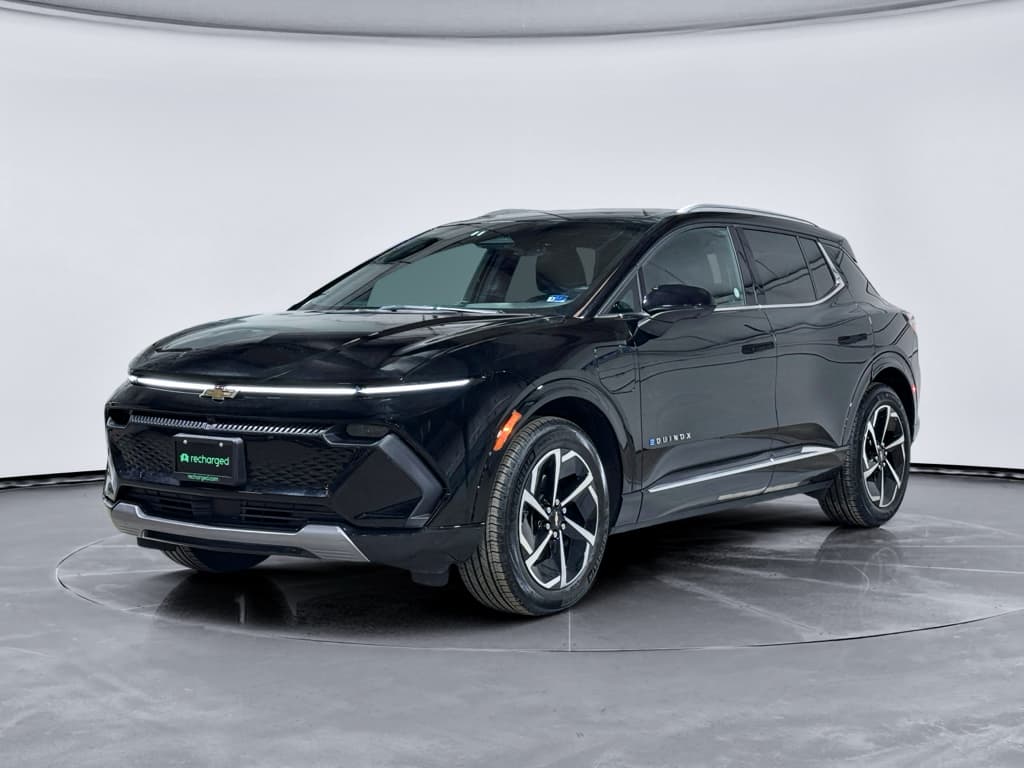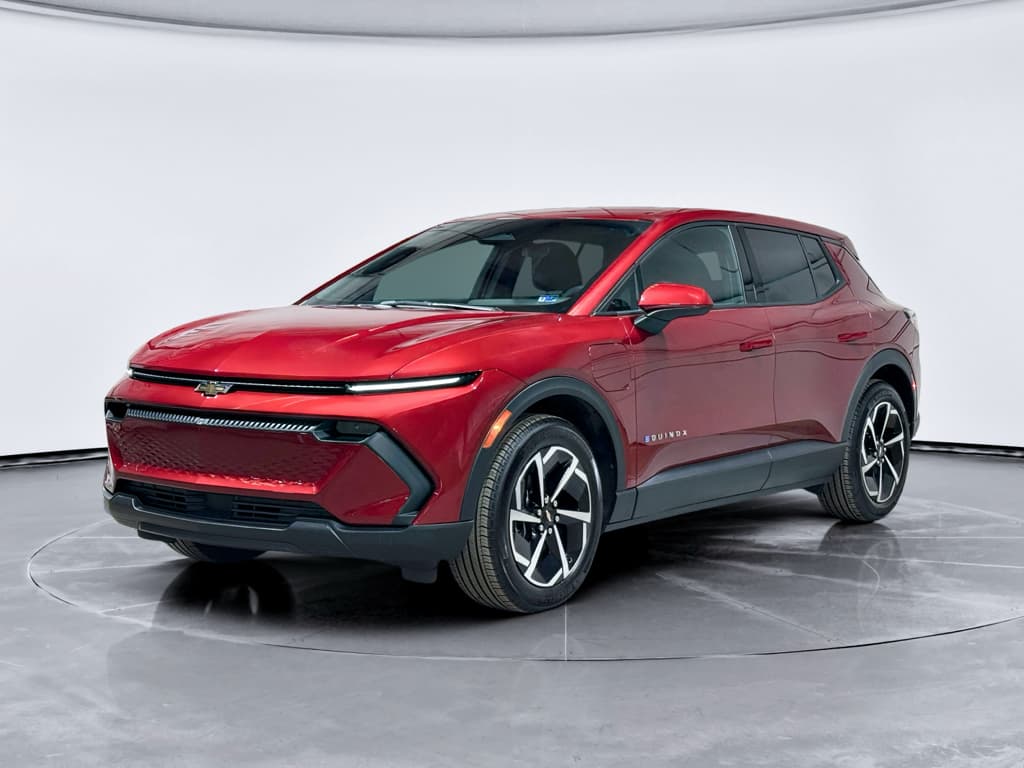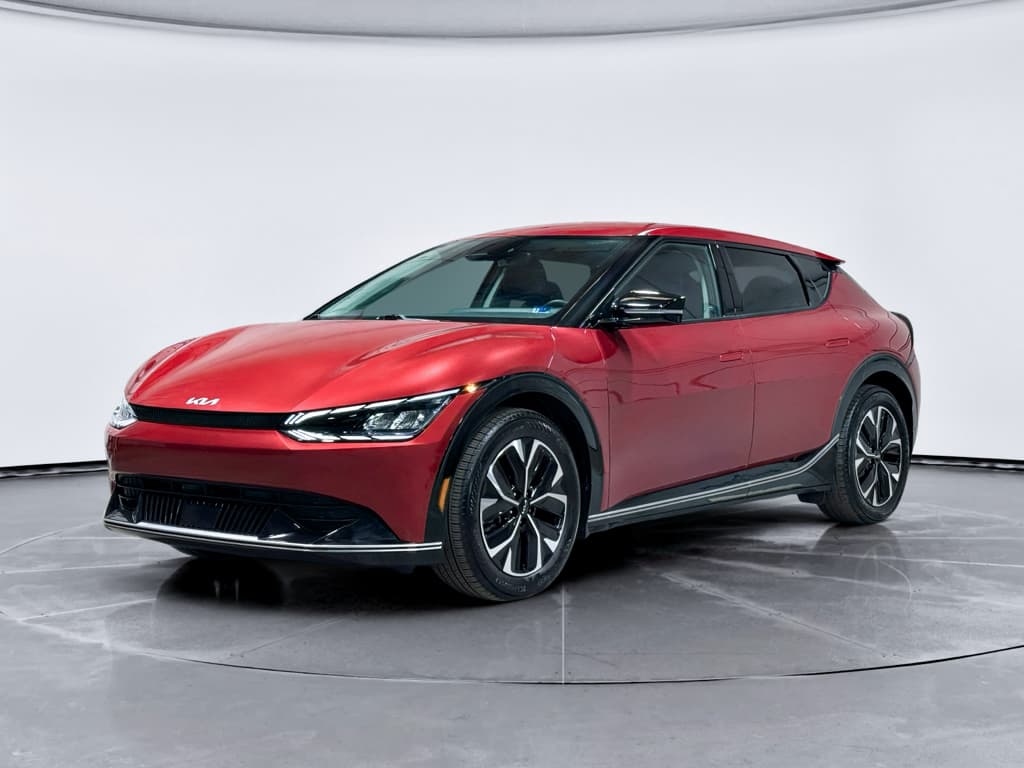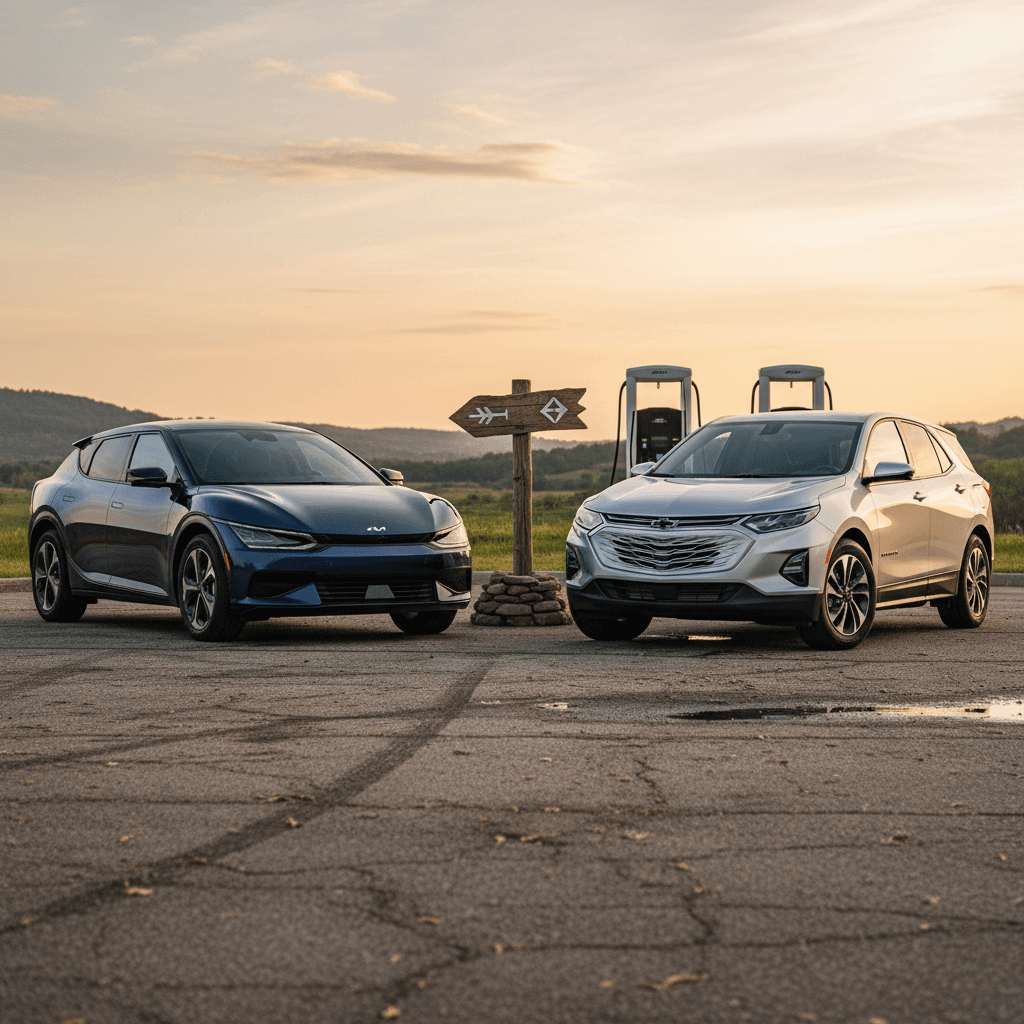
You’re shopping for an electric crossover in 2026, and two names keep popping up: the used Kia EV6 and Chevrolet’s still-new Equinox EV. On paper they’re both compact electric SUVs, but in practice they feel like they were designed for different people entirely. One is a sleek, low-slung GT hatch in SUV drag; the other is a conventional family crossover that just happens to be electric.
Context: why this comparison feels weird, but matters
Who this comparison is really for
- You’re considering a used Kia EV6 (2022–2025) and wondering if a Chevrolet Equinox EV is a better fit.
- You want an electric family crossover with real range but don’t want to overpay.
- You care about charging speed, long‑term battery health, and road‑trip comfort, not just 0–60 bragging rights.
- You’re trying to read the EV market tea leaves, depreciation, tax credits, upcoming models, and buy at the right moment.
Quick take: used Kia EV6 vs Chevrolet Equinox EV in 2026
At a glance: which EV suits which driver?
Both are good; they just solve different problems.
Used Kia EV6: the enthusiast’s value play
Best for: Drivers who care about design, driving feel, and ultra‑fast charging, and who are willing to buy used to get more car for the money.
- More powerful trims, including very quick GT versions.
- 800‑volt architecture and excellent DC fast‑charging speeds.
- Heavier early‑life depreciation makes used pricing attractive.
- Sits lower and looks sportier, but cargo volume trails boxier rivals.
Chevrolet Equinox EV: the pragmatic family pick
Best for: Households coming from gas crossovers who want an EV that feels familiar, roomy, and easy to live with, likely buying new or nearly new.
- Conventional SUV shape with good space and simple controls.
- Solid Ultium battery tech and competitive range estimates.
- Often eligible for new‑EV tax credits and dealer incentives.
- Charging performance is good, though not class‑leading.
Bottom line in one sentence
Key specs at a glance
Used Kia EV6 vs Chevrolet Equinox EV: core specs (typical trims shoppers see)
Numbers here are representative of popular configurations in 2026, not every single trim. Always check the exact car you’re shopping.
| Used Kia EV6 (Wind / GT-Line RWD or AWD) | Chevrolet Equinox EV (2LT / 2RS) | |
|---|---|---|
| Battery (approx. gross) | 77–84 kWh (most trims) | ~85 kWh Ultium pack |
| EPA range (best trims) | Up to ~310–319 miles | Around 300+ miles (GM estimate varies by trim) |
| Architecture | 800‑V class, up to ~240 kW DC | 400‑V Ultium, ~150 kW DC peak (GM‑estimated ~70–80 miles in 10 min) |
| 0–60 mph | Mid‑5s (Wind/GT‑Line AWD); much quicker in GT | High‑6s to low‑7s depending on motor config |
| Drive layouts | RWD or AWD | FWD or AWD, depending on trim |
| Onboard AC charger | ~11 kW | ~11.5 kW (typical Ultium spec) |
| Interior vibe | Low, sporty, tech‑forward | Traditional compact SUV, familiar controls |
| Typical used price in 2026* | Often mid‑$20Ks to low‑$30Ks for 2023–24 Wind/GT‑Line | Mostly new or lightly used; pricing closer to MSRP minus incentives |
Representative specs for common trims: 2023–2024 Kia EV6 Wind/GT‑Line vs 2024–2025 Equinox EV 2LT/2RS.
About the numbers
Range and battery: who goes farther, who ages better?
Range is the anxiety tax you pay up front. You want enough so that, six winters from now, you’re not planning life around charging stops. Both the EV6 and Equinox EV hit that 280–320‑mile band in their stronger trims, but they get there in different ways.
Kia EV6: strong range, especially in RWD trims
- Most U.S. shoppers see 77.4–84 kWh batteries in Wind and GT‑Line trims, with EPA ranges quoted up to roughly 310–319 miles in RWD versions.
- AWD cuts range but adds traction and power; figure more like mid‑260s to high‑280s in the real world for many drivers.
- Because the EV6 has been on sale since 2022, used examples already show how its pack ages, most owners report modest, predictable degradation rather than catastrophic losses, especially when charged reasonably.
Chevrolet Equinox EV: competitive range, less real‑world history
- GM aimed the Equinox EV squarely at the “300‑mile crossover” bullseye. Popular trims like 2LT/2RS advertise ranges in that neighborhood, depending on drive layout and wheel size.
- The Ultium pack (~85 kWh) has decent energy density and thermal management on paper, but the Equinox EV is still relatively new, so there’s less long‑term degradation data than we already have for EV6.
- For the first 8–10 years, factory warranties and software updates should tamp down most anxiety about early‑life battery issues.
Practical range rule of thumb
Charging: road-trip speed vs everyday convenience
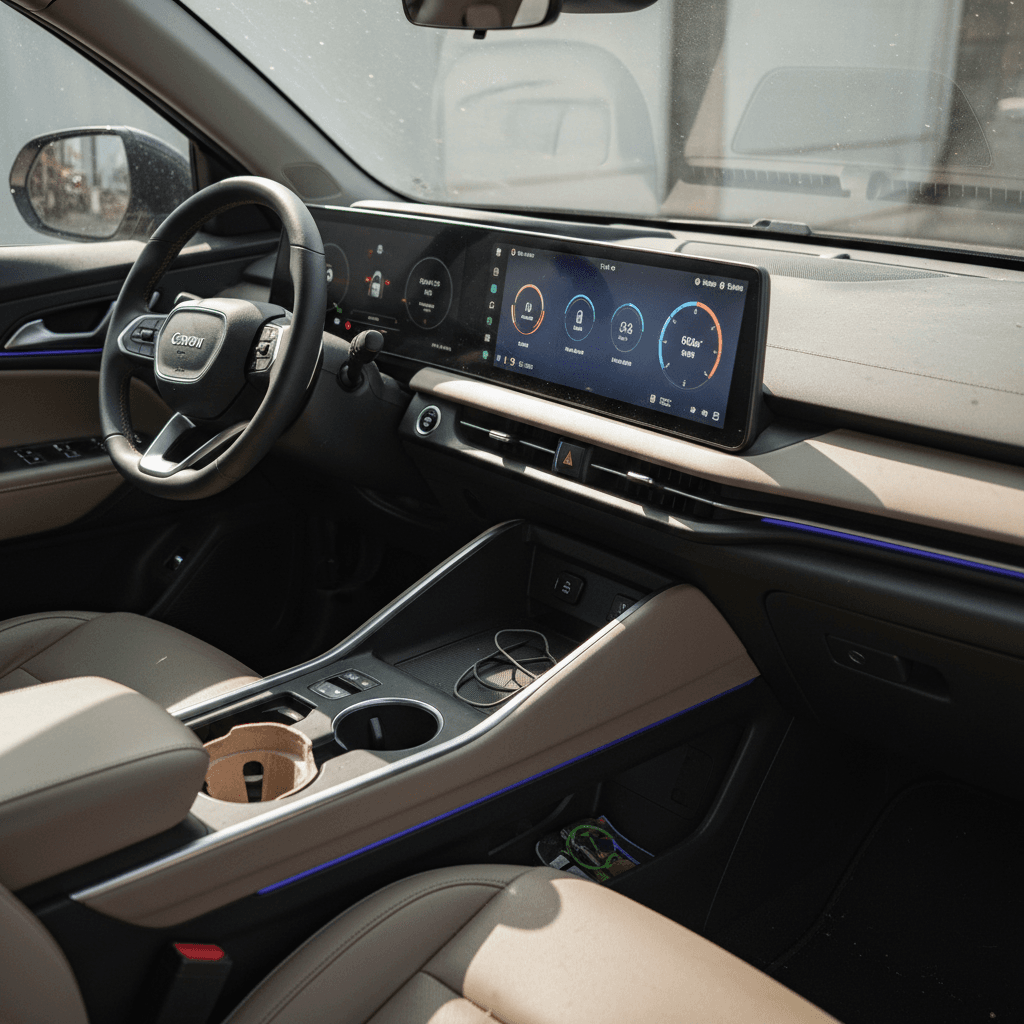
Charging is where the EV6 starts to look like it was tuned by people who commute via Autobahn, while the Equinox EV feels more like a very good appliance: competent, predictable, and rarely thrilling.
Charging highlights
On a good DC fast charger, the EV6 can sprint from low state of charge to about 80% in something like 18–20 minutes when conditions are ideal. The Equinox EV won’t embarrass itself, but it will generally add miles at a slower clip and spend a bit longer in the plug.
Home charging matters more than peak speed
Space, comfort, and usability as family EVs
Here’s where the philosophical split really shows. The Kia EV6 is the pretty one in the relationship, low roof, big wheels, dramatic lighting, almost a wagon. The Equinox EV is the one that doesn’t mind Costco runs and sticky-fingered toddlers.
Practicality comparison
Style vs square footage.
Kia EV6: stylish but not cavernous
- Cargo: Competitive for a compact crossover, but the sloping roof and high floor mean tall items may be a squeeze.
- Seating position: More like a tall hatch; some drivers love the hunkered‑down feel, others miss the traditional SUV perch.
- Cabin design: Futuristic twin screens, touch‑sensitive controls in earlier years. Looks sharp but can feel busy to non‑techy drivers.
Equinox EV: the family default
- Cargo: Boxier shape makes better use of volume. If you regularly haul strollers, dogs, or sports gear, the Chevy is easier to live with.
- Seating position: Classic small‑SUV stance: easy step‑in height, good outward visibility, less drama.
- Cabin design: Conventional controls, big central screen, fewer gimmicks. Feels instantly familiar to anyone coming out of a gas Equinox or CR‑V.
Car-seat and kid duty
Driving character: which one is actually fun?
Both of these EVs are quick by the standards of gas crossovers; only one of them is actually entertaining. The EV6 has genuine enthusiast bone structure, eager turn‑in, well‑damped ride, and, in hotter trims, a slightly deranged sense of urgency. The Equinox EV, by contrast, is tuned to be invisible: it wants to be the car you never have to think about.
Kia EV6: the athlete
- Steering and chassis: Nicely weighted, especially in GT‑Line and GT trims, with a planted highway feel and confident high‑speed behavior.
- Acceleration: Even mid‑pack AWD trims feel properly quick; the GT versions belong in conversations with performance cars.
- Noise and ride: Firmer than many crossovers but composed. Larger wheels on higher trims introduce more road noise and impact harshness.
Equinox EV: the appliance that behaves
- Steering and chassis: Tuned for predictability and comfort. Think “electric version of a normal Equinox,” not “baby Corvette.”
- Acceleration: Adequate, never startling. Enough torque for on‑ramps and passing, tuned to keep passengers unruffled.
- Noise and ride: Softer, more compliant, especially on smaller wheels. The sort of car that disappears underneath podcasts and kid chatter.
Driver’s choice
Pricing, depreciation, and total cost of ownership
The used‑EV market in 2026 is a strange, beautiful mess. Some cars have fallen off a depreciation cliff; others are bizarrely expensive given generous tax credits on new metal. The EV6 sits closer to the cliff. The Equinox EV, being newer and often credit‑eligible, is hanging onto its sticker, at least for now.
Money realities in 2026
Used Kia EV6: depreciation as a feature
Because the EV6 launched earlier and was sometimes excluded from full federal credits when new, early buyers took the hit. That’s good news for you: by 2026, it’s common to see well‑equipped 2023–24 EV6 Wind or GT‑Line models advertised in the mid‑$20Ks to low‑$30Ks, depending on mileage and region.
For that money you’re getting long‑range capability, fast charging, and a lot of equipment. The trade‑off is that you’re buying someone else’s break‑in period, and your battery warranty clock has already started.
Equinox EV: pay more up front, gain in simplicity
The Equinox EV is newer and aggressively positioned as “the affordable 300‑mile EV.” In practice, by 2026 many buyers will still be choosing them new or nearly new, with pricing much closer to MSRP before incentives.
If the specific build you’re eyeing qualifies for a federal tax credit and perhaps a state rebate, your effective cost can drop dramatically. But even after incentives, you’re often paying more than a comparable used EV6 for a more conventional, less overtly exciting vehicle.
Don’t shop sticker; shop total cost
Reliability, warranty, and used‑EV risk
EVs tend to age differently from gas cars. Engines and transmissions are replaced by motors and inverters, but the battery becomes the single most important, and expensive, component to understand on a used vehicle.
What to watch for on each model
Batteries, software, and dealer networks all matter.
Kia EV6 on the used market
- Warranty: Kia’s long battery warranty (often 10 years/100,000 miles in the U.S.) means many used EV6s still have plenty of coverage left in 2026.
- Issues: Like any early‑generation EV, there have been scattered reports of software gremlins, charging‑network finickiness, and the usual new‑model teething problems.
- Upside: There’s now several years of real‑world owner data, so patterns are emerging, and a thorough battery‑health check can flag outliers.
Equinox EV: newer but less proven
- Warranty: GM’s battery and drivetrain coverage also stretches into that 8–10‑year ballpark, and most 2024–25 Equinox EVs will still be under bumper‑to‑bumper coverage in 2026.
- Issues: As a newer model on the Ultium platform, it’s still building its reliability record; software updates and bulletins are evolving rapidly.
- Upside: Buying new or CPO helps you lean on GM’s warranty structure if anything goes sideways early.
Checklist: de‑risking a used EV6 purchase
1. Get an objective battery health report
Battery health is the heart of a used EV purchase. Look for <strong>third‑party or dealer‑grade diagnostics</strong> rather than just a dashboard guess. Recharged’s <strong>Recharged Score</strong> includes verified battery‑health data for every vehicle we list.
2. Confirm software update history
Ask for service records showing major software campaigns or recalls were completed, especially anything touching charging behavior or high‑voltage components.
3. Check DC fast‑charging history
Heavy, repeated DC fast charging isn’t automatically bad, but on a car with lots of road‑trip miles, you’ll want extra assurance that thermal management is still doing its job.
4. Inspect for physical damage to charge ports and underbody
Cracked charge inlets, bent pins, or underbody scrapes near the battery enclosure are red flags. These can be expensive repairs even if the car drives fine today.
5. Validate remaining factory warranty
Cross‑check in‑service date and mileage with the manufacturer’s warranty booklet so you know exactly how much coverage is left, and on what.
How Recharged can help you shop smarter
If you lean toward the used‑EV6 side of this comparison, you don’t have to roll the dice. Recharged exists specifically to make used EV shopping transparent and less stressful.
- Every EV on Recharged comes with a Recharged Score Report that includes verified battery health, pricing analysis, and key condition details.
- You can trade in a gas car or another EV, get an instant offer, or use consignment if you want maximum value on your current ride.
- Fully digital buying with nationwide delivery, plus an in‑person Experience Center in Richmond, VA if you like to kick actual tires.
- Integrated EV‑specific financing and expert guides who can talk through charging setup, road‑tripping, and long‑term ownership costs, whether you choose an EV6 or eventually something else.
Why this matters specifically with EV6
Ready to find your next EV?
Browse VehiclesWhich should you buy in 2026? Decision guide
Choose your path: four common buyer profiles
1. The value‑driven enthusiast
You want something that looks and feels special every time you walk up to it.
You care about fast‑charging performance for occasional road trips.
You’re comfortable buying used if you can see hard data on battery health.
<strong>Recommendation:</strong> A used Kia EV6 Wind or GT‑Line, ideally with a clean Recharged Score report and plenty of battery warranty remaining.
2. The young family upgrading from gas
You’re replacing a RAV4, CR‑V, or gas Equinox.
Your life revolves around car seats, strollers, and grocery hauls.
You want a simple ownership experience, ideally with full warranty coverage and dealer support.
<strong>Recommendation:</strong> Chevrolet Equinox EV 2LT/2RS with available tax credits. The familiar shape and cabin will feel like less of an experiment.
3. The commuter who just wants an appliance that sips electrons
You have a predictable daily drive and home charging.
You don’t care about 0–60, but you do care about reliability and cost per mile.
You plan to keep the vehicle a long time and drive it into the ground.
<strong>Recommendation:</strong> Either works, but a <strong>lightly used EV6</strong> with verifiable health can be a cheaper way into long‑range EV ownership without sacrificing comfort.
4. The tech‑curious early adopter
You like new platforms, app features, and OTA updates.
You’re intrigued by GM’s Ultium ecosystem and future bidirectional capabilities.
You’d rather have the latest hardware, even if it costs more up front.
<strong>Recommendation:</strong> Equinox EV, ideally with the configuration that maximizes range and charging capability for your use case.
If you strip away badges and advertising copy, the story is simple: the used Kia EV6 is the charismatic, slightly over‑qualified older sibling that’s finally affordable on the used market. The Chevrolet Equinox EV is the new kid at school who gets along with everyone and keeps their head down. In 2026, your best choice isn’t “which is better?” so much as “which version of electric life do you actually want?” If that life looks like sleek design, long‑legged charging, and a deal born of someone else’s depreciation, start your search with a battery‑verified EV6. If it looks like minimal drama and maximum familiarity, the Equinox EV will happily slot into your driveway and your routines, and that ease is worth real money.