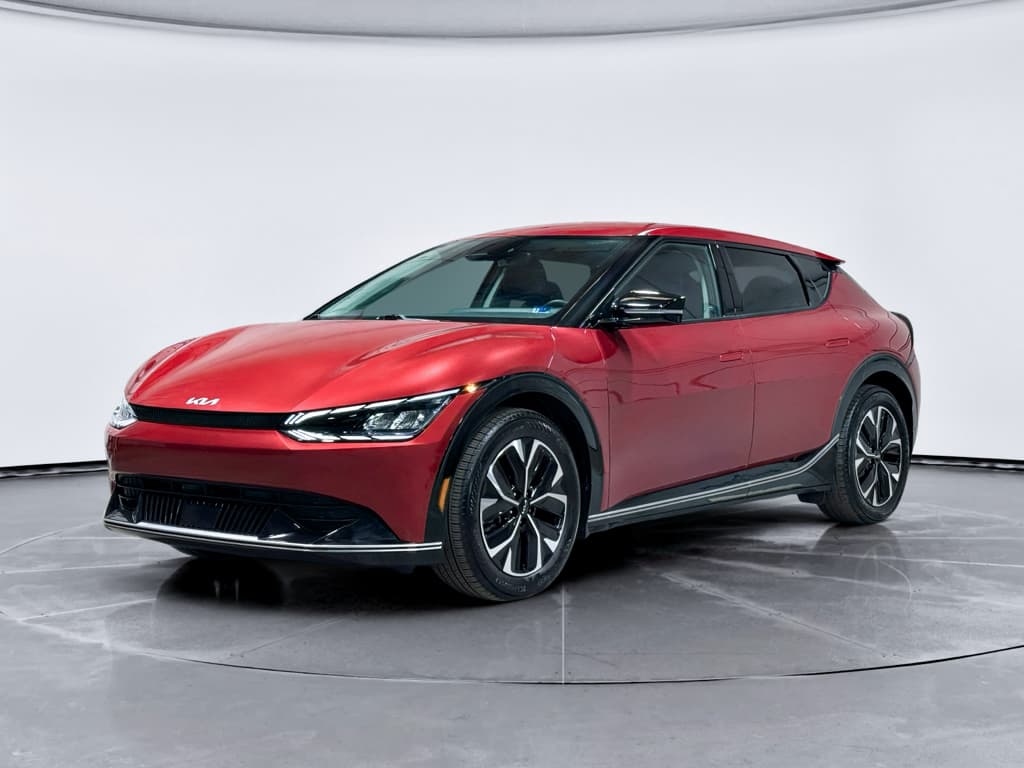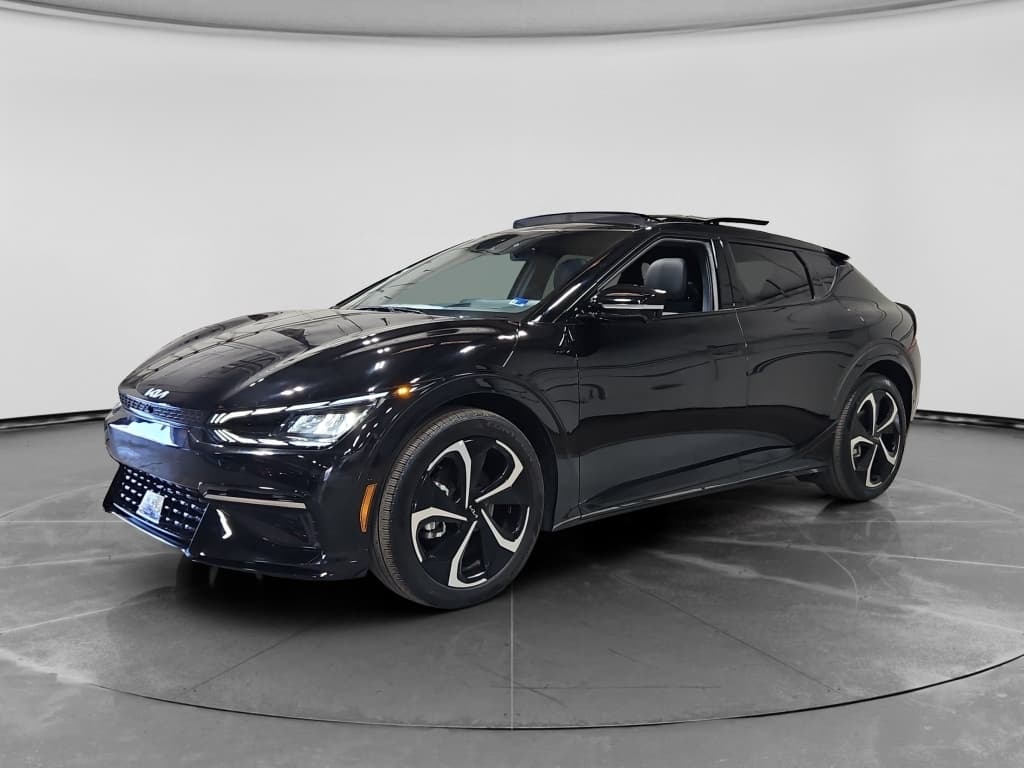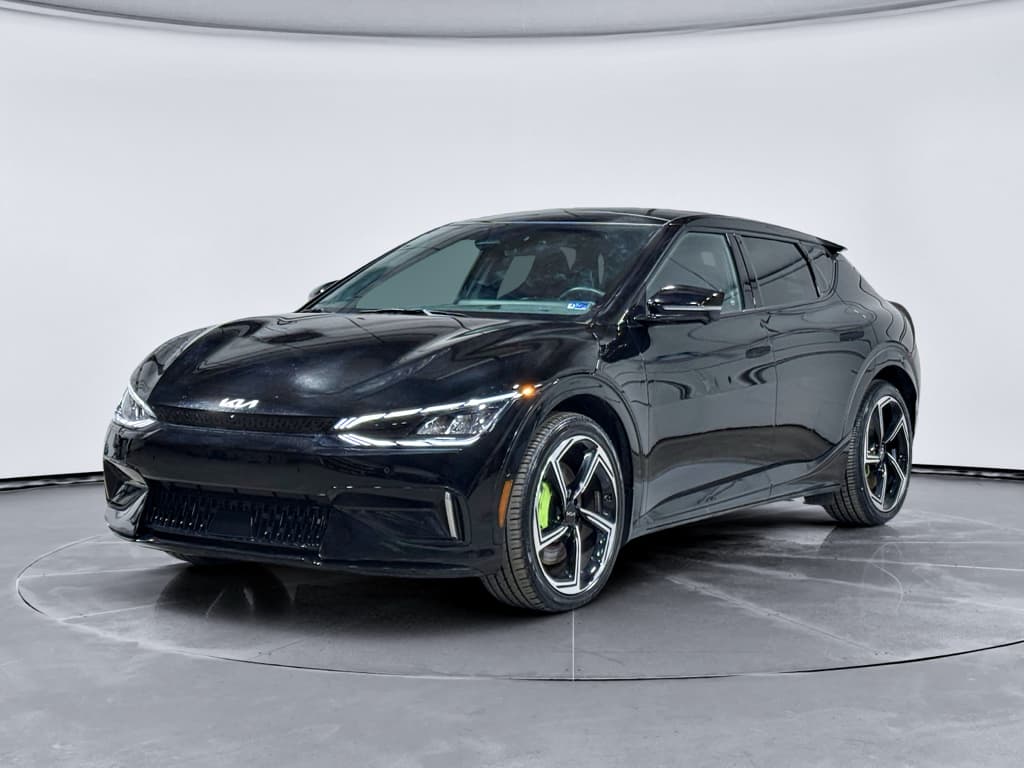
If you’re shopping for a **used Kia EV6 in 2026**, you’re in a sweet spot: early‑run 2022–2023 cars are now heavily depreciated, 2024 models are showing up off lease, and refreshed 2025+ EV6s with bigger batteries and Tesla‑style NACS ports are starting to hit the used market. But between trim names, charging standards, and a well‑publicized charging‑control recall, this isn’t a car you want to buy blind.
Quick take
Is a Used Kia EV6 a Smart Buy in 2026?
Used Kia EV6 at a Glance in 2026
On paper, the EV6 checks a lot of boxes: long range, road‑trip‑friendly DC fast charging, a roomy cabin, and sharp styling. The downsides are concentrated in a few areas, namely the **integrated charging control unit (ICCU)** and related 12‑volt battery issues, dealer repair delays, and the reality that federal EV tax credits for used purchases largely disappeared after September 30, 2025. If you go in with eyes open, it’s still a compelling used EV in 2026.
Where Recharged fits in
Kia EV6 Model Years & Key Updates (2022–2025+)
2022–2023: Launch years
- First EV6s in the U.S., on Hyundai‑Kia’s E‑GMP platform.
- CCS fast‑charging port, up to roughly 240 kW on DC fast chargers.
- Most trims use a 77.4 kWh battery (Light, Wind, GT‑Line), plus high‑performance GT.
- Early production is where most ICCU/12‑volt complaints show up, though many cars have had recall software applied.
2024–2025+: Tweaks and refresh
- Range and efficiency tweaks; software updates to charging, driver‑assist and infotainment.
- By 2025, a mid‑cycle refresh brings an ~84 kWh battery on many trims and slightly higher quoted range.
- 2025+ U.S. models begin switching to **NACS (Tesla‑style)** ports for DC fast charging, while still including CCS adapters in most cases.
- Front styling, lighting, and interior tech refined, but the basic package stays the same.
Model‑year buying tip
Trims, Batteries & Real-World Range
Trims and naming changed slightly over the years, but on the used market you’ll mostly see **Light, Wind, GT‑Line and GT**. The big question for you is simple: **which battery and which driven wheels?** That’s what really determines range and performance.
Common U.S. Kia EV6 Trims & Rough Range Expectations
Approximate EPA‑style ranges when new; expect some real‑world variation and modest degradation on used examples.
| Trim (typical years) | Drive | Battery | Ballpark EPA range when new | Who it fits best |
|---|---|---|---|---|
| Light RWD (2022–2023) | RWD | Standard / Long‑range | ~230–310 mi | Budget‑minded commuters who still want solid range. |
| Wind RWD (2022–2025) | RWD | Long‑range (77–84 kWh) | ~300+ mi | Highway drivers and road‑trippers who value range over power. |
| Wind / GT‑Line AWD | AWD | Long‑range | ~250–280 mi | Drivers in snow states or who want stronger acceleration. |
| GT (all years) | AWD | Long‑range (performance‑tuned) | ~200–220 mi | Enthusiasts who accept lower range for very quick acceleration. |
Use this as a quick triage tool when scanning used EV6 listings in 2026.
Real‑world range reality check
Charging Ports, NACS vs CCS & Fast-Charging Speed
The EV6 has always been an 800‑volt architecture EV with strong DC fast‑charging specs, but the **charging connector story changes around 2025**. That matters in 2026, as more public sites pivot toward Tesla’s NACS standard.
What to Know About Used EV6 Charging in 2026
Your experience will differ depending on model year and connector.
2022–2024: CCS port
These cars have a CCS fast‑charge port and J1772 for Level 2. You’ll use:
- CCS plugs at most public DC fast chargers today.
- A J1772 or NACS adapter if you use some networks or older home equipment.
2025+: NACS on board
Refreshed EV6s start shipping with **NACS ports** for DC fast charging, often with a CCS adapter included.
On a 2026 road trip, that makes tapping into expanding Tesla‑standard sites much easier.
Fast‑charge performance
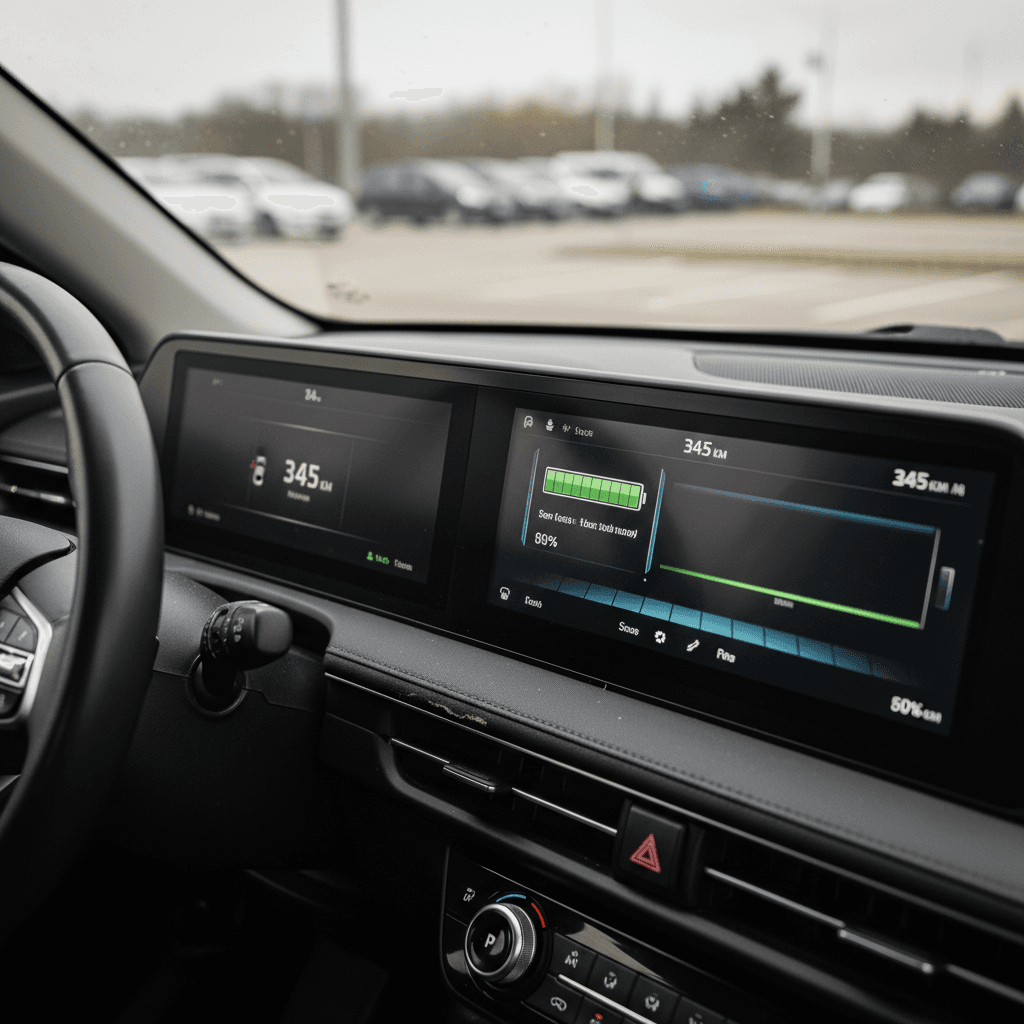
Most EV6s can charge from about 10–80% in roughly 18–25 minutes on a strong DC fast charger.
That’s still competitive with new 2026 EVs and a real advantage over many older used models.
Practical buyer tip
Used Kia EV6 Pricing & Value Trends in 2026
By 2026, early EV6s have taken the typical **steep first‑owner EV depreciation hit**. At the same time, federal EV tax credits for used purchases expired in late 2025, which removed a price support that had propped up some transaction values.
Where EV6 Values Sit in 2026 (Big Picture)
How Recharged can help on pricing
Ready to find your next EV?
Browse VehiclesReliability Watchouts: ICCU, 12‑Volt & Recalls
On the whole, owner satisfaction with the Kia EV6 is solid, but a few **repeat patterns** show up in surveys and owner forums. You need to know about them before you buy used, especially if you’re hunting for an early‑build 2022–2023 car.
The Big Three Reliability Topics on a Used EV6
These are the issues buyers ask about most often in 2026.
1. ICCU failures
The integrated charging control unit (ICCU) manages charging and the 12‑volt system. Failures can leave the car undriveable.
Kia has issued recall campaigns and software updates; parts backlogs mean repairs can still take weeks in some regions.
2. 12‑volt battery problems
Many EV6 owners report repeated 12‑volt battery failures or no‑start conditions.
Sometimes it’s just the cheap 12‑volt battery itself, but unresolved ICCU issues or parasitic drains can also play a role.
3. Dealer repair experience
Because the EV6 is still relatively new, **EV‑trained techs and parts availability** vary widely.
That makes it more important to buy a car with recall work documented and a clear service history.
Don’t skip recall verification
“The EV6 remains a well‑reviewed electric vehicle, but smaller components like the 12‑volt system and ICCU have an outsize impact on owner satisfaction when they fail.”
Battery Health, Degradation & Warranty Coverage
The good news for EV6 shoppers: there’s no widespread pattern of **rapid high‑voltage battery degradation** so far. Most real‑world reports show modest, expected range loss after a few years, assuming the car hasn’t been abused with constant 100% fast charging and extreme heat.
- Kia’s EV battery warranty is typically **10 years / 100,000 miles** for defects, with separate terms for capacity loss. Confirm exact coverage by model year and region.
- Used 2022–2023 EV6s in 2026 often still have 6+ years of battery warranty left, which meaningfully reduces the downside risk of a future pack issue.
- How the previous owner charged matters: constant DC fast‑charging to 100% in hot climates is harder on a pack than mostly Level 2 charging to 80–90%.
- Software can mask or re‑estimate range after updates, so a live battery‑health readout is more informative than just comparing EPA stickers.
Why third‑party battery data matters
Pre‑Purchase Checklist for a Used Kia EV6
Step‑by‑Step Used Kia EV6 Buying Checklist
1. Confirm model year, trim & battery
Decode the VIN and listing details to confirm the exact model year, trim (Light, Wind, GT‑Line, GT) and battery size. Don’t assume all EV6s have the same range, RWD vs AWD and early vs refreshed batteries make a noticeable difference.
2. Verify charging connector & included adapters
Check whether the car has a CCS or NACS port and which home and fast‑charging adapters come with it. Replacing missing hardware can run hundreds of dollars and determine how easily you can use local public chargers.
3. Run a full recall & service‑history check
Use Kia’s online tools and service records to confirm ICCU and charging‑system recalls are closed. Look for evidence of 12‑volt battery replacements or repeat no‑start complaints, and make sure there’s a clear fix documented, not just “could not duplicate.”
4. Inspect tires, brakes & suspension
The EV6 is a heavy, quick EV. Uneven tire wear, cheap replacement tires or premature brake wear may hint at hard use. Factor upcoming tire and brake costs into your offer.
5. Examine interior tech & driver‑assist systems
Test the infotainment screen, cameras, blind‑spot view, adaptive cruise and lane‑keep systems. Glitches can point to software that needs updating, or prior minor collision damage that was poorly repaired.
6. Review charging behavior in person
If possible, plug into a Level 2 or DC fast charger during your inspection. Watch for normal connection, charging‑rate ramp‑up, and stable operation without error messages or repeated stops.
If you’re buying long‑distance
How to Test‑Drive & Read the Data Like a Pro
Most used‑EV shoppers do a quick loop around the block. With an EV6, you want to stretch the car a bit and pay attention to how **software, range estimates and charging behavior** line up with reality.
On the road
- Start with at least 60–70% state of charge and reset the trip computer.
- Drive 20–30 minutes with a mix of city and highway speeds.
- Listen for clunks or vibrations over bumps; watch for pulling under braking.
- Check that adaptive cruise and lane‑keep engage and disengage smoothly.
- Note energy consumption (mi/kWh) versus what owners typically report (roughly mid‑3s in mixed driving for many EV6 trims).
Back in park
- Compare miles actually driven to the drop in estimated remaining range; big discrepancies can hint at heavier degradation or out‑of‑calibration estimates.
- Check for warning lights or messages in the EV menu, especially related to charging, 12‑volt, or driver‑assist systems.
- Cycle the car off and back on after a brief stop to see if any intermittent errors show up.
Data advantage with Recharged
Financing, Incentives & Tax Changes in 2026
Your 2026 used‑EV math looks different than it did a year or two ago. The big change: federal clean‑vehicle credits for both new and used EV purchases ended for transactions after **September 30, 2025**, replaced by more conventional deductions and state‑by‑state programs.
Key Money Considerations for a Used EV6 in 2026
What changed, and what you can still leverage.
No more federal used‑EV credit
The former $4,000 federal credit for qualifying used EV purchases is gone for deals after late 2025.
That means the sticker price you negotiate matters more than clever tax planning.
Financing costs & EV pricing
Interest rates remain elevated compared with pre‑2022 norms, but softening used‑EV prices help offset that.
Compare offers from your bank, a credit union, and EV‑centric marketplaces like Recharged that work with multiple lenders.
State & local perks
Some states still offer **rebates, sales‑tax breaks or HOV‑lane perks** for EV purchases, including used EV6s.
Check your state’s clean‑transportation site or talk with a Recharged specialist before you finalize the deal.
Leaning on Recharged for the numbers
Used Kia EV6 2026: Frequently Asked Questions
Frequently Asked Questions About Buying a Used Kia EV6 in 2026
Bottom Line: Who Should Buy a Used Kia EV6 in 2026?
A **used Kia EV6 in 2026** makes the most sense if you want long range, fast charging, and modern tech without paying new‑EV money, and you’re willing to dig a little deeper than a quick test drive. Shoppers who do best with this car are comfortable reading a battery‑health report, checking recall status, and thinking through how CCS vs NACS will play out in their daily charging routine.
If you’d rather have experts do that heavy lifting, Recharged is built for exactly this moment in the EV market. Every EV6 we list includes a **Recharged Score Report, verified battery diagnostics, fair‑market pricing analysis, and EV‑specialist guidance** from first click to driveway delivery. That way, you can focus on how an EV6 fits your life, and leave the spreadsheets and service‑campaign codes to people who read them every day.