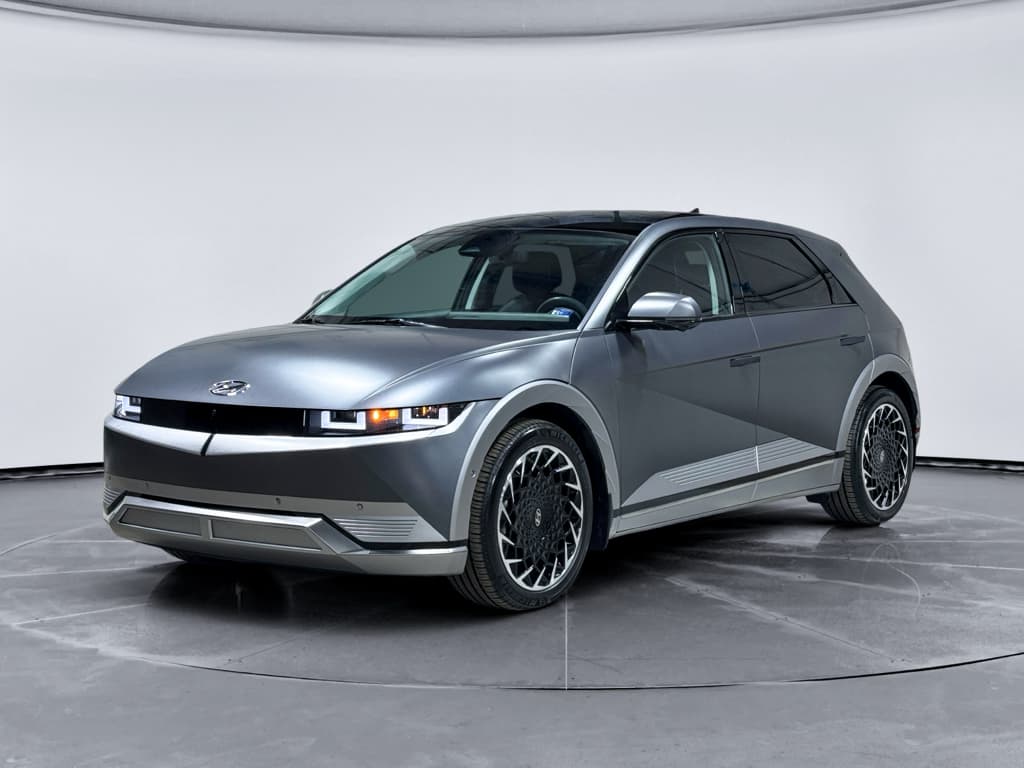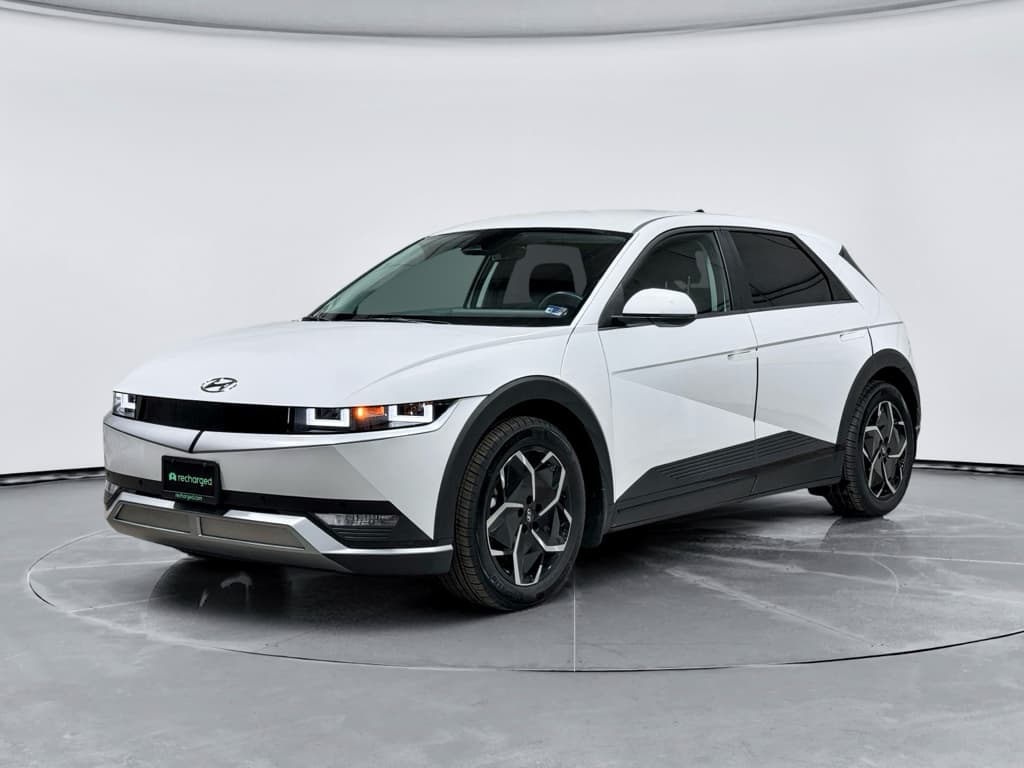
If you’re cross-shopping a used Hyundai IONIQ 5 vs Toyota bZ4X, you’re looking at two of the most interesting compact electric SUVs on the market. Both offer quiet, efficient driving and room for the family, but they differ a lot in range, charging speed, and how they feel to live with every day, especially as used vehicles.
Model years this guide focuses on
Hyundai IONIQ 5 vs Toyota bZ4X: who is this comparison for?
You’ll get the most value from this guide if you’re: - Torn between a design-forward, fast-charging IONIQ 5 and a conservative, Toyota-branded bZ4X. - Wondering how their real-world range and charging stack up, especially for longer trips. - Concerned about reliability, recalls, and battery health buying used. - Trying to understand which one will be cheaper and easier to live with over 5–8 years of ownership. We’ll stay grounded in everyday ownership, how these EVs feel on the highway, on a cold morning, and at a fast charger, rather than spec-sheet racing.
Quick take: used Hyundai IONIQ 5 vs Toyota bZ4X
At-a-glance verdict
Both are competent EVs, but they don’t serve the same buyer
Why a used Hyundai IONIQ 5 often wins
- More range on most trims than comparable bZ4X models.
- Much faster DC fast charging thanks to an 800-volt architecture, among the quickest in its class.
- Spacious, lounge-like interior with sliding rear seats and clever storage.
- Vehicle-to-load (V2L) capability on most trims, letting you power gear or even parts of a home setup.
- More engaging to drive, especially dual-motor AWD and N versions.
Where a used Toyota bZ4X can make sense
- Toyota brand familiarity and dealer network many buyers already trust.
- Smoother, incremental updates: improved charging hardware on newer years, NACS adoption coming online.
- Comfortable, easygoing ride tuned more for calm than excitement.
- If you find a well-priced, newer bZ4X (or its Subaru Solterra sibling), it can be solid value for shorter-range commuters.
Short answer for most shoppers
Core specs comparison: battery, range, and charging
Hyundai IONIQ 5 vs Toyota bZ4X: key specs (typical U.S. trims)
Approximate numbers for common U.S.-market configurations in the 2023–2025 window. Always verify exact specs for the specific VIN you’re buying.
| Spec | Hyundai IONIQ 5 (most trims) | Toyota bZ4X (most trims) |
|---|---|---|
| Battery capacity (usable, approx.) | 58–77 kWh | ~63–66 kWh early, larger packs on newer models |
| EPA range window | ~220–320 miles, depending on trim | Roughly 220–250 miles on earlier U.S. models |
| Architecture | 800-volt (fast charging advantage) | 400-volt |
| Max DC fast-charge rate | Around 230–250 kW on long-range models | Up to 150 kW FWD, ~100 kW AWD on early U.S. models |
| 10–80% DC fast-charge time (ideal conditions) | Roughly 18–20 minutes on a 250–350 kW charger | Typically 30–60 minutes depending on version |
| Onboard AC charger | Up to 11 kW on newer U.S. models | Initially 6.6–7.6 kW, upgraded to 11 kW on refresh |
| Drivetrain options | RWD or dual-motor AWD | FWD or dual-motor AWD |
| EPA combined efficiency | Competitive for the class; better on RWD trims | Somewhat less efficient, especially AWD at highway speeds |
Range figures are EPA estimates; real-world results depend on driving style, weather, and wheel/tire choice.
How to read these numbers as a used buyer
Range and charging: practical highlights
Driving feel: comfort, performance, and noise
Hyundai IONIQ 5: relaxed but lively
- Ride & refinement: Tuned for comfort first. It’s quiet, composed, and soaks up expansion joints well, especially on standard wheels.
- Acceleration: RWD models are plenty brisk. Dual-motor AWD trims feel legitimately quick; the IONIQ 5 N is a different, performance-focused animal.
- Steering & handling: Light and easy in town, confident on the highway. It’s not a sports car, but it feels agile for a roomy SUV.
- Noise: Cabin noise is well controlled; only coarse pavement or big wheels add noticeable tire roar.
Toyota bZ4X: calm, conservative, and less eager
- Ride & refinement: Comfort-biased suspension, soft and easygoing around town. Some owners note more wind and road noise at highway speeds than rivals.
- Acceleration: Adequate for commuting but rarely exciting, especially in FWD trims. Updated AWD versions have stronger outputs but are still tuned for smoothness.
- Steering & handling: Predictable and safe, but less engaging than the Hyundai. Feels very much like a traditional Toyota crossover that happens to be electric.
- Noise: Later updates improved sound insulation, but older examples can feel less refined than the IONIQ 5 on long trips.
When you test-drive these back-to-back, the IONIQ 5 usually feels like the more resolved EV: quicker to respond, quieter at speed, and with a cabin that genuinely takes advantage of the flat-floor layout.
Charging, NACS access, and real-world ownership
For most shoppers, the single biggest real-world difference between the IONIQ 5 and bZ4X is how fast, and how easily, they charge, especially as Tesla’s North American Charging Standard (NACS) becomes dominant.
- IONIQ 5: Built on an 800-volt system, it can add a lot of miles in a short stop when you find a strong DC fast charger. Newer 2025+ models include a native NACS port, plus a CCS adapter so you can tap into both Tesla Superchargers and other networks.
- bZ4X: Early models use CCS only and have slower peak DC speeds, especially AWD. Newer refreshed versions are moving to NACS and better Level 2 hardware, but many used examples will still be from the first wave with more modest charging performance.
Early bZ4X fast-charging caution
On the home-charging side, both can live happily on a 40- or 48-amp Level 2 charger. The IONIQ 5’s stronger DC performance matters more if you take frequent road trips, while the bZ4X’s slower charging will be less of an issue for short-hop commuters who rarely plug into DC fast stations.
Interior, tech, and practicality for daily life
Cabin feel and everyday usability
Both are compact SUVs on paper, but the experiences aren’t the same
Hyundai IONIQ 5 interior
- Design: Retro-futuristic, airy, and open. The long wheelbase gives limo-like rear legroom.
- Seating & space: Sliding rear bench and available reclining rear seats make it road-trip friendly. Cargo space is competitive for the class.
- Tech: Dual 12.3-inch screens, intuitive climate controls, and full Apple CarPlay/Android Auto integration on most trims.
- Usability: Clever storage, flat floor, and big doors make it easy for families and rideshare duty.
Toyota bZ4X interior
- Design: More traditional crossover with some quirky touches like the high-mounted instrument cluster.
- Seating & space: Comfortable front seats, decent rear room, but it doesn’t feel as open or flexible as the Hyundai.
- Tech: Newer model years improve screen size and software, but early cars can feel a step behind rivals.
- Usability: Straightforward for Toyota owners to adapt to, but storage and rear-seat flexibility are less imaginative.
Sit in both before you decide
Reliability, recalls, and battery health on the used market
Neither of these EVs has been on the road as long as a Prius or Camry, so we don’t have 15 years of data. But there are some clear storylines used shoppers should understand.
- Hyundai IONIQ 5: Early software quirks and occasional 12-volt battery complaints have been reported, but there have been relatively few high-profile battery-pack failures. Hyundai’s EV warranty is generous, and real-world degradation on long-range packs has generally been modest so far when properly cared for.
- Toyota bZ4X: The launch was hampered by a major wheel-hub recall (wheels could loosen) and concerns over winter charging performance and DC fast-charging limitations, especially on certain AWD versions. Battery packs themselves haven’t been failure-prone, but charging behavior and software updates vary by build date and region.
Why battery health is the headline issue
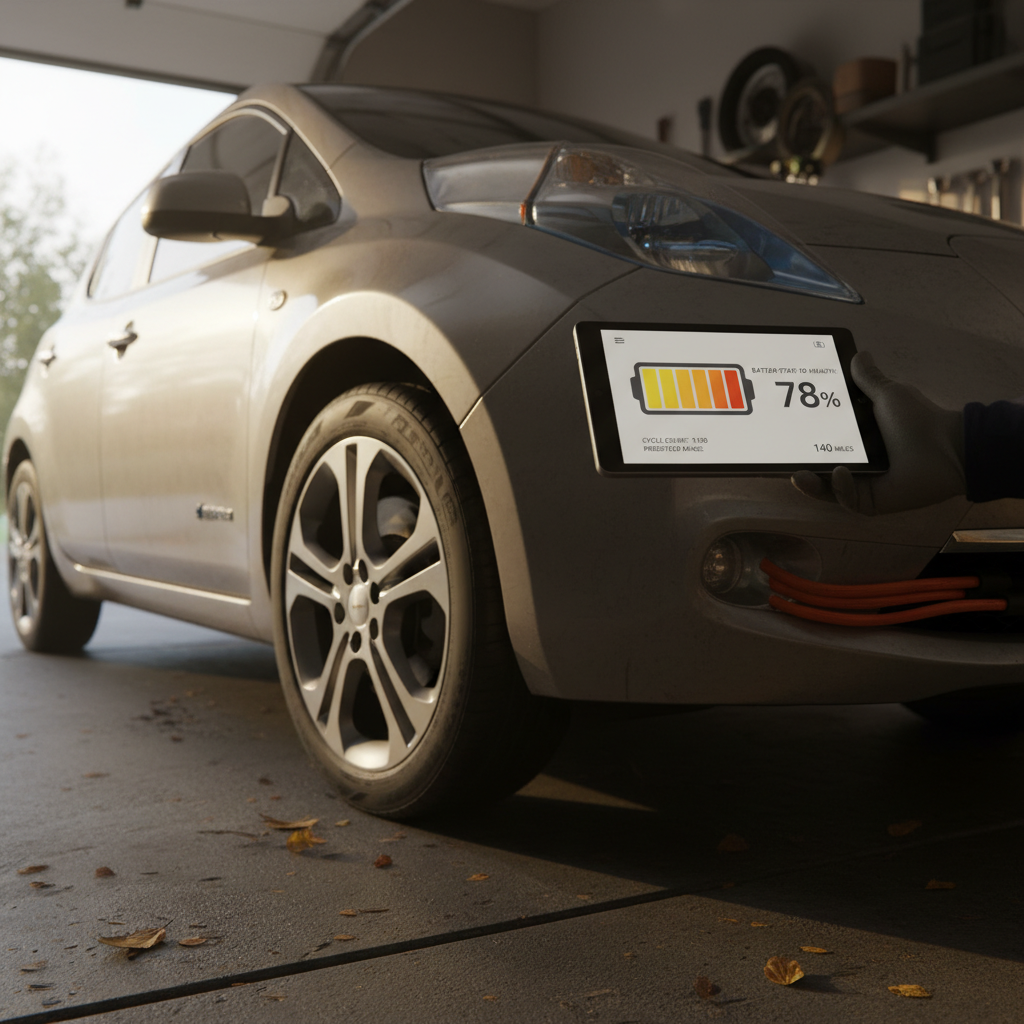
At Recharged, every vehicle comes with a Recharged Score Report that includes verified battery health diagnostics. Instead of guessing how much range you’ll have left in a few years, you can see how the pack is performing today, how it compares to similar vehicles, and whether there are any warning signs that should change the price, or your decision.
Used-market pricing and value over time
Used prices move quickly, and exact numbers depend on mileage, trim, region, and incentives. But a few patterns are emerging:
- Hyundai IONIQ 5: Strong demand, especially for long-range RWD and well-equipped AWD trims. They’ve depreciated from new, as all EVs have, but the combination of fast charging and usable range supports values reasonably well.
- Toyota bZ4X: Softer early demand plus launch hiccups have sometimes translated into more aggressive pricing on the used side. That can make a bZ4X look like a bargain, but be sure to weigh charging limitations, range needs, and any recall or software history.
How Recharged helps you gauge fair value
Which one is right for you? Scenario-based picks
Best fit by driver type
Match your driving pattern to the right EV
Frequent highway traveler
Short-hop commuter
Family hauler
All-weather & light off-road
Value hunter
Charging-network power user
Used IONIQ 5 vs bZ4X buying checklist
What to verify before you sign
1. Confirm battery health and DC charging behavior
Ask for a <strong>battery health report</strong> and, if possible, evidence of recent DC fast-charging performance. On a bZ4X, dig into whether any charging-related software updates or recalls have been performed. With Recharged, this data is summarized in the Recharged Score so you don’t have to piece it together yourself.
2. Match EPA range to your real-world needs
Look at the original EPA range and mentally subtract a cushion for age, weather, and highway use. If you routinely drive 150+ miles in a day, an IONIQ 5 long-range trim gives you more breathing room than most bZ4X versions.
3. Check fast-charging port and compatibility
Is the car CCS-only, NACS-only, or does it come with an adapter? How dense are CCS and NACS chargers along your usual routes? This can be the deciding factor if you road-trip or don’t have reliable home charging.
4. Dig into recall and service history
For both models, but especially the bZ4X, verify that all <strong>recall campaigns</strong> and <strong>software updates</strong> have been completed. Ask for service records and, if buying from a marketplace like Recharged, review any third-party inspection notes.
5. Inspect tires, brakes, and suspension wear
EVs are heavy, and they can be hard on tires and suspension components. During a test drive, listen for clunks, feel for vibration, and examine tire wear patterns. Uneven wear can hint at alignment or suspension issues.
6. Evaluate interior condition and tech features
Screens, buttons, and driver-assistance systems are central to the EV experience. Verify that <strong>ADAS features</strong> (like lane-keeping and adaptive cruise) function properly and that infotainment software is up to date. A shabby interior today will only feel worse in a few years.
Frequently asked questions: IONIQ 5 vs bZ4X
Common questions from used EV shoppers
Bottom line: what to do next
If you’re trying to decide between a used Hyundai IONIQ 5 vs Toyota bZ4X, start by being honest about how you’ll use the car. For frequent highway trips, heavy use of public fast charging, and maximum cabin versatility, the IONIQ 5’s range, 800-volt architecture, and interior design make it the better long-term companion in most cases. The bZ4X can still be the right answer for a lower-mileage household that scores a well-priced, updated example and doesn’t rely on DC fast charging.
Whichever way you’re leaning, the key is to buy the specific car in front of you, not just the badge. That means verifying battery health, charging behavior, recall status, and fair pricing for that VIN. Recharged was built to make that easy: every used EV we list includes a Recharged Score Report with verified battery diagnostics, transparent pricing, and EV-specialist support from your first question to delivery. When you’re ready, explore available Hyundai IONIQ 5 and Toyota bZ4X inventory, or get an instant offer on your trade, all from the comfort of your couch.