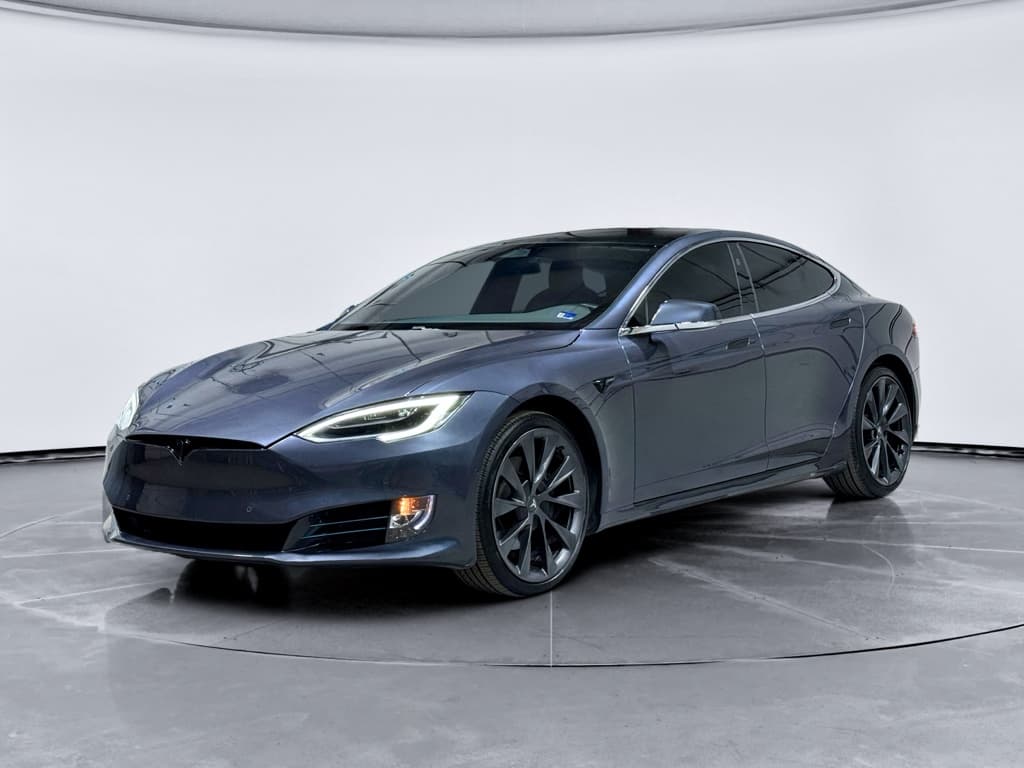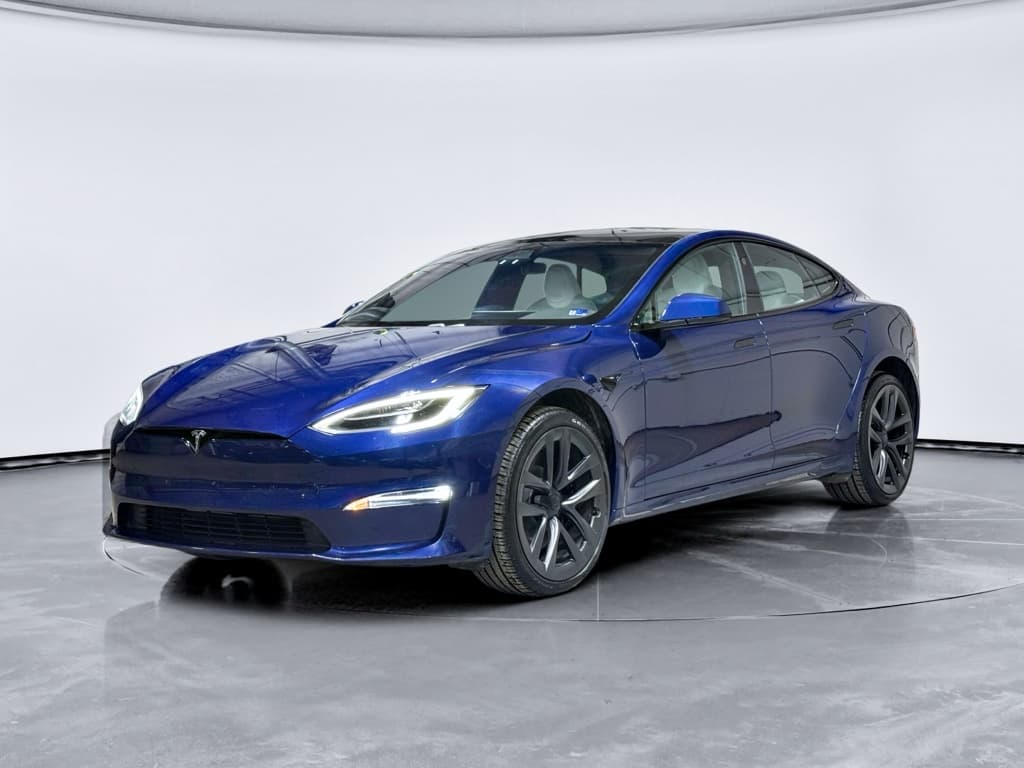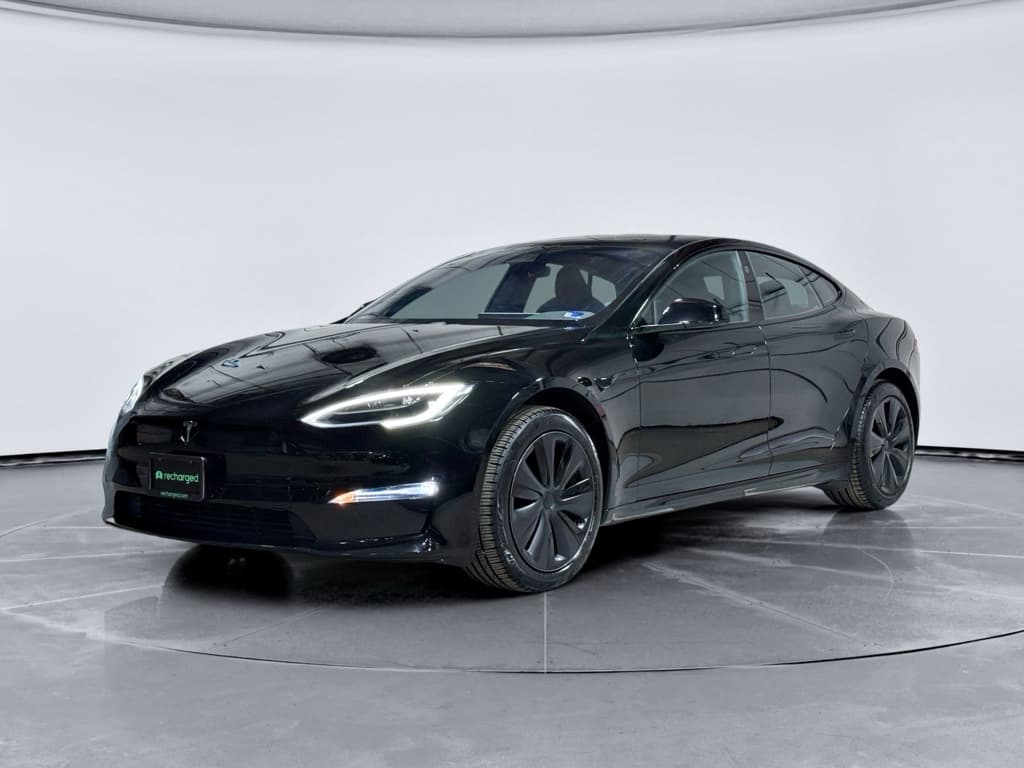
If you’re shopping the used luxury EV market, a used Genesis Electrified G80 vs Tesla Model S comparison is probably near the top of your list. Both are big, fast electric sedans, but they approach luxury, tech, and ownership in very different ways, and those differences matter a lot once the car is a few years old and out of the showroom spotlight.
Context for 2026 shoppers
Why this comparison matters for used EV buyers
On paper, a used Electrified G80 and a used Model S both promise silent speed and big‑car comfort. In practice, they are tailored to different buyers. The Genesis is a traditional executive sedan that just happens to be electric, quiet, cosseting, and conservative. The Tesla is a tech product first and a car second, with unmatched charging access but a more polarizing interior and ownership experience. When you’re buying used, this isn’t just about 0–60 times; it’s about battery health, software support, repairability, and how each brand treats owners over years, not months.
High-level snapshot: Electrified G80 vs Model S
Fast specs overview: Electrified G80 vs Model S
Core specs: used Genesis Electrified G80 vs Tesla Model S
Key numbers to frame the Electrified G80 vs Model S decision in the used market. Figures are rounded and may vary by model year and wheel choice.
| Spec | Genesis Electrified G80 | Tesla Model S (AWD / Long Range) | Tesla Model S Plaid |
|---|---|---|---|
| Battery (usable) | ~82–90 kWh (varies by MY) | ~95–100 kWh | ~95–100 kWh |
| EPA range (new) | ≈280 miles | ≈400–410 miles | ≈350–390 miles |
| 0–60 mph | ~4.5–4.9 seconds | ≈3.1 seconds | ≈2 seconds (launch mode) |
| Drive layout | Dual‑motor AWD | Dual‑motor AWD | Tri‑motor AWD |
| Max DC fast charge | ≈187–230 kW CCS | ≈250 kW (Supercharger) | ≈250 kW (Supercharger) |
| Onboard AC charger | 11 kW | 11.5 kW | 11.5 kW |
| Length | ~197 in (mid‑size) | ~197 in (similar) | ~197 in (similar) |
| Trunk/frunk | Smaller trunk, no meaningful frunk | Large hatch + frunk | Same as AWD |
Specs are indicative for 2023–2025 model years commonly seen used in the U.S.
Spec sheet trap
Driving experience and comfort
Genesis Electrified G80: Quiet executive express
The Electrified G80 feels like a classic German luxury sedan, just electrified. The steering is light but precise, body motions are well‑controlled, and the suspension prioritizes calm and isolation over sharpness. Road and wind noise are impressively low, and the cabin materials, leather, real metal, open‑pore wood, are what you expect in a flagship ICE sedan, not an early‑adopter EV.
If you’re stepping out of an S‑Class, 5 Series, or A6, this will feel like familiar territory, just quieter and quicker.
Tesla Model S: Fast, firm, and tech‑forward
The Model S is more of a performance GT. Acceleration, especially in Plaid, is borderline absurd. But the ride skews firmer, even with air suspension, and the cabin is less insulated than the Genesis. The minimalist dash, steering yoke option on some years, and heavy reliance on the central screen create a distinctly Silicon Valley flavor, some love it, others find it fatiguing on long days.
If you like feeling connected to the road and value performance more than plushness, the Tesla leans in your direction.
Comfort highlights for daily use
How each sedan treats you after 2 hours in traffic or on the interstate.
Seat comfort
Electrified G80: Wide, soft seats, traditional adjusters, available massage and ventilation. Very easy to live with.
Model S: Sportier bolstering, thinner cushions on some years. Good, but not as armchair‑like as the Genesis.
Cabin quietness
Electrified G80: Exceptionally quiet. Double‑glazed glass and isolation tuning make it feel like a rolling conference room.
Model S: Quiet but not segment‑leading; more tire and wind noise at highway speeds compared with the Genesis.
Climate and NVH tuning
Electrified G80: Traditional physical controls plus screen, refined climate tuning, and an overall relaxed demeanor.
Model S: Screen‑driven HVAC, powerful but less intuitive for some drivers; software updates can change behavior over time.
Who wins on comfort?
Range, battery, and charging realities
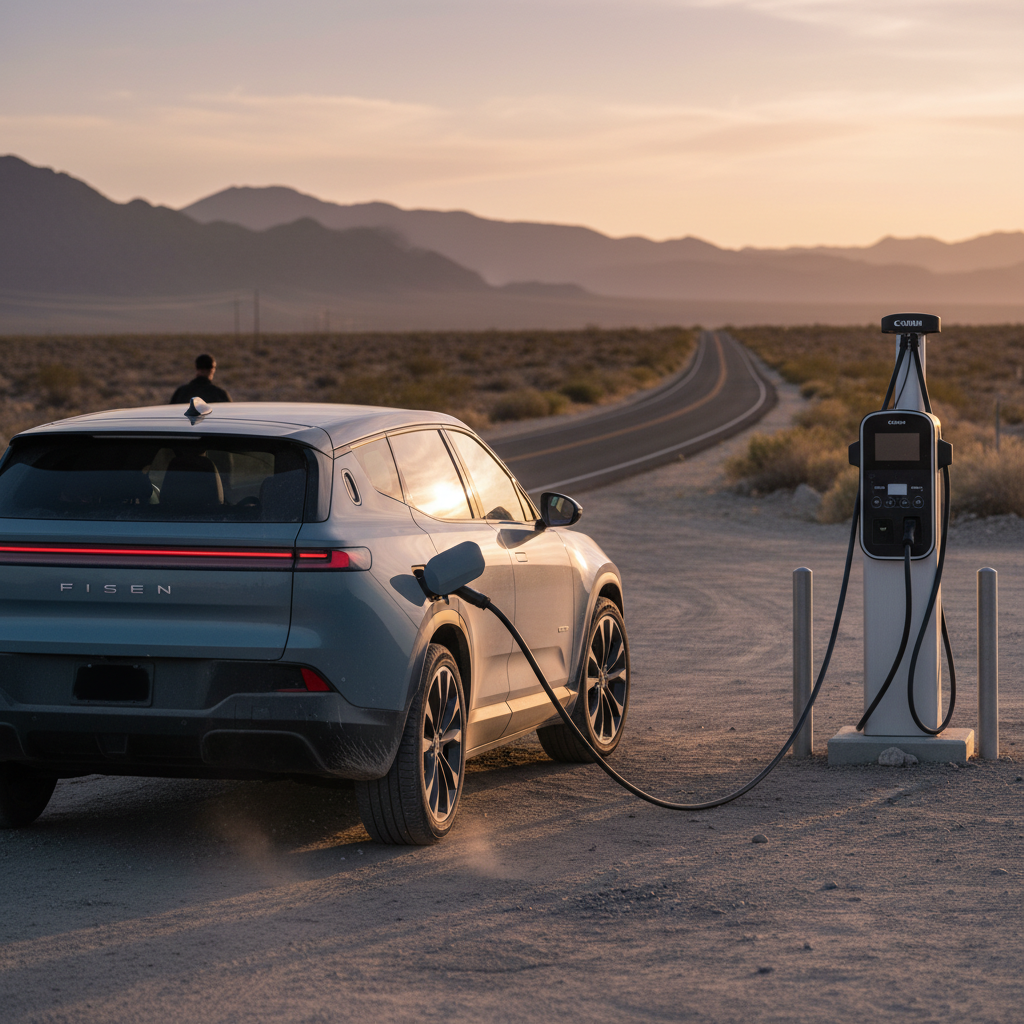
Battery and charging are where the Tesla Model S has built its reputation, and where the Electrified G80 quietly does better than many people expect, but still can’t match Tesla’s total ecosystem, at least in North America.
Real‑world range and charging comparison (used)
How a healthy used example of each car typically behaves day‑to‑day, assuming mostly highway and mixed use in moderate weather.
| Factor | Genesis Electrified G80 | Tesla Model S AWD / Long Range | Notes for used buyers |
|---|---|---|---|
| Typical highway range at 70 mph | ~220–240 miles | ~300–340 miles | Tesla’s bigger pack and efficiency win road‑trip range, especially in colder climates. |
| Typical city/mixed range | ~260–290 miles | ~330–380 miles | Both are ample for commuting; Tesla still holds a clear edge. |
| Max DC charging rate | ~187–230 kW CCS | Up to ~250 kW Supercharger | In practice, both can add ~150–200 miles in ~20–25 minutes on a strong charger. |
| Network access | CCS public networks | Tesla Supercharger + CCS (via adapter on later years) | Tesla’s integrated network is still the gold standard for reliability and ease of use. |
| Battery architecture | 400–800V depending on MY | 400V | Genesis uses advanced electronics to support "ultra‑fast" DC charging despite a 400V pack on early U.S. cars. |
Real‑world numbers will vary with wheel size, speed, climate, and battery health.
Genesis charging is better than it looks on paper
- Road‑trip advantage: Tesla Model S. Longer range plus a cohesive Supercharger network, route planning, and built‑in preconditioning remains unmatched in North America.
- Daily usability: Tie for most drivers. If you mostly charge at home, both will feel like more than enough EV for commuting and errands.
- Future‑proofing: Tesla’s ongoing software updates around charging and nav give it an edge, but Genesis benefits from the industry moving toward the NACS connector, which should increasingly open up Superchargers to non‑Teslas over the next few years.
Tech, safety, and driver-assistance
Both cars are tech‑heavy, but they express that tech in very different ways. The Model S is all about software, over‑the‑air updates, and an app‑centric ecosystem. The Electrified G80 leans on more conventional luxury‑brand UX with a big screen, physical controls where they matter, and a full suite of driver‑assistance tuned for calm rather than drama.
Interface and driver-assistance comparison
How it feels to actually live with each system day after day.
Infotainment and UX
Electrified G80: Wide central screen plus a separate digital cluster, rotary controller, and some physical buttons. Supports Apple CarPlay/Android Auto (wired on many years). Feels like a modern premium car rather than a gadget.
Great if you prefer a gentle learning curve and redundancy over everything being buried in menus.
Tesla interface
Model S: Massive central touchscreen dominates everything: gear selection, wipers, HVAC, even glovebox. No CarPlay/Android Auto; you live in Tesla’s ecosystem.
Brilliant for some, but can be uncomfortable if you want physical controls for core functions.
Genesis driver-assistance
- Highway Driving Assist keeps the car centered and follows traffic smoothly.
- Adaptive cruise, lane centering, blind‑spot cameras, and 360° view parking are widely available.
- Tuning focuses on smooth, human‑like behavior, which matters in traffic and with passengers.
Tesla Autopilot / FSD
- Even basic Autopilot offers solid lane keeping and adaptive cruise.
- Optional FSD features vary widely by software version and region, and used cars may carry or lose the option depending on sales history.
- Behavior can be more assertive and software‑update‑dependent; some owners love it, some disable it.
Used‑car Autopilot/FSD trap
Interior space and practicality
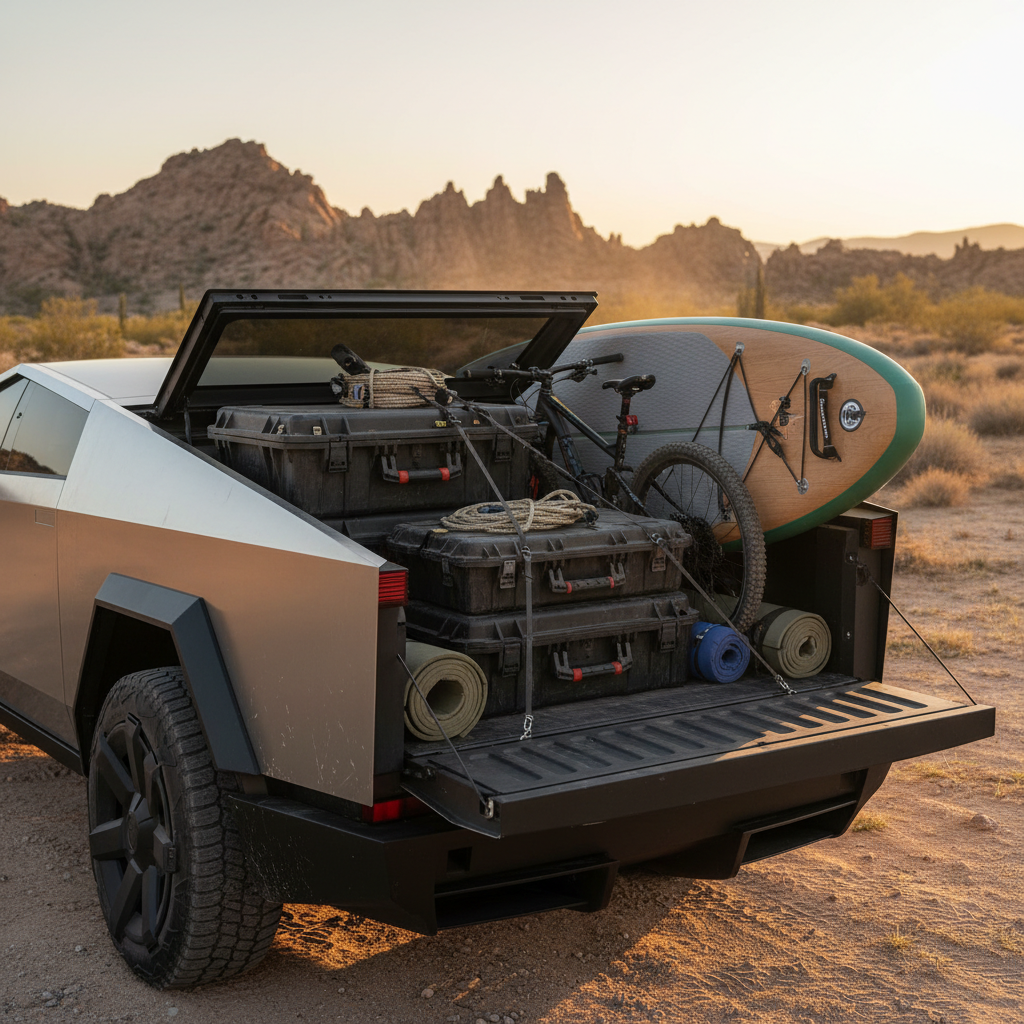
Both are big sedans on the outside, but they package space differently. Tesla’s hatchback body and skateboard platform make the Model S the better choice if you carry bulky cargo. The Electrified G80, adapted from an ICE platform with a trunk, sacrifices luggage space to accommodate its battery.
Practicality comparison
How much real‑world utility you can expect from each car.
| Area | Genesis Electrified G80 | Tesla Model S | Takeaway |
|---|---|---|---|
| Cargo flexibility | Traditional trunk, modest opening | Large hatch + folding rear seats + frunk | Model S wins for bikes, strollers, bulky boxes. |
| Rear‑seat comfort | Excellent legroom, cushioned seats, more traditional roofline | Good legroom but lower roofline and higher floor from battery | Both are fine for adults; the Genesis feels a bit more upright and formal. |
| Cabin design | Rich materials, classic luxury cues | Minimalist, tech‑driven, fewer touch‑points | Genesis feels expensive; Tesla feels futuristic. |
| Small‑item storage | Adequate, but less creative than some SUVs | Plenty of open space and covered storage in the console | Tesla does better here, though neither matches a crossover. |
Figures vary slightly by model year; focus on pattern more than exact liters.
Used pricing, depreciation, and value
Here’s where things get interesting for a savvy used buyer. The Electrified G80 launched with pricing closer to a flagship European sedan and sold in small numbers. That, plus its discontinuation in the U.S., has led to heavy depreciation relative to its new sticker. The Model S, meanwhile, has a long production run, more brand recognition, and a deep secondary market, so prices cover a much wider range, from older six‑figure‑mileage cars to nearly new Plaids.
Value proposition on the used market
Where each sedan looks like a smart buy, and where it doesn’t.
Electrified G80: Quiet bargain
Because of its high original MSRP and limited awareness, a used Electrified G80 can offer an enormous amount of car for the money: flagship‑grade interior, strong performance, and solid range at prices that undercut many similarly sized ICE luxury sedans.
The flip side is a thinner resale market and fewer buyers down the road.
Model S: Wide price ladder
Used Model S pricing runs from budget‑friendly early cars to nearly‑new Plaids. That gives you flexibility, but also requires discipline. Older cars may lack range, warranty, or battery health transparency if you buy from a non‑EV‑specialist outlet.
Later cars with long range and refreshed interiors hold value better.
Operating costs
Electricity costs will be similar per mile if you charge at home. Insurance and tires can be pricey on both, but especially on Plaid or large‑wheel Teslas.
Service and repair costs are where brand ecosystem and parts availability start to matter a lot more than sticker price.
Where Recharged fits in
Ownership experience, warranty, and support
A used EV is only as good as the support system around it, service access, software updates, and how the manufacturer thinks about long‑term owners. Here, the two brands take very different paths.
Genesis Electrified G80 ownership
- Warranty: Genesis typically backs EV batteries for around 8 years/100,000+ miles; many used cars still sit well within that window.
- Service: Traditional dealer network (often shared with Hyundai) with growing EV expertise, but fewer Electrified G80 specialists simply because sales volumes were low.
- Parts & bodywork: High‑end luxury sedan parts pricing; collision repair may be slower or pricier in markets with few Genesis EVs on the road.
Tesla Model S ownership
- Warranty: Similar 8‑year battery and drive unit coverage on many years, but older cars may be nearing expiration.
- Service: Vertically integrated service centers and mobile service, but scheduling can be hit‑or‑miss depending on your region.
- Parts & bodywork: Proprietary parts and a narrow approved‑body‑shop funnel can mean longer repair times and higher bills after collisions.
Don’t skip a battery health report
Which used luxury EV sedan actually fits you?
Quick guide: Which sedan fits which buyer?
Match your use case to the car’s personality and strengths.
Choose a used Genesis Electrified G80 if…
- You care more about quiet comfort and craftsmanship than bleeding‑edge software.
- Your driving pattern is mostly commuting, suburban errands, and regional trips where ~250 real‑world miles of range is plenty.
- You want flagship‑grade luxury at a steep discount from new pricing, and you’re comfortable owning a rarer car.
- You prefer traditional controls, clear instrumentation, and a cabin that feels more like a high‑end hotel than a smartphone.
Choose a used Tesla Model S if…
- You road‑trip often and want maximum range plus integrated Supercharging.
- You like living inside a software‑driven ecosystem and don’t mind big UI changes over time.
- You value brutal straight‑line performance and instant torque more than absolute isolation.
- You want deep used‑market choice, from early, inexpensive cars to nearly new Plaids.
If you strip away the hype, the decision between a used Genesis Electrified G80 and a used Tesla Model S comes down to a simple trade: Genesis sells you a luxury sedan that happens to be an EV, while Tesla sells you an EV that happens to be a luxury sedan. Neither answer is wrong. The right one is the car whose compromises line up with how you actually live, and that’s where detailed battery diagnostics, transparent pricing, and EV‑specialist guidance from a marketplace like Recharged can keep a great deal from turning into a long‑term headache.
Inspection checklist for both EVs
Used Electrified G80 vs Model S: what to double‑check before you buy
1. Verify battery health and real range
Ask for a <strong>professional battery health report</strong>, not just a dashboard screenshot. Compare estimated usable capacity to original spec and confirm how much real‑world range the seller is currently seeing on a full charge in typical driving.
2. Check DC fast‑charge behavior
If possible, observe a DC fast‑charging session from 10–60%. An unusually flat or very low charge curve can indicate thermal or battery issues. On a Tesla, make sure the car still hits reasonable peak rates on a healthy Supercharger; on the G80, verify CCS compatibility and typical peak speeds.
3. Confirm software and options
On a Model S, verify which Autopilot or FSD package is actually active in the car and the owner account. On an Electrified G80, confirm key options like Highway Driving Assist, surround‑view cameras, and whether features like vehicle‑to‑load are present.
4. Inspect tires, brakes, and suspension
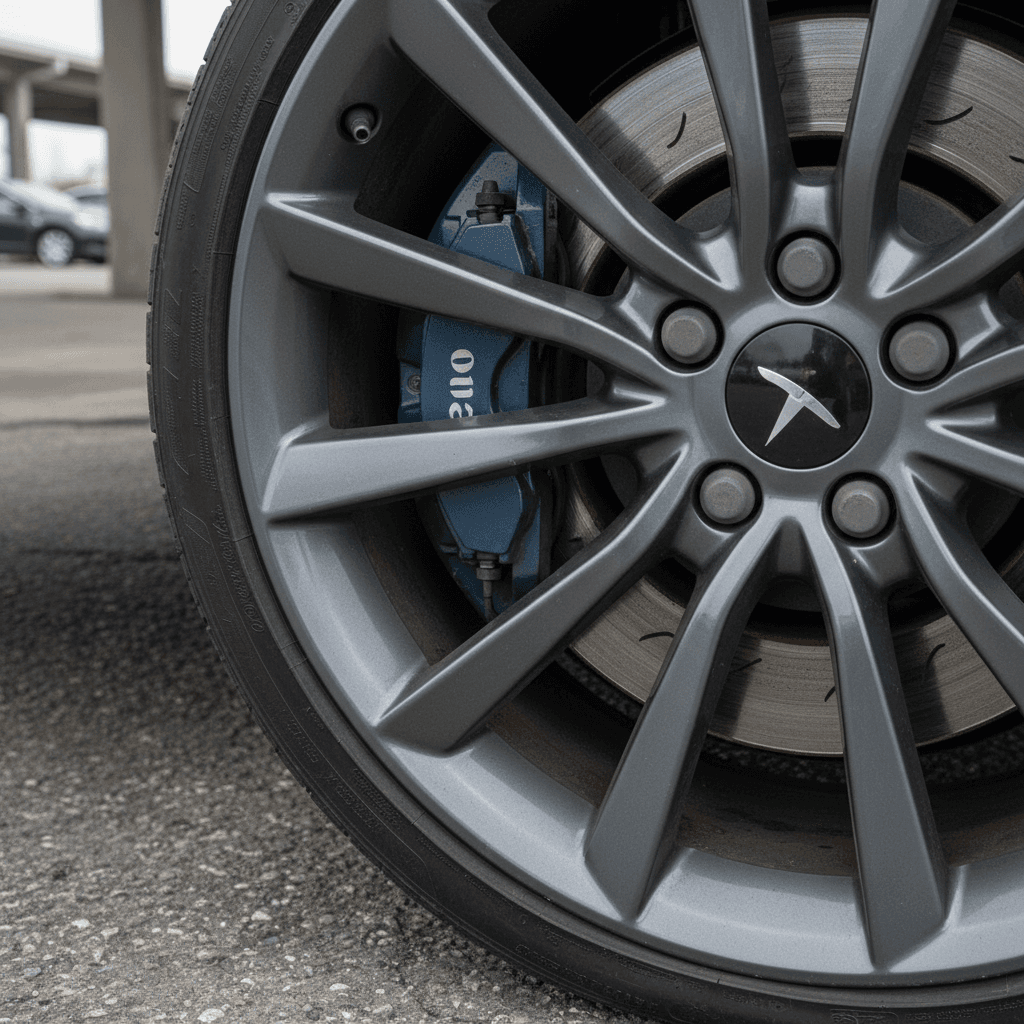
Both cars are heavy and powerful; they eat through tires and can stress suspension components. Uneven wear or mismatched tires are negotiating leverage, and a hint that other maintenance might have been deferred.
5. Look for collision and corrosion history
Get a full vehicle history report and a trusted body shop inspection. Luxury EVs with structural damage or poor repairs can be much harder to resell and more expensive to fix correctly than mainstream cars.
6. Test all charging scenarios
Before committing, test Level 2 home‑style charging and, if you can, a DC fast‑charge stop. Verify the included charging cable, adapters, and whether the car recognizes nearby public chargers correctly in its navigation or app.