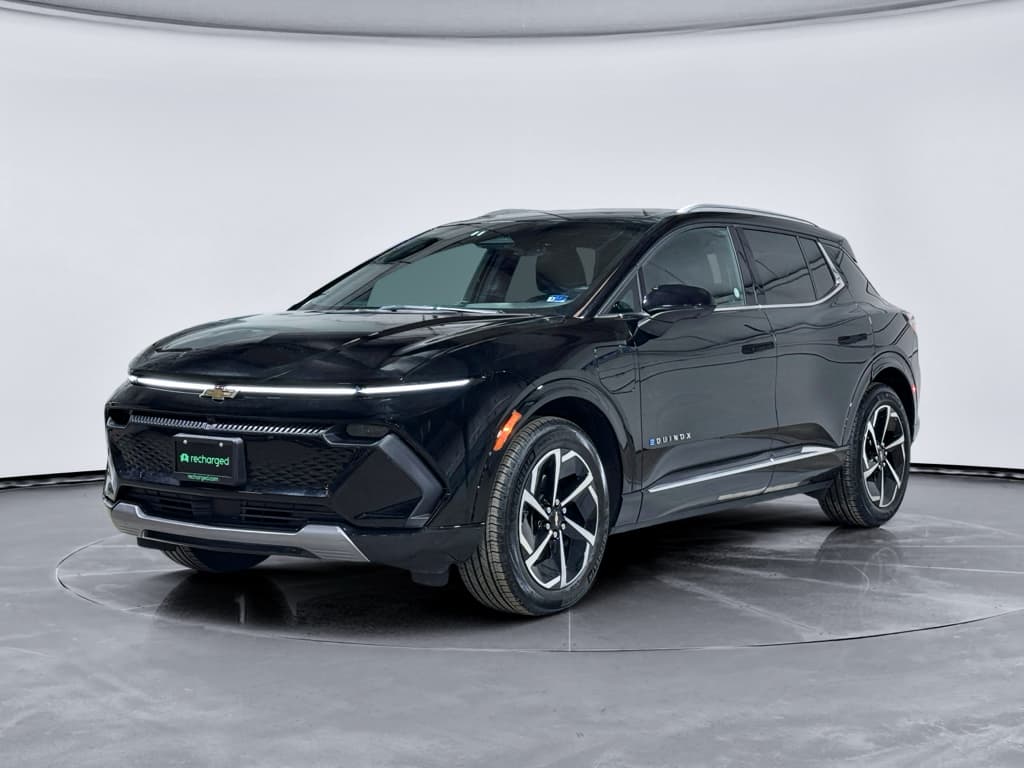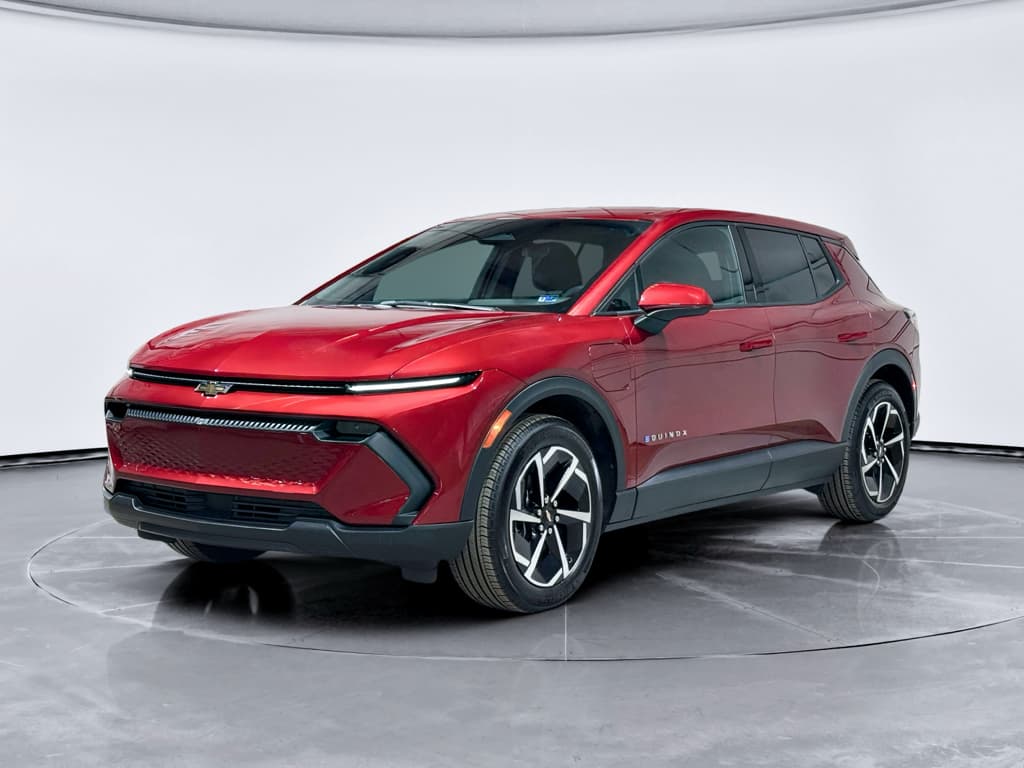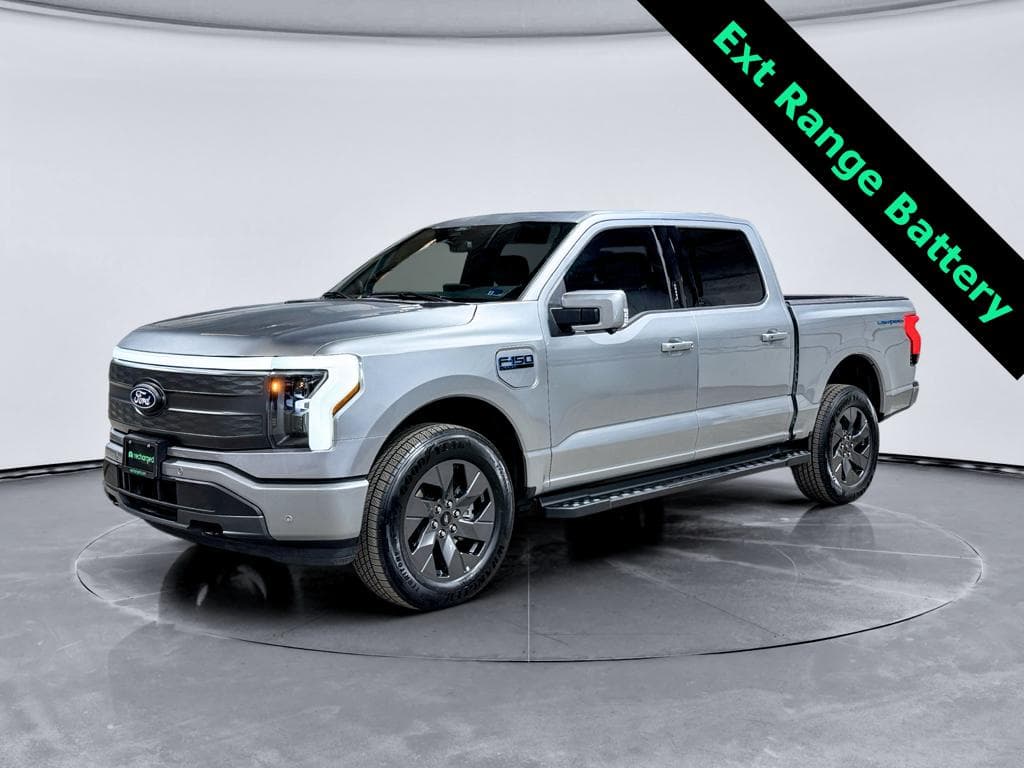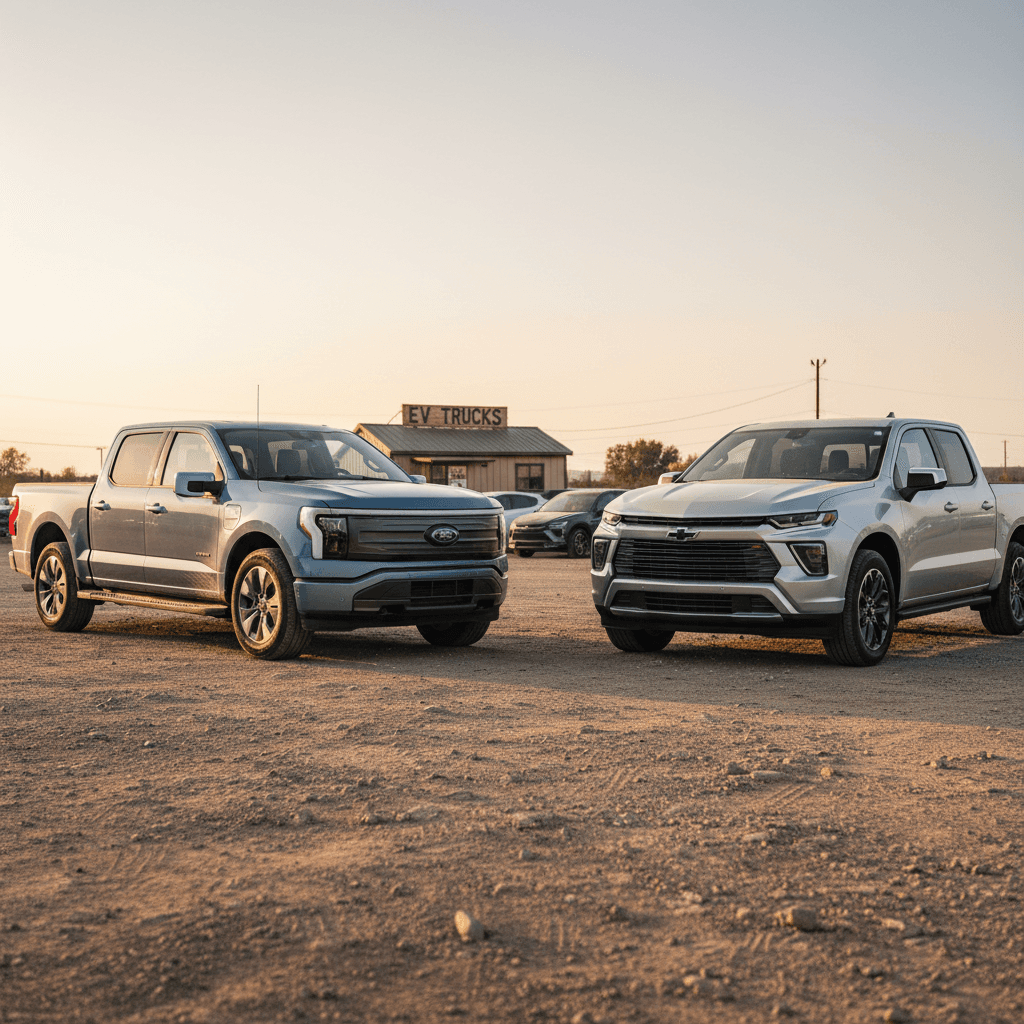
If you’re shopping the used market in 2026, a **Ford F-150 Lightning** or **Chevrolet Silverado EV** is probably on your shortlist. Both are full-size electric pickups with serious capability, but they take very different paths on range, towing, and everyday usability. This 2026-focused **used Ford F-150 Lightning vs Chevrolet Silverado EV comparison** breaks down what actually matters once the trucks have a few years and miles behind them.
Context: what’s on the used market in 2026
Why this comparison matters in 2026
A new electric truck can crest six figures with options. That’s why more buyers are turning to **used EV trucks** in 2026, letting the first owner take the depreciation hit while you still get modern tech and strong battery warranties. But a used truck is only a deal if the **battery health, range, and towing** performance still fit your life.
The F-150 Lightning has been on U.S. roads longer, so there’s more used inventory and a clearer picture of real-world range and reliability. The Silverado EV is newer but counters with **big battery options and standout range** on certain trims. If you tow, haul, or road-trip, those differences matter more than any marketing line.
How Recharged can help
Quick take: which used electric truck fits you?
Lightning vs Silverado EV at a glance
Two electric trucks, two personalities
Ford F-150 Lightning: best for everyday truck life
- Typical used buyer: Coming from a gas F-150, wants a familiar feel with electric power.
- Strengths: Smooth ride, intuitive tech, widespread availability on the used market, great around-town usability.
- Watch for: Range drops quickly when towing, especially on Standard Range battery trucks; payload varies a lot by trim.
Chevy Silverado EV: best for max range and capability
- Typical used buyer: Long-range commuter, frequent tower, or fleet user who values big batteries.
- Strengths: Very high EPA range on certain Work Truck and higher trims, strong towing numbers, huge Ultium battery options.
- Watch for: Fewer used examples, more complex packaging and options, and you’ll want proof the truck wasn’t worked too hard without proper charging habits.
Headline numbers truck shoppers care about
Trims, batteries, and key specs at a glance
Trim names and packages can feel like alphabet soup, but on the used market you’re really shopping **battery size, drivetrain, and tow rating** more than badges. Here’s how the most common configurations line up.
Used F-150 Lightning vs Silverado EV: core specs (typical U.S. trims)
These are representative specs for common 2022–2025 F-150 Lightning and 2024–2025 Silverado EV trims you’re likely to see used in 2026. Always verify exact specs for the VIN you’re considering.
| Truck & typical trims | Battery (approx usable kWh) | EPA range when new | Max towing (properly equipped) | Drive layout |
|---|---|---|---|---|
| F-150 Lightning Pro / XLT Standard Range | ~98 kWh | ~230–240 mi | 7,700–10,000 lb (with Max Tow) | Dual-motor AWD |
| F-150 Lightning XLT / Lariat Extended Range | ~131 kWh | ~300–320 mi | 7,700–10,000 lb | Dual-motor AWD |
| F-150 Lightning Platinum ER | ~131 kWh | ~280–300 mi | ~8,400 lb (varies by year) | Dual-motor AWD |
| Silverado EV WT Standard Range | ~>100 kWh (varies by pack) | ~280+ mi | 8,500 lb (typical WT rating) | Dual-motor AWD |
| Silverado EV WT Max Range | ~200+ kWh (Ultium Max Range) | Up to ~492 mi | Up to ~12,500 lb on certain configs | Dual-motor AWD |
| Silverado EV LT / RST Extended/Max Range | Large Ultium pack | High-300s to mid-400s mi (trim dependent) | Up to ~10,000–12,500 lb | Dual-motor AWD |
EPA ranges are manufacturer or EPA estimates when new; actual used-truck range depends on battery health, temperature, speed, load, and tires.
Specs change by year and trim
Range and charging: real world vs EPA
On paper, **Silverado EV** wins the range war. Some Work Truck Max Range versions are rated just under **500 miles** of EPA range, and even the mid-pack batteries land in the high-200s to 300s. The **F-150 Lightning** tops out around **320 miles** EPA on Extended Range trims, with Standard Range trucks closer to **230–240 miles** when new.
How they behave in the real world
- F-150 Lightning: Owners commonly see highway range in the ~70–80% of EPA band when lightly loaded. Cold weather or bigger wheels can shave more.
- Silverado EV: Max Range trucks can genuinely feel like road-trip machines if you’re light on the throttle, though big frontal area still punishes high speeds and headwinds.
- Used reality in 2026: Expect a few percent of battery degradation on early builds. A solid battery-health report matters more than the original window-sticker number.
Charging behavior
- Lightning: DC fast charging peaks are respectable but not class-leading. Plan on a typical 10–80% session in roughly 40–45 minutes when conditions are ideal.
- Silverado EV: Built on GM’s Ultium platform with **very high DC fast-charge potential**, often advertised up to 350 kW. In practice, charge time depends on station quality and your starting state of charge.
- Home charging: Both trucks are happiest on a 240V Level 2 setup. If you’re stuck on 120V, neither feels at its best.
Use battery health, not just range stickers
Towing, hauling, and work use
If you’re buying an electric truck, there’s a good chance you plan to **tow or haul**, at least occasionally. Both of these trucks can tow numbers that look wildly impressive on brochures, but the real story is how much range you keep with a trailer on the hitch.
Towing and payload comparison highlights
Representative capability ranges for common trims when new; always verify exact ratings on the door jamb sticker for the specific truck.
| Truck & trim examples | Max tow rating (when new) | Typical payload | Towing impressions (used-truck reality) |
|---|---|---|---|
| F-150 Lightning XLT/Lariat ER | Up to ~10,000 lb | ~1,800–2,200 lb (varies by spec) | Great for boats, campers, and utility trailers, but expect range to drop by 40–60% at highway speeds with boxy loads. |
| F-150 Lightning Pro SR (fleet spec) | 7,700–8,600 lb (typical) | Often higher payload than plush trims | Fleet trucks may have worked hard, look closely at tires, brakes, and service history. |
| Silverado EV WT Max Range | Up to ~12,500 lb on certain configs | Payload around ~1,500–2,000 lb depending on options | Massive battery helps preserve workable range with a trailer, but consumption can still double with heavy, tall loads. |
| Silverado EV LT/RST Extended Range | ~10,000–12,500 lb (trim dependent) | Varies, often a bit lower on top trims | Power is plentiful; plan routes around reliable DC fast charging if you tow long distances. |
Even if both trucks can tow 10,000 lb, your comfortable towing weight will be lower if you also need usable range between charging stops.
Don’t fixate only on max tow number
If you plan to tow regularly, prioritize these
1. Bigger battery first, trim second
On both trucks, a larger battery does more to preserve towing range than fancy interior packages. If you’re on the fence, choose battery over luxury.
2. Look for towing packages
Factory tow packages add important hardware and software: hitch, integrated brake controller, better cooling, and trailering-assistance tech.
3. Inspect hitch, frame, and bed
On any used work truck, check for rust, signs of overloading, or welded-on aftermarket bits that might signal a hard life.
4. Ask for real-world trip logs
Many owners log trips through Ford’s and Chevy’s connected apps. That data can tell you more about towing behavior than any spec sheet.
Ride, comfort, and tech inside the cab
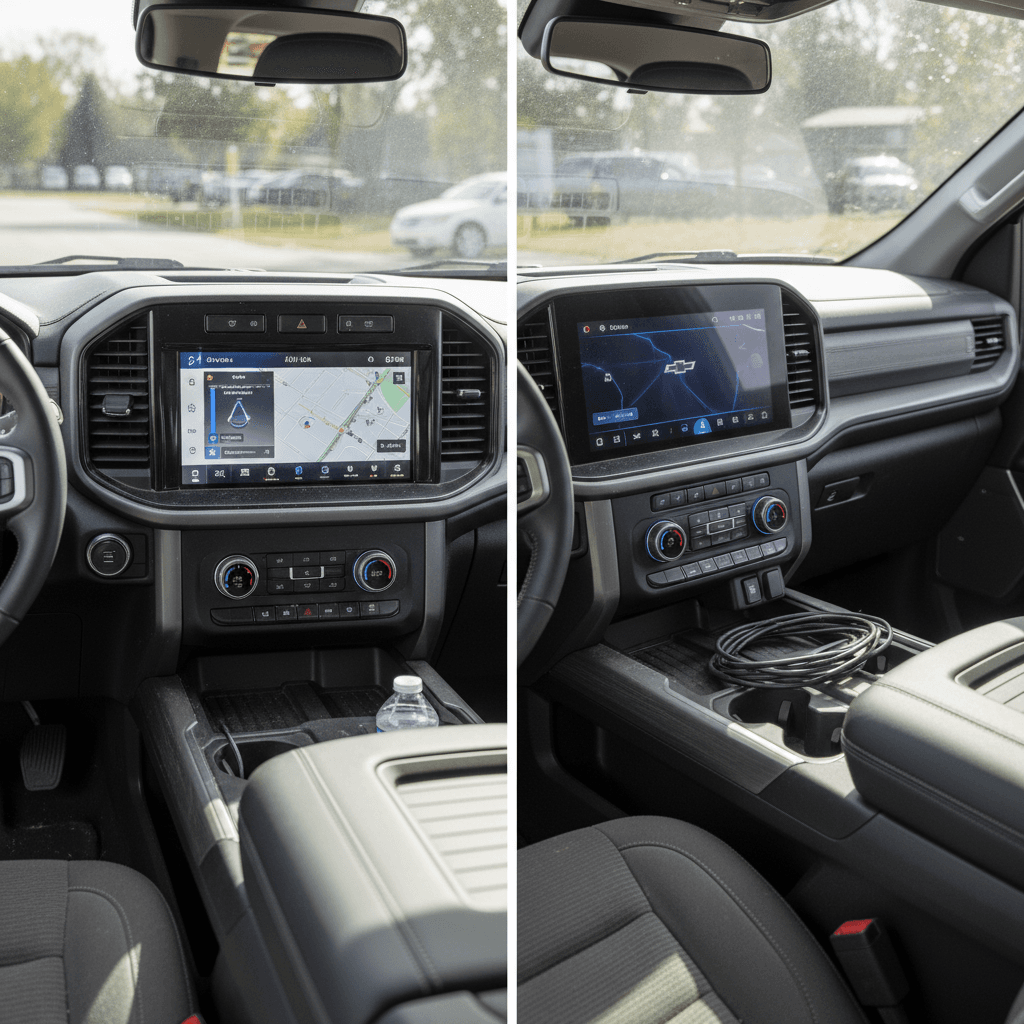
Both trucks feel more like luxury SUVs than old-school workhorses. The **Lightning leans familiar**, with an F-150–like cabin that just happens to be electric. The **Silverado EV goes more futuristic**, especially in LT and RST trims, where the screens and interface feel closer to a tech flagship than a farm truck.
Cabin personality: Ford vs Chevy
Which feels more like home to you?
Ford F-150 Lightning
- Familiar F-150 layout and switchgear.
- Big central touchscreen, but still plenty of real buttons and knobs depending on trim.
- Quiet, cushy ride that suits suburban and highway use.
Chevrolet Silverado EV
- More modern, EV-first layout on most trims.
- Large, crisp displays and GM’s latest software suite.
- Can feel more futuristic, but may have a steeper learning curve.
Driver-assistance tech
- Both offer advanced driver-assistance including adaptive cruise and lane-keeping.
- Some Silverado EVs offer hands-free highway systems in certain regions; check feature lists carefully on used examples.
“The right electric truck is the one that fits your daily life 90% of the time, not the spec-sheet bragging rights you use twice a year.”
Ownership costs and depreciation
Early electric trucks dropped in value faster than many expected. High MSRPs, rising interest rates, and shifting incentives all played a role. By 2026, that’s good news for you: **a used F-150 Lightning or Silverado EV can cost dramatically less** than it did new, even when the truck is just two to three years old.
Used electric truck money talk
Where Recharged fits in
Ready to find your next EV?
Browse VehiclesCharging standards and future-proofing
By 2026, the charging landscape is shifting fast. Ford and GM are both on the path to **NACS (Tesla’s North American Charging Standard)** while still supporting CCS, and access to high-quality DC fast charging is improving. For you, the used buyer, that means two things: compatibility today, and convenience over the next decade.
- Most 2022–2025 F-150 Lightnings and early Silverado EVs were built with **CCS fast-charging ports**. Automaker-provided adapters and future NACS-native revisions will broaden your charging options.
- If you road-trip or tow often, prioritize trucks whose software is updated, charge-curve improvements often arrive via over-the-air updates.
- Look at where you actually drive. If your key corridors are rich in Tesla Superchargers and NACS is fully rolled out in your area, that may tilt your choice long-term.
Think in 5–10 year horizons
What to check when buying a used Lightning or Silverado EV
A used electric pickup asks you to look beyond the usual paint and seat wear. The battery pack, high-voltage systems, and charging profile are where the real money lives. Here’s how to shop smart.
Used electric truck inspection checklist
1. Battery health and fast-charging history
Ask for a **battery-health report** and any history of frequent DC fast charging. Regular fast charging isn’t a deal-breaker, but you want to know how this truck lived.
2. Software and recall status
Confirm the truck is updated to the latest available software and that any recalls or service campaigns for the high-voltage system, charging, or drive units have been completed.
3. Tires, brakes, and suspension wear
These are heavy, very quick trucks. Worn tires or tired suspension can hide under otherwise clean bodywork, especially on trucks used for work or towing.
4. Underbody and high-voltage cables
Have someone put it on a lift. Check for off-road dings, corrosion, or damage near the battery pack, coolant lines, and bright orange high-voltage cables.
5. Tow and work history
Look for bed-liner wear, hitch rust, and fleet stickers. A former work truck can still be a good buy, but price should reflect its harder life.
6. Charging equipment included
Make sure the portable charge cord, any wallbox, and, critically, any factory or OEM-approved adapters are included. Replacing those isn’t cheap.
Leaning on the Recharged Score
Who should buy which truck?
Choose a used F-150 Lightning if…
- You’re coming from a gas F-150 or similar and want something that feels familiar on day one.
- Your driving is mostly commuting, family duty, home projects, and occasional light towing.
- You value a softer ride, easy-to-use controls, and a deep pool of used inventory to cross-shop.
- You’re okay planning ahead for fast-charging stops on longer hauls or towing trips.
Choose a used Silverado EV if…
- You put a premium on maximum range and towing capacity, especially on Max Range battery trucks.
- You’re comfortable with a more futuristic interface and don’t mind a smaller used market to hunt through.
- Your routes line up well with strong DC fast-charging options, and you’re ready to learn the Ultium ecosystem.
- You tow more often and want the biggest buffer of usable range you can afford.
FAQ: used F-150 Lightning vs Silverado EV
Frequently asked questions
Bottom line
A **used Ford F-150 Lightning** is your best bet if you want a comfortable, familiar-feeling full-size truck that happens to be electric, and your life is more about commuting and weekend projects than constant long-distance towing. A **used Chevrolet Silverado EV**, especially with a larger Ultium pack, tilts toward buyers who value maximum range and capability and don’t mind living at the bleeding edge of truck tech.
In 2026, the smartest move isn’t chasing the highest spec on paper, it’s matching a specific used truck’s **battery health, range, and history** to how you actually drive. Tools like the **Recharged Score**, plus EV-specialist guidance on financing, trade-ins, and nationwide delivery, can take the guesswork out of that decision so the electric truck you buy is the one you’ll still be happy with years down the road.