If you’re shopping for used electric cars in Virginia in 2026, you’re walking into one of the most interesting car markets in the country. Federal tax credits have changed, EV adoption has exploded, and the used market is finally stocked with real choices, from budget‑friendly commuter hatchbacks to all‑wheel‑drive crossovers ready for Blue Ridge weekends.
Virginia EV snapshot for 2026
Why Virginia is a hot spot for used electric cars in 2026
Virginia’s EV market by the numbers
Put simply, Virginia is past the “early adopter” phase. EVs are mainstream in Northern Virginia’s commuter corridors, increasingly common in Richmond, and showing up in more driveways from Roanoke to Hampton Roads. That matters if you’re buying used, because a healthier new‑car market steadily feeds clean, off‑lease electric vehicles into dealer lots and online marketplaces.
The other big driver in 2026: with many federal incentives winding down after September 30, 2025, more buyers who might have considered a new EV are cross‑shopping late‑model used cars instead. That’s good news for value‑hunters, but it also means you need to be a little savvier than the average shopper.
How the 2025 tax credit changes affect used EV buyers
What changed on September 30, 2025
- The familiar up to $7,500 new EV credit and up to $4,000 used EV credit under federal law ended for purchases after September 30, 2025.
- The popular “lease loophole,” which let many lessees benefit from the new‑EV credit, also closed.
- States like Virginia can still create or expand their own rebate programs, and several local utilities already offer charger and off‑peak bill credits.
What that means for you in 2026
- There is no federal used EV tax credit for vehicles purchased in Virginia in 2026 under current law.
- Value is shifting toward lower purchase price, rock‑bottom running costs, and verified battery health, rather than subsidies.
- State, regional, and utility incentives, often a few hundred to a few thousand dollars, play a bigger role, especially when paired with a fairly priced used EV.
Don’t assume last year’s deal still exists
Virginia still helps in other ways. The state’s EV strategy leans on utility programs, regional grants, and gradually cleaner electricity to make the total cost of ownership compelling even without a big federal check at tax time. For many households, especially in Northern Virginia and Hampton Roads, the smartest move in 2026 is a well‑vetted used EV plus a simple home or workplace charging setup.
What used electric cars cost in Virginia in 2026
Used EV prices cooled off from their 2022 peak, but they haven’t fallen off a cliff. In Virginia’s active metro markets, you’ll see three broad price bands in 2026:
Typical used EV price ranges in Virginia (2026)
Approximate asking prices you’ll see from reputable dealers and marketplaces in Virginia. Exact pricing varies with mileage, trim, and battery health.
| Segment / use case | Example models (used) | Typical price range | Who it fits |
|---|---|---|---|
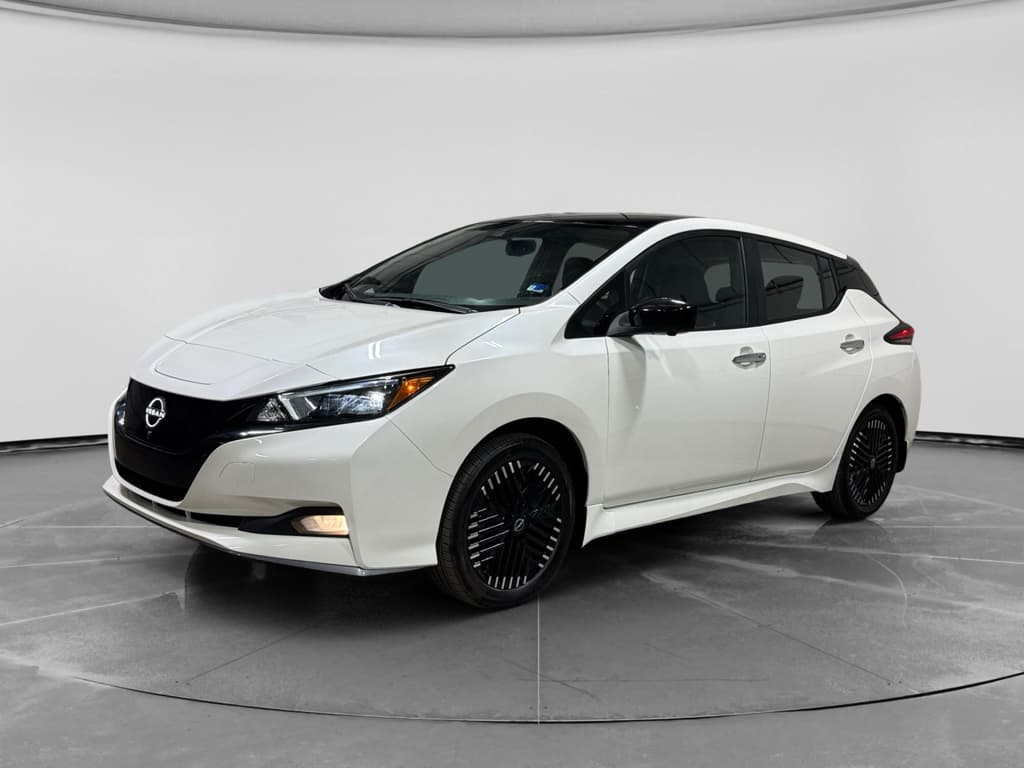
| Budget commuter | Nissan LEAF, Chevy Bolt EV, BMW i3, older Hyundai Ioniq Electric | $12,000–$20,000 | Students, city commuters, second household car |
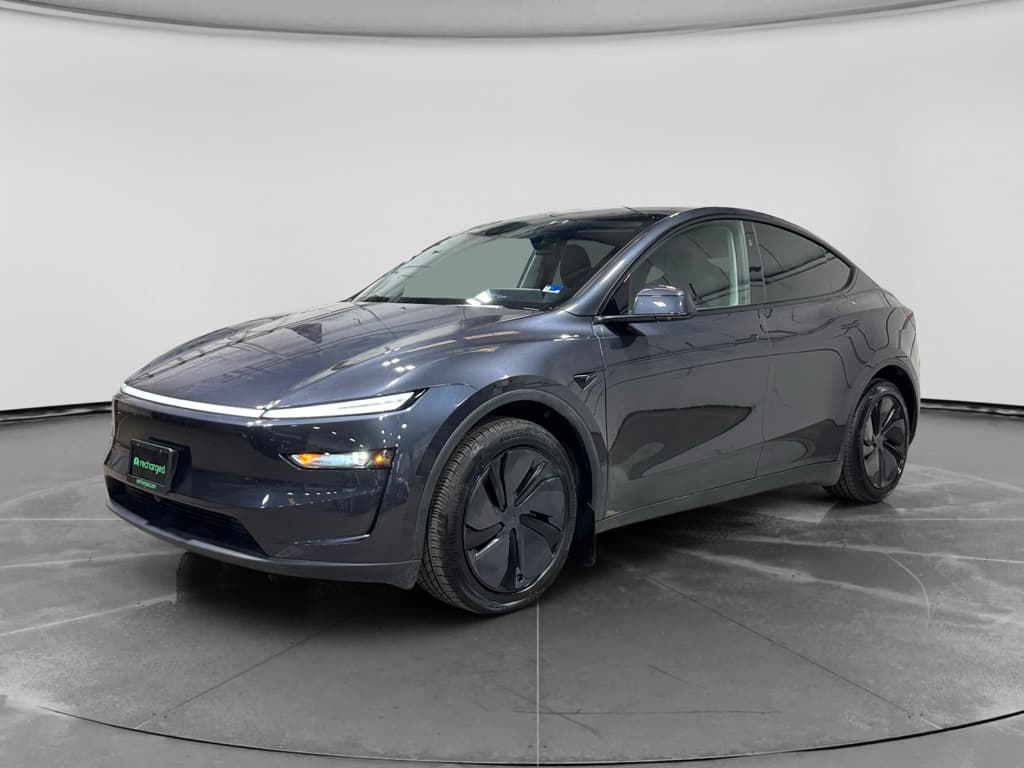
| Main family car | Tesla Model 3, Hyundai Kona EV, Kia Niro EV, Chevy Bolt EUV | $20,000–$30,000 | Daily drivers with 40–70 mile commutes |
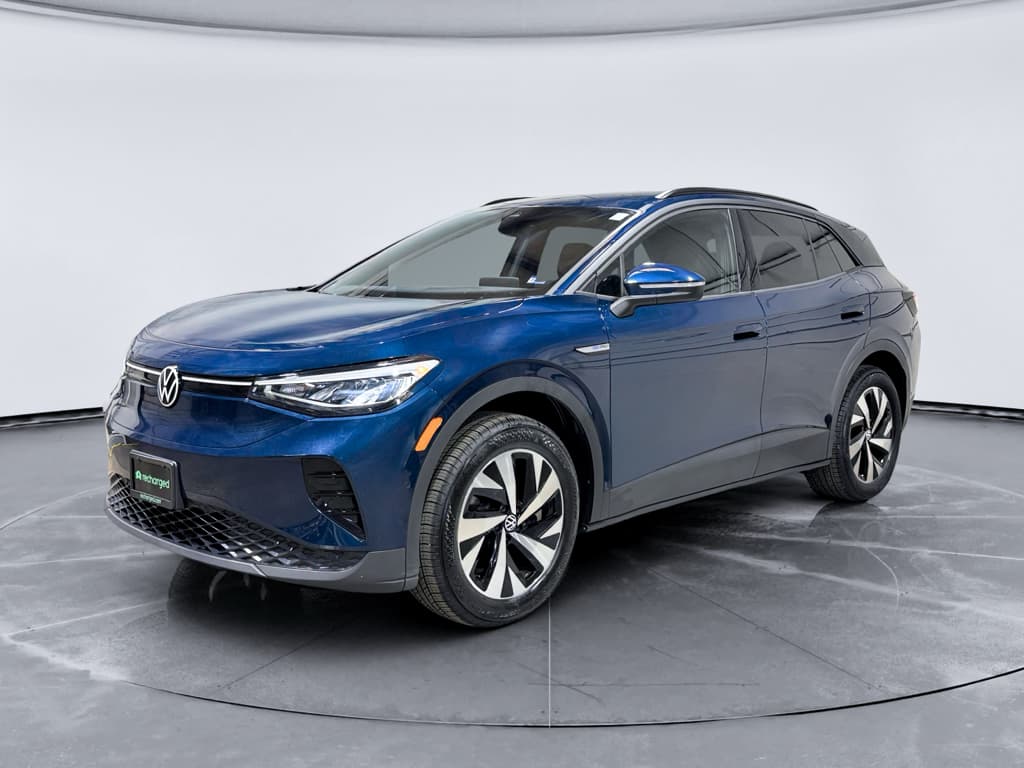
| Family SUV / AWD | Tesla Model Y, VW ID.4, Hyundai Ioniq 5, Kia EV6 | $30,000–$40,000+ | Families wanting space, road‑trip comfort, or snow‑friendly AWD |
Treat these as ballparks, not promises, battery condition and options can swing a price by thousands of dollars.
Watch the model‑year cliffs
Remember that EVs can be cheaper to own even when sticker price is similar to a gas car. Electricity is usually cheaper per mile than gasoline, and there’s no oil to change, no timing belts, and far fewer moving parts. The flip side: the battery is your most expensive component, which is why battery health matters more on a used EV than any single option or paint color.
Best used electric cars for Virginia driving
Used EVs that make sense in Virginia
Think about where you drive most: Beltway traffic, suburban sprawl, mountains, or coastal highways.
Stop‑and‑go Beltway commuter
Best traits: Efficiency, active safety tech, good driver‑assist.
Good fits: Tesla Model 3, Hyundai Kona EV, Chevy Bolt EV/EUV, Kia Niro EV.
One‑pedal driving and adaptive cruise make I‑95 and I‑495 a lot less punishing.
Weekend Blue Ridge explorer
Best traits: Decent ground clearance, stable highway manners, heat‑pump HVAC for winter trips.
Good fits: Tesla Model Y, VW ID.4, Hyundai Ioniq 5, Kia EV6.
A bit more range and fast‑charging speed helps when you leave the urban charging bubble.
Urban Hampton Roads runabout
Best traits: Easy to park, affordable, perfectly happy living on Level 2 charging.
Good fits: Nissan LEAF, BMW i3, older Fiat 500e (where available).
If most of your miles are under 50 a day, you don’t need a highway bruiser.
Good news for used‑Tesla shoppers
Battery health: the make‑or‑break factor on a used EV
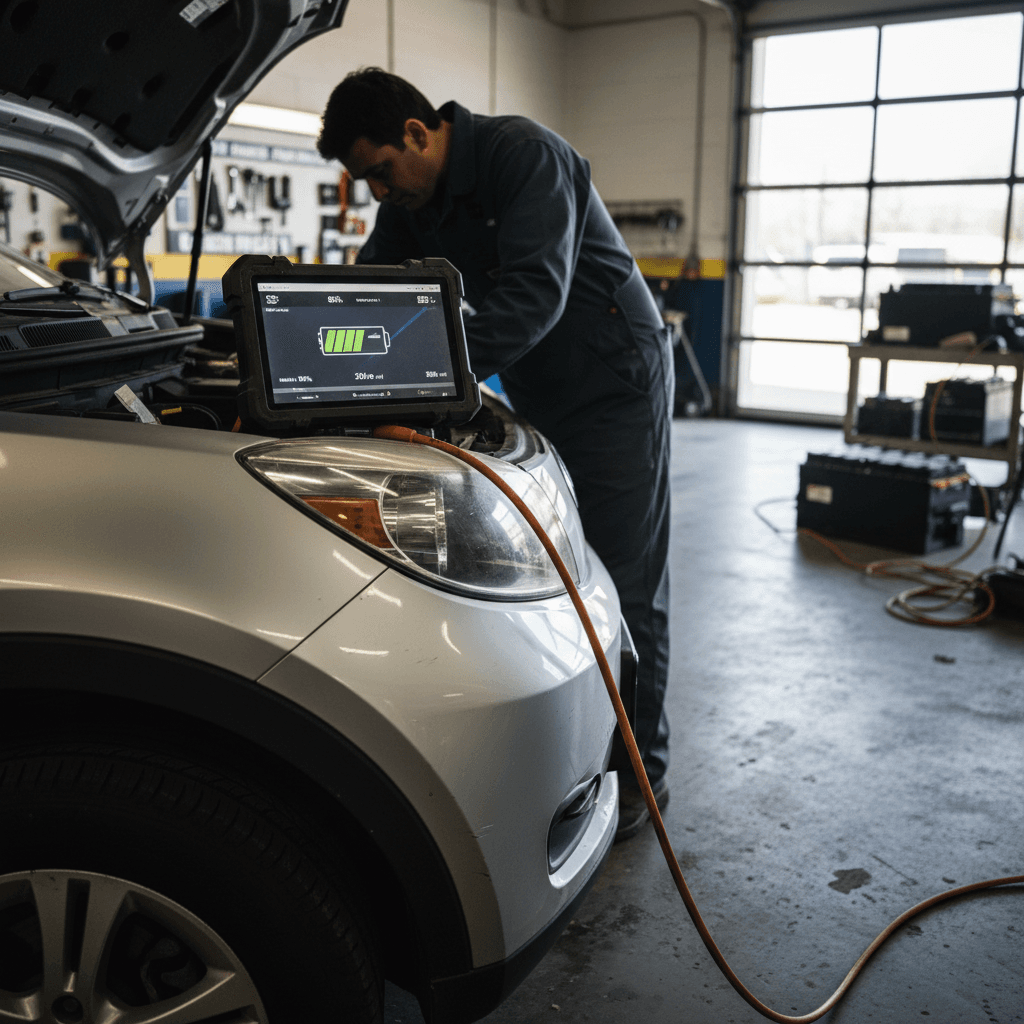
On a gas car, you can forgive a lot if the engine feels strong and the transmission shifts cleanly. On a used EV, the battery pack is the engine, fuel tank, and transmission rolled into one. It determines your real‑world range today and how quickly that range will shrink over the years you own the car.
- State of charge vs. health: Don’t confuse a 90% charge on the dash with a 90% healthy battery. Health is about original capacity, not how full it is today.
- Range loss is normal: Most EVs lose a bit of capacity in the first couple of years, then degrade more slowly. The question is whether this specific car is on the typical curve or an ugly outlier.
- Fast‑charge history: Lots of DC fast‑charging isn’t a deal‑breaker, but combined with extreme heat and high mileage, it can accelerate wear.
- Pack replacement cost: On older models, a full battery replacement can cost more than the car is worth. You want to avoid surprises here.
The risky way to buy a used EV
This is exactly why Recharged created the Recharged Score: a detailed battery and vehicle‑health report drawn from diagnostics, not just odometer readings and gut feeling. When you’re cross‑shopping two similar used EVs in Virginia, a strong, verified battery is often worth far more than a slightly lower asking price.
Charging a used EV in Virginia: what the network really looks like
You don’t buy a used EV in a vacuum, you buy it into Virginia’s charging network and your daily routine. The good news: by 2026 the state has a mature mix of public chargers and rapidly improving fast‑charging along major corridors.
Where Virginia’s chargers actually are
Coverage is best where the people (and traffic) are, but it’s improving statewide.
Northern Virginia & DC suburbs
- Dense public Level 2 charging in office parks, garages, and shopping centers.
- Multiple DC fast‑charging plazas along I‑95, I‑395, and the Beltway.
- Ideal for commuters who can top up at work or home and rarely worry about range.
Hampton Roads & coastal cities
- Steady growth of chargers in Norfolk, Virginia Beach, Chesapeake, and Newport News.
- Fast chargers along I‑64 and near key bridges and tunnels.
- Great territory for shorter‑range, affordable used EVs as daily drivers.
I‑64, I‑81 and mountain corridors
- Expanding DC fast‑charge coverage along I‑64 from Richmond west and I‑81 through the Shenandoah Valley.
- Still more spacing between sites than in NoVA, range and fast‑charge speed matter more.
Small towns & rural areas
- Public chargers clustered around colleges, hospitals, and municipal buildings.
- Owning an EV here works best if you can install Level 2 home charging or have reliable workplace charging.
Plan around where you park, not just where you drive
How to shop smart for used electric cars in Virginia
Virginia‑specific checklist for buying a used EV
1. Start with your actual miles
Look at the longest round‑trip you make in a typical week, commute, kids’ activities, weekend errands. Add a buffer of 30–40% for bad weather and detours. That’s the minimum real‑world range you should accept from a used EV’s current battery, not just its original spec sheet.
2. Map your daily charging reality
Can you add a 240‑volt outlet in your garage or driveway? Does your apartment offer shared Level 2 charging? In Virginia, your charging access will narrow, or expand, your list of suitable used EVs more than any brochure number.
3. Focus on battery report, not just Carfax
A clean accident history is great, but ask for proof of battery health. A Recharged Score report, or equivalent third‑party diagnostic, is worth more than a stack of oil‑change receipts would be on a gas car.
4. Check winter behavior
Virginia isn’t Minnesota, but cold snaps still happen. Research how your target model handles winter range and cabin heating. Heat‑pump HVAC and preconditioning can make a noticeable difference on I‑81 or a pre‑dawn drive on I‑95.
5. Test the charging experience
On your test drive, visit a public Level 2 or DC fast charger if possible. Confirm that the car connects, charges properly, and displays sensible charge rates. It’s the EV equivalent of checking that the fuel door opens and the pump doesn’t click off immediately.
6. Run the total cost of ownership
Add up payment, insurance, electricity, parking, and any HOA fees. A used EV that’s a bit pricier up front can still beat a gas car on monthly cost, especially if you have off‑peak electric rates or a workplace charger.
Watch for EV‑unfriendly fine print
How Recharged helps Virginia used‑EV buyers
A used EV is only as good as the information you have about it. That’s where Recharged comes in. Recharged is built from the ground up as a used electric‑vehicle marketplace, not a gas‑car site with a few EVs tucked into the corners.
What you get when you shop used EVs with Recharged
Designed to make Virginia EV ownership simple, even if this is your first electric car.
Recharged Score battery report
Every vehicle on Recharged includes a Recharged Score Report, a clear snapshot of battery health, charging history indicators, and how the car’s real‑world range stacks up today.
That gives you apples‑to‑apples confidence when comparing a used LEAF in Norfolk to a Model 3 in Fairfax.
Transparent pricing & financing
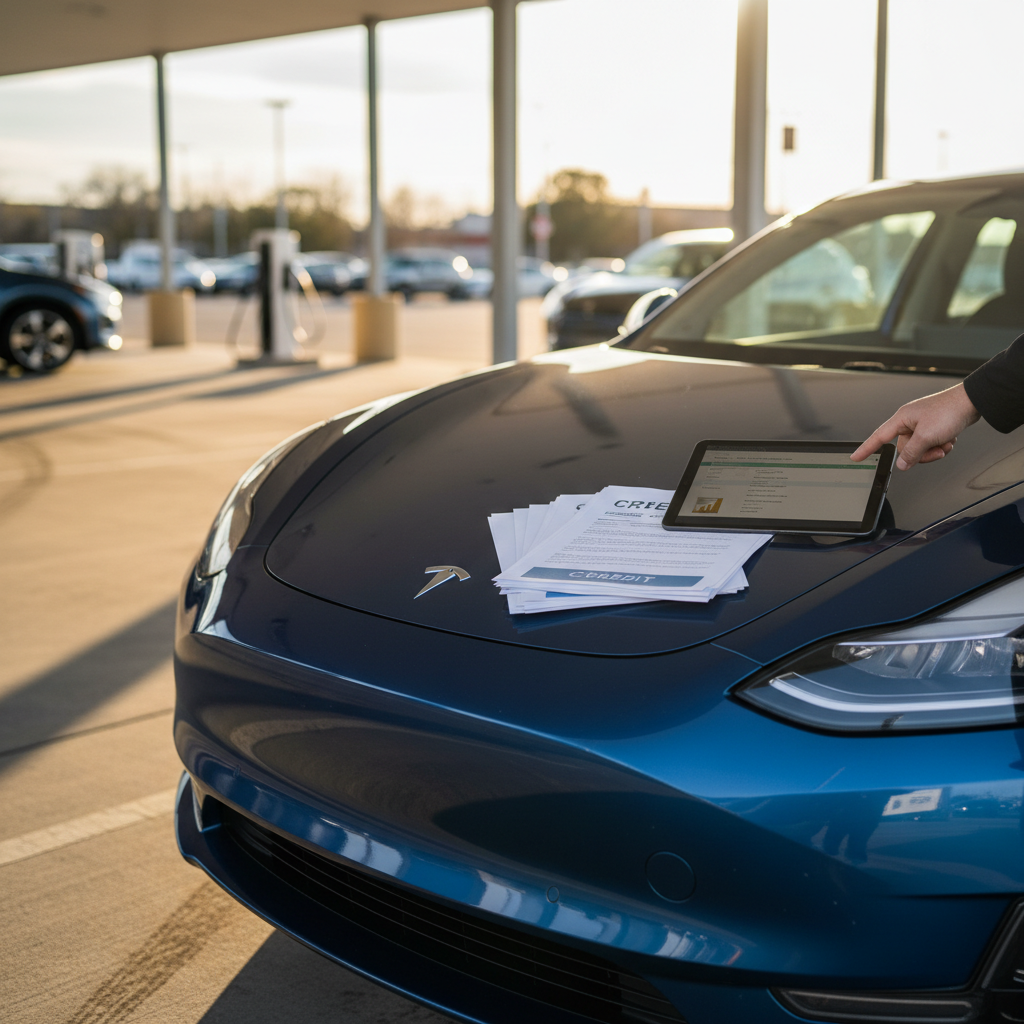
Recharged benchmarks vehicles against fair market pricing for Virginia, and offers EV‑friendly financing so you can see your true monthly cost.
You can also value your trade‑in digitally or get an instant offer if you’re moving out of a gas car.
Digital buying & delivery
Browse online, talk with EV specialists instead of generic salespeople, sign your paperwork digitally, and arrange nationwide delivery to your driveway in Virginia.
If you prefer to kick the tires in person, Recharged also operates an Experience Center in Richmond, VA.
Ready to find your next EV?
Browse VehiclesIf you already own an EV and are thinking about upgrading, Recharged can also help you sell or consign your current electric car. Because every vehicle is evaluated with the same battery‑health lens, you’re speaking the same language as the next owner, and that tends to make transactions smoother for everyone involved.
Frequently asked questions: used EVs in Virginia 2026
Used electric cars in Virginia: common questions
Bottom line: are used electric cars worth it in Virginia in 2026?
If you strip away the shifting tax rules and buzzwords, a simple truth remains: in 2026, used electric cars in Virginia can be some of the best values on the road. The state has enough charging to support everyday driving, electricity is relatively affordable, and the first big wave of off‑lease EVs is finally hitting the used market.
The key is to buy with your eyes open. Prioritize verified battery health over flashy options, line up your charging plan before you fall in love with a listing, and run the math on total cost of ownership, not just the monthly payment. When you do that, a good used EV can turn I‑95 gridlock into one‑pedal cruising and Saturday gas stops into something you barely remember.
If you’d rather not navigate all of that alone, Recharged is built to be your co‑driver: transparent battery data, EV‑specific guidance, financing, trade‑in options, and delivery across Virginia. However you choose to shop, 2026 is a smart time to give a used electric car a serious look.