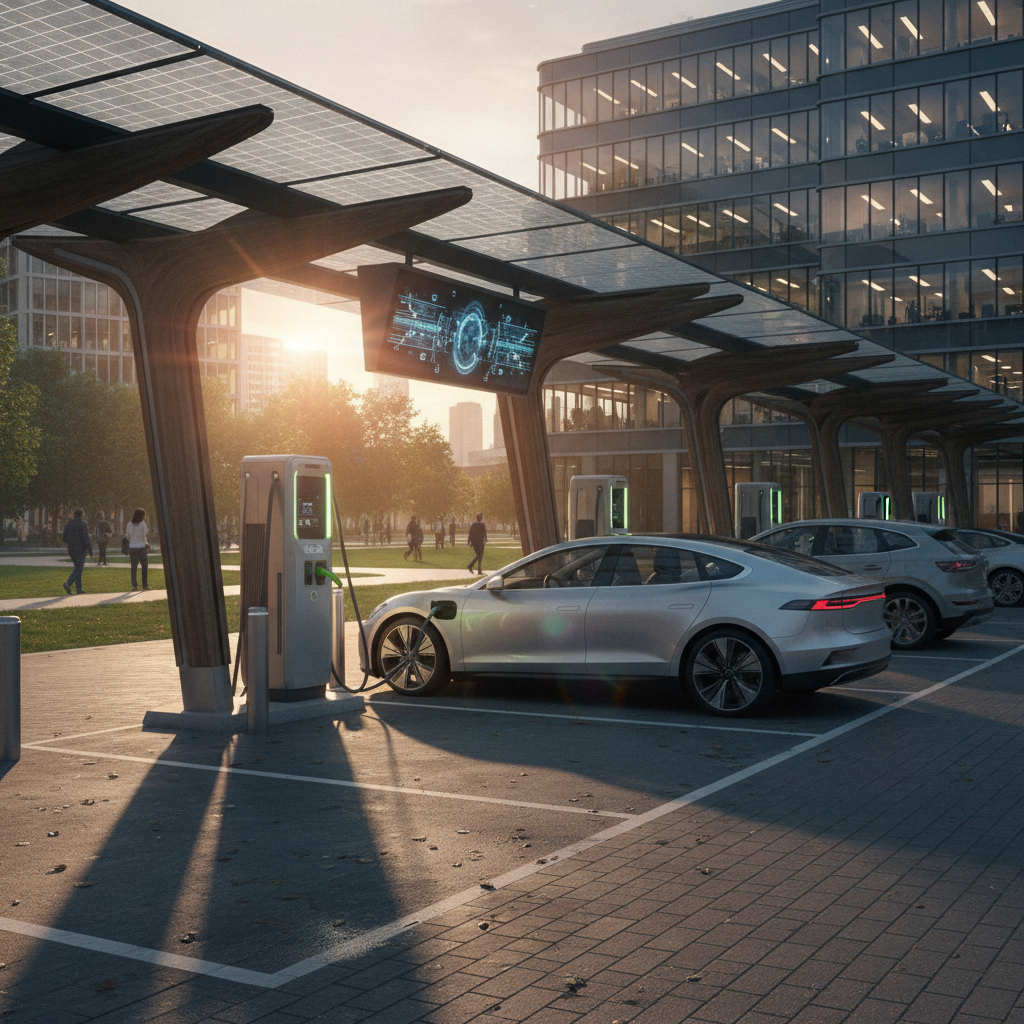
If you’re shopping for a used EV in 2026, you’ve probably heard horror stories, cars that lost half their range, models with quirky fast‑charging ports, or luxury EVs that needed five‑figure repairs. The good news is you don’t have to swear off used electric cars; you just need to know which used electric cars to avoid in 2026, and why, so you can steer your money toward smarter choices.
Quick reality check
Why some used electric cars are riskier in 2026
1. Battery degradation and recalls
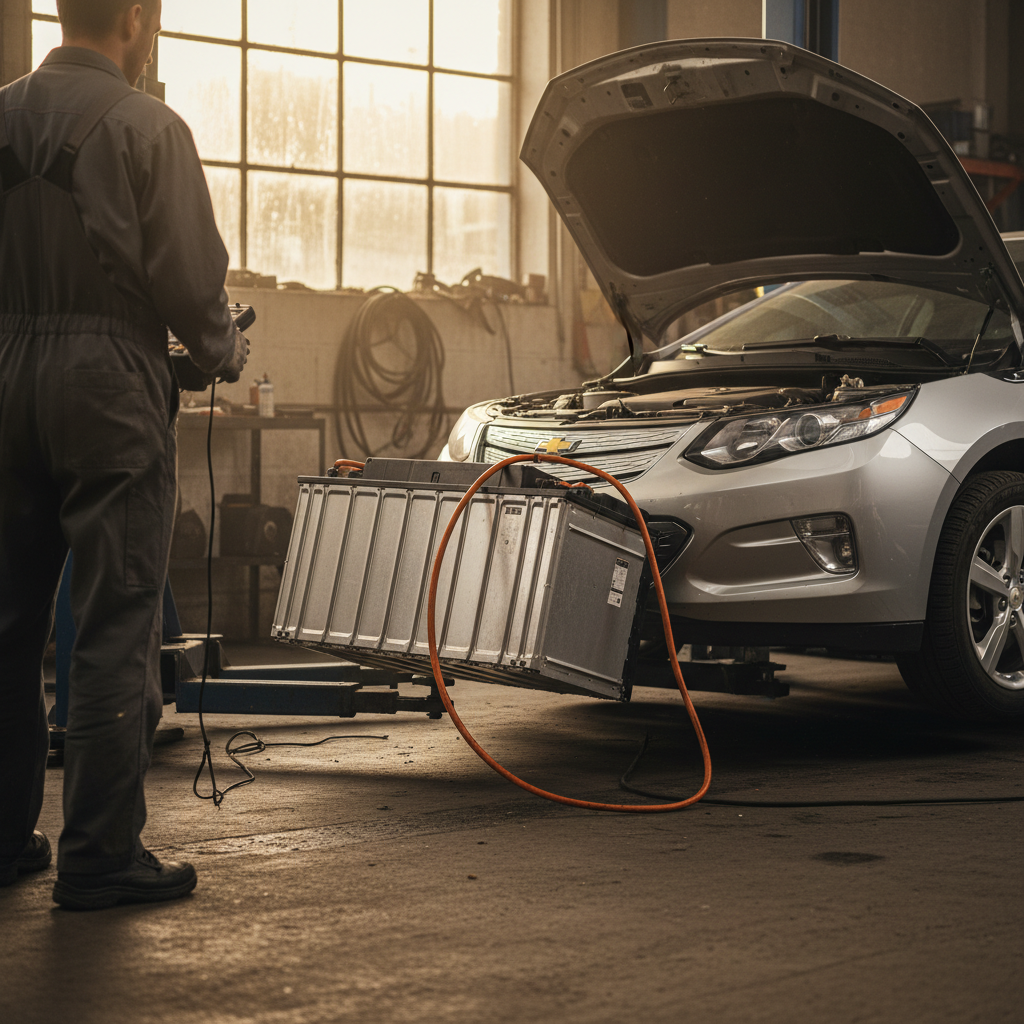
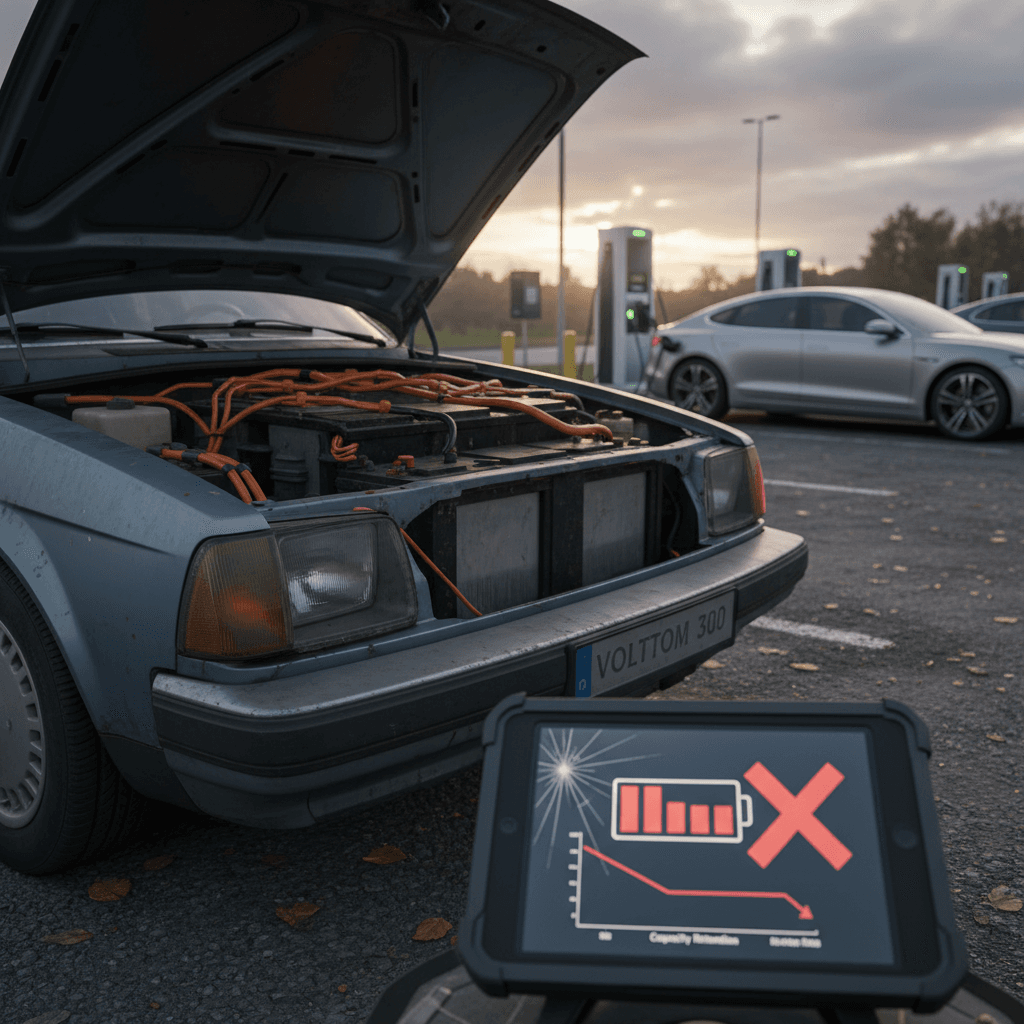
The traction battery is the heart of an EV and its most expensive component. Early EVs often used smaller packs with minimal cooling, so years of heat, fast charging, or high mileage can leave you with disappointing range, or, in rare cases, battery‑related recalls and safety campaigns.
2. Obsolete charging and tech
Some older EVs use fading DC fast‑charging standards like CHAdeMO, or have short real‑world range that made sense a decade ago but feels cramped in 2026. Others are saddled with infotainment or driver‑assist tech that ages poorly and is costly to repair.
3. Out‑of‑warranty luxury complexity
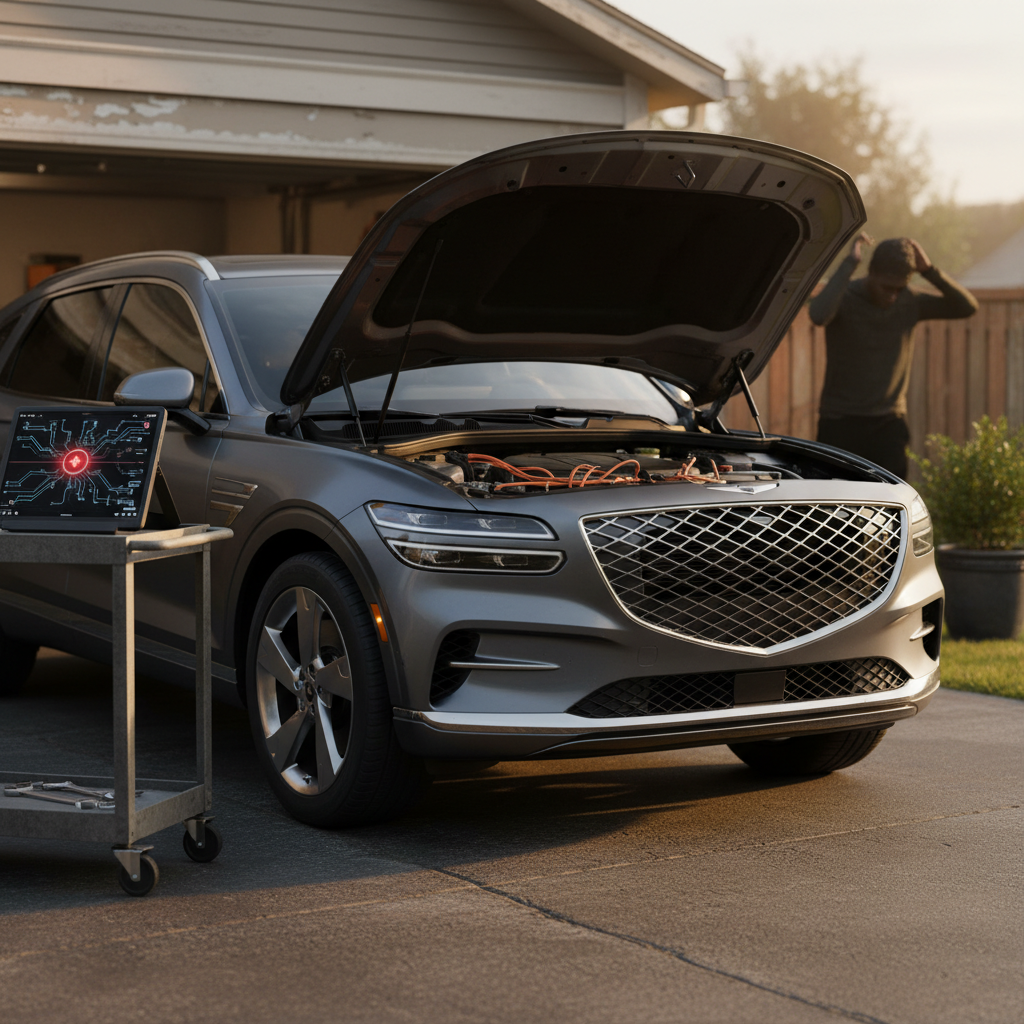
High‑end EVs pack air suspensions, advanced thermal systems, and bleeding‑edge electronics. When they’re under warranty, great. Once coverage expires, those systems can generate repair bills that dwarf any purchase savings.
Used EV risk by the numbers
High-level list: used EVs to approach with caution
Every individual car is different, but if you’re scanning classifieds in 2026, these categories deserve extra homework or a hard pass, especially if they lack a recent, independent battery‑health report:
- Early short‑range EVs with tiny batteries and no active cooling (many 2011–2017 city EVs).
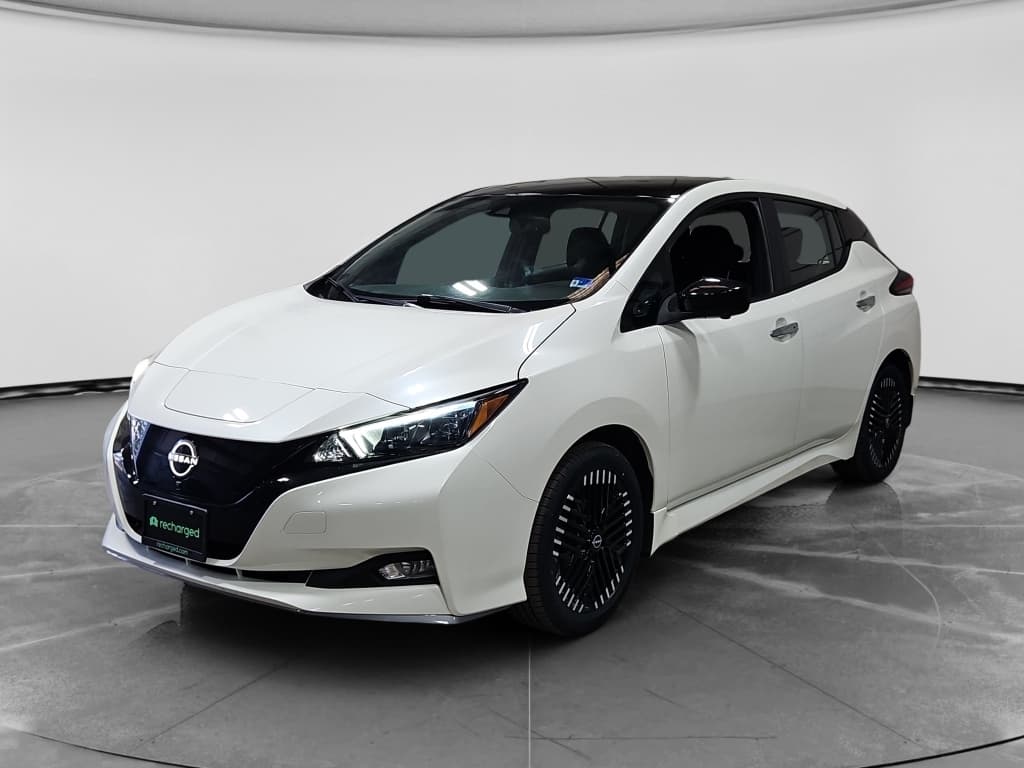
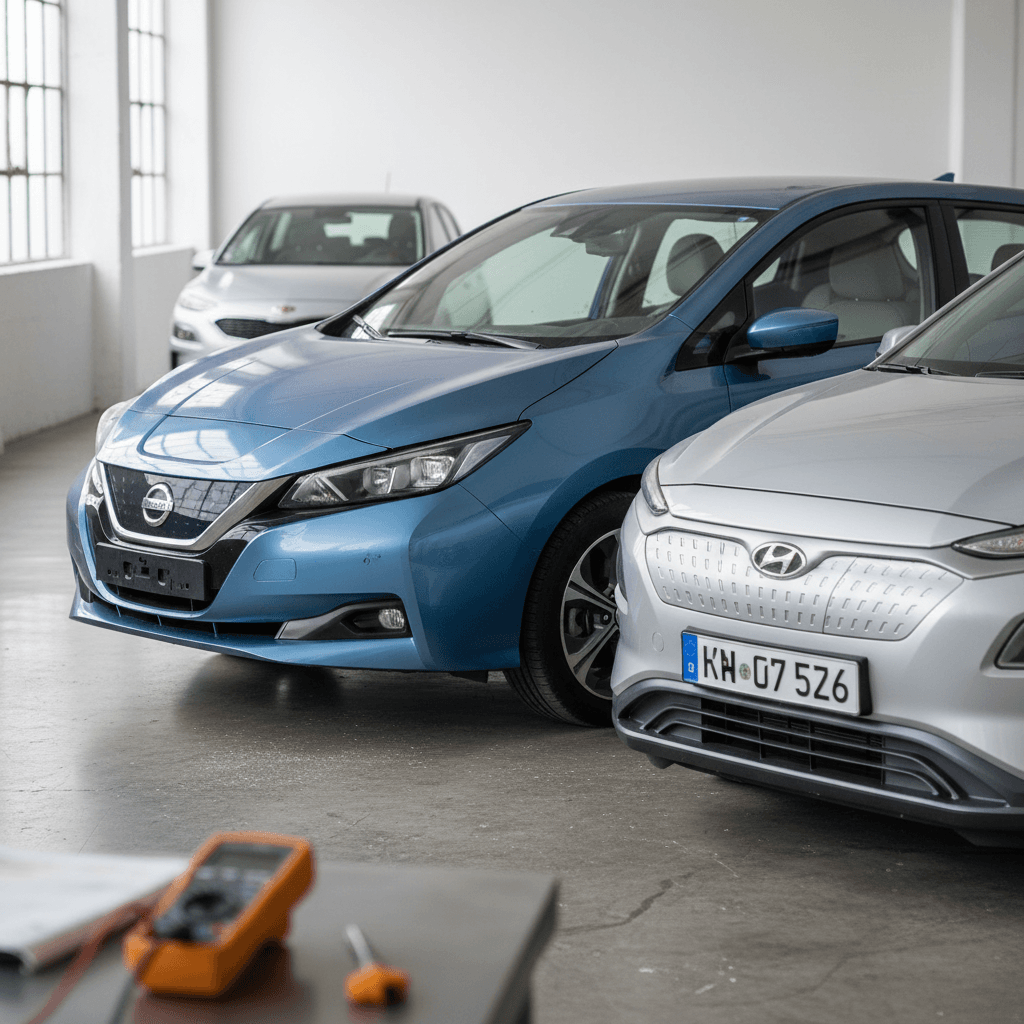
- First‑generation Nissan Leaf models (especially older, hot‑climate cars without documented battery care).
- Aging compliance cars and discontinued niche models with limited parts support (think older Fiat, Smart, or low‑volume hatchbacks).
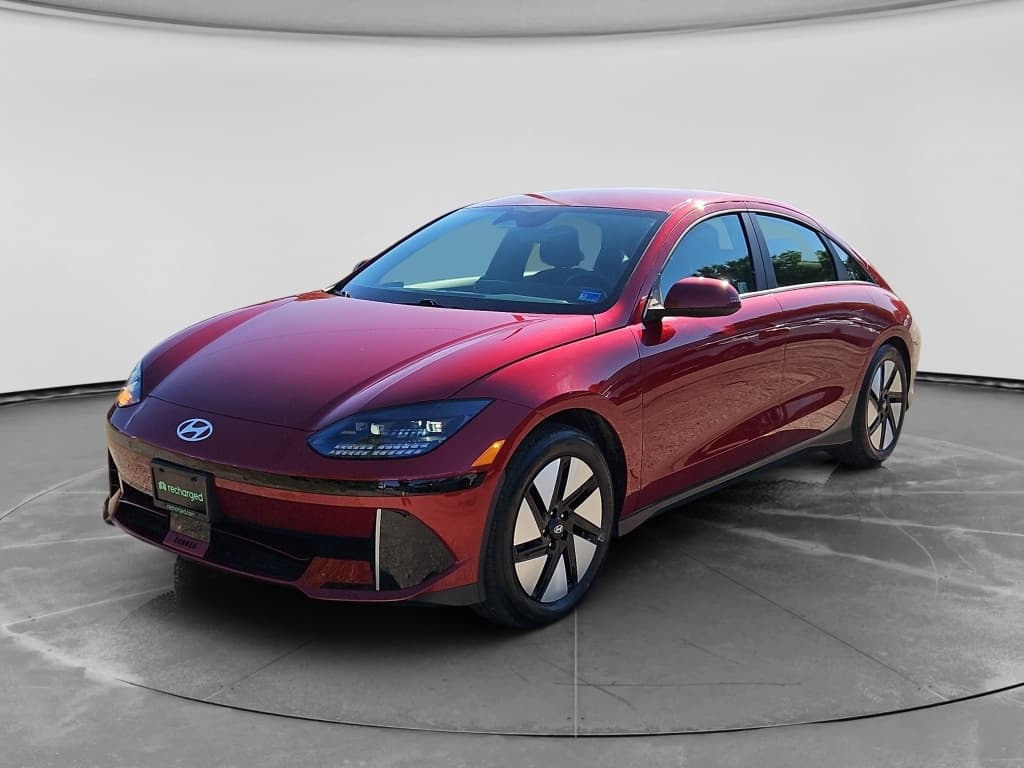
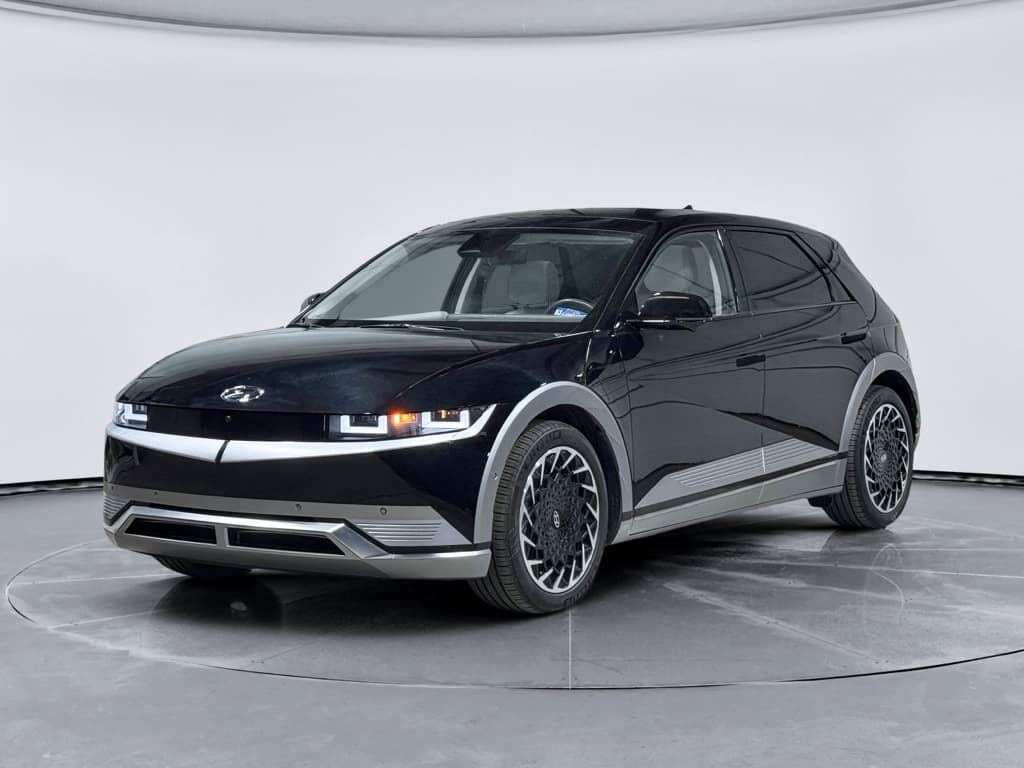
- Hyundai Ioniq Electric and early Hyundai Ioniq 5 examples, which owner surveys have flagged for charging and electrical issues more often than rivals.
- High‑end performance EVs like early Porsche Taycan or similar luxury models, once they’re out of warranty and into six‑figure mileage.
- Any EV with multiple battery‑related recalls that haven’t been verified as completed, or with a salvage/rebuilt title.
Important nuance
Models with known battery or charging issues
Let’s look at a few patterns that keep showing up in owner surveys, depreciation data, and real‑world experience. Again, your specific car may be better, or worse, than the averages, so think of these as risk zones, not absolute verdicts.
Battery & charging risk zones
Where you need extra due diligence in 2026
Early, air‑cooled batteries
Some first‑wave EVs used air‑cooled or minimally managed packs. In hot climates, that often meant accelerated degradation and big range loss by year 8–10. By 2026, many of those cars are well into that window.
Obsolete DC fast‑charging
Older EVs that rely on CHAdeMO DC fast‑charging are tougher to live with today, because most new stations are CCS or NACS. You might still find a few CHAdeMO plugs, but long‑term support will keep shrinking.
Recall or software‑limited packs
Some EVs have had high‑voltage battery recalls that required software limits or hardware replacement. A properly repaired car can be fine, but one with incomplete recall work or a salvage‑title battery pack is a serious red flag.
Examples of higher‑risk used EV patterns in 2026
Representative examples of used EVs where you should slow down, verify battery health, and be ruthless on price. Always judge the individual car, not just the badge.
| Pattern | Typical Model Years | Why to be cautious in 2026 | What to verify |
|---|---|---|---|
| Early short‑range city EVs (multiple brands) | 2011–2017 | Small batteries, often air‑cooled; many now have <100 miles of real range and limited fast‑charging support. | Independent battery‑health report, real‑world range on a full charge, remaining warranty (if any). |
| Older Nissan Leaf (1st gen) | 2011–2017 | Lack of active liquid cooling in early cars, especially in hot regions, led to faster battery wear and heavy depreciation. | Battery state of health (%), number of bars on the dash, climate history, DC fast‑charge usage. |
| Hyundai Ioniq Electric | 2016–2022 | Owner surveys have flagged above‑average issues with the 12‑volt battery, main battery pack, and charging system, with long repair times for some owners. | Service history around charging or battery work, recall status, and who paid for prior repairs. |
| Hyundai Ioniq 5 (early builds) | 2021–2022 | Some owners report charging‑system and electronics issues; reliability scores lag behind closely related rivals in several surveys. | Updated software for charging, recall completion, history of DC fast‑charging issues, warranty remaining. |
| Discontinued niche EVs (compliance cars) | Various | Parts availability and dealer familiarity can be limited; tiny owner base means fewer independent specialists. | Parts availability for battery and electronics, presence of any aftermarket support, and realistic pricing. |
This is a guide to common patterns, not a blacklist. A clean, well‑documented car can still be a good buy; a neglected one is not.
Hard pass territory
EVs hurt most by depreciation and obsolete tech
Some of the “worst” used EVs in 2026 aren’t unsafe or unreliable, they’re just terrible places to park your money unless the price is rock‑bottom. The pattern is clear: tiny early batteries, oddball design, and now‑outdated charging standards have punished resale values.
How to spot an EV that’s cheap for a reason
1. Compare original MSRP vs. current price
Massive 10‑year drops (80%+ depreciation) are common on certain early EVs. That sounds like a bargain, but if the car is worth under $7,000 and needs a $12,000 battery, it’s not a deal, it’s a trap.
2. Look at range relative to 2026 norms
If the car could only manage 80–100 miles when new, it may be at 50–70 real‑world miles now. For most drivers, that’s far below what a practical daily EV should offer in 2026.
3. Study the charging port and network
A car that relies on CHAdeMO or very slow AC charging will be harder to road‑trip and may be tougher to fast charge at all as networks shift toward CCS and NACS.
4. Check tech support and software updates
Some discontinued EVs no longer receive meaningful over‑the‑air updates or infotainment support. That can hurt both usability and resale.
5. Test‑drive for noise and refinement
Early EVs can feel surprisingly crude compared with today’s used options. Pay attention to wind noise, ride comfort, and cabin quality before you chase an ultra‑low price.
Luxury EVs with scary out-of-warranty costs
On the other end of the spectrum are high‑performance luxury EVs. They’re thrilling to drive and heavily discounted as used cars, but that doesn’t automatically make them smart buys once warranties lapse.
Where things get expensive
- Complex thermal systems to manage battery, motors, and electronics.
- Air suspension and rear‑axle steering components that can be pricey to replace.
- Proprietary fast‑charging hardware and high‑performance brakes.
- Limited independent repair options; many jobs require a franchised dealer.
How to shop them smarter
- Favor cars with factory extended warranties that still have time and mileage remaining.
- Be wary of heavily modified or tracked performance EVs.
- Have a shop that truly understands EVs perform a pre‑purchase inspection, including battery diagnostics.
- Be realistic: if a $5,000 surprise repair would sink you, a depreciated luxury EV may not be the right move.
Value play instead of vanity
Red flags to avoid in any used EV
Beyond specific nameplates, there are common warning signs that should make you slow down, or walk away, from almost any used electric car in 2026.
Universal used-EV red flags
If you see more than one of these, it’s time to move on
No battery‑health documentation
A seller who can’t show any recent battery‑health report, dealership inspection, or scan is asking you to roll the dice on the most expensive part of the vehicle.
Unresolved recalls or warnings
Active recall notices, persistent warning lights, or limp‑mode behavior during a test drive can hint at battery, charging, or high‑voltage issues.
Salvage title or flood history
High‑voltage systems and water don’t mix. A flood‑damaged or crashed‑and‑rebuilt EV is often more trouble than it’s worth, especially if the battery pack was involved.
Final red-flag checklist before you buy
Ask for a recent battery report
Ideally, you want a third‑party or dealer diagnostic that shows estimated state of health, not just “it still charges.” This is exactly what Recharged’s <strong>Score Report</strong> is built to provide.
Match range claims to real life
On your test drive, start with a known state of charge and cross‑check the car’s projected range against your route. If numbers don’t add up, dig deeper.
Confirm charging compatibility
Make sure the car’s DC and AC ports work with the networks you’ll actually use near home and along your regular routes.
Review service history
Look for repeat visits for charging issues, battery faults, or inverter/drive‑unit problems. A one‑off fix under warranty isn’t a deal breaker; a pattern is.
Check warranty and support
Verify how much battery and powertrain warranty remains, and whether a nearby dealer, or knowledgeable independent shop, will work on that model.
Smarter alternatives to these risky used EVs
For every sketchy used EV, there’s usually a better choice sitting one or two tabs away in your browser. Here are some patterns that tend to age far more gracefully in 2026.
What to look for instead in 2026
You don’t need the newest EV, just the right fundamentals
Newer‑generation mainstream EVs
Look for 2019‑onward models from major brands that offer liquid‑cooled batteries, real‑world range in the 200‑mile ballpark, and widespread charging‑network support. These often cost more than ultra‑cheap early EVs but deliver far better ownership value.
Cars with strong reliability track records
Owner‑survey standouts and models with few battery or charging complaints make better long‑term bets. When in doubt, favor simplicity over gimmicks, and verify with an independent battery‑health report.
If you’re on a tight budget
You may be tempted by the very cheapest early EVs. Instead, consider:
- Slightly newer compact EVs with better packs and thermal management.
- Certified pre‑owned models with remaining battery coverage.
- A modest finance plan through Recharged that keeps payments reasonable on a healthier vehicle.
If you can spend a bit more
Stepping up a few thousand dollars can unlock:
- Modern range (220–300 miles) that works for road trips.
- Access to stronger public fast‑charging networks with CCS or NACS.
- Later build years with improved software, recalls already handled, and better resale prospects.
Where Recharged fits in
How Recharged reduces the risk of buying a used EV
Because EVs are different from gas cars, you need more than a quick walk‑around and a Carfax. This is where a specialized marketplace makes a real difference.
What you get with a Recharged used EV
Designed to answer the questions that matter most with electric cars
Recharged Score battery diagnostics
Every vehicle includes a Recharged Score Report that measures battery health, charging performance, and overall condition. Instead of guessing about range, you see data.
Fair market pricing & financing
Recharged benchmarks each car against the used‑EV market so you’re not overpaying for a model with heavy depreciation. You can also line up financing online, with transparent terms and EV‑savvy support.
Trade‑in, consignment & delivery
Already own a car? Recharged offers trade‑ins, instant offers, or consignment, plus nationwide delivery and an in‑person Experience Center in Richmond, VA if you want to see vehicles up close.
Ready to find your next EV?
Browse VehiclesDigital first, human backed
FAQ: used electric cars to avoid in 2026
Common questions about risky used EVs
Bottom line: which used EVs to avoid in 2026
In 2026, the used‑EV market is finally rich with choice. That means you don’t have to gamble on used electric cars to avoid, ultra‑cheap, short‑range first‑generation models, discontinued niche EVs with questionable parts support, or out‑of‑warranty luxury rockets with five‑figure repair potential.
If you focus on newer‑generation mainstream EVs with solid range, robust battery cooling, and healthy charging‑network support, and insist on a clear, independent battery‑health report, you’ll sidestep most of the landmines. And if you’d rather not become a part‑time EV engineer just to shop confidently, you can lean on a specialized marketplace like Recharged, where every car comes with a Recharged Score Report, fair‑market pricing, EV‑savvy financing, and expert support from first click to final delivery.