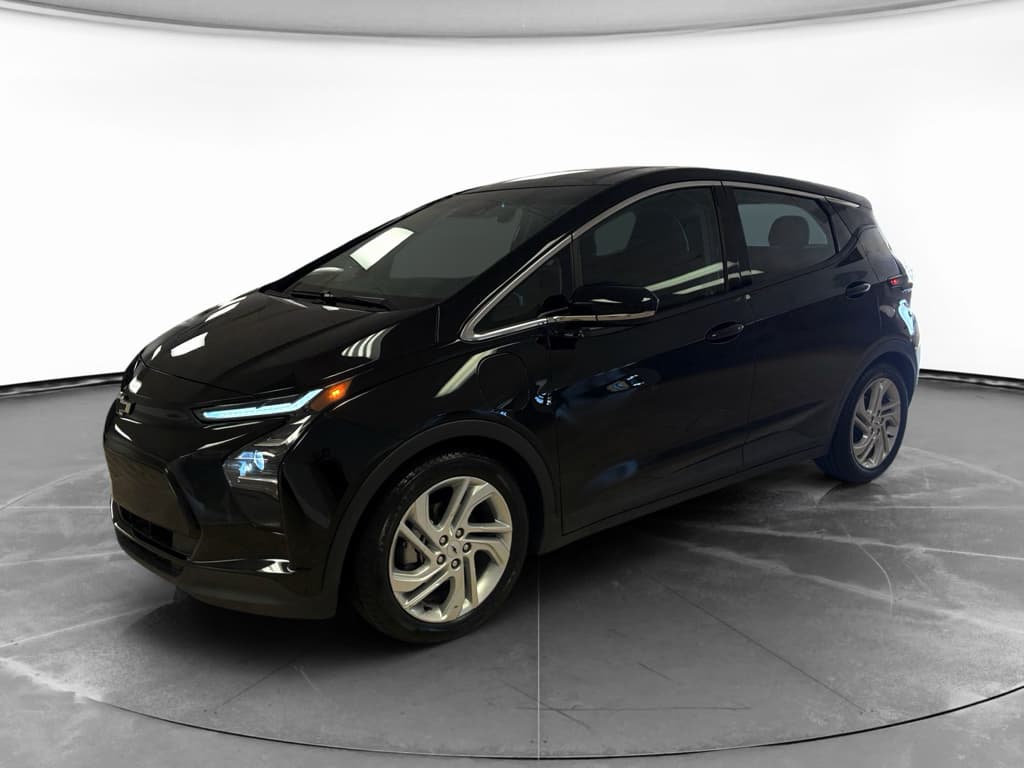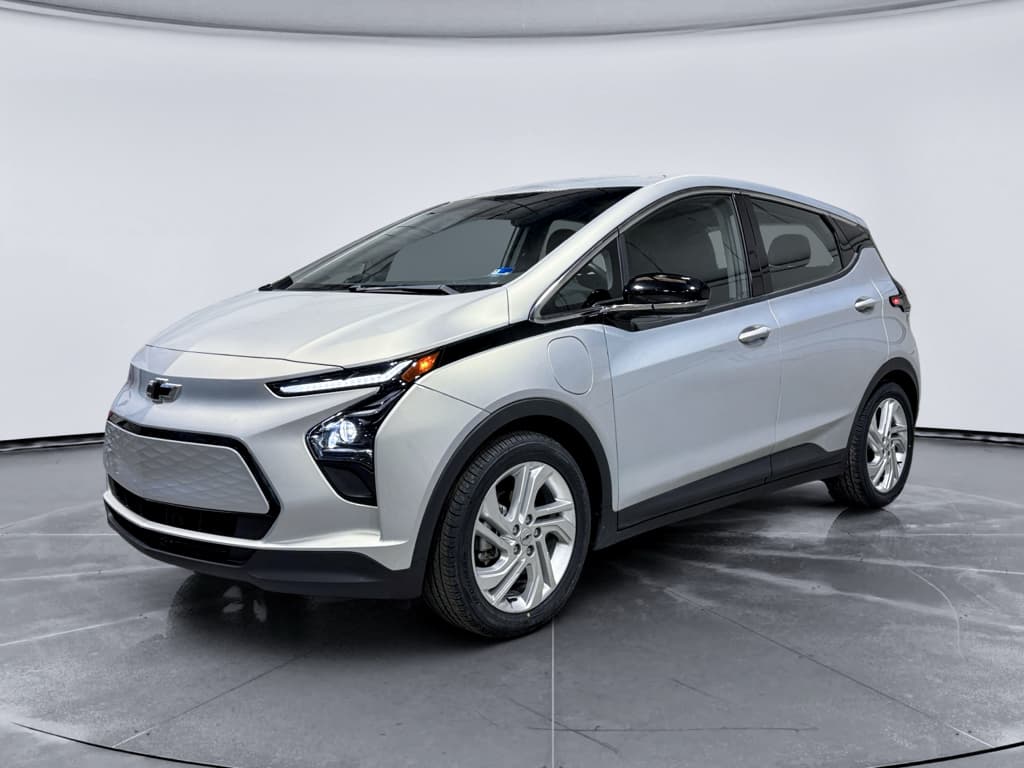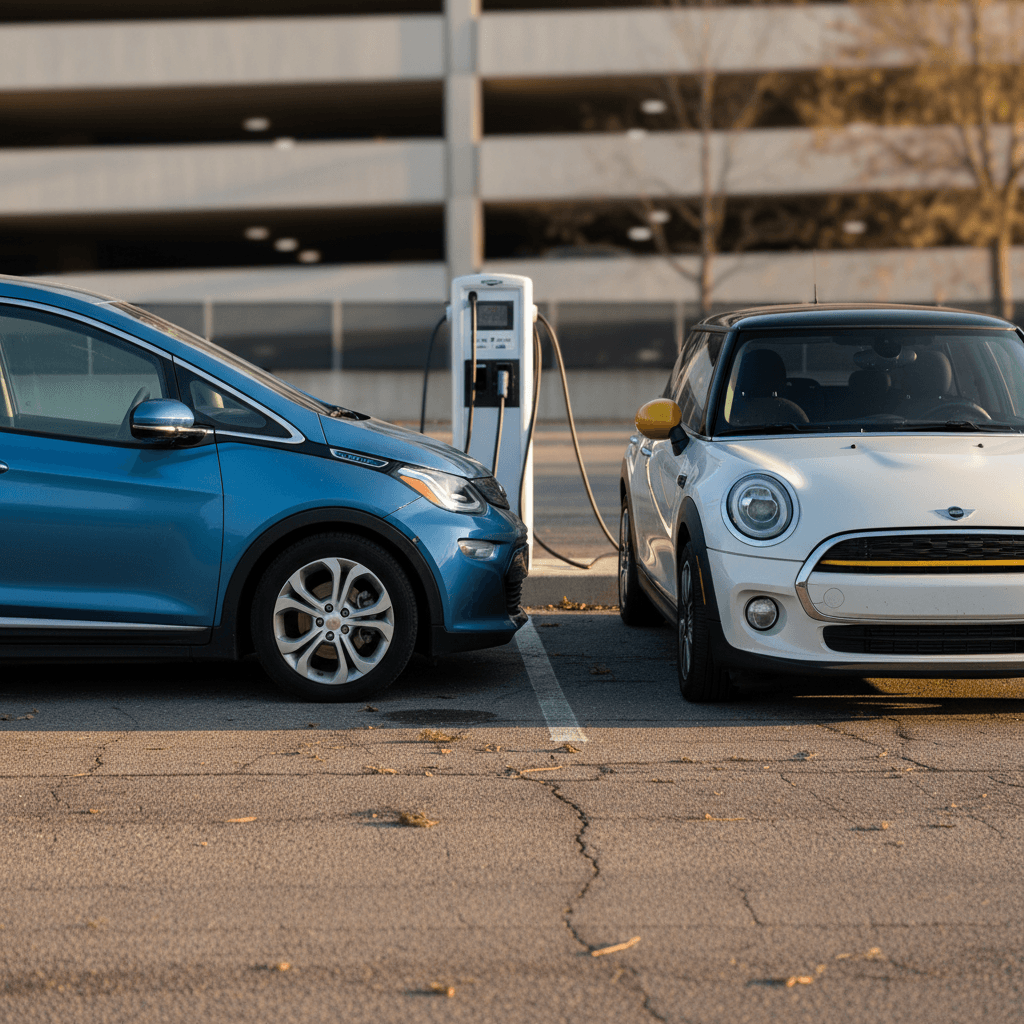
If you’re shopping the used EV market in 2026, two small electric hatchbacks keep popping up: the Chevrolet Bolt EV and the Mini Cooper SE (often just called the Mini Electric). Both are affordable, fun, and easy to park, but they solve very different problems. This comparison breaks down range, charging, practicality, costs, and reliability so you can decide whether a used Bolt EV or a used Mini Cooper SE actually fits your life.
At a glance
Who this Bolt EV vs Mini Cooper SE comparison is for
- You’re choosing between a used Chevrolet Bolt EV (2017–2023 in the U.S.) and a used Mini Cooper SE (2020–2024 generation).
- You want an honest look at range, charging speed, space, and real-world usability, not just brochure stats.
- You’re trying to keep total costs down but don’t want to get burned on battery recalls or hidden issues.
- You’re open to buying online and want to understand how a marketplace like Recharged can de-risk a used EV purchase.
Quick specs: used Chevy Bolt EV vs Mini Cooper SE
Core specs overview (typical U.S. used-market cars in 2026)
Key numbers for common model years you’ll see on the used market. Exact figures vary slightly by trim and test cycle, but this is the real-world ballpark.
| Spec | Used Chevy Bolt EV (2017–2023) | Used Mini Cooper SE (2020–2024) |
|---|---|---|
| Body style | 5‑door compact hatchback | 3‑door subcompact hatchback |
| Battery (usable) | ≈60–66 kWh depending on year | ≈28–32 kWh depending on market/year |
| EPA combined range | ≈238–259 miles when new | ≈110–125 miles when new |
| DC fast charging | CCS, up to ~55 kW | CCS, typically ~50 kW peak |
| 0–60 mph | ≈6.5–7.0 seconds | ≈6.9 seconds |
| Front headroom/legroom | Spacious for class | Tight but fine for most drivers |
| Rear seat/ cargo | Adult‑usable, big hatch | Best for kids / bags, small hatch |
| Typical U.S. used price (2026) | Roughly mid‑teens to low‑$20Ks, depending on year/miles/recall history | Often similar or slightly lower than comparable‑year Bolt EVs, reflecting shorter range |
Specs focus on the first-generation Bolt EV (2017–2023) and the first-generation Mini Cooper SE (2020–2024).
How to read these numbers
Real‑world range expectations (healthy batteries, mild weather)
Range and battery: Bolt EV vs Mini Cooper SE
This is the single biggest difference in the used Chevrolet Bolt EV vs Mini Cooper SE comparison. Both cars are efficient, but they start from very different battery sizes.
Bolt EV: Long‑legged compact
- Battery: roughly 60–66 kWh usable, depending on model year.
- EPA range: about 238 miles (2017–2019) up to around 259 miles (2020–2023) when new.
- Real‑world: Many owners see ~220–240 miles mixed driving on a healthy pack, less in cold weather or at 75+ mph.
- Winter effect: In cold climates, it’s realistic to plan for 30–40% less range on bad days, but you still have room for a long commute or weekend trips.
Mini Cooper SE: Short‑range specialist
- Battery: roughly 28–32 kWh usable in the first‑generation Mini SE sold through the mid‑2020s.
- EPA range: typically around 110–125 miles when new, depending on year and test cycle.
- Real‑world: Owners often report ~90–110 miles in decent weather, and closer to 70–90 miles in winter or at higher speeds.
- Winter effect: Because the battery is small, HVAC use and cold‑soaked packs have a much bigger percentage impact on usable range.
Cold‑climate buyers, read this
Range fit: which car matches your driving pattern?
1. Under 40 miles most days, almost all city
Either car works, but the Mini Cooper SE will feel perfectly at home here, especially if you can plug in every night. The Bolt EV will barely notice your daily miles.
2. 50–100 highway miles per day
This is where the Bolt EV starts to make much more sense. The Mini SE can do it in mild weather with careful charging, but your margin for error is small in winter.
3. Occasional 200+ mile days
The Bolt EV’s larger battery is simply more practical. Even if you need a DC fast‑charge stop, you’re planning around one stop instead of multiple short hops and tense range watching in the Mini.
4. No home charging available
If you rely on public Level 2 or DC fast charging, more range per session reduces your time tethered to chargers. The Bolt EV’s pack makes life easier unless all your trips are short.
Charging speed and road‑trip ability
Both the Chevy Bolt EV and Mini Cooper SE use the CCS standard for DC fast charging in the U.S. Neither is a charging-speed monster by 2026 standards, but they behave differently because of pack size and efficiency.
How they charge in the real world
Same plugs, very different road‑trip personalities
Bolt EV charging behavior
- DC fast charge: peaks around 50–55 kW when the battery is warm and not too full.
- 0–80%: Think roughly 45–60 minutes on a typical 50–62 kW public fast charger, longer on cold days.
- Road‑trip use: With ~220+ miles of mixed range on a healthy pack, you’re usually stopping ~every 2.5–3 hours of highway driving.
- Home charging: Later years support ~11.5 kW Level 2 with the right circuit, making overnight top‑ups painless.
Mini Cooper SE charging behavior
- DC fast charge: similar peak power (around 50 kW) but with a much smaller battery.
- 0–80%: Often done in ~30–35 minutes, because there’s less energy to add.
- Road‑trip use: The limiting factor is range, not charge time. You may find yourself stopping every hour or so on the highway.
- Home charging: A basic Level 2 setup can easily refill the pack from low to full in an evening.
Road‑trip verdict
Space, practicality and visibility
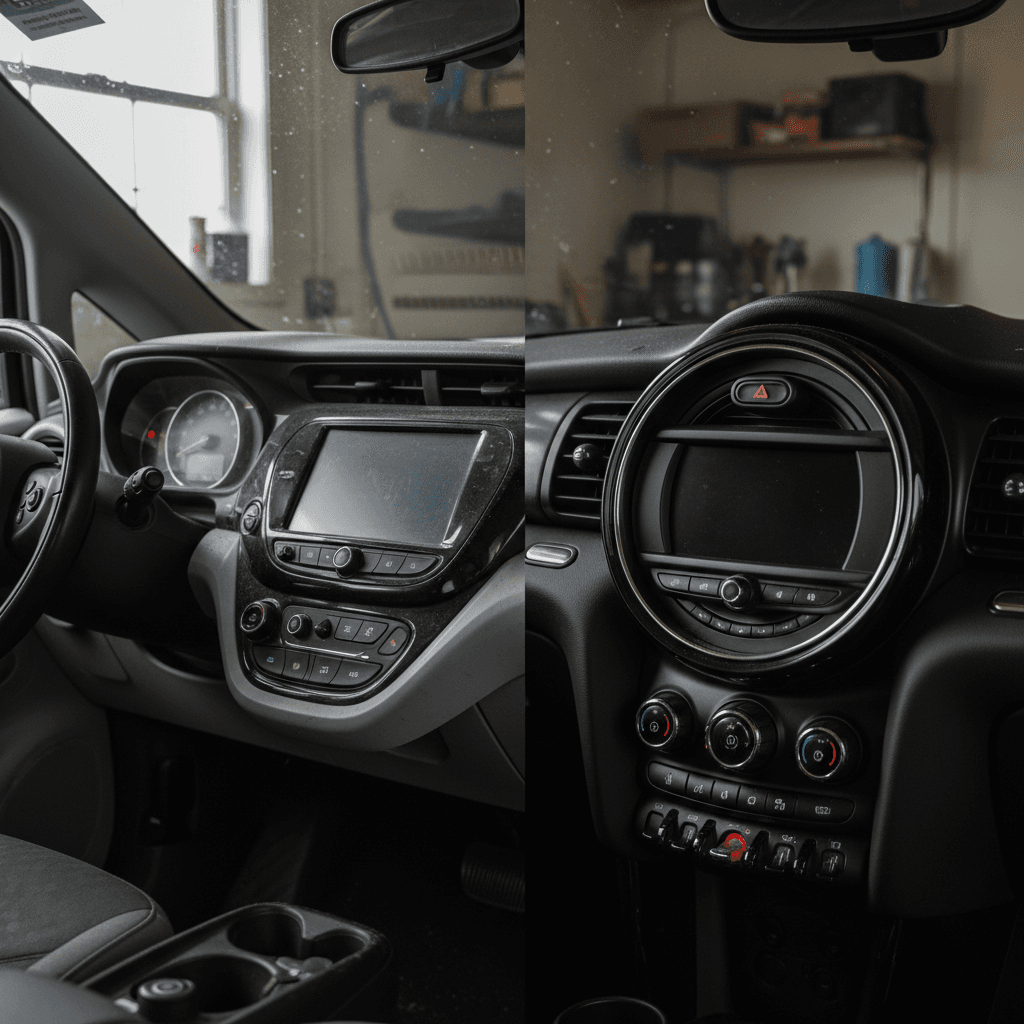
Bolt EV: Small outside, big inside
- Cabin space: Tall roof and upright seating make the Bolt feel bigger than it looks. Front seats fit taller drivers easily.
- Rear seats: Adults can ride comfortably for normal trips; it’s one of the more usable back seats in the small‑EV segment.
- Cargo: Large hatch opening and split‑fold rear seats give you legitimate small‑SUV practicality for runs to Costco or Home Depot.
- Visibility: Big glass area and fairly upright driving position help in traffic and parking, though the thick rear pillars take some getting used to.
Mini Cooper SE: Style over space
- Cabin space: Classic Mini cockpit, cozy, stylish, with a strong design statement. Great if you like a snug, sporty feel.
- Rear seats: OK for kids or short hops with adults, but long‑legged friends won’t love it. Think "emergency seats" more than daily family hauler.
- Cargo: Small hatch and limited depth. Enough for grocery runs, backpacks, or weekend bags, not much else.
- Visibility: Low seating, thick pillars and a small greenhouse add to the sporty ambience, but not everyone loves it for daily commuting.
Practicality verdict
Driving experience and fun factor
On paper, these cars have similar straight‑line performance. In practice, they feel very different behind the wheel.
How they feel to drive
Same idea, very different personalities
Chevy Bolt EV
- Character: Smooth, quiet, and more grown‑up than its price suggests.
- Acceleration: Plenty quick around town; instant torque makes merges and on‑ramps easy.
- Ride/handling: Tuned more for comfort than sharp turn‑in. Body motions are well controlled but it’s not a hot hatch.
- One‑pedal driving: Regenerative braking makes stop‑and‑go commuting relaxing once you’re used to it.
Mini Cooper SE
- Character: Classic Mini go‑kart feel translated into EV form, direct steering and a playful chassis.
- Acceleration: Feels lively off the line, and the short wheelbase makes even moderate speeds feel exciting.
- Ride/handling: Firm, darty and engaging. Great on twisty roads, a bit busy on broken pavement.
- Fun factor: If sheer driving enjoyment matters more than range, the Mini SE punches far above its price.
Enthusiast insight
Reliability, recalls and battery health
Both models have generally solid EV drivetrains, but the details matter, especially with the Bolt EV’s well‑publicized battery recall and the Mini’s short‑range pack.
Bolt EV: Battery recall and software history
- All 2017–2022 Bolt EVs were affected by a large battery recall; many have had pack replacements or extensive remediation.
- On a used car, you want to confirm: all recall work is complete, charging limits are reset, and the car will allow full capacity and normal DC fast‑charge use.
- Outside the recall, the Bolt EV has proven to be a fairly robust commuter appliance, with simple front‑wheel‑drive hardware and relatively low routine maintenance.
- Because the recall is so central to a Bolt EV’s value, a car with a fresh replacement pack and good diagnostic data can actually be an excellent long‑term bet.
Mini Cooper SE: Fewer headlines, still needs checks
- The Mini SE hasn’t generated the same scale of battery drama. Its smaller pack and lower range, however, mean any capacity loss hurts more in real life.
- Software updates matter for things like range estimation, charging behavior and thermal management, so it’s worth checking that a used car is up to date.
- As a premium small car, the Mini can have higher parts and labor costs for non‑EV items (trim, suspension, interior electronics) than a more utilitarian Chevy.
- Because many Mini SEs are used as second cars with low mileage, pack health can look excellent, but you still want actual data, not just the dash guess‑o‑meter.
Don’t skip a battery health report
Ownership costs and used pricing in 2026
By 2026, both the Chevy Bolt EV and Mini Cooper SE have settled into attractive used‑EV price brackets. Exact prices swing with mileage, options, recall status and local demand, but some patterns are clear.
Cost and value comparison snapshot (U.S. used market, 2026)
These are directional patterns, not quoted offers, always check live listings in your region.
| Category | Used Chevy Bolt EV | Used Mini Cooper SE |
|---|---|---|
| Typical role | Primary car / only vehicle | Second car / city car |
| Fuel (electricity) cost | Low, helped by high efficiency and big pack for off‑peak charging | Very low for short trips; small pack refills quickly |
| Maintenance | Generally modest; simple FWD EV, but keep an eye on tires and brakes like any car | Premium‑brand parts/labor can cost more, but overall EV maintenance is still low |
| Insurance | Varies regionally; often similar to other compact EVs | Sometimes slightly higher due to brand and parts, sometimes lower due to lower mileage, quotes matter |
| Depreciation risk | Heavily tied to recall history and battery health; good examples can be strong values | Short range limits future buyer pool, but low purchase price and fun factor support demand among city‑car shoppers |
| Resale story | More versatile car keeps a broader audience, especially if battery health is documented | Niche but passionate audience; future buyer must also accept short range |
Both cars are among the most affordable used EVs, but they deliver value in different ways.
Used pricing nuance
Which used EV should you buy in 2026?
The right answer in the used Chevrolet Bolt EV vs Mini Cooper SE comparison almost always comes down to your use case, not your favorite badge.
Buyer profiles: Bolt EV vs Mini SE
Match your lifestyle to the right used EV
Pick a used Chevy Bolt EV if…
- You want one car that can do almost everything, commute, kid duty, Costco runs, and a few road trips a year.
- Your daily driving regularly exceeds 50–60 miles, or you live in an area with harsh winters and limited chargers.
- You value practicality and range over brand image. The Bolt’s cabin and cargo hold punch above its footprint.
- Access to DC fast charging isn’t perfect, so you’d rather stop less often when you do plug in on the go.
Pick a used Mini Cooper SE if…
- You already have another vehicle for long trips or family hauling, and this will be your fun city car.
- Your routine is mostly short, urban or suburban hops under 40 miles, with reliable home or workplace charging.
- You care a lot about style and driving enjoyment, and you’re fine trading range for personality.
- Parking space is tight and you want something genuinely tiny and easy to tuck into small spots.
Bottom line
How Recharged helps you shop Bolt EVs and Mini Cooper SEs
Because both of these cars live or die on battery health and charging behavior, the traditional used‑car test drive doesn’t tell you enough. That’s exactly the gap Recharged is designed to close.
What you get when you buy a used EV through Recharged
Verified battery health with the Recharged Score
Every car listed on Recharged, including used Bolt EVs and Mini Cooper SEs, comes with a Recharged Score Report that analyzes battery capacity, fast‑charging history and usage patterns so you’re not guessing about pack health.
Fair market pricing and clear comparisons
Recharged’s marketplace pricing is based on nationwide used‑EV data, not just what a local dealer thinks they can get away with. That makes it easier to compare a specific Bolt vs a specific Mini on value, not hype.
Expert EV guidance, not just sales talk
Recharged’s EV‑specialist team can help you think through whether your daily routes, charging access and climate favor the Bolt’s big battery or the Mini’s lighter, shorter‑range setup.
Flexible ways to buy and sell
From financing to trade‑ins, instant offers or consignment, and even nationwide delivery, Recharged is structured around a fully digital experience. If you want to see cars in person, you can visit the Recharged Experience Center in Richmond, VA.
If you’re torn between a used Chevrolet Bolt EV and a used Mini Cooper SE in 2026, start with your daily miles and whether this will be your only car. Once you’re clear on that, tools like the Recharged Score, transparent pricing, and EV‑savvy guidance make it much easier to zoom in on the right individual car, not just the right model. That’s how you end up with an EV that still fits your life years from now, whether it’s a pragmatic Bolt or a cheeky Mini.