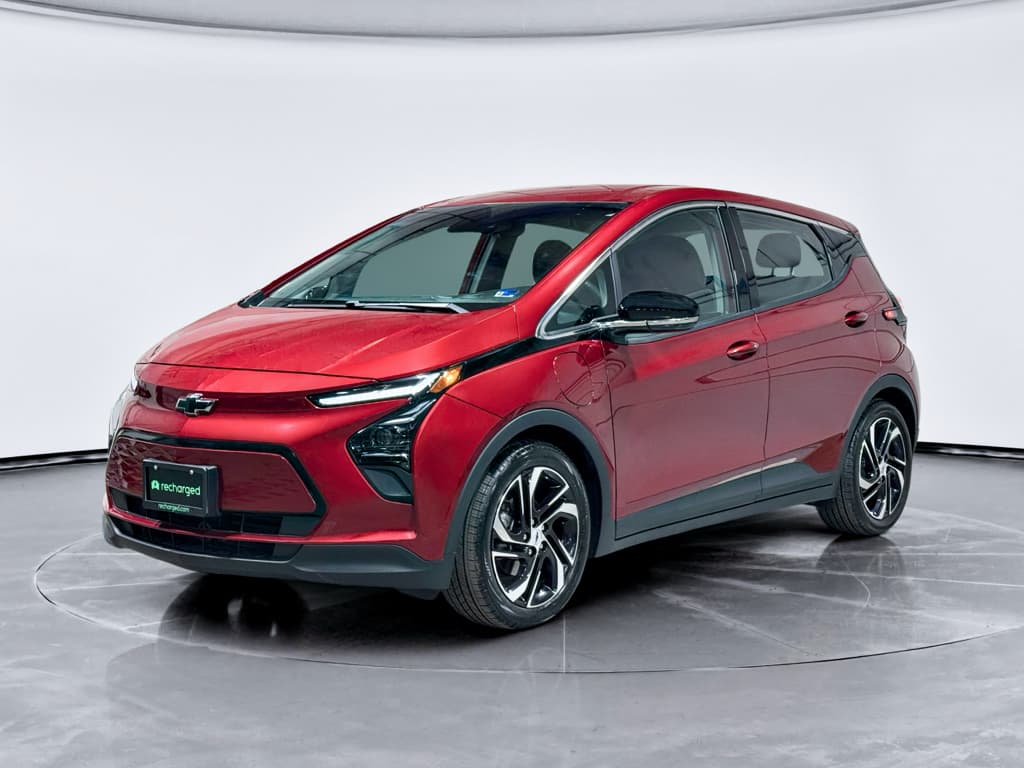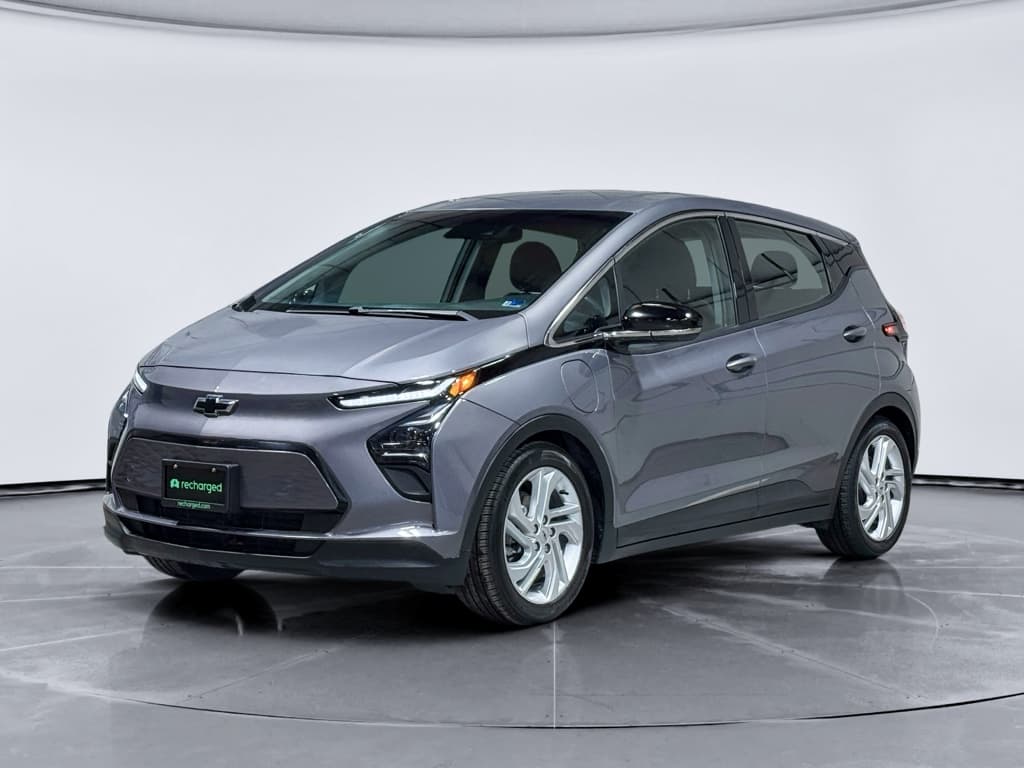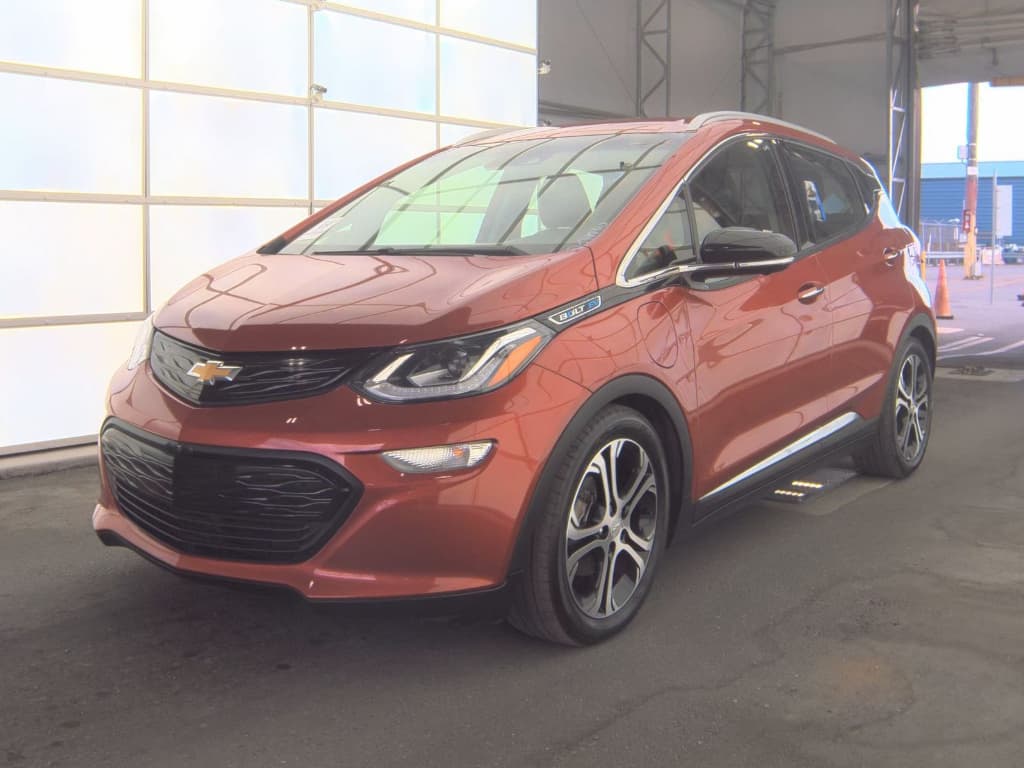
If you’re eyeing a used Chevrolet Bolt EV or Bolt EUV, you’re probably attracted by the low running costs and accessible pricing, but the real magic happens when you pair the right car with the right financing rate. Understanding how used Chevrolet Bolt EV financing rates work in 2025 can easily save you hundreds, sometimes thousands, of dollars over the life of your loan.
Quick snapshot
Why financing a used Chevrolet Bolt EV is a little different
At a glance, financing a used Chevrolet Bolt EV looks just like any other used car loan: you choose a lender, sign up for a term (often 36–72 months), and make monthly payments with interest. Under the surface, though, lenders are still learning how to price risk on used electric vehicles. That means your Bolt’s battery health, its recall history, and how well EVs hold their value in your region can nudge your APR slightly up or down.
- Battery packs are the most expensive part of the car, so verified health matters to lenders.
- EV depreciation curves have been volatile, especially as new tax credits and price cuts arrive.
- Some lenders now have specific EV programs with different rate sheets than gas vehicles.
Why this matters to you
What are typical used Chevrolet Bolt EV financing rates in 2025?
Exact numbers will depend on your credit profile, lender, and region, but used Chevrolet Bolt EV financing rates in 2025 generally fall into the same ballpark as other late‑model compact cars. A buyer with strong credit may see offers that look similar to other used small hatchbacks from the same year, while buyers with rebuilding credit will see higher APRs.
What influences a "good" used Bolt EV rate?
Don’t chase the lowest number blindly
5 factors that shape your used Bolt EV APR
What lenders look at when pricing your Bolt EV loan
Most of these are in your control, at least partially.
1. Your credit profile
2. Debt‑to‑income ratio
3. Loan term length
4. Vehicle age, mileage, and battery health
5. Lender type & local market
Bonus: Down payment size
EVs are maturing fast
How loan terms change your Bolt EV monthly payment
Rates grab headlines, but the mix of APR, price, down payment, and term length is what actually decides how affordable your used Chevrolet Bolt EV feels month to month. Let’s look at a simple, realistic example for context.
Sample payments for a used Chevrolet Bolt EV
Assuming a $22,000 purchase price, $3,000 down, and a mid‑range used‑EV APR. These are illustrative examples, not offers.
| Term length | Amount financed | Approx. APR | Est. monthly payment | Approx. total interest |
|---|---|---|---|---|
| 36 months | $19,000 | Mid single‑digits | Low $500s | Lowest total interest |
| 60 months | $19,000 | Slightly higher | High $300s | Moderate total interest |
| 72 months | $19,000 | Often a bit higher | Low $300s | Highest total interest |
Shorter terms cost more per month but less in total interest. Longer terms feel easier monthly but lock you in for more years.
How to use numbers like this
Focus on total cost, not just the sticker
A used Chevrolet Bolt EV usually costs less to run than a gas hatchback, electricity instead of fuel, fewer moving parts, and less routine maintenance. That means you can sometimes afford a slightly higher payment without increasing your total cost of ownership, especially if you commute or road‑trip regularly.
But don’t ignore cash‑flow reality
Your budget lives in the month‑to‑month. An ultra‑responsible 36‑month loan doesn’t help if the payment is so tight that an unexpected expense sends you scrambling. There’s usually a sweet spot term where your rate is reasonable and the payment leaves breathing room.
How EV incentives and rebates affect your financing
In many parts of the U.S., used EVs, including the Chevrolet Bolt EV and Bolt EUV, can qualify for incentives, tax credits, or utility rebates. These rarely show up as lower APRs; instead, they lower the effective price of the car, which reduces the amount you need to finance.
Ways incentives can lower your used Bolt EV costs
1. Federal used clean vehicle credit
If you and the vehicle meet eligibility rules, a federal tax credit can effectively reduce what you pay for a qualifying used EV. That can free up cash for a larger down payment or let you choose a shorter term.
2. State or local EV incentives
Some states and cities offer extra rebates for EV purchases, off‑peak charging, or utility bill credits. These don’t usually change your APR, but they can offset charging costs or help you rebuild savings after you buy.
3. Utility rebates for chargers
If you’re installing Level 2 home charging, a utility rebate can mean less cash out of pocket. That lets you keep more on hand for your down payment or emergency fund instead of rolling expenses into the loan.
4. Dealer or marketplace credits
Occasionally a dealer or marketplace will offer a purchase credit on specific EV models. Treat this like a price cut, ask to see the full out‑the‑door breakdown so you know whether the discount is real or just moved around on paper.
Stacking the deck in your favor
Dealer, bank, credit union, or online EV lender?
You can finance a used Chevrolet Bolt EV in all the usual ways, but each route has its quirks, especially for EVs. Understanding the trade‑offs helps you comparison‑shop intelligently instead of just signing whatever’s on the desk.
Where to finance your used Bolt EV
Each option can work, as long as you compare the whole deal.
Traditional banks & credit unions
- Pros: Familiar, often competitive rates, especially for existing customers or members. Some credit unions now offer specific "green vehicle" programs.
- Cons: Application process can be slower, and a few institutions still treat EVs as slightly higher risk.
Dealer‑arranged financing
- Pros: Convenience, everything happens where you’re buying the car. Dealers sometimes have lender relationships you don’t.
- Cons: The dealer can mark up the APR for profit. It’s easy to overpay if you focus only on the monthly payment.
Online lenders & fintechs
- Pros: Quick pre‑qualification, easier apples‑to‑apples comparisons, and some EV‑specialist lenders that understand Bolt EV resale and battery risk.
- Cons: Not all online lenders are equal, watch for origination fees or prepayment penalties.
EV‑focused marketplaces like Recharged
- Pros: Financing is integrated with EV‑specific data like the Recharged Score, so lenders see a clearer picture of battery health and fair pricing.
- Cons: You’ll still want to compare offers, especially if you have a long‑standing relationship with a bank or credit union.
Watch the extras
How battery health and resale value can lower your costs
With EVs, the condition of the battery is the whole ballgame. Two used Chevrolet Bolt EVs that look identical on a lot can have very different long‑term costs depending on how they were driven, charged, and maintained, and lenders are starting to take notice.
- A healthier battery typically holds its range better, which keeps the car more useful, and valuable, throughout your loan.
- Documented charging habits (for example, mostly Level 2 home charging versus constant DC fast charging) can be a positive signal.
- A clean accident history and up‑to‑date recall work, including Bolt EV battery recall remedies, support higher resale value.
Where Recharged fits in
Step‑by‑step: how to get the best used Bolt EV financing rate
Your pre‑purchase financing game plan
1. Pull your credit and clean up quick wins
Check your reports for errors, pay down small revolving balances, and avoid opening new credit lines in the months before you shop. Even a modest credit score bump can improve your APR on a used Chevrolet Bolt EV.
2. Set a realistic monthly budget first
Decide what you’re comfortable spending each month before you look at cars. Use that to back into a price and term range instead of letting a payment‑driven pitch make the decision for you.
3. Get pre‑qualified with at least one lender
Pre‑qualification (often with no hard credit pull) gives you a baseline rate. That way, when a dealer or marketplace shows you financing, you’re comparing against a real number, not guessing.
4. Shop vehicles that match your budget, not vice versa
Look for Bolt EVs and Bolt EUVs whose out‑the‑door price fits your pre‑qualified range. A car that’s slightly cheaper but fairly priced can beat a "deal" with flashy discounts but a high APR.
5. Ask for the full deal sheet in writing
Before you sign, request an itemized breakdown: price, fees, taxes, rate, term, and any add‑ons. Focus on the APR and total amount financed, not just the monthly payment.
6. Favor shorter terms when you can comfortably afford them
If you can choose between a longer term with a slightly lower payment and a shorter term that fits your budget, the shorter term usually saves you meaningful interest and gets you to a paid‑off Bolt EV faster.
Red flags to walk away from
Financing a used Chevrolet Bolt EV through Recharged
Recharged is built around making used EV ownership simple and transparent, and that includes how you pay for the car. When you shop Bolt EV and Bolt EUV listings on Recharged, financing isn’t an afterthought, it’s baked into the experience so you can see the full picture before you commit.
How Recharged streamlines used Bolt EV financing
From battery health insights to nationwide delivery, the goal is to take the anxiety out of going electric.
Recharged Score battery diagnostics
Integrated financing & pre‑qualification
Trade‑in and instant offer options
Nationwide delivery & Experience Center
EV‑specialist support
Fully digital experience
Ready to find your next EV?
Browse VehiclesUsed Chevrolet Bolt EV financing FAQ
Frequently asked questions about used Bolt EV financing rates
Final thoughts: focus less on the rate, more on the total deal
When you’re shopping for a used Chevrolet Bolt EV, an eye‑catching financing rate is only one piece of the puzzle. The real win is pairing a fairly priced car with verified battery health, a loan structure that fits your life, and incentives that quietly lower your total cost of ownership. That’s where marketplaces like Recharged shine, combining transparent EV data, financing tools, trade‑in options, and EV‑savvy guidance into one experience.
If you build your search around the whole picture, vehicle quality, total cost, and a sustainable monthly payment, you’ll end up with something better than just a low APR: a Bolt EV you enjoy driving, with a payment that lets you enjoy the rest of your life, too.