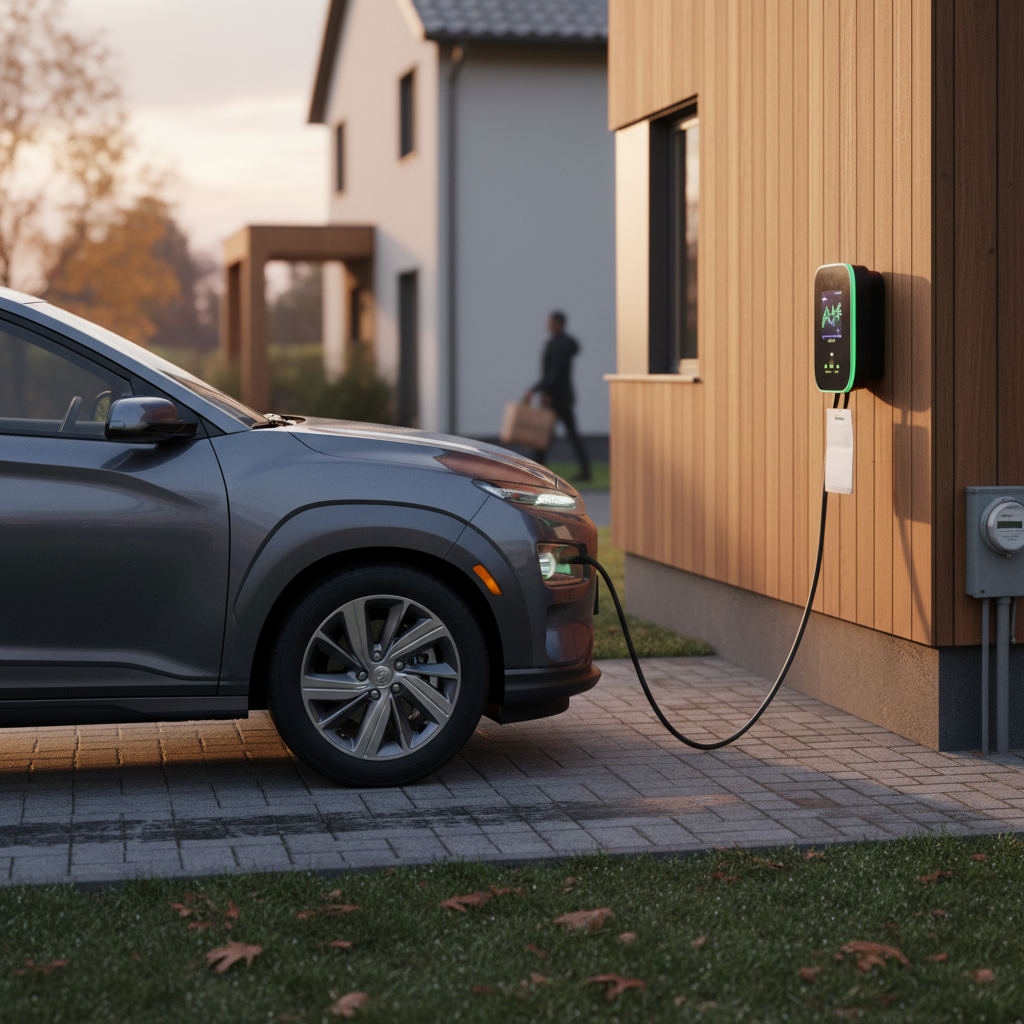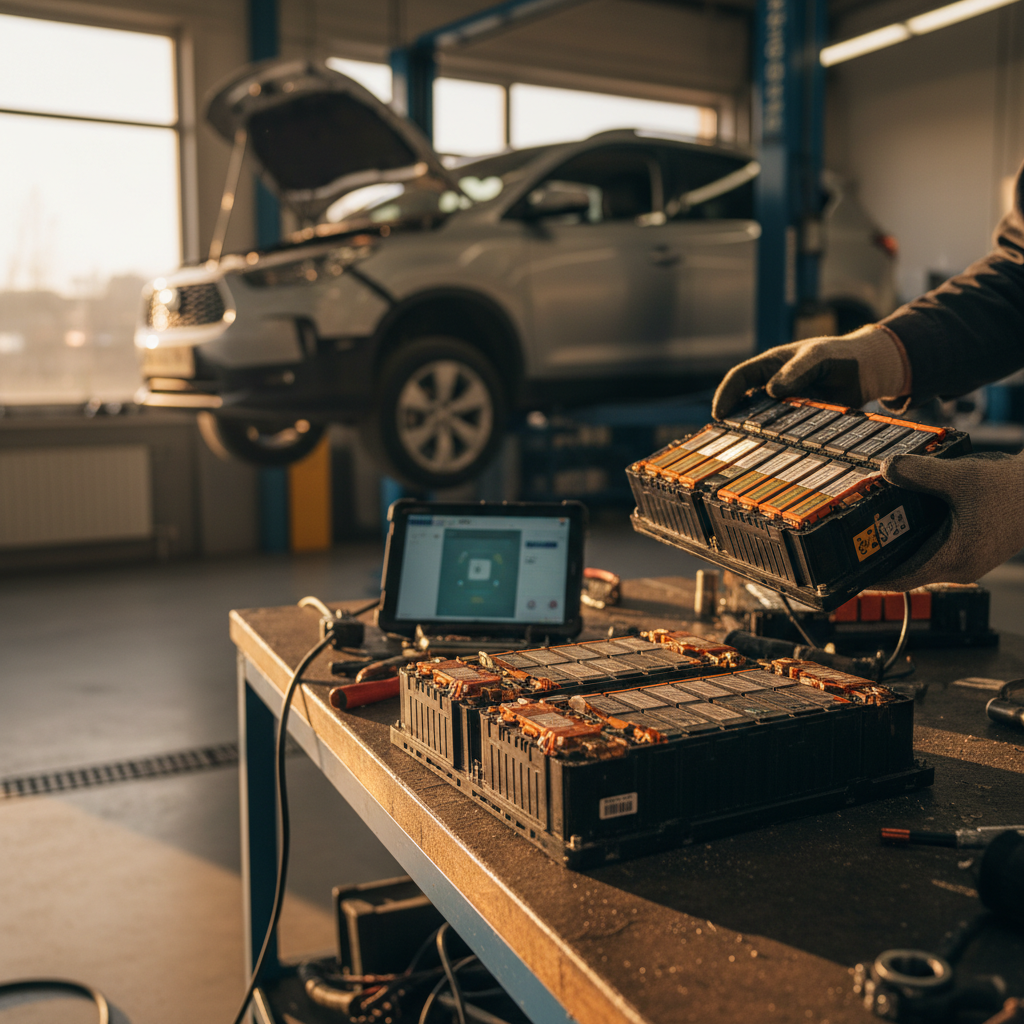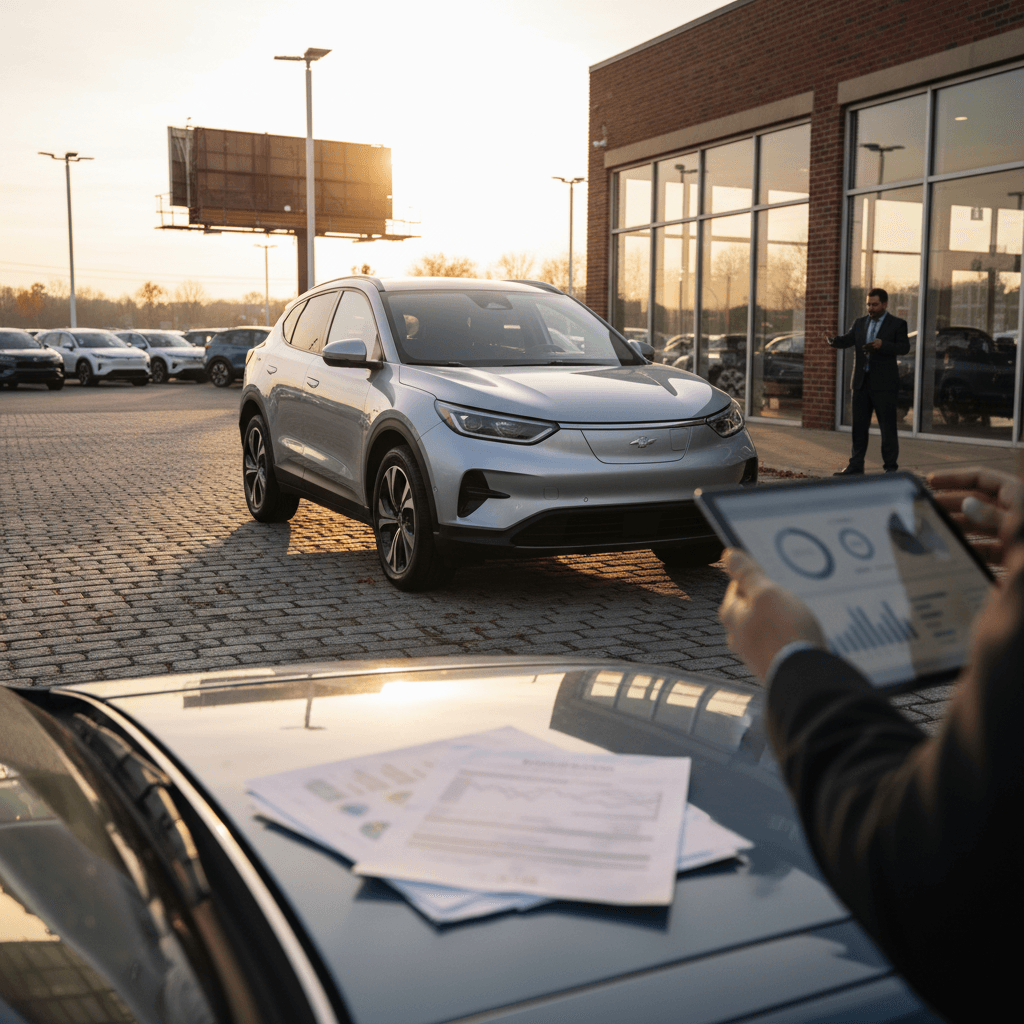
If you’re trying to figure out your EV trade-in value in Virginia, you’re bumping into two moving targets at once: fast-changing used EV prices and state tax rules that treat trade-ins differently from what you might read in national guides. This article walks you through how value is actually determined, what’s unique about Virginia, and concrete steps you can take to get the strongest offer for your electric car.
Virginia EV trade-ins in 2026
Why EV trade-in value feels so confusing in Virginia
Figuring out what your EV is “worth” is harder than with a gas car. Electric vehicles in Virginia are subject to the same basic market forces as anywhere else, but three factors make trade-in values feel especially volatile:
- Rapid depreciation during the 2023–2025 correction. Multiple studies of U.S. transactions found battery-electric vehicles losing well over half of their value in the first five years on average, outpacing gas cars and hybrids.
- Policy whiplash. Federal EV purchase credits for both new and used EVs ended for purchases after September 30, 2025, and Virginia currently doesn’t offer a statewide EV purchase incentive. That shifted demand quickly toward already-cheaper used EVs.
- Brand-specific trends. Some used EVs, especially certain Teslas and popular crossovers, have recently firmed up in price, even as other models continue to soften.
Add in the fact that most dealers still price EVs using gas-car instincts, and you get wildly different trade-in quotes for the same car. That’s why it’s critical to understand the rules and know how to read the market before you hand over your keys.
How Virginia tax rules affect your trade-in
To understand the real value of your trade-in, you can’t just look at the dollar number on the offer slip, you also need to understand how Virginia’s tax system treats that deal. And here’s where Virginia is a bit quirky compared with many other states.
1. Motor Vehicle Sales and Use Tax basics
Virginia charges a Motor Vehicle Sales and Use Tax (often called the “motor vehicle sales tax”) when you title a vehicle. For most passenger vehicles, you’ll pay a percentage of the vehicle’s price (or taxable value) when you register it, whether it’s new or used.
The key thing to know is that the tax is tied to the vehicle you’re acquiring, not the one you’re giving up. Your trade-in itself is not taxed, but it can change what the DMV considers your taxable amount.
2. Trade-ins and sales tax: two overlapping rules
Virginia tax rules create a confusing overlap:
- The Virginia Administrative Code on retail sales tax says that when a retailer takes your used vehicle in trade toward a purchase, sales tax is due only on the net difference (sale price minus trade-in credit).
- But the Motor Vehicle Sales and Use Tax statute used by DMV specifically says that for used vehicles, no credit is allowed for trade-ins when determining the taxable value for that title tax.
Practically, this means your trade-in might reduce what you pay to the dealer at the sales counter, but the DMV may still calculate the title tax on a higher reference value rather than the net price you actually paid.
Don’t assume your trade wipes out tax
So when you compare a Virginia trade-in offer with a cash offer from a buyer like Recharged, you need to compare the whole transaction: vehicle price, trade allowance, and the taxes and fees you’ll actually pay when you title the next car.
How much is my EV worth today?
Let’s zoom out from tax mechanics and talk about the heart of the question: what your electric car is actually worth in the Virginia market in 2026. The answer starts with depreciation and then layers on local demand.
What recent data tells us about EV values
Even within Virginia, two seemingly similar EVs can have very different trade-in values. Here’s what appraisers actually look at when they run the numbers:
Key drivers of EV trade-in value in Virginia
What buyers, dealers, and marketplaces care about
Battery health & range
Traditional book values barely account for battery condition. Smart EV buyers in Virginia care a lot about verified usable range and charging behavior. A car that still delivers its original EPA range, or close to it, can command a clear premium over a similar EV with noticeable degradation.
Mileage & use pattern
Mileage still matters, but how the miles were accumulated can matter more for EVs. Lots of DC fast charging, frequent 100% charges, or towing can accelerate battery wear. A well-documented commuter car with mostly home Level 2 charging often looks better than raw mileage alone suggests.
Model-year & tech obsolescence
The EV tech curve moved fast between roughly 2018 and 2023. Older models with short range or slow charging may have seen outsized depreciation, even with low miles. Newer EVs that compete well with 2026 standards (250+ miles of range, decent DC fast charging) tend to hold value better.
Charging standard & compatibility
With the shift toward the NACS (Tesla-style) connector and non-Tesla access to Superchargers, an EV’s charging port and adapter situation can nudge value up or down. Buyers increasingly ask: how easy will it be to charge this car in Virginia over the next 5–8 years?
Trim, options & tires
Heat pumps, advanced driver assistance, upgraded audio, and fresh EV-rated tires can materially change what an informed buyer will pay. High-spec trims age better than base models that feel outdated or under-equipped.
Local Virginia demand
Urban and suburban pockets around Richmond, Northern Virginia, and Hampton Roads now support stronger used EV pricing than sparsely populated rural areas. That’s why marketplaces with statewide reach can often beat a purely local trade offer.
Use multiple value benchmarks
The special case of used Teslas in Virginia
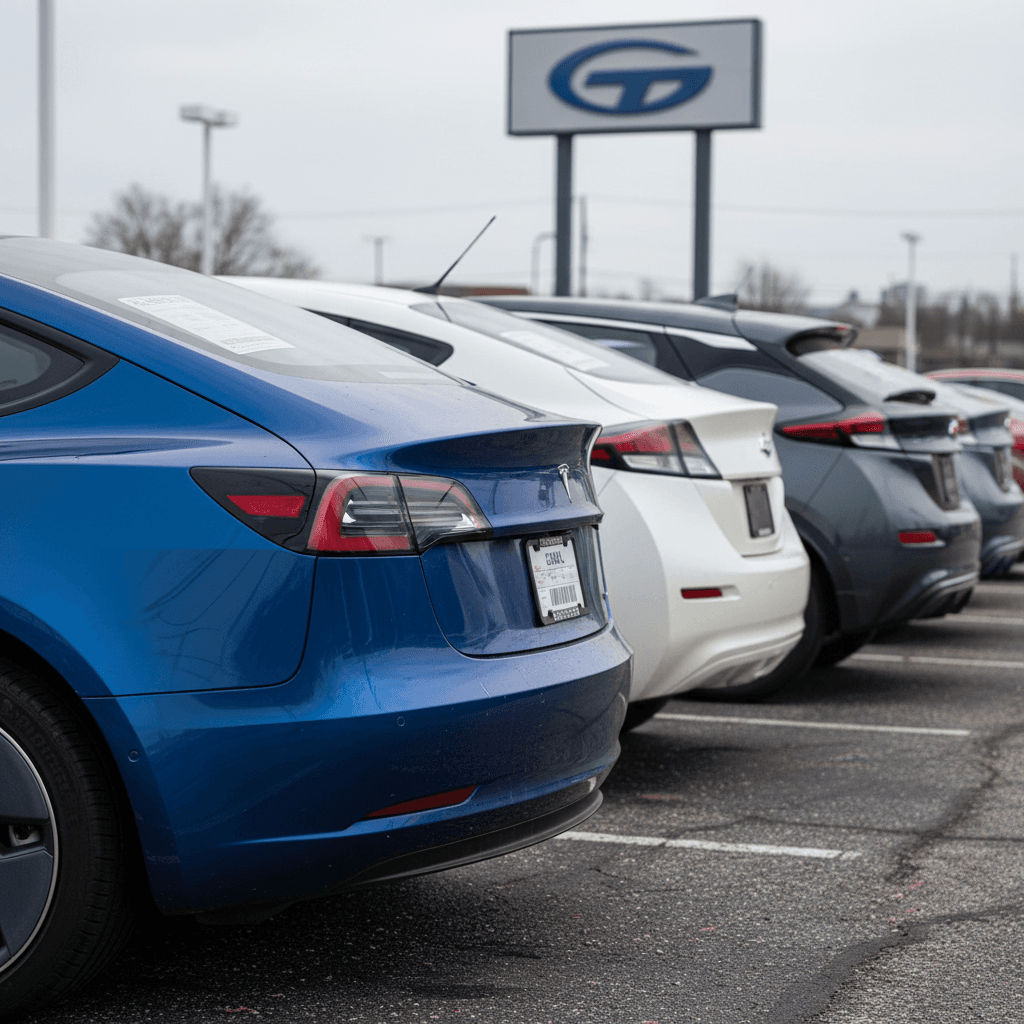
In 2023 and 2024, Tesla’s price cuts hammered used values. But after federal credits ended in late 2025, the picture shifted. Recent national data shows used Tesla prices inching up a few percent even as most other used EVs continued to slide, thanks to strong brand demand and the appeal of the Supercharger network.
Why some used Teslas are rebounding
- Charging advantage. Native access to Tesla’s Supercharger network still commands a premium, especially for road-trip‑minded buyers in Virginia.
- Brand familiarity. Even as non-Tesla EVs improve, many first-time EV buyers still gravitate toward what they know, and right now that’s Tesla.
- Tight supply of the “right” specs. Well-equipped Model 3 and Model Y variants with good range and clean histories are not as plentiful as early high-priced listings suggested.
What it means for your trade-in
If you’re trading a Model 3 or Model Y in Virginia, you may see:
- Higher offers than generic EV pricing tools predict, especially for 2021+ cars with reasonable miles.
- Wider spreads between low-ball dealer bids and what an EV specialist or marketplace will pay.
On the flip side, older or less-desirable Teslas (short-range, early Model S/X, heavy wear) can still be punished by the market, and you’ll feel that in trade-in value.
Trade-in vs cash offer vs consignment in Virginia
Once you have a rough sense of your EV’s market value, the next decision is how to unlock that value. In Virginia, you’ll typically see three main paths: a traditional dealer trade-in, a direct cash offer, or some form of consignment/marketplace listing.
Virginia EV selling options compared
How trade-ins, instant cash offers, and consignment stack up for most Virginia EV owners.
| Option | Typical offer vs market value | Tax & paperwork experience | Time & effort | Best for |
|---|---|---|---|---|
| Traditional dealer trade-in | Low to mid | Dealer handles DMV title work and registration for the new car; Virginia’s Motor Vehicle Sales and Use Tax still applies on the new purchase | Fastest; usually same day | Drivers prioritizing convenience at a franchise dealer |
| Online cash offer (EV specialist) | Mid to high | Buyer typically handles payoff, paperwork, and pickup; you separately handle tax when you title your next vehicle | Quick; usually a few days end-to-end | Owners who want a strong number without private-sale hassle |
| Consignment / marketplace (like Recharged) | High (closer to retail) | Retailer markets the car under its license, then pays you after sale; you only owe tax when you title your next vehicle | Slower; depends on market time for your model | Owners with in-demand EVs willing to wait for top dollar |
These are general patterns; individual offers vary. Always compare real quotes and total out‑the‑door costs for your replacement vehicle.
Where Recharged fits in
Steps to boost your EV trade-in value
You can’t rewrite macro-level depreciation, but you do control how attractive your specific EV looks to the next buyer, and therefore to whoever’s making you an offer. Here’s a practical checklist tailored to Virginia drivers.
Pre-trade checklist for Virginia EV owners
1. Get a handle on battery health
If you can, document your EV’s real-world range on a full charge under typical conditions. Screenshots of range at 80% and 100%, along with trip data showing stable consumption, help buyers and EV specialists see past generic book values. A third-party battery report or a Recharged Score-style diagnostic is even better.
2. Fix inexpensive, visible issues
Curb rash on wheels, small dings, heavily stained seats, or mismatched cheap tires can spook EV buyers who already worry about unknowns. In Virginia’s competitive used EV market, spending a few hundred dollars on cosmetic cleanup can easily return more than it costs in improved offers.
3. Gather your service and charging history
Keep records of software updates, warranty work, and especially any battery or charging system repairs. If you mostly charge at home on Level 2 rather than hammering DC fast chargers, say so, buyers care, and so do the people valuing your trade.
4. Time your sale around incentives and model-year cycles
After federal credits expired in late 2025, some buyers shifted more sharply toward used EVs, raising demand for certain models. In general, trade before a major model refresh undercuts your car’s specs, and avoid listing during the slowest seasonal periods unless you must.
5. Get at least two real offers
Online estimates are a starting point, not a verdict. In Virginia, it’s common to see dealership trade offers and dedicated EV buyers differ by thousands of dollars on the same car. Use multiple binding offers as leverage, politely share that you have alternatives and see who can sharpen their pencil.
6. Decide if your car is a consignment candidate
If you’ve got a clean, relatively late-model EV with desirable specs (good range, heat pump, modern infotainment), you may net more via consignment with a retailer like Recharged than through a same-day trade. Ask explicitly whether your car qualifies and how long similar vehicles take to sell in Virginia.
How Recharged values EV trade-ins in Virginia
Recharged was built specifically around used EVs, so we approach trade-in and purchase offers differently than a traditional franchise dealer that mainly sells new gas vehicles. If you’re in Virginia, or willing to ship your car to us, here’s what goes into our valuation.
Inside a Recharged EV valuation
Why offers can look different from a generic dealer trade
Verified battery health
Every EV we retail includes a Recharged Score report that measures key battery health indicators. That means we can value your trade based on real battery performance, not worst-case assumptions, often improving offers on well-cared‑for cars.
True Virginia market data
Because Recharged operates as a dedicated EV marketplace with a Richmond Experience Center and online reach, we look at live demand across Virginia and beyond, not just generic book values. If buyers are lining up for your specific spec, that’s reflected in our offer.
Reconditioning with EV specialists
We staff EV‑trained technicians and advisors, so we’re comfortable taking on cars that might scare a generalist dealer. When we know what it costs to fix an issue properly, we can price the risk more precisely instead of just low-balling to be safe.
Transparent pricing & fees
Our offers are built to be simple and transparent: clear vehicle value, clear payoff treatment, and no mystery “reconditioning” deductions at the last minute. You see how we’re looking at your EV and where every dollar goes.
Flexible selling paths
Depending on your EV, you may choose between a fast instant offer, a trade-in toward another used EV in our inventory, or a consignment‑style listing where we help you capture more of the retail value while handling the work.
Local presence, digital reach
You can complete the entire process online or visit our Richmond, VA Experience Center if you prefer in‑person support. Either way, you’re working with EV specialists attuned to how the Virginia market is evolving.
Ready to find your next EV?
Browse VehiclesThinking about your next EV too?
Common pitfalls Virginia EV sellers should avoid
Even savvy owners leave money on the table when trading in or selling an EV in Virginia. Here are some of the most common mistakes, and how to avoid them.
- Chasing the highest number without reading the fine print. A dealership may flash a big trade allowance but quietly raise the price of the car you’re buying or add junk fees. Always compare the full out‑the‑door cost including taxes, fees, and financing terms.
- Ignoring battery and charging questions. Expect informed buyers and EV specialists to ask about charging habits, DC fast‑charge usage, and any range changes. If you don’t have answers, your car will be valued more conservatively.
- Waiting too long on low‑demand models. If your EV sits in a softer niche, older short‑range hatchbacks, compliance‑car sedans, or orphaned brands, waiting a year or two can hurt more than it helps as newer, better alternatives flood the used market.
- Assuming Virginia tax rules match your last state. If you recently moved from a state where trade-ins always reduced sales tax, it’s easy to miscalculate the benefit of trading versus selling for cash here. Double‑check with a Virginia dealer, DMV guidance, or your tax professional before deciding purely on tax assumptions.
- Taking the first “we don’t really want EVs” offer. Some dealers in Virginia still treat EVs as risky or hard to move. If the salesperson is clearly hesitant about your trade, don’t be surprised by a very low offer, and don’t hesitate to shop it to an EV‑focused buyer instead.
Be careful with negative equity
FAQ: EV trade-in value in Virginia
Frequently asked questions about EV trade-ins in Virginia
Bottom line: getting a fair EV trade-in value in Virginia
Virginia’s EV trade-in landscape in 2026 is shaped by three forces: a used EV market still digesting the price swings of 2023–2025, state tax rules that don’t always treat trade-ins the way you might expect, and growing but uneven demand for different brands and models. You don’t control those forces, but you do control how informed you are, how you present your car, and who you invite to make you an offer.
If you own a well‑cared‑for EV with good range and clean history, there’s no reason to accept a shrug and a rock‑bottom trade number from a dealer who “doesn’t really do EVs.” Get multiple quotes, understand how Virginia’s title tax will impact your next purchase, and lean on EV‑specialist buyers who actually read the battery, not just the book value.
Recharged is built around making those decisions clearer. With a Richmond Experience Center, a fully digital buying and selling experience, financing, and battery‑health‑verified vehicles, we can help you understand your EV trade-in value in Virginia and chart the best path into your next electric car, without the guesswork.