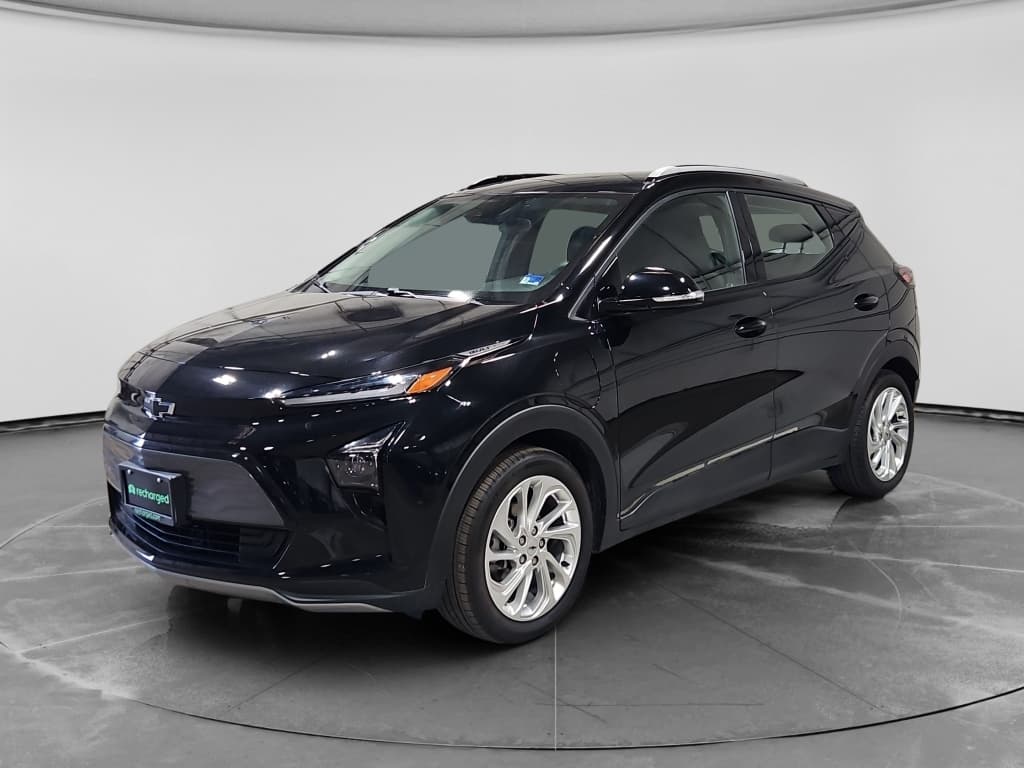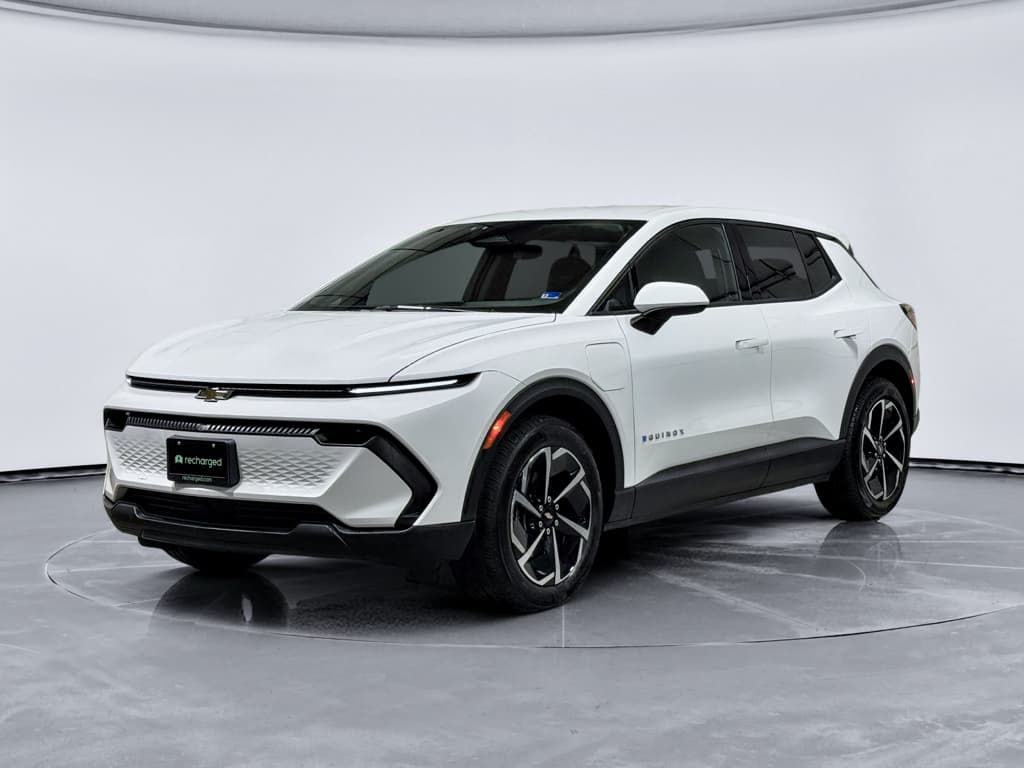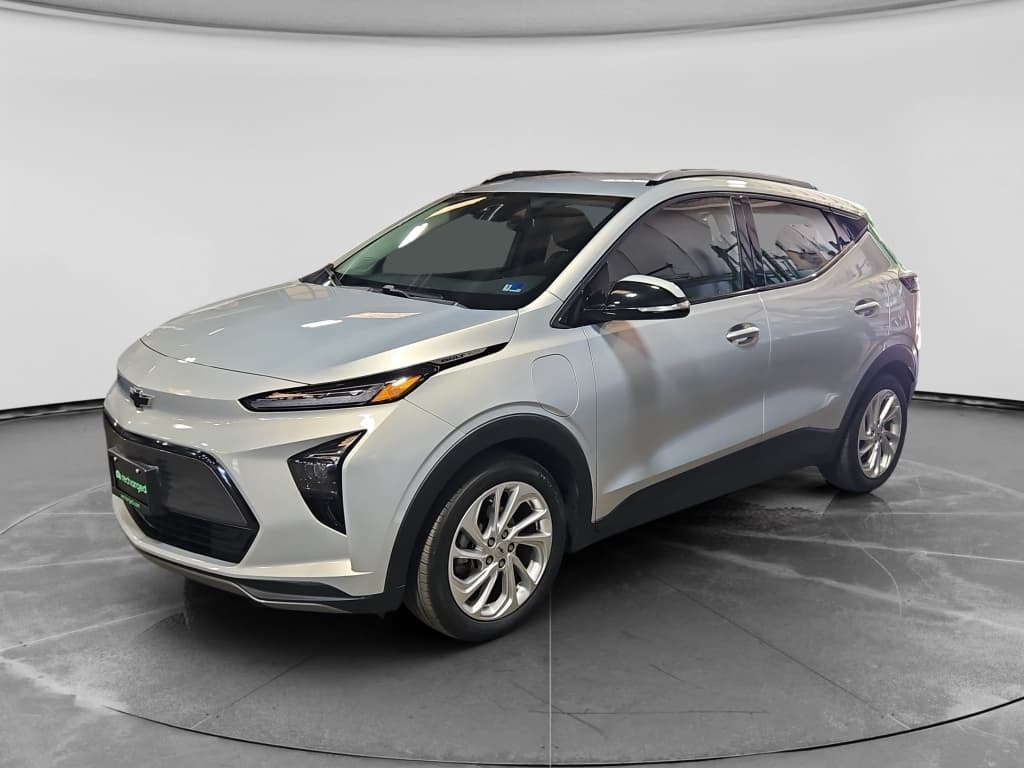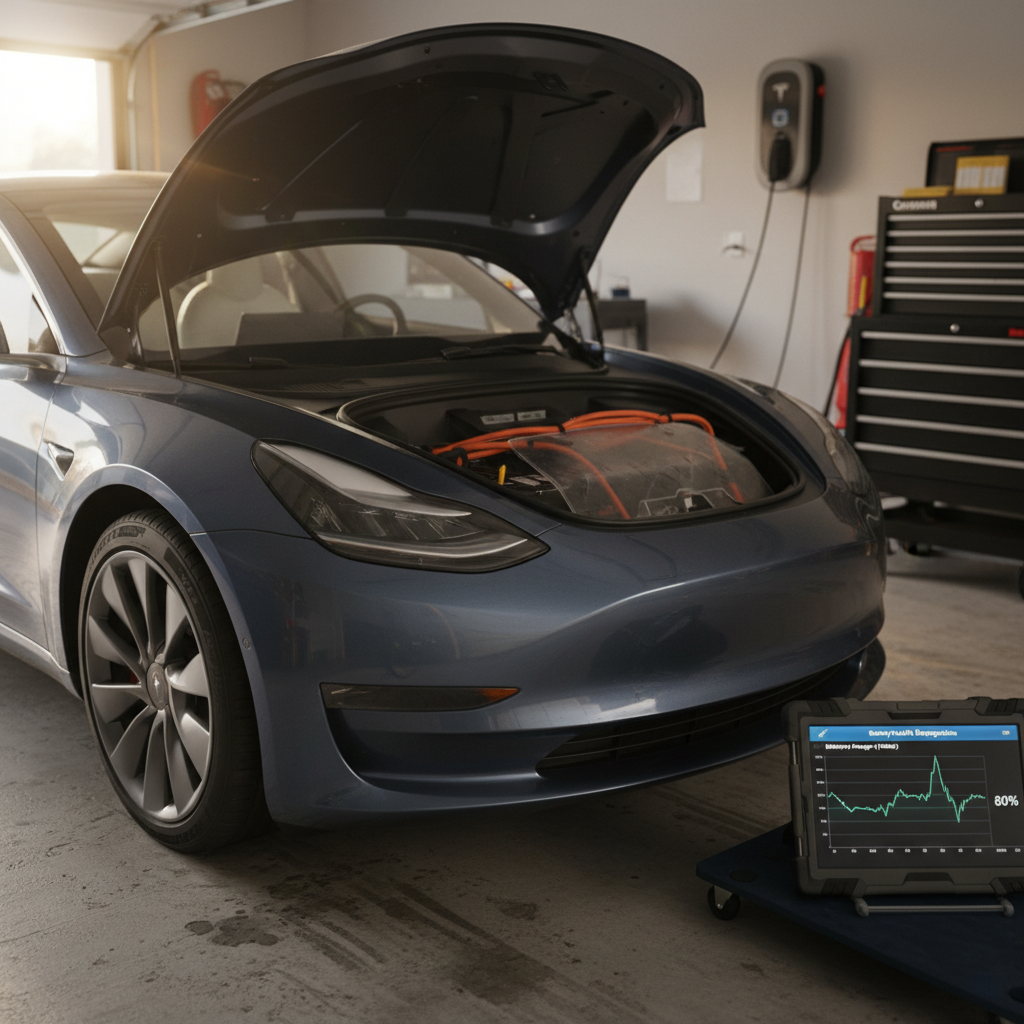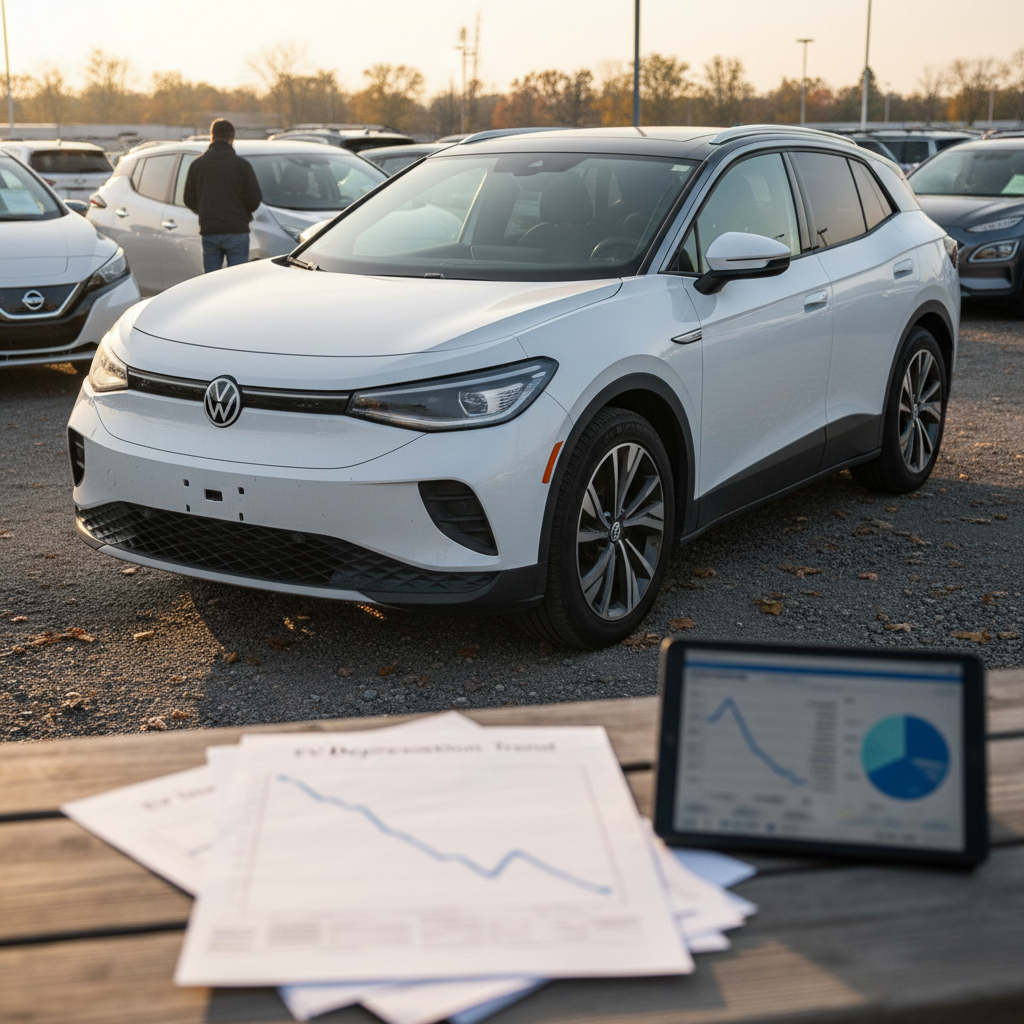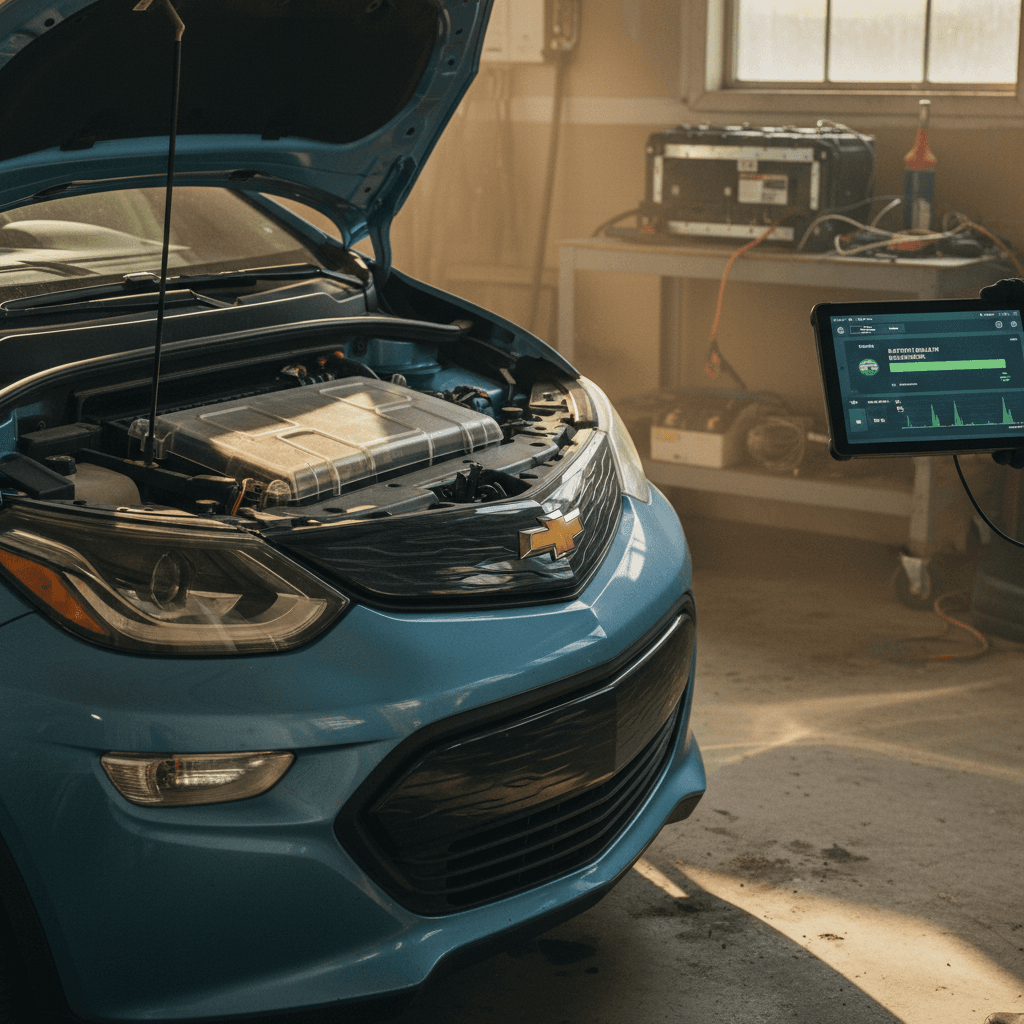
If you’re shopping for a **used Chevrolet Bolt EV in 2026**, you’re looking at one of the best values in the electric‑car market. The Bolt delivers real‑world 200‑plus‑mile range, a practical hatchback body, and relatively low running costs, often at a price that undercuts comparable gas cars. The flip side is its very public battery recall history and a tangle of incentives and model‑year differences that can confuse even seasoned shoppers.
Quick snapshot: used Bolt EV in 2026
Why a used Chevrolet Bolt EV makes sense in 2026
Chevy Bolt EV at a glance (used market)
On the used market in 2026, the **Chevy Bolt EV** hits a sweet spot. It’s small outside but spacious inside, offers one‑pedal driving that makes city traffic easy, and has enough range for most commuters to charge just a couple of times a week. Because GM has already moved on to newer Ultium‑based models and a next‑generation Bolt is on the horizon, first‑gen Bolts often sell at a discount compared with newer EVs, even when they have fresh replacement battery packs.
Who the used Bolt EV fits best
Chevy Bolt EV model years & trims to know
Before you start shopping, it helps to understand how **2017–2023 Bolt EV model years** differ. That way you can target the years that best fit your budget and priorities.
Bolt EV generations and what they mean
From the first 2017s to the refreshed 2023s
2017–2019: Early adopters
- First years of production with a 60 kWh‑class pack and EPA range around 238 miles.
- Simple trim walk (LT and Premier) with many active safety features optional.
- All affected by the LG battery recall; many now have replacement packs.
2020–2021: More range, same body
- Battery chemistry tweaks increased capacity to about 66 kWh and range to ~259 miles.
- Subtle feature updates; still the original exterior and interior design.
- Also covered by the recall, software updates or pack replacements are key.
2022–2023: Refresh & sweet spot
- Revised front and rear styling, significantly improved seats and cabin materials.
- Lower new‑car pricing when launched, which now filters down to used values.
- Battery recall mostly addressed from the factory, plus the related Bolt EUV arrives.
Sweet‑spot used years
Battery recall checklist: what it means for used buyers
Every 2017–2022 Chevy Bolt EV was swept into a high‑profile **battery fire recall** stemming from rare defects in LG‑supplied battery modules. GM’s response included updated software to monitor packs and, in many cases, full battery replacements. For you as a used buyer in 2026, this is less a reason to panic and more a reason to be methodical.
Non‑negotiable: verify recall status
How to verify Bolt EV battery recall work
1. Run the VIN through GM’s recall tool
Ask the seller for the full VIN and plug it into GM’s official recall lookup. Confirm whether the battery recall is listed as **open**, **in progress**, or **completed**.
2. Ask for service records
Request dealer service invoices showing either a full battery pack replacement or the installation of updated diagnostic/monitoring software on the high‑voltage battery.
3. Check for charge or SOC limits
Some early recall software limited maximum state of charge or range. On a test drive, make sure the car will charge to 100% and shows a normal full‑charge range estimate for its model year and battery.
4. Inspect battery labels if possible
On cars with pack replacements, technicians sometimes leave visible labels or stickers under the vehicle or near the pack identifying a newer battery. This isn’t always easy for a layperson, don’t crawl under the car without proper safety.
5. Ask about recent GM software campaigns
Even after pack replacements, GM has rolled out additional software updates to fine‑tune diagnostics. Confirm the car is up to date so you’re getting the latest protections and range estimates.
Are replacement packs a good thing?
Range, battery health, and real‑world use
EPA range for the Bolt EV runs from roughly **238 miles in early cars to around 259 miles in 2020+ models** when new. On a used car in 2026, what matters just as much is **how the battery has aged** and how the previous owner charged it. Short commutes, moderate climates, and mostly Level 2 charging are all positives.
How much range is “good enough”?
If your daily driving is under 80–100 miles, almost any healthy Bolt EV will feel effortless, you’ll likely charge at home a couple of nights a week and rarely worry about public stations. If you routinely take 150‑ to 200‑mile highway trips, prioritize later‑year cars (2020–2023) with stronger range and consider how easily you can access DC fast charging on your routes.
Signs of a tired battery pack
- Full‑charge range estimates that are dramatically below what’s normal for that model year and climate.
- Noticeable drops in range over a year or two of normal use.
- DC fast‑charge speeds that are abnormally low even in warm weather.
Some variation is normal, but if you see glaring issues, factor potential diagnosis or warranty work into your decision.
Use data, not gut feel
Pricing: what to pay for a used Bolt EV in 2026
Exact numbers will vary by mileage, condition, and region, but by 2026 the Chevy Bolt EV has firmly entered **affordable used‑car territory**. You’ll often see early‑year cars priced like mainstream compact hatchbacks while offering dramatically lower fueling and maintenance costs.
Typical 2026 used Bolt EV price bands (illustrative)
Approximate positioning of different model years and mileages relative to each other. Always check current local listings for actual prices.
| Model years | Typical mileage range | Relative price level | What you’re getting |
|---|---|---|---|
| 2017–2018 | 60,000–110,000+ | Lowest | Oldest cars; focus on recall proof and battery health. Great commuter value if documentation is solid. |
| 2019–2020 | 40,000–90,000 | Lower‑mid | Slightly newer hardware and, for 2020, higher official range. Many have had packs replaced under recall. |
| 2021 | 25,000–70,000 | Mid | Later build quality and range bump. Good balance of age and price when recall work is confirmed. |
| 2022–2023 | 10,000–60,000 | Highest | Refreshed styling and interior, generally strongest demand. Often the best pick for buyers planning to keep the car long‑term. |
Later years with lower miles and completed recall work will usually command a premium, but can still be strong values versus new EVs.
Why pricing can look “too good”
Tax credits and incentives for used Bolt EVs in 2026
EV incentives are a moving target, and by 2026 some federal benefits are winding down or have already sunset. The **used Clean Vehicle Credit** that once offered up to $4,000 for qualifying used EV purchases was phased out for purchases after late 2025, and the broader federal EV credit structure has been reshaped. That means you shouldn’t count on a major federal tax break for a used Bolt EV purchased in 2026.
Federal incentives in 2026
As of early 2026, most federal purchase credits for both new and used EVs have been curtailed or ended ahead of schedule. The upshot for a used‑Bolt shopper: focus your calculations on the vehicle’s price, your energy costs, and any remaining state or local incentives, rather than expecting a large federal rebate.
State, utility, and local programs
Many states, cities, and utilities still offer:
- Home charger or panel‑upgrade rebates.
- Time‑of‑use electricity rates that make off‑peak charging cheaper.
- Occasional purchase rebates or HOV‑lane perks for EVs.
These programs can change quickly, always check your state energy office, local utility, or DMV before you buy.
Factor in financing, not just incentives
Used Bolt EV inspection checklist
A thorough inspection is the difference between a great used EV and a frustrating one. The Bolt EV has no engine, timing belt, or transmission in the traditional sense, but it does have **battery, electronics, charging hardware, and brakes** that deserve a close look.
Step‑by‑step inspection when test‑driving a used Bolt EV
1. Start with the Recharged Score or battery report
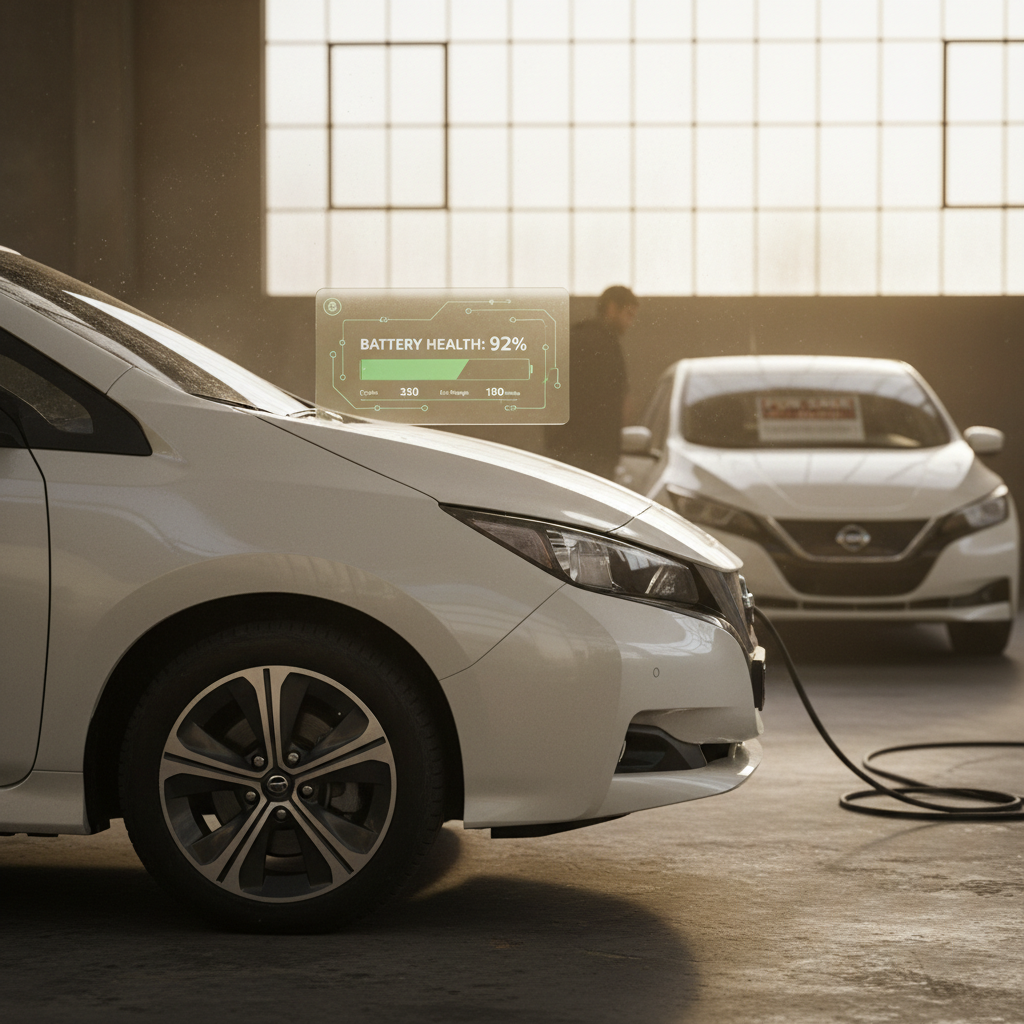
Whenever possible, review a **battery health report** that estimates remaining capacity and range versus new. Every vehicle sold by Recharged includes a Recharged Score with this information built in.
2. Confirm recall and warranty status
Use the VIN to verify recall completion and ask the seller to show remaining **battery and drivetrain warranty** coverage (8 years/100,000 miles from original in‑service date for most Bolts).
3. Check charging hardware
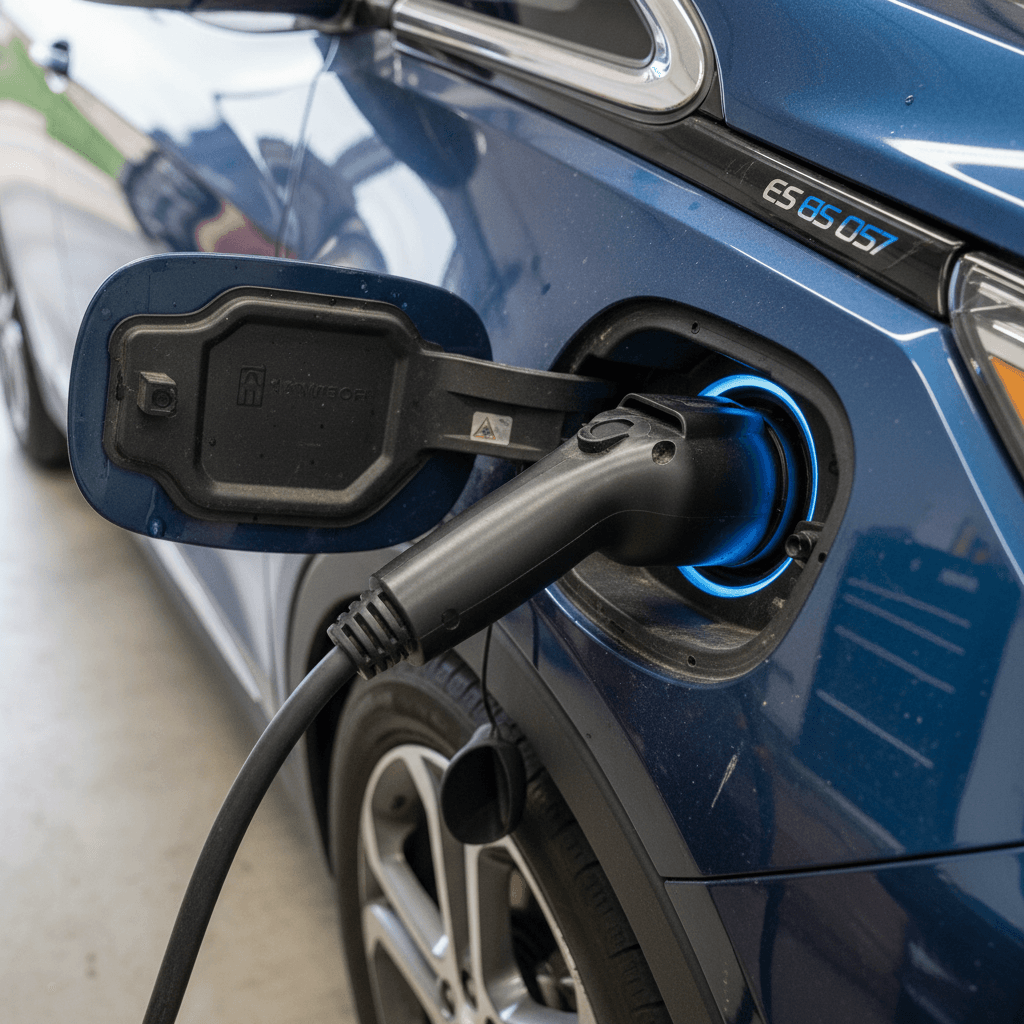
Inspect the charge port for corrosion or damage, test the included home charge cord, and, if you can, plug into both Level 2 and DC fast chargers to make sure the car connects reliably and charges at expected speeds.
4. Evaluate tires, brakes, and suspension
EVs are easy on brakes but can be hard on tires. Look for even tire wear and listen for clunks over bumps. On a test drive, confirm that **one‑pedal driving and regenerative braking** feel smooth and predictable.
5. Inspect interior electronics
Confirm that the infotainment system, backup camera, smartphone integration, and climate control all work properly. Try both heated seats and heated steering wheel if equipped, those options matter in cold climates.
6. Drive a mix of city and highway
Feel for any shudder, whine, or vibration from the drive unit, especially at steady freeway speeds. The Bolt should feel smooth, quiet, and linear in its power delivery.
Don’t skip a professional EV inspection
Common issues and ownership costs
Once the big battery recall is addressed, the **Chevy Bolt EV’s reliability picture is generally average to above‑average** for an affordable EV. You avoid oil changes, timing belts, and many transmission problems that dog gas cars, but you still need to pay attention to a few recurring themes.
- Battery recall and subsequent software updates (already covered above).
- Occasional DC fast‑charging hiccups at certain stations, often more about the station than the car, but worth testing.
- Brake components on cars that sit a lot; light EV use can sometimes lead to surface rust on rotors.
- Minor interior squeaks/rattles and infotainment quirks in earlier model years.
- Normal wear items: tires, cabin air filter, wiper blades, and brake fluid every few years.
What you’ll likely spend to own a used Bolt EV
The running‑cost picture vs. a comparable gas compact
Electricity vs. gasoline
Charging at home, especially on off‑peak rates, usually makes the Bolt far cheaper to “fuel” than a similar gas hatchback. Many owners see the equivalent of $1–$1.50 per gallon in energy cost.
Maintenance basics
No oil changes, spark plugs, or exhaust work. Expect occasional brake fluid service, tire rotations, and cabin air‑filter replacements, as well as the normal wear items on any car.
Unexpected repairs
Out‑of‑warranty repairs on high‑voltage components can be expensive. That’s why verifying remaining battery/drivetrain warranty and recall work is so critical on older, higher‑mileage examples.
Bolt EV vs. Bolt EUV and key alternatives
Starting with the 2022 model year, Chevy added the **Bolt EUV**, a slightly larger sibling with a more crossover‑like stance and the option of additional driver‑assistance features. Many 2026 shoppers will see both **Bolt EV and Bolt EUV** listings and wonder which to pick, or whether a different used EV might make more sense.
Bolt EV vs. Bolt EUV
- Bolt EV: Shorter, easier to park, marginally more efficient, and often a bit cheaper on the used market.
- Bolt EUV: Slightly more rear legroom and a more SUV‑like look; some trims offered Super Cruise hands‑free driving on certain roads.
- Both share the same basic battery, motor, and charging hardware, so range and running costs are broadly similar.
What else to cross‑shop?
- Hyundai Kona Electric and Kia Niro EV for similar range with different styling and warranty approaches.
- Nissan Leaf if you prioritize low upfront cost and don’t need as much highway fast‑charging flexibility.
- Compact plug‑in hybrids for buyers not yet ready to go fully electric.
At Recharged, you can compare range, battery health, and pricing across all of these in one place.
How Recharged helps you shop smarter for a used Bolt EV
Buying a used EV doesn’t have to feel like a science project. At Recharged, every vehicle, including the Chevrolet Bolt EV, comes with a **Recharged Score Report** that details verified battery health, real‑world range estimates, pricing vs. the market, and a history check for accidents and damage. Our EV specialists can walk you through Bolt‑specific questions, from recall proof to daily charging strategy.
What you get when you shop a used Bolt EV with Recharged
EV‑specialist support from first click to delivery
Recharged Score battery diagnostics
See how a specific Bolt EV’s battery health and range stack up against others of the same year and mileage, so you’re not guessing about degradation.
Nationwide purchase & delivery
Browse used Bolts online, get **EV‑aware financing**, value your trade‑in, and have your car delivered, without hunting dealer lots or negotiating on the fly.
EV‑specialist guidance
Talk with experts who live and breathe EVs. We’ll help you choose between model years, interpret recall paperwork, and understand real charging costs where you live.
Ready to find your next EV?
Browse VehiclesFrequently asked questions about used Bolt EVs
Used Chevrolet Bolt EV FAQ (2026)
Bottom line: should you buy a used Bolt EV in 2026?
For the right driver, a **used Chevrolet Bolt EV** is one of the smartest buys you can make in 2026. You get real‑world range that still beats many new‑car competitors, a practical and easy‑to‑park hatchback body, and operating costs that undercut just about any gas compact. The tradeoff is homework: you must be diligent about battery recall documentation, warranty status, and battery health on the specific car in front of you.
If you’re willing to do that, or to lean on a specialist who will do it with you, the payoff can be enormous. A well‑chosen Bolt EV can cover your commute for years with minimal maintenance and without painful fuel bills. Working with a used‑EV‑focused retailer like Recharged, armed with a Recharged Score Report, EV‑savvy financing, and nationwide delivery, takes much of the uncertainty out of the process, so you can focus on what matters: finding the right car, at the right price, for the way you actually drive.