If you’re shopping for a practical, affordable electric SUV, a used Chevrolet Bolt EUV deserves a serious look. It delivers solid range, surprising performance, and modern safety tech in a compact footprint, without the eye-watering price tags of many newer EVs. This used Chevrolet Bolt EUV buying guide walks you through trims, range, recalls, battery health, pricing and the inspection steps you should take before you sign anything.
At a glance
Why the Chevrolet Bolt EUV Makes Sense Used
Chevy Bolt EUV quick stats (1st gen, 2022–2023)
On the used market, the Bolt EUV punches above its weight. You get real-world usable range, a roomy back seat, and modern safety tech at prices that often undercut similar-size EVs and hybrids. Because GM discontinued the original Bolt EUV after 2023 to reboot the nameplate, there’s a clear pool of first-generation used inventory to choose from.
Who a used Chevy Bolt EUV is best for
Match the car to your daily life before you shop
Urban & suburban commuters
If you drive 20–60 miles per day and can plug in at home or work, the Bolt EUV’s ~247-mile range will feel generous. You’ll likely charge just a few times a week.
Small families
The EUV’s longer wheelbase gives more rear legroom than the Bolt EV hatchback. It’s a comfortable fit for two kids and gear, or four adults on shorter trips.
Budget-conscious road trippers
The Bolt EUV can road trip, but its 55 kW DC fast-charging peak is slower than many newer EVs. If you’re patient with charging stops, it’s a value-packed long-distance option.
Used-Bolt advantage
Model Years, Trims and Key Specs
For the first generation, the Chevrolet Bolt EUV was sold in the U.S. for model years 2022 and 2023. Mechanically, those years are very similar, with most changes limited to colors, option packages, and pricing. When you’re shopping used, you’re really choosing between trim, options, mileage, and whether the car has had recall work done.
Chevrolet Bolt EUV trims and key features (2022–2023)
Use this as a shorthand reference when reading used listings or window stickers.
| Trim | Typical highlights | Best for |
|---|---|---|
| LT | Cloth seats, 10.2-inch touchscreen, wireless Apple CarPlay/Android Auto, automatic emergency braking, LED headlights. | Buyers who want maximum value and don’t need luxury touches. |
| Premier | Adds leather-appointed seats, heated steering wheel, surround-view camera, rear cross-traffic alert and more comfort features. | Shoppers who want a more upscale feel and extra safety tech. |
| Redline Edition (appearance pkg) | Based on LT or Premier with blacked-out exterior trim, unique wheels and red accent details. | Drivers who like a sportier look without mechanical changes. |
Equipment varies slightly by model year; always verify specific features on the exact VIN.
Powertrain & performance
- Motor: Single front-mounted electric motor
- Output: About 200 hp and 266 lb-ft of torque
- 0–60 mph: Around mid-6-second range in instrumented testing
- Drive: Front-wheel drive only
Acceleration is punchy around town and entirely adequate for highway merging. There’s no all-wheel-drive option in these years, which is fine for most climates but worth noting if you live in snow country.
Dimensions & practicality
- Class: Subcompact/compact electric crossover (longer than Bolt EV)
- Rear seat: About 3 inches more rear legroom than the Bolt EV
- Cargo: Split-folding rear seat, hatchback versatility
- Roof: Optional panoramic sunroof on some Premier models
The EUV isn’t a huge SUV, but it’s more comfortable for adults in back than many small crossovers, especially for knees and headroom in non-sunroof versions.
About Super Cruise
Range, Battery & Charging: What Matters Most
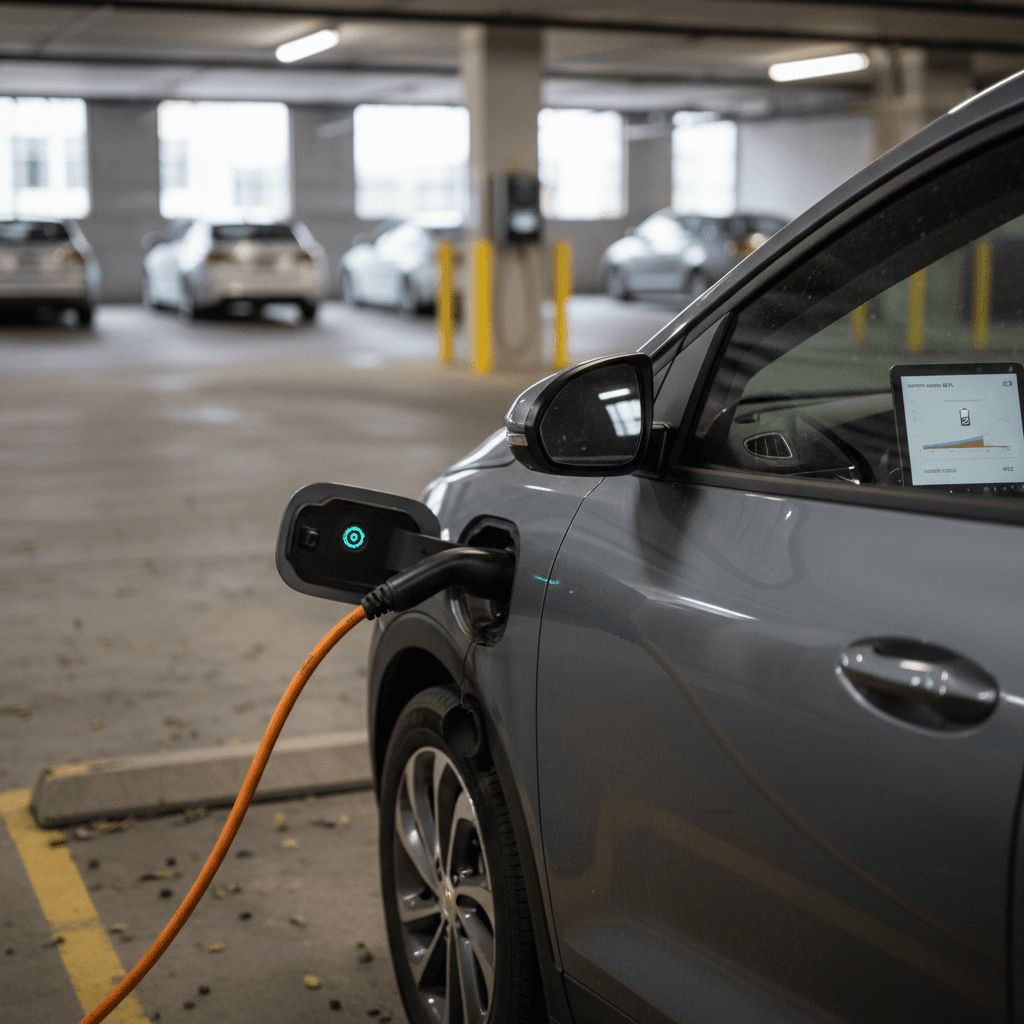
When you’re buying any used EV, everything really revolves around the battery and how you plan to charge. The Bolt EUV uses a 65 kWh lithium-ion pack and is rated for about 247 miles of EPA-estimated range when new. Real-world range will depend on temperature, speed, terrain and how the previous owner treated the battery.
Bolt EUV charging basics
What you need to know before you buy
Level 1 (120V)
Using a standard household outlet, you’ll add roughly 3–4 miles of range per hour. Fine for low-mileage drivers or emergency top-ups, but not ideal as your only solution.
Level 2 (240V)
The Bolt EUV’s onboard charger can accept up to about 11.5 kW on a 240V circuit, allowing a full charge in roughly 7–9 hours. This is the sweet spot for home charging.
DC fast charging (CCS1)
Standard on the EUV. Peak rate is around 55 kW, good for roughly 95 miles of range in about 30 minutes under ideal conditions. Great for road trips, but slower than some newer EVs.
Don’t obsess over 0–100%
How to quickly gauge Bolt EUV battery health on a test drive
Check the displayed full-charge range
With the battery near 100%, note the range estimate. Compare it to the original ~247-mile EPA rating. A lower number isn’t automatically bad, it reflects recent driving, but big drops combined with gentle past use may merit more investigation.
Review energy usage history
Use the infotainment screen to look at recent efficiency. A previous driver with a heavy foot or lots of highway miles can drag the estimate down, even if the pack itself is healthy.
Look for battery or high-voltage warnings
Make sure there are no warning lights related to the battery, charging system or electric drive. Any stored trouble codes should be scanned before you buy.
Confirm DC fast-charge behavior
If possible, plug into a DC fast charger and observe charging speed and any error messages. The Bolt EUV should ramp up toward ~50+ kW on a low state of charge, then taper as it fills.
Leverage independent battery data
Recalls, Battery Replacements & Remaining Warranty
You can’t talk about buying a used Chevrolet Bolt EUV without discussing the battery recall saga. Earlier Bolt EV and EUV models were recalled for battery defects that could, in rare cases, lead to fire risk. GM responded with software updates and, in many cases, full battery-pack replacements using revised hardware.
Why this matters for you
- A Bolt EUV with a documented replacement pack essentially gets a fresh "zero-mile" battery, which can be a huge plus.
- Software updates also improved monitoring and added safeguards, even on cars that didn’t need a new pack.
- Because of the recall history, many sellers price Bolts competitively, good news if you’re a well-informed buyer.
What to verify on a used Bolt EUV
- Ask for documentation of any battery replacement or recall work (service invoices, GM letters).
- Run the VIN through an official recall checker to be sure all campaigns are closed.
- Confirm that the car has the latest battery software update installed.
- Check the in-service date to estimate how much factory battery warranty remains.
Battery warranty basics
Common Issues & Real-World Ownership
The Bolt EUV has earned a reputation as a generally reliable, low-maintenance EV. With no oil changes and fewer moving parts than a gasoline SUV, your main costs will be tires, brake fluid at long intervals, cabin filters and the occasional alignment. Still, there are patterns and quirks you should know about before you buy used.
Bolt EUV ownership: pros and cons from the field
Balancing strengths and weak spots
What owners tend to love
- Strong efficiency: Many drivers see real-world energy use around the mid-teens kWh/100 km, making it inexpensive to run.
- Peppy performance: Instant torque gives it a fun, responsive feel in city traffic.
- Spacious cabin: Rear-seat comfort beats a lot of other small EVs and hatchbacks.
- Simple controls: Conventional shifter, physical buttons for climate and volume.
What to watch for
- Slow DC fast charging: The ~55 kW peak is fine for occasional trips but slow compared with modern 150–250 kW EVs.
- Seat comfort complaints: Some owners find the front seats narrow or too firm, test them for at least 20–30 minutes.
- Ride and noise: On rough pavement, the short wheelbase and eco-focused tires can feel busy and let in road noise.
- Limited towing options: Factory towing ratings are limited; it’s not a natural choice for regular trailer duty.
Don’t ignore software alerts
Pricing, Depreciation & What a Fair Deal Looks Like
EVs generally depreciate faster than comparable gasoline cars, and the Bolt EUV is no exception. The flip side is that used buyers get a lot of car for the money. As of early 2026, many used Chevrolet Bolt EUV listings fall roughly in the high-teens to high-twenties depending on year, trim and mileage, with exceptional, low-mile Premier models at the upper end.
Approximate used Bolt EUV price bands (early 2026, U.S.)
These are generalized illustrations, not offers. Actual market values vary by region, mileage, color, options, history and condition.
| Year / trim / condition | Odometer | Illustrative asking-price band |
|---|---|---|
| 2022 LT, average equipment | 35k–55k miles | $17,000–$21,000 |
| 2022 Premier, well-equipped | 25k–45k miles | $20,000–$24,000 |
| 2023 LT, low miles | 15k–30k miles | $21,000–$25,000 |
| 2023 Premier, low miles, possible battery replacement | Under 25k miles | $24,000–$28,000+ |
Use this as a starting point, then check live listings and valuation tools for your ZIP code.
How to judge a specific asking price
Factors that justify a higher price
- Documented new or replacement battery pack installed recently
- Remaining factory warranty and extended protection plans
- Premier trim with surround-view camera and advanced safety features
- Super Cruise-equipped vehicles in good working order
- One-owner history with meticulous maintenance records
Signals you have room to negotiate
- Open recalls or incomplete battery software updates
- Cosmetic damage, curb rash or mismatched tires
- Spotty service documentation or multiple owners in a short period
- Evidence of heavy fast-charging usage on road-trip routes
- Local inventory showing plenty of comparable Bolt EUVs in stock
Inspection Checklist for a Used Bolt EUV
You don’t need to be an engineer to evaluate a used Chevrolet Bolt EUV, but you do need a method. Use the checklist below to keep emotions in check during the test drive and walk-around.
Pre-purchase inspection checklist for a used Chevy Bolt EUV
1. Confirm recall and battery history
Ask the seller for documentation of any recall work and battery replacements. Cross-check the VIN in an official recall database. If records are missing, build that uncertainty into your offer or walk away.
2. Evaluate battery health data
Note the displayed full-charge range, review recent efficiency in the energy menu, and, where possible, get a third-party battery-health report. At Recharged, this is summarized for you in our <strong>Recharged Score</strong>.
3. Inspect charging hardware
Check the charge port, rubber seal and door for damage or corrosion. Test the included portable EVSE (if present) and, ideally, plug into both Level 2 and DC fast chargers to confirm proper operation.
4. Check tires, brakes and suspension
Uneven tire wear, pulls under braking, or clunks over bumps can hint at alignment or suspension issues. EVs are heavier than gas cars; worn shocks or tires may appear sooner if a vehicle has seen rough roads.
5. Test all infotainment and driver-assistance features
Verify the touchscreen, cameras, Bluetooth, navigation (if equipped), and smartphone integration. If the car has Super Cruise or advanced safety features, confirm they engage and operate without warnings.
6. Look for water intrusion or interior wear
Lift the cargo floor, check under mats, and feel for dampness. Examine seat bolsters, steering wheel and pedals, excess wear versus the odometer can indicate a harder life than the mileage suggests.
7. Scan for diagnostic trouble codes
If you’re buying from a private seller or non-EV specialist, consider a pre-purchase inspection with an EV-savvy shop or a service like Recharged’s inspection partners to pull stored codes and identify hidden issues.
Make the inspection easier
Financing, Trade-Ins & Shopping With Recharged
Because the Bolt EUV is relatively affordable as EVs go, many shoppers can reach it with a reasonable monthly payment, especially when you’re buying used. But it still pays to structure the deal carefully so you’re not upside-down if the EV market shifts again.
Smart money moves when buying a used Bolt EUV
Reduce risk, keep flexibility
Right-size your loan term
Avoid stretching to very long terms just to lower the payment. Aim to pay the car off in a window that matches your expected ownership period, especially in a fast-evolving EV market.
Use your trade wisely
If you’re moving out of a gas car or a different EV, a strong trade-in or instant offer can reduce how much you finance. Recharged can appraise your current vehicle and apply the value directly to your Bolt EUV purchase.
Pre-qualify with no surprises
Getting pre-qualified for financing through Recharged lets you understand your budget and rate before you fall in love with a specific car, all with a streamlined, digital-first process.
Recharged’s marketplace focuses exclusively on used EVs, which means inventory is curated with electric-first shoppers in mind. Every vehicle includes transparent pricing, a detailed Recharged Score battery-health report, optional nationwide delivery, and EV-specialist support from first click to final signature.
Chevy Bolt EUV FAQ
Frequently asked questions about buying a used Chevrolet Bolt EUV
Bottom Line: Is a Used Bolt EUV Right for You?
If you want an affordable way into EV ownership without giving up everyday practicality, a used Chevrolet Bolt EUV belongs on your short list. It’s not the last word in charging speed or size, but it delivers honest range, a comfortable cabin for its footprint, and very low running costs. Go in with a clear view of its recall history, battery condition, and charging behavior, and you can come away with a compact electric SUV that undercuts many rivals on price while still feeling thoroughly modern.
Whether you’re just starting to explore EVs or you’re ready to replace a gasoline commuter, Recharged can help you compare vehicles, understand battery health through the Recharged Score, line up financing and trade-in options, and even arrange nationwide delivery. Do your homework, use the checklists in this guide, and a used Bolt EUV can be one of the savviest EV buys available today.