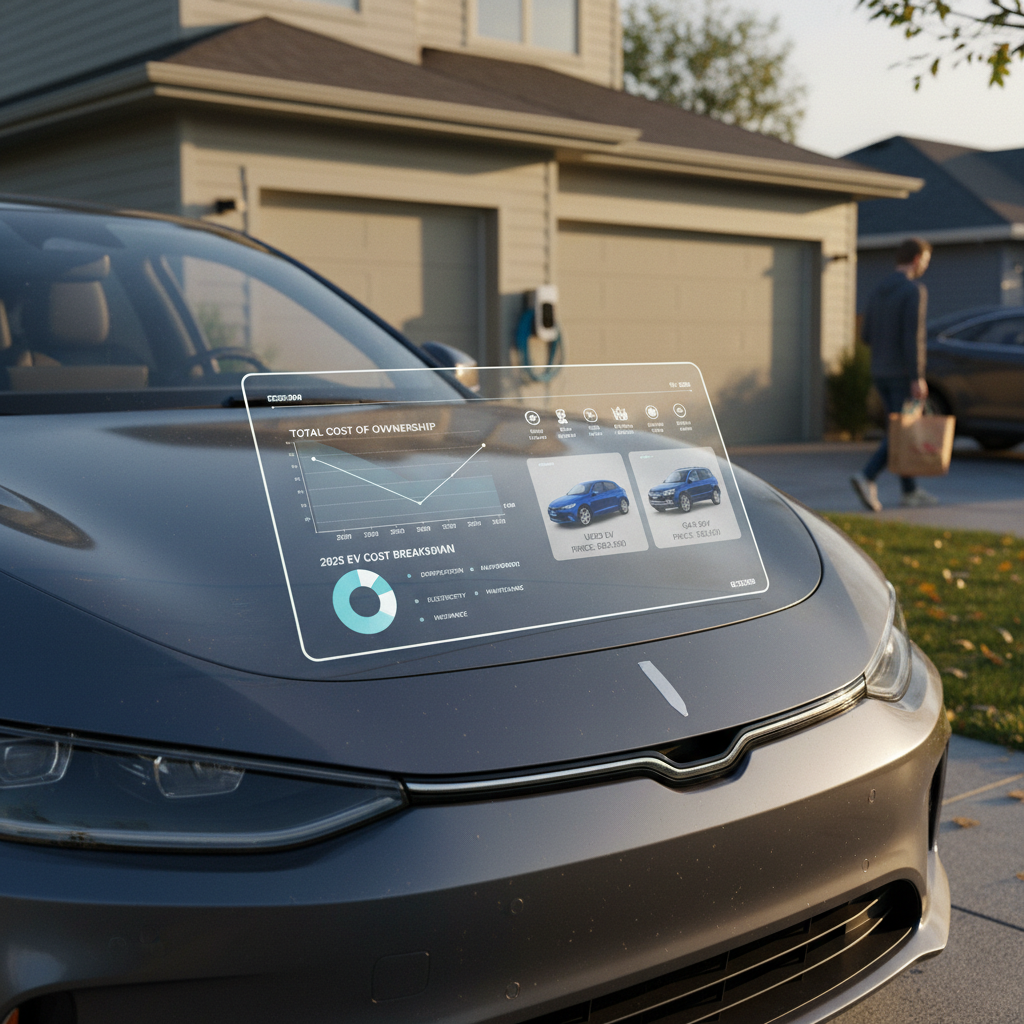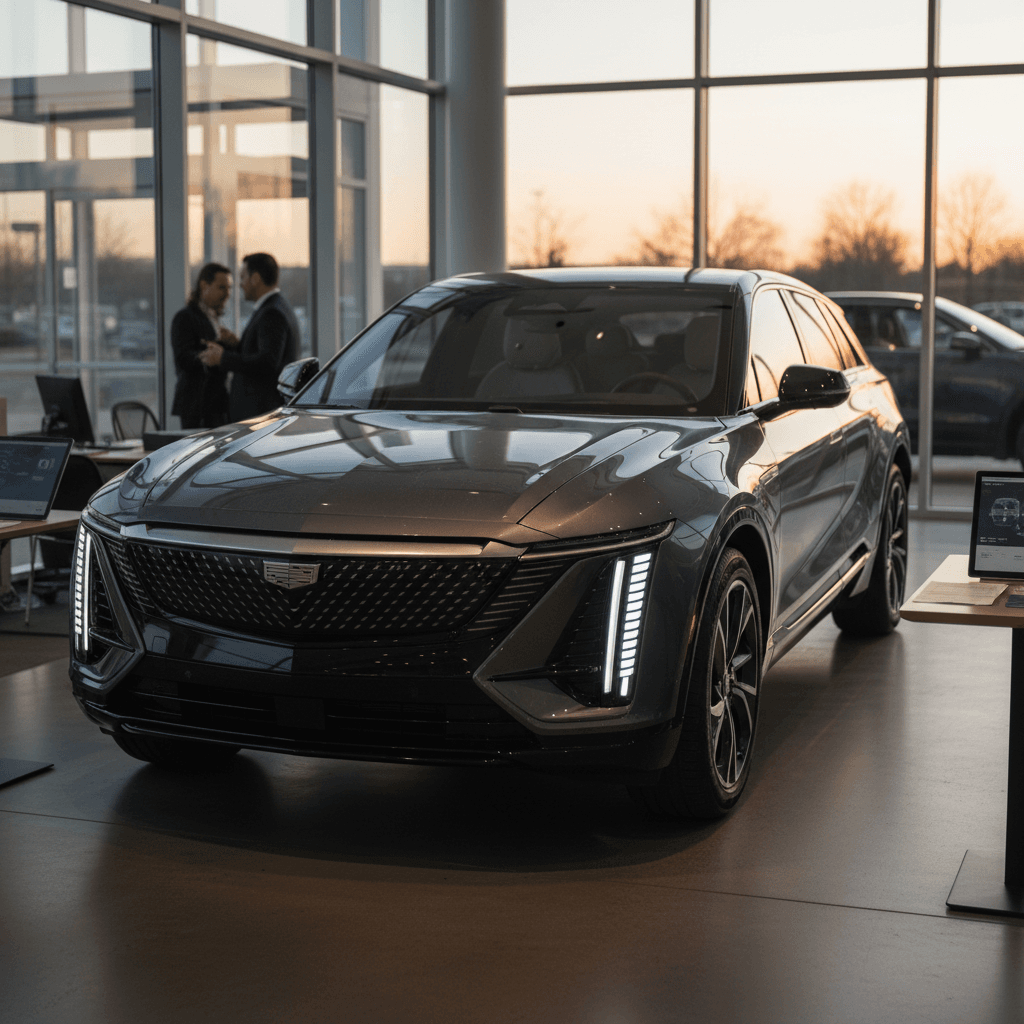
If you’re shopping for a luxury electric SUV, a used Cadillac Lyriq in 2026 is going to be on your radar. Early 2023–2025 models are now hitting the used market, and 2026 updates keep new prices high, creating room for value‑minded buyers who are willing to go pre-owned. This guide walks you through trims, battery health, charging, pricing, inspection tips, and how to buy a used Lyriq with confidence.
Quick take
Why consider a used Cadillac Lyriq in 2026?
Key reasons shoppers are eyeing used Lyriqs
What you get when you buy Cadillac’s first Ultium SUV pre-owned
Big Ultium battery
The Lyriq uses GM’s Ultium platform with a roughly 102 kWh battery. That means competitive range, strong thermal management and DC fast‑charging capability that can deliver roughly "up to 70–80 miles in about 10 minutes" in ideal conditions.
Luxury and performance
Single‑motor models emphasize comfort and range, while dual‑motor and V‑series trims add sportier acceleration without sacrificing day‑to‑day refinement. You’re getting a quiet cabin, large curved display, and an upscale feel that still turns heads.
Early depreciation
Like most luxury EVs, Lyriqs lose a chunk of value in the first 2–3 years. For used buyers, that depreciation turns into lower monthly payments for the same hardware, especially if you shop outside the franchise dealer network.
Who the used Lyriq fits best
Model years & trims you’ll see on the used market
By 2026, most used Cadillac Lyriqs you’ll see will be 2023–2025 model years, with the first wave of 2026s coming off short leases later in the year. Cadillac has steadily expanded the lineup from launch editions to a clearer trim ladder, including performance‑oriented variants.
Common used Cadillac Lyriq configurations in 2026
Approximate lineup you’re likely to see when browsing used listings. Exact availability will vary by region and dealer.
| Model year | Drivetrain | Notable trims / packages | What to know used |
|---|---|---|---|
| 2023 | RWD (single motor) | Debut Edition, Luxury | Earliest builds; verify software updates and charging performance. Good value if mileage is low and maintenance history is solid. |
| 2024 | RWD & AWD (dual motor) | Luxury, Premium Luxury, Sport | Broader mix of equipment; AWD improves traction and performance. Check wheel size, larger wheels often mean slightly less range. |
| 2025 | RWD & AWD | Luxury, Sport, higher‑content packages | Incremental improvements, more driver‑assistance standard. These will often be low‑mileage off‑lease vehicles with stronger pricing than new. |
| 2026 | RWD, AWD & performance variant | Signature Luxury, Sport, Lyriq‑V (availability varies) | The newest and priciest; only lightly used examples will appear in 2026. Expect the smallest discount vs new but the latest features. |
Use this table as a directional guide; confirm individual vehicle specs in the window sticker or build sheet.
Trim naming can be confusing
Battery pack, range and charging: what matters on a used Lyriq
Cadillac Lyriq battery & charging highlights
For a used EV, the battery and charging system are the heart of the purchase. The Lyriq’s Ultium pack has modern liquid thermal management and a relatively conservative usable capacity, which should help long‑term health. Still, two used Lyriqs with the same odometer reading can have very different battery profiles depending on how they were charged and stored.
- Range expectations: A healthy Lyriq should still comfortably manage 80–90% of its original range in the first few years, assuming normal use. Expect some loss in cold climates or with larger wheels.
- Onboard AC charger: Many U.S. models support 11.5 kW AC (48 A on 240 V), and some higher‑spec configurations can take up to 19.2 kW at home with the right circuit, cutting home charge times substantially.
- DC fast‑charging: Real‑world tests show that while the Lyriq can peak near the advertised 190 kW, average charging power over a 10–80% session is closer to the middle of the pack for large‑battery EVs. It’s fine for road trips, but not class‑leading.
Real-world charging experience
Home and workplace charging
Most Lyriq owners rely on Level 2 charging at 240 V. With an 11.5 kW onboard charger, you can typically add 30–35 miles of range per hour. If you have access to a 19.2 kW‑capable setup, overnight charges from low state of charge are realistic even after bigger weekend drives.
Level 1 (120 V) works in a pinch and early owner testing suggests the Lyriq performs a bit better than average on a standard outlet, but it’s still best treated as a backup option, not your primary plan.
Public DC fast-charging
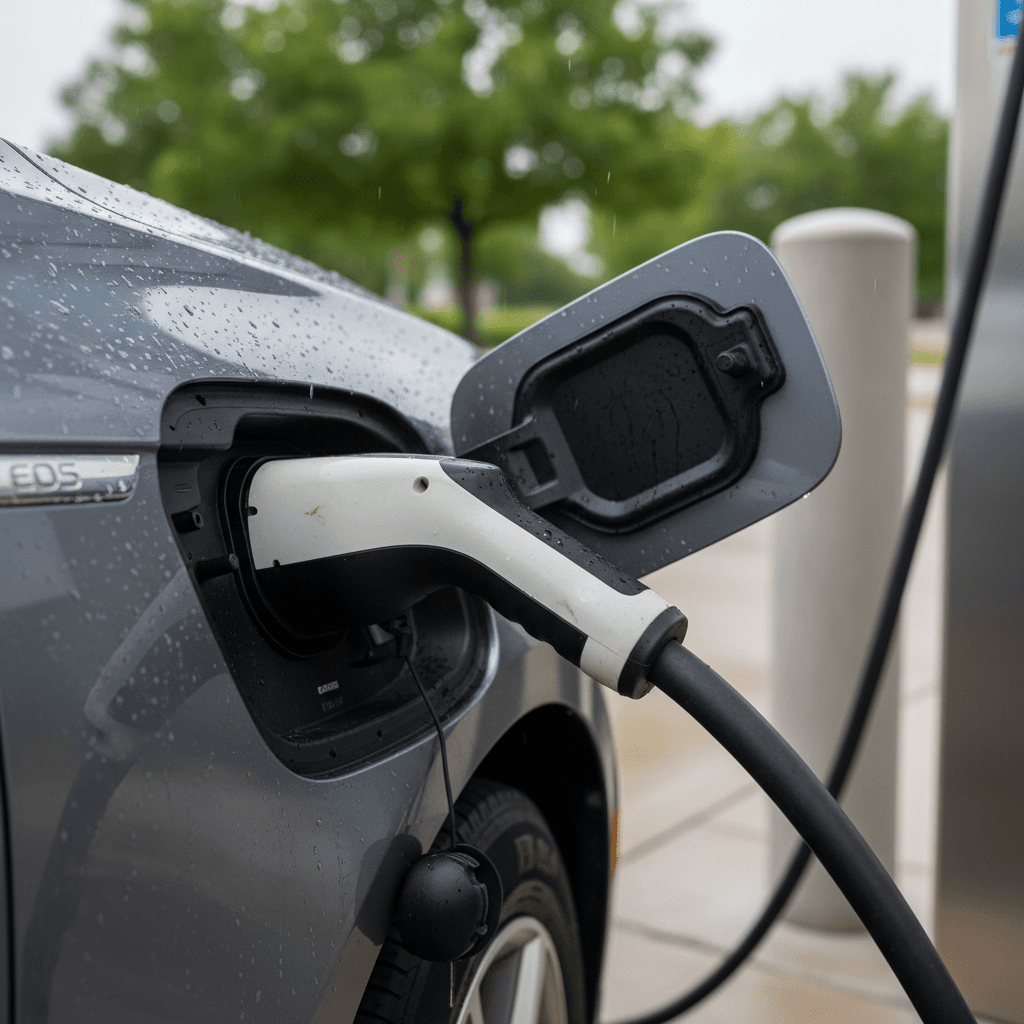
On DC fast chargers, you’ll see the Lyriq ramp quickly in the lower part of the battery, then taper earlier than some rivals. Owner data and independent tests show that a 10–80% session can take longer than on a Hyundai Ioniq 5 or Tesla Model Y, but still fits into a meal stop or rest break on a road trip.
The key is to arrive with a low state of charge, precondition the battery when possible, and favor stations with 150 kW or 350 kW hardware for the best results.
Pro move for used shoppers
Common issues, owner feedback and reliability signals
The Lyriq is still a relatively new nameplate, so long‑term reliability data is limited. Early owner reports and road tests, however, highlight some themes that used shoppers should pay attention to.
Early patterns to watch on used Lyriqs
Not dealbreakers, but worth adding to your inspection list
Software & infotainment
Like many modern EVs, the Lyriq relies heavily on software. Some owners have reported glitches, slow boots or intermittent camera/sensor warnings that tend to improve with over‑the‑air updates. Confirm all updates are current and check that core features (navigation, cameras, ADAS) behave normally on a thorough test drive.
Charging quirks
A minority of owners have seen inconsistent DC fast‑charge speeds on certain networks. Often the culprit is the station, but you still want to verify that the car negotiates normal power levels on at least one reputable DC fast‑charger brand near you.
Safety and structure
The Lyriq has tested well with major safety organizations and benefits from a stiff EV‑specific structure. On a used example, focus less on crashworthiness and more on evidence of prior damage: uneven panel gaps, paint mismatch, or non‑OEM glass can all point to accident history.
Don’t skip a scan
Pricing, depreciation and what a fair used Lyriq deal looks like
Exact pricing moves with interest rates, incentives and local inventory, but by 2026 the pattern is familiar: new Lyriqs remain premium‑priced, while early 2023–2024 builds absorb the steepest depreciation. That’s where used shoppers can find value, provided they understand how mileage, options and battery health affect the numbers.
How features and history affect used Lyriq pricing
Use these levers to interpret why two similar-looking Lyriqs may be priced thousands of dollars apart.
| Factor | Tends to push price... | What to look for |
|---|---|---|
| Model year & mileage | Down when older / higher | A 2023 Lyriq with 40,000 miles should be meaningfully cheaper than a 2025 with 10,000 miles, unless options and condition are dramatically different. |
| Battery health | Up when strong | Objective battery reports and minimal DC fast‑charging history support higher prices. Unexplained range loss should be reflected in a discount. |
| Trim & options | Up with desirable features | Super Cruise, upgraded audio, panoramic roof and larger wheels all move the needle, but also weigh their impact on range and tire costs. |
| Accident history | Down with serious damage | Minor cosmetic repairs are common; frame damage or airbag deployment should either lower the price significantly or send you to another vehicle. |
| Warranty coverage | Up when more remains | A Lyriq with substantial battery and bumper‑to‑bumper coverage left is easier to live with than one that’s nearly out of warranty. |
These aren’t dollar amounts, but common pricing drivers you can use to negotiate more effectively.
How Recharged approaches “fair” pricing
Inspection checklist for a used Cadillac Lyriq
Used Cadillac Lyriq inspection checklist
1. Verify software and update status
From the main infotainment screen, check the software version and confirm recent updates have been applied. Test navigation, cameras, Bluetooth, and key driver‑assist features like adaptive cruise and lane‑keeping.
2. Evaluate battery health and range
Start with a full charge estimate in the vehicle and compare it to the original EPA rating for that trim. A professional <strong>battery health diagnostic</strong>, like the one inside a Recharged Score Report, will provide a much clearer picture than guesswork.
3. Inspect charging hardware
Examine the charge port for bent pins, damage, corrosion or loose charge‑door hinges. If possible, plug into both a Level 2 station and a DC fast‑charger during your test to confirm normal behavior.
4. Check tires, wheels and brakes
Large wheels look great but can be more prone to curb rash and faster tire wear. Inspect for uneven tread, sidewall bubbles and rotor scoring. Regenerative braking usually reduces pad wear, but don’t assume, verify.
5. Look for bodywork and water intrusion
Walk the car in good light to spot paint mismatch, ripple lines or overspray. Check door seals, the hatch area and underfloor storage for moisture, lingering odors or mold, especially in humid regions.
6. Confirm included equipment and cables
Make sure the mobile charging cord, any adapters, and cargo items the original owner received are still with the car. Replacing missing EV charging gear can add hundreds of dollars after purchase.
Don’t assume a luxury badge means a perfect history
Certified pre-owned vs marketplace vs private sale
Franchise dealer CPO
- Factory‑backed inspections and warranty extensions.
- Limited to the local dealer’s inventory.
- Pricing can be higher; negotiation room varies.
Good if you prioritize brand warranty backing and don’t mind paying a bit more.
Used EV marketplaces
- Broader selection across regions, often with EV‑specific diagnostics.
- Transparent, no‑hassle pricing models are increasingly common.
- Digital-first process with delivery to your door.
Recharged falls in this camp, with nationwide reach and a focus on battery health and fair pricing.
Private party sale
- Potentially the lowest price if you’re willing to do the legwork.
- No baked‑in inspection, financing, or delivery support.
- More risk if the seller isn’t transparent about history or issues.
Only recommended if you’re experienced with EVs and can arrange your own diagnostics and paperwork.
Where Recharged fits
How Recharged evaluates and prices used Lyriqs
Used EVs rise or fall on battery health, charging performance and total cost of ownership. That’s where generic multi‑brand inspection checklists fall short. Recharged was built specifically around electric vehicles, so a used Lyriq gets evaluated through an EV‑first lens.
Inside a Recharged Score for a Cadillac Lyriq
What our team looks at before any Lyriq appears on the site
Battery & charging diagnostics
Recharged uses dedicated tools to assess usable battery capacity, charging behavior, and any signs of abnormal degradation. That data powers the Recharged Score so you’re not guessing about the pack that drives your purchase.
Transparent, market-based pricing
We benchmark each Lyriq against comparable vehicles nationwide, adjusting for model year, mileage, options, region and, critically, battery health. That lets you see whether a specific vehicle is priced below, at, or above fair market value before you even schedule a test drive.
Ready to find your next EV?
Browse VehiclesFinancing and trade-in
Recharged offers EV‑friendly financing and can evaluate your gas car or current EV as a trade‑in, instant offer, or consignment candidate. That’s especially useful if you’re moving up from a smaller EV to a Lyriq and want to keep the process under one roof.
Delivery and experience center
Most shoppers complete the entire process online, with nationwide delivery to your driveway. If you prefer to see vehicles in person, Recharged operates an Experience Center in Richmond, VA where EV specialists can walk you through Lyriq features, charging setups, and ownership questions.
Is a used Cadillac Lyriq right for you?
Quick fit check: should you buy a used Lyriq?
You value comfort and quiet over track times
The Lyriq is tuned for luxury more than outright performance (even in hotter trims). If you want a serene, tech‑forward cruiser more than a canyon carver, it’s in the sweet spot.
You can charge at home or work most days
The Lyriq’s DC fast‑charging is fine but not best‑in‑class. The ownership experience is far better if you regularly plug in overnight on Level 2 or at a dependable workplace charger.
You want flagship tech without new-car pricing
Large curved screens, advanced driver‑assist features and a modern EV platform are table stakes in the Lyriq. Buying used lets you access that tech without absorbing the steepest year‑one depreciation.
You’re comfortable with a newer nameplate
If you need a decade of reliability data before you buy, you may prefer a more established EV. If you’re comfortable balancing early‑generation risks with strong warranty coverage, the Lyriq is compelling.
If those boxes line up, a used Cadillac Lyriq in 2026 can be a smart move: you’re capturing early depreciation on a high‑content luxury EV while the Ultium platform is still relatively young. Just make sure you anchor your search around verified battery health, honest pricing and a seller who understands EVs, not just leather and chrome. Platforms like Recharged exist to do exactly that homework for you, so your decision comes down to the right vehicle, not whether you missed something in the fine print.