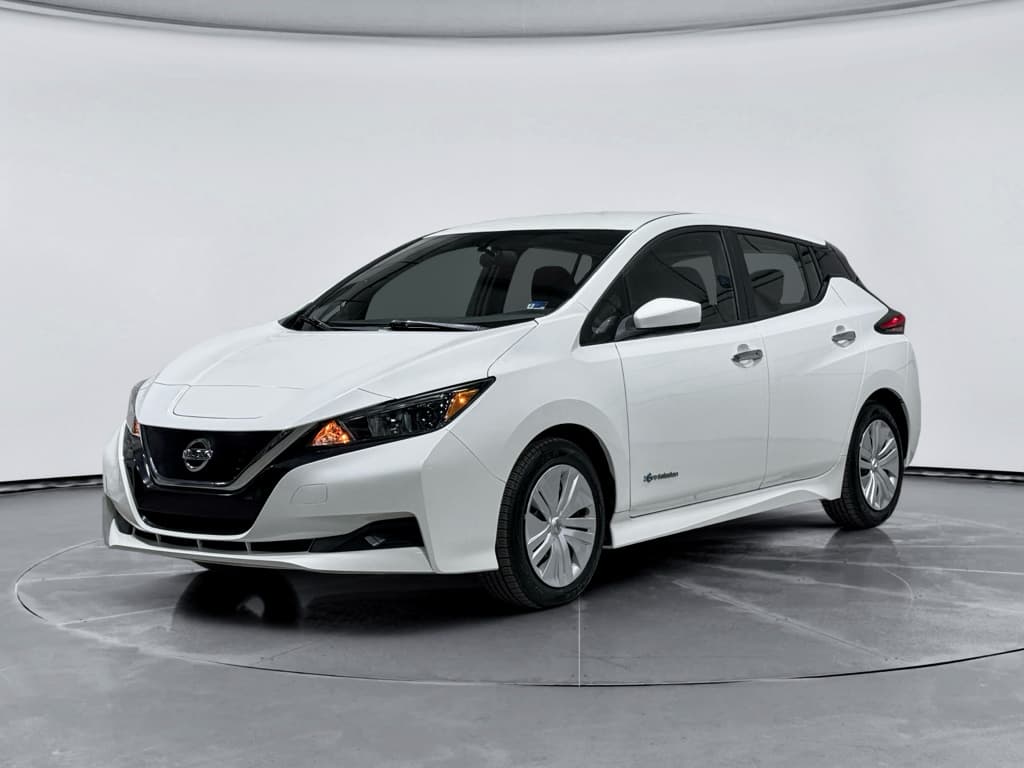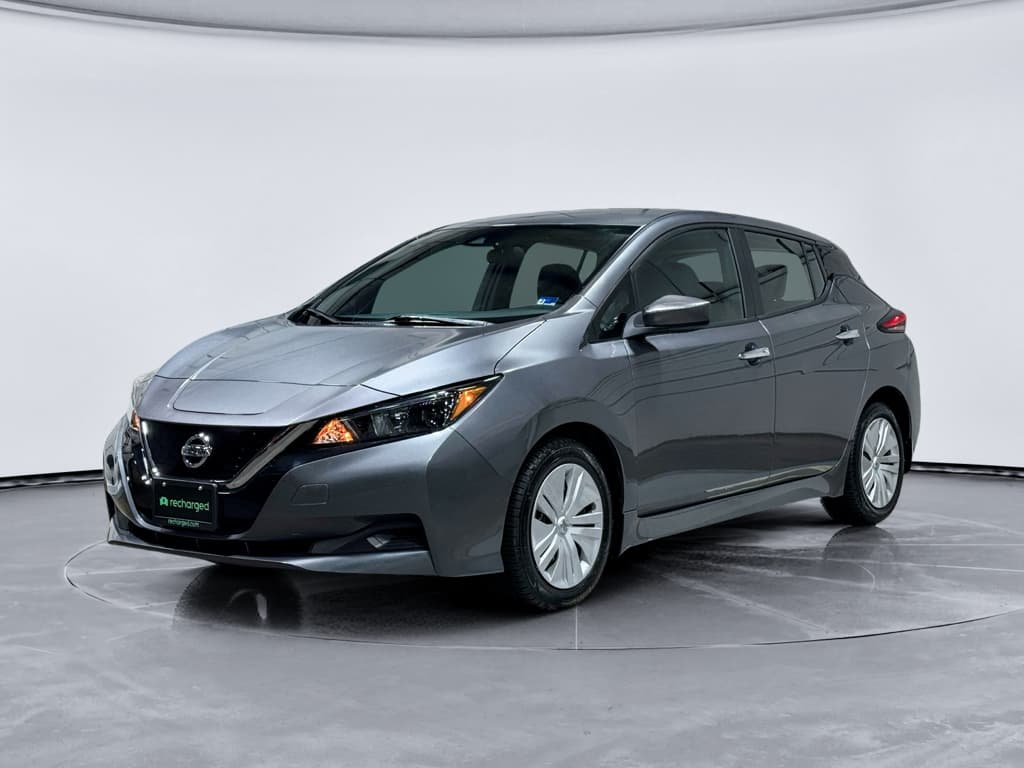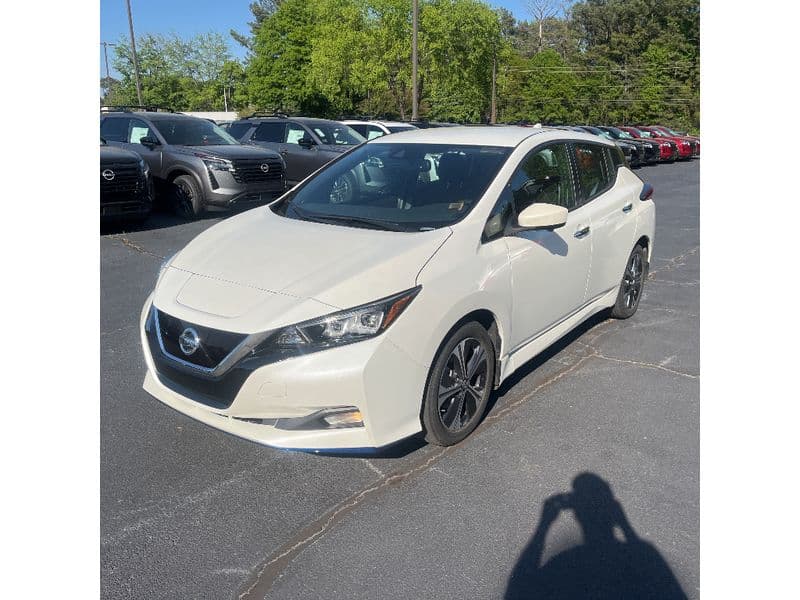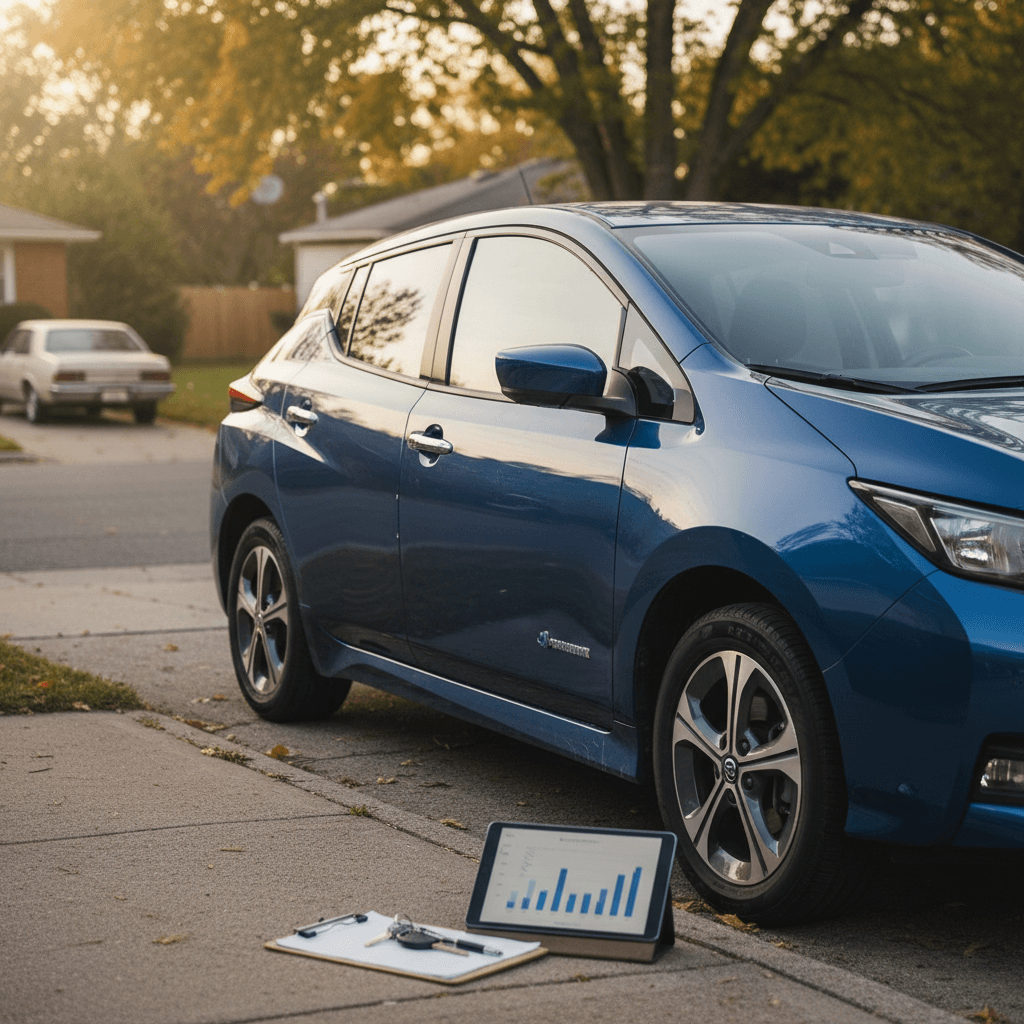
The 2024 Nissan Leaf is a paradox on the used market. On paper it’s the cheapest way into a modern EV hatchback, with a long warranty tail and reasonable range. In practice, its aging battery tech and orphaned CHAdeMO fast‑charging port make it feel a bit like buying yesterday’s smartphone with a non‑standard charger. If you’re considering a used 2024 Nissan Leaf, you need to go in clear‑eyed about what it does brilliantly, and where it’s already behind the curve.
Context: where the 2024 Leaf sits in EV history
2024 Nissan Leaf as a used buy: the short version
At a glance: pros and cons of a used 2024 Leaf
What you’re really getting for your money
What it does well
- Low purchase price: Often thousands less than comparable used Bolts, ID.4s or Model 3s.
- Smooth, quiet city driving: Instant torque, compact size, great for urban errands.
- Simple, proven package: No complex dual‑motor setups or air suspensions to worry about.
- Long battery warranty tail: 8 years / 100,000 miles capacity warranty from original in‑service date.
Where it falls short
- CHAdeMO fast charging only: The standard is fading fast in the U.S., limiting road‑trip flexibility.
- Average, not stellar range: 149 miles (S) or ~212 miles (SV Plus) when new, and that’s before degradation.
- Battery degradation matters: Air‑cooled pack history means you must check health carefully.
- Interior feels dated: Compared with 2024–2025 EVs, the cabin and infotainment are conservative.
Verdict in one line
Key specs: 2024 Nissan Leaf trims, range and charging
For 2024, Nissan kept the Leaf lineup simple: just two trims, both front‑wheel drive hatchbacks powered by a single front motor. Where they differ is in battery size, power and range.
2024 Nissan Leaf trims and key specs
The basics you need to know when comparing used examples.
| Trim | Battery | Motor output | EPA range (new) | On‑board AC charging | DC fast charging |
|---|---|---|---|---|---|
| S | 40 kWh | 147 hp / 236 lb‑ft | 149 miles | Up to 6.6 kW (Level 2) | Up to ~50 kW (CHAdeMO) |
| SV Plus | 60–62 kWh | 214 hp / 250 lb‑ft | ~212–214 miles | Up to 6.6 kW (Level 2) | Up to ~70 kW (CHAdeMO, real‑world often lower) |
EPA range figures are when new; expect some variation with battery health and climate.
Trim choice tip
Real‑world range: what you actually get
EPA range ratings are one thing; what matters on a cold Tuesday night with the heater on and a soccer pickup to make is something else. In the real world, the 2024 Leaf S tends to deliver around 120–130 miles on mixed driving when new, while the SV Plus can land in the 180–190 mile ballpark for many owners. Temperature, speed, and how aggressively you use climate control will move those numbers up or down.
- City driving: The Leaf is most efficient under 50 mph. Expect to beat highway range if your life is mostly urban errands.
- Highway at 70–75 mph: Range can drop 20–30% compared with EPA ratings, especially in cold weather.
- Winter in cold climates: You can see another 20–30% hit when it’s below freezing, even with the more efficient heat pump on SV Plus.
- Battery health: A Leaf that has lost one or two capacity bars will drive exactly like a Leaf, just with a shorter leash.
Range reality check for commuters
Battery health, degradation and warranty for used buyers
The Leaf’s battery story is legendary in EV circles, sometimes in a good way, sometimes not. Early first‑generation cars earned a reputation for rapid degradation in hot climates. By 2024 the chemistry and management are better, but the pack is still air‑cooled, not liquid‑cooled like many rivals, so heat and repeated fast charging can still take a toll over time.
Battery basics for a used 2024 Leaf
Capacity bars vs. state of charge
How the warranty works on a used car
The battery warranty clock on a 2024 Leaf started the day the first owner took delivery. It runs for 8 years or 100,000 miles, whichever comes first. If, during that window, the capacity gauge drops to 8 bars or fewer, Nissan is supposed to restore the pack to at least 9 bars.
As a used buyer in 2026, that means you could still have 6+ years of coverage on a lightly driven 2024 car. That’s a big part of the Leaf’s value story, if you verify you’re still within the time and mileage limits.
Why degradation can still bite you
Warranty coverage doesn’t make physics disappear. A pack can lose 10–20% of its original capacity and still show 9–11 bars, especially in the first few years. Heat, frequent DC fast charging, and parking at 100% for long periods all accelerate wear.
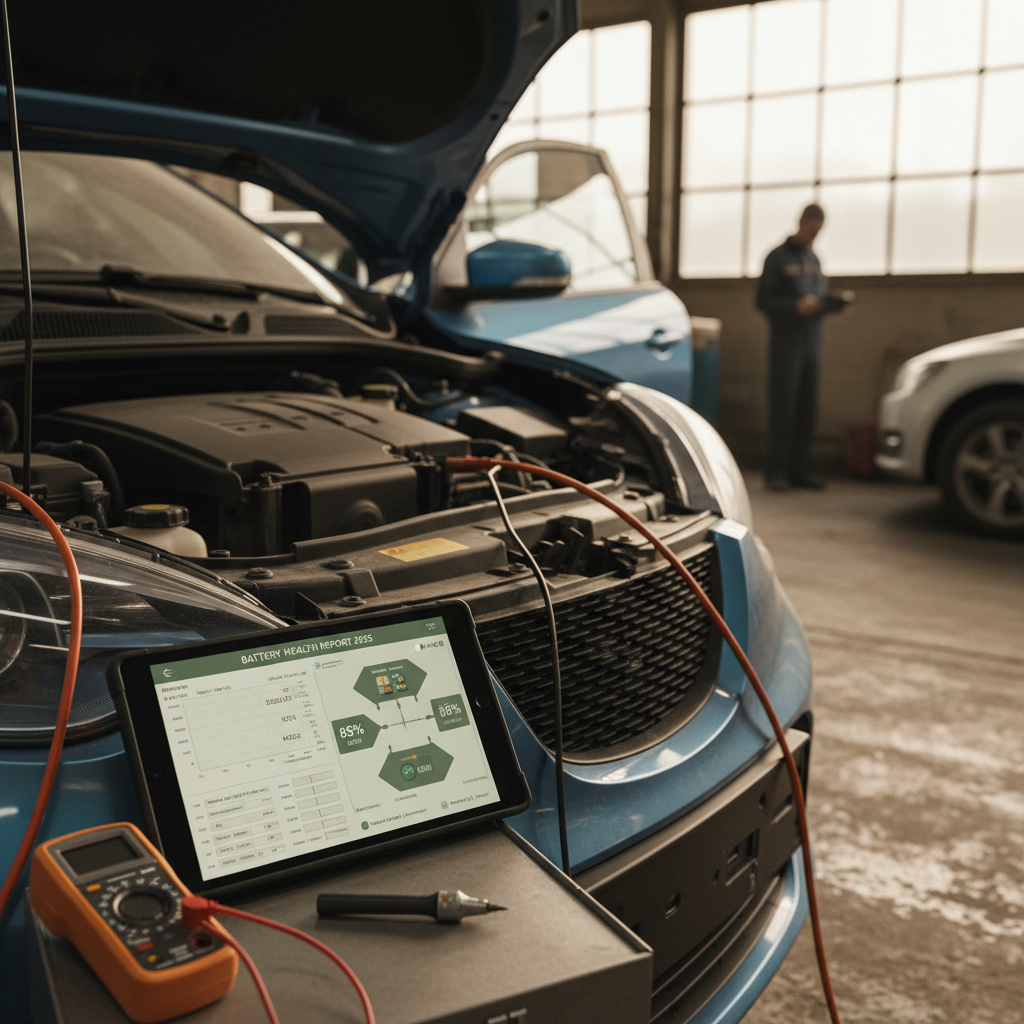
This is why tools like Recharged’s Score battery health diagnostics or an independent LeafSpy report are so valuable. You’re not just buying a Leaf, you’re buying a specific battery, with a specific past.
The nightmare scenario to avoid
Charging a used 2024 Leaf: the CHAdeMO problem
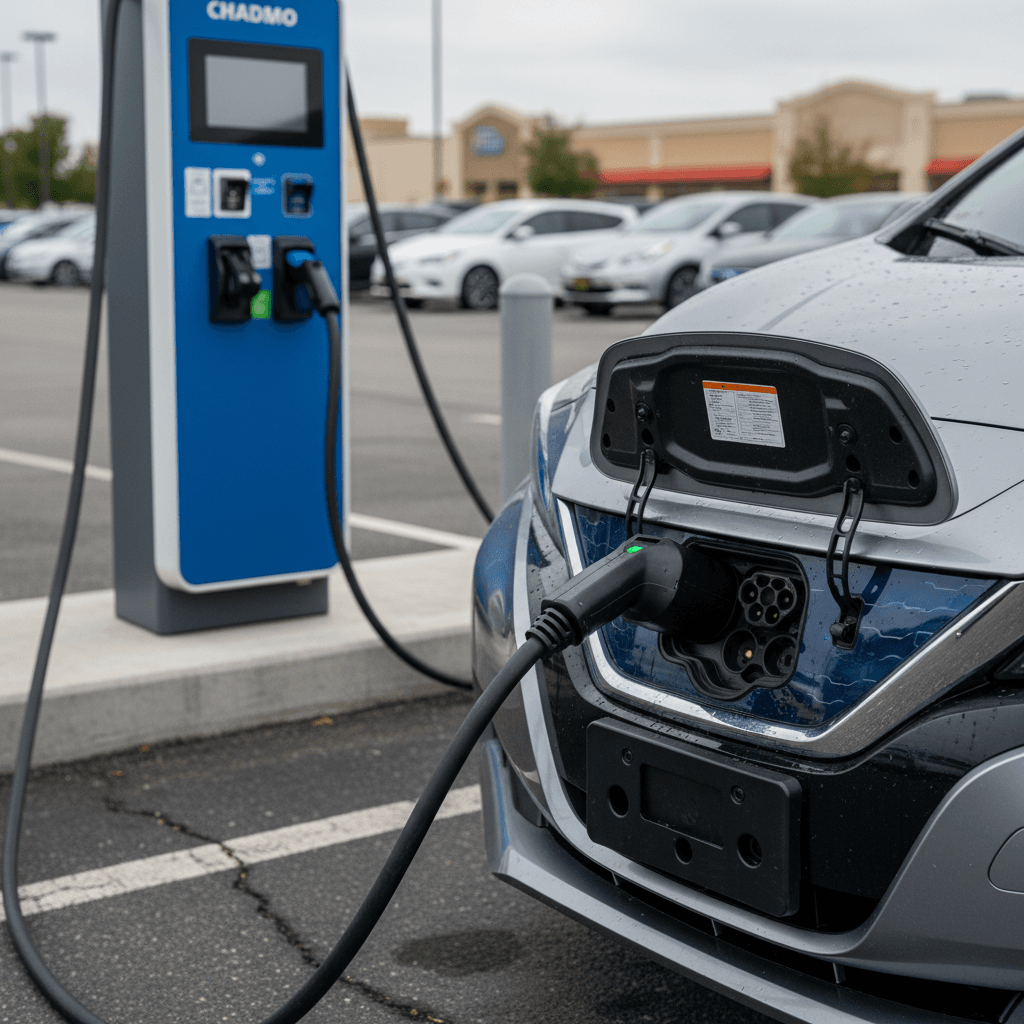
Here’s where the 2024 Leaf shows its age. While the broader EV world in North America has converged on CCS and, increasingly, Tesla’s NACS standard, the Leaf is still out there flying the flag for CHAdeMO, a DC fast‑charging standard that is slowly being retired by most networks.
Leaf charging: what’s easy and what’s not
Think in three layers: home, Level 2 public, and DC fast charging.
Home Level 1
Every Leaf comes with the ability to charge from a standard 120V outlet. It’s painfully slow, think roughly 3–5 miles of range per hour, but fine for very light use or as a backup.
Home & public Level 2
On a 240V Level 2 charger, both trims can go from empty to full in around 7–8 hours. For most owners, this is the default: plug in at home overnight and wake up with a full pack.
A used Leaf paired with a simple Level 2 home charger is an excellent city car solution.
DC fast (CHAdeMO only)
This is the catch. The Leaf’s CHAdeMO port works fine technically, but the number of CHAdeMO plugs in the U.S. is shrinking as networks favor CCS and NACS. Road‑trip planning becomes a game of finding the last payphone in town.
Planning road trips in a CHAdeMO world
For many U.S. buyers in 2026, the most honest way to think about a used Leaf is as a home‑based, Level 2–charged city car. If there happens to be a CHAdeMO station nearby for the occasional 10–80% blast, that’s gravy, not the main dish.
Daily driving: comfort, tech and safety
Strip away the charging politics and the Leaf is, at heart, a pleasant, slightly dorky compact hatchback. It doesn’t try to be an iPad on wheels; it mostly tries to be a good car that happens to be electric.
Ride, noise and practicality
- Ride quality: Softly sprung and forgiving over beat‑up city streets. It leans a bit in corners but feels secure.
- Cabin noise: Quieter than a comparable gas hatchback, though you’ll hear some tire roar on coarse pavement.
- Space: Adults fit comfortably in front; the rear is fine for two adults or three kids. The hatchback layout makes it easy to live with, groceries, strollers, IKEA runs.
Tech and driver assistance
- Infotainment: A 8‑ish‑inch touchscreen with Apple CarPlay and Android Auto. Not cutting‑edge, but functional.
- Driver assists: Most used 2024 Leafs you’ll see have automatic emergency braking, lane‑departure warning, and blind‑spot monitoring. SV Plus models add ProPILOT Assist, Nissan’s lane‑centering adaptive cruise, it’s genuinely helpful on highway slogs.
- Efficiency toys: Eco modes, e‑Pedal regenerative braking, and energy flow screens make it easy to drive efficiently if you’re into that kind of gamification.
Safety note
Ownership costs, depreciation and used pricing
Here’s where the used 2024 Leaf starts to look very attractive. Big depreciation, modest running costs, and low maintenance can turn it into a quietly brilliant financial decision, if the battery checks out.
Cost picture for a used 2024 Leaf
In many U.S. markets, nearly‑new 2024 Leafs are already undercutting rival used EVs by several thousand dollars, especially the base S trim. Lease returns and aggressive new‑car incentives upstream tend to push used prices down quickly.
Where Recharged fits in
How to shop for a used 2024 Leaf like a pro
Buying a used Leaf isn’t hard, but it does require a different checklist than buying a Civic. You’re not listening for valvetrain noise; you’re interrogating a battery and a charging port.
Used 2024 Leaf inspection checklist
1. Confirm model year and trim
Double‑check the VIN and window sticker (or online build sheet) to verify you’re looking at a true <strong>2024</strong> model and whether it’s an S or SV Plus. Don’t assume from wheels or badges alone.
2. Check battery capacity bars
With the car fully charged and the ignition on, count the thin battery <strong>capacity</strong> bars on the dash. 12 is perfect; 11 is fine; 10 is workable; anything at 9 or below on a 2024 should raise questions about usage history and climate.
3. Ask for a battery health report
Ideally you’ll see a <strong>formal battery diagnostic</strong>, either via Nissan’s dealer tool, a third‑party scan like LeafSpy, or a Recharged Score Report if you’re shopping through Recharged. A simple yes/no ‘battery is fine’ statement isn’t enough.
4. Verify remaining battery warranty
Request documentation of in‑service date and current mileage. Confirm you have clear coverage years left on the 8‑year/100,000‑mile battery warranty and that there are no related open recalls or unresolved claims.
5. Study the charging pattern
Ask how the previous owner charged. Mostly Level 2 at home with occasional fast charging is ideal. A history of constant DC fast charging, especially in high heat, is a red flag. Visible logs from connected apps are a bonus.
6. Scout your local CHAdeMO network
Before you sign anything, open your favorite charging apps and map CHAdeMO stations around your home and usual routes. If your region is a CHAdeMO desert, think twice unless this will truly be a home‑only car.
7. Inspect tires, brakes and underbody
Like any used car, check for uneven tire wear, warped rotors, and signs of curb rash or underbody impacts. EVs are heavy; cheap tires and neglected suspension can get expensive quickly.
8. Test all driver‑assist features
On your test drive, make sure adaptive cruise, lane‑keep assist, and parking cameras behave as advertised. Glitches here can signal previous accident damage or poor repairs.
Buying sight‑unseen?
Who the used 2024 Leaf is (and isn’t) for
Great fit for
- Urban and suburban drivers with daily round‑trips under ~70–80 miles and reliable home charging.
- Two‑car households that want a cheap‑to‑run commuter or errands car alongside a road‑trip‑capable vehicle.
- First‑time EV buyers who value simplicity, low running costs, and aren’t obsessed with cutting‑edge tech.
- Budget‑conscious shoppers who would otherwise buy a used Corolla or Civic and are intrigued by electric running costs.
Probably not ideal for
- Drivers who regularly need 200+ highway miles in a single stint without charging.
- People who live in regions where CHAdeMO stations are already disappearing and public charging is essential.
- Shoppers who want cutting‑edge software and long‑range road‑trip capability in a single do‑it‑all car.
- Enthusiasts chasing performance or all‑wheel drive; the Leaf is tuned for comfort, not thrills.
FAQ: Used 2024 Nissan Leaf
Common questions about buying a used 2024 Leaf
Bottom line: is a used 2024 Leaf a good idea?
The 2024 Nissan Leaf is not the future of the EV world. It’s the familiar, slightly square electric hatchback quietly doing good work in the present. As a used buy, that can be a feature, not a bug, depreciation has done you a favor, and the car’s mission is clear: simple, affordable, electric transportation for people whose lives fit neatly inside its range envelope.
If you need a single do‑it‑all EV for road trips, mountain drives and 200‑mile winter commutes, the used Leaf is the wrong tool. If you want a low‑drama, low‑cost EV for daily use, have access to home Level 2 charging, and are willing to be meticulous about battery health and CHAdeMO availability, a used 2024 Leaf, especially an SV Plus, can be one of the smartest bargains on the market.
And if you’d like help decoding battery reports, comparing the Leaf to other used EVs, or figuring out whether your lifestyle matches this car’s limits, Recharged’s EV specialists, financing tools and Recharged Score reports exist for exactly that reason.