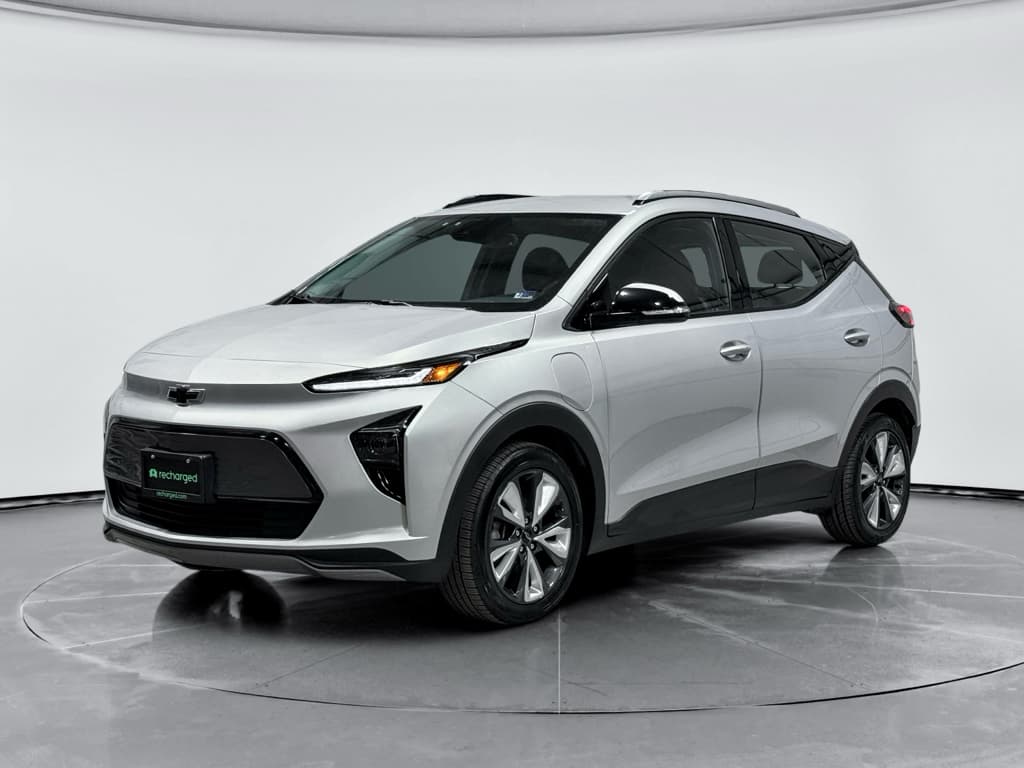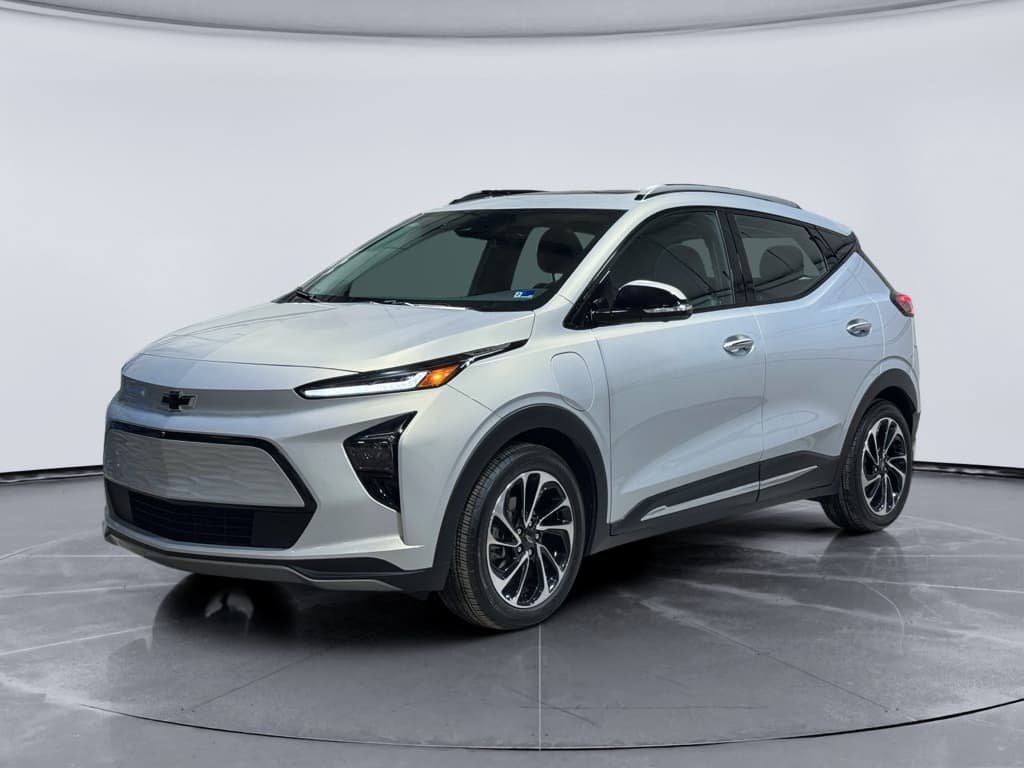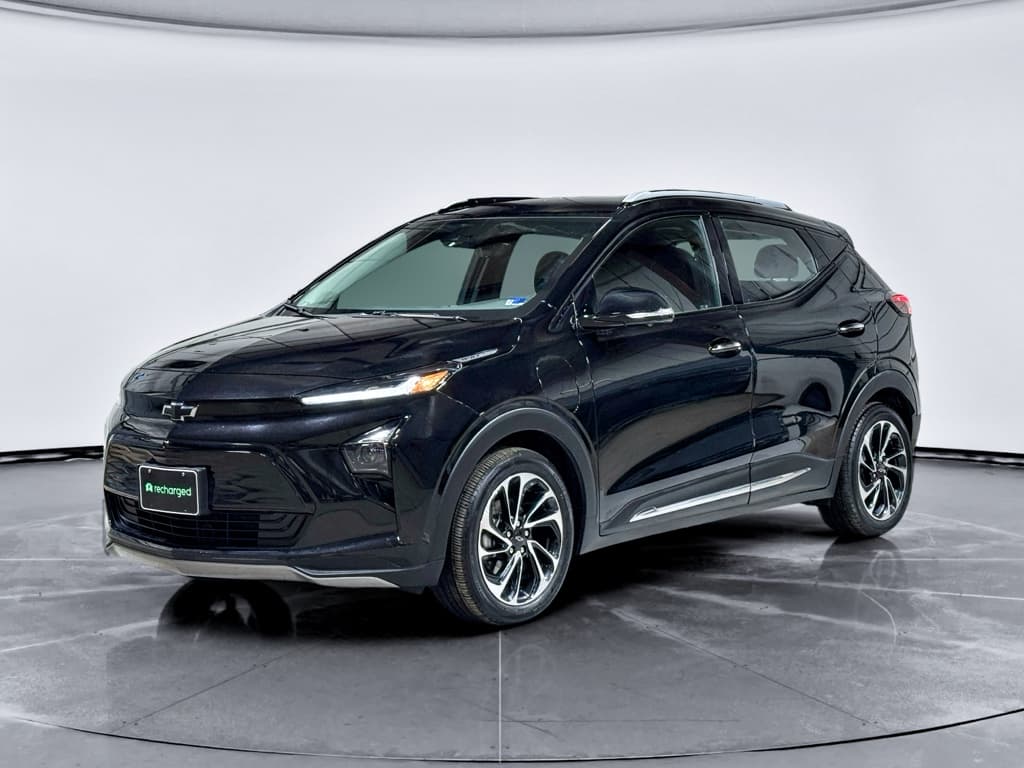
If you’re planning a road trip in a Chevrolet Bolt EUV, a roof rack can feel like free extra space. But the roof rack weight limit on the Bolt EUV is not just a suggestion, it’s a hard engineering boundary tied to safety, handling, and even battery range. Let’s walk through what that limit actually is, how to interpret the fine print, and how to load your Bolt EUV roof safely in the real world.
Two different limits to know
Chevrolet Bolt EUV roof rack weight limit overview
Chevrolet publishes a maximum allowable weight for the roof of the Bolt EUV, usually called the roof load in the owner’s manual. This limit is for the total weight on top of the vehicle: crossbars + carriers + cargo. It’s designed around the strength of the roof structure, rollover safety, and how added weight impacts handling.
- The Bolt EUV uses factory roof rails that can accept clamp-on crossbars.
- The vehicle has a fixed maximum roof load specified in the owner’s manual.
- That rating is for dynamic load – when the car is in motion, not parked.
- Static load (when parked) can be higher, but you should still respect the weakest-rated component.
Always confirm in your own manual
Most compact EV crossovers in this class end up in the 100–165 lb (45–75 kg) dynamic roof load range. The Bolt EUV is no exception: it’s engineered as a light, efficient vehicle, not a body-on-frame SUV. Even if your aftermarket rack advertises huge numbers, you should treat Chevrolet’s roof load figure as the absolute ceiling.
Factory vs. aftermarket roof rack limits on the Bolt EUV
Here’s where things get confusing: your Bolt EUV has one limit, the rack system has another, and specific accessories (cargo box, bike trays) may have their own. The safe capacity of your setup is the lowest of all of these at once.
Three separate limits you must respect
Your real capacity is only as strong as the weakest link
1. Vehicle roof load
Set by Chevrolet in the owner’s manual. This is the maximum allowable total weight on the roof while driving. It includes crossbars, attached carriers, and your cargo.
2. Crossbar rating
Set by the rack maker (GM-branded, Thule, Yakima, etc.). Often in the 100–165 lb range. This is also a dynamic rating for driving loads.
3. Accessory rating
Every cargo box, basket, and bike/ski rack has its own max load. A rooftop box might be rated for 110 lb even if your bars and roof could handle more.
Quick rule of thumb
Typical EV roof rack numbers (for context)
How to calculate a safe roof load on your Bolt EUV
You don’t need to be an engineer to stay within the Bolt EUV’s roof rack weight limit. You just need to add up a few numbers and err on the conservative side. Here’s a straightforward way to do it.
Step-by-step: calculating your Bolt EUV roof load
1. Find the vehicle roof load in the manual
Look under sections titled <strong>Roof Rack</strong> or <strong>Vehicle Load Limits</strong>. Write down the maximum roof load figure (often listed in pounds and kilograms). This is your hard upper bound.
2. Check your crossbar system rating
If you’re using GM-branded crossbars or an aftermarket system, find their <strong>dynamic load</strong> rating in the documentation. If it’s lower than the vehicle’s roof load, it becomes your new effective limit.
3. Add the weight of the rack and carriers
Weigh or look up the weight of the crossbars, feet, and any carriers (cargo box, bike trays, ski racks). Subtract this combined weight from your effective limit, that remainder is what you have left for cargo itself.
4. Estimate or weigh your cargo
Luggage usually lists weight; bikes, skis, and gear can be weighed with a basic bathroom scale. Keep track of total cargo weight going on the roof, not just per item.
5. Leave a 10–20% safety margin
Even if math says you can carry 140 lb, stop around 110–125 lb. Road shocks, emergency maneuvers, and side winds momentarily increase forces on the rack beyond simple static weight.
6. Re-check after loading
Once everything is mounted, push, pull, and wiggle the setup. Nothing should shift easily. Do a short, slow test drive on familiar roads and listen for movement or unusual wind noise.
Don’t forget about tongue weight
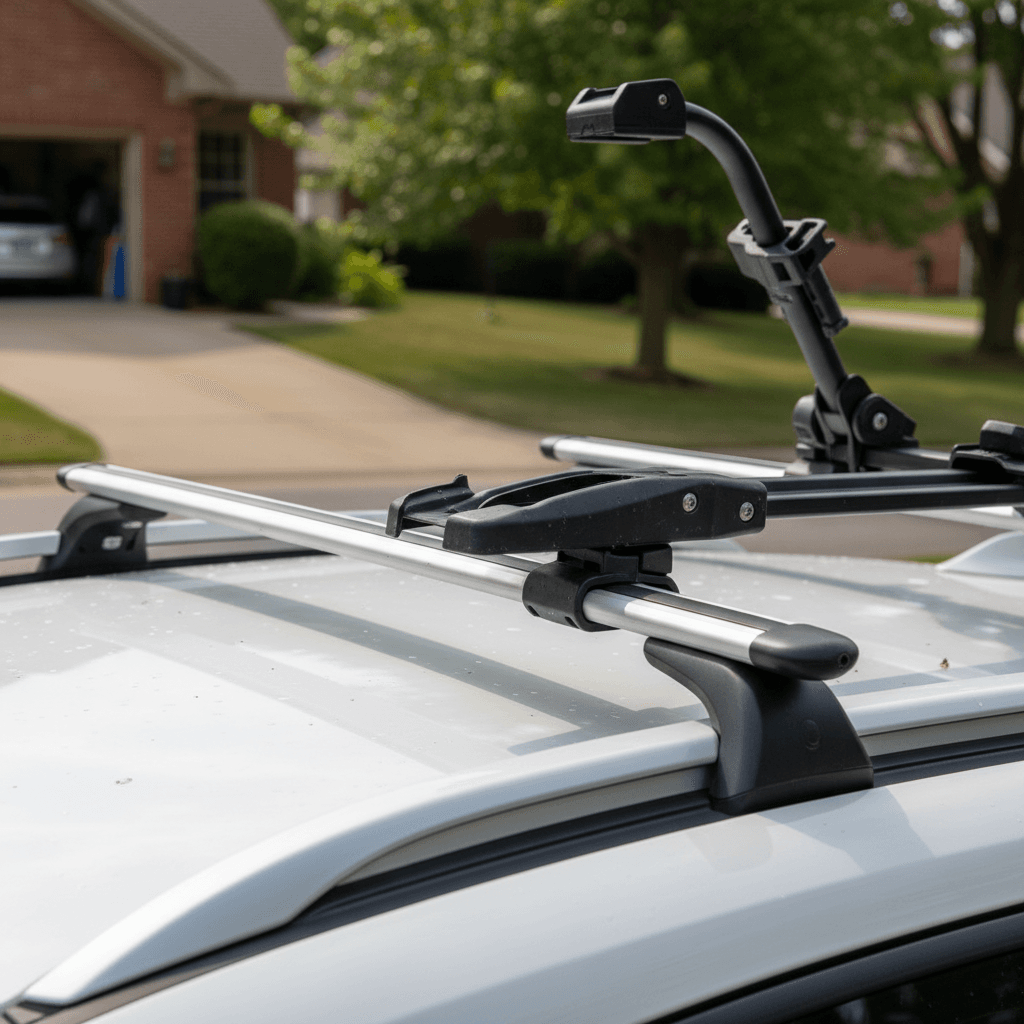
Common Bolt EUV roof rack setups: bikes, boxes, and skis
To make all of this more concrete, here’s how typical real-world Bolt EUV roof rack setups tend to stack up. Numbers will vary by brand and gear, but these examples show why it’s so easy to edge up against the limit.
Example Bolt EUV roof rack setups
Approximate weights to help you sanity-check your own configuration.
| Setup | Rack + carriers | Cargo | Total roof load | Notes |
|---|---|---|---|---|
| Two mountain bikes | 20–25 lb crossbars + feet | 50–70 lb for 2 bikes | 70–95 lb | Usually safe with good margin on most EV-rated racks. |
| Medium cargo box + luggage | 25–30 lb crossbars + feet | 60–90 lb luggage | 85–120 lb | Easy to exceed limit if you pack the box like a trunk. |
| Four pairs of skis + box | 25–30 lb crossbars + feet | 40–60 lb skis/boards | 65–90 lb | Light but bulky; wind drag is bigger concern than weight. |
| Kayak + accessories | 25–30 lb crossbars + feet | 45–70 lb kayak + paddles | 70–100 lb | Watch length and tie-downs; lift-off forces can be high in wind. |
These are ballpark figures only, always confirm with your actual product documentation.
Where the Bolt EUV shines
How roof cargo affects Bolt EUV range and efficiency
Unlike a gas crossover, the Bolt EUV makes its energy efficiency very visible. Add a big box or bikes to the roof and you’ll watch consumption climb. The weight matters a little; the aerodynamics matter a lot.
Weight: small impact at highway speeds
Adding 75–125 lb to the roof slightly increases rolling resistance and inertia, but at highway speeds those effects are modest. On an EV like the Bolt EUV, you’ll notice the extra weight most during stop‑and‑go city driving or on long climbs.
For most drivers, an extra 100 lb might trim only a few percent from range by weight alone.
Drag: the silent range killer
Even an empty roof rack adds wind resistance. A tall cargo box or upright bikes can meaningfully increase your Wh/mi usage. It’s common to see 10–20% higher consumption at 65–75 mph with a big box or bikes on the roof.
If you’re planning a long EV road trip, factor this into your charging stops and keep speeds reasonable.
Aerodynamic loading tips
Safety rules you should never break with a Bolt EUV roof rack
Every EV is carrying a heavy battery pack low in the chassis. When you add weight high on the roof of a relatively narrow vehicle like the Bolt EUV, you’re changing its center of gravity and how it reacts in emergencies. Staying within the roof rack weight limit is part of that, but so is how you mount and secure the load.
- Never exceed the lowest-rated number among vehicle, crossbars, and accessories.
- Distribute weight evenly left‑to‑right and as close to the center of the roof as possible.
- Use all recommended attachment points for crossbars, no “one‑bar” shortcuts.
- Use bow and stern lines on kayaks or long loads to prevent lift in crosswinds.
- Stop and recheck straps and hardware after the first 10–20 miles of each trip.
- Slow down in strong crosswinds or on high bridges; side loads are highest there.
Roof failure is binary
Roof rack buying tips for used Bolt EUV owners
If you’re shopping for a used Chevrolet Bolt EUV, a roof rack can turn it into a surprisingly capable adventure and family car. But because the model is relatively new and niche, you’ll see a mix of GM-branded and aftermarket options, and some universal kits that aren’t a great match.
Choosing a roof rack for your Bolt EUV
What to look for when you’re adding storage to a used EV
Look for Bolt EUV-specific fit kits
Whenever possible, choose a rack system that explicitly lists Chevrolet Bolt EUV compatibility. That ensures proper clamp geometry, pad shape, and spacing on the factory rails, which is crucial for safety.
Prioritize conservative ratings and testing
Reputable brands publish clear dynamic load ratings and fit their systems to specific models. Avoid no‑name universal racks that only list big, round numbers and don’t mention the Bolt EUV by name.
Mind bar length and overhang
Longer crossbars let you carry more gear but can stick out past the mirrors if you go too wide. That’s a safety and noise issue, especially in tight city parking. Aim for a width that roughly matches the Bolt EUV’s body, not the widest possible bars.
Consider noise and removal
Even good racks add wind noise and cut range slightly. If you’re buying a used Bolt EUV from a private seller or marketplace like Recharged, check how easily the rack system can be removed or swapped. Light, tool‑less systems are more likely to actually come off when you don’t need them.
How Recharged can help
Frequently asked questions about Bolt EUV roof racks
Bolt EUV roof rack FAQs
Key takeaways for loading your Bolt EUV roof rack
The Bolt EUV is an efficient, compact EV that can punch well above its weight in road‑trip practicality, as long as you respect its roof rack weight limit and think carefully about what you’re putting up there. Always start with the roof load figure in your owner’s manual, compare it to the ratings of your crossbars and carriers, and then build in a reasonable safety margin instead of chasing the biggest number.
Pack light, keep bulky gear as aerodynamic as you can, and remember that every pound and every square inch of frontal area shows up in your range. And if you’re considering a used Chevrolet Bolt EUV, working with an EV‑focused retailer like Recharged means you’ll get transparency on battery health, pricing, and practical questions like cargo and roof rack use, so the car you buy matches the way you actually drive and travel.