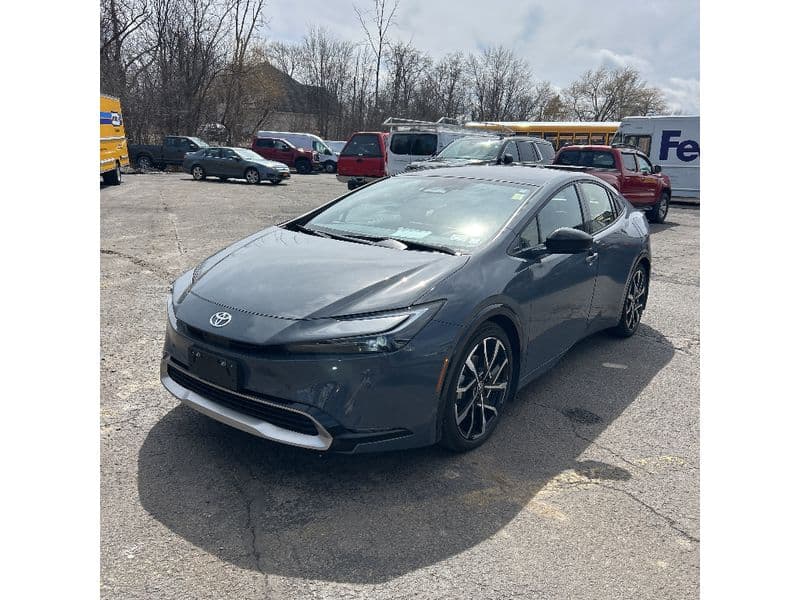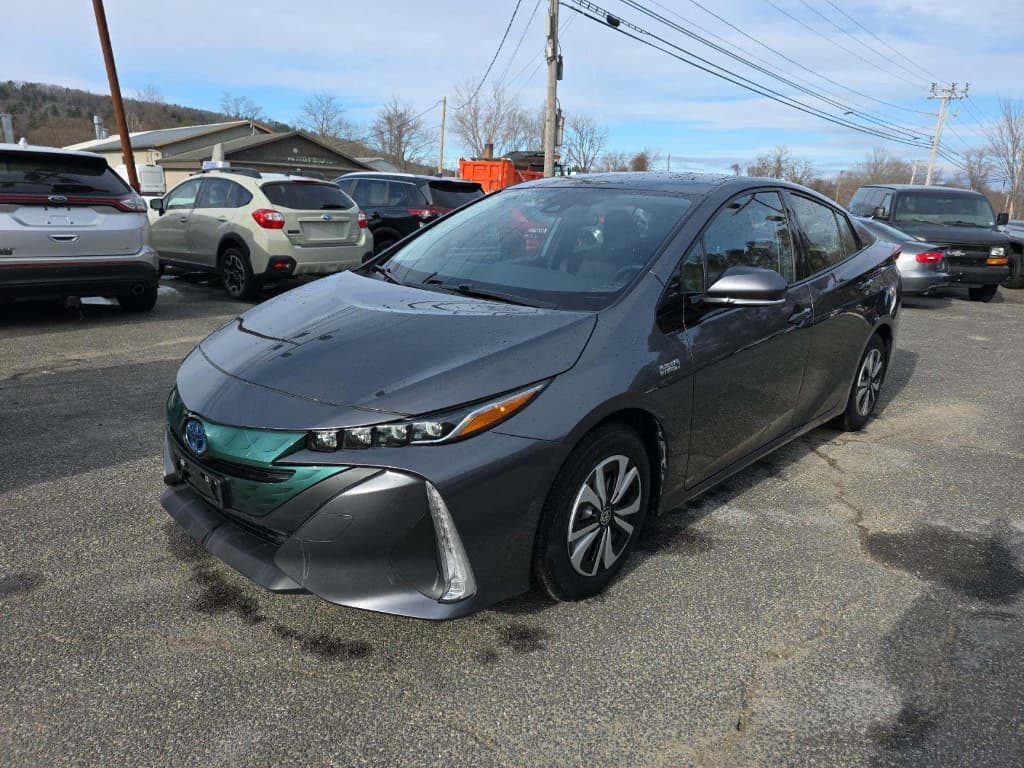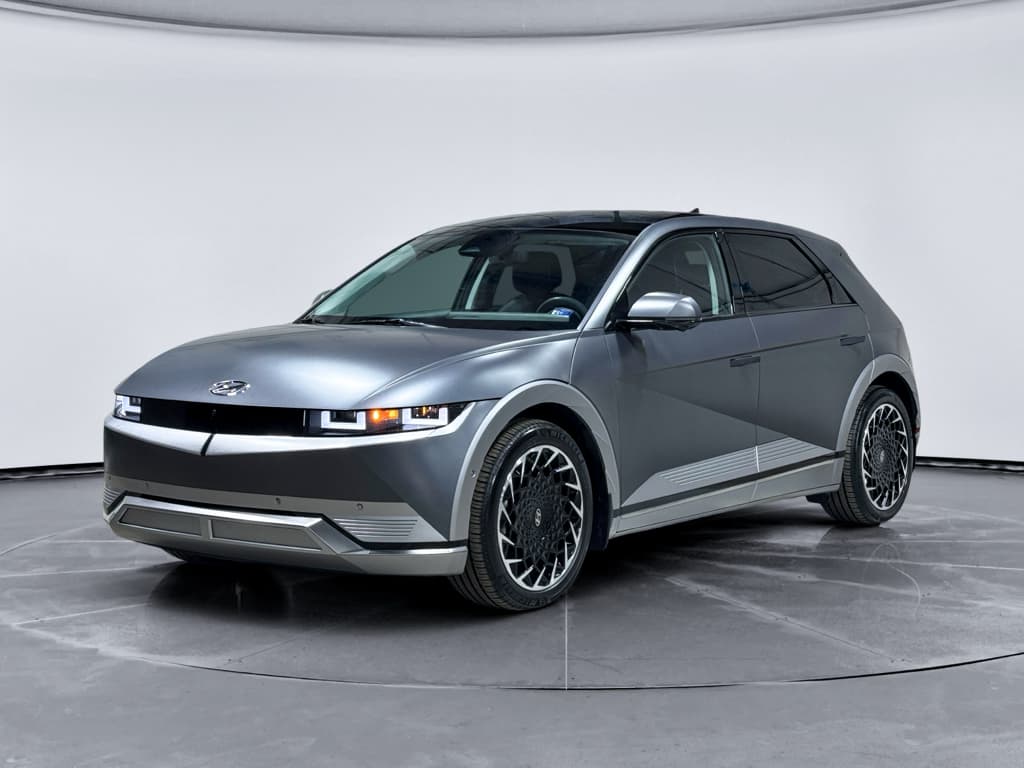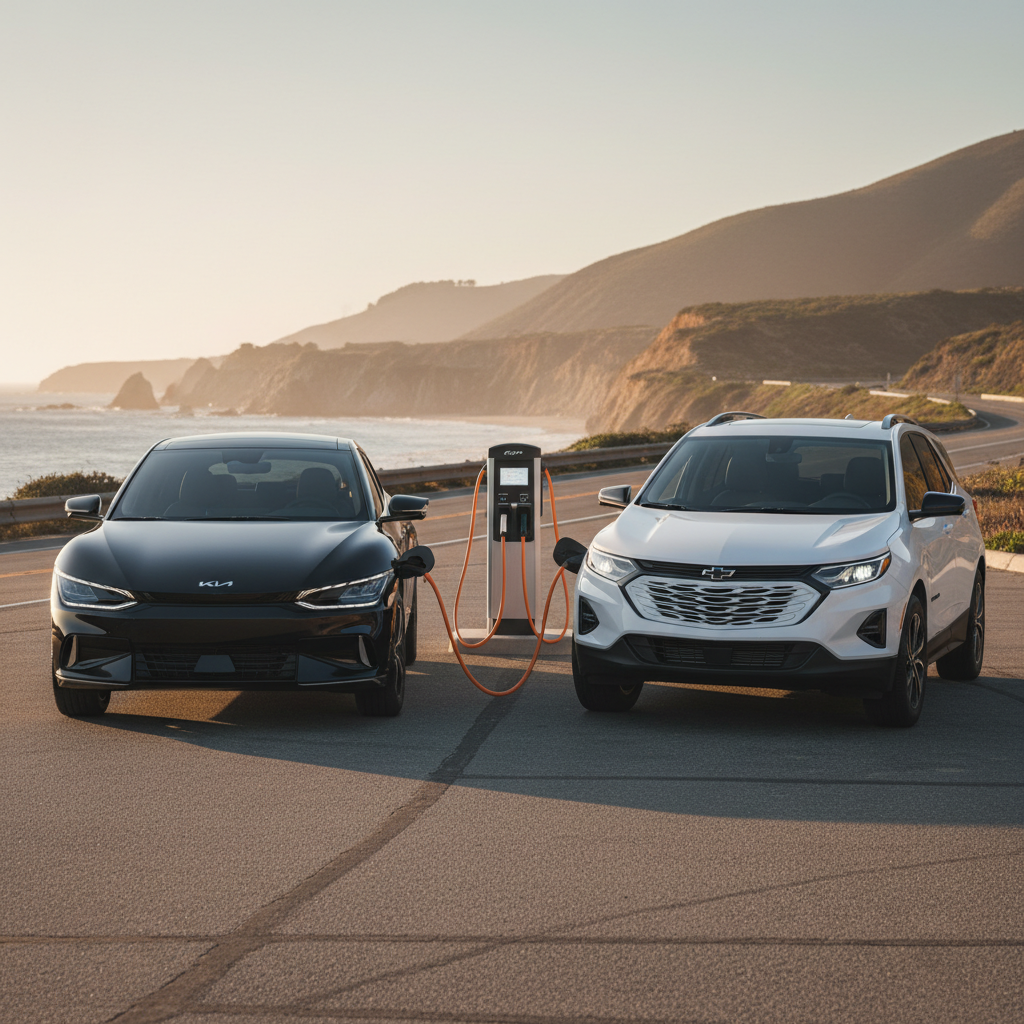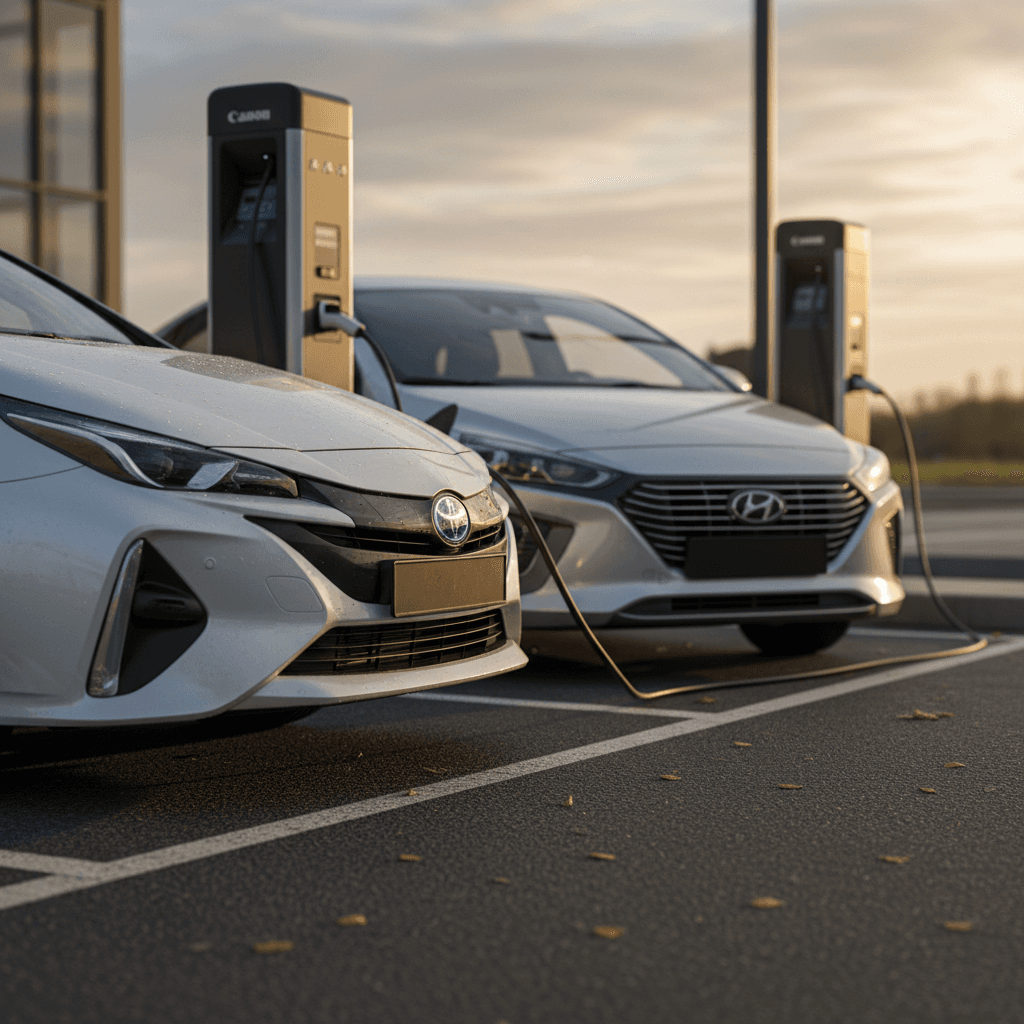
If you’re cross-shopping the Toyota Prius Prime vs Hyundai Ioniq hybrid, you’re already doing more homework than most buyers. Both are ultra-efficient compact hatchbacks with hatchback practicality and miserly fuel use, but they go about it differently. The Prius Prime is a plug-in hybrid with real electric-only range, while the Ioniq Hybrid is a conventional hybrid that never needs to be plugged in.
Model years matter
Prius Prime vs Ioniq Hybrid: quick overview
Toyota Prius Prime vs Hyundai Ioniq Hybrid: core specs
High-level comparison of typical U.S.-spec models that most used shoppers will see.
| Toyota Prius Prime (2017–2022) | Toyota Prius Prime (2023+) | Hyundai Ioniq Hybrid (2017–2022) | |
|---|---|---|---|
| Powertrain | Plug-in hybrid (1.8L gas + electric) | Plug-in hybrid (2.0L gas + electric) | Conventional hybrid (1.6L gas + electric) |
| Drivetrain | FWD | FWD | FWD |
| Electric-only range | ~25 miles (EPA) | ~39–44 miles (EPA, trim-dependent) | None (can’t run long in EV mode) |
| Hybrid fuel economy (gas only, combined) | ~54 mpg | ~48–52 mpg | ~55–59 mpg |
| Battery size | ~8.8 kWh | ~13.6 kWh | Small hybrid pack (no plug) |
| Total system power (approx.) | 121 hp | ~220 hp | 139 hp |
| U.S. availability today | New & used | New & used | Used only (discontinued after 2022) |
Exact numbers vary slightly by trim and model year, but this gives you the big picture.
Bottom line in one sentence
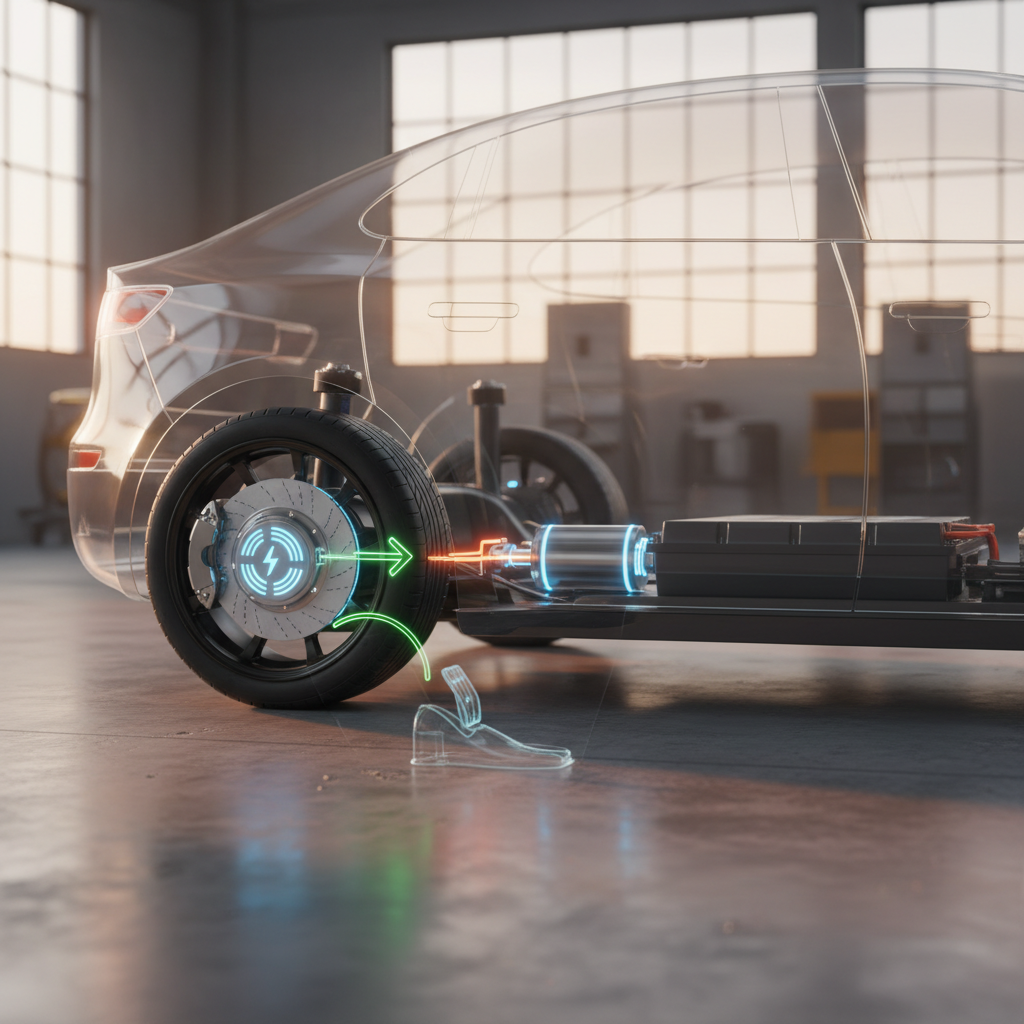
What really separates a plug-in from a regular hybrid
On paper, the Prius Prime and Ioniq Hybrid are both compact hatchbacks with a gas engine plus an electric motor. In practice, they cater to slightly different lifestyles.
Prius Prime: plug-in hybrid (PHEV)
- Larger battery you can charge from the wall (Level 1 or Level 2).
- Can drive dozens of miles on electricity only before the gas engine starts.
- Best for drivers who have reliable access to charging and mostly short trips.
- Acts like a regular Prius hybrid on long road trips when the battery is depleted.
Ioniq Hybrid: conventional hybrid
- No plug. The car charges its small battery as you drive and brake.
- Electric motor assists the engine but doesn’t provide meaningful EV-only range.
- Always excellent mpg, even if you never think about charging infrastructure.
- Simpler ownership if you live in an apartment or can’t install a charger.
Don’t confuse Ioniq Hybrid with Ioniq Plug-In
Efficiency, range, and how far your fuel dollar goes
Efficiency is the main reason anyone considers these cars, so let’s tackle that first. The trick is that the answer depends heavily on how much you can drive on electricity in the Prius Prime.
Real-world efficiency snapshot
Short commutes: Prius Prime’s home-field advantage
If you drive 15–30 miles a day and can plug in at home, the Prius Prime is in its element. Many owners effectively treat it as an electric car during the week and a hybrid on weekends. With a full charge every night, it’s realistic to go weeks or even months between gas fill-ups, especially with the 2023+ car’s larger battery and 39–44 miles of EPA-rated EV range.
Where the Prime shines brightest
High-mileage highway commuters: Ioniq Hybrid fights back
If you routinely run 70–100 highway miles a day and can’t plug in regularly, a conventional hybrid starts to look very appealing. The Ioniq Hybrid is one of the champs here: many owners report trip averages in the high 40s to mid‑50s mpg at U.S. highway speeds, and you’re never worrying about finding a plug. In that scenario, a Prius Prime driven mostly with an empty battery will post similar mpg to a regular Prius, but the Ioniq often edges it out on paper and at the pump.
- If you rarely or never plug in, the Prius Prime’s larger battery becomes extra weight to haul around.
- In that use case, you’re paying for plug‑in hardware you’re not using.
- The Ioniq Hybrid’s simpler setup gives you excellent mpg with fewer habits to change.
Daily driving: performance, comfort, and noise
Efficiency might draw you in, but you have to live with the car every day. Here the generational differences in the Prius Prime really matter, and the Ioniq Hybrid stakes a legitimate claim as the more conventional “car-like” option, especially in earlier years.
How they feel from behind the wheel
Same mission, different personalities.
Power & Acceleration
2017–2022 Prius Prime and Ioniq Hybrid offer modest power, fine for commuting but not sporty. The Ioniq’s 139 hp gives it a slightly more conventional feel than the earlier Prime’s modest output.
2023+ Prius Prime changes the game with around 220 hp. It’s legitimately quick for an eco car and feels much more confident merging or passing.
Ride & Handling
The Ioniq Hybrid has a more traditional compact-car feel: predictable steering, comfortable but not floaty ride, and a chassis that doesn’t constantly remind you it’s an efficiency special.
The latest Prius Prime rides more solidly and feels lower and wider than the old one, with handling that won’t embarrass itself on a twisty road.
Noise & Refinement
Both cars can get a bit buzzy under full throttle, that’s the nature of small engines with CVT-like transmissions, but at steady cruise they’re generally quiet enough.
The newer Prius Prime is the most refined of the group inside, especially in higher trims with better sound insulation and nicer materials.
Cabin tech and ergonomics
Space, practicality, and family friendliness
Both cars are five-door liftbacks with large hatch openings, great news if you haul strollers, gear, or bulky Costco runs. The devil is in the details: rear-seat comfort and how much cargo the battery eats.
Interior space comparison (approximate, typical trims)
Exact numbers vary by year and trim, but these trends hold across most U.S.-spec models.
| Prius Prime (2017–2022) | Prius Prime (2023+) | Ioniq Hybrid (2017–2022) | |
|---|---|---|---|
| Rear seat room | Adequate but not generous; sloping roof can affect headroom for tall adults | Improved vs prior gen but still on the cozy side, especially headroom | More conventional shape; slightly better headroom and easy access |
| Cargo area | Battery raises floor; cargo volume trails regular Prius | Better integrated battery; cargo space improved vs prior Prime | Flatter load floor and competitive volume for the class |
| Car-seat friendliness | Two outboard LATCH positions; tight for bulky rear‑facing seats | Similar; test-fit if you run multiple child seats | Boxier roofline helps with rear‑facing seats and loading kids |
The Ioniq Hybrid generally offers a bit more traditional cargo space, especially in earlier years when plug‑in batteries intruded more in the Prius.
If you have kids or a dog
Reliability, battery life, and warranties
Long-term durability is a fair concern when you’re shopping electrified vehicles on the used market. The good news: both Toyota and Hyundai have strong track records with hybrid systems, and both backed these cars with robust hybrid battery warranties.
- Toyota hybrid battery warranty: For model year 2020 and later Toyota hybrids and plug‑in hybrids, the hybrid (HV) battery is typically covered for 10 years or 150,000 miles from first use (earlier cars had shorter but still substantial coverage).
- Hyundai Ioniq Hybrid battery warranty: Hyundai heavily marketed long battery coverage when Ioniq launched; in many markets the hybrid battery is covered for long terms (warranty specifics can vary by region and model year, so it’s important to verify for the exact car you’re considering).
- Both brands’ hybrid systems have proved generally very reliable when maintained properly, and high‑mileage taxi and ride‑share duty hasn’t revealed systemic flaws in either design.
Used PHEV battery health matters
Battery health checks to do on a used Prius Prime or Ioniq Hybrid
1. Confirm remaining warranty
Ask for the in‑service date and mileage so you can see how much hybrid or plug‑in battery warranty remains. A 2021 model first sold in 2021 will time out sooner than a 2022 model first sold in 2023.
2. Scan for diagnostic trouble codes
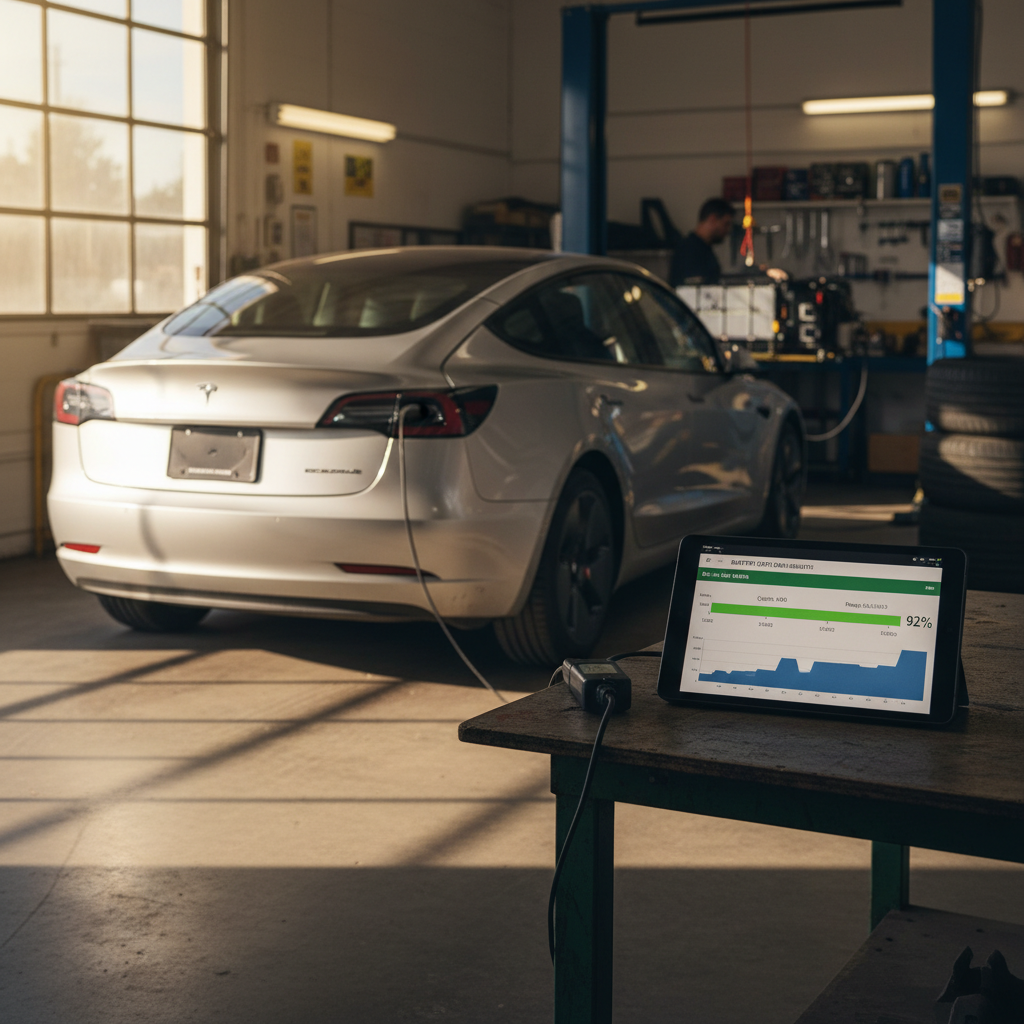
A shop with hybrid experience, or an EV‑focused retailer like Recharged, can scan the car for battery‑related fault codes that may not yet trigger a dashboard warning.
3. Compare indicated range to original EPA numbers
On a Prius Prime, compare the car’s expected EV range on a full charge to period EPA ratings. Meaningful gaps could hint at capacity loss or simply very cold weather/short‑trip use.
4. Review service history
Regular maintenance (coolant, software updates, recall work) supports long battery and hybrid-system life. Spotty history is a reason to probe deeper or negotiate price.
Costs, pricing, and used-market realities
Because the Hyundai Ioniq Hybrid is out of production and the Prius Prime is still being built, the market dynamics look very different depending on what segment of the used market you’re shopping.
Where prices tend to land
These are directional trends, not quotes, actual prices vary by mileage, condition, trim, and market.
Hyundai Ioniq Hybrid
On the used market, the Ioniq Hybrid often undercuts comparable Prius models because it flew a bit under the radar when new.
- Great value if you want maximum mpg per dollar and don’t need plug‑in capability.
- Look for cars with full service records; fleet or ride‑share units may be cheaper but higher mileage.
Toyota Prius Prime
The Prius name carries strong demand, and plug‑in capability makes the Prime especially attractive in markets with expensive fuel or cheap electricity.
- Expect to pay more than a similar‑year Ioniq Hybrid, especially for low‑mileage 2023+ cars.
- Earlier 2017–2019 Primes can be sweet spots if you’re willing to trade styling and power for lower purchase price.
Don’t forget incentives and HOV perks
Which is better for you? Use cases by driver type
Best-fit recommendation by driver profile
Urban / Suburban Short-Trip Commuter (under 30 miles a day)
Likely winner: <strong>Prius Prime</strong>. Charge nightly and you’ll burn little to no gas during the week.
Prioritize a 2023+ Prime if budget allows; the longer EV range makes it easier to stay electric‑only.
If you can’t install home charging at all, the Ioniq Hybrid becomes more attractive despite lower tech wow‑factor.
Long-Haul Highway Commuter (60–100 miles daily)
If you <strong>can plug in at home and work</strong>, the Prius Prime still wins, you can cover a good chunk of that drive on electricity.
If you <strong>can’t plug in reliably</strong>, a used Ioniq Hybrid is simpler and often cheaper while still delivering exceptional mpg.
For 2023+ Prius Prime buyers, the extra power makes highway slogging less tiring than in an Ioniq or older Prime.
Occasional Driver / Second Family Car
For low annual mileage and lots of short errands, a Prius Prime can all but eliminate fuel stops.
If budget is tight and you just want a reliable, efficient runabout, a clean, lower‑mileage Ioniq Hybrid is a smart buy.
Consider how long you plan to keep the car. Longer ownership horizons make the Prime’s plug‑in advantages more likely to pay back.
Road-Trip Lover
Both cars road‑trip well thanks to hybrid drivetrains and excellent fuel economy.
The Prius Prime’s plug‑in side matters less once you’re far from plugs; in that scenario it behaves like a very efficient hybrid.
If you want a quieter, more powerful cruiser, the latest‑generation Prius Prime is the best pick of this bunch.
Simple rule of thumb
How Recharged fits into the picture
Choosing between a Toyota Prius Prime and a Hyundai Ioniq Hybrid is part math and part gut feeling. But once you’ve decided which direction fits your life, the hard work is finding a specific car you can trust, especially when batteries are involved.
Every vehicle sold through Recharged comes with a Recharged Score Report that includes verified battery health, pricing benchmarks, and a clear history summary. That’s especially powerful with plug‑in hybrids like the Prius Prime, where real‑world EV range and prior charging habits can separate a merely decent example from a great one.
- EV‑specialist advisors who understand the nuances between plug‑in hybrids, conventional hybrids, and full EVs.
- Financing options and trade‑in support if you’re moving out of an older gas car or hybrid.
- Nationwide delivery and a fully digital buying experience, plus an in‑person Experience Center in Richmond, VA if you prefer to see and drive before you buy.
- Objective guidance if you’re torn between a Prius Prime, an Ioniq Hybrid, or stepping up to a full battery-electric vehicle on our marketplace.
If you’re weighing a Toyota Prius Prime vs Hyundai Ioniq hybrid, you’re already ahead of the game. The next step is letting real‑world numbers and your daily routine make the call, then using tools like the Recharged Score to make sure the specific car you pick will be as economical and dependable as the spec sheet promises.