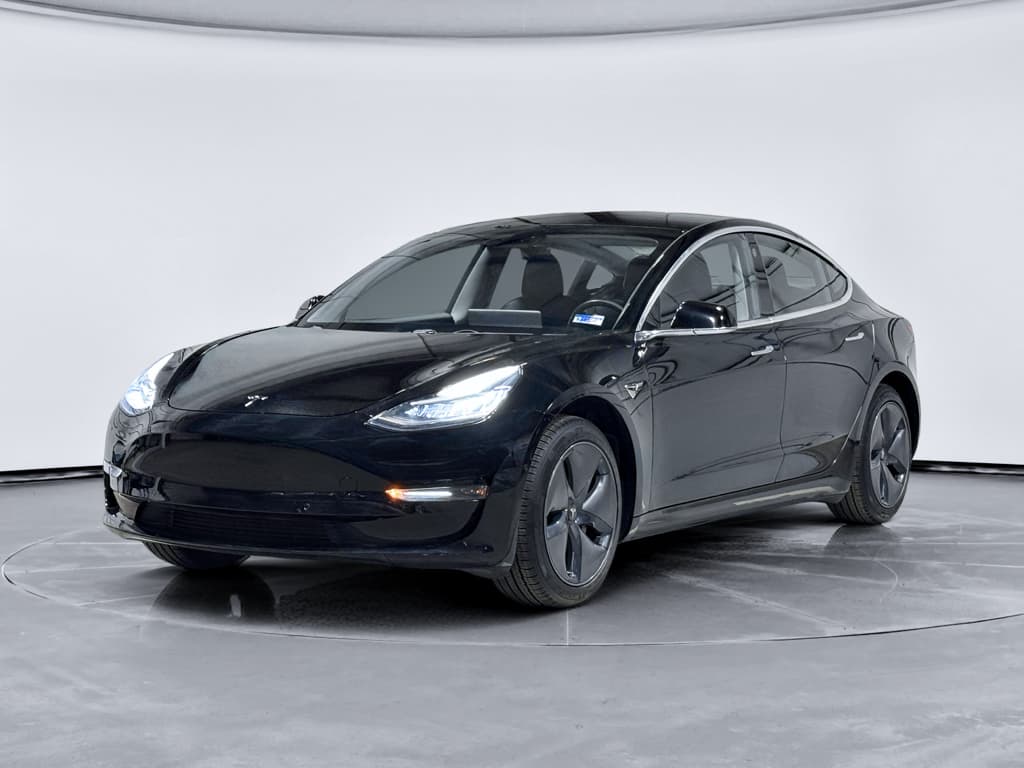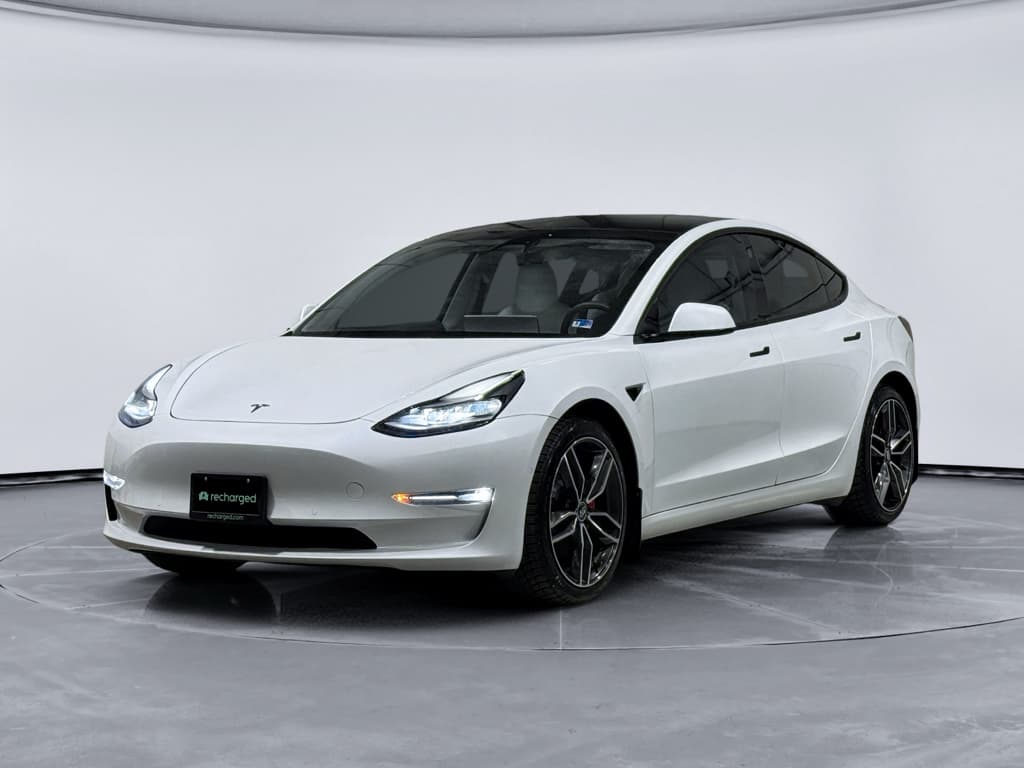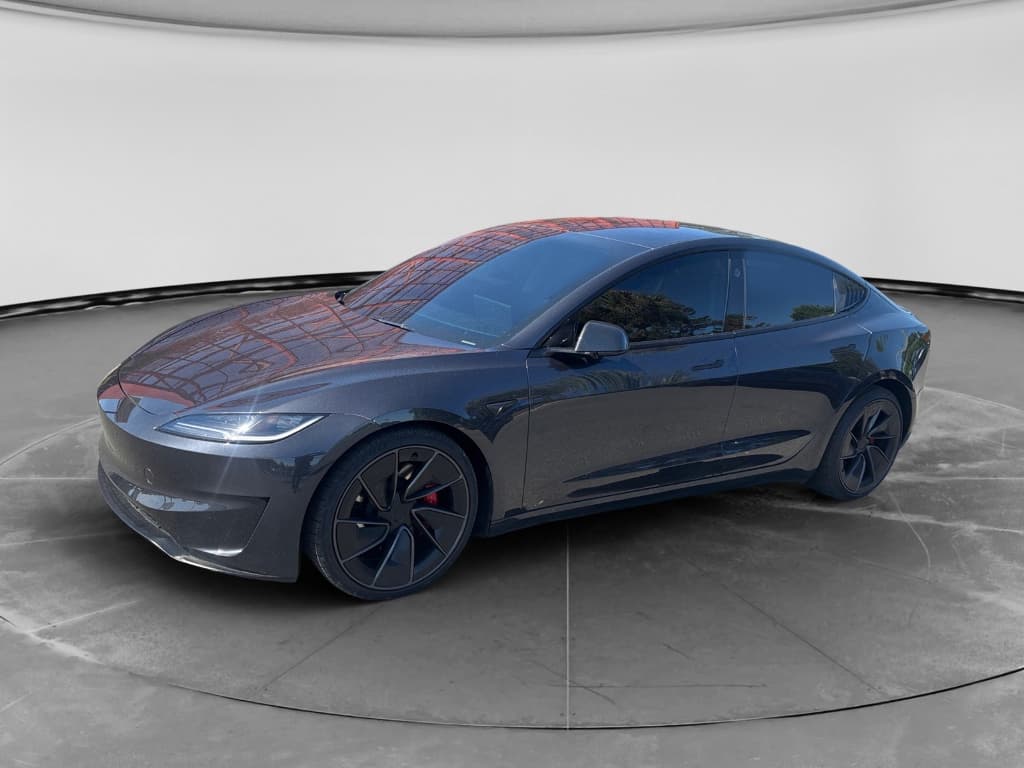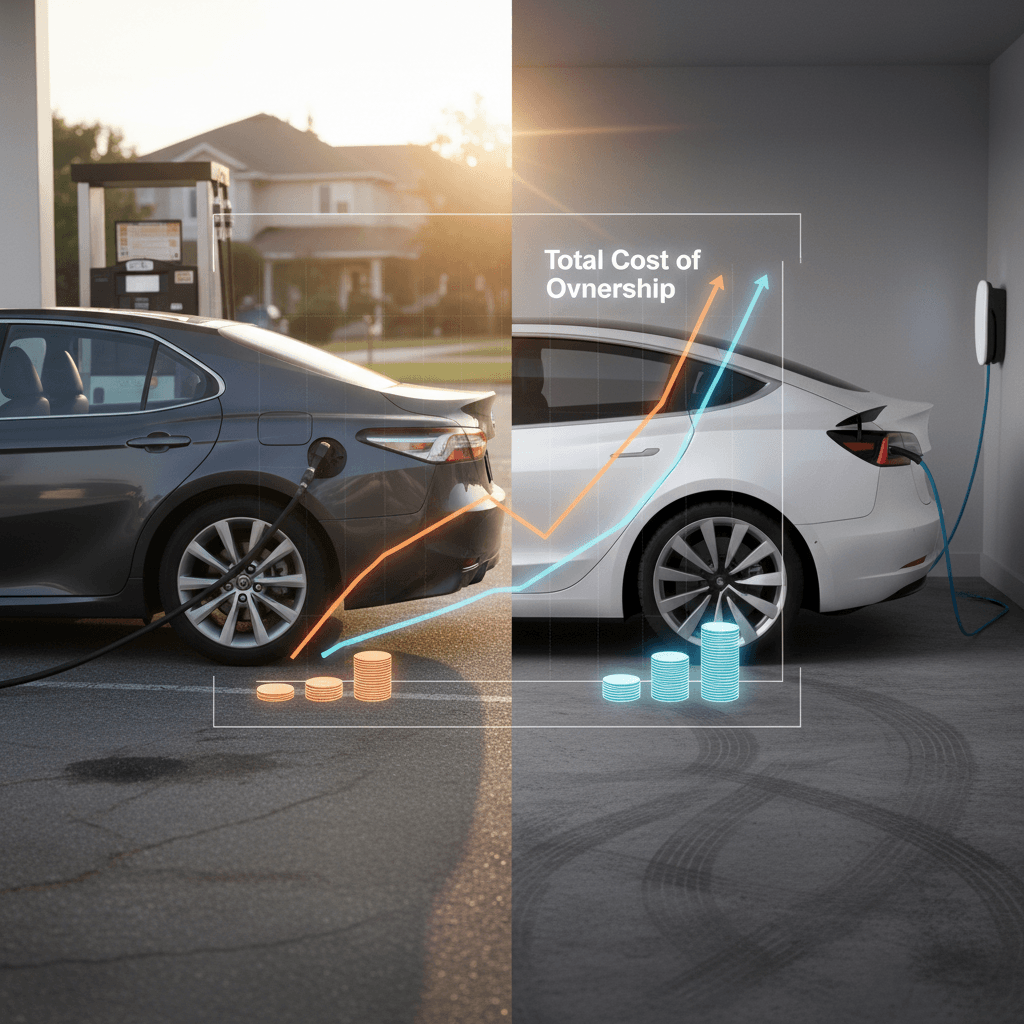
If you’re choosing between a **Toyota Camry** and a **Tesla Model 3**, sticker price only tells part of the story. The real question is Toyota Camry vs Tesla Model 3 total cost of ownership: after 5–10 years of fuel or electricity, maintenance, insurance, and depreciation, which one actually leaves more money in your pocket?
Quick takeaway
Why Toyota Camry vs Tesla Model 3 total cost of ownership matters
The Camry and Model 3 occupy the same mental space for a lot of shoppers: comfortable mid-size sedans that can easily handle daily commuting and road trips. One burns gasoline; the other runs on electrons. You might assume the Camry is cheaper because the sticker price is lower, or that the Tesla is automatically cheaper because electricity is less than $2 per “gallon equivalent” in many states. The truth lives in the middle, and that’s what we’ll unpack here.
Who should care about this comparison?
If you fit one of these buckets, the numbers really matter.
Gas driver eyeing first EV
Payment-sensitive shoppers
Used EV hunters
Assumptions and how we ran the numbers
Cost-of-ownership articles can get ridiculous if you don’t pin down assumptions. Here’s the framework we’ll use so you can see where to tweak the math for your situation.
Key assumptions behind our Toyota Camry vs Tesla Model 3 cost comparison
1. Typical trims and prices
We assume a **gas 2025 Toyota Camry SE** around $32,000 out the door and a **2025 Tesla Model 3 RWD** around $40,000–$42,000 before any federal or state incentives. Actual prices vary by options and local market.
2. Annual mileage
We use **12,000 miles per year**, close to the current U.S. average. If you drive far more, the Tesla’s lower running costs become more important; if you drive less, fuel and electricity matter less in the big picture.
3. Energy prices
We assume **$4.00 per gallon** national average for regular gas in early 2026 and **$0.17 per kWh** for residential electricity. Public DC fast charging is more expensive than home charging, so we assume 80% of Tesla miles are at home, 20% at public rates averaging roughly $0.32 per kWh blended.
4. Real-world efficiency
For a 4‑cylinder Camry, we model **33 mpg combined**. For a Model 3 RWD, we use **25 kWh/100 miles** (about 4 miles/kWh), in line with EPA and independent efficiency tests of current cars.
5. Time horizon
We’ll sketch out both **5‑year** and **10‑year** ownership windows. Five years lines up with many loans; ten years is realistic for buyers who keep cars until they’re truly used up.
6. Financing and taxes
To keep this readable, we won’t model every state’s tax rate or interest offer. Think of our purchase numbers as **out‑the‑door cash prices**; your loan term and rate will shift monthly payments but not the big-picture comparisons much.
Use this as a template, not gospel
Purchase price, incentives, and financing
Typical new Toyota Camry pricing
A well-equipped 2025 Camry SE or XLE 4‑cylinder tends to land around $32,000 out the door in many markets once you add destination, common options, and taxes. If you stay conservative on options or buy lightly used, it’s easy to get that number under $30,000.
Because the Camry is a long-running, high-volume car, discounts and incentives are common, and interest rates on conventional auto loans tend to be very competitive.
Typical new Tesla Model 3 pricing
A 2025 Model 3 RWD currently runs roughly high $30Ks to low $40Ks before incentives, depending on wheels and options. Unlike traditional brands, Tesla’s prices swing with factory adjustments rather than dealer haggling.
Depending on income and battery sourcing rules, a new Model 3 may qualify for the federal EV tax credit, which can effectively knock **up to $7,500** off your cost if you’re eligible. Some states add rebates or tax credits on top.
Where Recharged fits in
Gas vs electricity: what it really costs to drive 12,000 miles a year
Annual fuel vs electricity cost at 12,000 miles/year
This is the part of the story most people already suspect: burning gasoline is expensive, and electricity, especially at home, is cheap by comparison. But putting numbers to it helps you see how long it takes the Tesla to pay back its higher sticker price.
Camry vs Model 3 annual fuel and electricity cost estimate
Approximate yearly energy costs using our baseline assumptions.
| Vehicle | Efficiency assumption | Energy price assumption | Annual energy cost (12,000 miles) |
|---|---|---|---|
| Toyota Camry (gas) | 33 mpg combined | $4.00 per gallon | ≈ $1,450 |
| Tesla Model 3 (home only) | 25 kWh/100 miles | $0.17 per kWh | ≈ $510 |
| Tesla Model 3 (80% home / 20% fast) | 25 kWh/100 miles | $0.17 home / $0.32 public | ≈ $760 |
Your numbers will change with local prices and highway vs city driving mix, but the gap in favor of the Tesla is remarkably consistent.
What if gas drops and electricity rises?
Maintenance and repairs: where EVs claw back money
A Toyota Camry has a hard-earned reputation for going forever with routine maintenance. That’s still true. But even a bulletproof gas car needs **oil changes, transmission fluid, exhaust systems, and more moving parts** than an EV.
Typical 5‑year maintenance picture
Not every car will follow this script, but the broad strokes are consistent.
Toyota Camry (gas)
- Oil and filter changes every ~6,000–10,000 miles
- Engine air and cabin filters
- Transmission fluid service (often around 60,000 miles)
- More frequent brake wear in city driving
- Belts, spark plugs, and fluids over time
Think in the ballpark of $600–$800 per year over several years once you’re past the free-maintenance period, assuming no big repairs.
Tesla Model 3
- No oil changes, no transmission service in the traditional sense
- Brake pads last longer thanks to strong regenerative braking
- Tires can be a little more expensive; torque and weight wear them faster
- Cabin filters and brake fluid are the main recurring items
Real-world data suggests roughly 30–40% lower maintenance cost than a comparable gas sedan over the first 5–7 years.
The big wild card: major repairs
Insurance, taxes, and fees
Here’s where the Tesla Model 3 gives up some of its fuel and maintenance advantage. In many U.S. zip codes, the Model 3 carries **higher comprehensive and collision premiums** than a Camry because parts are more expensive and body shops are still catching up on EV repair expertise.
- It’s common to see **$300–$600 per year** higher insurance premiums for a Tesla Model 3 vs a Camry for similar drivers.
- Registration fees and property taxes depend heavily on your state. Some states add small EV fees; others discount registration on more efficient vehicles.
- Incentives can quietly tilt the scale; lower-emission vehicles sometimes qualify for HOV lane access or parking perks that don’t show up in pure dollar comparisons.
Get quotes before you fall in love
Depreciation and resale value: who holds value better?
Depreciation used to be the place where gas sedans like the Camry clearly beat early EVs. The ground has shifted. EV prices were volatile during the 2021–2023 boom and correction, and both Camry and Model 3 have proven to be **relatively strong at holding value** compared with the broader market.
Camry depreciation
Historically, a Camry has been one of the safest financial bets you can make in a new car showroom. Five years in, it often retains a **higher percentage of its original price** than many competitors because of its reputation for reliability and low running costs.
For our purposes, it’s safe to think in terms of **roughly 45–50% of value retained** after five years for a mainstream trim, assuming average mileage and no accidents.
Model 3 depreciation
The Model 3 went through a roller coaster of price cuts and demand spikes, which muddied depreciation charts. But by now it’s one of the most popular EVs on the road, and demand in the used market remains strong.
Most independent analyses now put a Model 3’s **5‑year total cost of ownership very close to, and in some cases slightly lower than, a Camry’s**, thanks largely to the fuel and maintenance savings.
Used values move together
5‑year and 10‑year Toyota Camry vs Tesla Model 3 cost summary
Let’s pull the pieces together. To keep this digestible, we’ll focus on the categories that move the needle most: purchase price, fuel/electricity, maintenance, and a rough allowance for higher Tesla insurance. All numbers are directional, not promises.
Approximate 5‑year total cost of ownership (12,000 miles/year)
Very rough, illustrative numbers for a new Toyota Camry SE vs new Tesla Model 3 RWD purchased at similar times.
| Category (5 years) | Camry (gas) | Model 3 (EV) | How it tends to break |
|---|---|---|---|
| Purchase & depreciation | Net cost ≈ $18,000–$20,000 | Net cost ≈ $20,000–$22,000 (after incentive) | Tesla starts higher but may recover more on resale in strong EV markets. |
| Fuel / electricity | ≈ $7,000–$8,000 | ≈ $3,000–$4,000 | Model 3 usually saves around $3,000–$4,000 vs gas over 5 years at our prices. |
| Maintenance & repairs | ≈ $3,000–$4,000 | ≈ $1,800–$2,500 | Fewer moving parts and less brake wear help the Tesla. |
| Insurance & fees (incremental) | Baseline | + ≈ $1,000–$2,000 vs Camry | Model 3 often costs more to insure, but it’s heavily driver- and zip-code-dependent. |
| Estimated 5‑year total | Roughly mid–$30Ks | Also roughly mid–$30Ks | Under many realistic scenarios, 5‑year costs end up surprisingly similar. |
Think of these as order-of-magnitude comparisons, not a quote. Real-world costs can swing several thousand dollars either way.
10‑year Camry picture
By 10 years, the Camry has burned a lot of fuel. At 12,000 miles per year, that’s 120,000 miles:
- Fuel: easily **$14,000–$16,000** at today’s prices
- Maintenance: brakes, fluids, and wear items add up; budget another **$7,000–$9,000**
- Residual value: still decent, but age and mileage start to pinch
10‑year Model 3 picture
At 120,000 miles, a Model 3 has consumed considerably cheaper electricity:
- Electricity: roughly **$6,000–$8,000** depending on your home vs fast-charging split
- Maintenance: cabin filters, brake fluid, and tires dominate; often **thousands less** than a gas sedan
- Battery and drivetrain: designed for high mileage; degradation matters, but most cars retain plenty of useful range
The longer you keep it, the more the Tesla’s low running costs show up in the ledger.
The long-game verdict

Where a used Tesla Model 3 can beat a new Camry
So far we’ve compared new vs new. But the **used market is where things get really interesting** if you’re shopping on total cost of ownership.
Example scenarios: used Model 3 vs new Camry
These are simplified snapshots, but they match what many shoppers actually see.
Scenario 1: New Camry
Scenario 2: 3‑year-old Model 3
Scenario 3: Payment-focused
How Recharged de-risks used EV math
How battery health fits into total cost of ownership
Gas engines slowly lose power and smoothness as they age; EVs slowly lose range as their batteries degrade. The difference is that you feel EV degradation **directly** in how far you can go on a charge, which is why shoppers zoom in on battery health.
- Most Model 3 packs lose **a small slice of range early**, then degrade more slowly over time.
- A well cared-for car with 70–80% of its original range still delivers fantastic day‑to‑day usability for many owners.
- Catastrophic battery failures are rare relative to the number of cars on the road, and high-voltage components typically have **longer warranties** than the rest of the car.
The scenario that can hurt EV TCO
So which one is right for you?
Choose a Toyota Camry if…
- You want a lower **upfront purchase price** and straightforward financing.
- You live where gas is relatively cheap and electricity is expensive.
- Your driving is modest, say, under 10,000 miles per year, and mostly city/suburban.
- You prefer the familiarity of gas stations and traditional service shops.
Choose a Tesla Model 3 if…
- You drive **12,000+ miles a year** or expect a long commute for several years.
- You can charge at home most nights and access reasonable electricity rates.
- You plan to keep the car **seven to ten years**, long enough for fuel and maintenance savings to stack up.
- You value modern tech, over‑the‑air updates, and quieter, smoother driving.
From a pure numbers standpoint, Toyota Camry vs Tesla Model 3 total cost of ownership is a closer race than you might expect over five years, and often tilts toward the Model 3 over ten, especially for higher‑mileage drivers with home charging. The right answer for you depends on your driving pattern, local energy prices, and whether you’re willing to let long‑term savings outweigh a higher purchase price. If you’re leaning EV but want the confidence that your battery and pricing stack up, browsing used Model 3s with a Recharged Score report is a smart way to tip the odds, and the ownership math, in your favor.