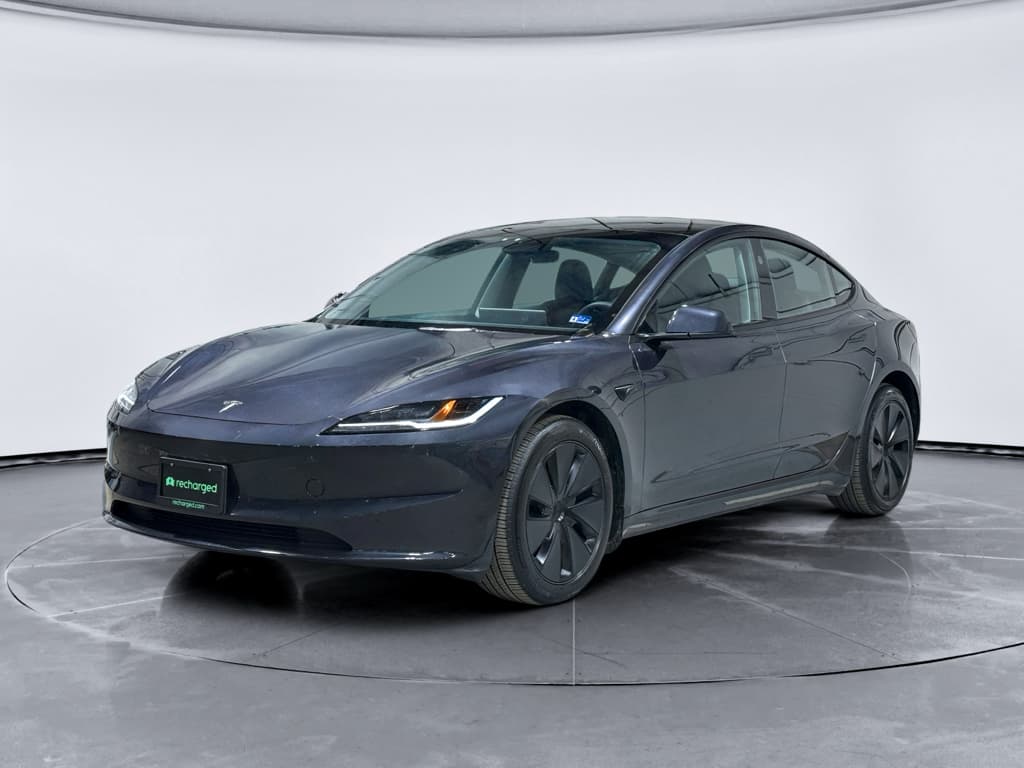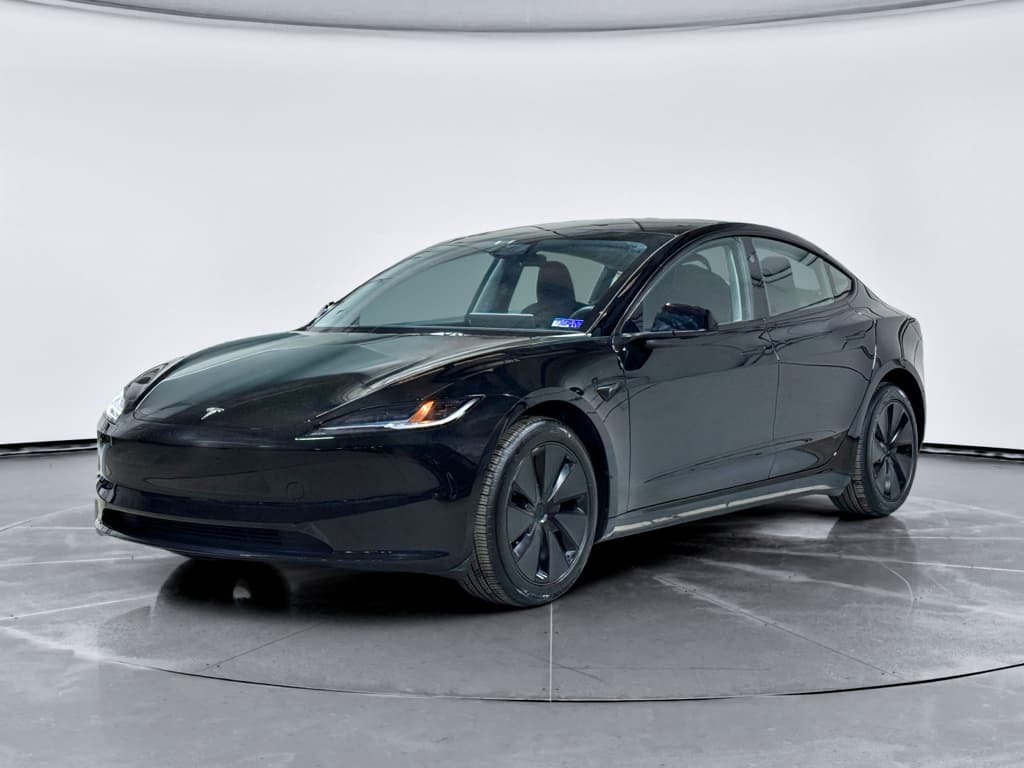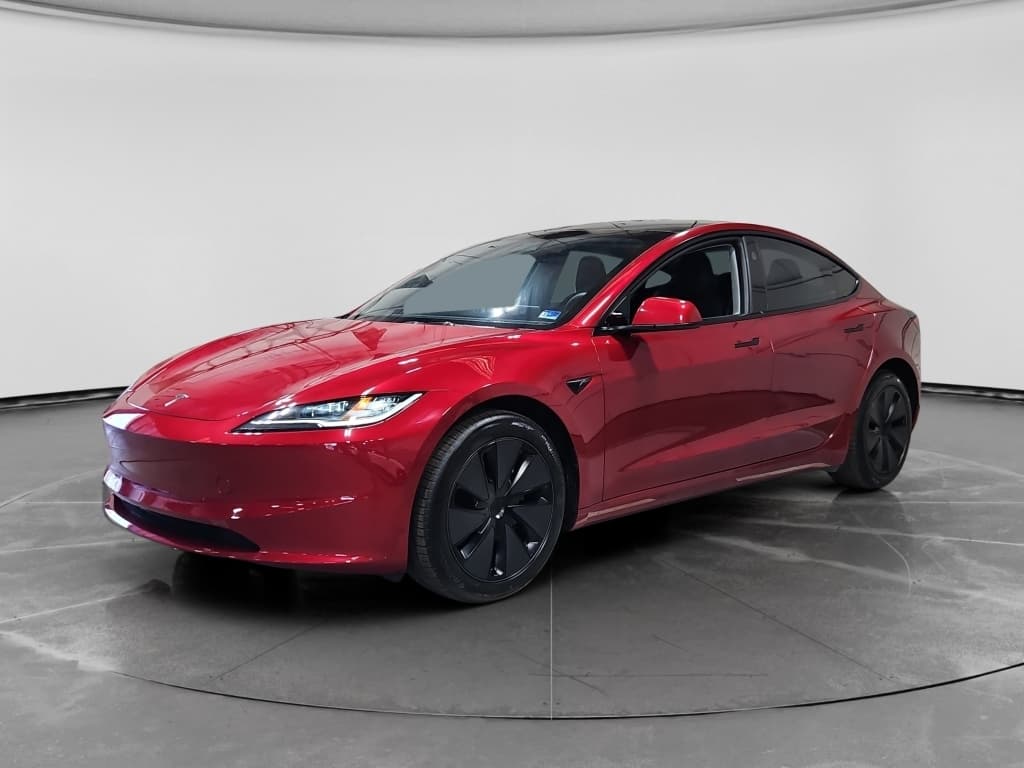
If you daily-drive a Toyota Camry, you’re used to painless commuting: quiet, efficient, cheap to run, and easy to live with. But as EVs go mainstream, more Camry drivers are asking a simple question: what’s it really like to switch to a Tesla Model 3? This review walks through that jump from a Camry owner’s perspective, driving feel, costs, charging, comfort, and what tends to surprise people most.
Camry to Model 3 in a nutshell
Who this Camry-to-Model 3 review is for
This article is written for current or recent Toyota Camry owners, gas or hybrid, who are considering a Tesla Model 3 as their next daily driver, especially on the used market. We’ll assume you like what your Camry does well (reliability, comfort, low drama) and don’t want to give that up just to try the latest shiny EV.
- You own or lease a Toyota Camry (gas or hybrid) and are EV-curious.
- You’re cross-shopping a used Tesla Model 3 against another Camry or similar midsize sedan.
- You care about total cost of ownership, not just monthly payment.
- You want an honest view of what feels better, what feels worse, and what just feels different.
We’ll focus on the popular Camry (gas or hybrid) vs Tesla Model 3 Rear-Wheel Drive or Long Range, since those are the trims most buyers actually consider, and what you’re most likely to find on a used-EV marketplace like Recharged.
Quick take: what changes when a Camry owner switches to a Model 3
Toyota Camry owner switching to Tesla Model 3: at a glance
The headline result
Driving feel: Camry comfort vs Model 3 performance
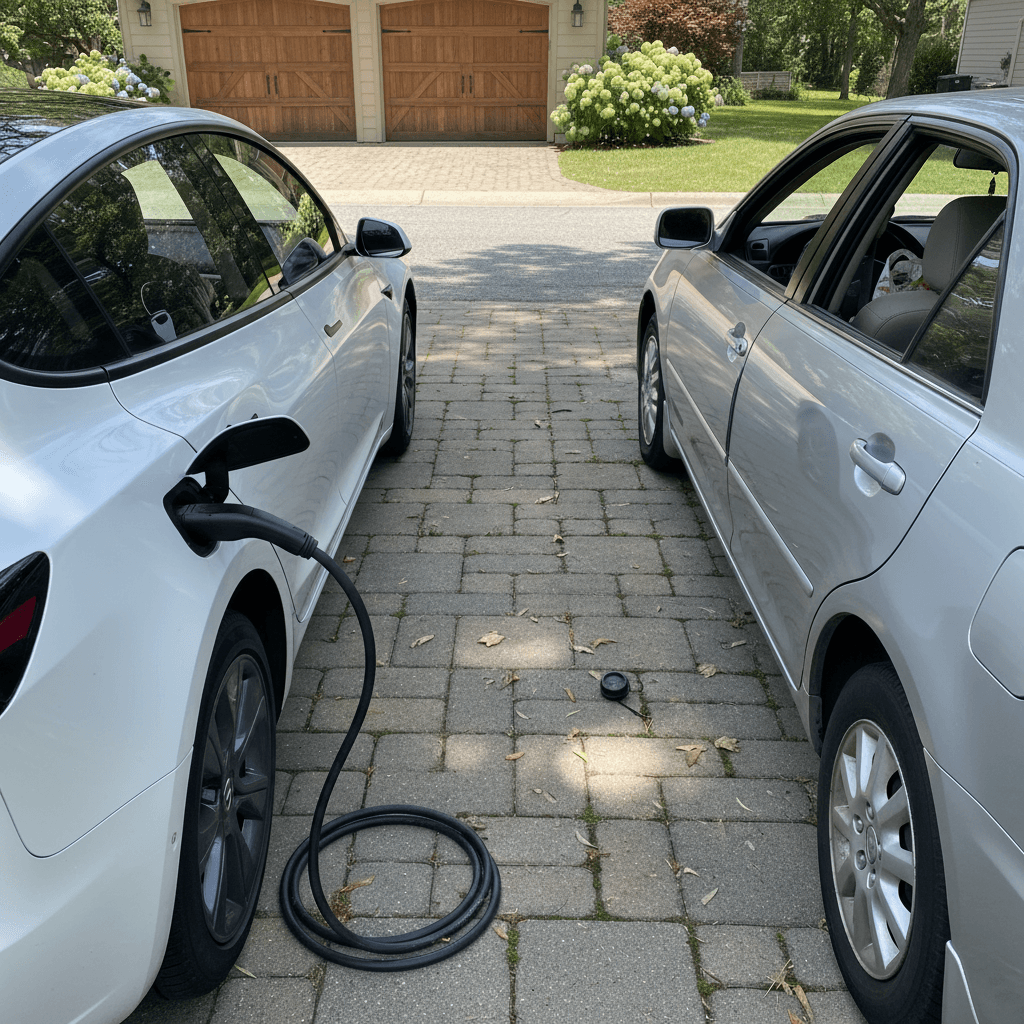
The Toyota Camry has earned its reputation as the safe bet: light steering, predictable handling, and a suspension tuned more for comfort than thrills. The Tesla Model 3 feels like a different species, closer to a compact sports sedan than a commuter appliance.
How the drive changes when you move from Camry to Model 3
Same job (getting you to work), very different personality
Acceleration and response
Even the base Model 3 RWD hits 60 mph in the low 5–6 second range, while a non-hybrid Camry hovers roughly in the 7–8 second territory. The big difference isn’t just the number, it’s the instant torque. No gear hunting, no waiting for a downshift. You tap the pedal and the car just goes.
Steering and handling
The Camry feels relaxed and slightly soft. The Model 3 has sharper steering and a low center of gravity from its underfloor battery. It corners flatter and reacts more quickly, which most former Camry drivers describe as more engaging, but also a bit firmer over broken pavement.
Ride comfort
If you love how the Camry soaks up potholes, you should know the Model 3 is firmer. It’s not punishing, but you’ll feel more of the road. Later Model 3 "Highland" updates improved refinement, but a Camry is still the softer-riding car overall.
Noise and refinement
At city speeds, the Model 3 is whisper-quiet because there’s no engine noise. At highway speeds, wind and road noise can feel similar to or slightly louder than a Camry, especially on rough concrete. It’s a different sound profile, more tire and wind, zero engine.
Test-drive tip
Costs: gas vs electricity and total ownership
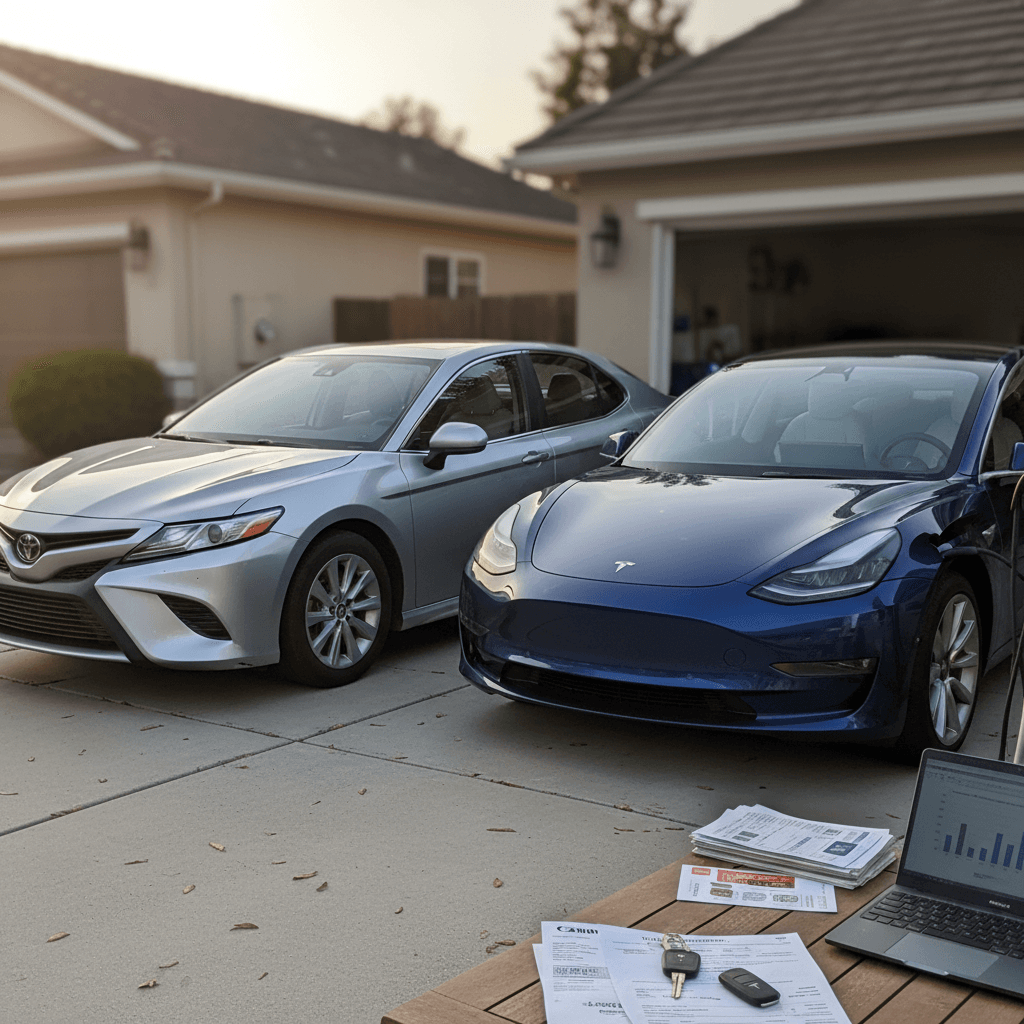
Camry owners tend to be pragmatic. You’re not just chasing a new tech toy; you want to know if the numbers make sense. The gap between a gas Camry and a Tesla Model 3 has narrowed to the point where, in many U.S. scenarios, they’re surprisingly close in total cost of ownership over five years.
Typical U.S. running costs: Toyota Camry vs Tesla Model 3 (rough estimates)
Illustrative ballpark comparison for a mainstream Camry and a Tesla Model 3 driven ~13,500 miles per year, assuming home charging and national-average energy prices in recent years.
| Category | Toyota Camry (gas) | Tesla Model 3 (RWD) | What it means in real life |
|---|---|---|---|
| Fuel / energy per mile | ≈$0.10–$0.13/mi (30–35 mpg, typical gas prices) | ≈$0.03–$0.05/mi (3.5–4.0 mi/kWh at home rates) | At home, a Model 3 usually costs significantly less per mile than a gas Camry. |
| Routine maintenance | Conventional fluids, belts, filters, transmission service, brakes | Tires, cabin filter, brake fluid; fewer moving parts | EVs generally need fewer routine services, though tire wear can be higher. |
| Insurance | Typically moderate for a Camry | Often higher for a Model 3 | Some Camry-to-Tesla switchers report insurance nearly doubling; shop around. |
| Overall 5‑year ownership | Camry often slightly cheaper at modest mileage | Model 3 can catch up or win at higher mileage or high gas prices | If you drive more than ~15,000 miles/year, the EV’s energy savings really add up. |
These are not quotes, your actual costs depend heavily on local electricity and gas prices, insurance, and how you drive.
Watch the insurance jump
There’s also the purchase side of the equation. A new Camry typically undercuts a new Model 3 on sticker price. But on the used market, the gap can shrink, especially if you’re looking at a 3–5 year-old Model 3 compared with a late-model Camry. On Recharged, every used Model 3 includes a Recharged Score battery health report, so you can see how much usable range the pack still delivers, something you never had to think about with your Camry’s gas tank.
Charging a Tesla Model 3 vs gas stops in a Camry
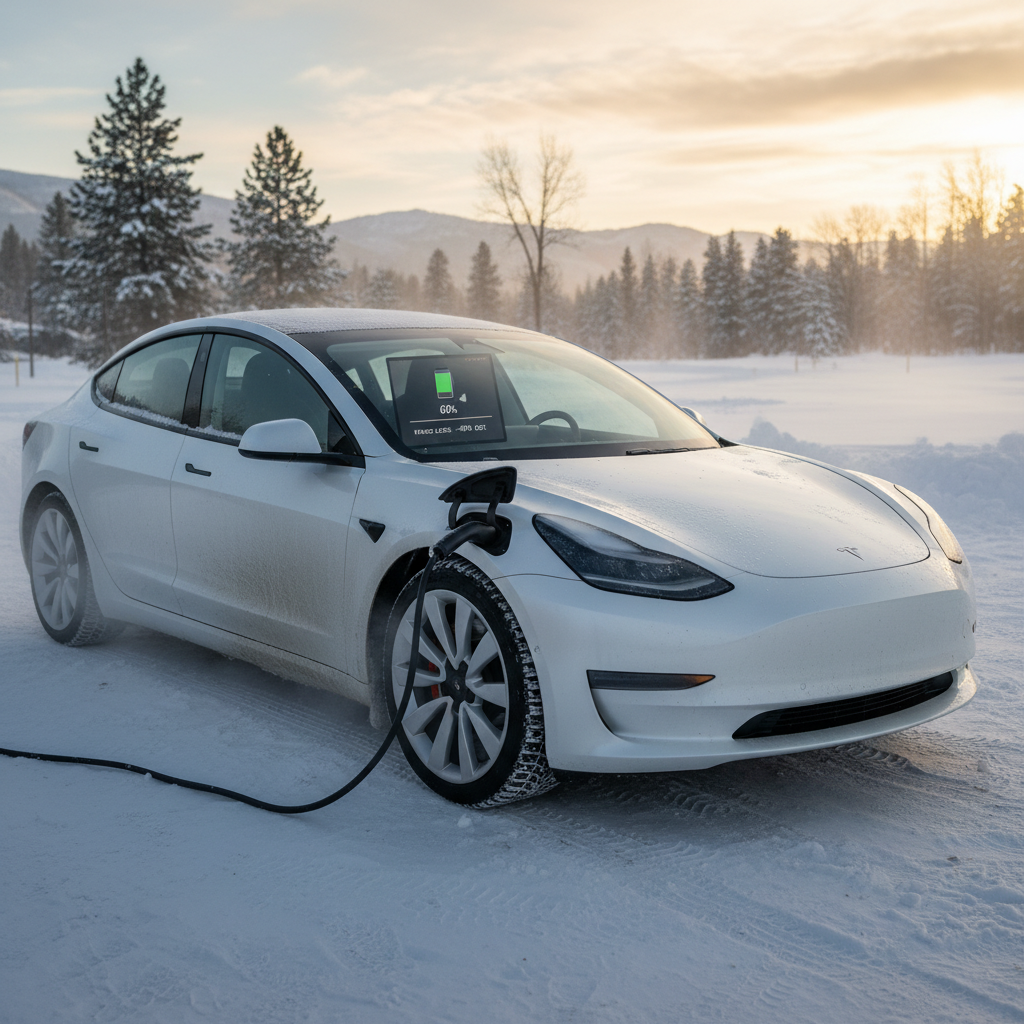
Trading a gas sedan for an EV isn’t just about fuel type, it’s about changing your refueling habits. With the Camry, you burn ~5–10 minutes at a gas station once a week. With the Model 3, most owners charge overnight at home and start every day with a "full tank."
How your daily fueling routine changes
From gas station visits to a power outlet in your garage
Home charging (the ideal)
If you have a driveway or garage, a 240V Level 2 charger turns your home into your own "gas station." Plug in when you get home, and you wake up to 80–90% every morning. For most ex-Camry commuters, this alone makes the switch feel easy.
Public charging
If you live in an apartment or can’t install home charging, you’ll lean on public Level 2 or DC fast charging. That’s doable, but you’ll spend more time planning around charging stops than you ever did with your Camry.
Road trips
On long drives, you trade one 5-minute gas stop for a 20–30 minute Supercharger break every few hours. With Tesla’s route planning, the car tells you where and how long to stop, but charging does add time compared to your Camry.
Reality check for apartment dwellers
Space, comfort, and practicality for daily life
In day-to-day use, the Camry and Model 3 overlap more than you might expect. Both are five-passenger sedans with usable back seats and plenty of trunk space, but the way they package that space feels different.
Cabin and seating
A Camry feels like a traditional sedan: physical buttons, a shifter, analog-style gauges, and seats tuned heavily toward comfort. The Model 3 cabin is minimalist, one big screen, almost no buttons. The seats themselves are supportive and generally comfortable, but the overall vibe is more modern and techy, less cozy and familiar.
Cargo and versatility
The Camry has a conventional trunk, while the Model 3 adds a front trunk (frunk) plus a large rear opening with fold-down seats. For Costco runs, strollers, or road-trip luggage, the Model 3’s hatch-style rear opening and extra underfloor storage make it feel surprisingly practical compared with your Camry.
Family duty comparison
Tech upgrade: screens, software, and driver assistance
Toyota has steadily modernized the Camry’s infotainment, but it’s still a traditional car with a screen. The Tesla Model 3, by contrast, feels like a piece of consumer electronics that happens to be a car.
Tech differences a Camry owner will notice on day one
From physical buttons to an always-online touchscreen
Single central screen
The Model 3’s giant center display handles almost everything: speedometer, climate, navigation, media, and most settings. If you like physical knobs and gauges in your Camry, this is a big change, but many owners adapt quickly.
Over-the-air updates
Software updates arrive over Wi‑Fi or LTE, occasionally adding new features or improving efficiency. Your Camry will essentially drive the same on day 1 and day 2,000; a Model 3 might gain new tricks over time.
Driver assistance
Both cars can offer adaptive cruise and lane-keeping, but Tesla’s lane-centering (Autopilot) tends to feel more confident on long highway stretches. That said, it still requires active supervision, it’s not self-driving.
Don’t overtrust Autopilot
Reliability, battery health, and shopping used
Many Camry owners stick with Toyota because they want a car that just works for a decade. Tesla’s reliability story is more mixed: the drivetrain and battery have relatively few moving parts, but early Model 3s had their share of fit-and-finish complaints and minor electronics gremlins.
- Battery packs in well-cared-for Model 3s generally show modest degradation, often in the single digits of percent loss after several years, but you should verify, not assume.
- Unlike a Camry engine, you can’t "see" EV battery wear. You need data from the car or an independent diagnostic.
- Tesla service centers and independent shops can handle typical wear-and-tear, though the network and costs feel different from Toyota’s broad dealer footprint.
How Recharged helps on the used side
Ready to find your next EV?
Browse Vehicles"Coming from a Camry, the biggest adjustment wasn’t reliability, it was learning to think about battery health the way I used to think about engine miles and service records."
Checklist: are you actually ready to switch from Camry to Model 3?
Camry owner’s readiness checklist for a Tesla Model 3
1. Confirm your charging access
Do you have reliable overnight parking with access to a power outlet? Best case is a 240V Level 2 charger, but even a standard outlet can work for short daily commutes. If the answer is no, think hard before giving up your gas Camry.
2. Run the total cost of ownership math
Price out not just the car, but <strong>insurance, electricity, and any home charging upgrades</strong>. Include your current Camry’s fuel and maintenance so you can compare apples to apples over 5–7 years.
3. Consider your annual mileage
If you drive 8,000 miles a year, the energy savings are nice but not huge. If you log 15,000–20,000 miles annually, the Tesla’s lower per‑mile energy and maintenance costs can materially beat your Camry’s fuel bill.
4. Evaluate your tech comfort level
Are you okay with a minimalist cabin, software menus for basic settings, and frequent updates? If your Camry’s knobs and buttons are non‑negotiable, the Tesla tech experience might frustrate you.
5. Think about road-trip patterns
If you road-trip a few times a year, Tesla’s Supercharger network makes it straightforward, just slower per stop than filling a Camry. If you’re constantly on the highway in remote areas, verify charging coverage along your usual routes.
6. Decide how much you value performance
If you’ve ever wished your Camry had more passing power, you’ll love the Model 3. If you genuinely don’t care about acceleration and just want an appliance, a Camry Hybrid or plug‑in hybrid might scratch the itch with less lifestyle change.
FAQ: Common questions from Toyota Camry owners about the Tesla Model 3
Frequently asked questions for Camry owners considering a Model 3
Bottom line: should a Toyota Camry owner switch to a Tesla Model 3?
If you love your Camry because it’s reliable, efficient, and drama-free, the Tesla Model 3 doesn’t overturn that formula, it repackages it with far more performance and technology. For many Camry drivers who can install home charging and who drive at least average U.S. mileage, a Model 3 offers a compelling blend of lower per‑mile energy costs, fewer routine services, and a genuinely more engaging drive.
The trade-offs are real: a firmer ride, a heavier reliance on software and connectivity, higher insurance in some markets, and the need to plan around charging instead of gas stations. If those are acceptable compromises, and you’re ready for your car to feel more like a constantly updating device than a traditional sedan, the switch from Toyota Camry to Tesla Model 3 can be deeply satisfying.
When you’re ready to shop, a used-vehicle marketplace like Recharged can smooth the jump: verified battery health via the Recharged Score, transparent pricing, EV‑specialist support, financing, trade‑in options for your Camry, and even nationwide delivery. That way, you’re not just taking a leap of faith from gas to electric, you’re making a well‑informed upgrade from a great car to a very different kind of great car.