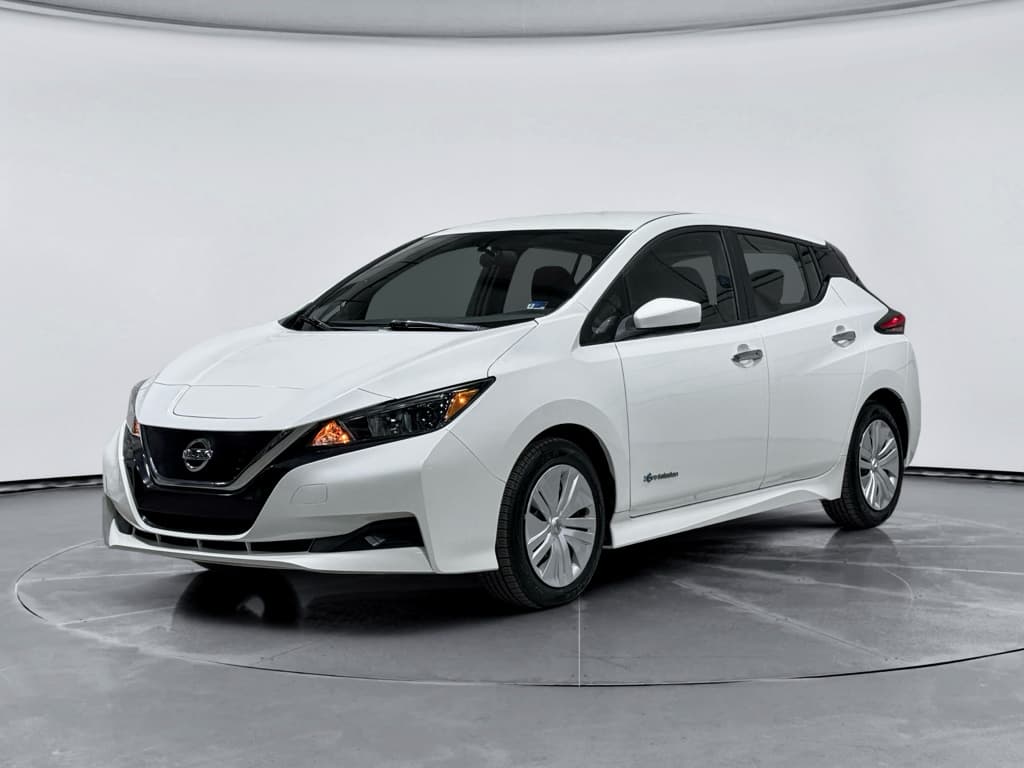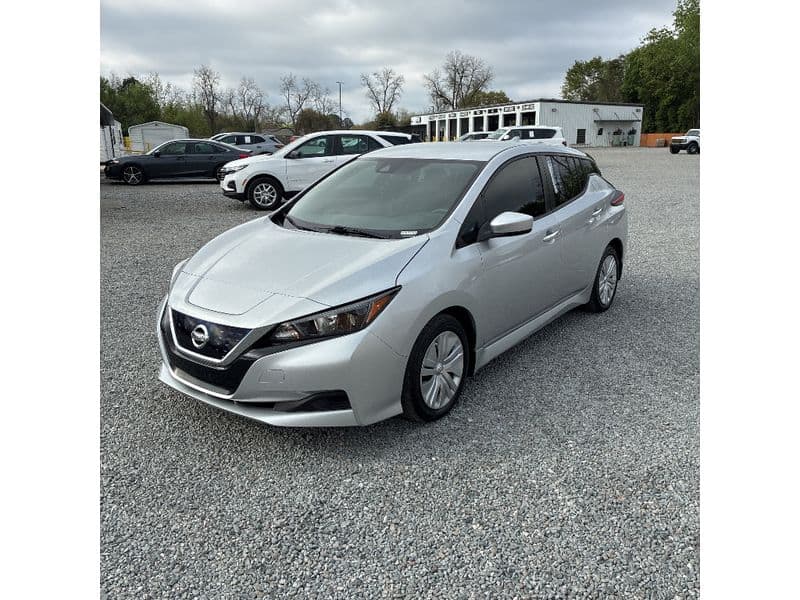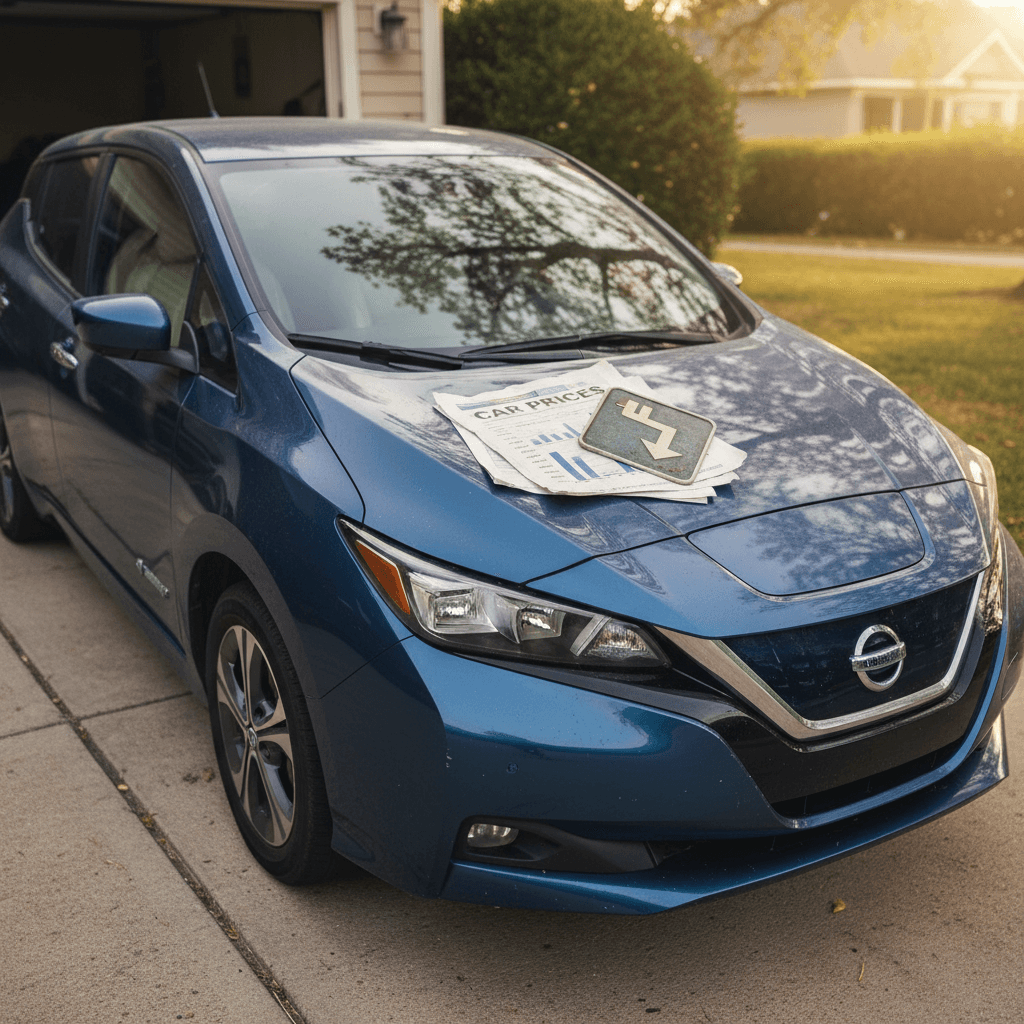
If you’re shopping for an affordable EV, you’ve probably noticed something: used Nissan Leafs are cheap compared with many other electric cars. That’s because the Nissan Leaf depreciates faster than most gasoline cars, and faster than many newer EVs. Understanding how fast a Nissan Leaf depreciates, and why, can turn what looks like a red flag into a real opportunity.
Quick take
Nissan Leaf depreciation at a glance
Typical Nissan Leaf depreciation patterns
Those are broad patterns, not promises. Depreciation on a Leaf is lumpy: early model years with small batteries fall hardest, while newer 40 kWh and 62 kWh Leafs hold value better. Your climate, charging habits, battery health, and local EV demand all nudge the curve up or down.
Why early Nissan Leafs fell in value so quickly
When the Leaf launched in 2011, it was one of the first mass‑market EVs. Great milestone, but the earliest cars had small batteries and limited cooling compared with what we expect today. That combination explains why 2011–2015 Leafs in particular depreciated so fast.
- Short real‑world range: Early Leafs were rated around 73–84 miles, and many owners saw less. As newer EVs arrived with 150+ miles of range, demand for those early Leafs cooled quickly.
- No active liquid cooling: The Leaf relies on air cooling. In hot climates, that can accelerate battery degradation, shrinking range and resale value.
- Generous incentives: Federal tax credits and, in some states, big rebates lowered real purchase prices. When it came time to resell, used buyers weren’t willing to pay anywhere near the original sticker.
- Fast EV tech progress: Each new generation of Leaf (and competing EVs) brought more range and features, making yesterday’s car feel outdated much faster than a typical gas hatchback.
Heat is the Leaf’s silent depreciator
How fast a Nissan Leaf depreciates by model year
Instead of chasing exact dollar amounts that change by region and incentives, it’s more useful to look at relative depreciation by generation. Think in terms of what portion of the original value a typical Leaf still carries today, assuming average miles and a reasonably healthy battery.
Nissan Leaf depreciation by generation (big‑picture view)
Approximate retained value of a Nissan Leaf relative to original MSRP, assuming typical mileage and good battery health. Actual prices vary by trim, condition, market and incentives.
| Model years / battery | Typical age in 2025 | Original EPA range | Common used price range* | Approx. value vs original MSRP |
|---|---|---|---|---|
| 2011–2015 (24 kWh) | 10–14 years | 73–84 miles | Often well under $8,000 | 20–30% |
| 2016–2017 (30 kWh) | 8–9 years | ~107 miles | Roughly $7,000–$11,000 | 30–40% |
| 2018–present (40 kWh) | 3–7 years | ~149–150 miles | Roughly $10,000–$18,000 | 40–55% |
| 2019–present (62 kWh e+) | >=5 years | ~215–226 miles | Roughly $16,000–$25,000+ | 55–70% |
Use this as a directional guide, not an appraisal tool. Battery health and your local market can swing values significantly.
About those price ranges
Compared with gasoline compacts
A comparable gas hatchback, think Nissan Versa or Toyota Yaris, typically loses maybe 40–50% of its value by year 5. Early Leafs often fell 60% or more over the same span, especially in hot‑weather markets where batteries aged faster.
Compared with newer EVs
Newer long‑range EVs with liquid‑cooled packs, like a Chevy Bolt EUV or Hyundai Kona Electric, tend to hold value better than those first‑gen Leafs. The Leaf’s depreciation curve is starting to flatten as its role becomes clear: it’s an inexpensive, reliable urban EV, not a road‑trip warrior.
How battery health and range change Leaf resale value
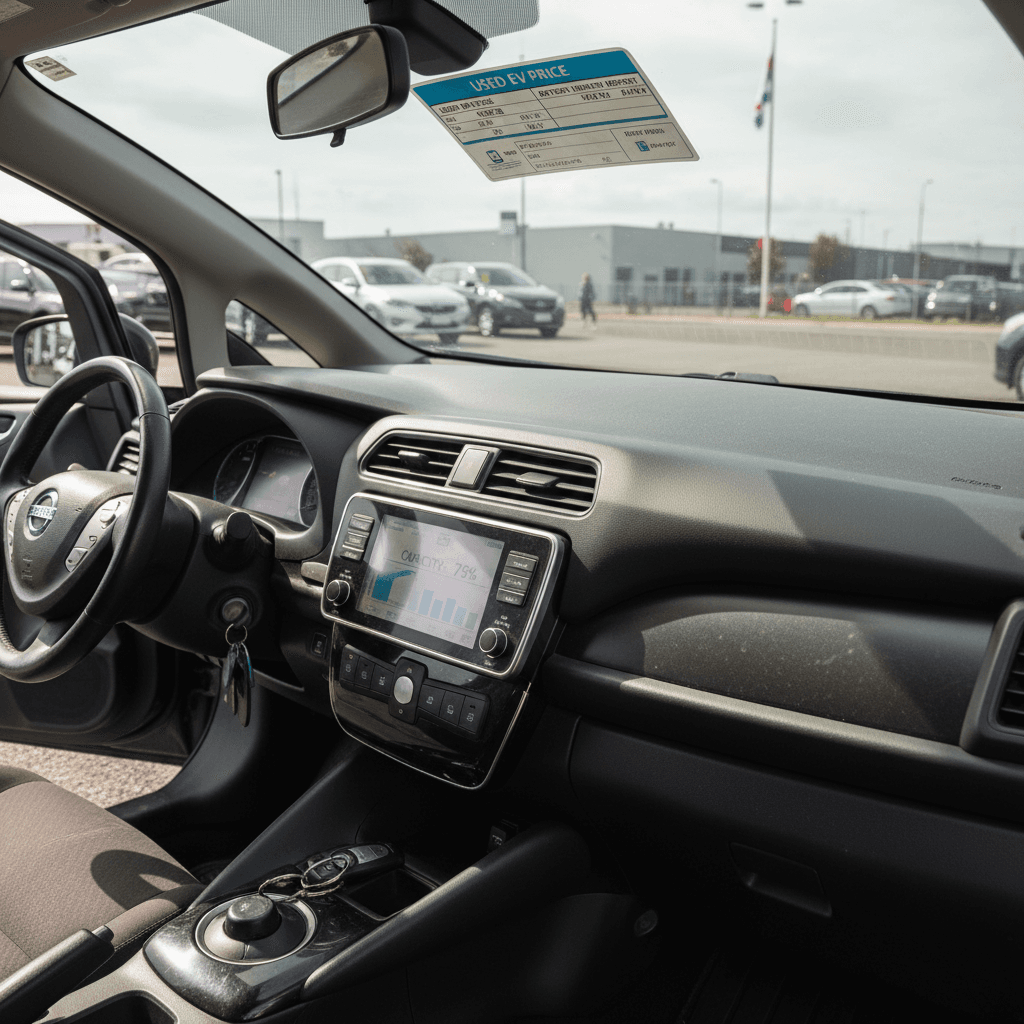
On a Nissan Leaf, battery health is not an abstract idea, it’s printed right on the dash in the form of capacity bars. Every missing bar is lost range, and every lost bar drags down value.
Key ways battery health drives depreciation
Two Leafs of the same year can be worth very different money.
Capacity bars
A new Leaf shows 12 capacity bars. Dropping to 11, 10, or lower means the pack has lost usable capacity. A Leaf with 9 bars remaining can be thousands less than a 12‑bar twin.
Real‑world range
Buyers look at what the car will actually do on a cold Tuesday commute, not the original window sticker. A car that can still deliver 90+ miles in mixed driving is more valuable than one that struggles to manage 60.
Charging history
Heavy DC fast‑charging and constant 100% charges in heat can stress the pack. A car mostly charged slowly at home and parked in a garage typically shows better long‑term health, and commands a higher price.
Always read the battery before you read the price
Because the Leaf lacks liquid cooling, climate is baked into depreciation. A 2018 Leaf with 80,000 miles and 12 capacity bars from coastal Oregon can easily be a better buy than a 2019 Leaf with 50,000 miles and 9 bars from Texas. Range you can actually use is what keeps a Leaf desirable, or makes it a hard sell.
Miles, age, climate and other factors that move prices
Once you’ve accounted for battery health, the Leaf behaves like any other used car: miles, age, and condition push value up or down. But the weighting is different from a gas car.
What pushes a Nissan Leaf’s value up or down?
Age vs. miles balance
After the first big 3–5‑year drop, age becomes less important than battery condition and mileage. A 7‑year‑old Leaf with modest miles and a strong pack can be a smarter buy than a 4‑year‑old car that’s lived a hard life.
Local fuel and electricity prices
In areas with expensive gasoline and relatively cheap electricity, a cheap used Leaf looks very attractive as a commuter, which supports prices. Where power is pricey and gas is cheap, demand softens.
Climate history
Cooler, coastal or northern climates are usually kinder to Leaf batteries than hot, inland ones. Cars from hotter states often show faster capacity loss and steeper depreciation.
Trim level and options
Higher trims (SV, SL, SL Plus) with features like ProPILOT Assist, a heat pump, and upgraded infotainment can hold value better, especially in cold regions where the heat pump really matters.
Accident and service history
Just like any other car, structural damage, shoddy repairs, or missing maintenance records can spook buyers and push prices down. Clean history and documented care help support higher resale.
Charging hardware included
A Leaf that comes with a 240V portable EVSE or upgraded home charging equipment can be more appealing, especially to first‑time EV buyers trying to keep total costs down.
Don’t ignore salvage or "battery only" bargains
How leases and incentives shape used Leaf prices
Another quiet force behind Leaf depreciation is the way many of them entered the market. For years, the Leaf was heavily leased and heavily incentivized. That distorts both the top and bottom of the value curve.
- Lower real new-car prices: Big rebates and tax credits meant many first owners paid far less than MSRP. Depreciation looks brutal on paper because you’re comparing today’s used price to a sticker no one actually paid.
- Waves of off‑lease cars: When thousands of similar Leafs came off lease at the same time, supply spiked. That tends to push used prices down, especially on early, short‑range cars.
- Well‑maintained first owners: The upside: lease cars are often serviced on schedule, garaged, and driven predictable miles. That can mean a well‑kept used Leaf for you, at a price that reflects those market forces.
Why this is good news for second owners
Smart strategies when buying a used Nissan Leaf
If you approach Leaf depreciation the way you’d approach an aging luxury sedan, you’ll miss the point. The Leaf is more like a great used appliance: if it does the job you need, cheaply and reliably, depreciation becomes your friend. Here’s how to stack the odds in your favor.
Checklist: Turn depreciation into a deal
1. Define your real‑world range needs
Add up your typical daily miles, worst‑case days, and weather. If you rarely need more than 50–60 miles a day, a well‑priced older Leaf with some degradation may be perfectly fine. Long highway commutes? Look to newer 40 kWh or 62 kWh cars.
2. Prioritize battery health over model year
A 2017 Leaf with 12 bars can be a better buy than a 2019 with 9 bars. Ask for documentation and, ideally, a third‑party battery health test like the <strong>Recharged Score</strong> provides.
3. Check climate history and storage
Look for cars from moderate climates, garaged when possible. Avoid cars that lived their whole life baking in parking lots or desert sun if you care about maximum range.
4. Watch out for suspiciously low prices
If a Leaf is dramatically cheaper than similar cars, assume there’s a catch, often the battery. Insist on a test drive that includes highway speeds and hills, and watch remaining range closely.
5. Consider total cost of ownership, not just price
Even if a Leaf loses value faster than a comparable gas car, you may come out ahead when you add up fuel and maintenance savings. Run the math for your electricity rates and driving patterns.
6. Use expert help when you can
Buying from an EV‑focused retailer like <strong>Recharged</strong> means you get battery diagnostics, transparent pricing, and help comparing Leafs to other used EVs that might fit your life just as well, or better.
When a depreciated Nissan Leaf is actually a steal
Fast depreciation isn’t automatically a red flag. In the Leaf’s case, it often just reflects how quickly EV tech has evolved. In the right use case, a heavily depreciated Leaf can be one of the cheapest ways to drive electric.
Great use cases for a heavily depreciated Leaf
Where the Leaf’s value curve really works in your favor.
Short‑hop city car
If most of your driving is school runs, errands, and a 10–15‑mile commute, even an older Leaf with reduced range can cover your life comfortably. You’re basically buying a quiet, low‑maintenance metro shuttle at a deep discount.
Second car in a multi‑car household
Use the Leaf for commuting and local trips, and keep a gas or longer‑range EV for road trips. In this role, depreciation is your ally: you get a cheap, efficient workhorse and save your more expensive car for the long hauls.
Driver switching from an old gas beater
If you’re coming out of a 20‑year‑old sedan with questionable reliability, a depreciated Leaf can offer modern safety tech, low running costs, and predictable reliability, even if its resale value never impresses anyone.
Budget‑conscious first EV
A used Leaf lets you learn EV life, charging, range planning, cold‑weather quirks, without risking luxury‑car money. When you’re ready to upgrade, you’ll know exactly what you need in your next EV.
Think in cost per mile, not bragging rights
FAQ: Nissan Leaf depreciation and used values
Frequently asked questions about Nissan Leaf depreciation
Bottom line: Is Leaf depreciation a bug or a feature?
Viewed from a new‑car showroom, Leaf depreciation looks like a bug: the car loses value faster than many gas vehicles and some newer EVs. But if you’re coming at it from the used‑car side, that same curve becomes a feature. Someone else paid for the rapid pace of EV progress; you get an honest, straightforward electric commuter for used‑Civic money.
The key is to buy the car in front of you, not the reputation of the badge. Match the Leaf’s remaining range to your real driving, insist on solid battery data, and be realistic about resale. Do that, and the Leaf’s fast early depreciation can be exactly what makes it the right EV at the right price. And if you’d like a guide in your corner, Recharged’s EV specialists, battery‑health reports, financing options, and trade‑in or consignment services are built to make that decision as transparent, and as stress‑free, as possible.