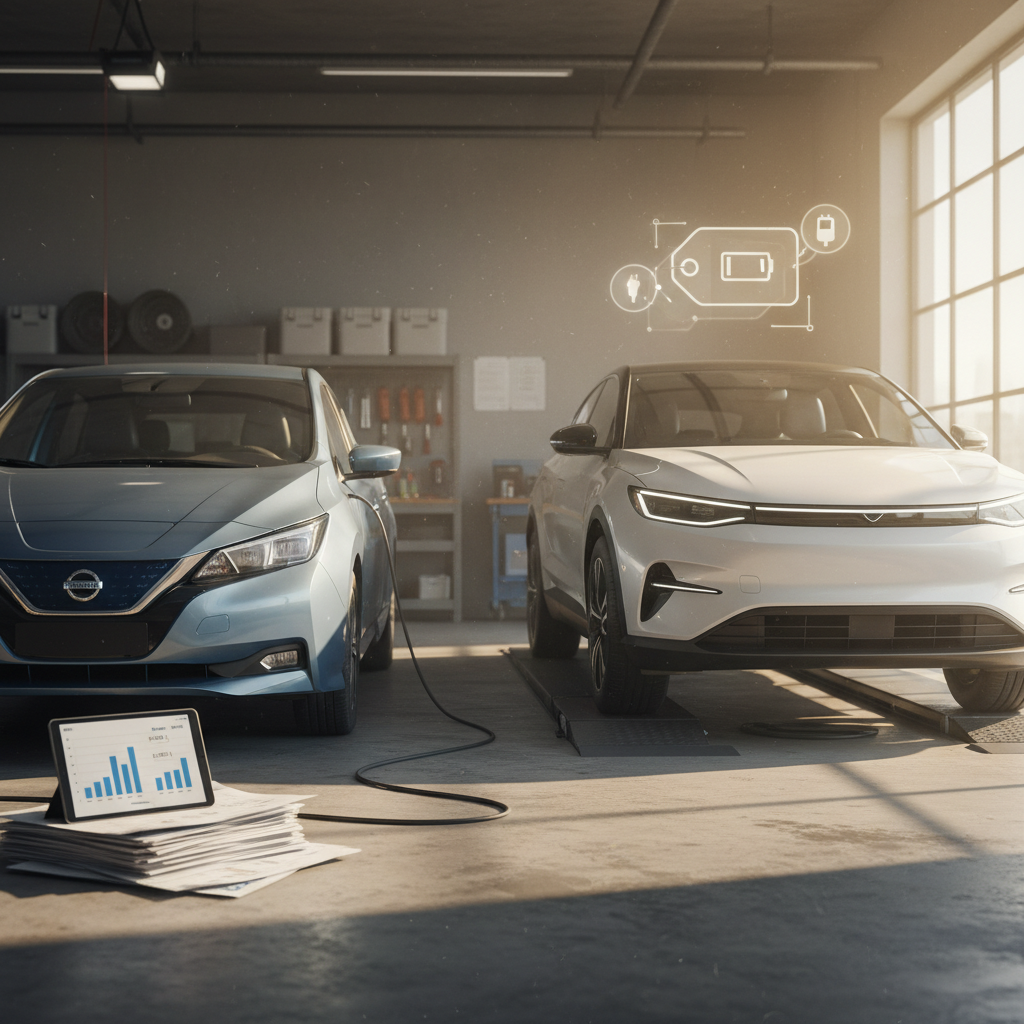
If you’re eyeing a Toyota bZ4X in 2026, whether new, lightly used, or one of the heavily discounted early models, you’re probably wondering if Toyota’s first modern EV is as reliable as its gas cars. The honest answer: the 2023–2026 Toyota bZ4X (and the freshly renamed “Toyota bZ”) is shaping up to be about average for EV reliability, backed by a strong warranty, but with a few problem areas you should go in knowing about.
Context for 2026 shoppers
Toyota bZ4X reliability in 2026: the short story
Toyota bZ4X reliability snapshot for 2026
In 2026, the bZ4X is no longer the shaky newcomer it was when the 2023 models got yanked off the road for loose wheel‑hub bolts. Recalls have addressed that scary issue, and Toyota has layered on software updates to improve DC fast‑charging behavior, cold‑weather HVAC performance, and the digital cluster’s range estimates. The net result: most owners report a solid, mostly drama‑free daily driver, but there are more nuisance issues than you might expect given the Toyota badge.
Quick verdict for 2026
How much do we really know about bZ4X reliability?
The bZ4X only launched for the 2023 model year, which means we’re just now seeing the first wave of 3‑year‑old examples in 2026. That’s not enough time to declare it a future 300,000‑mile hero or a basket case, but there are several solid data points:
- Brand reputation vs. new platform: Toyota ranks near the top in most 2024–2025 brand‑wide reliability studies, but the bZ4X rides on a new e‑TNGA EV platform, not the long‑proven hardware underneath a RAV4 or Camry.
- Owner‑survey outlets: Sites that score 2023–2025 bZ4X reliability generally place it around the middle of the compact EV‑SUV class, better than some troubled newcomers, but behind rock‑solid hybrids and plug‑in Toyotas.
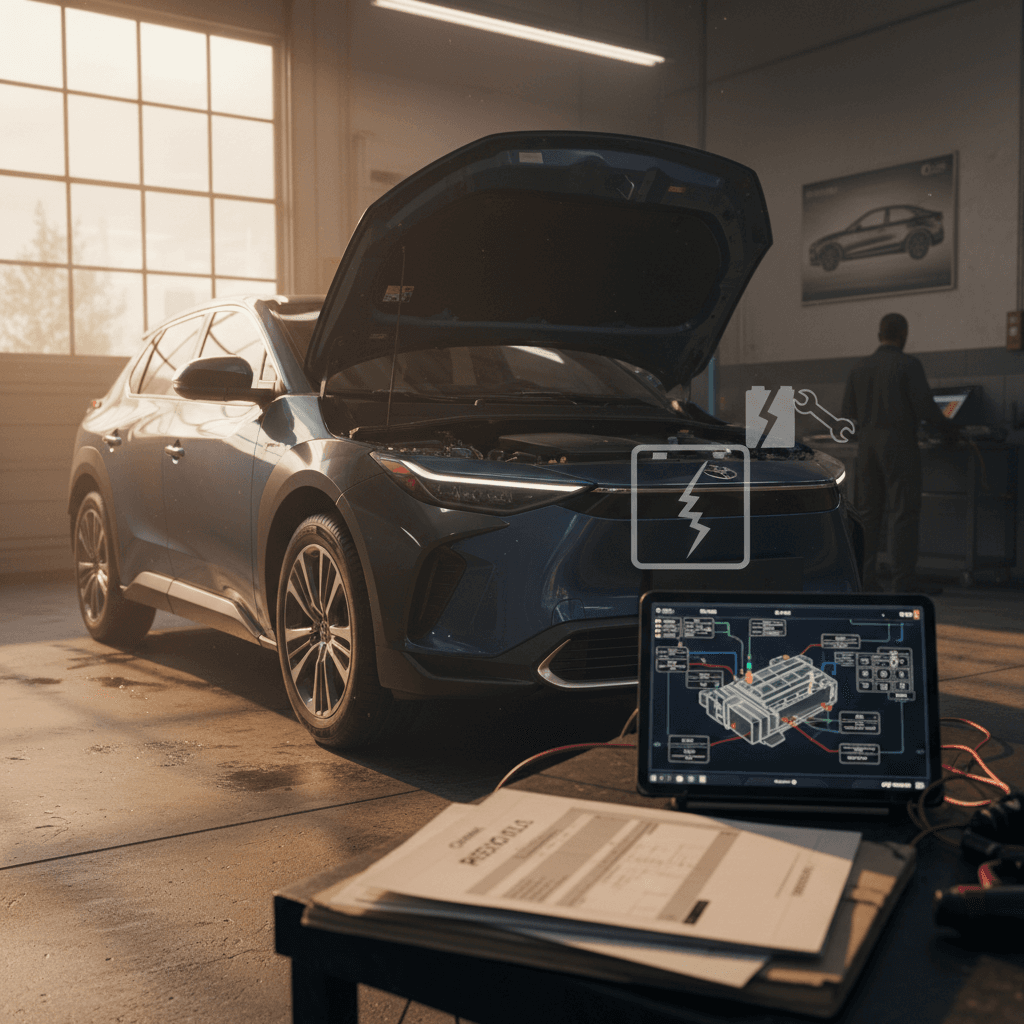
- Recall history: Early cars had a headline‑grabbing wheel‑hub recall, followed by HVAC and parking‑assist software campaigns. The good news is that Toyota has moved quickly with fixes; the bad news is, you’ll want to verify they’re done on any used example.
- Real‑world owner feedback: Forum posts and long‑term tests show a clear split: many owners report zero mechanical failures, while others describe frustrating 12‑volt battery issues, finicky charging behavior, or HVAC trouble in extreme weather.
How to read early EV reliability
Major Toyota bZ4X recalls and what they fixed
If you’re shopping a 2023–2025 bZ4X (or its Subaru Solterra twin), understanding the recall history is the foundation of judging reliability. By 2026, most well‑maintained examples should have had the following addressed:
Key 2023–2025 Toyota bZ4X recalls
Always run a VIN check to confirm recall completion before you buy, especially on early‑build 2023 models.
| Issue | Model years affected | Symptom | Fix | Reliability impact |
|---|---|---|---|---|
| Loose wheel‑hub bolts / possible wheel detachment | 2023 (early build) | Wheels could loosen and in rare cases detach, usually after extended driving. | Dealer replaced or re‑torqued critical hub bolts and hardware and cleared cars for normal use. | High if unresolved; once fixed properly, it hasn’t shown as an ongoing failure pattern. |
| HVAC heat‑pump failure & poor defrost | 2023–2025 | Loss of cabin heat and weak windshield defog in cold weather, affecting visibility. | Software reflash plus hardware inspection; faulty components replaced as needed. | Moderate: annoying and potentially unsafe in winter, but mostly addressable with recall work. |
| Parking‑assist / braking software error | 2023–2025 | Certain parking‑assist functions could behave unpredictably in rare conditions. | ECU software update at dealer. | Low: more of a nuisance and liability concern than a core mechanical reliability issue. |
This table focuses on U.S. recall campaigns that most affect day‑to‑day reliability and safety.
Don’t ignore open recalls
Common 2023–2026 Toyota bZ4X issues
Beyond official recalls, owner reports and technical service bulletins (TSBs) point to a handful of recurring trouble spots. None are guaranteed to hit you, but they’re worth asking about on a test drive.
Most talked‑about bZ4X reliability trouble spots
What 2023–2026 owners are actually complaining about
12‑volt battery woes
The small 12‑volt battery that wakes up the car can discharge unexpectedly, especially on cars left parked for many days or used mostly for very short trips.
- Symptoms: random “car won’t start” messages, security system glitches, or needing a jump.
- Fixes: updated software to reduce parasitic draw, revised charging logic, and, in some cases, a new 12‑volt battery.
HVAC & heat‑pump quirks
Even with the recall work, some owners still note slow cabin warm‑up, noisy compressors, or occasional loss of heat in deep winter.
These issues are more common in very cold climates and on early‑build cars that sat unsold for long periods.
Infotainment & app glitches
Toyota’s multimedia system and companion app remain sore points.
- Bluetooth dropouts or laggy CarPlay/Android Auto.
- Charge‑scheduling tools that don’t always trigger correctly.
- Clunky remote‑climate controls in the app.
DC fast‑charging inconsistency
All‑wheel‑drive bZ4X models in particular can charge slowly on public DC fast chargers, especially after repeated sessions on a long trip.
Software updates have helped, but it still trails the best‑in‑class competitors for road‑trip ease.
Range estimates that swing
The digital guess‑o‑meter can be conservative in cold weather, then optimistic on warm days. That’s not unique to Toyota, but it can spook first‑time EV drivers.
Minor trim & squeaks
Owners mention occasional interior rattles, particularly in the doors and hatch area, and some wind noise around the mirrors at highway speed. Annoying, but usually not expensive to correct.
Where the bZ4X has been solid
Battery health, range and charging reliability
If you’re coming from a Prius, you already know Toyota plays the long game with hybrid batteries. The bZ4X’s pack is newer tech, but so far it’s behaving like a Toyota: conservative and cautious rather than headline‑grabbing.
Battery longevity so far
- Degradation: Early‑build 2023 owners reporting into 2025–2026 typically see modest capacity loss, often in the single‑digit percentage range after 30,000–40,000 miles when driven and charged normally.
- Thermal management: The pack is liquid‑cooled and managed conservatively, which helps long‑term health but keeps peak charging power lower than some rivals.
- Warranty safety net: Toyota expects at least 70% of original capacity through the warranty period when cars receive regular battery‑health checks at the dealer.
Charging behavior you should know about
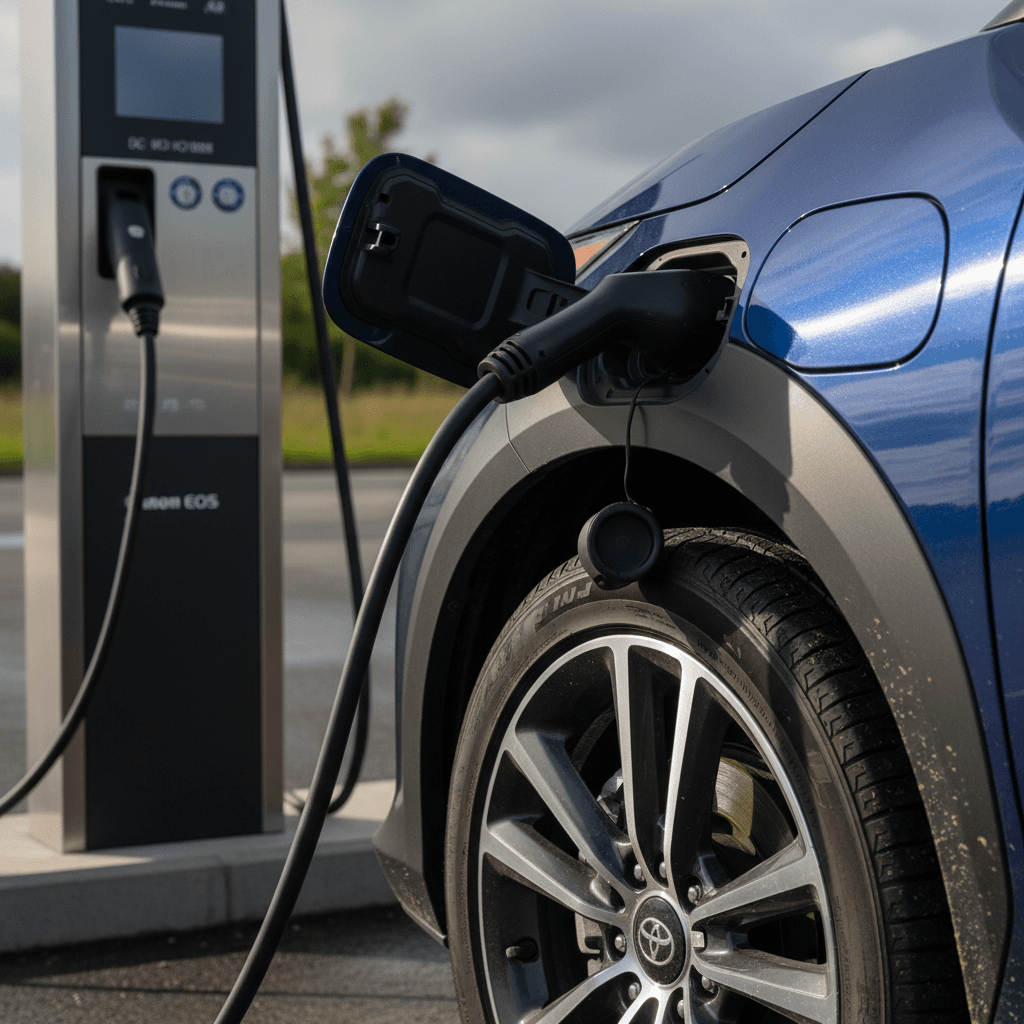
- DC fast‑charging: Front‑wheel‑drive models generally charge faster and more consistently than AWD versions. Don’t expect class‑leading road‑trip speeds, plan extra time compared with a Hyundai Ioniq 5 or Tesla Model Y.
- Cold‑weather charging: In freezing temps, initial DC charging rates can be slow until the pack warms. A pre‑conditioned battery (via recent driving or pre‑heating) helps a lot.
- AC home charging: Level 2 home charging is straightforward and reliable. A 40‑amp EVSE on a 240‑volt circuit is a sweet spot for overnight top‑offs.
Battery‑friendly habits for a bZ4X
Toyota bZ4X warranty coverage in 2026
One reason many shoppers still gravitate to the bZ4X is that Toyota backs it aggressively, especially if you keep the car inside its dealer ecosystem for scheduled service. Exact terms vary by market, but in the U.S. and many other regions the coverage looks something like this:
Typical Toyota bZ4X warranty coverage (U.S.‑market style)
Always verify exact terms for the model year and region you’re shopping; this table is a general guide, not a contract.
| Component | Typical coverage | What it means for you |
|---|---|---|
| Basic bumper‑to‑bumper | 3 years / 36,000 miles | Covers most non‑wear items and many early‑life glitches that show up in the first few years. |
| Powertrain / EV system | 5 years / 60,000 miles | Covers electric motors and related drivetrain bits if a major failure shows up early. |
| Hybrid/EV battery pack | 8 years / 100,000 miles (often longer in CARB states) | If the pack develops a defect or drops below a defined capacity threshold during this window, Toyota repairs or replaces it. |
| Extended vehicle + battery programs | Up to 10 years with dealer‑based health checks in many markets | Toyota incentivizes you to keep annual inspections up to date by stretching coverage, good news for second and third owners. |
Generous coverage is a key part of the bZ4X reliability story in 2026.
Why warranty matters more on a first‑gen EV
How bZ4X reliability compares to rivals
In 2026, the compact electric‑SUV class is crowded with strong options. The bZ4X generally trades a bit of performance and charging speed for conservative engineering and Toyota’s support network.
bZ4X vs. key 2026 EV‑SUV rivals
How reliability and ownership experience stack up, not just 0–60 times
Hyundai Ioniq 5 / Kia EV6
Pros vs. bZ4X: Faster DC charging, longer real‑world range on many trims, more exciting design.
Cons: Hyundai/Kia EVs have had their own recall waves and software quirks, and long‑term U.S. data is still building. Dealer experiences vary widely.
Tesla Model Y
Pros vs. bZ4X: Huge Supercharger network, strong efficiency, over‑the‑air fixes, plenty of owner‑reported high‑mile examples.
Cons: Build quality and service can be hit‑or‑miss, especially on earlier cars; you’re trading Toyota’s dealer net for a software‑first ecosystem.
Volkswagen ID.4, Nissan Ariya & others
Pros vs. bZ4X: Often more range or cargo space, with improving software.
Cons: VW’s first‑wave software and charging problems were widely reported; Ariya is newer and more expensive, with less real‑world data.
How to compare reliability across EVs
Used Toyota bZ4X reliability checklist
Used bZ4X prices have softened, in part because of early recall headlines and lukewarm press range tests. That’s actually an opportunity if you’re a savvy shopper who knows what to look for.
Reliability checks before you buy a used bZ4X
1. Verify recall completion
Ask for a printout of the car’s service history from a Toyota dealer, or run the VIN through Toyota’s recall tool. Make sure wheel‑hub, HVAC and parking‑assist campaigns are all closed.
2. Check 12‑volt battery history
Look for any notes about repeated jump‑starts or battery replacements. A single new 12‑volt isn’t alarming; a pattern of failures is a red flag.
3. Inspect HVAC performance
On a test drive, run the heat and A/C hard. Make sure the windshield defogs quickly and the cabin reaches temperature without strange noises from the heat pump.
4. Test DC fast‑charging if possible
If you can, plug into a public fast charger during your test drive. Watch for unusually slow rates or repeated session failures compared with similar EVs on the same station.
5. Listen for squeaks and rattles
Drive over rough pavement and at highway speeds with the radio off. Occasional trim creaks are fixable, but relentless rattles suggest rushed assembly or past accident damage.
6. Ask for a battery‑health report
Some Toyota dealers can pull a basic traction‑battery health check. On a used EV, pairing that with an independent battery scan, like the Recharged Score report offers, gives a much clearer picture of long‑term reliability.
How Recharged can help with a used bZ4X
Ready to find your next EV?
Browse VehiclesIs the Toyota bZ4X a good long‑term bet?
Reasons to feel confident
- Solid core hardware: No widespread traction‑motor or main battery failures have emerged in the first three years of production.
- Toyota’s conservative tuning: The bZ4X is not a spec‑sheet hero, but the same caution that limits outright performance tends to favor long‑term reliability.
- Strong warranty + dealer network: If something does go wrong under warranty, you’re not hunting for the one EV‑trained tech in a three‑state radius.
Reasons to keep your eyes open
- First‑generation EV platform: Toyota’s hybrid experience helps, but this isn’t a warmed‑over Prius. Software and accessory systems are still maturing.
- Average, not stellar, charging: Road‑trip charging reliability and speed lag behind the best in class, and some owners still report finicky behavior at public DC stations.
- Spotty early build quality: Isolated reports of squeaks, trim issues, and “my car lived at the dealer for weeks” are reminders to buy a specific car, not a reputation.
If you want the quickest, longest‑range, most road‑trip‑friendly EV in the segment, the bZ4X isn’t it. But if your life is built around commuting, errands and the occasional weekend away, and you value a cautious engineering philosophy plus a serious warranty, the 2023–2026 bZ4X lands in a reasonable middle ground. It’s not the indestructible Toyota of legend, yet, but for many drivers it’s proving to be a dependable, unflashy EV that gets better as software updates roll in. Shop carefully, lean on battery‑health data, and you can let early‑recall headlines work in your favor rather than scare you away.