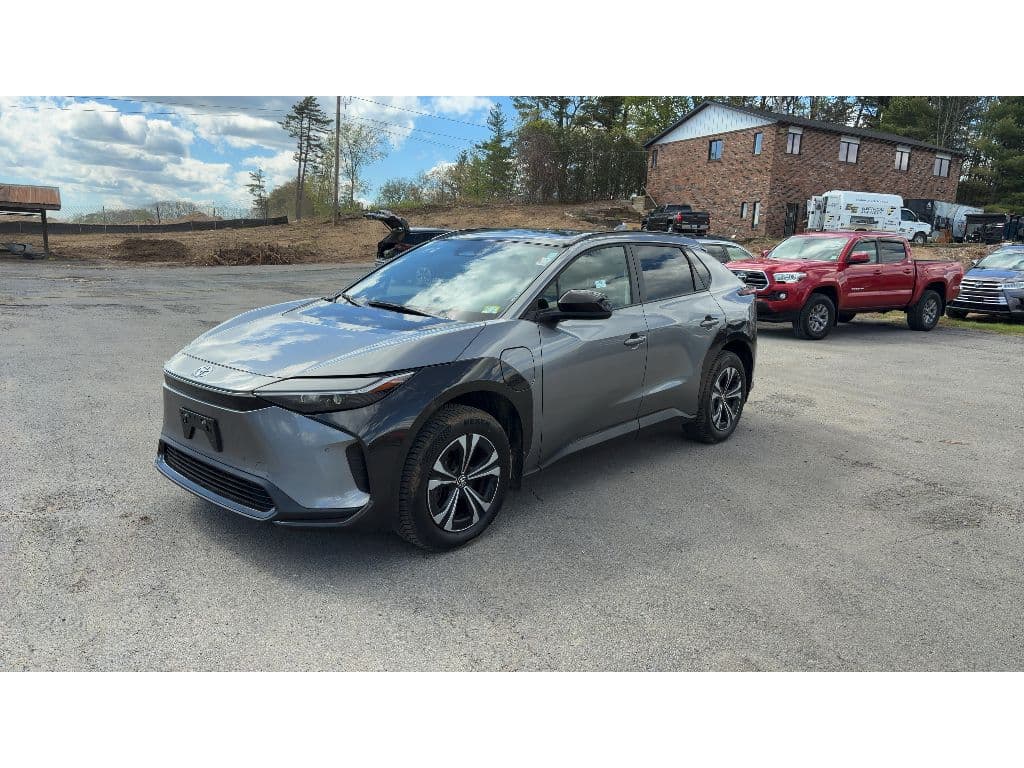
If you’re looking at a Toyota bZ4X, new or used, the spec sheet says up to 252 miles of range. But real‑world highway driving is tougher than lab tests. At 70 mph in mixed weather, many owners see less. In this guide, we’ll break down Toyota bZ4X real‑world highway range, how it compares to EPA numbers, what happens in winter, and how to plan road trips with confidence.
Quick context
Toyota bZ4X highway range at a glance
Real‑world Toyota bZ4X range snapshot
On paper, Toyota positions the bZ4X as a mid‑pack compact electric SUV. Front‑wheel‑drive trims carry EPA ratings up to 252 miles, while all‑wheel‑drive versions drop to the low 220‑mile range. In independent testing, though, early bZ4X models often fall short on the highway, with some 70‑mph tests landing closer to ~210 miles for FWD and ~160 miles for AWD before reaching a low state of charge.
Highway vs city driving
EPA range vs real‑world: how the bZ4X stacks up
The EPA test cycle blends city and highway use, and it’s gentler than a real‑world interstate slog. For the bZ4X, the official U.S. numbers for 2023–2025 look like this:
EPA‑estimated range for Toyota bZ4X (2023–2025, U.S.)
Factory ratings for mixed city/highway driving under EPA test cycles.
| Drivetrain & trim | Wheels | EPA range (mi, est.) | Notes |
|---|---|---|---|
| FWD XLE | 18 in | 252 | Longest‑range configuration |
| FWD Limited | 20 in | 242–236 | Slight hit from larger wheels and equipment |
| AWD XLE | 18 in | 228 | Dual‑motor all‑wheel drive |
| AWD Limited | 20 in | 222 | Shortest EPA rating in the lineup |
Actual highway range at 70 mph is usually lower than these combined EPA values.
Independent reviews generally find that the EPA numbers are realistic in mixed driving, but the highway piece tells a different story. When driven at a steady 70 mph, the bZ4X tends to undershoot its rating more than some rivals like the Hyundai Ioniq 5 or Kia EV6, which stay closer to or even exceed EPA figures on the highway.
Why EPA doesn’t equal interstate
What independent 70‑mph highway tests show
Independent outlets that run dedicated 70‑mph tests paint a clear picture: the bZ4X is fine for modest road trips but not a long‑legged highway star. Across several early tests of 2023–2024 models, here’s the pattern:
- FWD bZ4X (EPA up to ~252 mi) typically returns around 200–215 miles at 70 mph in mild weather.
- AWD bZ4X (EPA low‑220s) can drop closer to 160–190 miles at 70 mph, depending on temperature and wheels.
- Highway efficiency often comes in above 28 kWh/100 mi, lagging more efficient competitors in this class.
That means if you’re planning a highway leg in good weather and want a comfortable buffer, a realistic planning number is often:
- FWD bZ4X: plan around 180–200 miles between fast‑charge stops at 70 mph.
- AWD bZ4X: plan 150–170 miles between stops at 70 mph.
Use 80–85% of best‑case range
FWD vs AWD, wheel size, and trim: range differences
Two big choices affect your bZ4X’s highway range: drivetrain and wheel size. Toyota offers the bZ4X with single‑motor front‑wheel drive and dual‑motor all‑wheel drive. Most trims also step up from 18‑inch to 20‑inch wheels as you move higher in the lineup.
How configuration changes bZ4X highway range
Same body, different real‑world results.
Front‑wheel drive (FWD)
- Single motor, lower weight, less drivetrain loss.
- Highest EPA rating (up to 252 miles).
- In 70‑mph tests, often around 200–215 miles from 100% to low state of charge.
- Best pick if you prioritize longer highway legs over all‑weather traction.
All‑wheel drive (AWD)
- Two motors, more power and traction, but more energy use.
- EPA ratings down in the low 220‑mile range.
- Independent highway tests show some AWD trims around 160–190 miles at 70 mph.
- Better for snow and dirt roads but you give up range.
Wheel size also matters more than many buyers expect. Larger wheels usually mean heavier tires and more aerodynamic drag, which hurts efficiency, especially at speed.
18‑inch wheels
- Standard on lower trims.
- Slightly better efficiency and comfort.
- Best choice if you’re chasing maximum range.
20‑inch wheels
- Standard on many Limited and appearance packages.
- Sharper look but more energy use at highway speeds.
- Expect to give up a handful of miles vs. 18‑inch setup.
Smart spec choice for range
Cold weather and winter highway range in the bZ4X
Like most EVs, the bZ4X loses range in cold weather. High speeds plus low temperatures are a tough combo because the battery is less efficient and you’re running cabin heat continuously.
Typical cold‑weather impact on bZ4X highway range
Approximate planning values for 70‑mph highway driving by temperature band.
| Scenario | Approx. temp | FWD planning range | AWD planning range | Notes |
|---|---|---|---|---|
| Mild weather road trip | 60–75°F | 180–200 mi | 150–170 mi | Best‑case conditions; light HVAC use. |
| Cool & rainy | 40–55°F | 160–180 mi | 135–155 mi | Wet roads + heater add noticeable drag. |
| Cold winter highway | 20–35°F | 140–160 mi | 120–140 mi | Battery and cabin heat take a big toll. |
| Frigid conditions | Below 20°F | 120–140 mi | 100–120 mi | Plan extra buffer and more frequent stops. |
These are generalized estimates; your results will vary with wind, precipitation, elevation, and traffic.
Don’t ignore winter buffers
Later‑build bZ4X models and the refreshed 2026 bZ add battery preconditioning and efficiency tweaks that help in cold weather compared with early 2023 units, but the basic physics doesn’t change: cold batteries and high speed mean more frequent charging stops.
Planning highway trips and charging stops
With honest expectations, the bZ4X can handle typical U.S. highway trips, think 150–200‑mile legs with a DC fast‑charge stop every few hours. Where owners run into frustration is underestimating how quickly range falls at 70 mph, then arriving at a fast charger with less than 10% remaining and a long line.
How to plan a comfortable bZ4X highway day
Use conservative numbers and modern tools.
1. Start with realistic range
Base your plan on real‑world numbers, not brochure stats:
- FWD: use 180–200 miles in mild weather, less in winter.
- AWD: use 150–170 miles, less in winter.
2. Use route planning apps
Apps like A Better Routeplanner, PlugShare, and major charging‑network apps let you model:
- Speed and temperature assumptions.
- Planned arrival state of charge.
- Backup stations if one is crowded.
3. Think in SOC, not miles
Instead of fixating on miles, plan by state of charge:
- Depart: 90–100%.
- Arrive at charger: 10–20%.
- Charge back to 60–80% for quickest DC sessions.
Aim for shorter, faster charges
If you’re considering a used bZ4X and aren’t sure how the numbers pencil out for your travel patterns, this is where an EV‑savvy retailer helps. At Recharged, EV specialists can walk you through trip simulations for your typical routes and compare the bZ4X to alternatives so you’re not guessing about range on day one.
How the 2026 bZ (updated bZ4X) changes the picture
For the 2026 model year, Toyota is refreshing the bZ4X and shortening the name to simply “bZ.” The update brings new battery options, more power, and better efficiency, along with support for Tesla’s North American Charging Standard (NACS) plug and access to the Supercharger network.
bZ4X vs 2026 bZ: high‑level battery and range changes
High‑level overview of how Toyota’s refresh affects range potential.
| Model | Battery options (gross) | Max claimed/expected range | Highway impact |
|---|---|---|---|
| 2023–2025 bZ4X | ~63–66 kWh | Up to ~252 mi EPA (FWD) | Limited real‑world highway range; early tests show 160–215 mi at 70 mph. |
| 2026 bZ (refresh) | 57.7 kWh, 73.1 kWh | Up to ~314 mi (global estimate for FWD) | Improved efficiency and higher range should push realistic 70‑mph numbers clearly above earlier bZ4X figures. |
U.S. EPA figures for the 2026 bZ weren’t final at the time of writing; numbers below reference early global claims and estimates.
NACS and Supercharger access
If you’re shopping used, nearly all inventory for the next couple of years will be pre‑refresh bZ4X models. Expect them to have shorter highway legs than the 2026‑and‑newer bZ, but potentially at a lower purchase price. That trade‑off can make sense if you mostly drive locally and only take occasional road trips.
Buying a used bZ4X: realistic range expectations
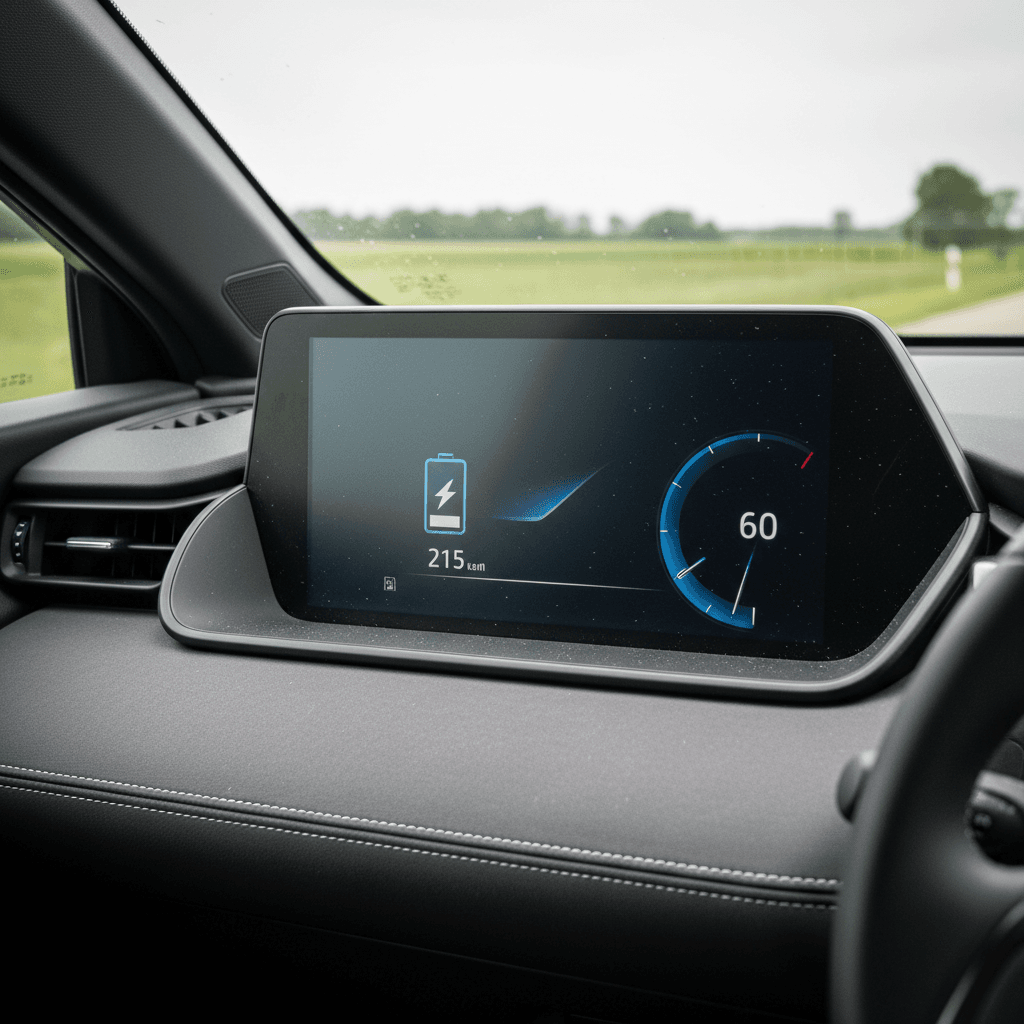
For used‑EV shoppers, the bZ4X’s highway range is only half the story. You also need to know how the battery has held up. Toyota engineered the pack for longevity, and early signs suggest modest degradation when properly cared for, but mileage, climate, and charging habits all matter.
What most used‑bZ4X buyers can expect
- On a healthy pack, plan on roughly 10–15% lower usable range vs. showroom‑fresh expectations as the car ages.
- High‑mileage highway cars or vehicles fast‑charged heavily may show more noticeable loss.
- Local commuting range is usually less sensitive than highway road‑tripping.
How Recharged helps de‑risk range
- Every EV sold through Recharged includes a Recharged Score battery health report with pack diagnostics.
- Highway range expectations can be tied to actual battery capacity, not guesswork.
- We can compare a used bZ4X’s range profile to other EVs in your budget so you’re picking the right tool for your driving.
Battery health = range confidence
Driver tips to maximize bZ4X highway range
You can’t turn a bZ4X into a long‑range Tesla, but you can squeeze more miles out of every kilowatt‑hour. Small habits add up, especially at 70 mph.
Practical ways to extend bZ4X highway range
1. Dial back cruise speed slightly
Dropping from 75 mph to 68–70 mph can add double‑digit miles to your usable range. Aerodynamic drag rises exponentially with speed, so every mph counts.
2. Use Eco mode and smooth inputs
Eco mode softens pedal response and encourages gentler driving. Avoid hard acceleration up to speed and heavy braking; smooth inputs keep energy use in check.
3. Precondition while plugged in
In cold or hot weather, pre‑heat or pre‑cool the cabin while the car is still on the charger. That way, the grid, not your battery, does the heavy HVAC lifting before you hit the highway.
4. Mind HVAC settings
On long drives, use seat and steering‑wheel heaters instead of cranking the cabin temperature. They draw less power than heating a large volume of air.
5. Watch tire pressure and wheel choices
Under‑inflated tires and aggressive all‑terrain treads can eat into range. Keep pressures at spec and, if possible, avoid heavier wheel/tire packages if range is a priority.
6. Travel light and aerodynamic
Roof boxes, bike racks, and heavy cargo all hurt efficiency. Remove accessories when you’re not using them, and pack inside the cabin instead of on the roof when you can.
Think in efficiency, not just range
Frequently asked questions about bZ4X highway range
Toyota bZ4X highway range FAQ
Bottom line: Is the bZ4X’s highway range good enough?
The Toyota bZ4X isn’t the highway‑range champion of the EV world, but it’s also not the disaster some early headlines suggested. If you go in with realistic expectations, roughly 180–200 miles for FWD and 150–170 miles for AWD at 70 mph in good weather, and plan your stops accordingly, it’s a perfectly capable road‑trip partner for most U.S. drivers.
Where it shines is predictable, efficient daily use: commuting, school runs, and weekend trips that sit well inside its comfort zone. If you’re shopping used, pairing those strengths with a transparent Recharged Score battery health report, fair pricing, and EV‑specialist guidance can turn the bZ4X into a low‑stress, high‑value entry into electric driving, whether your miles are mostly on the highway or around town.