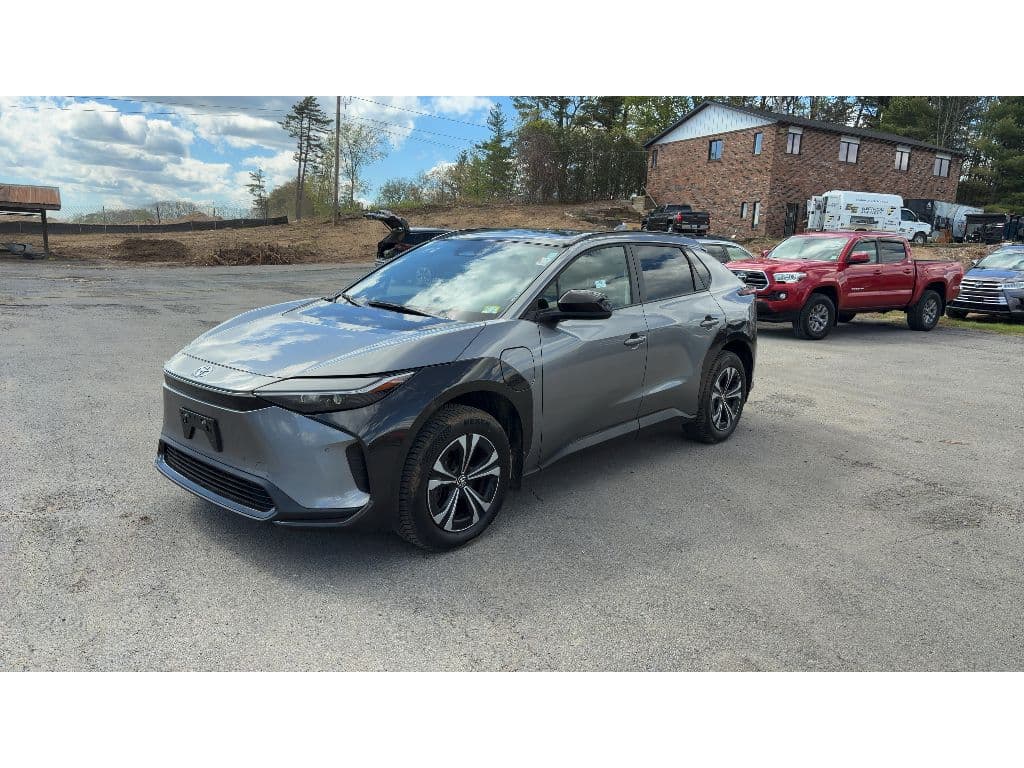
If you drive a Toyota bZ4X or you’re thinking about buying one, especially used, maximizing battery life isn’t just a technical curiosity. It’s the difference between enjoying confident range for years and watching your real‑world range slowly slip away. The good news: with the right habits, you can dramatically improve how your bZ4X battery ages.
Quick Answer
Toyota bZ4X Battery Basics: What You’re Working With
Before you can maximize Toyota bZ4X battery life, it helps to know what’s under the floor. The bZ4X uses a lithium‑ion battery pack (around 71–72 kWh usable, depending on version) mounted low in the chassis. Like every modern EV, its pack is managed by sophisticated software that controls charging rates, temperature, and how much of the total capacity you can actually access. That hidden buffer is there to slow down degradation, and your habits either work with it or against it.
Four Main Forces That Wear bZ4X Batteries
If you control these, you control most of your long‑term battery health.
High Temperatures
High Voltage
High Charge/Discharge Rates
Extreme Cold Cycles
Think in Terms of Stress
Daily Habits That Protect Your bZ4X Battery
You don’t have to baby your Toyota bZ4X, but a few repeatable habits can add up to noticeably better battery life. Think of these as the EV equivalent of changing oil on time in a gas car, simple, routine moves that pay off years down the road.
Everyday Habits to Extend Toyota bZ4X Battery Life
1. Use a Daily Charge Target
Set your bZ4X to stop around <strong>70–80%</strong> for daily driving if your schedule allows. Save <strong>90–100%</strong> for days when you truly need maximum range, like road trips or long winter drives.
2. Avoid Arriving Home at 0%
Try not to run the battery extremely low on a regular basis. Finishing most days above <strong>10–15%</strong> state of charge gives cells a gentler life and a buffer for unexpected detours.
3. Plug In Where It’s Cool
When possible, park and charge in a shaded spot, garage, or covered parking. Cooler surroundings reduce heat‑related stress on the battery while it charges and sits.
4. Skip the Constant Quick Top‑Ups
There’s nothing wrong with opportunity charging, but constantly jumping the battery from, say, 70% to 100% for tiny errands adds unneeded time at high state of charge.
5. Let the Car Finish Charging Before Departure
If you need a full battery, schedule charging so that it ends near your departure time. That way the pack doesn’t sit at 100% for many hours overnight.
Don’t Panic Over Occasional “Bad” Days
Smart Charging Strategies for Toyota bZ4X
How, where, and to what level you charge has more impact on bZ4X battery life than almost anything else you do. Fortunately, the best charging practices also tend to be the least stressful on your schedule once you get into a rhythm.
Home Charging (Level 2)
Whenever possible, make a 240‑volt Level 2 charger at home your primary fueling station. It’s slower and gentler than DC fast charging and lets you precisely control your typical state of charge.
- Ideal for nightly 20–80% charging
- Lets you precondition the cabin while plugged in
- Generally costs less per kWh than public fast charging
Public Charging (Level 2 + DC Fast)
Public Level 2 is great for topping up while you work or shop. DC fast charging is best thought of as a road‑trip tool or emergency backstop, not your primary daily solution.
- Prefer Level 2 when you have time
- Use DC fast charge to get back on the road quickly
- Avoid fast charging to 100% unless absolutely necessary
- Use your bZ4X’s charge‑limit feature if available to cap daily charging below 100%.
- If you’re on a time‑of‑use electricity rate plan, schedule charging for off‑peak hours when the car and ambient temperature are cooler.
- Check that your home charging circuit and equipment are properly installed; overheated wiring or loose connections create unnecessary heat.
Consider a Home Charger If You Don’t Have One Yet
Fast Charging Your bZ4X: When It Helps and When It Hurts
The Toyota bZ4X supports DC fast charging, and it’s an invaluable feature on road trips. But the same high current that fills the pack quickly also generates more heat and stress. The key is not to avoid fast charging entirely, but to use it strategically.
Fast Charging Do’s and Don’ts for Toyota bZ4X
Use this quick comparison to build healthy fast‑charging habits.
| Situation | Good Practice | Why It Helps |
|---|---|---|
| Road trip on highway | Charge from ~10–20% up to ~70–80%, then drive again | Battery charges fastest in the middle of the SOC window and avoids long time at high voltage. |
| Hot summer day | Let the car cool a bit before fast charging if possible | Lower starting temperatures reduce thermal stress when high current flows. |
| Short local errand | Use Level 2 or skip charging if you don’t need it | Avoid using DC fast charging just for small top‑ups. |
| Winter travel | Expect slower charging and plan extra time | Cold batteries accept charge more slowly; forcing repeated sessions adds wear without big time savings. |
| Approaching 100% | Stop charging earlier on DC fast if you can | The last 10–20% is the slowest and most stressful portion of a fast‑charge session. |
Follow these guidelines when you rely on DC fast charging to reduce long‑term battery stress.
Frequent Fast Charging = Faster Aging
How Driving Style and Speed Affect bZ4X Range
Even if you charge perfectly, aggressive driving can make your battery feel like it’s shrinking. That’s because high speeds and hard acceleration draw a lot of power, which not only reduces range today but also adds more heat cycles to the pack over time.
Driving Behaviors That Protect Your bZ4X Battery (and Range)
These habits pay off immediately at the plug and quietly in long‑term battery health.
Keep Highway Speeds Reasonable
Smooth, Predictable Acceleration
Maximize Regenerative Braking
You Don’t Have to Baby It
Weather, Climate Control, and Battery Life
The Toyota bZ4X, like most EVs, uses its battery not only to move the car but also to heat and cool the cabin, and, when necessary, to manage battery temperature. Weather extremes can’t be avoided, but you can work with the car to minimize their impact.
Cold Weather Tips
- Precondition while plugged in: Use the climate control timer or remote features to warm the cabin and, when supported, pre‑warm the battery before you unplug.
- Use seat and wheel heaters first: These draw less power than cranking the cabin heater to max.
- Expect less range: Cold temporarily reduces available capacity. That’s normal and doesn’t always signal lasting degradation.
Hot Weather Tips
- Avoid baking at 100% in the sun: High heat plus full charge is tough on cells. Park in the shade or lower your charge limit on scorching days.
- Ventilate or pre‑cool while plugged in: Start cooling before you unplug so the pack isn’t hit with driving load plus a big A/C draw at the same time.
- Don’t ignore temperature warnings: If the car indicates that the battery is hot, ease back on power demands and avoid fast charging until it cools.
Range vs. Health
Battery Care During Storage and Long Trips
Whether you’re flying out of town for two weeks or leaving the bZ4X at a vacation home, how you store the car makes a difference, especially over months and years.
Storing Your Toyota bZ4X the Right Way
1. Aim for 40–60% Before Parking
If you’ll leave the car for more than a few days, charge or drive it to settle somewhere around <strong>40–60%</strong>. This range is especially gentle on lithium‑ion cells.
2. Avoid Long‑Term 100% Storage
Try not to park the car at full charge for days or weeks at a time, particularly in hot weather. If you need 100% the day you return, schedule charging to finish close to your arrival.
3. Use a Garage or Covered Parking
A simple roof and some shade can keep cabin and battery temperatures dramatically lower compared with direct sun in a hot climate.
4. Check for Scheduled Climate Events
Make sure you don’t have repeated preconditioning events accidentally scheduled while the car sits, which could deplete the battery more than you expect.
5. For Long Trips, Plan Gentle First and Last Stops
On road trips, try to avoid fast‑charging a hot, nearly empty battery right at the end of a long, high‑speed leg. A short, slower final stretch can help temperatures stabilize.
Monitoring Toyota bZ4X Battery Health Over Time
You can’t pop the hood and inspect individual cells, but you can keep tabs on how your bZ4X battery is aging by watching real‑world range and using a few simple benchmarks. This is especially important if you plan to keep the vehicle beyond the warranty period or if you’re considering a used example.
Simple Benchmarks for bZ4X Battery Health
Over time, focus less on lab‑perfect numbers and more on consistency. If your fully charged range estimate and real‑world experience suddenly drop far more than normal for the season or your driving pattern, it’s worth having the car checked.
How Recharged Helps on Used bZ4X Models
Buying a Used bZ4X? Battery Checklist
If you’re in the market for a used Toyota bZ4X, battery life moves from a theoretical concern to a dollars‑and‑sense question. A well‑cared‑for pack can mean years of satisfying ownership, and a neglected one can turn a good deal into a headache.
Used Toyota bZ4X Battery Evaluation Checklist
1. Ask About Charging Habits
Did the previous owner mostly charge at home on Level 2, or lean on DC fast charging? Regular home charging is a positive sign; heavy fast‑charge reliance, especially in hot climates, may accelerate wear.
2. Compare Odometer to Range
On a full charge in moderate weather, check the indicated range and compare it to what owners of similar bZ4Xs typically report. A noticeably lower number can hint at above‑average degradation.
3. Review Service Records
Look for any battery‑related warnings, software updates, or HV‑system repairs. Occasional updates are normal; repeated battery system flags are not.
4. Test in Real‑World Driving
On a test drive, note how quickly the state of charge drops versus the distance you cover. One drive won’t tell the whole story, but it can reveal obvious anomalies.
5. Get Independent Battery Health Data
If you’re buying from a private seller, consider a third‑party inspection or specialist battery health report. If you buy from Recharged, this is included in your <strong>Recharged Score</strong>.
6. Consider Climate History
A bZ4X that spent its whole life in a very hot region and fast‑charged frequently may age differently than one from a milder climate with mostly home charging.
Why Used EVs Can Be a Smart Buy
Ready to find your next EV?
Browse VehiclesToyota bZ4X Battery Life: FAQs
Frequently Asked Questions About bZ4X Battery Life
Key Takeaways: Making Your bZ4X Battery Last
You don’t have to be an engineer to maximize Toyota bZ4X battery life. If you keep the pack away from extreme heat, avoid living at either 0% or 100%, treat fast charging as a sometimes tool rather than a daily habit, and drive with a reasonably light touch, you’re already ahead of the curve. These habits will show up as more stable range estimates, fewer surprises in harsh weather, and better long‑term value, especially if you ever decide to sell or trade in.
If you’re considering a used Toyota bZ4X, pairing these ownership habits with a vehicle that’s been evaluated up front is the winning combination. A bZ4X listed on Recharged comes with a Recharged Score battery health report, expert EV support, financing options, trade‑in offers, and nationwide delivery. That way, you start with a strong pack, and keep it that way for years to come.