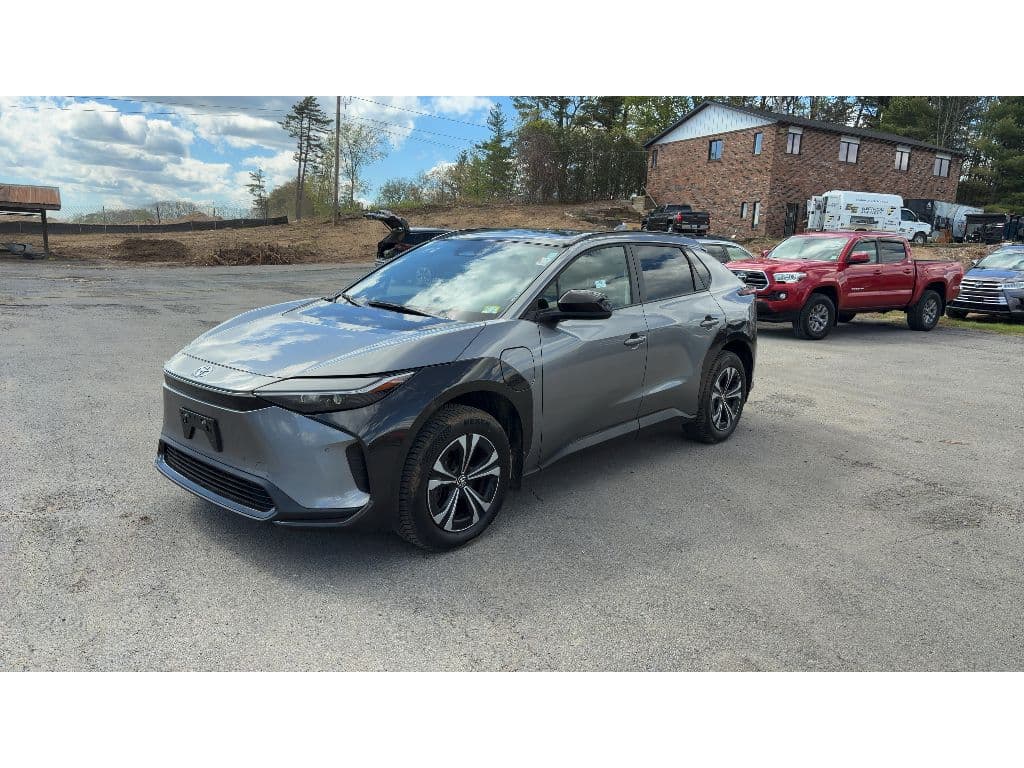
If you’re eyeing Toyota’s first dedicated EV, a natural question is: how much does it cost to own a Toyota bZ4X per year? The sticker price only tells part of the story. To really understand whether the bZ4X fits your budget, you need to look at charging, insurance, maintenance, depreciation, and how buying used can shift the math in your favor.
Quick context
Toyota bZ4X ownership cost overview
Typical annual Toyota bZ4X ownership costs (U.S. averages)
Add those together and a new Toyota bZ4X typically runs around $7,000–$10,000 per year all‑in when you include depreciation. A used bZ4X can often land closer to $5,000–$7,000 per year because someone else has already eaten the steepest part of the depreciation curve.
Rule‑of‑thumb for quick math
Key annual cost estimates for a Toyota bZ4X
Estimated annual Toyota bZ4X ownership costs (U.S. averages)
These estimates assume 12,000 miles per year and average U.S. electricity and insurance prices as of 2024–2026. Numbers round to the nearest $50–$100 for clarity.
| Cost category | New bZ4X (per year) | Used bZ4X (per year) | What drives this cost? |
|---|---|---|---|
| Charging (electricity) | $700 | $700 | Miles driven, efficiency, home vs. public charging mix |
| Insurance | $1,600–$1,900 | $1,300–$1,700 | Driver profile, location, credit, coverage level |
| Maintenance & repairs | $400–$600 (first 5 years) | $500–$800 (years 5–10) | Mileage, tires, out‑of‑warranty repairs |
| Registration, taxes & fees | $200–$500 | $200–$400 | State fees and EV surcharges |
| Depreciation | $4,000–$7,000 | $2,000–$3,500 | Purchase price and resale value later |
| Financing (interest only) | $800–$1,400 | $500–$900 | Loan amount, term, and APR |
| Total (excluding finance) | ≈$7,000–$10,000 | ≈$5,000–$7,000 | Adds all non‑financing costs |
| Total (including finance) | ≈$7,800–$11,400 | ≈$5,500–$7,900 | Assumes you finance rather than pay cash |
All figures are estimates for planning, not quotes. Your actual costs will depend on your state, driving patterns, and financing.
About third‑party cost‑to‑own tools
Electricity and charging costs per year
The good news is that the bZ4X is relatively efficient by EV standards. Across trims it averages roughly 30–32 kWh per 100 miles in EPA testing, with front‑wheel‑drive versions a bit better than all‑wheel‑drive. That translates to about 3.1–3.3 miles per kWh in mixed driving for most owners.
- Assume 12,000 miles driven per year.
- At ~3.2 mi/kWh, that’s about 3,750 kWh per year (12,000 ÷ 3.2).
- Average U.S. residential electricity prices in 2024–2025 have been in the mid‑teens cents per kWh; using $0.17/kWh is a reasonable planning number.
- 3,750 kWh × $0.17 ≈ $640/year if you charge entirely at home.
- Most drivers use some public DC fast charging, which is more expensive, think 30–50 cents per kWh in many markets. If 20–25% of your energy comes from fast charging, total annual charging cost typically lands around $700–$900/year.
Home vs. public charging
Sample annual charging cost scenarios
Use these to benchmark your own situation
Home‑dominant commuter
Profile: 10,000 miles/year, 90% home charging at $0.15/kWh.
- Energy use: ≈3,125 kWh/year
- Annual cost: ≈$470
Average U.S. driver
Profile: 12,000 miles/year, 75% home at $0.17/kWh, 25% fast charging at $0.40/kWh.
- Home: ≈2,813 kWh → ≈$480
- DCFC: ≈938 kWh → ≈$375
- Annual cost: ≈$850
High‑mileage urban driver
Profile: 15,000 miles/year, 50% home at $0.20/kWh, 50% public at $0.45/kWh.
- Home: ≈2,344 kWh → ≈$470
- Public: ≈2,344 kWh → ≈$1,055
- Annual cost: ≈$1,500
Home charging can pay for itself
Insurance costs for a Toyota bZ4X
EV insurance is still a moving target, and the bZ4X is no exception. As of early 2026, nationwide data suggests a typical annual premium for a new Toyota bZ4X lands around $1,400–$1,900 for a clean‑record driver with full coverage. Some cost‑to‑own tools show outlandish figures because of data quirks, ignore anything that looks obviously extreme and focus on quotes from real insurers.
What pushes your premium up?
- Urban, high‑theft ZIP code with lots of traffic.
- Younger driver or limited driving history.
- Lower credit tier in states where this is allowed.
- High annual mileage and long daily commutes.
- Low deductibles and high liability limits.
What keeps bZ4X insurance reasonable?
- Strong safety tech and crash performance.
- Toyota’s repair network and parts availability vs. niche brands.
- Telematics or usage‑based programs that reward smooth driving.
- Shopping multiple insurers rather than auto‑renewing.
New vs. used insurance
Maintenance, repairs, and tires
EVs like the bZ4X eliminate oil changes and many traditional wear items, but they’re not maintenance‑free. The cost curve is shaped by Toyota’s early free coverage and then a gradual ramp‑up as miles accumulate.
How bZ4X maintenance costs evolve over time
Broad ranges based on typical U.S. driving
Years 1–2 (new)
New bZ4X models come with ToyotaCare, which covers scheduled maintenance for 2 years or 25,000 miles. You’ll mostly pay for:
- Tire rotations (if outside ToyotaCare)
- Cabin air filters (occasionally)
- Wiper blades
Estimated cost: $100–$300/year, often less if you use the included plan fully.
Years 3–5
After ToyotaCare ends, you’re on the hook for basic service:
- Regular tire rotations
- Brake checks (EV regen keeps wear low)
- Coolant and brake fluid checks per schedule
Estimated cost: $300–$500/year, assuming no major repairs.
Years 6–10
Out of warranty, you add potential repairs:
- Tires (likely set #2 or #3)
- Suspension/steering components
- HVAC, electronics, or sensor repairs
Estimated cost: $500–$800/year averaged over this period, heavily mileage‑dependent.
What about the high‑voltage battery?
Don’t forget tires
Depreciation and financing costs
Depreciation is the single biggest line item in most bZ4X budgets, especially if you buy new. EV resale values have been volatile as incentives, interest rates, and charging standards have shifted, but the pattern is consistent: the first 3–4 years are the steepest, then things level out.
How a Toyota bZ4X typically loses value
1. The first‑year drop
Like most new vehicles, a new bZ4X can lose <strong>15–25% of its value</strong> in the first 12 months once you add discounts and real‑world resale prices.
2. Years 2–4
Annual depreciation often settles into the <strong>10–15% of remaining value</strong> range as the car moves into the sweet spot of the used market.
3. Years 5–8
As long as the battery remains healthy and the model stays supported, annual depreciation tends to slow further, often into the <strong>5–10% range</strong> depending on mileage.
4. Battery health and market shifts
Perceived battery health, warranty coverage, and shifts in incentives or charging standards can move the needle up or down in any given year.
On a $42,000 new bZ4X, that math can easily translate into $4,000–$7,000 per year in depreciation over the first few years. By contrast, buying that same car for, say, $27,000 as a 3‑year‑old used EV might mean only $2,000–$3,500 per year in value loss over the next several years.
How financing affects annual cost
- A larger loan on a new bZ4X means more interest paid each year.
- Higher interest rates can add $800–$1,400/year in finance charges on a typical 72‑month new‑car loan.
- Shorter terms raise the monthly payment but lower total interest, useful if you plan to keep the car long term.
Used bZ4X advantage
- Lower purchase price means smaller loan and less interest.
- If you buy a 2‑ to 4‑year‑old bZ4X, much of the early depreciation is already baked in.
- Combine a lower loan balance with slower depreciation and your annual cost of capital drops significantly.
Tax credits, incentives, and ownership perks
EV incentives are a moving target in the U.S., and the details change by year and by state. Instead of chasing a single number, it’s better to think of them as ownership cost reducers that can shave hundreds or even thousands off your effective yearly cost.
Ways incentives can lower your bZ4X annual cost
What to look for in your state and utility territory
Purchase incentives
What they are: Federal or state tax credits, rebates, or dealer‑applied discounts for qualifying EVs.
How they help: Lower effective purchase price → lower depreciation and sales tax.
Charging incentives
What they are: Utility rebates for home chargers, reduced off‑peak rates, or free public charging promotions.
How they help: Cut installation costs and reduce yearly electricity spending.
Use‑based perks
What they are: HOV lane access, discounted tolls, or free/discounted parking for EVs in some cities.
How they help: Time savings and small but real day‑to‑day cost reductions.
Check current rules before you buy
New vs. used Toyota bZ4X: Which is cheaper to own?
From a pure economics standpoint, a well‑vetted used bZ4X almost always has a lower annual cost of ownership than a new one. The key is avoiding problem cars and quantifying battery health so you’re not inheriting someone else’s future range or resale issues.
Annual cost comparison: new vs. used Toyota bZ4X
Illustrative example assuming 12,000 miles/year, typical U.S. insurance and electricity costs, and realistic depreciation patterns.
| Category | New bZ4X (Year 1–3) | Used bZ4X (3 years old) | Why it’s different |
|---|---|---|---|
| Charging | $700–$900 | $700–$900 | Energy use is similar for both. |
| Insurance | $1,600–$1,900 | $1,300–$1,700 | Lower vehicle value and sometimes lower comprehensive/collision coverage. |
| Maintenance & tires | $300–$500 | $400–$700 | New car has warranty and fresh components; used car may be closer to tires and wear items. |
| Registration & fees | $200–$500 | $200–$400 | Some states base fees on vehicle value or weight; newer cars can be slightly higher. |
| Depreciation | $4,000–$7,000 | $2,000–$3,500 | Most of the steep first‑owner depreciation has already happened. |
| Total (excl. finance) | ≈$7,000–$10,000 | ≈$5,000–$7,500 | Used bZ4X usually wins on total annual cost. |
| Total with typical financing | ≈$7,800–$11,400 | ≈$5,500–$7,900 | Smaller loan plus slower depreciation often saves $2,000–$3,000/year. |
These are not quotes; they’re directional examples to show how the cost stack shifts between new and used.
Why used often makes sense
How Recharged helps lower your bZ4X ownership costs
The hardest part of buying a used EV like the bZ4X isn’t finding a car, it’s knowing what shape the battery is really in and whether the pricing reflects that. That’s where Recharged is designed to change the game for used EVs.
Ways Recharged can improve your bZ4X cost of ownership
More transparency up front, fewer surprises later
Verified battery health
Every vehicle sold through Recharged includes a Recharged Score Report with battery health diagnostics. That means you can see how the pack is aging before you buy, critical for predicting future range and resale value.
Fair market pricing
Recharged benchmarks each vehicle against the market, factoring in mileage, battery condition, trim, and equipment. That helps ensure the price you pay, and the depreciation you can expect per year, are grounded in reality.
EV‑specialist support & financing
From financing and trade‑in to nationwide delivery, EV‑specialist guides walk you through what your monthly payment and total annual cost will look like, not just the purchase price.
Ready to find your next EV?
Browse VehiclesTry before you commit

Frequently asked questions about bZ4X ownership costs
Toyota bZ4X annual cost of ownership: FAQ
Bottom line: What you should budget per year
When you add it all up, most U.S. drivers should expect a new Toyota bZ4X to cost around $7,000–$10,000 per year once you include depreciation, charging, insurance, and maintenance. A used bZ4X with documented battery health typically lands closer to $5,000–$7,500 per year, often with very similar day‑to‑day driving experience.
If you’re trying to decide whether a bZ4X fits your budget, don’t stop at the MSRP or monthly payment. Look at the full annual cost of ownership, think about how many miles you drive, and how much access you have to home charging. And if you’re leaning toward a used EV, consider working with a retailer like Recharged that specializes in battery‑verified used EVs, transparent pricing, and EV‑savvy guidance from first click to delivery.