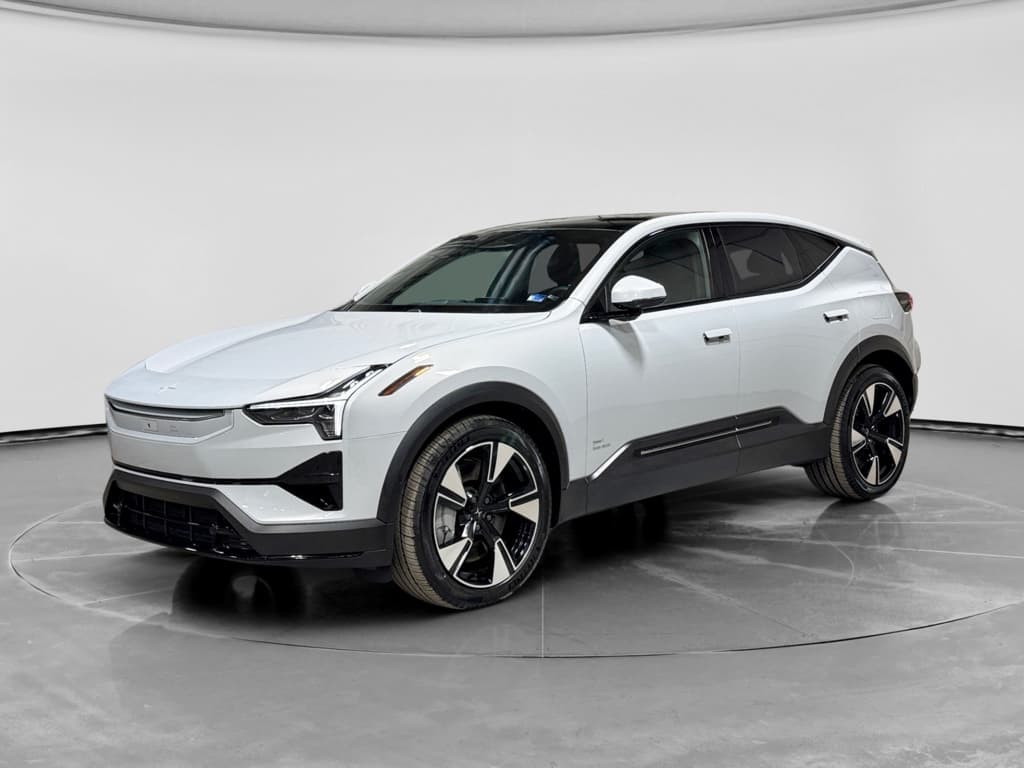
If you’re hunting for **tips for selling a Polestar 3**, you’re already ahead of the game. This is a sophisticated, Scandinavian luxury EV SUV with a big battery, a lot of tech, and a buyer pool that doesn’t shop the way they do for a used crossover at the corner lot. To get top dollar, and avoid headaches, you need to sell the *EV* and the *experience* at the same time.
Quick take
Why Selling a Polestar 3 Is Different From Selling Any SUV
The Polestar 3 isn’t just another five-passenger SUV. It’s a **high-dollar luxury EV** with a large 111 kWh battery, serious performance, and a tech-forward interior. Buyers considering your 3 are likely cross-shopping Tesla Model X and Y, BMW iX, or a Volvo EX90, and they’re tuned into things like **battery state of health (SOH)**, software updates, and fast‑charging performance, not just leather and wheels.
- EV buyers obsess over range and battery life. They’ll want proof your Polestar 3’s big pack is aging gracefully.
- Luxury buyers care about build quality, interior condition, and whether all the tech works as advertised.
- Early depreciation on expensive EVs can be steep, so serious shoppers are value-hunting and very price‑aware.
Reality check on depreciation
Tip 1: Know Your Polestar 3 and Its Market
Before you list anything for sale, you need to be the **most informed person in the room** about your specific Polestar 3. That starts with nailing down the basics, and the story, of your SUV.
Polestar 3 details buyers will ask about
Have these answers ready before your first inquiry.
Exact trim & options
- Long Range Single Motor, Dual Motor, or Dual Motor Performance?
- Packages: Plus, Pro, Pilot, Performance, etc.
- Any over‑the‑air upgrades or software unlocks.
Mileage & use
- Total miles and typical usage (commuter, road tripper, city‑only).
- Average energy consumption if you’ve tracked it.
Charging & battery use
- Home charging vs frequent DC fast charging.
- Typical charging limits (did you cap at 80% for daily use?).
Use your existing paperwork
Why details matter for Polestar 3 resale
Tip 2: Get a Battery Health Report Before You List
On a used EV, **battery health is the new compression test**. Range numbers in brochures are nice, but buyers are paying for real‑world capacity today and confidence in tomorrow.
How to prove your Polestar 3’s battery health
1. Pull Polestar app data
Grab screenshots showing recent range at 100% (or your usual charge limit), typical energy use, and charging history. This gives buyers a sense of real‑world performance.
2. Note warranty coverage
Know exactly how much of the battery warranty remains by date and mileage. Call out that coverage in your listing; it’s a huge reassurance for cautious buyers.
3. Consider an independent SOH test
If you can access a reputable third‑party EV battery diagnostic, a formal SOH percentage looks great next to your odometer reading.
4. Be honest about fast‑charging
If the car has lived on DC fast chargers, say so and explain your routine. Transparency builds trust, especially if your SOH results are still strong.
Where Recharged fits in
Ready to find your next EV?
Browse VehiclesTip 3: Price Your Polestar 3 Strategically
Pricing a used Polestar 3 is a bit like landing a wide‑body jet: it’s smoother when you plan ahead. Set your number too high and you’ll sit; too low and you leave thousands on the table. The trick is to use both **data and positioning**.
A simple framework for pricing your Polestar 3
Use this as a starting point, then adjust for mileage, condition, and incentives in your region.
| Factor | What to check | How it affects your price |
|---|---|---|
| Original MSRP | Use your window sticker or online build to confirm. | Higher‑MSRP builds (Performance pack, big option bundles) can justify a stronger ask. |
| Current listings | Search for used Polestar 3s with your trim, year, and similar miles. | Price within the same ballpark; drastic outliers usually sit unsold. |
| EV incentives when new | Check if your model year benefited from heavy rebates or lease cash. | Big incentives new often push used prices lower, even for well‑kept examples. |
| Battery health & mileage | Pair a battery SOH estimate with odometer reading. | Strong SOH and low miles support pricing near the top of the used range. |
| Sale channel | Compare dealer trade‑in, consignment, and private‑party pricing. | Trade‑ins are usually lowest but easiest; private sale can return more with extra work. |
These aren’t hard numbers, think of them as a checklist to pressure‑test your asking price.
Set two numbers, not one
Tip 4: Prepare Your Polestar 3 to Show Well
A Polestar 3 looks like Scandinavian design on wheels when it’s clean and well‑lit. Show it dirty, cluttered, or with a Christmas‑tree of warning lights and buyers will assume you’ve treated the car the same way.
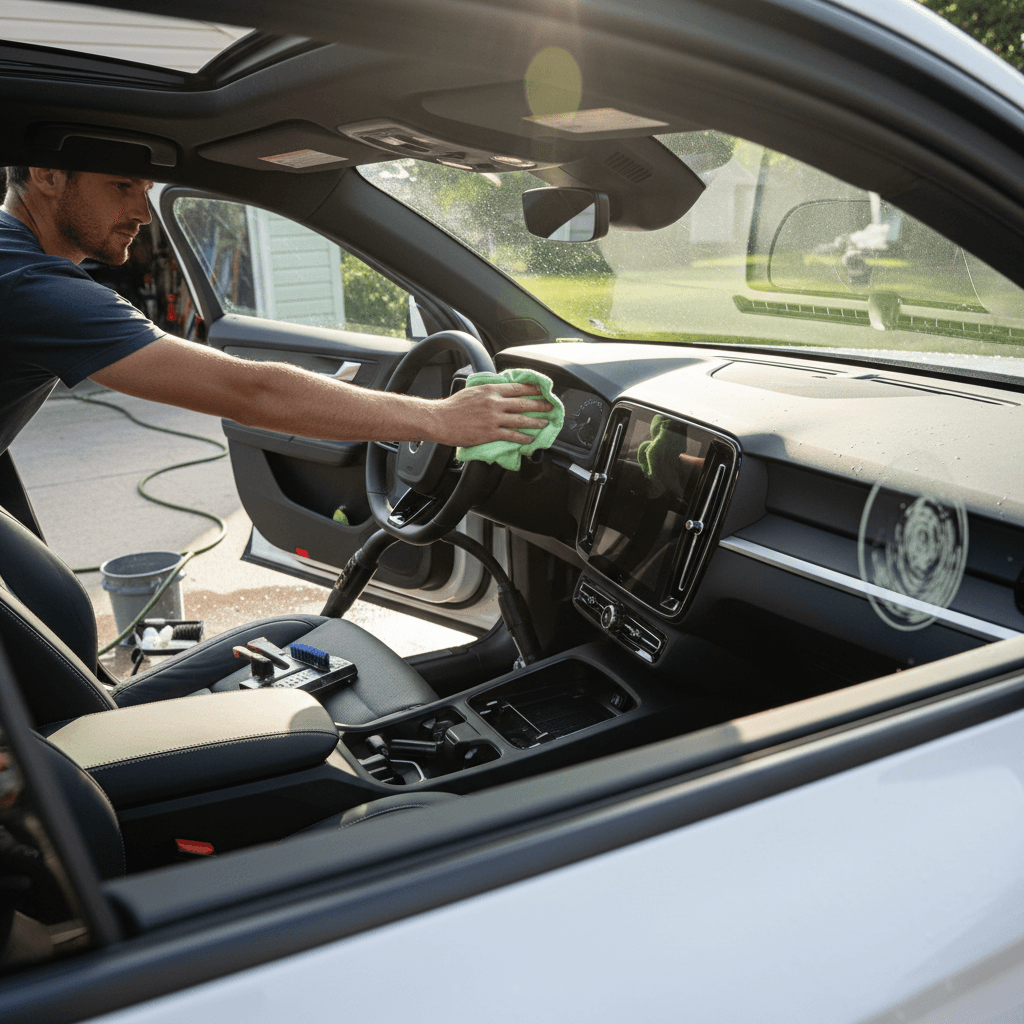
Pre‑sale prep checklist for your Polestar 3
Wash, decontaminate, and protect the paint
Give the car a proper wash, remove bugs and tar, clean the wheels, and consider a quick spray sealant. The Polestar 3’s sharp lines pop when the paint is clean and glossy.
Deep‑clean the interior
Vacuum every surface, wipe down the seats and dash with the right products, clean the glass, and ditch any personal clutter. Luxury buyers expect a cabin that smells new, not like last week’s drive‑thru.
Fix the easy stuff
Replace wiper blades, top off washer fluid, address simple curb‑rash touch‑ups, and clear non‑serious warning messages when appropriate. A dash full of alerts scares off finicky EV shoppers.
Gather both keys and accessories
Polestar key fobs, charging cable(s), cargo cover, rubber mats, every missing item is a negotiating chip for the buyer. Put it all in the car and mention it in your ad.
Don’t hide cosmetic damage
Tip 5: Create a Listing That Sells the Story, Not Just the Specs
You’re not just selling 489 horsepower and 111 kWh; you’re selling what it’s like to **live with** a Polestar 3. A good listing answers the questions a cautious EV shopper hasn’t even typed yet.
Must‑have details
- Year, trim, color, and options listed clearly in the title.
- Accurate mileage and a one‑line ownership summary (e.g., “one‑owner, garaged, non‑smoker”).
- Charging habits (home Level 2, DC fast‑charging frequency) and typical range on your commute.
- Maintenance and software update history, note any visits for recalls or major updates.
Photos that actually sell
- Wide exterior shots from all four corners in good light.
- Clean interior shots of seats, dash, and the big center screen lit up.
- Close‑ups of wheels, tires, and any damage you’ve already disclosed.
- A photo of the **charging screen at your usual charge limit**, showing estimated range.
Shoot like a dealer
Tip 6: Decide How to Sell: Trade-In, Consign, Marketplace, or Private
With an expensive EV like the Polestar 3, **how** you sell can easily swing the outcome by several thousand dollars. The “right” choice comes down to how much time, risk, and hassle you’re willing to take on.
Ways to sell your Polestar 3
Pick the lane that matches your time, risk, and pricing goals.
Dealer trade‑in or instant offer
Pros: Fast, simple, you walk in with one car and out with another. No strangers at your house, no paperwork headaches.
Cons: Usually the lowest dollar amount; dealers price in risk, reconditioning, and profit margin.
Consignment or EV marketplace
Pros: Professionals handle marketing, test‑drives, and paperwork. You may net more than a straight trade‑in, especially on a high‑spec Polestar 3.
Cons: You share a slice of the sale price and have less control over timeline.
Private sale via classifieds
Pros: Often the highest sale price if you’re patient and prepared.
Cons: Requires time, screening buyers, managing test drives, and handling payment securely.
Recharged digital selling
Pros: EV‑specialist support, a Recharged Score battery health report, transparent pricing, and options for trade‑in, instant offer, or consignment plus nationwide buyer reach.
Cons: Less DIY control than a purely private sale, but a lot less hassle.
Tip 7: Time the Sale and Use Incentives to Your Advantage
Polestar 3 values don’t move in a straight line. They bounce with **new model year updates**, shifting EV incentives, and even headlines about charging standards or software changes. You can’t control the market, but you can be smart about when you step in.
- Watch for big discounts or lease deals on new Polestar 3s in your area; heavy factory cash can drag used values down temporarily.
- If a major software or hardware update is announced for upcoming model years, decide whether you want to sell **before** that change makes your car feel older, or wait until the market settles.
- List your SUV when you can be responsive to messages and available for test drives; a well‑timed weekend can be worth more than another month of depreciation.
Seasonality matters a little, not a lot
Tip 8: Screen Buyers and Structure Safe Test Drives
That first message from a stranger isn’t just a lead, it’s an audition. With a powerful, heavy EV like the Polestar 3, you owe it to yourself and your car to **screen buyers and control the test‑drive experience**.
How to handle test drives of your Polestar 3
1. Pre‑qualify over text or phone
Ask how familiar they are with EVs, whether they’re pre‑approved for financing or paying cash, and if they have a current vehicle to trade or sell. Serious buyers will answer without drama.
2. Meet in a safe, public place
Daylight, security cameras, and a friend tagging along are your friends. Bring only what you need and keep personal documents out of view inside the car.
3. Ride along and narrate
Stay in the passenger seat. Walk them through the shifter, regen settings, driver‑assist systems, and fast acceleration. A confident, calm tour makes the Polestar 3 feel less intimidating and more desirable.
4. Set ground rules
No full‑throttle launches without your permission, no eating in the car, and a pre‑agreed route that includes city streets and a short highway stretch.
Verify identity before handing over keys
Tip 9: Close the Deal: Paperwork, Charging Accounts, and Delivery
Once you have a yes, don’t let the deal stumble over paperwork. A Polestar 3 has more digital strings attached than an old gas wagon, and you want them all tied off cleanly.
- Use a bill of sale that includes VIN, mileage, sale price, and “as‑is” language unless you’re offering any guarantees.
- Confirm payment method, bank cashier’s check, verified wire, or closing through a trusted marketplace or dealer. Avoid personal checks and peer‑to‑peer payments for large sums.
- Clear your personal data from the car: sign out of profiles, erase navigation history, Bluetooth connections, and log out of any apps.
- Remove the car from your Polestar account and any charging apps you use for per‑car billing, then help the buyer set up their own accounts if they’re new to EVs.
- Hand over everything: both keys, charging cables, floor mats, manuals, and service records in a neat folder or digital PDF. A tidy hand‑off feels like a premium experience, and supports your price.
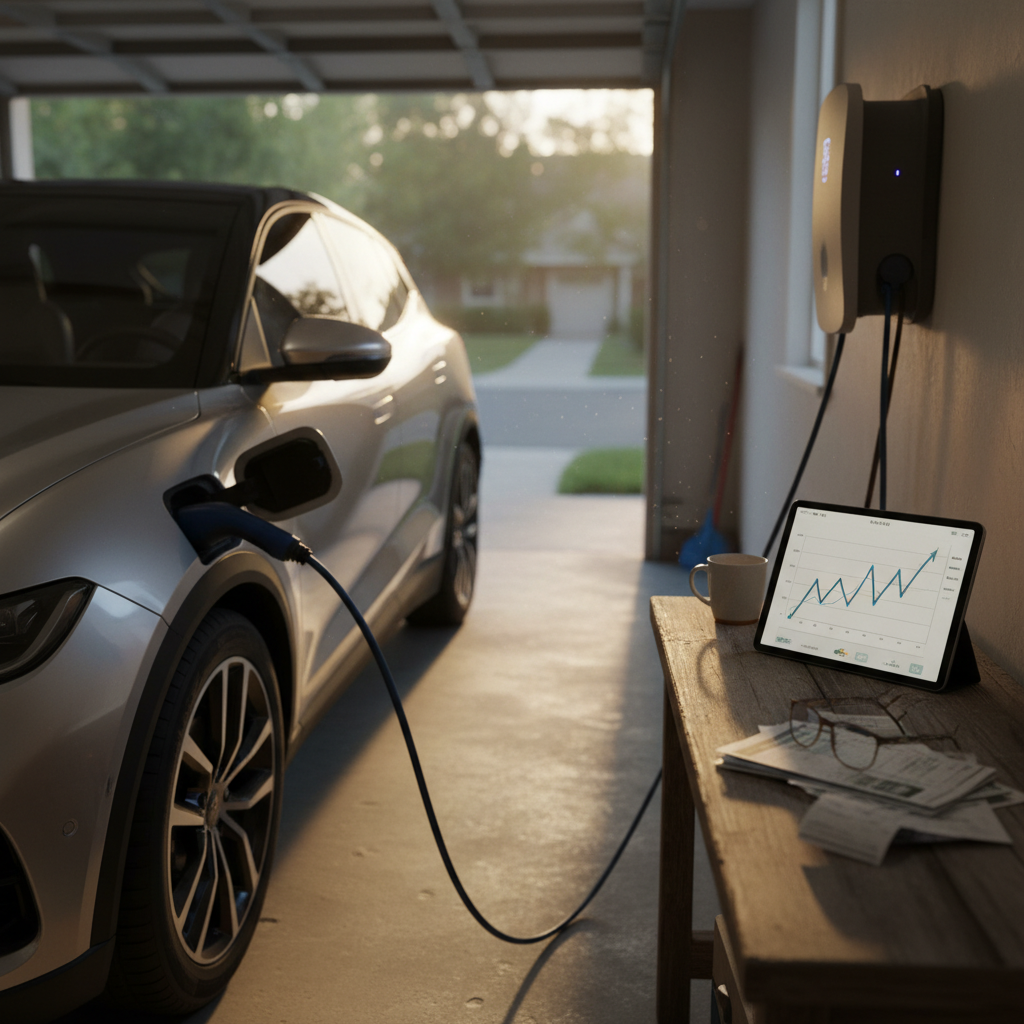
Don’t forget home charging
Tip 10: Selling Your Polestar 3 Through Recharged
Not everyone wants to moonlight as a salesperson, photographer, and title clerk. If you’d rather skip the DIY circus, you can lean on people who live and breathe used EVs all day long.
What Recharged does for Polestar 3 sellers
- Provides a Recharged Score Report with verified battery health, pricing context, and overall condition.
- Handles digital listings, buyer communication, and expert guidance from first inquiry to final signature.
- Offers multiple ways to sell: trade‑in, instant offer, or consignment style, depending on how involved you want to be.
Why it matters for a high‑end EV
- Polestar 3 shoppers are picky; they expect clear data, not guesswork.
- Specialist EV knowledge helps answer questions about range, software, and charging that stump traditional dealers.
- Nationwide reach means your buyer doesn’t have to be around the corner, delivery makes distance less of a problem.
Turn your Polestar 3 into your next EV
Tip 11: Put It All Together
Selling a Polestar 3 is part numbers game, part trust exercise. Get a clear handle on your SUV’s specs and market value, back it up with a credible battery‑health story, present the car beautifully, and choose a sale path that fits your appetite for hassle. When you do those things, you’re not begging someone to take an expensive EV off your hands, you’re inviting the right buyer into a car that still has a long, electric life ahead of it.
Whether you decide to sell privately or let **Recharged** handle the details with a Recharged Score Report, fair pricing, and EV‑specialist support, the same principle applies: make it easy for a buyer to say yes. Do that, and your Polestar 3 won’t be on the market for long.