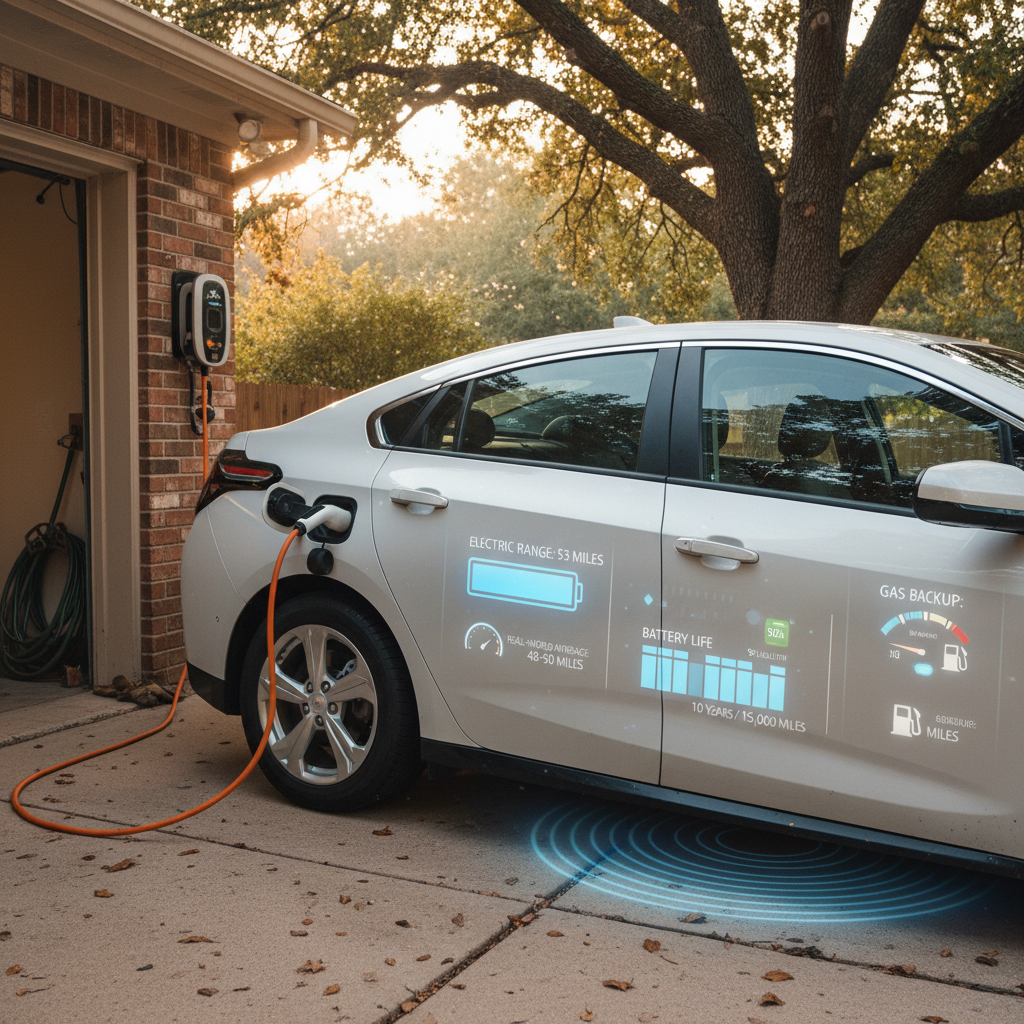
If you’re looking for tips for selling a Mini Cooper SE, you’re already ahead of most sellers. The electric Mini is a niche car with a loyal following, but it’s also different enough from gas Minis that buyers will ask more questions, especially about range, battery health, and charging. A bit of preparation can help you sell faster and for more money, whether you trade it in, consign it, or go the private‑party route.
Quick take: how hard is it to sell a Mini Cooper SE?
Why Selling a Mini Cooper SE Is Different
Shorter range, city‑car mission
The Mini Cooper SE (also called the Mini Electric) was designed as a fun urban EV, not a long‑range road‑tripper. Real‑world range is generally in the ~100–120‑mile ballpark depending on model year and conditions. That means the best buyers are people with manageable daily driving needs who care more about character than cross‑country capability.
Battery health matters more than odometer
Because the SE uses a relatively small pack, battery health and warranty coverage carry serious weight in the used market. A documented, healthy pack with remaining warranty can offset higher mileage in a way gas‑Mini shoppers aren’t used to. Your job as a seller is to surface those facts clearly.
Don’t ignore EV‑specific questions
Know Your Cooper SE and the Buyers Shopping for It
Three Common Mini Cooper SE Buyer Profiles
Shape your listing and pricing around who’s most likely to say yes
Urban commuter
Lives in a city or dense suburb, drives 20–40 miles a day, and wants something easy to park and cheap to run. Range is fine as long as daily use fits.
Two‑car household
Already owns a gas SUV or sedan. Shopping for a fun second car for errands, school runs, and short trips.
First‑time EV buyer
Curious about EVs but not ready for a big spend. A used SE can be a lower‑risk entry point if you answer their questions clearly.
As you work through these tips, keep these buyers in mind. The more you can explain how your specific Mini SE fits their life, range, charging, and running costs, the easier it is to justify your asking price.
Step 1: Get Your Mini Cooper SE Pricing Right
Why pricing correctly matters
Start with a reality check. Look up your Mini Cooper SE’s year, mileage, and trim on multiple sources, KBB, Edmunds, Autotrader, Facebook Marketplace, and EV‑specific marketplaces. Pay attention to asking prices but also how long similar cars have been listed and whether ads say “price reduced.”
- Note options that move the needle: Driver Assistance, sunroof, premium paint, heated seats, and popular wheel packages.
- Adjust for mileage and condition, high mileage with a strong battery report can still be competitive.
- Check whether your local market is saturated with Minis; if there are many unsold SEs, you may need to be sharper on price.
Use a three‑number strategy
Step 2: Document Battery Health and Warranty
For any EV, but especially a shorter‑range one like the Cooper SE, battery state of health (SOH) is the single most important confidence builder. Mini’s U.S. high‑voltage battery warranty is typically around 8 years/100,000 miles with capacity guarantees, and real‑world owner reports show modest degradation when the car is cared for. Make that visible to buyers.
Ways to prove your Mini Cooper SE’s battery is healthy
You don’t need to be an engineer, just organized
Show current range
Photograph the instrument cluster or central screen at 100% (or a known percentage) and note driving conditions, climate control, and tire type. That gives buyers a real‑world reference.
Share warranty details
Print or save a PDF of your warranty booklet or Mini’s online warranty summary for your model year, highlighting the battery coverage period.
Use third‑party diagnostics
Tools like OBD apps or marketplace diagnostics can provide an estimated SOH report. Recharged’s own Recharged Score includes verified battery health when you sell or consign through the platform.
Turn warranty into a selling point
Step 3: Fix Small Issues and Complete Basic Maintenance
The Cooper SE doesn’t have engine oil or spark plugs to worry about, but buyers still look for signs of basic care. A short list of low‑cost fixes can prevent expensive‑sounding objections during a showing.
Mini Cooper SE pre‑sale maintenance checklist
Address warning lights
Resolve any <strong>check engine</strong>, tire pressure, or airbag lights before listing. A lit dash light is a negotiation killer, even for minor issues.
Replace wiper blades and top off fluids
Fresh wipers, filled washer fluid, and up‑to‑date coolant and brake fluid look like an owner who stays on top of things.
Tidy up the service history
Gather invoices for cabin filter changes, brake service, recalls, and any warranty repairs. A neat folder or PDF package is worth real money to nervous EV buyers.
Check tires and brakes
Document remaining tread depth and brake pad life. Regenerative braking often means slower pad wear on EVs, but buyers want proof rather than guesses.
Verify 12‑volt battery health
The small 12‑volt battery is a known weak link on many EVs. If it’s original and several years old, consider testing or replacing it to prevent no‑start surprises.
Be honest about what you didn’t fix
Step 4: Detail Your Mini Cooper SE Like a Pro
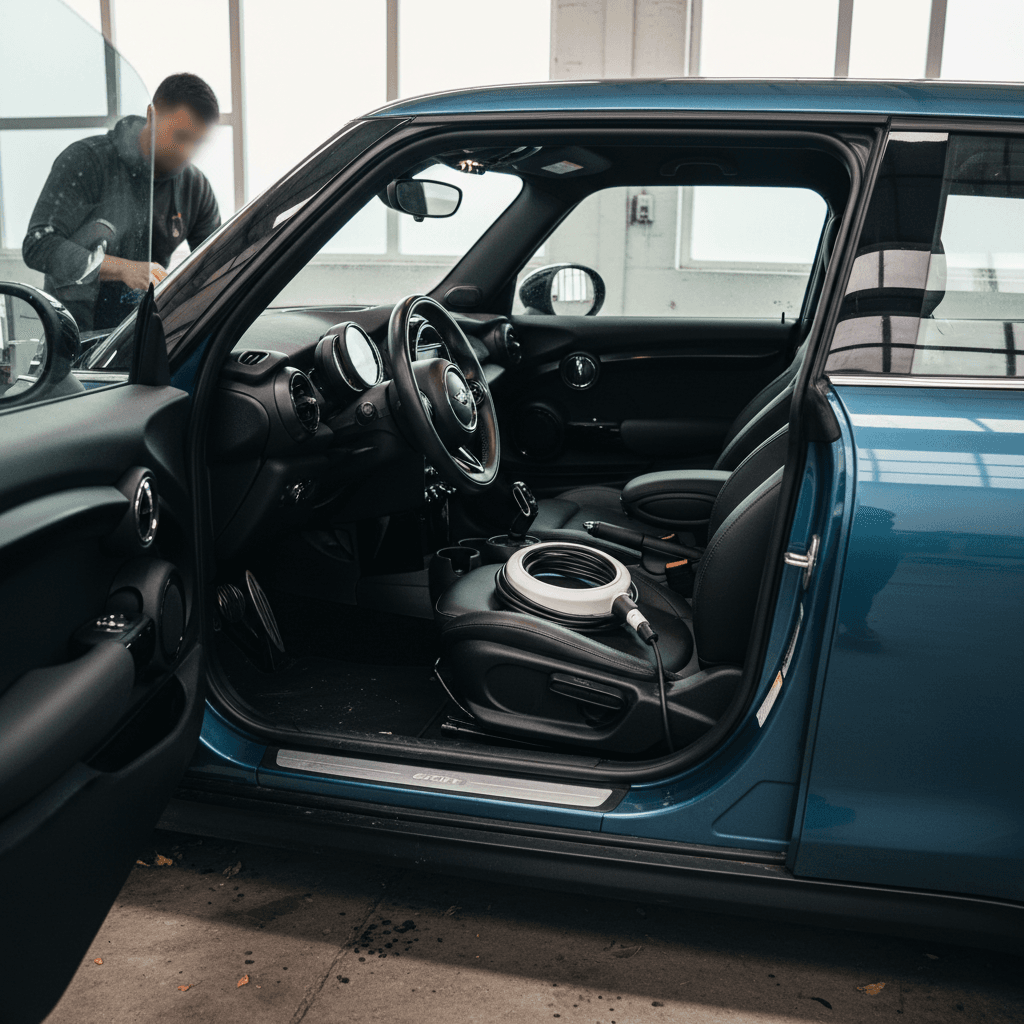
A good detail is one of the highest‑ROI moves you can make. The Mini’s design is already playful and premium; your job is to make every surface look like it’s been cared for, not just used.
- Wash and clay‑bar the paint if needed, then apply a basic wax or sealant for extra gloss.
- Clean the wheels thoroughly, brake dust and road grime stand out on Minis’ signature wheel designs.
- Vacuum every surface, especially under the rear seats and in the hatch around the charging cable.
- Wipe down the dash, steering wheel, and toggle switches with a non‑greasy interior cleaner.
- Shampoo or spot‑clean cloth seats; treat leather with a conditioner if equipped.
Think like a buyer stepping into your daily driver
Step 5: Take Photos That Sell, Not Just Show
Most shoppers will see your Mini Cooper SE for the first time in a thumbnail photo. Strong, honest images can earn more clicks and justify a higher asking price compared with similar cars shot in a dark garage.
Essential photo shot list for your Mini Cooper SE
Aim for 20–30 clear, well‑lit photos that tell a transparent story.
| Area | What to capture | Pro tip |
|---|---|---|
| Front 3/4 view | Whole car, turned slightly toward the camera | Shoot at "golden hour" (early morning or late afternoon) to avoid harsh shadows. |
| Side profile | Driver and passenger sides | Turn the wheels straight and park on level ground. |
| Rear 3/4 view | Hatch, lights, and bumper | Show any parking sensors or camera clearly. |
| Interior overview | Dash, steering wheel, and front seats | Turn the wheel straight; set the center screen to a neutral home screen. |
| Odometer & range | Mileage plus remaining range | This matters more for an EV, buyers want to see both. |
| Infotainment & options | Heated seats, sunroof, driver aids | Highlight anything that’s not standard equipment. |
| Charging port & cable | Port door open and cable neatly coiled | Include all charging accessories that are part of the sale. |
| Flaws | Curb rash, chips, small dents | Photograph imperfections clearly and mention them in your description. It builds trust. |
Good photos reduce back‑and‑forth questions and build trust with out‑of‑area buyers.
Step 6: Write a Listing That Highlights EV-Specific Benefits
A generic ad like “2022 Mini Cooper SE, good condition, serious buyers only” leaves money on the table. Your listing should read like a short, confident story that addresses the big questions EV shoppers have: range, charging, costs, and why you’re selling.
Weak listing example
"2021 Mini Cooper SE, 32k miles, runs great, new tires, $19,000 OBO."
Buyers still have to ask about range, battery warranty, options, charging gear, and whether the seller has maintenance records.
Stronger listing example
"2021 Mini Cooper SE Signature, 32,200 miles. Daily‑driven commuter, always garaged. Typical range 100–115 miles per charge in mixed driving. High‑voltage battery under factory warranty until March 2029/100k miles. Includes OEM Level 1 cable and aftermarket Level 2 cable. Heated seats, LED headlights, Driver Assistance package. One minor wheel rash spot shown in photos. Full service history and clean title in hand."
This version pre‑answers key EV questions and feels more trustworthy.
Use bullet points for options and EV features
Step 7: Choose How to Sell, Trade-In, Consign, or Private Party
With any used car, you trade time for money. With an EV, especially a niche one like the Mini Cooper SE, there’s another variable: finding an informed buyer who understands the car. Here’s how the three main paths compare.
Which sales path fits your situation?
Balance speed, price, and hassle
Dealer trade‑in
- Best for: Fastest exit, rolling equity into another car.
- Pros: One‑stop transaction, potential tax benefit on the new purchase in some states.
- Cons: Usually the lowest dollar amount; many dealers still under‑value EVs.
Consignment with an EV specialist
- Best for: Maximizing value without managing showings yourself.
- Pros: Professional photos, pricing guidance, buyer screening, and EV‑savvy staff.
- Cons: Consignment fee or commission; takes a bit longer than a straight trade‑in.
Private‑party sale
- Best for: Sellers comfortable handling messages, test drives, and paperwork.
- Pros: Often the highest sale price if the car is desirable and well‑presented.
- Cons: More time, more tire‑kickers, and safety considerations for meetings and payments.
Where Recharged fits in
Step 8: Screen Buyers and Offer Smart Test Drives
Once the listing is live, you’ll quickly see who’s serious and who’s just browsing. A bit of screening protects your time and your car.
Safe and effective Mini Cooper SE test drives
Pre‑qualify with a few questions
Ask interested buyers about their <strong>driving needs and charging setup</strong>. If someone expects 300 miles of range, they may not be the right fit for a Cooper SE at any price.
Choose safe meeting spots
Meet in a public, well‑lit area, ideally near a charging station, during daylight hours. Bring a friend if possible.
Control the keys and route
Verify the buyer’s driver’s license, snap a photo of it, and ride along. Plan a short loop that includes city speeds and a brief highway stretch so they experience the car’s acceleration and stability.
Demonstrate charging and settings
Show how to open the charge port, plug in, and set charge limits. Walk through key menus like range estimate, drive modes, and regenerative braking settings.
Avoid on‑the‑spot repairs or promises
Don’t agree mid‑drive to “fix everything” they mention. Take notes and, if something reasonable comes up, incorporate it into a revised price or written agreement later.
Step 9: Negotiate Like a Pro Using EV Facts
EV negotiations often stall because buyers are nervous about unknowns: future battery life, charging availability, and resale value. You can keep the deal moving by anchoring the conversation in facts you’ve already documented.
Lead with proof, not emotion
Instead of saying, "I just know it’s worth this much," point to your battery report, remaining warranty, clean inspection, new tires, and strong photos. Show them comps for similar Minis in your area.
Give ground where it’s logical
If a buyer points out a curb‑rashed wheel you photographed, you might respond: "I priced the car assuming I wouldn’t refinish that wheel. If it’s a sticking point, I’m willing to move a couple hundred dollars." Small, specific concessions feel more professional than random big drops.
Use your preparation as leverage
Step 10: Handle Paperwork, Charging Accessories, and Handover
Once you agree on a price, slow down just enough to get the details right. Different states have different rules, but the core pieces are consistent.
Mini Cooper SE sale day checklist
Confirm payment method
Cashier’s check, bank draft, or a verified electronic transfer are typical for private sales. Avoid personal checks or complicated payment plans.
Complete the bill of sale and title
Fill out the odometer, sale price, and buyer information accurately. Many states offer <strong>official bill‑of‑sale templates</strong> online; use them.
Remove your data and apps
Log out of Mini Connected, remove any paired phones, home/work navigation favorites, and garage door codes, then perform a factory reset if your model supports it.
Hand over charging gear and manuals
Include the <strong>OEM Level 1 cable</strong>, any Level 2 portable charger you’re selling with the car, locking wheel keys, and the owner’s manual. Note these items clearly in the bill of sale so there’s no confusion later.
Notify your insurer and DMV
Cancel or transfer your insurance after the sale is official, and file any required <strong>release of liability</strong> or notice of sale with your DMV promptly.
Step 11: Consider Recharged if You Want a Smoother Exit
If this all sounds like more work than you want to take on, or you’d just rather have an EV specialist handle the details, Recharged is built for exactly this moment in your ownership journey.
How Recharged can help you sell your Mini Cooper SE
Less friction, more transparency, EV‑savvy buyers
Fair, data‑driven pricing
Recharged benchmarks your Mini Cooper SE against current EV market data, recent sales, and battery condition to help you land on realistic but competitive pricing, whether you choose an instant offer, trade‑in, or consignment.
Recharged Score battery diagnostics
Every car sold through Recharged gets a Recharged Score Report with verified battery health. That answers buyers’ biggest question before they even message you, which can support higher offers and faster sales.
EV‑specialist support and logistics
From financing and paperwork to nationwide delivery and an in‑person Experience Center in Richmond, VA, Recharged handles the details that make many private EV sales stressful.
Ready to find your next EV?
Browse VehiclesNot near Richmond? Still worth a look
Mini Cooper SE Selling Checklist
One‑page recap before you list your Mini Cooper SE
Confirm your pricing window
Check 3–4 pricing sources and decide on your dream, target, and walk‑away numbers.
Gather EV‑specific documentation
Battery‑health evidence, warranty details, service history, and any recall paperwork.
Complete basic maintenance and a thorough detail
No warning lights, clean interior, clear glass, and tidy charging cable storage.
Capture a full photo set
At least 20–30 photos, including odometer, range display, charge port, flaws, and accessories.
Write an honest, EV‑savvy listing
Highlight range, charging, options, warranty, and why you’re selling in clear, confident language.
Choose your sales channel
Decide between trade‑in, consignment (including with Recharged), or a private‑party sale based on your time and risk tolerance.