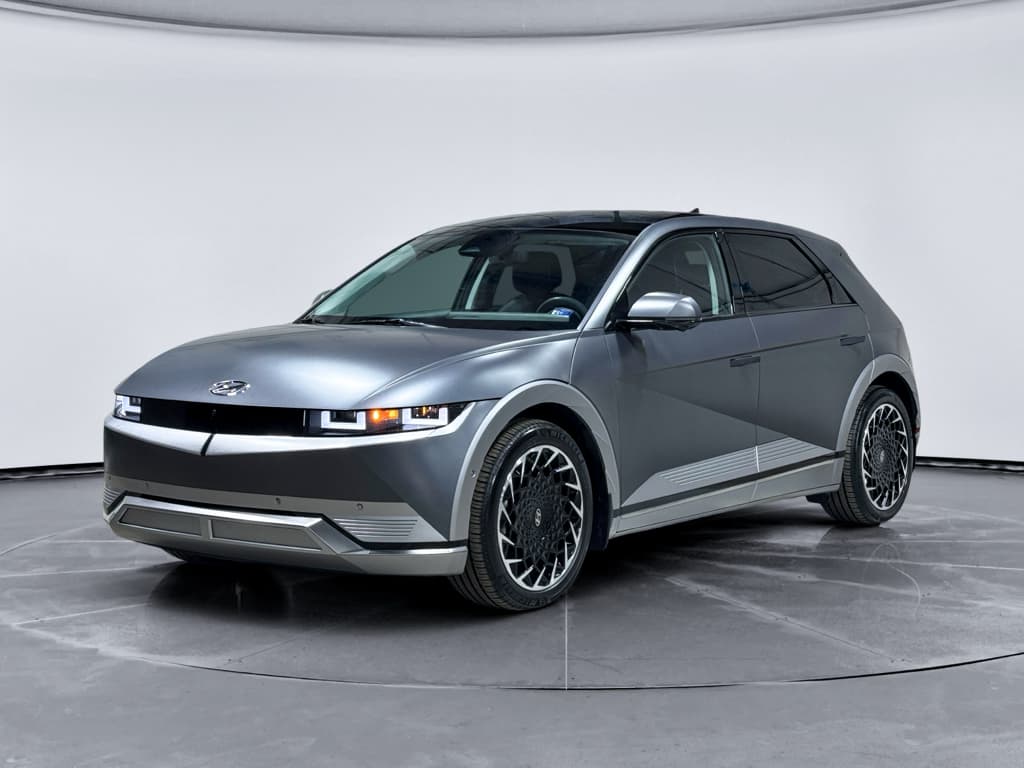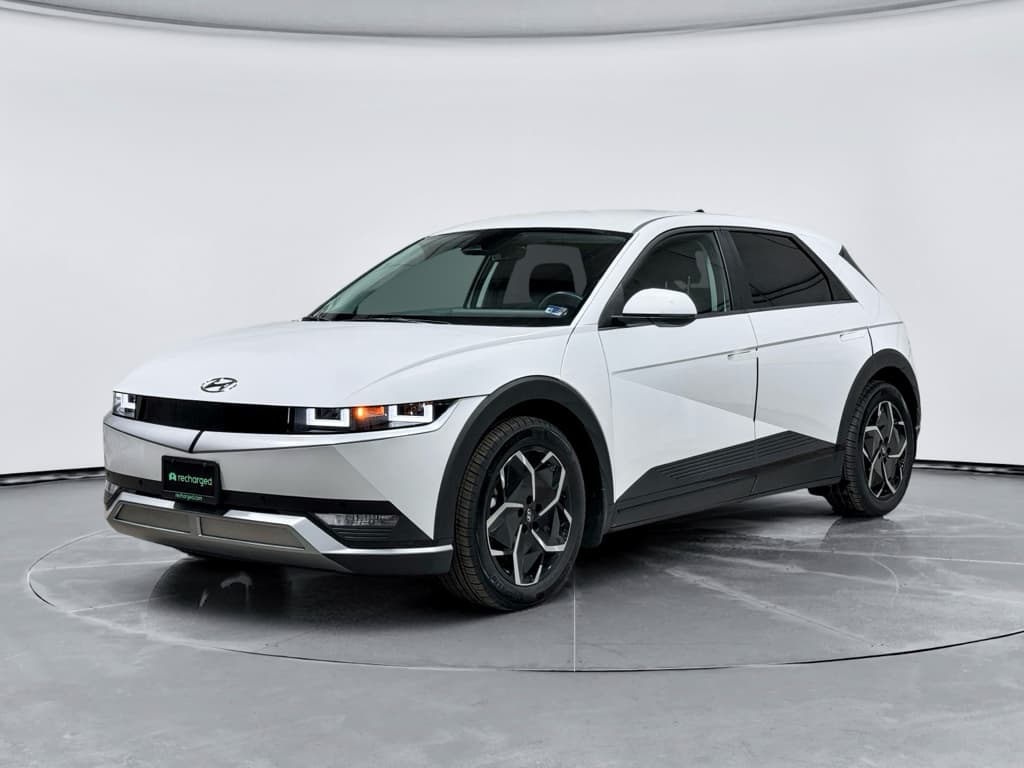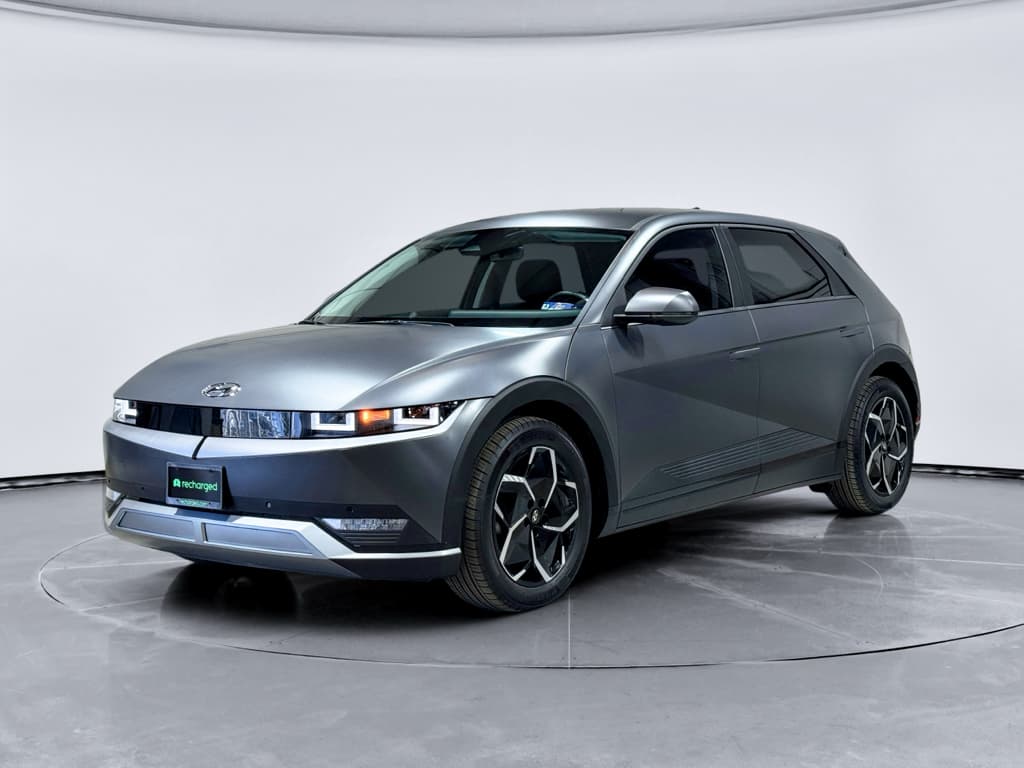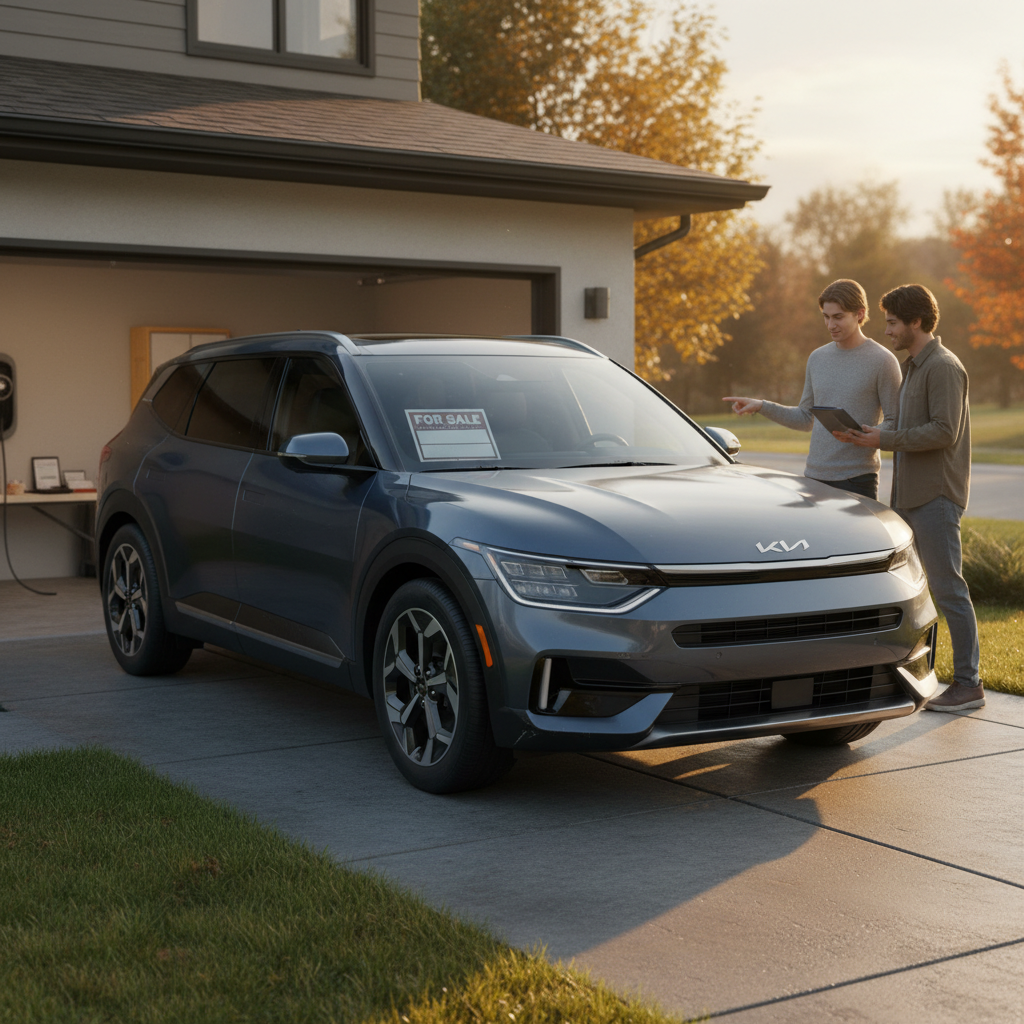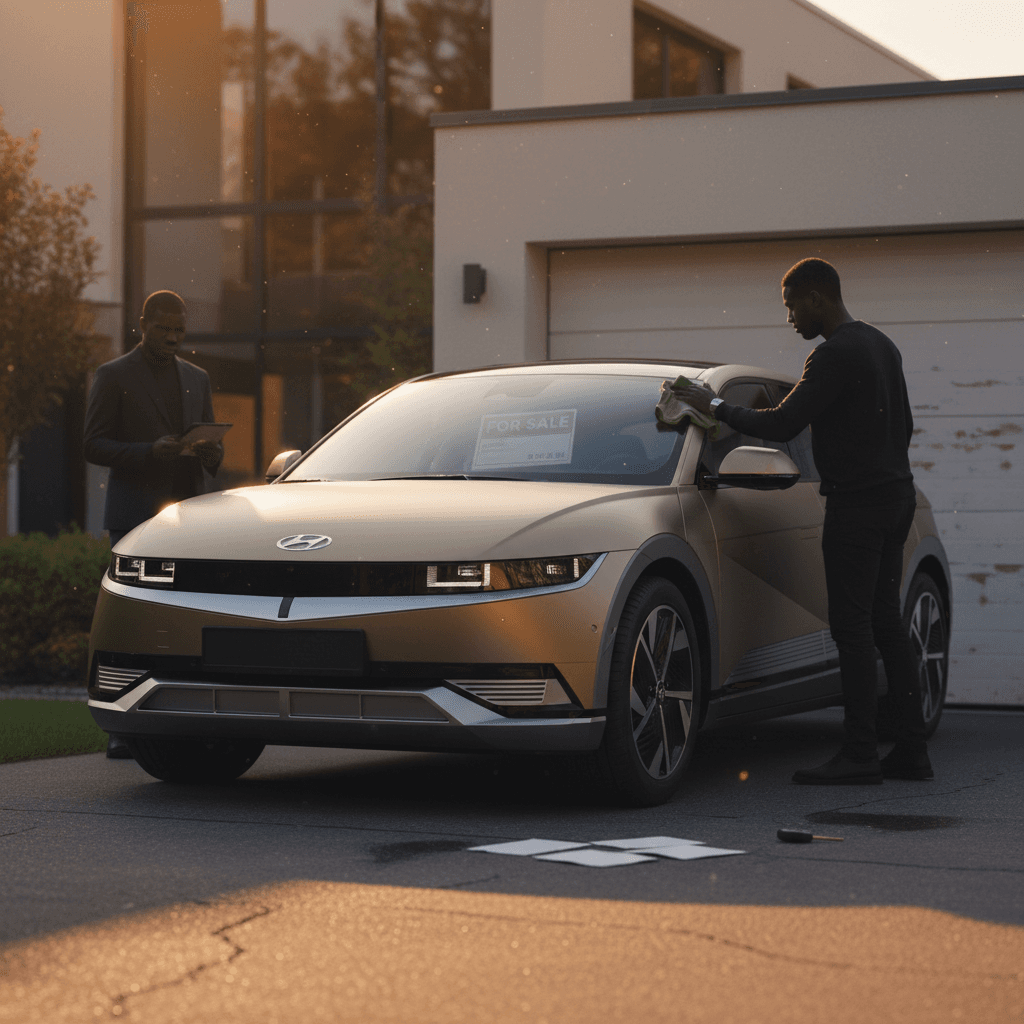
If you own a Hyundai IONIQ 5, you’re sitting on one of the most interesting used EVs on the market, sharp design, big interior, blistering DC fast‑charging. But it’s also a car that’s seen fierce price swings and heavy incentives since launch, which can make selling tricky. These tips for selling a Hyundai IONIQ 5 will help you avoid the usual pitfalls and walk away with more money, less drama.
Quick take
Why selling a Hyundai IONIQ 5 is different from a gas SUV
Hyundai IONIQ 5 resale in 2025–2026 at a glance
The IONIQ 5 launched into a perfect storm: huge federal and manufacturer incentives, rapidly dropping new‑EV prices, and a used‑EV market still figuring out how to price battery risk. That’s why you’ll see headlines calling it a depreciation loser even while buyers hunt them down as used bargains. Your job as a seller is to separate your specific car, its battery health, warranty status and options, from the scary averages.
Tip 1: Time your Hyundai IONIQ 5 sale strategically
- Aim to sell before a new model year or big refresh hits dealer lots in your area. When Hyundai tweaks range or drops MSRPs, used prices often soften a few months later.
- If your IONIQ 5 is in its first 3–5 years, you’re straddling the sweet spot: much of the steep early depreciation is done, but you still have plenty of battery and bumper‑to‑bumper warranty left.
- Watch interest rates and EV incentives. When financing is expensive, buyers gravitate to well‑priced used EVs. When new EVs are deeply discounted, buyers expect steeper deals on used examples too.
- Season matters. All‑weather crossovers like the IONIQ 5 often sell fastest in late summer through early winter, when road‑trip season and bad‑weather anxiety overlap.
Timing shortcut
Tip 2: Know your battery and warranty story
Nothing torpedoes an EV sale faster than a seller who shrugs when asked, “So how’s the battery?” The IONIQ 5’s high‑voltage pack is generally backed in North America for around 8–10 years and roughly 100,000 miles against defects and excessive capacity loss, and that coverage often transfers to subsequent owners. Many buyers know this, and they’re expecting you to know it too.
What to have ready before you list
Think of this as your IONIQ 5’s battery résumé.
Warranty expiration dates
Look up your in‑service date (first registration) and mileage. Be ready to state:
- Battery warranty end date / mileage
- Powertrain warranty coverage left
- Bumper‑to‑bumper remaining (if any)
Real‑world range data
Buyers don’t just want EPA numbers. Keep notes on:
- Typical highway range at 70 mph
- Winter vs summer usable miles
- Any big change you’ve noticed over time
Charging habits
Reassure shoppers by explaining how you’ve charged:
- Mostly home AC vs DC fast‑charging
- Typical daily charge limit (e.g., 80–90%)
- How often you fast‑charge to 100%
Don’t guess on warranty
Tip 3: Gather service, software and charging history
For EV shoppers, paperwork isn’t about oil changes; it’s about predictability. They want to believe your car will behave tomorrow the way it behaves today. Anything you can document that supports that story adds value.
IONIQ 5 paperwork to pull together
Service and recall records
Download or print any dealer service history, including recalls and software campaigns. Showing that firmware and safety campaigns are up to date reassures buyers that Hyundai has already fixed known issues.
Tire and brake documentation
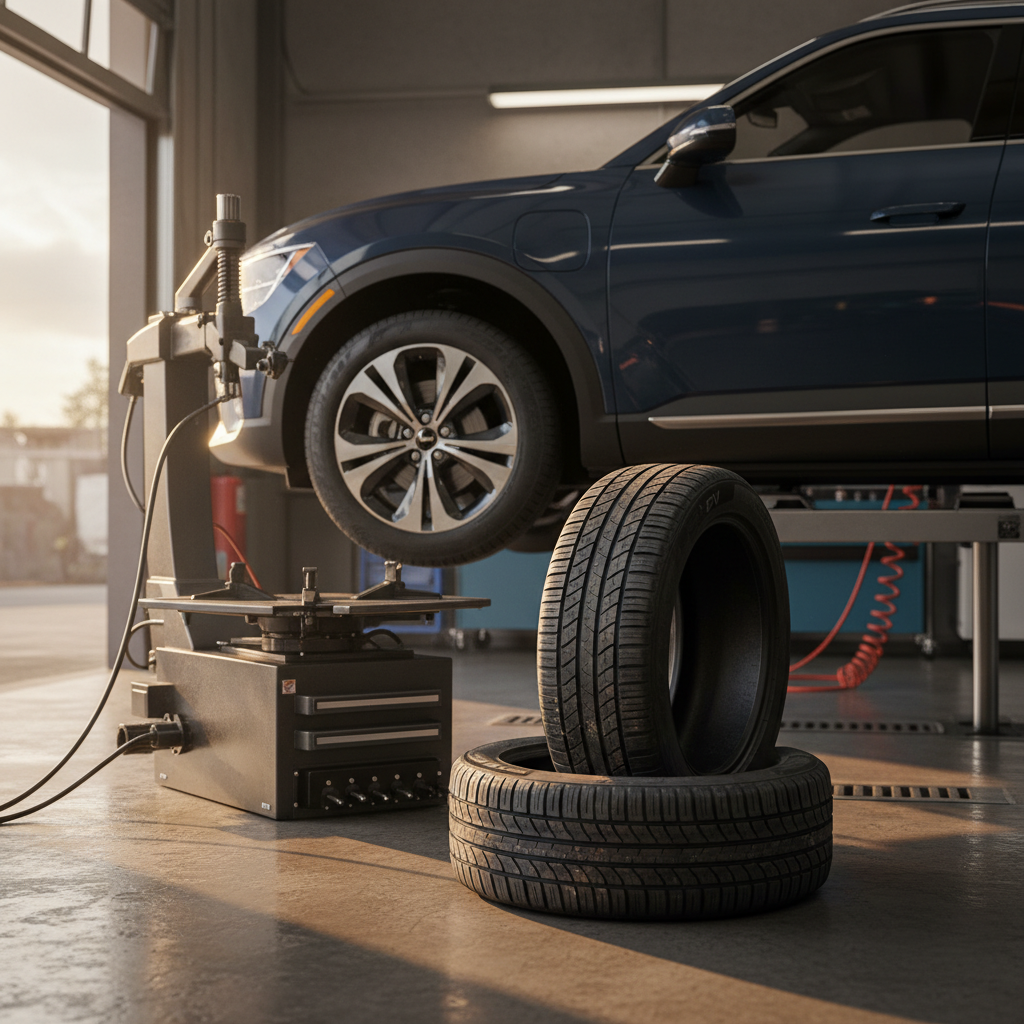
Receipts for tire replacement, rotation and brake service help counter the fear that EVs “eat tires.” The IONIQ 5 is relatively gentle on brakes thanks to regen, show that you’ve kept it that way.
Charging equipment receipts
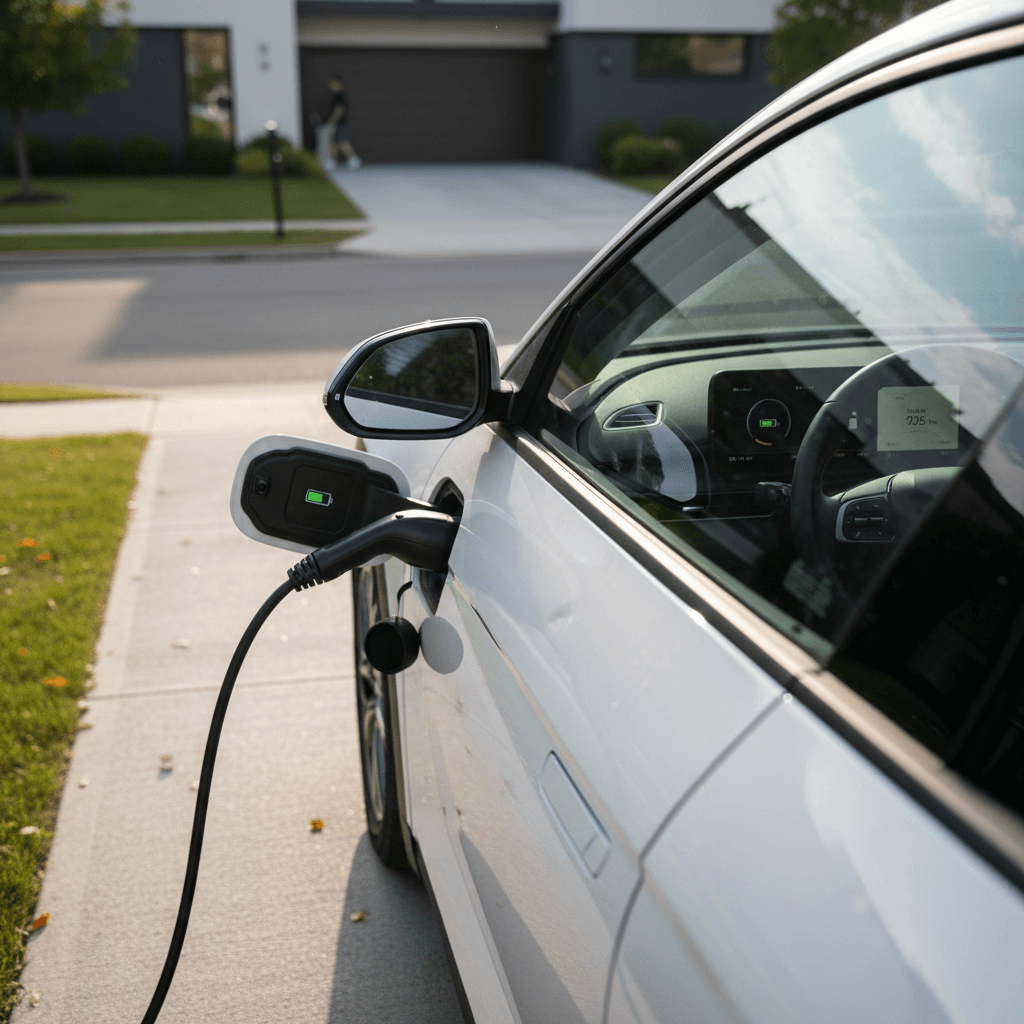
If you’re including a home Level 2 charger or upgraded portable EVSE, keep the receipt and model sheet handy. It’s a nice upsell and proof the gear isn’t some sketchy no‑name brick.
DC fast‑charging history (if available)
Some third‑party apps and networks let you export session history. You don’t need a full dossier, but being able to say, “I fast‑charge a couple of times a month on road trips” is better than guessing.
Tip 4: Decide how to sell, private party, trade-in or EV marketplace
Private‑party sale
- Pros: Often the highest sale price, especially for well‑optioned trims (Limited, SEL, 77.4 kWh HTRAC) in desirable colors.
- Cons: You manage everything: advertising, screening, test drives, paperwork, answering lots of newbie‑EV questions.
- Best for: Sellers comfortable meeting strangers, doing test drives and waiting a few weeks to get their number.
Trade‑in or instant offer
- Pros: Fast, low‑friction, and you can knock the taxable price of your next car down in many states.
- Cons: Dealers tend to be conservative on EVs, and some still misunderstand IONIQ 5 depreciation risk.
- Best for: Time‑poor sellers, high‑mileage cars, or situations where every day without a car is painful.
EV‑focused marketplace (like Recharged)
- Pros: Platforms that specialize in used EVs understand battery health, warranty and pricing nuances. Recharged, for example, provides a Recharged Score battery health report, expert pricing guidance, and nationwide reach.
- Cons: There may be selling fees or consignment terms, but they’re often offset by a higher sale price and easier process.
Where Recharged fits
Tip 5: Set a realistic asking price for your IONIQ 5
The IONIQ 5 has lived several lives already, early adopter darling, discount king, used‑EV bargain. That history shows up in resale data. You’ll see some guides calling it an over‑depreciator, others marking it as reasonable. Your goal is to price your car relative to similar trim, battery, and mileage examples, not just averages.
Pricing your Hyundai IONIQ 5: where to start
Use this as a sanity check, then refine based on your actual trim, miles, options and condition.
| Scenario | Typical mileage | Condition | Aggressive asking price | More realistic range |
|---|---|---|---|---|
| 2022 SE Standard Range | 25,000–35,000 | Clean, minor wear | Price near well‑equipped gas crossovers | Slightly under similar SE Long Range models |
| 2023 SEL 77.4 kWh RWD | 15,000–25,000 | Very clean, 1 owner | Within 5–10% of current new discounted SEL | 5–15% below recent discounted SE/SEL MSRPs |
| 2022 Limited HTRAC w/tech | 30,000–45,000 | Well‑maintained | Highlight rare options, aim toward top of private‑party range | Expect negotiation toward comparable SEL money |
| High‑mileage commuter (60k+ mi) | 60,000–90,000 | Honest cosmetic wear | Price to move, appeal to value hunters | Anchor to battery warranty time left, not just year |
These aren’t offers, just a way to think about ranges. Always cross‑check with current market listings.
Price‑setting routine
Tip 6: Highlight the features used‑EV shoppers care about
IONIQ 5 selling points to put front and center
Play the hits buyers are shopping for, not the brochure filler.
Ultra‑fast charging
Many shoppers are choosing the IONIQ 5 specifically for its 800‑V architecture and "10–80% in under 20 minutes" DC fast‑charging capability. Call out how it’s performed for you on road trips.
Spacious, flexible interior
Slide‑back rear seats, a flat floor, optional Relaxation seats, this is where families and dog owners perk up. Include photos of the back seat, cargo area and any clever storage details.
Heat pump & cold‑weather kit
If your car has the heat pump or winter package, say so explicitly. That’s a huge box‑checker for buyers in colder climates who care about winter range.
ADAS and tech suite
Describe the key driver‑assist features (Highway Driving Assist, blind‑spot cameras, surround‑view monitor) in plain language. Don’t assume buyers know Hyundai’s acronyms.
Vehicle‑to‑load (V2L) capability
If your IONIQ 5 came with the V2L adapter or you’re including one, highlight it. Being able to power tools, camping gear or a fridge in an outage is a strong emotional hook.
Color, wheels & design details
Some colors and wheel options are rarer than others. If your car has a desirable combo, say, Digital Teal with 20‑inch wheels, lean into it in photos and description.
Tip 7: Prep and detail your IONIQ 5 for EV‑savvy buyers
EV buyers are often more detail‑oriented than average shoppers, they’re used to comparing specs and reading forums. A clean, well‑presented IONIQ 5 suggests the same kind of care you brought to charging and maintenance.
Simple prep steps that add perceived value
Clean the charging areas
Wipe down the charging port door, port itself and any portable EVSE or adapters you’re including. Buyers will absolutely notice grime and corrosion here.
Reboot and declutter the cabin
Remove personal profiles, log out of streaming accounts, clear navigation history, and tidy cables. A minimalist, tech‑forward cabin looks best when it’s not full of your life.
Tire and wheel refresh
Check tread depth, inflate to spec, and clean the aero wheels thoroughly. Consider a professional alignment check if the steering wheel isn’t perfectly straight.
Fix the cheap stuff
Burned‑out bulbs, missing cargo cover, scuffed floor mats, fixing or replacing these items is cheap and removes easy excuses for buyers to lowball you.
Tip 8: Photograph your IONIQ 5 like a pro
Your photos are your first negotiation. Good images make buyers assume you’ve cared for the car. Bad ones make them wonder what else you cut corners on.
- Shoot in soft light, early morning or late afternoon, to flatter the lines and hide minor swirl marks.
- Take the classics: front three‑quarter, rear three‑quarter, pure side, nose‑on, and interior overview from the rear door.
- Show the tech: close‑ups of the twin screens lit up, steering‑wheel controls, climate panel, and any unique options like V2L or glass roof.
- Photograph the odometer, tire tread, charging port (open and closed), and included accessories (portable charger, adapters, roof racks).
- Avoid gas‑station and cramped‑garage shots. A clean driveway, quiet street or parking deck with a neutral background is your friend.
Listing photo count
Tip 9: Write an EV‑smart listing description
Most IONIQ 5 listings read like they were copied from a dealer window sticker. That’s a missed opportunity. Your description should answer the questions an EV‑curious buyer is quietly asking but might not know how to phrase.
Hit these points up top
- Exact trim, battery size, drive configuration (e.g., “2023 Hyundai IONIQ 5 SEL, 77.4 kWh, RWD”).
- Current mileage, one‑owner vs multi‑owner history.
- Battery and powertrain warranty time/miles remaining.
- Typical real‑world range for your use (city/highway, summer/winter).
Then add color and reassurance
- Why you’re selling ("growing family," "moving to a city," "upgrading to a three‑row EV"), not "getting rid of it."
- How and where you usually charge (home Level 2, occasional DC fast‑charging, etc.).
- Any cosmetic blemishes called out honestly with photos, this builds trust.
- A short bullet list of recent maintenance or upgrades.
Borrow language from enthusiasts
Tip 10: Screen buyers and manage test drives
Because the IONIQ 5 looks futuristic, it attracts more “I’ve never driven an EV” shoppers than, say, a used RAV4. You want genuinely interested buyers, not free test‑drive tourists.
Keeping test drives safe and productive
Pre‑qualify via messaging
Ask whether the buyer has driven an EV before, how they plan to charge it, and whether they’re pre‑approved for financing or paying cash. Their answers will tell you how serious they are.
Meet in public, arrive charged
Choose a well‑lit public spot, ideally near a DC fast‑charger or Level 2 station. Arrive with at least <strong>60–70% charge</strong> so they can sample performance without range anxiety.
Ride along and narrate
Stay in the car, explain one‑pedal driving, regen levels, and key safety features as you go. Offer a brief highway and city loop if possible.
Protect yourself
Verify a valid driver’s license, snap a photo of it (with permission), and make sure your insurance requirements for test drivers are met.
Tip 11: Handle charging, apps and software handover
EV buyers aren’t just buying a vehicle; they’re buying into a software and charging ecosystem. Smoothly handing that off is one of the easiest ways to make your buyer feel they picked the right seller.
- Gather all keys, the OEM portable charger, any adapters, V2L dongle, and document what’s included in the sale.
- Before delivery, factory‑reset infotainment, remove your Bluetooth devices, erase navigation history, and unlink your Hyundai account if applicable.
- If the buyer is new to EVs, spend five minutes showing them how to:
- Adjust and save regen levels
- Plan a route that includes fast‑charging stops
- Use scheduled charging at home
- Share any helpful apps or charging networks you’ve relied on and how billing works there. This “EV orientation” can be the difference between an okay sale and a glowing word‑of‑mouth review.
Tip 12: Negotiate like a pro, without scaring off buyers
Used‑EV shoppers have often read weeks’ worth of internet arguments about batteries, depreciation and doom. They’re primed to be wary. Your job in negotiation is to reduce uncertainty, not steamroll them.
What works
- Backing your price with specifics: recent comparable listings, trim and option differences, warranty remaining.
- Being transparent about minor flaws and reflecting them modestly in price.
- Offering a small, reasonable concession (e.g., including a set of winter wheels or splitting the cost of a cosmetic repair).
What backfires
- Hand‑waving concerns about battery health or warranty ("it’ll be fine").
- Taking low offers personally or replying with snark, you’ll be screenshotted in a Facebook group within the hour.
- Trying high‑pressure tactics. EV shoppers are used to walking away; let the car sell itself.
Tip 13: Know when to stop chasing top dollar
There’s a point in every used‑EV sale where you have to decide whether you’re optimizing for price or for simplicity. Maybe you’ve had the car listed for a month, answered dozens of messages, and gotten only nibble‑level offers. At that point, your time, insurance and registration costs are part of the equation.
The "holding cost" of chasing an extra $1,000
Tip 14–15: Use a Recharged Score and selling with Recharged
Most buyers would love to see inside your battery and charging history, but short of tearing the car apart, they can’t. That’s exactly the gap Recharged is built to close.
How Recharged can make your IONIQ 5 easier to sell
More transparency, less guesswork, for both sides.
Recharged Score battery health report
Every vehicle sold on Recharged includes a Recharged Score Report, with verified battery health, charging behavior insights, and overall vehicle condition. For an IONIQ 5, that’s pure gold, buyers can see how your pack is aging instead of just trusting range anecdotes.
Expert guidance and flexible selling options
Recharged offers financing, trade‑in, instant offer or consignment, plus nationwide delivery and EV‑specialist support. You can sell completely online or lean on the Richmond, VA Experience Center if you’d like in‑person help.
That combination often means a smoother sale and a better‑educated buyer who actually understands what they’re getting.
Ready to find your next EV?
Browse VehiclesSelling a Hyundai IONIQ 5 in 2026 isn’t about pretending depreciation doesn’t exist. It’s about owning the narrative: showing that your specific car has a healthy battery, solid warranty time left, the right options and a transparent history. Do that well, whether you sell privately or through a specialist like Recharged, and you’ll stand out from the sea of vague, poorly photographed listings. The result is simple: more confident buyers, fewer awkward conversations, and a final price that actually reflects how good the IONIQ 5 really is.