If you’re cross-shopping a Tesla against a gas car, the question that actually matters isn’t just range or 0–60. It’s Tesla yearly maintenance cost, how much you’ll pay every year to keep the car safe, reliable, and enjoyable to own. The good news: Teslas generally cost hundreds, not thousands, per year in routine maintenance, especially if you avoid surprise repairs by buying carefully and keeping up with basic service.
The short answer
How much does Tesla maintenance cost per year?
Typical Tesla yearly maintenance costs in 2025
Real-world data from ownership cost tools and cost-to-own calculators show annual Tesla maintenance costs clustering between about $500 and $650 for newer Model 3 and Model Y, with Model S and X trending higher thanks to larger wheels, more complex air suspension on some trims, and higher part prices. Over five years, that works out to roughly $2,500–$3,500 in maintenance, not counting tires and collision repairs.
Think in miles, not just years
Why Teslas need less maintenance than gas cars
What Teslas don’t have (and don’t need to service)
Fewer moving parts mean fewer things to maintain or repair.
No oil changes
No conventional transmission
Less brake wear
That doesn’t mean Teslas are maintenance‑free. You’ll still handle tires, brake fluid, wiper blades, cabin air filters, and the occasional repair. But compared with a gas sedan or SUV, the baseline checklist is much shorter, and software updates often fix issues that would require paid diagnostics on a traditional car.
Where EVs can cost more
Tesla maintenance schedule and common services
Tesla famously doesn’t have a traditional time‑and‑mileage service schedule. Instead, the company recommends a short list of recurring items, and the car itself flags most issues through the app or on the screen. For budgeting yearly maintenance cost, it helps to translate that into a simple checklist.
Typical Tesla maintenance items and intervals
These are common service items you should expect to see during normal ownership. Intervals are approximate and can vary with driving conditions and model year.
| Service item | Typical interval | Ballpark cost (parts + labor) | Notes |
|---|---|---|---|
| Tire rotation | Every 6,000–7,500 miles | $60–$120 | May be included in tire purchase packages |
| Cabin air filter | Every 2–3 years | $75–$200 | DIY is cheaper; HEPA filters cost more |
| Brake fluid check | Every 4 years | $100–$200 | Only replaced if fluid fails test |
| Brake caliper service (salt states) | Yearly or 12,500 miles | $150–$300 | Prevents corrosion and sticking |
| Wiper blades | Yearly | $40–$80 | Easy DIY if you’re comfortable |
| AC desiccant (select models) | Every 4–6 years | $200–$400 | More relevant on older S/X and early 3s |
| Alignment (as needed) | Every 2–4 years | $150–$250 | Important after impacts or tire wear issues |
Use this as a planning tool, not a substitute for your owner’s manual.
Check your specific model
Yearly maintenance cost by Tesla model
Model 3 & Model Y
For most U.S. drivers, Model 3 and Model Y are the cheapest Teslas to maintain per year:
- Typical yearly maintenance: about $500–$650
- 5‑year maintenance total: roughly $2,500–$3,250
- Includes basic items like tire rotations, filters, and periodic brake service
Smaller wheels and simpler hardware keep costs down. If you choose Performance trims with bigger wheels and stickier tires, expect higher tire spend and a slightly higher overall yearly cost.
Model S & Model X
Model S and Model X are larger, heavier, and often more feature‑dense (air suspension, powered doors, etc.). They’re still cheaper to maintain than comparable gas luxury cars, but:
- Typical yearly maintenance: about $700–$800
- 5‑year maintenance total: about $3,500–$4,000
- Big wheels and performance tires raise costs; so can out‑of‑warranty suspension work
If you’re eyeing a used S or X, build an extra $300–$500 per year into your budget versus a 3 or Y, especially once the car is more than five years old.
Where buying used helps
Ready to find your next EV?
Browse VehiclesBig-ticket items: tires, brakes, battery and repairs
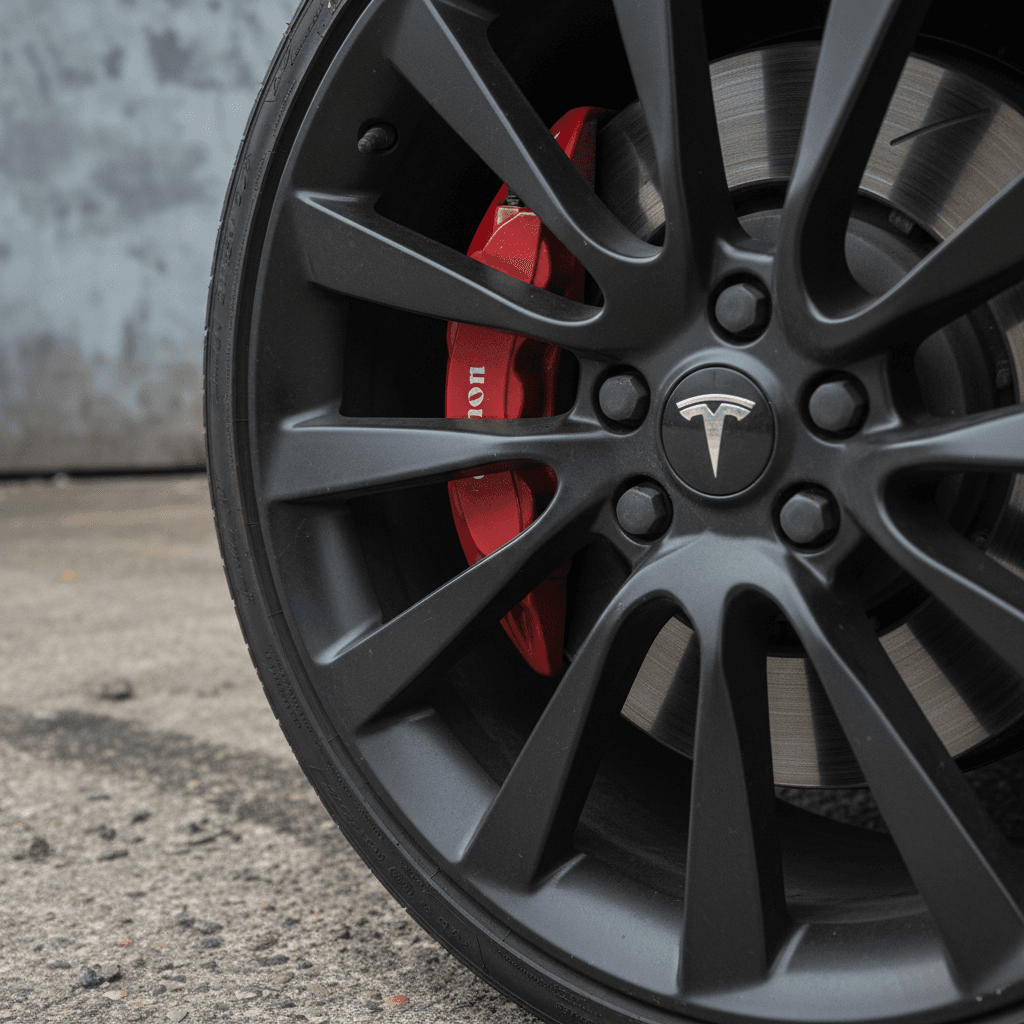
The major costs to watch
Most of your yearly maintenance budget will revolve around these four buckets.
Tires
EVs are heavy and torquey, and Teslas often run performance‑oriented tires.
- Set of 4 tires: typically $900–$1,600 installed, depending on wheel size and brand.
- Lifespan: 20,000–40,000 miles for many owners; aggressive driving and big wheels shorten that.
If you average 12,000 miles per year, that’s roughly $250–$400 per year in tire spend over time.
Brakes & suspension
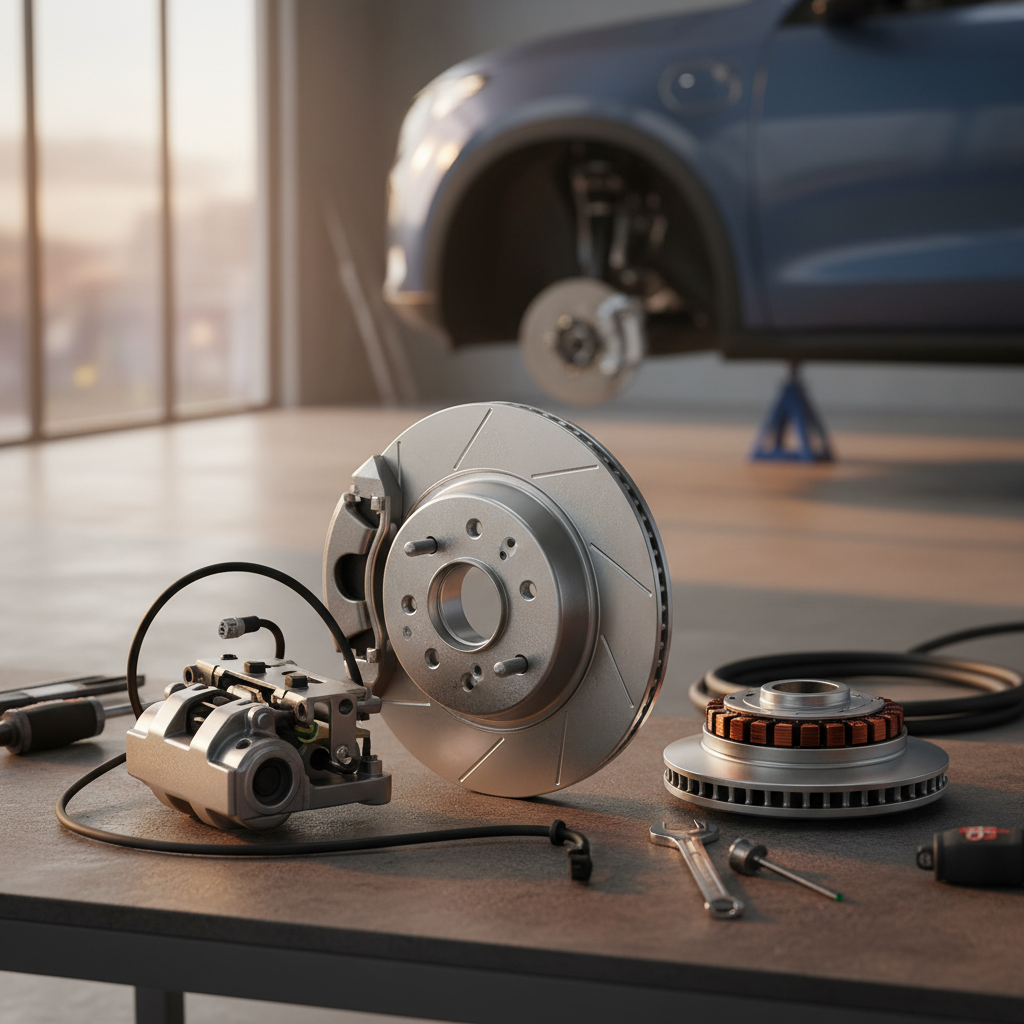
Routine brake service is modest thanks to regen braking, but salt‑state cars need yearly caliper service to prevent sticking. Budget:
- $150–$300 for periodic brake caliper cleaning in winter‑salt states.
- $600–$1,000+ if you eventually need pads and rotors on all four corners.
On older Model S/X, plan for potential suspension work beyond year 7–8, especially if the car has air suspension.
High-voltage battery
The big pack is what most buyers worry about, and what most owners never end up replacing.
- Tesla’s battery/drive unit warranty is generally 8 years and 100,000–150,000 miles depending on model.
- Well‑cared‑for packs often retain most of their capacity well beyond that.
Pack replacements are rare and expensive, so it’s more realistic to treat battery health as a risk factor to screen for when buying used, not a line item in your yearly budget.
Out-of-warranty repairs
Here’s where experience varies. Some owners go years with minimal issues; others encounter things like:
- Door handles, window regulators or trim issues
- MCU/screen replacements on older cars
- HVAC system repairs
For a Tesla out of warranty, it’s wise to set aside $300–$500 per year as a cushion for unexpected repairs.
Don’t ignore pre-purchase inspection
Tesla yearly maintenance cost vs. gas cars
Put simply, Teslas tend to cost far less to maintain than comparable gas cars. Where a mid‑size gasoline sedan might run $900–$1,300 per year in maintenance and repairs once it’s past the warranty bubble, a similar‑size Tesla often lands closer to $500–$700 per year under similar usage. That’s before you count fuel savings, which can easily add another $1,000+ per year in favor of the EV if you charge mostly at home.
Typical annual maintenance cost: Tesla vs. gas car
Illustrative comparison for a mid‑size family vehicle driven about 12,000 miles per year.
| Vehicle type | Oil/transmission services | Brakes & fluids | Tires | Misc. repairs | Total / year |
|---|---|---|---|---|---|
| Gas sedan/SUV | $250–$400 | $200–$350 | $250–$350 | $250–$400 | $950–$1,500 |
| Tesla Model 3/Y | $0 | $150–$250 | $250–$400 | $100–$200 | $500–$850 |
Actual costs depend on brand, model, and how you drive, but the order of magnitude is consistent across studies.
Zoom out to total cost of ownership
Used Tesla ownership: how maintenance changes over time
If you’re looking at the used market, as many value‑focused buyers are in 2025, your Tesla yearly maintenance cost will depend heavily on age, mileage, and how the previous owner treated the car. The basic pattern looks like this:
- Years 0–4 (under basic warranty): Minimal maintenance beyond tires, filters, and the odd warranty visit. Budget toward the low end of the ranges in this article.
- Years 5–8 (warranty overlap period): Wear items (suspension, door hardware, trims) start to show up, especially on high‑mileage cars. Budget closer to the mid‑range of yearly costs and assume a few one‑off repairs.
- Years 9+ or 120k+ miles: The car can still be a great daily driver, but you should plan for higher variance, some years will be cheap, others may include a four‑figure repair. Budget at the upper end of the yearly ranges and make sure the purchase price reflects that risk.
How Recharged de-risks used Tesla maintenance
How to budget for Tesla maintenance
Practical steps to keep your Tesla maintenance under control
1. Start with a realistic yearly number
Use the midpoints: about <strong>$575 per year for a Model 3/Y</strong>, and <strong>$750 for a Model S/X</strong>. If you’re shopping older or higher‑mileage cars, add <strong>$200–$300</strong> per year as a buffer.
2. Separate tires from other maintenance
Tires are such a big, variable expense that it’s smart to budget them separately. Estimate <strong>$250–$400 per year</strong> for tires based on your driving style and wheel size.
3. Follow Tesla’s basic service recommendations
Make a note in your calendar for <strong>tire rotations</strong>, <strong>cabin air filter changes</strong>, and <strong>brake fluid checks</strong>. These relatively cheap services prevent much more expensive problems down the road.
4. Keep a small repair reserve
If your Tesla is out of warranty, aim to set aside <strong>$25–$50 per month</strong> in a dedicated car fund. That way a surprise $800 suspension or HVAC repair doesn’t become a crisis.
5. Consider your local climate
In areas with heavy road salt, budget for <strong>yearly brake caliper service</strong> and more frequent underbody inspections to stay ahead of corrosion.
6. Buy the right used car up front
A car with <strong>verified battery health, clean history, and no unresolved issues</strong> is almost always cheaper to own long‑term than a cheaper Tesla with hidden problems. That’s exactly the gap Recharged aims to close with its curated inventory and diagnostics.
Financing your maintenance cushion
FAQ: Tesla yearly maintenance cost
Frequently asked questions about Tesla maintenance costs
If you zoom out beyond headlines, the picture is clear: Tesla yearly maintenance costs are modest and predictable compared with most gas cars, especially when you buy the right vehicle up front. The big variables, tires, out‑of‑warranty repairs, and battery health, are all manageable if you know what you’re buying and budget a realistic amount each year. Whether you’re comparing Tesla to your current gas car or deciding between new and used, focusing on total cost of ownership rather than just the sticker price will give you a much clearer view of the value on offer.
If you’re considering a used Tesla, Recharged can help you see the true cost of ownership before you buy. Every car includes a Recharged Score Report with verified battery health, fair‑market pricing, and EV‑specialist support so you can drive away confident that your maintenance budget, and your next few years of ownership, are under control.