If you drive a Tesla, tires are one of your biggest ongoing expenses, and a smart tire rotation schedule can save you hundreds of dollars over the life of the car. Understanding how often to rotate Tesla tires, what it should cost, and when to bundle it with other services is key to keeping ownership costs in check.
Quick answer
Why Tesla tire rotation matters more than you think
Tire rotation is hardly glamorous, but on a Tesla it has an outsized impact. EVs are heavier than comparable gas cars because of their battery packs, and Teslas deliver instant torque. That combination can chew through tires quickly, especially on the driven axle if rotations are ignored.
Three big reasons to stay on top of rotations
For Tesla owners, skipping rotations is literally throwing money, and range, away.
Safety & stopping power
Range & efficiency
Total cost of ownership
EV-specific pro tip
Official Tesla tire rotation schedule by model
Tesla has simplified its guidance over the years. While details can vary slightly by wheel size and tire type, the general recommendation for current models is straightforward: rotate tires at regular mileage intervals or when tread depth differences emerge.
Tesla tire rotation schedule overview
Typical rotation intervals for recent Tesla models. Always confirm specifics in your owner’s manual or in-car service menu.
| Model | Typical interval | Key notes |
|---|---|---|
| Model 3 | 6,000–7,500 miles | Many trims use staggered tires only on Performance models, check if your setup is rotatable. |
| Model Y | 6,000–7,500 miles | SUV stance and weight can wear front tires quickly if alignment is off. |
| Model S | 6,000–7,500 miles | Larger wheel options and performance variants may see faster wear. |
| Model X | 6,000–7,500 miles | Heaviest Tesla; tire wear is pronounced if you tow or carry full loads. |
| Older RWD Teslas | 5,000–6,000 miles | Rear tires often wear more quickly due to acceleration loads. |
Use this as a baseline and adjust based on your driving style and local road conditions.
Watch out for non-rotatable setups
What’s really at stake with tire care
Real-world signs your Tesla needs a tire rotation
Mileage intervals are only half the story. How and where you drive matters. Instead of waiting for a number, use these real-world checks to decide if your Tesla is overdue for a rotation.
DIY checks before you book a rotation
1. Feel for feathering or roughness
Gently run your hand across the tread from front to back. If one edge feels sharper or more jagged than the other, that tire may be wearing unevenly and needs attention.
2. Compare tread depth front vs rear
Use a tread depth gauge or the old coin trick. If the difference between front and rear exceeds about <strong>2/32"</strong>, it’s time to rotate, even if you’re under the mileage interval.
3. Listen on smooth pavement
On a quiet road, roll down the windows and listen. A rhythmic hum that changes with speed can indicate irregular wear. Rotating early can keep that from turning into a premature tire replacement.
4. Watch steering feel
If the steering suddenly feels lighter, heavier, or wanders more than usual, your front tires may be wearing differently than the rears. Rotation plus an alignment check might be in order.
5. Review your driving patterns
Lots of highway miles with Autopilot? City streets dotted with potholes? Aggressive acceleration? Any of these can tilt wear patterns and justify more frequent rotations.
How much does Tesla tire rotation cost?
Your actual Tesla tire rotation cost depends on where you go and whether you bundle it with other services. Compared with gas-car maintenance, the line item isn’t huge, but EV tires are pricier, so stretching their life matters.
Typical Tesla tire rotation cost ranges (USD)
These are common price bands reported by owners and shops for 2024–2025. Exact prices vary by region and provider.
| Where you go | Typical rotation price | What’s usually included |
|---|---|---|
| Tesla Service Center | $60–$120+ | Rotation, basic inspection; sometimes bundled with other checks or software-related service. |
| Tesla Mobile Service (where available) | $70–$140+ | On-site rotation at your home or office; travel and convenience may raise the price. |
| National tire chain | $40–$80 | Rotation and quick visual inspection; some include it free if you bought tires there. |
| Independent EV-friendly shop | $40–$90 | Rotation plus EV-specific checks (tire pressures, sidewall damage from curb hits, etc.). |
| DIY at home | $0 out-of-pocket | Your time, plus cost of proper jack pads, torque wrench, and jack stands or a lift. |
Ask for a line-item estimate before approving any work, especially if alignment or balancing is recommended.
Look for lifetime rotation deals
Tesla Service Center vs. independent tire shop
Tesla Service Center or Mobile Service
- Pros
- Technicians work on Teslas all day, they know jack points, torque specs, and software quirks.
- Easy to document service history inside your Tesla app, which can help with resale.
- Opportunity to address recalls, software diagnostics, or warranty issues in the same visit.
- Cons
- Appointments can be harder to get in busy markets.
- Labor rates may be higher than local tire shops.
- Less flexibility if you want to bring your own aftermarket tires or wheels.
Independent tire shop or chain
- Pros
- Often cheaper for simple rotation and balance work.
- Same‑day or walk‑in appointments in many areas.
- Good chains are now familiar with EV lift points and torque requirements.
- Cons
- Some shops still decline EVs or aren’t familiar with Tesla jack pads, always ask first.
- Service history may not appear in your Tesla account unless you keep your own records.
- Quality depends heavily on the specific shop and technician you get that day.
Ask one key question before they lift your Tesla
DIY Tesla tire rotation: Is it worth it?
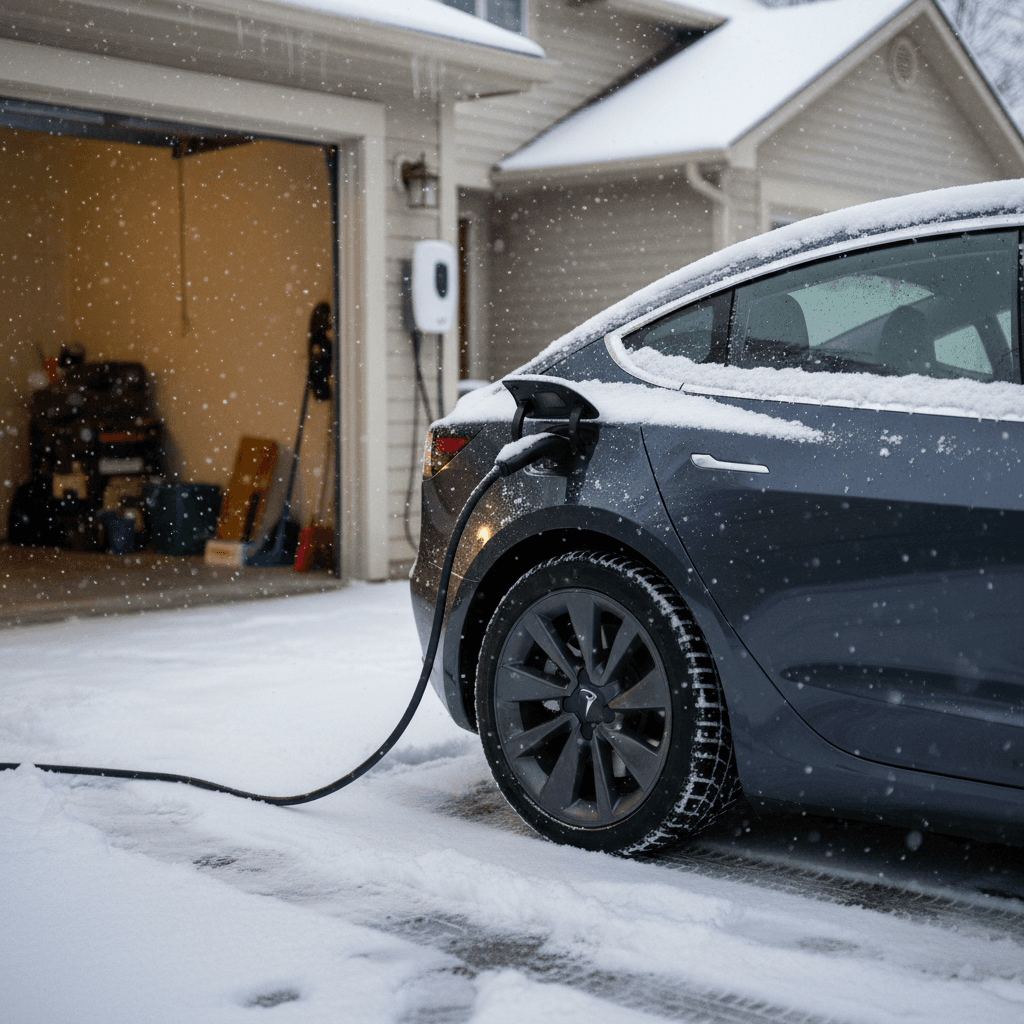
If you’re used to wrenching on your own cars, a Tesla tire rotation is technically within reach. But the stakes, and the weight, are higher. Before you decide to DIY, weigh the savings against the tools and risk involved.
- You’ll need a low‑profile floor jack rated for your Tesla’s weight, plus jack stands or a lift.
- Tesla‑specific jack pads are strongly recommended to avoid battery damage.
- A quality torque wrench is essential to tighten lug nuts to the correct spec.
- You’ll need a flat, level surface and enough space to swap wheels safely.
When not to DIY
Alignment, balance, and other add-ons explained
When you book a tire rotation, shops often suggest additional services. Some are smart to bundle; others are optional depending on how your Tesla feels on the road.
Common add-on services during tire rotation
What they do, when to say yes, and when to skip.
Wheel alignment
Say yes when: You’ve hit potholes or curbs, the steering wheel is off‑center, or you notice uneven tread wear.
Cost impact: Often $120–$250, but can save a set of tires from early retirement.
Wheel balancing
Say yes when: You feel vibration through the steering wheel at certain speeds.
Cost impact: Typically $40–$100 for all four wheels if not included with rotation.
Tire pressure & inspection
Say yes when: Always, correct pressure protects range and safety.
Cost impact: Often bundled into the base rotation price.
Bundle smartly to save money
How tire rotation affects range and battery health
Tire rotation doesn’t change your battery chemistry, but it does influence how efficiently your Tesla turns electricity into miles. Every bit of rolling resistance matters when you’re relying solely on a battery pack.
- Even wear helps keep rolling resistance low, improving efficiency and slightly extending usable range.
- Proper rotation makes it easier to maintain recommended tire pressures, which directly affect Wh/mi consumption.
- A car that tracks straight and doesn’t fight the driver’s inputs uses less energy over long highway stretches.
- Smooth, evenly worn tires also run quieter, a subtle but real part of Tesla’s premium feel.
Range reality check
Tire rotation and used Teslas: what buyers should ask
If you’re shopping for a used Tesla, tires tell a story. How they’ve been rotated, and how often, can hint at whether the previous owner treated the car like a long‑term investment or a disposable tech gadget.
Questions to ask the seller or dealer
- “How often were the tires rotated, and where was the work done?”
- “Do you have service records or invoices from Tesla or a tire shop?”
- “Have the wheels ever been repaired from curb rash or pothole damage?”
- “When was the last alignment performed?”
What Recharged looks for on used EVs
At Recharged, every used EV we list gets a thorough inspection, including tires. We note:
- Remaining tread depth on each tire and any uneven wear patterns.
- Brand and model of tire, plus age codes on the sidewall.
- Signs of impact damage that could hint at suspension or alignment issues.
Those findings are rolled into the Recharged Score Report alongside verified battery health, so you see the full picture, not just the shiny photos.
Leverage the Recharged Score
Ready to find your next EV?
Browse VehiclesTesla tire rotation FAQ
Common questions about Tesla tire rotation schedule & cost
Bottom line: building tire rotation into your Tesla budget
Compared with engine oil changes, timing belts, and transmission service on a gas car, a Tesla tire rotation looks simple, and it is. But because tires carry more of the maintenance load on an EV, staying disciplined about your rotation schedule and costs is one of the smartest ways to control what you spend over time.
If you stick to roughly 6,000–7,500‑mile intervals, keep an eye on tread depth, and budget $40–$120 per visit depending on where you go, tire rotations become a predictable line item in your ownership plan rather than a surprise. And when it’s time to move into a different EV, shopping with Recharged gives you clear visibility into how the previous owner treated the tires and the battery, so you’re not inheriting someone else’s neglect along with their car.