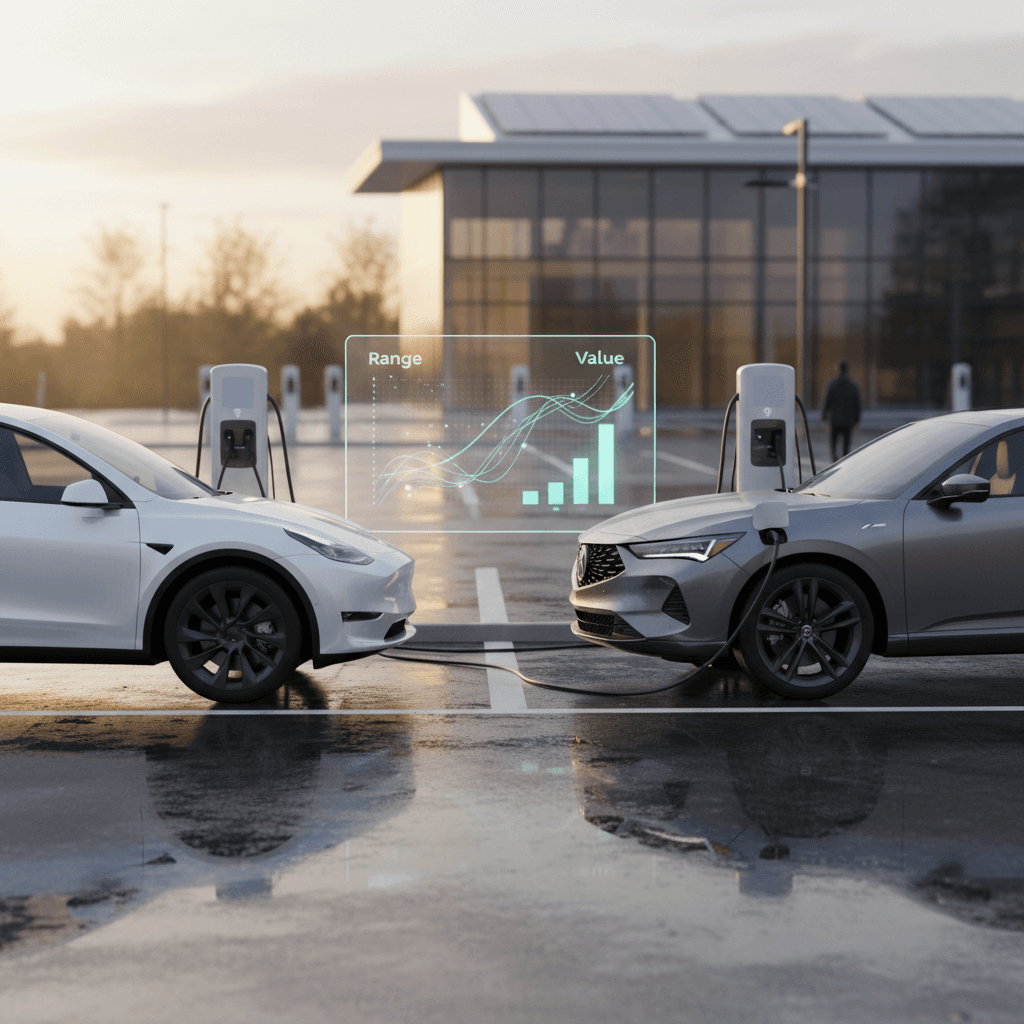
Shopping luxury electric SUVs and torn between a Tesla Model Y and the new Acura ZDX? On paper they’re both midsize, two-row electric crossovers, but they’re aimed at very different buyers. One leans mass-market and tech-first, the other feels like a traditional luxury SUV that happens to be electric. This guide breaks down price, range, charging, tech, and ownership so you can see where each one really shines.
Quick Take
Overview: Tesla Model Y vs Acura ZDX at a Glance
Headline Specs & Figures
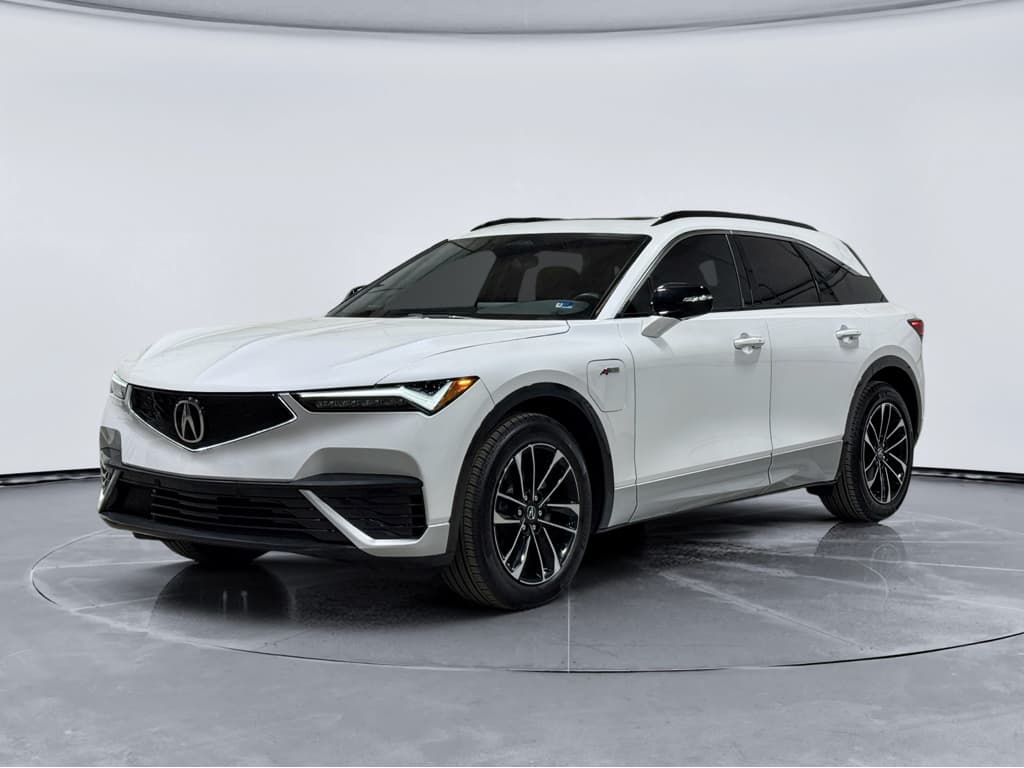
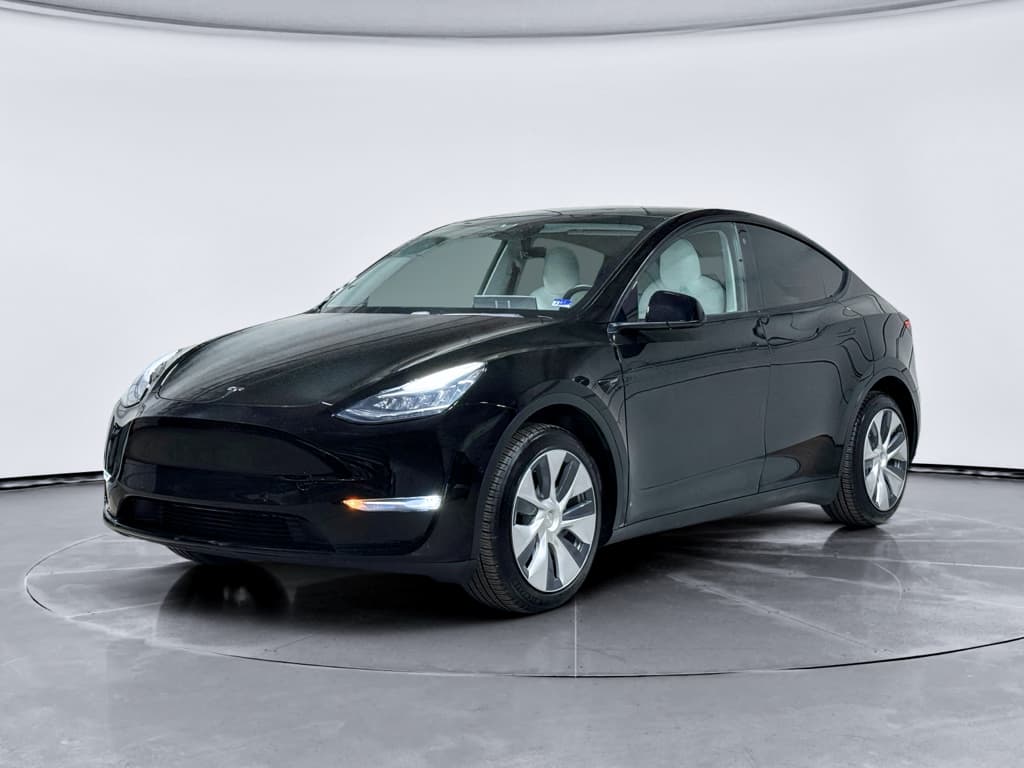
There’s a fundamental split here. The Model Y is a global volume leader with multiple trims (rear-wheel drive, Long Range all-wheel drive, Performance) and an aggressive price point. The Acura ZDX enters as a premium, lower-volume player with A-Spec and performance-oriented Type S variants built on GM’s Ultium platform. Where Tesla prioritizes efficiency, over-the-air tech and charging access, Acura doubles down on quietness, materials, and traditional dealer support.
Pricing & Positioning: Mass-Market Tesla vs Boutique Acura
Approximate Starting Prices & Key Trims (New)
High-level look at where each model sits in the market as of early 2026. Always check local dealers and Tesla’s site for current pricing and incentives.
| Model | Trim (example) | Drivetrain | Approx. Starting MSRP* | Notes |
|---|---|---|---|---|
| Tesla Model Y | Rear-Wheel Drive | RWD | ≈$44,990 | Entry point into the lineup |
| Tesla Model Y | Long Range | AWD | ≈$49,000–$52,000 | Most common pick for range + AWD |
| Tesla Model Y | Performance | AWD | ≈$53,000–$56,000 | Prioritizes acceleration and handling |
| Acura ZDX | A-Spec RWD | RWD | ≈$64,500 | Longest range configuration |
| Acura ZDX | A-Spec AWD | AWD | ≈$67,000 | More traction, slightly less range |
| Acura ZDX | Type S | AWD | ≈$73,000+ | High-performance, more power, less range |
Actual transaction prices and incentives vary widely by region and time.
About Pricing
In broad strokes, the Tesla Model Y is the value play. It gives you competitive range, strong performance, and direct access to the Supercharger network for noticeably less money. The Acura ZDX prices like a traditional luxury SUV; you’re paying a premium for brand, interior quality, and dealer support. If you’re stretching a monthly payment, the Tesla, or a used Model Y, will usually pencil out better. If your budget is higher and you want that luxury badge and cabin, the ZDX feels more in its element.
Size, Space & Practicality
Tesla Model Y
- Footprint: Compact-to-midsize SUV with a relatively narrow body and low nose, which makes parking easier.
- Cargo: Huge hatch opening, under-floor storage, plus a usable front trunk (frunk) for charging cables or luggage.
- Seating: Two-row, five-seat layout is standard; some markets have offered a small third row, but most shoppers will treat it as a two-row SUV.
- Cabin feel: Minimalist dashboard, large center screen, lots of glass and an airy feel but fewer physical controls.
Acura ZDX
- Footprint: Midsize SUV with a wider stance; feels more substantial and closer to a BMW iX3 or Mercedes EQE SUV in presence.
- Cargo: Traditional rear cargo area with a wide opening, but no frunk because of the Ultium packaging.
- Seating: Two-row, five-seat cabin with more traditional SUV proportions and supportive seats.
- Cabin feel: Richer materials, more sound insulation, a familiar layout with clear separation between driver and passenger zones.
Practicality Tip
Range & Efficiency: How Far Can You Actually Go?
Range & Efficiency Snapshots
Approximate EPA figures and real-world impressions
Model Y Range
Depending on trim and wheels, you’re typically looking at roughly 279–330 miles of EPA range. The Long Range AWD models sit near the top of that window.
Tesla’s software does a good job with trip planning and factoring in weather and speed, but, like any EV, winter and high speeds will cut into that number.
Acura ZDX Range
The ZDX A-Spec trims hover around roughly 304–313 miles of EPA-rated range when new, depending on RWD vs AWD. The Type S version trades some of that for performance, dropping into the high‑200s.
Owners report that weight and large wheels can make winter range feel closer to the mid‑200s on long highway trips.
Efficiency & Battery Size
Model Y uses a smaller battery to deliver similar or better range than ZDX, thanks to Tesla’s efficiency focus and lower curb weight.
ZDX rides on a large Ultium pack, over 100 kWh usable in Type S, so it’s less efficient per mile but masks that with battery size.
Used EV Angle
Charging Experience: Tesla Supercharger vs CCS Public Networks
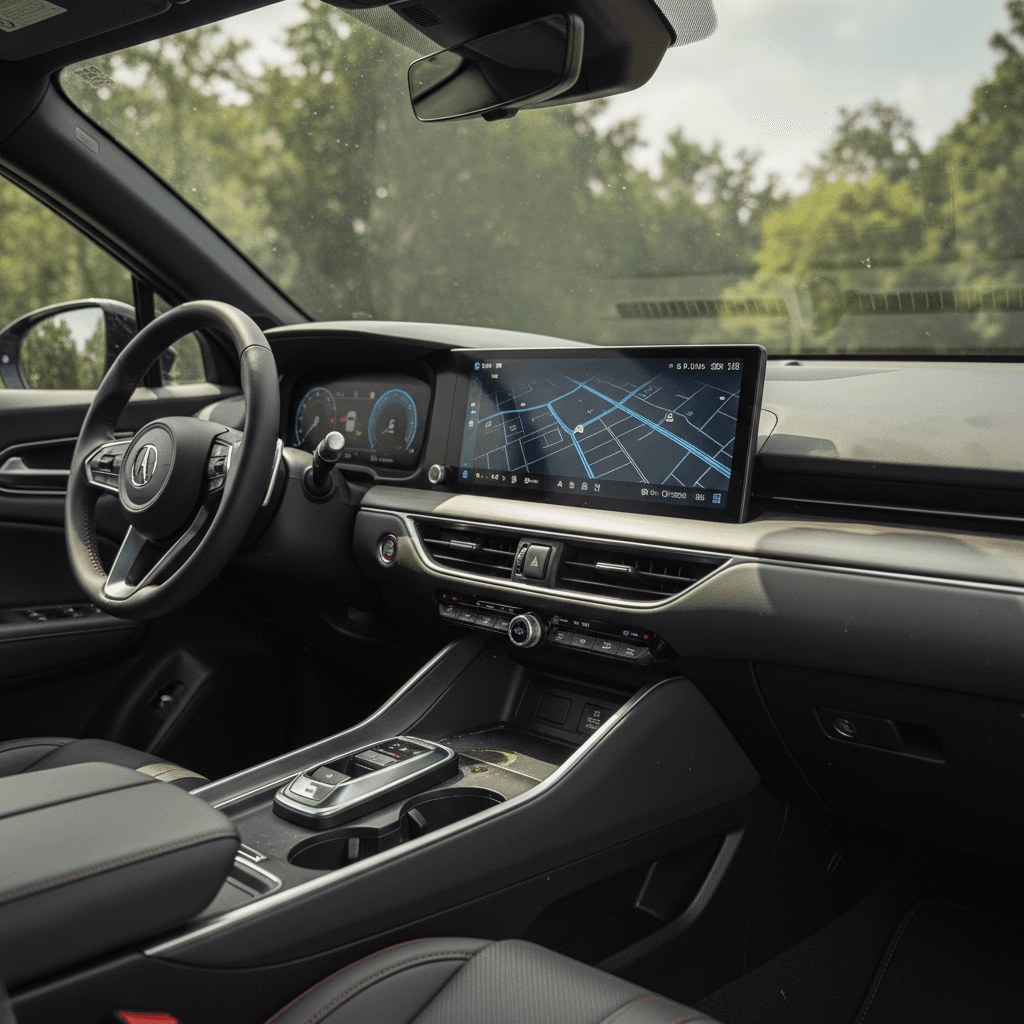
Charging is where these two SUVs feel the most different day to day. On paper, both can charge quickly on DC fast chargers. In practice, the networks they plug into and the software behind them shape your experience just as much as the hardware.
DC Fast Charging & Home Charging Overview
Approximate capabilities; real-world speeds depend heavily on charger quality, temperature, and state of charge.
| Model | Max DC Fast Charge | Typical 10–80% Time (ideal conditions) | Home Charging (Level 2) | Connector Notes |
|---|---|---|---|---|
| Tesla Model Y | Up to ~250 kW on compatible Superchargers | ≈25–30 minutes | Up to 11 kW with a 48A wall connector | Uses Tesla’s NACS port; direct Supercharger access, growing third‑party support |
| Acura ZDX (all trims) | Up to ~190 kW on DC fast chargers | ≈34–40 minutes | Up to ~11.5 kW with a 48A home charger | 2024 models use CCS; 2025+ begin adopting NACS for easier Supercharger use |
Numbers are rounded; always treat manufacturer claims as best-case scenarios.
Charging Reality Check
With a Model Y, you’re essentially buying into the Supercharger ecosystem. Route planning, stall availability, and payment live inside the car and app. More third‑party networks now support Tesla’s NACS plug, but Superchargers remain your most reliable option. With the ZDX, you’re depending on CCS fast‑charging networks today, and over time, NACS access as Acura transitions ports and adapters. The ZDX’s raw peak speed is competitive, but owners are at the mercy of a more fragmented infrastructure.
Home Charging is Non‑Negotiable
Performance & Driving Feel
How They Drive: Numbers vs Feel
Both are quick; they just prioritize different personalities.
Tesla Model Y
- Acceleration: Even the Long Range feels brisk; the Performance trim is legitimately fast, with 0–60 mph dipping into the mid‑3‑second range.
- Character: Lighter, more agile, and feels more like a lifted hatchback than a heavy SUV.
- Ride: Earlier Model Ys could feel firm; newer revisions have improved noise and harshness, but it’s still tuned more for responsiveness than plushness.
Acura ZDX (incl. Type S)
- Power: A-Spec provides strong, confident acceleration. The Type S pushes output into the 500‑hp neighborhood, with serious passing power.
- Character: Heavier, more planted, and more traditionally “SUV‑like” in the way it rides and steers.
- Ride: Quieter cabin, more isolation from bumps, especially in the Type S with adaptive air suspension.
Which Feels More Premium?
Tech, Safety & Driver Assistance
Inside the Tesla Model Y
- Interface: Nearly everything runs through a large center touchscreen, HVAC, drive settings, nav, even glovebox access.
- Software: Frequent over‑the‑air updates, robust native route planning for EVs, built‑in games and streaming, and a strong smartphone app.
- Driver Assistance: Standard Tesla Autopilot, with optional Enhanced Autopilot and Full Self‑Driving packages that add lane changes and more automated features (availability and capability vary over time).
- Safety: Consistently strong crash-test performance globally and a long track record of data on Tesla’s safety systems.
Inside the Acura ZDX
- Interface: Dual-screen setup with a central touchscreen plus a dedicated driver display; more physical controls than Tesla, which some drivers prefer.
- Infotainment: Built‑in Google integration (Maps, Assistant, Play Store) and wireless Apple CarPlay/Android Auto, which Tesla still doesn’t offer.
- Driver Assistance: AcuraWatch safety suite with adaptive cruise, lane‑keeping, and available hands‑free highway systems on certain roads.
- Safety: Modern driver-assist stack and structural protections, though with far less long-term field data than Tesla’s fleet.
Tech Preference Test
Ownership Costs, Resale Value & Used-Buy Considerations
Sticker price is only part of the story. Insurance, depreciation, financing, and charging behavior all shape what these SUVs really cost you over a 5–8‑year window.
Key Cost & Ownership Considerations
Depreciation & Resale
Tesla’s Model Y has years of resale data and remains one of the stronger EVs on the used market, especially well-optioned Long Range trims. The ZDX is new, so its long-term value curve is less predictable, luxury SUVs can depreciate quickly if demand doesn’t keep up.
Fuel vs Electricity Costs
Both SUVs will slash fuel spending if you charge at home on off‑peak rates. Supercharger and CCS fast‑charging prices can approach, or occasionally exceed, gasoline on a per‑mile basis, so don’t plan to live on DC fast chargers.
Maintenance
No oil changes for either, but tires, brakes, and suspension components still wear. The ZDX’s additional weight and large performance tires (on Type S) may drive slightly higher tire costs than a more modestly shod Model Y.
Financing & Lease Options
Tesla often adjusts financing offers and price points throughout the year. Acura dealers may use discounts, dealer cash, or lease support to move ZDX inventory. If you’re payment-sensitive, it’s worth running numbers across purchase, lease, and used options.
Used Tesla Model Y Market
Because there are so many Model Ys in circulation, you’ll find a broad spread of prices, trims, and mileages. That’s where a condition report, like Recharged’s <strong>Recharged Score</strong> with battery diagnostics and pricing analysis, can separate a great deal from a future headache.
How Recharged Can Help
Which EV SUV Fits You Best? Buyer Profiles
Match the SUV to Your Priorities
Efficiency-First Commuter & Road-Tripper
You drive 12,000–20,000 miles a year and care about energy use and time spent at chargers.
You want access to the broadest fast‑charging network with the least app juggling.
Verdict: <strong>Tesla Model Y Long Range</strong> is the clear fit. It offers strong efficiency, excellent route planning, and direct Supercharger access.
Luxury SUV Shopper Coming from Audi/BMW/Lexus
You’re used to a quiet cabin, thicker glass, and high‑touch dealer service.
You prefer physical controls and CarPlay/Android Auto over a single giant screen.
Verdict: <strong>Acura ZDX A‑Spec</strong> makes the transition to EVs feel familiar, with a driving experience that still feels like a luxury SUV.
Performance Enthusiast
You care about 0–60 times and how the vehicle feels on a back road.
You don’t mind trading a bit of efficiency for fun.
Verdict: If you want the quickest hit of acceleration per dollar, the <strong>Model Y Performance</strong> wins. If you want a heavier, more planted feel with a luxury badge, the <strong>ZDX Type S</strong> is the play.
Value Hunter & Used Shopper
You’re willing to buy used to keep payments down or avoid first‑year model risk.
You want proven hardware and predictable resale behavior.
Verdict: A <strong>used Tesla Model Y</strong> is the smarter bet today. The ZDX is too new to have a stable used market, while the Model Y has a deep supply of off‑lease and private‑party examples.
FAQ: Tesla Model Y vs Acura ZDX
Frequently Asked Questions
Bottom Line: How to Decide Between Model Y and ZDX
If you strip away marketing and brand loyalty, the equation looks like this: the Tesla Model Y is the rational, efficient workhorse with best‑in‑class charging access and a deep, relatively affordable used market. The Acura ZDX is the emotional, premium choice, quieter, more substantial, and better aligned with traditional luxury expectations, but more expensive and tied to a younger charging and resale story.
Choose a Model Y, new or used, if you prioritize efficiency, road‑trip simplicity, and value. Choose an Acura ZDX if you want a luxury‑brand experience, care more about cabin ambiance than ultimate efficiency, and are comfortable paying more for a fresher, less common nameplate.
And if you’re leaning toward a used Model Y, this is where Recharged can shorten the homework. Every vehicle on the platform comes with a Recharged Score Report covering battery health and fair market pricing, plus EV‑savvy support to help you compare financing, trade‑in, and delivery options. In a fast‑moving EV market, having that extra layer of transparency can be the difference between a confident decision and buyer’s remorse.