Search for “Tesla Model Y things I wish I knew” and you’ll see the same pattern: owners love the car, but many were caught off guard by noise, charging realities, insurance costs, and software quirks. If you’re shopping for a new or used Model Y, learning from those lessons now can save you real money, and frustration, later.
Who this guide is for
Before you buy a Tesla Model Y
On paper, the Tesla Model Y is the ultimate do‑it‑all EV: quick, efficient, spacious, and backed by an enormous fast‑charging network. In practice, it’s still an excellent vehicle, but it’s not perfect, and it’s not the right fit for every household. Below are 21 things many owners say they wish they’d known before signing on the dotted line, especially those who later traded or sold their Model Y.
Tesla Model Y ownership by the numbers
1. The ride comfort and road noise might surprise you
If you’re coming from a soft‑riding crossover like a RAV4 or CR‑V, the Model Y’s ride can feel firmer and noisier than you expect. Tesla tunes the suspension more toward sporty than plush, and earlier builds in particular were known for noticeable road and wind noise at highway speeds.
- Low‑profile tires and big wheels (especially 20"/21") transmit more bumps into the cabin.
- Road and wind noise at 70–80 mph is higher than some similarly priced luxury SUVs.
- The firmness is more obvious on broken pavement, expansion joints, and potholes.
Test this on your test drive
2. Real-world range is lower than the window sticker
Tesla’s range numbers are optimistic, and that’s not unique, many EVs post lower real‑world range than their official ratings. Independent tests have found popular EVs, including the Model Y, can land around 8–14% below their advertised range in mixed driving under normal conditions.
- Driving 75–80 mph instead of 65 mph can noticeably cut range.
- Cold weather, rain, and strong headwinds all reduce efficiency.
- Roof racks, cargo boxes, and bikes on a hitch rack can take a chunk out of range.
Plan with a buffer
3. There’s a bigger charging learning curve than you expect
Owning a Model Y means thinking about energy the way you used to think about gas, but with more variables. AC vs. DC charging, kW vs. kWh, Superchargers vs. non‑Tesla fast chargers, state of charge, and preconditioning all matter. Most owners pick it up quickly, but the first month can feel like homework.
Charging terms you’ll quickly get used to
Once you understand these, planning charging stops becomes second nature.
Level 1 & 2
Level 1 is a regular 120V outlet, very slow. Level 2 uses 240V at home or public sites and is what most Model Y owners rely on daily.
DC fast charging
Superchargers and other DC fast chargers deliver high power (often 100–250 kW). Great for road trips, not something you use every day for battery longevity.
State of charge (SoC)
Your battery’s % “full.” Most owners daily‑drive between roughly 20–80% rather than constantly charging to 100%.
4. Home charging is the real game-changer
Ask long‑time owners what they wish they’d done sooner, and many will say: installed proper home charging. A 240V Level 2 setup in your garage or driveway turns the Model Y into a “full tank every morning” car and dramatically reduces your need for public charging.
- Charging at home is usually cheaper than DC fast charging, often much cheaper than gas on a per‑mile basis.
- You can schedule charging for off‑peak utility rates and warm or cool the cabin while plugged in.
- The convenience factor is enormous if you drive daily.
Don’t ignore electrical work
5. Insurance and “hidden” costs can be higher than you think
Plenty of shoppers focus on fuel savings and skip a crucial line item: insurance. Recent data suggests a Model Y often costs noticeably more to insure than a typical midsize gas SUV, thanks to high repair costs, advanced driver‑assistance hardware, and strong demand driving claim frequency.
- Expect higher quotes if you live in dense urban areas or regions with expensive body‑shop labor.
- Tesla’s own insurance isn’t available in every state, and pricing can vary widely based on your driving profile.
- Tires, registration, and higher property taxes in some states can add more to your annual cost than you expect.
Price insurance before you fall in love
6. Maintenance is low, but repairs aren’t cheap
Compared to a gas SUV, routine maintenance on a Model Y is light. No oil changes, timing belts, spark plugs, or transmission services. Tesla’s own estimates put annual maintenance for the Model Y in the low hundreds of dollars per year, depending on mileage and age.
- You’ll mainly pay for tires, cabin air filters, brake fluid service, wiper blades, and the occasional alignment.
- Brake pads can last an incredibly long time thanks to regenerative braking, especially if you drive smoothly.
- Out‑of‑warranty collision or body repairs can be costly, and not every shop is comfortable working on Teslas.
Watch out for curb rash and wheel damage
7. Battery degradation is slower than the internet makes it sound
If you spend much time on forums, you’ll see scary anecdotes about battery degradation. In the real world, most Model Y packs age more gently, especially when charged sensibly. Many owners report modest range loss in the first few years, then a slower decline as the pack stabilizes.
- Charging to ~80% for daily use is a simple way to reduce stress on the battery.
- Frequent DC fast charging is fine for trips but shouldn’t be your only charging source.
- Letting the car sit at 0–5% or 100% for long periods is harder on the pack than cycling in the middle ranges.
How Recharged checks battery health
8. Software is brilliant, and occasionally infuriating
Tesla’s software is a big part of the appeal. Over‑the‑air updates improve features, add games and apps, refine efficiency, and sometimes unlock entirely new capabilities. But there’s a flip side: you’re living in a rolling beta test more than with most brands.
- Interface changes can arrive overnight, moving controls you use every day.
- New features sometimes introduce new bugs or regressions in things that previously worked fine.
- Connectivity‑dependent features can feel sluggish or inconsistent if your cell signal is poor.
Know your tolerance for change
9. Autopilot isn’t a self-driving chauffeur
Despite the name, Autopilot and Full Self‑Driving (FSD) are driver‑assist systems, not autonomous driving. The car still requires your full attention, hands on the wheel, and readiness to intervene at any time.
Autopilot reality check
You are still responsible
The system can steer, accelerate, and brake, but you’re legally and practically responsible for what happens.
Phantom braking happens
Sudden, unnecessary slowdowns can still occur, particularly on some highways or near overpasses, so keep a cushion behind you.
Know when not to use it
Construction zones, poorly marked roads, and heavy rain or snow are places where manual control is often safer and less stressful.
10. Space is great, but there are practicality trade-offs
The Model Y is a packaging marvel: huge cargo hold, deep under‑floor storage, and a frunk. Families love how much gear it swallows. But there are quirks you’ll want to experience in person.
What owners love
- Rear seats fold nearly flat for big items.
- The hatch opening is wide and tall, making it easy to load strollers, sports gear, or luggage.
- Plenty of legroom for adults in the second row.
What surprises people
- The optional third row is tight, best for kids on short trips.
- There’s no traditional instrument cluster, just the center screen.
- Interior storage is minimalist compared to some family SUVs loaded with bins and pockets.
11. Cold weather changes everything
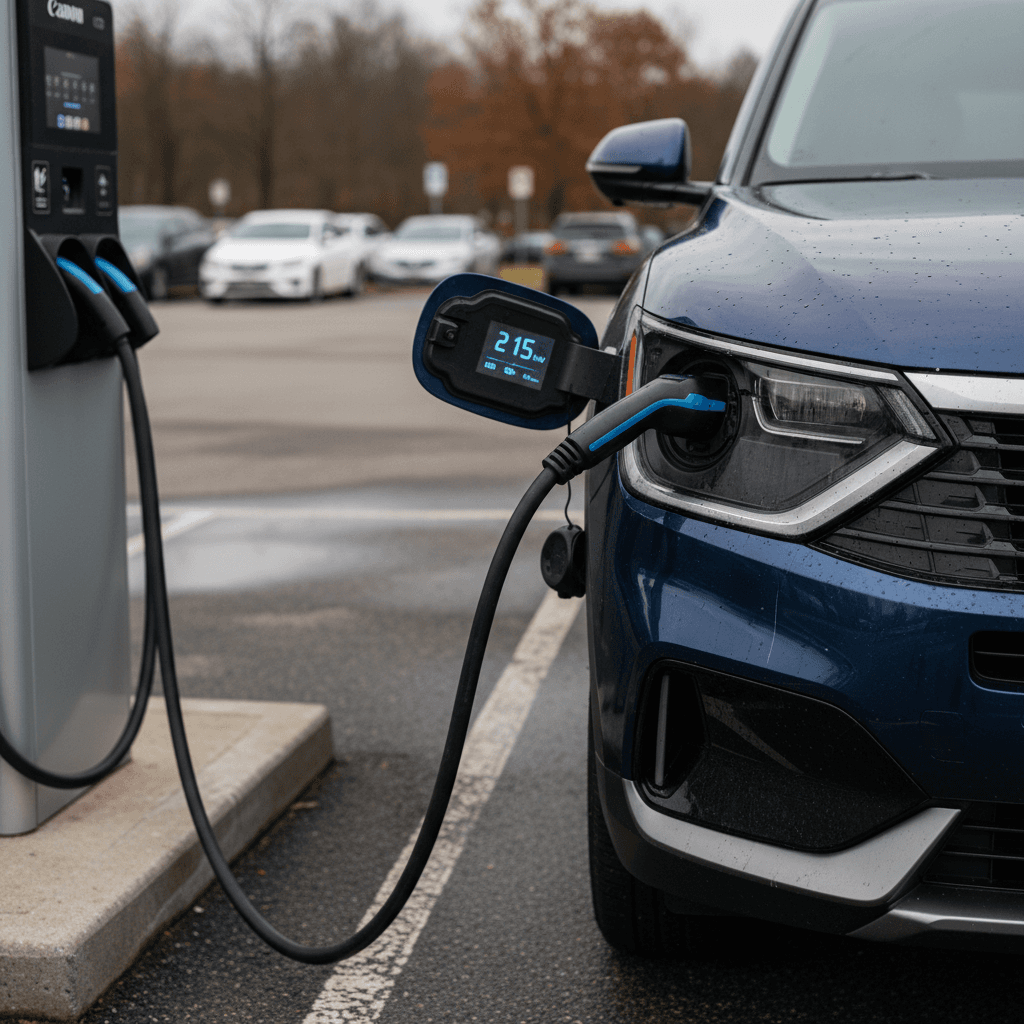
If you live where winters are real, cold snaps will be one of the biggest “I wish I knew” moments. Range drops, charging speeds slow, and you learn quickly how much energy goes into heating the cabin and battery.
- Expect meaningful range loss in freezing temperatures, especially at highway speeds.
- Preconditioning the car while plugged in makes a big difference in comfort and range preservation.
- Door handles and charge ports can get sticky with ice; regular de‑icing habits help.
Winter pro tips
12. Road trips are easier than you think, if you plan
Many buyers worry about road trips more than anything else. The truth: with Tesla’s Supercharger network and in‑car trip planning, long drives in a Model Y are very doable. But they don’t look exactly like gas‑station runs.
Road-tripping in a Model Y: what to expect
Build in extra time
You’ll stop more often than in a long‑range gas SUV, but those 15–30 minute breaks can actually make you feel less tired.
Let the car plan
Use the built‑in navigation’s energy estimates and suggested charging stops. It takes weather and elevation into account better than a paper plan.
Have a backup plan
Download at least one third‑party charging app in case you need to use non‑Tesla fast chargers along your route.
13. Build quality has improved, but check everything
Early Model Ys earned a reputation for inconsistent panel gaps, paint issues, and squeaks or rattles. Recent builds are generally better, but this is still a vehicle you’ll want to inspect carefully, especially if you’re buying used.
Quick Model Y delivery and used-buy inspection list
Use this checklist when you see the car in person, whether it’s brand‑new or pre‑owned.
| Area | What to check | Why it matters |
|---|---|---|
| Exterior panels | Gaps around doors, hood, hatch, and charge door | Misalignment can hint at rushed assembly or prior repairs. |
| Paint | Runs, thin spots, or mismatched panels | Costly to correct later, especially on metallic colors. |
| Interior | Rattles, loose trim, seat alignment | Annoyances that will drive you crazy on rough roads. |
| Glass & roof | Chips, cracks, wind noise on test drive | Panoramic roofs are expensive to replace. |
| Software | Warning lights, connectivity, basic features | You want a clean dashboard and responsive screen from day one. |
Bring this list on your phone and take photos of anything you’re unsure about.
14. Resale value is strong, but volatile
The Model Y has been one of the best‑selling vehicles in the world, and demand has generally supported strong resale values. On the flip side, Tesla’s frequent price changes and tech updates can move used values up or down surprisingly fast compared with traditional brands.
Why this matters if you’re financing
15. Buying a used Model Y can be a smart play
Because so many Model Ys have been sold, the used market is deep. For many households, a 2–4‑year‑old Model Y offers most of the same range and tech as a new one, often for thousands less, and sometimes with the benefit of transferable warranties depending on build date and mileage.
Used vs. new Model Y: what often makes sense
Why many shoppers increasingly lean toward late‑model used Teslas.
Advantages of buying used
- Let the first owner absorb the steepest depreciation.
- See real‑world battery health and condition before you buy.
- Potentially lower insurance costs than a brand‑new build, depending on value.
Where Recharged fits in
At Recharged, every used EV, including Model Ys, comes with a Recharged Score Report covering verified battery health, pricing vs. market, and an expert‑guided, fully digital buying experience. You can also get an instant offer or explore consignment if you’re selling a Tesla.
16. A thorough test drive is non-negotiable
Skipping a proper test drive is one of the biggest regrets new EV owners report. With the Model Y, you’re evaluating not just how it accelerates, but how you live with the tech and ergonomics every day.
Model Y test-drive checklist
Screen-only controls
Make sure you’re comfortable adjusting mirrors, wipers, and climate from the center screen. Some drivers love it; some don’t.
Visibility and seating
Check blind spots, over‑the‑shoulder views, and long‑drive comfort in your preferred seat height and steering‑wheel position.
Noise and ride quality
Drive on both highway and rough surfaces long enough to get an honest feel for sound and comfort levels.
17. Financing, incentives, and tax credits are a maze
Between federal credits, state and local incentives, and Tesla’s own price adjustments, the out‑the‑door math on a Model Y can get complicated fast. Used vehicles can sometimes qualify for different credits or financing programs than new ones.
Get help running the numbers
18. Some features live behind software paywalls
Tesla increasingly treats the Model Y as a hardware platform with software‑locked features. That means some capabilities can be added (or upgraded) after the fact, for a price. On a used car, you’ll want to understand what’s included and what isn’t.
- Enhanced Autopilot and Full Self‑Driving are software options that may or may not be active on a used car, and they’re expensive to add later.
- Premium connectivity (for live traffic, streaming, etc.) is a subscription after an initial trial on many cars.
- Acceleration Boost and other performance tweaks have been offered on some models as paid software upgrades.
Don’t assume features transfer
19. Charging etiquette is a real thing
The more time you spend at Superchargers, the more you realize: charging etiquette matters. Staying plugged in long after you’ve reached your needed charge, blocking stalls while you grab a long meal, or using DC fast charging as your daily power source all impact other drivers and the network.
- Only charge as much as you need to reach your next stop or comfortable buffer.
- Move your car promptly once charging slows and you’ve hit your target state of charge.
- Learn how idle fees work at Superchargers so you don’t pay for parking in a stall you’re not using.
20. Lifestyle fit matters more than 0–60
The Model Y is seriously quick, but the owners who stay happiest long‑term aren’t the ones obsessed with launch control, they’re the ones whose daily routines actually match what the car does best.
When a Model Y is a great fit
- You can charge at home or at work most days.
- Your regular drives are under roughly 200 miles round‑trip.
- You value tech, OTA updates, and a minimalist cabin.
- You don’t mind relying on a single screen for most controls.
When to think twice
- You do frequent 400–600 mile same‑day trips in areas with sparse charging.
- You’re extremely sensitive to wind and road noise.
- You need a truly adult‑friendly third row on a regular basis.
- You dislike frequent software changes or app‑centric ownership.
21. Key takeaways, and how Recharged can help
The Tesla Model Y earns its popularity: it’s efficient, quick, spacious, and backed by one of the strongest fast‑charging ecosystems on the road. But it also comes with quirks, firmer ride quality, higher insurance, software growing pains, and the need to think differently about trip planning and daily charging. Those are the “things I wish I knew” that separate happy long‑term owners from people who quietly move back to gas.
If you’re leaning toward a used Model Y, working with a specialist EV marketplace like Recharged can de‑stress the process. Every vehicle we list includes a Recharged Score Report with verified battery health, fair‑market pricing insights, and expert‑guided support from first click through delivery. You can browse online, explore financing, trade in your current vehicle, and even get an instant offer or sell via consignment, all without setting foot in a traditional showroom.
In other words: you get the benefit of thousands of owners’ hard‑won lessons, plus transparent data on the exact car you’re considering. That’s how the Model Y goes from an exciting idea on a spec sheet to the right EV in your driveway.