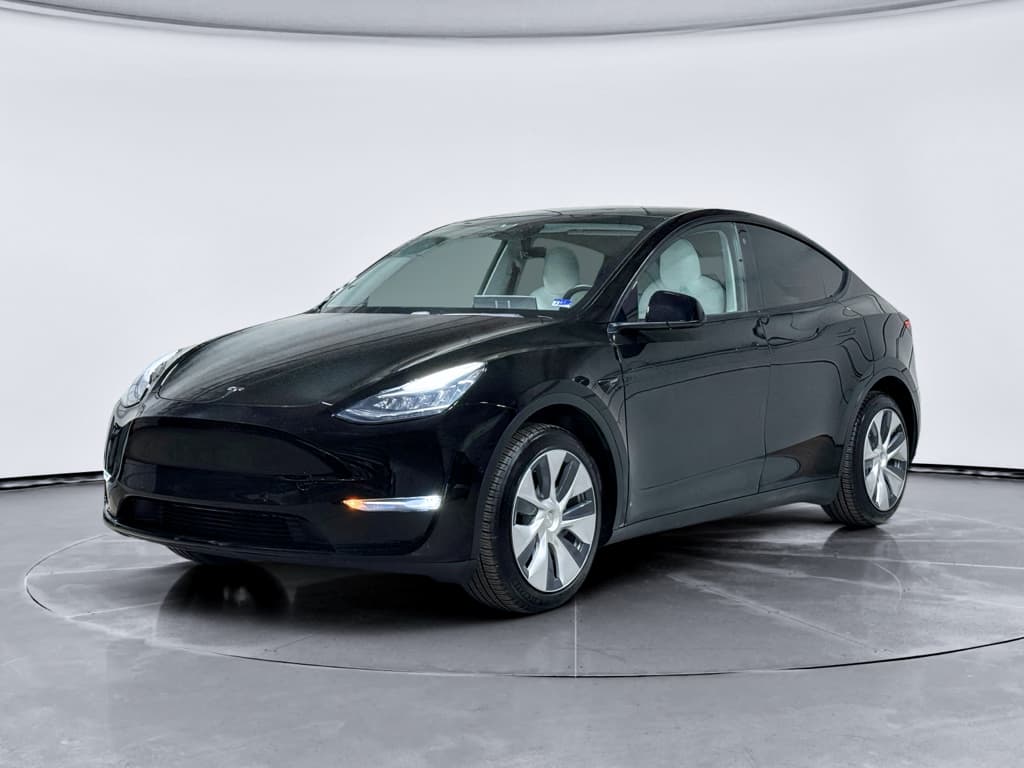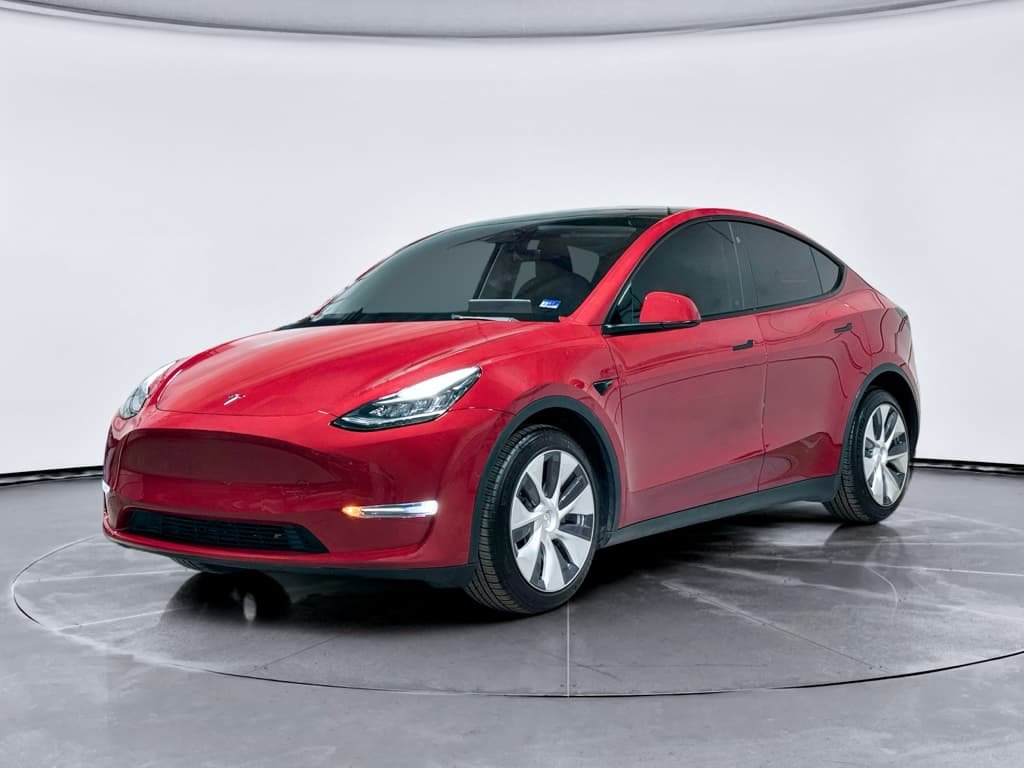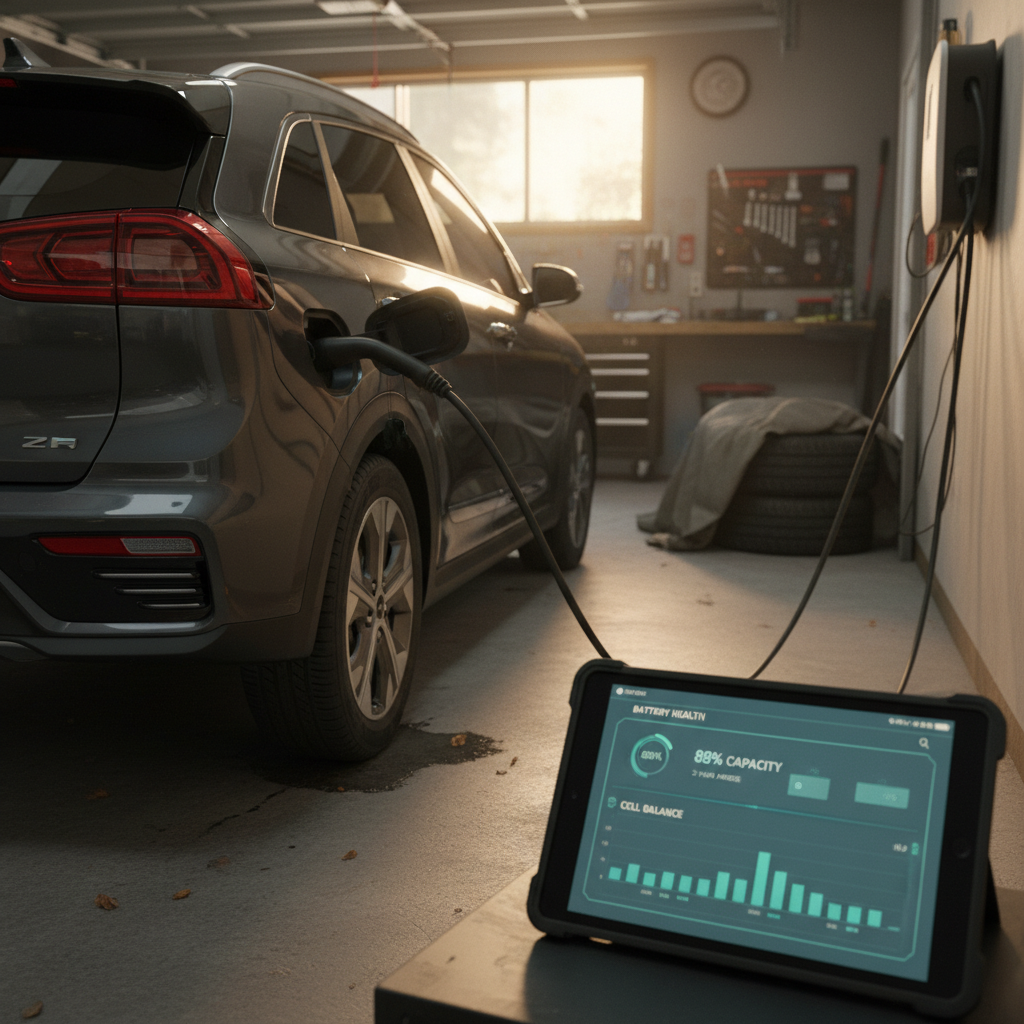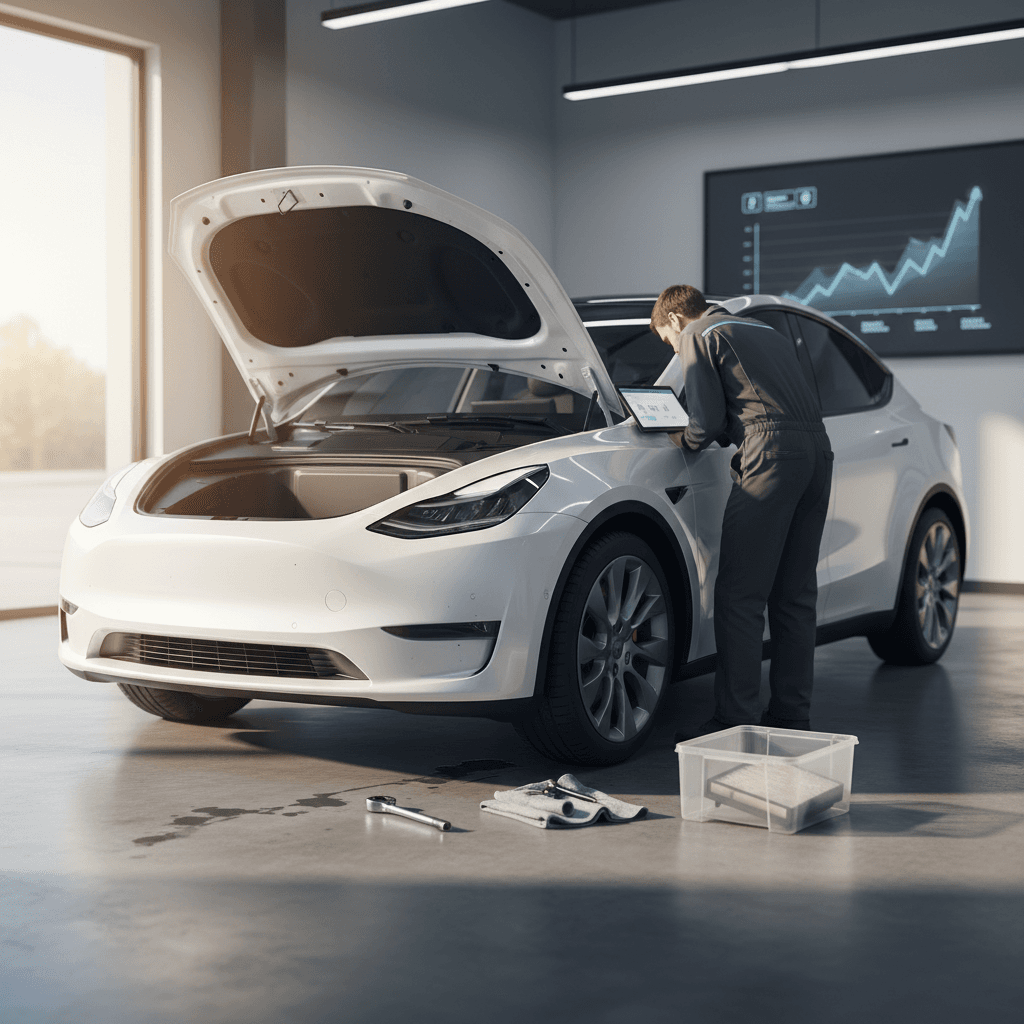
If you’re looking at a Tesla Model Y in 2026, you’ve probably heard the pitch: electric SUVs are cheaper to maintain than gas. That’s broadly true, but it doesn’t mean your Tesla Model Y maintenance cost in 2026 is zero. Tires, cabin filters, brake service and the occasional repair still add up, especially once the factory warranty runs out.
Key takeaway
Overview: 2026 Tesla Model Y Maintenance Costs at a Glance
Model Y Maintenance Snapshot for 2026
Those ranges line up with Tesla’s own estimates and third‑party ownership models that peg Model Y annual maintenance in the low hundreds of dollars, not thousands. The catch: the mix of where you spend that money looks very different from a gas SUV, less on fluids and engine work, much more on tires and, in some climates, brake service or suspension components.
Pro tip for shoppers
How Tesla Model Y Maintenance Works in 2026
Tesla no longer uses the old-school “come in once a year for service” model. Instead, the company says your Model Y doesn’t require annual maintenance and focuses on specific inspections and wear items instead of fixed intervals. You’ll see most of what you need right inside the Tesla app.
- No oil changes, spark plugs, timing belts, or transmission services, there’s no traditional engine or multi-speed automatic gearbox.
- Most maintenance items are time or mileage based: tire rotations, cabin air filters, brake fluid checks, A/C desiccant changes in hot climates.
- Tesla pushes many diagnostics and even some repairs via over-the-air software updates, which can cut down on service visits.
- When you do need service, you’ll typically schedule it in the app and either visit a Tesla Service Center or use Tesla’s mobile service for simpler jobs in your driveway.
Reality check
Typical Tesla Model Y Maintenance Cost Per Year
The right way to think about Tesla Model Y maintenance cost in 2026 is over several years. Some years you’ll spend almost nothing; others you’ll buy a full set of tires and watch the bill spike. Smoothed out, here’s what most owners can expect in the U.S. if they stay on top of routine items.
Estimated Tesla Model Y Maintenance Cost Per Year (2026)
Approximate annual averages for routine maintenance and wear items over a multi‑year period. Does not include insurance, registration, or major collision repairs.
| Annual miles driven | Typical annual maintenance cost* | What’s usually included |
|---|---|---|
| <10,000 miles | $300–$450 | Tire rotations, occasional cabin filters, washer fluid, small fixes |
| 10,000–15,000 miles | $400–$700 | Rotations, one set of tires about every 2–3 years, filters, 4‑year brake fluid checks |
| >15,000 miles | $600–$900+ | More frequent tires (18–24 months), alignments, potential early suspension or brake work in tough conditions |
Light drivers spend less, heavy commuters wear through tires and brakes faster, but most Model Y owners land somewhere in this range.
What these numbers include
Major Tesla Model Y Maintenance Items and What They Cost
Let’s break down the big pieces that actually drive your Tesla Model Y maintenance cost in 2026. Your local labor rates matter, but the rough ranges below are what U.S. owners typically see at Tesla service centers or reputable independent EV shops.
Core Model Y Maintenance Items
Where most of your money really goes
Tires
Cost: $900–$1,400 for four tires mounted and balanced on 19–20" wheels, more for 21" performance tires.
Interval: 25,000–40,000 miles depending on driving style, climate and rotation discipline.
Notes: Heavy EVs eat cheap tires. Stick with EV‑rated or XL‑load tires and rotate every 6,000–7,500 miles.
Cabin air filters & A/C
Cost: $100–$250 every 2 years for new filters; $200–$400 for A/C desiccant service in hot, humid regions at 4–6 year intervals.
Notes: Tesla recommends cabin filters every ~2 years on Model Y. You can DIY filters for less if you’re handy.
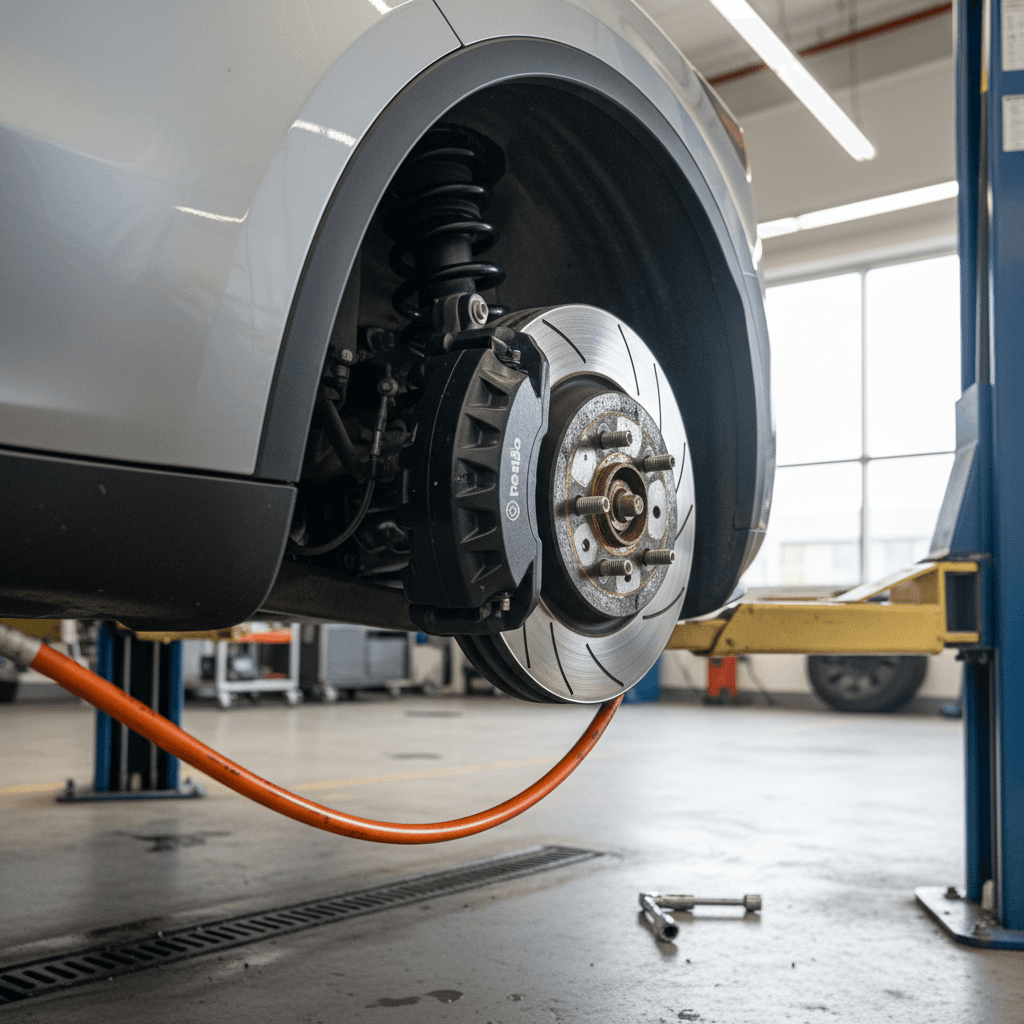
Brake fluid & brake service
Cost: $120–$250 for brake fluid flush every ~4 years; $300–$900+ per axle if pads/rotors need replacement.
Notes: Regenerative braking means pads last longer than on gas cars, but rust and road salt can still force early service in snowbelt states.
Secondary but Important Items
Not annual, but worth planning for
Alignment & suspension
Cost: $150–$250 for a 4‑wheel alignment; hundreds more if you need control arms, bushings or ball joints.
When: After hard pothole hits, curb strikes, or if you notice uneven tire wear or pulling.
12V / low‑voltage battery
Cost: Roughly $200–$400 when it eventually fails.
When: Often 4–7 years into ownership. Newer Model Ys use a lithium low‑voltage pack that tends to last longer than older lead‑acid units.
Software & diagnostics
Cost: Many updates are free over the air; diagnostic visits out of warranty can run $150–$250 if they require hands‑on work.
Notes: Software updates can fix drivability issues or bugs without any shop visit at all.
DIY vs. service center
Repairs and Unplanned Costs Once You’re Out of Warranty
Routine maintenance is the easy part to forecast. The wild card is repairs once the 4‑year/50,000‑mile basic warranty and 8‑year battery and drive unit warranty expire. Here’s what typically shows up in the real world, and what it costs.
- Minor hardware fixes (door handles, window regulators, sensors, charge‑port doors): commonly $200–$800 per visit depending on parts and labor.
- Electronics and infotainment issues: sometimes addressed via software, but screens, cameras or control modules can run from a few hundred dollars to $1,500+ installed if they fail out of warranty.
- Suspension and steering components on high‑mileage or rough‑road Model Ys: individual arms and bushings can range from $300–$1,000+ per corner once parts and labor are factored in.
- Collision or body repairs: like any modern vehicle, these can be very expensive, often several thousand dollars, especially when sensors and cameras are involved. This is usually an insurance conversation, but it affects your real cost of ownership.
Battery replacement fears
Over the long haul, modern EVs still tend to run 30–50% cheaper to maintain than comparable gas vehicles, but owners need to plan for larger, less frequent repair bills rather than small, predictable services.
Tesla Model Y vs Gas SUV: Maintenance Cost Comparison
If you’re cross‑shopping a Model Y with a Toyota RAV4, Honda CR‑V, Hyundai Tucson or similar compact SUV, the fairest comparison is annual maintenance plus repairs over at least five years. Multiple studies now point in the same direction: EVs win on maintenance, often by hundreds of dollars per year.
Typical 5‑Year Maintenance Costs: Tesla Model Y vs Gas SUV (2026)
Approximate U.S. averages for drivers covering about 12,000 miles per year. Fuel, insurance, taxes and major accident repairs are excluded.
| Vehicle type | Average annual maintenance + repairs | 5‑year total (est.) | What’s driving the costs |
|---|---|---|---|
| Tesla Model Y | $400–$700 | $2,000–$3,500 | Tires, filters, brake fluid, occasional hardware or suspension repairs; no oil changes or engine work. |
| Gas compact SUV | $800–$1,300 | $4,000–$6,500 | Oil changes, transmission service, spark plugs, belts, exhaust, plus similar tires and brakes. |
| Hybrid compact SUV | $700–$1,100 | $3,500–$5,500 | More complex powertrains than pure gas models, but somewhat lower fuel‑system stress. |
Numbers are rounded ranges based on recent industry data and real‑world ownership reports.
Where the Model Y saves you money
What Changes If You Buy a Used Tesla Model Y?
By 2026, there’s a healthy supply of 2020–2023 Model Ys in the used market. That’s good news for your purchase price, but it shifts how you think about maintenance. You’re often stepping into a vehicle that has burned through some of its cheapest years and is closer to its first major wear‑item bills.
If you buy new
- First 2–3 years: very low maintenance beyond tire rotations and maybe cabin filters.
- Most unplanned repairs are covered under the 4‑year/50,000‑mile basic warranty.
- You’ll hit your first major tire bill around 25,000–35,000 miles.
If you buy used (3–6 years old)
- You may be immediately due for tires, filters or brake service depending on how the previous owner drove.
- The basic warranty may be close to expiring, shifting more repair risk onto you.
- Battery and drive‑unit warranty often still has years left, but capacity loss varies by vehicle.
How Recharged changes the math
7 Ways to Keep Your Model Y Maintenance Costs Down
Practical Ways to Cut Tesla Model Y Maintenance Costs
1. Rotate and align tires on a schedule
Set a reminder every 6,000–7,500 miles for a tire rotation and get an alignment check at least once a year. A $150 alignment is cheaper than burning through a $1,200 set of tires in 20,000 miles.
2. Use the Tesla app for early warnings
Pay attention to alerts about tire pressure, brake system warnings and service recommendations. Catching a small issue early is one of the easiest ways to avoid an expensive repair later.
3. Don’t skip cabin filters
Clogged filters make your HVAC work harder and can shorten the life of A/C components. Replacing them roughly every two years keeps air quality high and prevents bigger costs down the line.
4. Take rust and road salt seriously
If you live in the Rust Belt or near the ocean, have a shop inspect brakes and underbody hardware periodically. Cleaning and lubricating brake calipers can be much cheaper than replacing frozen components early.
5. Choose quality EV-rated tires
Cheaper tires may look tempting, but they often wear faster and hurt range. EV‑rated tires with stronger sidewalls and proper load ratings usually cost less per mile over their life.
6. Use home charging when possible
High-speed DC fast charging is convenient but tougher on the battery and sometimes more expensive per kWh. For routine driving, Level 2 home charging is easier on your pack and your wallet.
7. Get a pre-purchase inspection on used cars
If you’re considering a used Model Y from a private seller or non‑EV dealer, invest in a specialized EV inspection. Or start with a marketplace like Recharged that bakes battery diagnostics and condition checks into every listing.
When a Tesla Model Y Might Not Be the Cheapest Choice
Despite its low maintenance profile, a Tesla Model Y isn’t always the budget champ. For some drivers and some use cases, the math can still favor a cheaper gas or hybrid vehicle, even in 2026.
- You drive very few miles a year (under ~6,000). In that case, fuel and maintenance savings are small, and a low‑priced used gas car may win on pure dollars.
- You live somewhere with expensive electricity and cheap gas, or can’t charge at home and rely heavily on more costly public fast charging.
- You’re likely to damage wheels or suspension on rough roads and potholes. Heavy EVs can be harder on those components, raising your repair risk.
- You plan to keep the car for a very long time (10+ years) in an area with few independent EV shops, leaving you dependent on Tesla for out‑of‑warranty repairs at premium labor rates.
Think beyond maintenance
FAQ: Tesla Model Y Maintenance Cost in 2026
Frequently Asked Questions
Bottom Line: Should Tesla Model Y Maintenance Costs Scare You?
From a maintenance standpoint, the Tesla Model Y is one of the more predictable ways to get into an SUV in 2026. You’re trading frequent, low‑dollar engine services for less frequent but higher‑ticket wear items like tires and occasional brake or suspension work. Smoothed out over a few years of real driving, that usually works out to roughly $400–$700 per year for most owners, well below typical gas SUV territory.
Where shoppers get into trouble is assuming maintenance will be zero, or buying a used Model Y without understanding what’s coming due next. If you’re looking at a pre‑owned Tesla, pairing this maintenance picture with verified battery health and a clear condition report is the safest path. That’s exactly what Recharged was built for: to make used EV ownership, and the real cost of keeping a Model Y on the road in 2026, a whole lot more transparent.