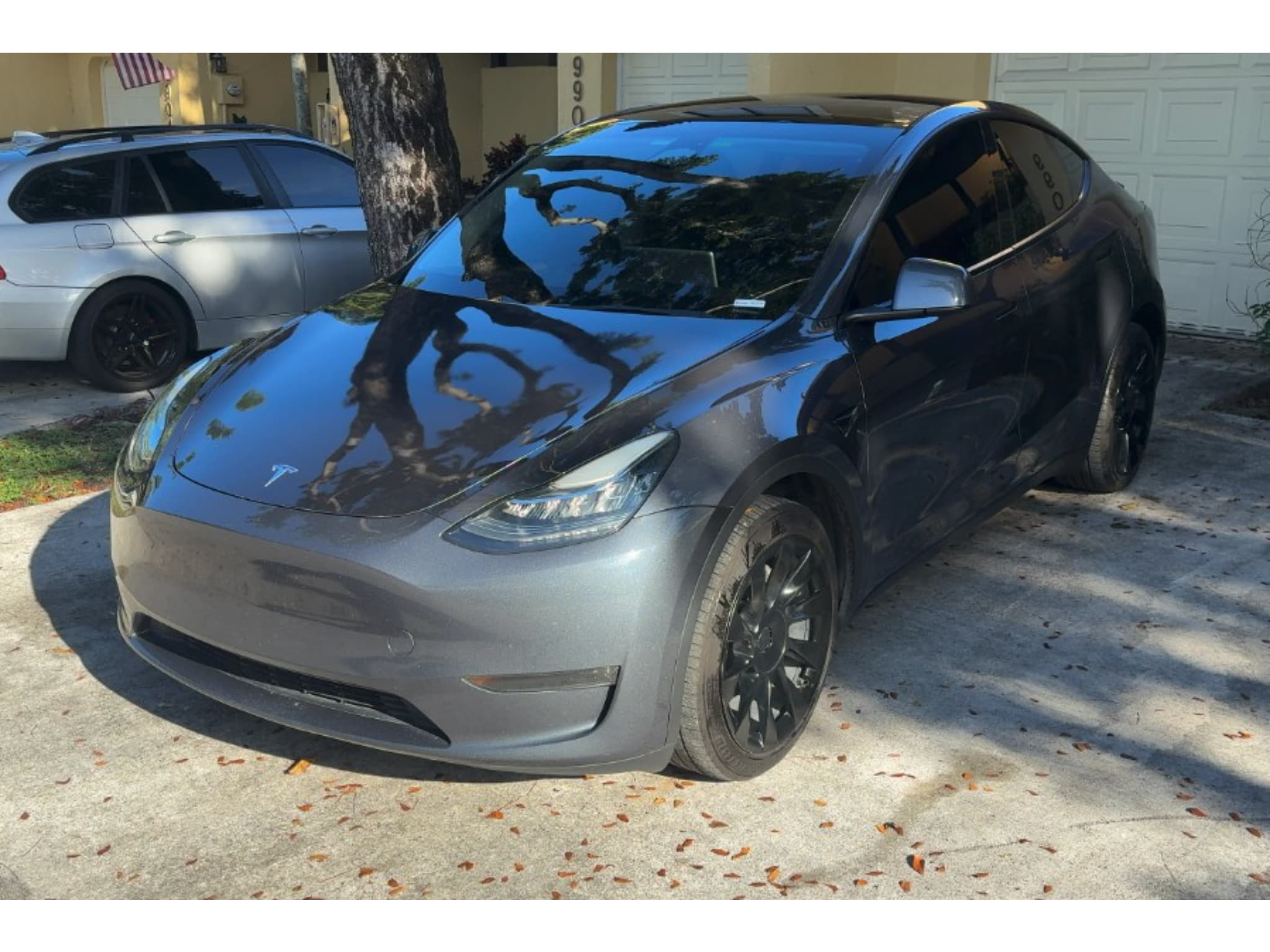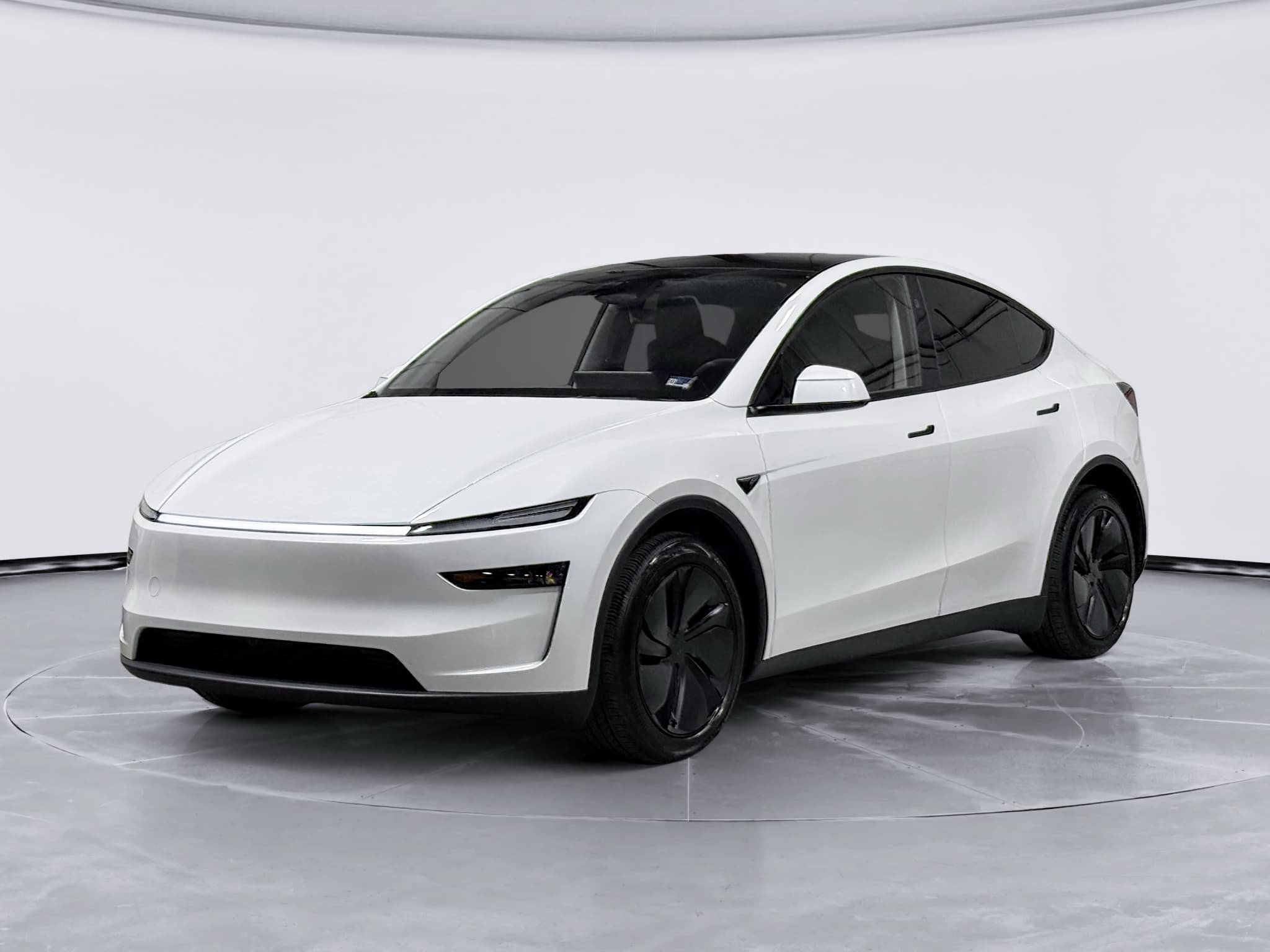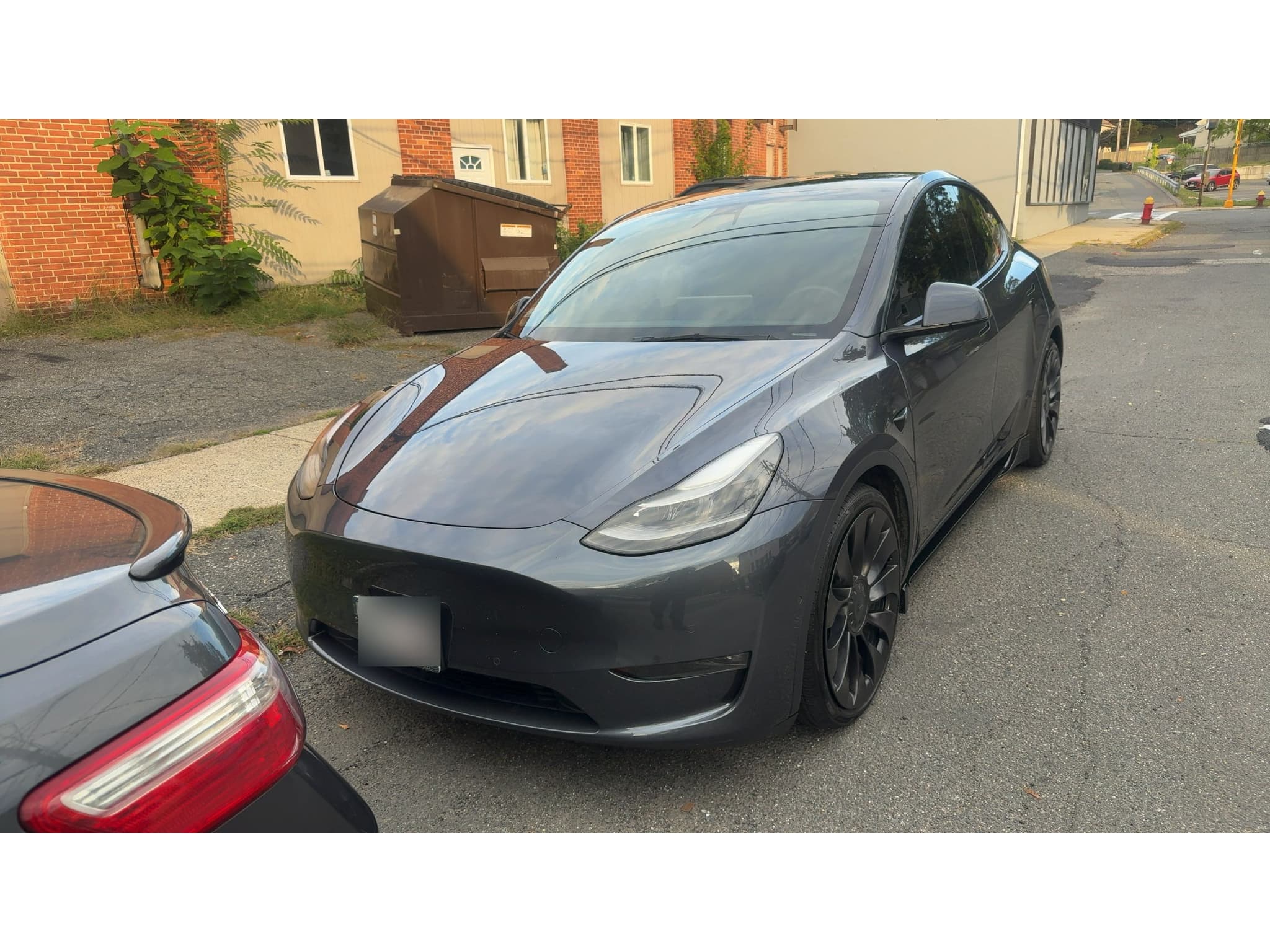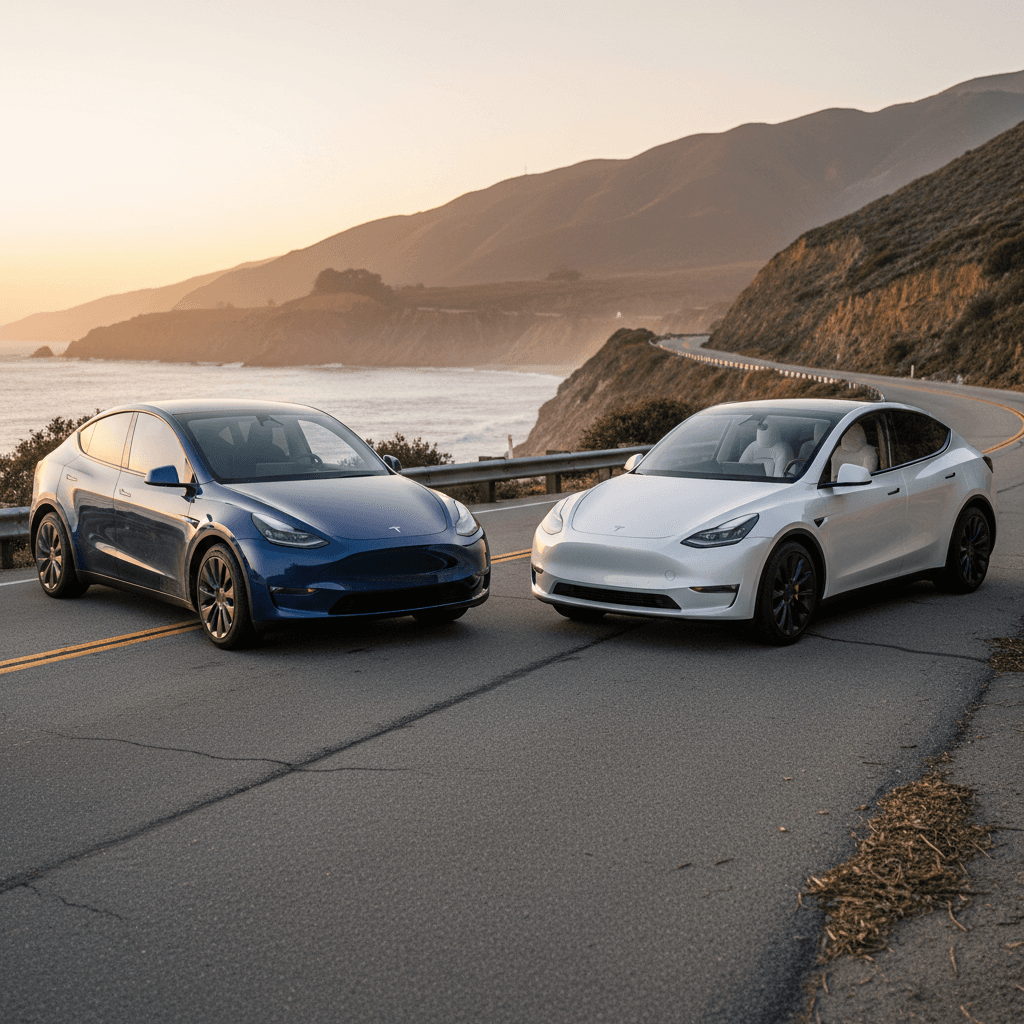
The distinction between these Model Y versions is straightforward: Long Range is the rational all-rounder, while Performance exchanges some efficiency and comfort for stronger acceleration and a more aggressive driving character. Exact equipment can change by model year, so compare the specific vehicles rather than relying only on their badges. If you're beginning a broader search, the used Tesla Model Y buying guide covers the model's shared strengths and inspection priorities.
Which Model Y trim fits you?
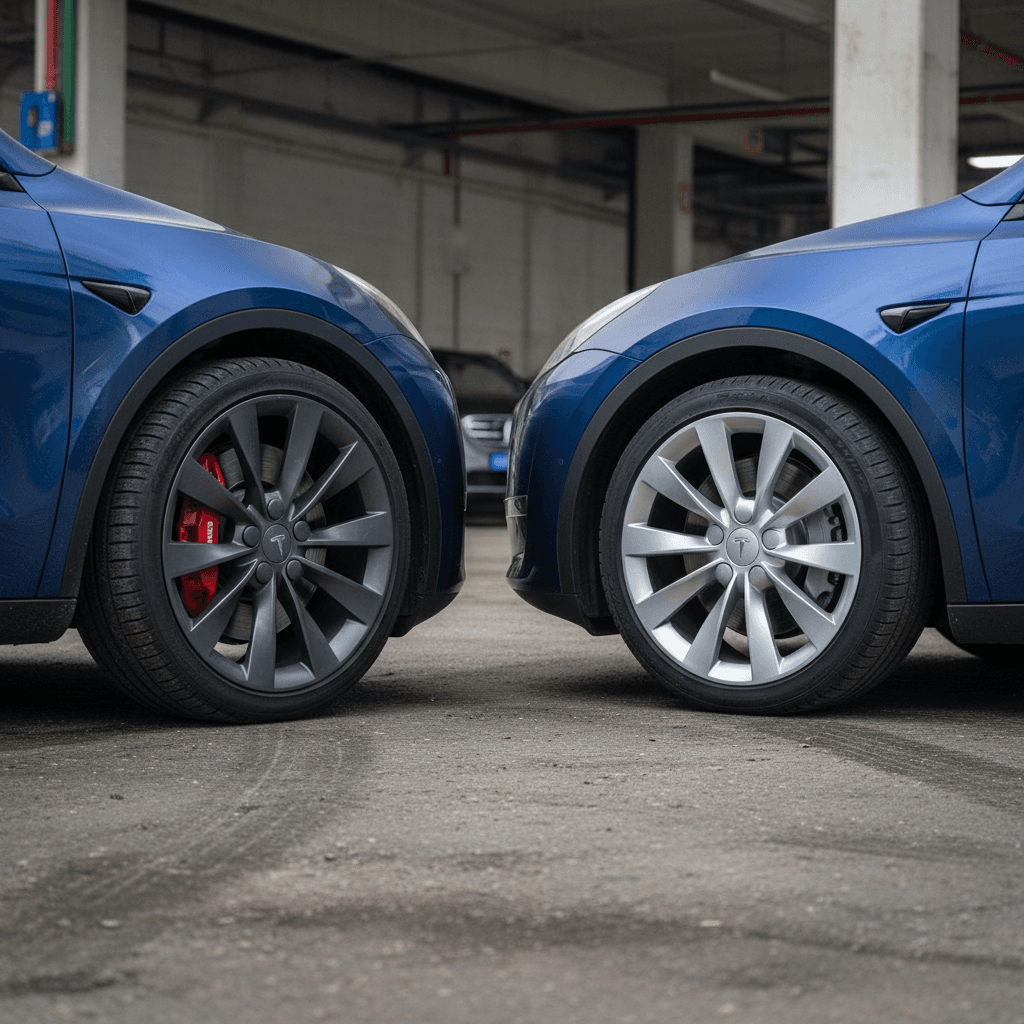
Long Range fits most buyers because its balance of driving range, ride comfort, and performance is easier to live with every day. Performance makes more sense when acceleration and sharper handling are priorities you will actually use. A Long Range vehicle with upgraded wheels sits between them visually, but larger wheels can narrow its comfort and efficiency advantage.
Model Y configurations at a glance
Compare the priorities that matter most when shopping for a used Model Y.
| Configuration | Best for | Main tradeoff | Used-buying focus |
|---|---|---|---|
| Long Range | Range and comfort | Less aggressive character | Battery and tire condition |
| Long Range, upgraded wheels | Style and response | Comfort and efficiency | Wheel and tire damage |
| Performance | Speed and sharper handling | Firmer, costlier setup | Wheels, tires, suspension |
Equipment and driving characteristics can vary by model year and wheel configuration.
The deciding question isn't whether Performance is objectively better; it's whether its capabilities improve the way you use the vehicle. Commuters and road-trippers will generally get more value from Long Range. Drivers willing to accept a firmer setup and potentially higher tire, wheel, and insurance expenses may prefer Performance.
What Recharged's Model Y data shows
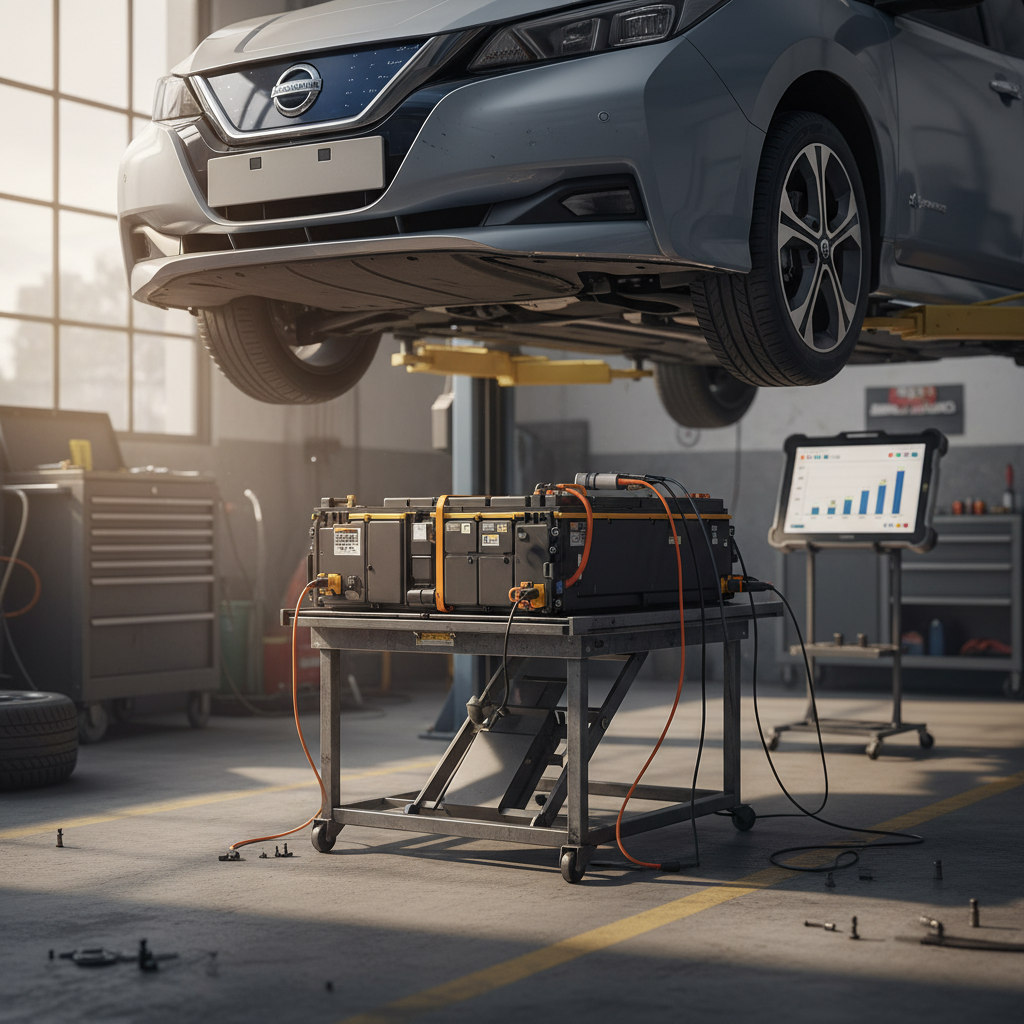
Recharged's Model Y data shows that verified condition matters more than making assumptions from the trim name. Across 316 Recharged Score battery inspections, tested remaining capacity averaged 88.9% of original capacity, with a median of 88.8%. Tested real-world range averaged 280 miles and also had a 280-mile median, although these results cover Model Y vehicles collectively rather than separating Long Range from Performance.
Current asking prices also span a wide field because age, mileage, configuration, condition, and equipment all affect value. Among 53 Model Y vehicles listed on Recharged, prices ranged from $23,599 to $54,998, with a $33,599 median and a $35,631 average. Those are prices for the wider Model Y inventory, not a trim-specific Performance premium, so compare like-for-like vehicles before deciding whether an asking price is competitive.
The takeaway is that neither the Performance badge nor the Long Range badge tells you how much usable battery capacity remains. Review a battery diagnostic and the individual vehicle's tested range; understanding EV battery health will help you interpret those results without treating the dashboard estimate as a laboratory measurement.
The trim tells you how the Model Y was configured, but the inspection tells you what you're actually buying. Battery capacity, wheel condition, tires, and repair history can outweigh the badge on a used vehicle.
Recharged data
Used Tesla Model-Y battery health
89%
avg remaining capacity
From Recharged battery inspections, not manufacturer estimates.
- Lowest
- 77%
- Median
- 89%
- Highest
- 100%
- Est. range
- 280 mi avg
- Cell balance pass
- 100%
- Quick charges
- 22 avg
- Slow charges
- 77 avg
Average cell imbalance: 6.3 mV
Based on vehicles Recharged tested
Recharged data
Used Tesla Model-Y prices at Recharged
$33,599
median list price
Current list prices for matching inventory at Recharged.
- Lowest
- $23,599
- Average
- $35,631
- Highest
- $54,998
Average Recharged Score on these listings
4.7 / 5
Range
4.0 – 5.0
Based on available listings
Every EV is battery-tested with a Recharged Score. Nationwide delivery.
Performance can cost more to own
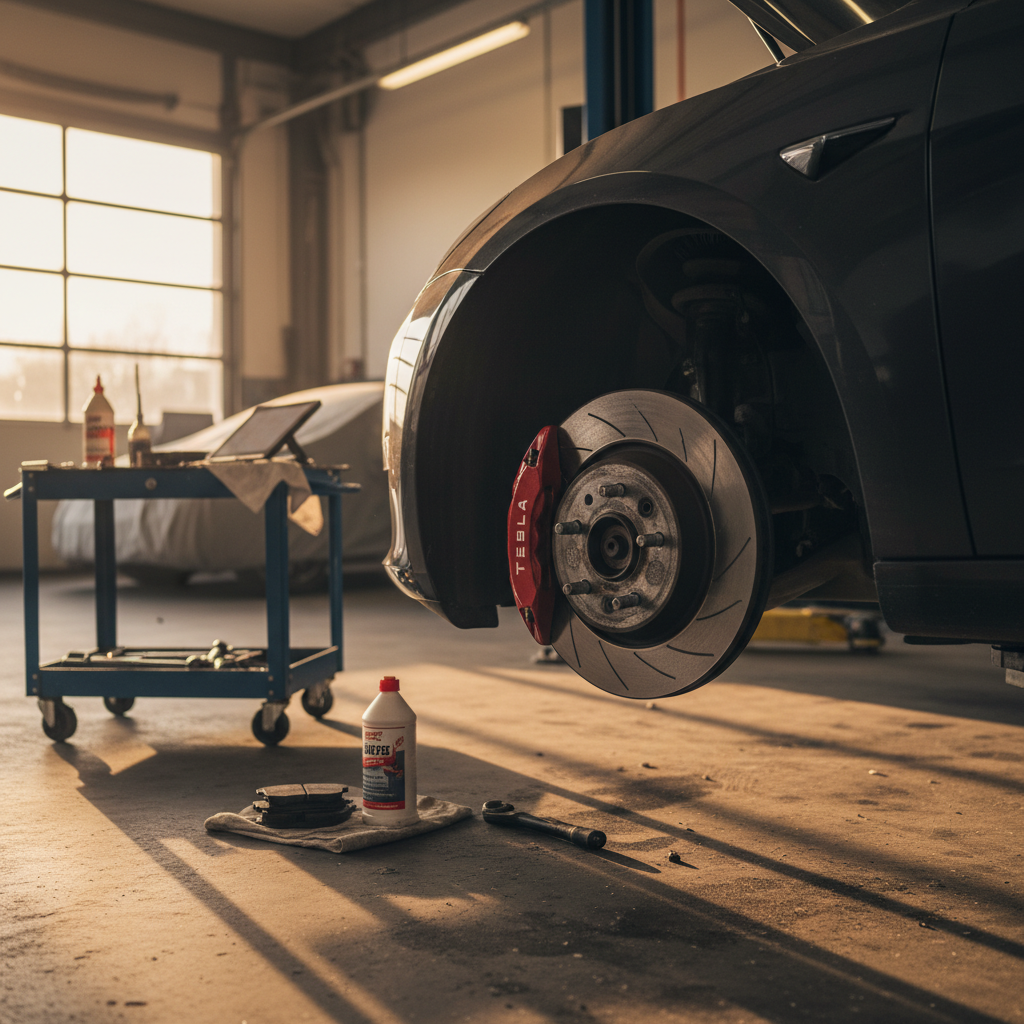
Performance can carry higher running costs because its driving mission puts more emphasis on grip, acceleration, and aggressive wheel-and-tire equipment. Tires may wear more quickly when drivers regularly use the available acceleration, and low-profile setups leave less tire sidewall to absorb pothole impacts. Insurance can also differ by vehicle and driver, so get quotes for both VINs rather than assuming their premiums will be similar.
- Check remaining tread across the full width of every tire.
- Look for bends, cracks, curb damage, and prior wheel repairs.
- Confirm that all four tires have appropriate, compatible specifications.
- Listen for suspension noise on rough roads and during low-speed turns.
- Price replacement tires before choosing a wheel configuration.
Don't judge the trim without checking the wheels
What should you inspect before buying?
You should inspect the battery, tires, wheels, repair quality, software features, and any aftermarket changes before buying either version. Recharged's sales team routinely verifies details such as upgraded wheels, seating configuration, interior color, driver-assistance software, accident history, and repair work because these can affect both desirability and price. Use a structured used-EV inspection checklist instead of treating a clean test drive as proof that everything is sound.
Used Model Y checks that matter
Verify battery health
Review tested remaining capacity and real-world range, not only the displayed estimate.
Inspect every wheel
Check for curb damage, cracks, bends, mismatched finishes, and evidence of repair.
Evaluate tire wear
Compare tread depth and wear patterns across all four corners.
Review body repairs
Inspect panel alignment, paint finish, bumper work, and sensor calibration records.
Confirm software and seating
Verify which purchased features and physical options remain with the vehicle.
Examine modifications
Assess wraps, oversized wheels, spoilers, trim pieces, and non-original interior parts.
Modifications deserve particular attention because they can make one Model Y look distinctive while complicating valuation and upkeep. Recharged has encountered examples with matte wraps, non-original trim, spoilers, and 22-inch wheels. Check the paint beneath a wrap where practical, ask who installed aftermarket equipment, and determine whether original parts are included.
Large wheels and cosmetic modifications can make a Model Y stand out, but they don't automatically add equivalent resale value. We focus on installation quality, replacement cost, and whether the next buyer will want the same setup.
Instant offer, trade-in, or consignment. Pickup available.
Model Y Long Range vs Performance FAQ
The better used Model Y is the better-conditioned one
The better choice is usually Long Range, but a clean, verified Performance can be a smarter purchase than a neglected Long Range. Start with your actual priorities, then compare battery health, tested range, tire and wheel condition, repair history, equipment, and total ownership cost. Performance is the emotional choice; Long Range is the default value choice for most drivers.