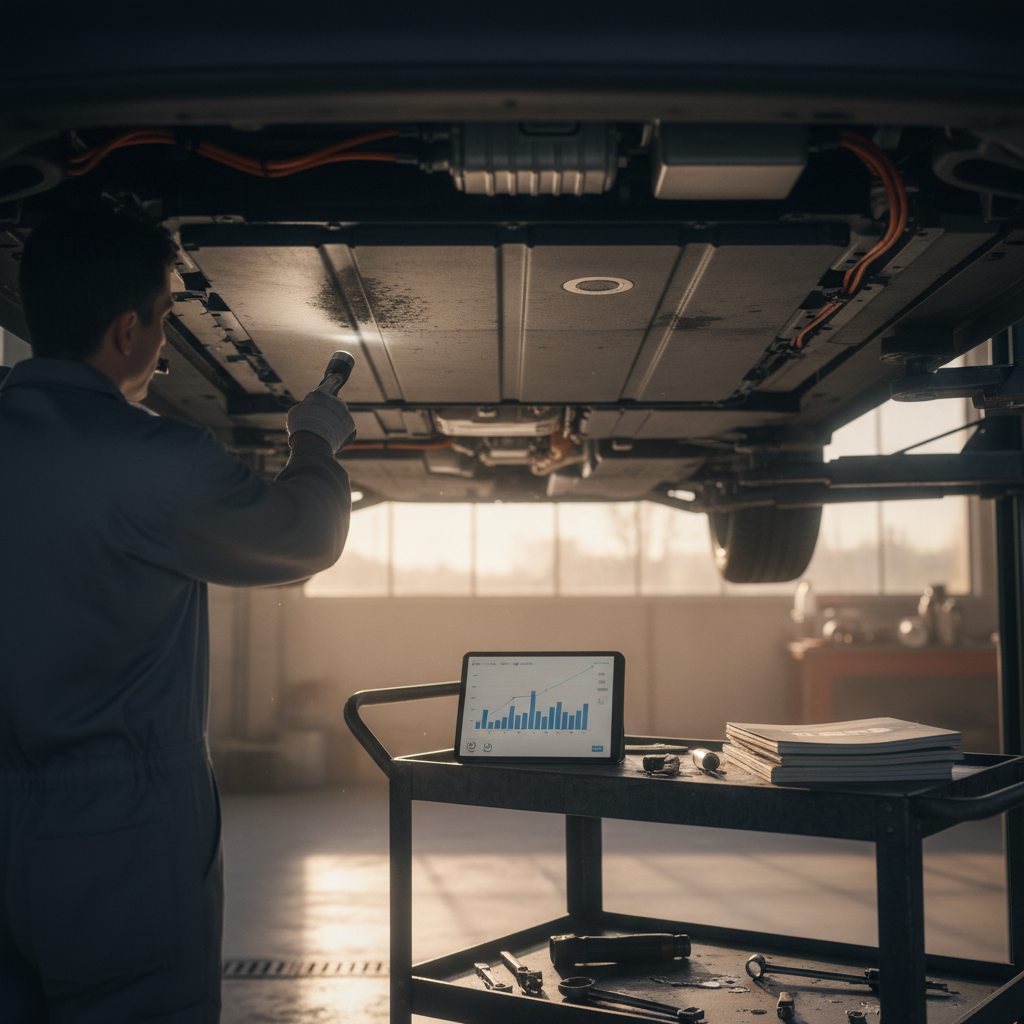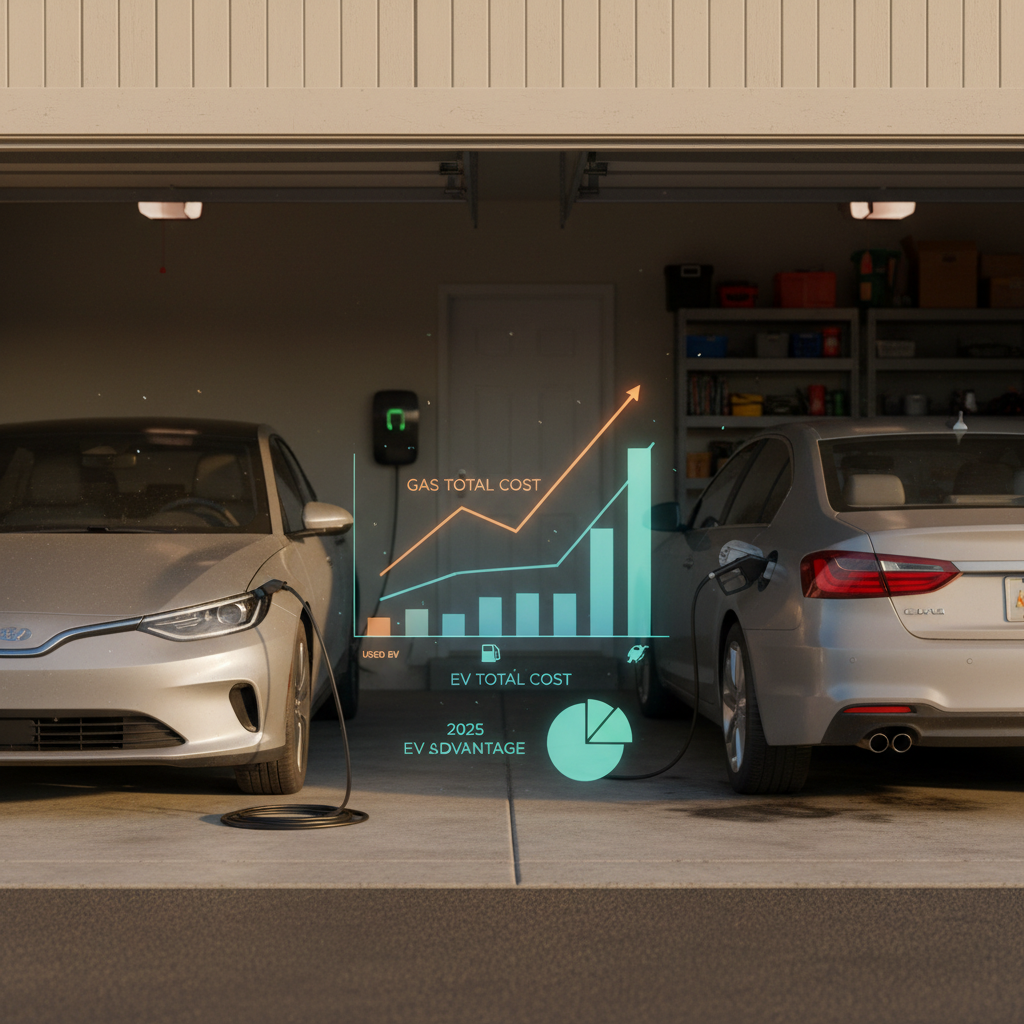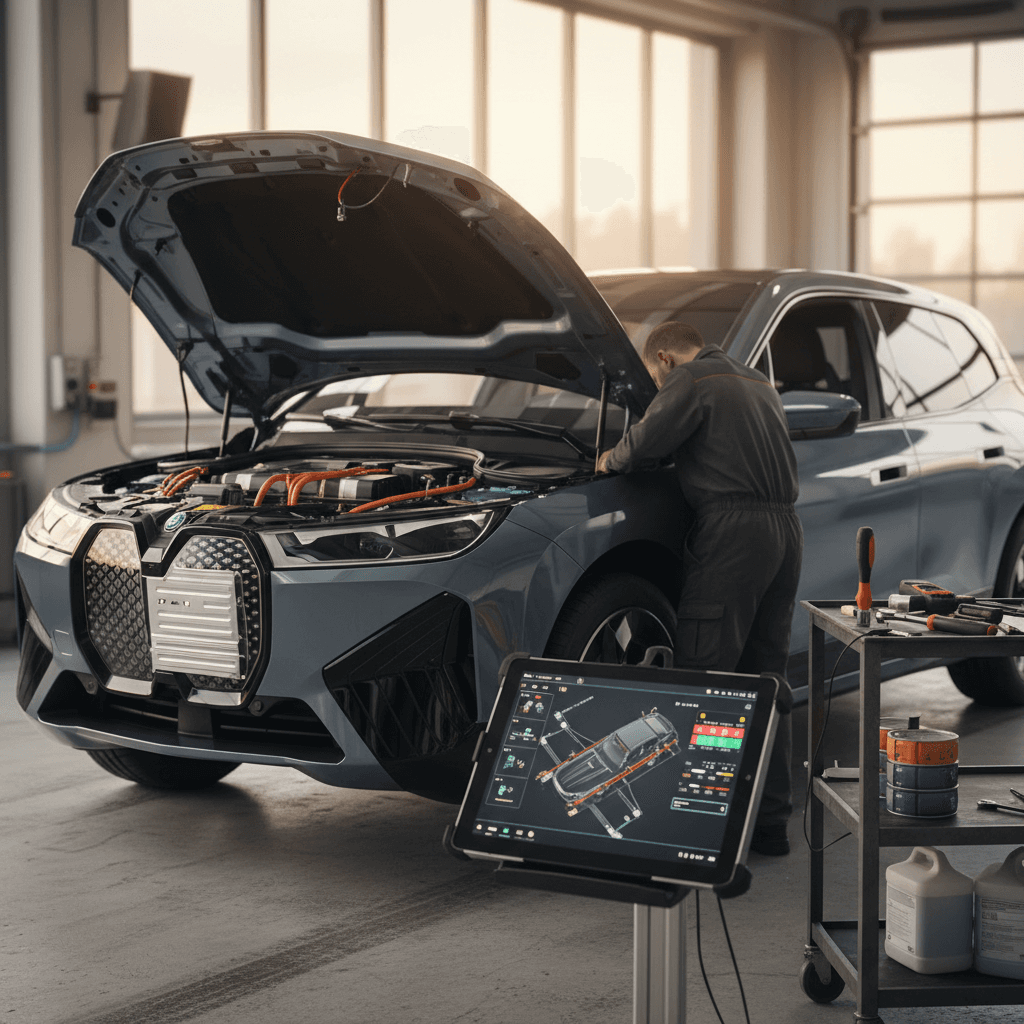
If you’re eyeing a BMW iX, you already know it’s a high‑end electric SUV. The next question is simple: what will BMW iX maintenance cost you over time? The answer is that routine upkeep is far lower than a comparable gas BMW X5 or X7, but this is still a premium German vehicle, with premium‑priced parts if something big goes wrong.
Short answer
BMW iX maintenance cost at a glance
BMW iX maintenance snapshot (first 5 years)
The headline: an iX should cost you hundreds, not thousands, per year in scheduled service for at least the first five years. That’s in line with wider EV data showing electric vehicles generally spend about half as much on maintenance as gas cars over a typical ownership period. Where costs can climb is in tires, suspension, and collision repairs, which are pricier on a heavy luxury SUV regardless of powertrain.
Scheduled service, BMW Ultimate Care, and warranty coverage
Before you worry about out‑of‑pocket BMW iX maintenance cost, it helps to understand what BMW already covers from the factory. The iX follows BMW’s standard service and warranty structure, with some EV‑specific twists.
What BMW typically covers on a new iX
These programs shape your real maintenance bill in the early years
New‑vehicle warranty
Most new BMW iX models in the U.S. include a 4‑year/50,000‑mile bumper‑to‑bumper warranty. This covers defects in materials and workmanship on most components, but not wear items like tires or brakes.
High‑voltage battery warranty
BMW’s EV battery coverage typically runs 8 years or 100,000+ miles, protecting you against premature pack failure and severe capacity loss. That’s critical on a vehicle whose battery is its single most expensive part.
BMW Ultimate Care
BMW has offered complimentary scheduled maintenance (BMW Ultimate Care) for the first 3 years/36,000 miles on many recent models. On an iX, that generally covers items like cabin air filters, brake fluid, and inspections, meaning near‑zero routine maintenance cost in those first years.
Because the iX is an EV, there’s no engine oil, spark plugs, or emissions hardware to service. BMW’s official maintenance schedule for the iX focuses on brake fluid every two years, occasional cabin air filter replacements, comprehensive inspections, and tire rotations or replacements as needed.
Tip for new‑car buyers
5‑year BMW iX maintenance cost estimates
Third‑party cost‑of‑ownership models give us a concrete window into real‑world BMW iX maintenance cost. Kelley Blue Book’s 5‑year cost‑to‑own data for a 2025 iX points to about $2,239 in maintenance over five years, or roughly $447 per year, with very low spending in the first two years and a bump in year four as the vehicle ages and tires and inspections stack up.
Illustrative 5‑year cost breakdown: 2025 BMW iX
Based on Kelley Blue Book cost‑to‑own modeling for a 2025 iX. Real‑world numbers will vary by mileage, driving style, location, and trim.
| Cost category (5 yrs) | Estimated total | Average per year | Notes |
|---|---|---|---|
| Maintenance | $2,239 | $447 | Scheduled service, inspections, minor wear items |
| Repairs (unplanned) | $1,638 | $327 | Out‑of‑warranty or wear‑related repairs, excluding accidents |
| Fuel (electricity) | $7,009 | $1,402 | Assumes ~15,000 miles/year and a mix of home & public charging |
| Insurance | $26,795 | $5,359 | Luxury EV premiums are typically higher than mainstream models |
| State fees & taxes | $11,223 | $2,245 | Registration, taxes, and other required fees |
| Depreciation | $52,257 | $10,451 | The single largest cost, early depreciation is steep on premium EVs |
Maintenance is a relatively small slice of total cost, but it’s still worth planning for, especially once the free maintenance window ends.
From a pure maintenance standpoint, those numbers are modest for a ~5,700‑pound luxury SUV. Where owners tend to feel pain is less about oil changes and more about depreciation, insurance, and high‑performance tires, which we’ll get to shortly.
What actually drives BMW iX maintenance cost?
Tires: your biggest recurring expense
The BMW iX is heavy, powerful, and usually runs on wide, low‑profile tires. That’s a recipe for faster tire wear than you’d see on a compact EV hatchback. Many owners report front or rear tires needing replacement every 20,000–30,000 miles, sometimes sooner if they drive hard or hit rough roads.
On a premium brand like BMW, a full set of OE‑style tires can easily run $1,200–$1,800 installed. Over five years you may buy one or even two sets, depending on mileage, which can easily match or exceed all your other routine service costs.
Brakes and regenerative braking
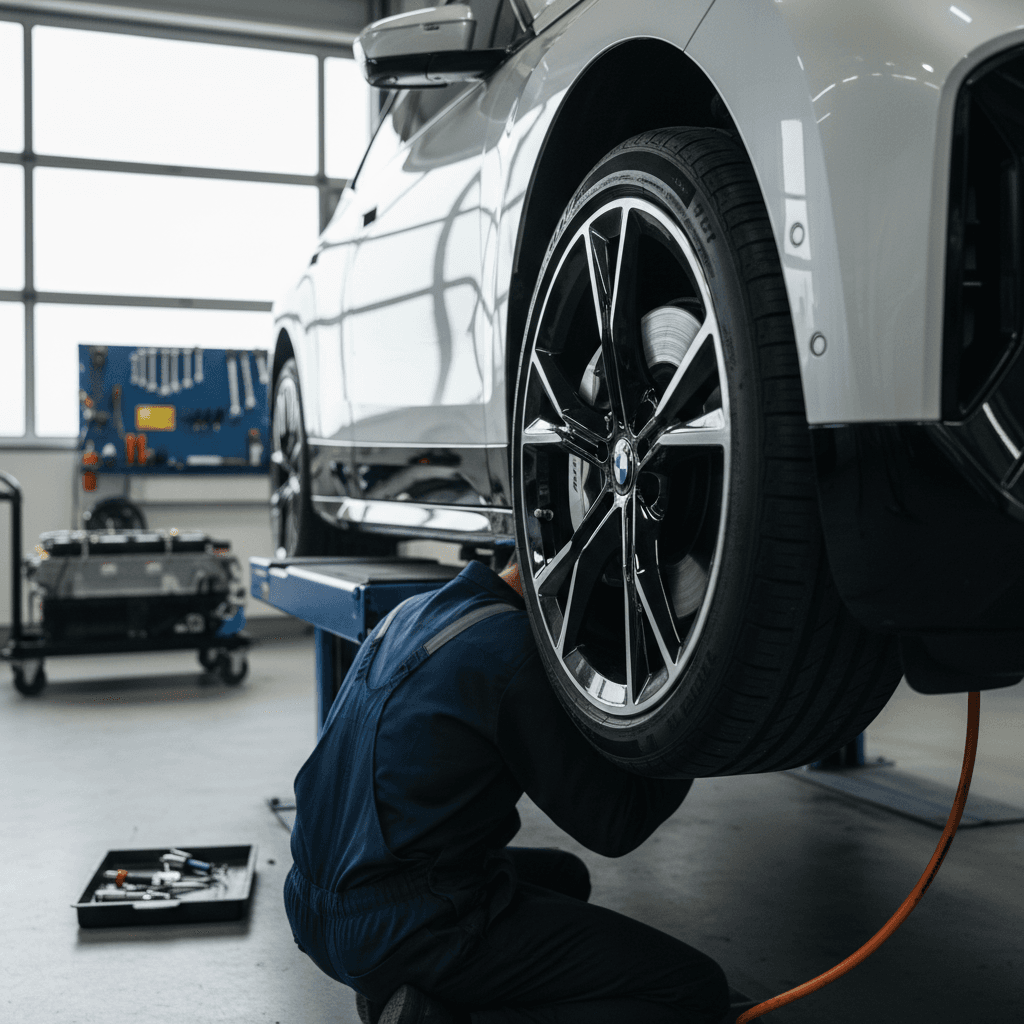
Like most EVs, the iX uses regenerative braking to slow the vehicle and recover energy. That drastically cuts down on friction‑brake wear compared with a gas SUV of similar weight and performance.
Realistically, many iX owners won’t need a full brake job until 60,000 miles or more, and when they do, it will typically cost less often than on a gas BMW that’s burning through pads and rotors more frequently. Expect number‑of‑visits savings, even if BMW‑branded parts remain pricey.
Service items the BMW iX does and doesn’t need
Why EV maintenance looks different from the gas BMWs you might be used to
No engine service
Gone: oil changes, spark plugs, timing belts, exhaust system repairs, and most emissions components. Those simply don’t exist on the iX.
Fluids still matter
Still needed: brake fluid changes (about every 2 years), sometimes coolant for thermal management, and washer fluid. These are simple, low‑cost items.
Chassis & software
Expect periodic inspections, software updates, and alignment checks to keep the suspension, steering, and driver‑assist tech happy, especially on rough roads.
Where costs can spike
BMW iX vs gas BMW SUV: maintenance comparison
If you’re cross‑shopping an iX against a gas BMW X5 or X7, it helps to think in terms of total maintenance and repair per mile, not just dealership service invoices. Broad 2024–2025 data sets show EVs typically run about half the maintenance cost per mile of similar gas vehicles, largely because you’ve removed dozens of engine and transmission components from the equation.
Typical maintenance profile: BMW iX vs BMW X5 (illustrative)
Generalized comparison based on current EV vs gas maintenance research and BMW ownership patterns. Individual experiences will vary.
| Item | BMW iX (EV) | BMW X5 (gas) | What it means for your wallet |
|---|---|---|---|
| Oil & filter changes | None | Every 7,500–10,000 miles | Gas SUV owners spend hundreds per year on oil service; iX owners spend $0. |
| Spark plugs, ignition, exhaust | None | Scheduled over life of vehicle | Multiple big‑ticket services drop out entirely with the iX. |
| Brake wear | Slower, thanks to regen | Faster, especially in city traffic | Fewer brake jobs over 60,000+ miles in the iX. |
| Cooling system service | Simple, EV‑specific | More complex, traditional engine cooling | Gas SUVs often need more frequent fluid and component service. |
| Average annual maintenance | ~$400–$600 | ~$800–$1,500 | Over 5 years, the iX can easily save you several thousand dollars in maintenance vs a gas equivalent. |
The BMW iX generally wins on routine maintenance, while the X5 carries higher recurring service needs tied to its engine and exhaust system.
Layer in lower fueling costs, electricity usually costs less per mile than premium gas, and the iX’s higher sticker price can start to balance out over a 5‑ to 7‑year horizon. That’s especially true if you buy used and let the first owner absorb the steepest part of depreciation.
High‑mileage iX: what changes after the warranty
So far we’ve focused on early‑life costs. But many shoppers at Recharged are looking at 3‑ to 6‑year‑old BMW iX models with 30,000–70,000 miles. That’s exactly when real‑world reliability begins to matter more than brochures.
- Battery health: Modern EV packs typically lose only a few percent of capacity per year, but aggressive fast‑charging and hot climates can speed that up. A healthy pack is critical to keeping repair risk (and range) under control.
- Suspension and steering: The iX is heavy, so expect control arms, bushings, and other suspension components to wear over time, especially on rough roads. These aren’t EV‑specific issues, but they can be costly at BMW parts and labor rates.
- High‑voltage components: Items like onboard chargers, DC‑DC converters, and heat pumps are generally reliable but can be expensive if they fail out of warranty.
- Software and sensors: Driver‑assist systems and infotainment software can require periodic updates or sensor replacements. One failed radar or camera isn’t common, but it’s not cheap either.
How Recharged helps here
How to keep BMW iX maintenance costs down
7 ways to minimize BMW iX maintenance costs
1. Use BMW’s free maintenance window
If your iX still qualifies for <strong>BMW Ultimate Care</strong>, use it. Get those inspections, brake fluid changes, and filters done while BMW is paying the bill.
2. Prioritize tire care
Check pressures monthly and rotate on schedule. The iX’s weight and torque can chew through tires; proper inflation and rotation can add thousands of miles to each set and save you hundreds per year.
3. Lean on regenerative braking
Use the iX’s adjustable regen modes to your advantage. Stronger regen means less friction‑brake use, delaying your first brake job and further shrinking maintenance cost.
4. Keep software updated
Accept over‑the‑air software updates and have recall work performed promptly. Updates often improve efficiency, refine charging behavior, and resolve early bugs before they turn into costly headaches.
5. Choose your shop wisely
BMW dealers know the iX best but also charge a premium. As more independent EV‑trained shops come online, you may be able to save on out‑of‑warranty work without sacrificing quality.
6. Plan charging habits
Fast charging every day isn’t ideal for long‑term battery health. Favor home Level 2 charging when you can, keep the pack out of extreme heat, and avoid sitting at 100% for days at a time.
7. Consider an extended warranty carefully
On higher‑mileage iX models, a reputable extended service plan can cap worst‑case repair bills, but read the fine print. Focus on coverage for high‑voltage components and electronics, not just basic wear items.
Buying a used BMW iX: maintenance questions to ask
The used market is where a BMW iX can become a genuine value play. Depreciation has already taken a big bite out of price, but you still enjoy EV‑level maintenance costs, if you choose the right vehicle. Here’s how to vet one.
Key questions for any used iX
- What’s the current battery health? Ask for a recent battery health report or range test. On Recharged, you’ll see this summarized in the Recharged Score.
- Has the car had any high‑voltage or charging issues? Repeated charger faults, DC fast‑charging problems, or HV component replacements can hint at future reliability questions.
- Any accident history? A clean title is a start, but pay particular attention to prior collision repairs around the battery tray or high‑voltage cabling.
- Are tires and brakes fresh? A used iX with brand‑new tires and plenty of pad life left can save you over $1,000 in the first year.
Why marketplaces like Recharged matter
Traditional used‑car listings rarely tell you much about an EV’s true health. Battery condition, charging behavior, and maintenance history are far more important on an iX than on, say, a used gas crossover.
Recharged was built specifically for used EVs. Every car comes with a Recharged Score battery report, transparent pricing, optional financing, trade‑in options, and even nationwide delivery. That helps de‑risk buying a complex luxury EV like the BMW iX compared with rolling the dice at a generic dealership auction special.
BMW iX maintenance cost: FAQ
Frequently asked questions about BMW iX maintenance costs
Bottom line: is BMW iX maintenance expensive?
When you zoom out, BMW iX maintenance cost is one of the more pleasant surprises in the luxury‑SUV world. Over the first five years, you’re likely to spend far less on routine service than you would on a comparable gas BMW, thanks to no engine work and slower brake wear. The trade‑off is that your big‑ticket costs live elsewhere: steep early depreciation, high‑performance tires, and premium‑class insurance.
If you’d rather let someone else eat that early depreciation while still enjoying low EV maintenance, a used BMW iX with verified battery health can be a smart play. That’s exactly the niche Recharged was built for: transparent battery reports, fair‑market pricing, EV‑savvy support, and nationwide delivery so you can shop the whole country, not just what’s in your local lot. Get the high‑tech BMW experience, without losing sleep over what it will cost to keep it on the road.