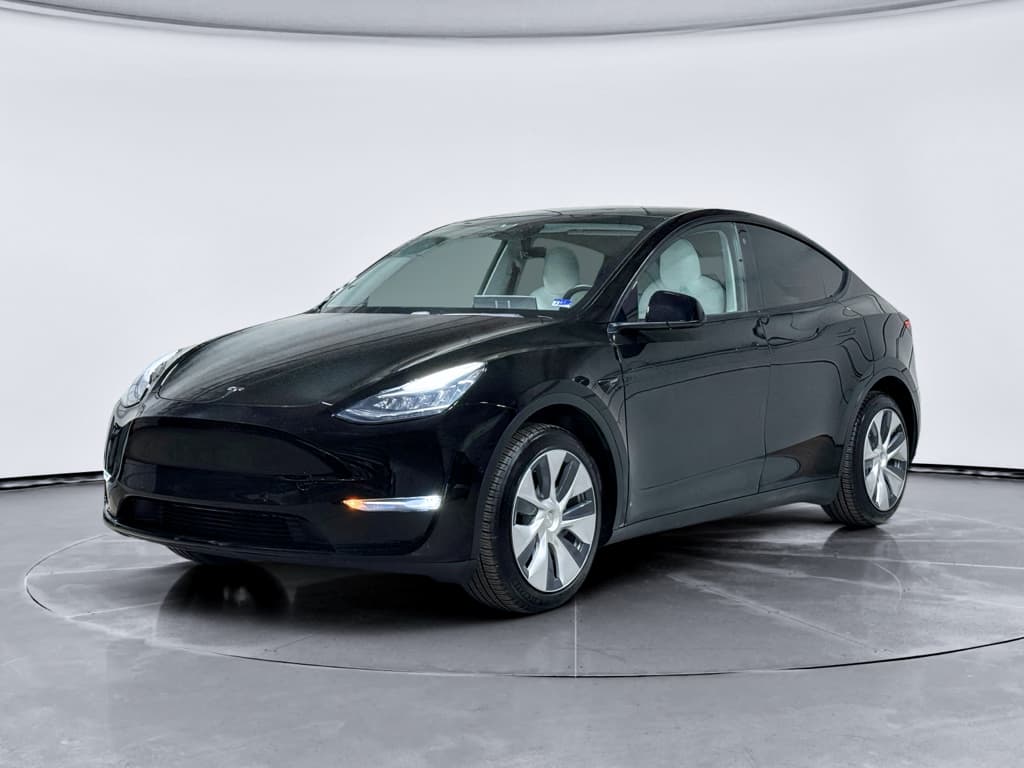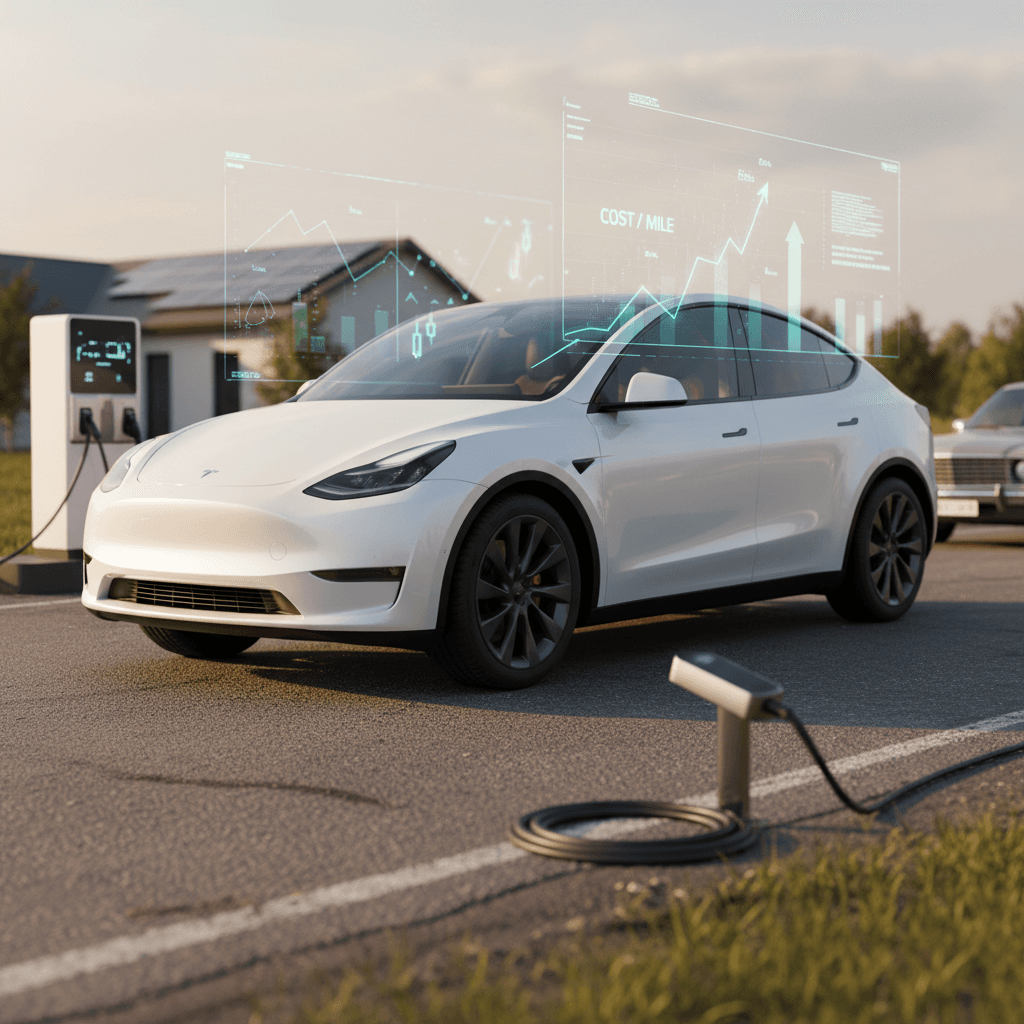
You’re not shopping a Tesla Model Y for the cupholders. You want to know, in plain English, what it **costs per mile to drive**, and whether it actually beats a gas SUV once you factor in electricity, maintenance, and everything else. Let’s put real numbers to it, using current 2024–2026 energy prices and realistic efficiency figures, not fantasy-road-trip screenshots.
Key takeaway
Tesla Model Y cost per mile: the short answer
Headline numbers for a Tesla Model Y (U.S. averages)
Those electricity numbers are **energy-only costs**. To compare apples to apples with a gas SUV, you also need to spread **insurance, maintenance/repairs, tires, registration, and depreciation** across the miles you actually drive. We’ll do that in this guide and show why a Model Y, especially a well-priced **used Model Y with verified battery health**, can be one of the cheapest ways to move a family of four.
How we calculate Tesla Model Y cost per mile
Instead of cherry-picking a single number, we’ll walk through a simple, transparent formula you can tweak for your own situation. At a high level:
- Estimate your **energy use per mile** (kWh per mile for the Model Y, gallons per mile for a gas SUV).
- Multiply by your **local energy price** (¢/kWh or $/gal).
- Add **insurance, maintenance, tires, registration, and taxes** per year, then divide by your annual miles.
- For a full ownership picture, include **depreciation** (how much value the vehicle loses each year).
The simple formula
We’ll keep the math readable and use **round U.S. averages** so you can adjust up or down based on your local electricity rate and driving pattern.
Electricity cost per mile: home vs Supercharger
Step 1: Model Y energy use per mile
Recent Tesla Model Y AWD variants are rated around **28 kWh per 100 miles** in official U.S. efficiency testing, which works out to **0.28 kWh per mile** in mixed driving. In the real world, cold weather, highway speeds, roof boxes, many owners see **0.28–0.32 kWh/mile**. To keep things conservative, we’ll use **0.30 kWh/mile** as a realistic planning number.
Cold weather penalty
Step 2: Home charging cost per kWh
According to recent U.S. data, the **average residential electricity price** is hovering around **$0.16–$0.18 per kWh**, with cheaper power in states like Washington or Idaho and much higher rates in places like California, New England, or Hawaii. For a national-average Model Y owner in 2026, **$0.17/kWh is a reasonable planning figure** for home charging.
Home electricity cost per mile for Model Y
Using 0.30 kWh/mile and a range of realistic U.S. electricity rates.
| Residential rate (¢/kWh) | Cost per kWh ($) | Model Y kWh per mile | Electricity cost per mile |
|---|---|---|---|
| 12¢ (cheap power) | $0.12 | 0.30 | $0.036 |
| 15¢ (below average) | $0.15 | 0.30 | $0.045 |
| 17¢ (U.S. average) | $0.17 | 0.30 | $0.051 |
| 22¢ (higher-cost state) | $0.22 | 0.30 | $0.066 |
| 30¢ (very high cost) | $0.30 | 0.30 | $0.090 |
If your local rate is lower or higher, plug it into 0.30 × your ¢/kWh.
So if you’re paying around **17¢/kWh at home**, your **Tesla Model Y costs about 5.1 cents per mile in electricity**. At 12¢ power, it’s closer to 3.6 cents; at 30¢ power, roughly 9 cents.
Step 3: Supercharger cost per mile
Tesla Supercharger pricing varies by state, utility territory, and even time of day, but common rates now land somewhere around **$0.30–$0.45 per kWh** in much of the U.S., with some regions lower and some sharply higher. Applying our same 0.30 kWh/mile:
Supercharger electricity cost per mile for Model Y
Approximate cost ranges based on typical Supercharger rates.
| Supercharger rate ($/kWh) | Model Y kWh per mile | Electricity cost per mile |
|---|---|---|
| $0.30 | 0.30 | $0.09 |
| $0.35 | 0.30 | $0.105 |
| $0.40 | 0.30 | $0.12 |
| $0.45 | 0.30 | $0.135 |
Peak pricing or very expensive regions will be higher; off-peak lower.
Most drivers don’t live on Superchargers
Tesla Model Y vs gas SUV: cost per mile
Now, let’s stack the Model Y against a popular compact gas SUV, think Honda CR‑V, Toyota RAV4, or Mazda CX‑5. A realistic combined fuel economy for those vehicles is about **25 mpg** in normal use. Here’s how the **fuel-only** math works at different pump prices:
Gas SUV fuel cost per mile
25 mpg compact SUV at various gasoline prices.
| Gas price per gallon | SUV mpg | Fuel cost per mile |
|---|---|---|
| $3.00 | 25 | $0.12 |
| $3.50 | 25 | $0.14 |
| $4.00 | 25 | $0.16 |
| $4.50 | 25 | $0.18 |
| $5.00 | 25 | $0.20 |
Cost per mile = gas price ÷ mpg.
Model Y (home charging)
- 0.30 kWh/mile × $0.17/kWh ≈ $0.051/mile
- Even at $0.22/kWh: ≈ $0.066/mile
- At high $0.30/kWh: ≈ $0.09/mile
Gas compact SUV
- $3.50/gal ÷ 25 mpg = $0.14/mile
- $4.00/gal ÷ 25 mpg = $0.16/mile
- $5.00/gal ÷ 25 mpg = $0.20/mile
Energy savings in plain English
Beyond electricity: insurance, tires, and maintenance per mile
Electricity is the fun part. The grown‑up part of cost per mile is everything else: **insurance, maintenance, repairs, tires, registration and fees, and depreciation**. These don’t go away just because the car is electric; they simply behave differently.
Where non‑energy costs show up for a Model Y
What gets cheaper, what doesn’t, and what actually goes up.
Insurance
Maintenance & repairs
Tires & brakes
Building a realistic all‑in cost per mile
Let’s sketch a **5‑year ownership** scenario for a fairly typical U.S. driver putting **12,000 miles per year** on a Tesla Model Y, mostly home‑charged at $0.17/kWh. Numbers will vary by state and driver profile, but this gives you a yardstick.
Sample 5‑year ownership costs for a Tesla Model Y (U.S. averages)
Illustrative numbers for a late‑model used Tesla Model Y bought around $38,000 and driven 12,000 miles/year.
| Category | Annual cost (est.) | Cost per mile (at 12,000 mi/yr) |
|---|---|---|
| Electricity (home, $0.17/kWh, 0.30 kWh/mi) | $612 | $0.051 |
| Insurance | $1,500 | $0.125 |
| Maintenance & repairs | $400 | $0.033 |
| Tires | $350 | $0.029 |
| Registration & fees | $200 | $0.017 |
| Depreciation (used car, ~8%/yr of $38k) | $3,040 | $0.253 |
Adjust the inputs, purchase price, power costs, insurance, to match your situation.
Add those up and you’re looking at roughly **$0.51 per mile all‑in** in this scenario, with **electricity itself only about a tenth of the total**. If you drive more miles per year, the **fixed costs get spread over more miles**, and your cost per mile drops.
Drive more, pay less per mile
New vs used Tesla Model Y: how much does buying used lower cost per mile?
The Model Y’s **single largest cost component is depreciation**, how much value it sheds as it ages. New Teslas can lose a chunky slice of value in the first 2–3 years, especially as prices move and new trims arrive. That’s painful for the first owner and a gift for the second.
New Model Y scenario
- Sticker: say around $50,000 out the door.
- 5‑year value: perhaps ~60% of that in many markets → $30,000.
- 5‑year depreciation: about $20,000 (~$4,000/yr).
- At 12,000 mi/yr → ~$0.33/mile in depreciation alone.
Used Model Y scenario
- Buy a 2–3‑year‑old Model Y around $35,000–$40,000.
- 5‑year value: perhaps ~50–55% of purchase → say $19,000–$22,000.
- 5‑year depreciation: maybe $13,000–$18,000 (~$2,600–$3,600/yr).
- At 12,000 mi/yr → closer to $0.22–$0.30/mile.
Why battery health matters when buying used
This is exactly where a marketplace like Recharged comes in: every vehicle includes a **Recharged Score Report** with **verified battery health and fair‑market pricing**, so you’re not guessing whether the car’s real‑world range, and therefore its future resale value, matches the glossy window sticker from three years ago.
Real-world ownership examples
Three Model Y driver profiles
How cost per mile changes depending on how, and how much, you drive.
Urban commuter
8,000–10,000 mi/yr, mostly city, home charging at $0.20/kWh.
- Electricity: ~6–7¢/mi.
- Lower miles means higher fixed costs per mile.
- Best move: buy used to avoid steep new‑car depreciation.
Suburban family
12,000–15,000 mi/yr, mix of school runs and highway trips, $0.17/kWh home, occasional Supercharging.
- Electricity: ~5–6¢/mi blended.
- All‑in: often lands in the **40–50¢/mi** zone, depending on depreciation.
High‑mileage road warrior
20,000+ mi/yr, lots of highway, mix of home and Supercharger.
- Electricity: maybe **7–8¢/mi** blended with more fast charging.
- But fixed costs are spread over more miles; **per‑mile total can drop below 40¢** on a well‑bought used Y.
7 ways to lower your Model Y cost per mile
Practical tactics to push your cost per mile down
1. Buy the right Model Y, not the newest
A **2–4‑year‑old Model Y** that’s already taken the steepest depreciation hit will usually deliver a lower cost per mile than a brand‑new one. At Recharged, late‑model used EVs come with a **Recharged Score** so you can see battery health and pricing at a glance.
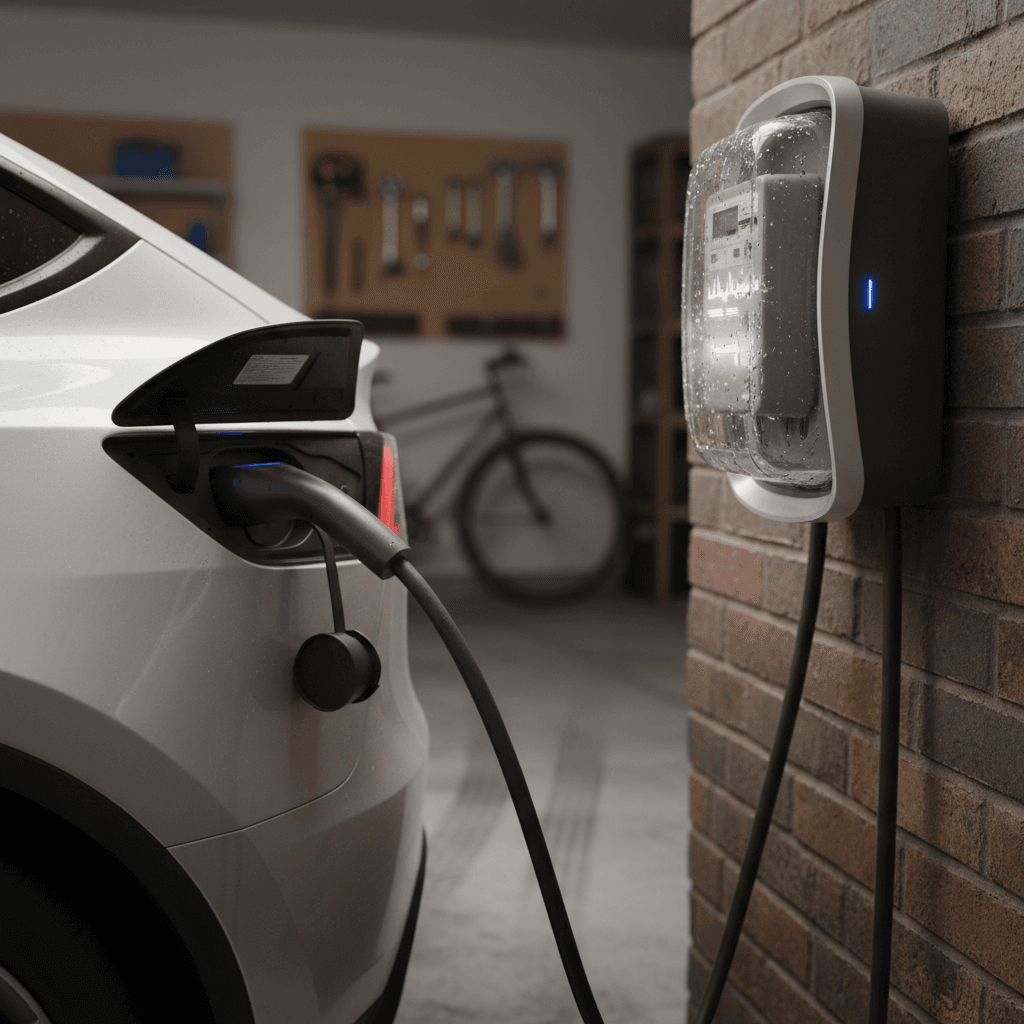
2. Charge at home as much as possible
Home electricity, especially off‑peak or with a good EV rate, is almost always cheaper than Supercharging. Even shifting from 50% to 80–90% home charging can shave **several cents per mile**.
3. Watch your speed and HVAC use
A Model Y at 80 mph in January is a different animal than one at 65 mph in mild weather. Slowing down a bit and using the **seat heaters over blasting the cabin heater** keeps your kWh/mile, and cost per mile, down.
4. Keep tires properly inflated and aligned
Under‑inflated or poorly aligned tires drag efficiency and wear faster. A couple of minutes with a tire gauge can be the difference between **0.28 and 0.33 kWh/mile**, especially on highway commutes.
5. Use scheduled charging and off‑peak rates
If your utility offers **time‑of‑use pricing**, schedule your overnight charging window in the Tesla app. Dropping your rate from, say, 22¢ to 13¢/kWh is like getting a permanent discount on every mile you drive.
6. Avoid unnecessary weight and roof boxes
Bike racks, cargo pods, and a trunk full of ‘just in case’ stuff add drag and mass. If you don’t need it, take it off. The less air you’re punching and the less weight you’re hauling, the **less you spend per mile**.
7. Shop insurance aggressively
Insurance is often **second only to depreciation** in cost per mile. Quote multiple carriers, explore mileage‑based policies, and revisit your coverage annually as the car ages and its replacement value drops.
Don’t skimp on safety or maintenance to save pennies
Tesla Model Y cost per mile: FAQs
Frequently asked questions
Bottom line: is a Tesla Model Y cheap to drive?
If you strip the hype away and run the math, a Tesla Model Y is **one of the cheapest ways to move a family-sized vehicle around the country**, mile after mile. On home electricity, you’re often around **five cents of energy per mile**, and even after you fold in insurance, tires, maintenance, and depreciation, the Model Y generally **beats or matches a comparable gas SUV** on total cost per mile, especially for higher‑mileage drivers.
Where you really win is by **buying smart and charging smart**. That means choosing a **well‑priced used Model Y with strong battery health**, leaning hard on home or workplace charging, and not letting insurance and maintenance run away from you. That’s the niche Recharged was built for: a curated inventory of used EVs, each with a **Recharged Score Report**, expert guidance, and nationwide delivery, so your cost‑per‑mile journey starts from the right number on day one.