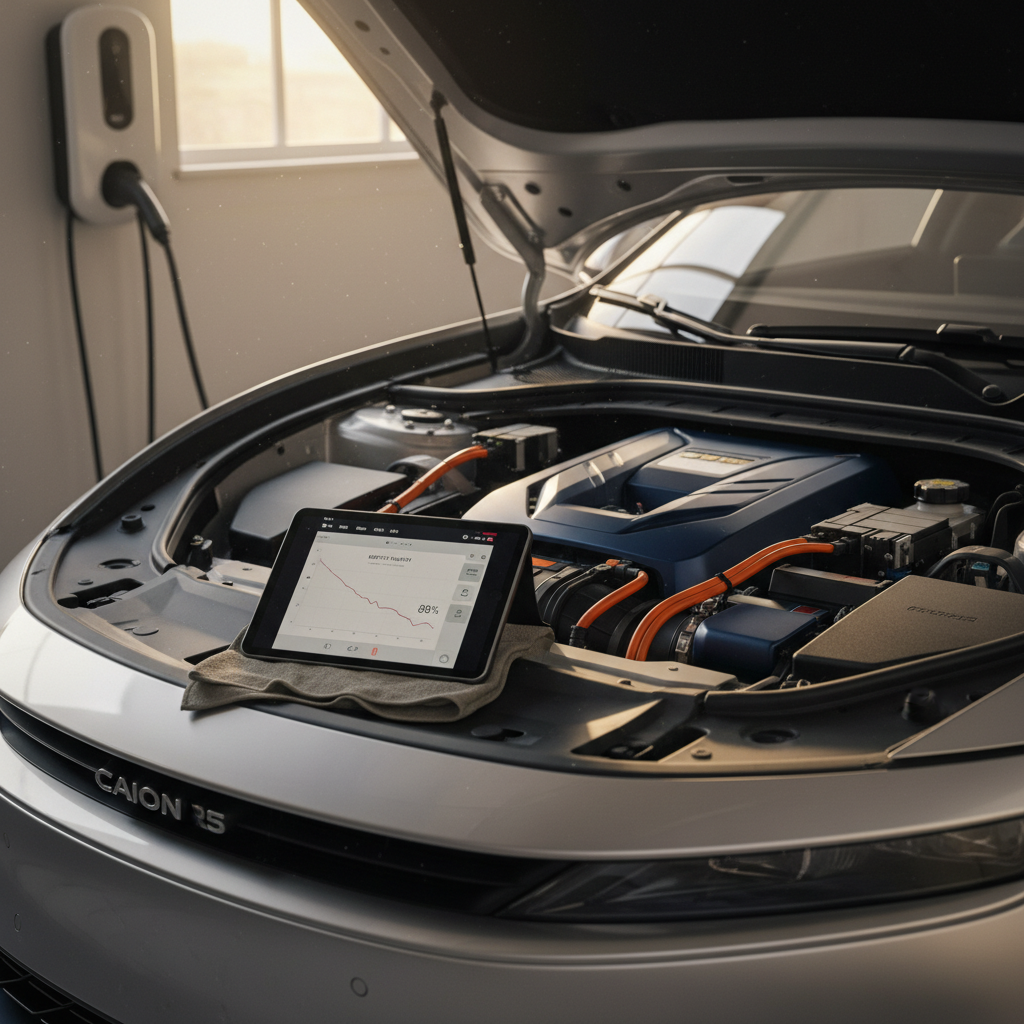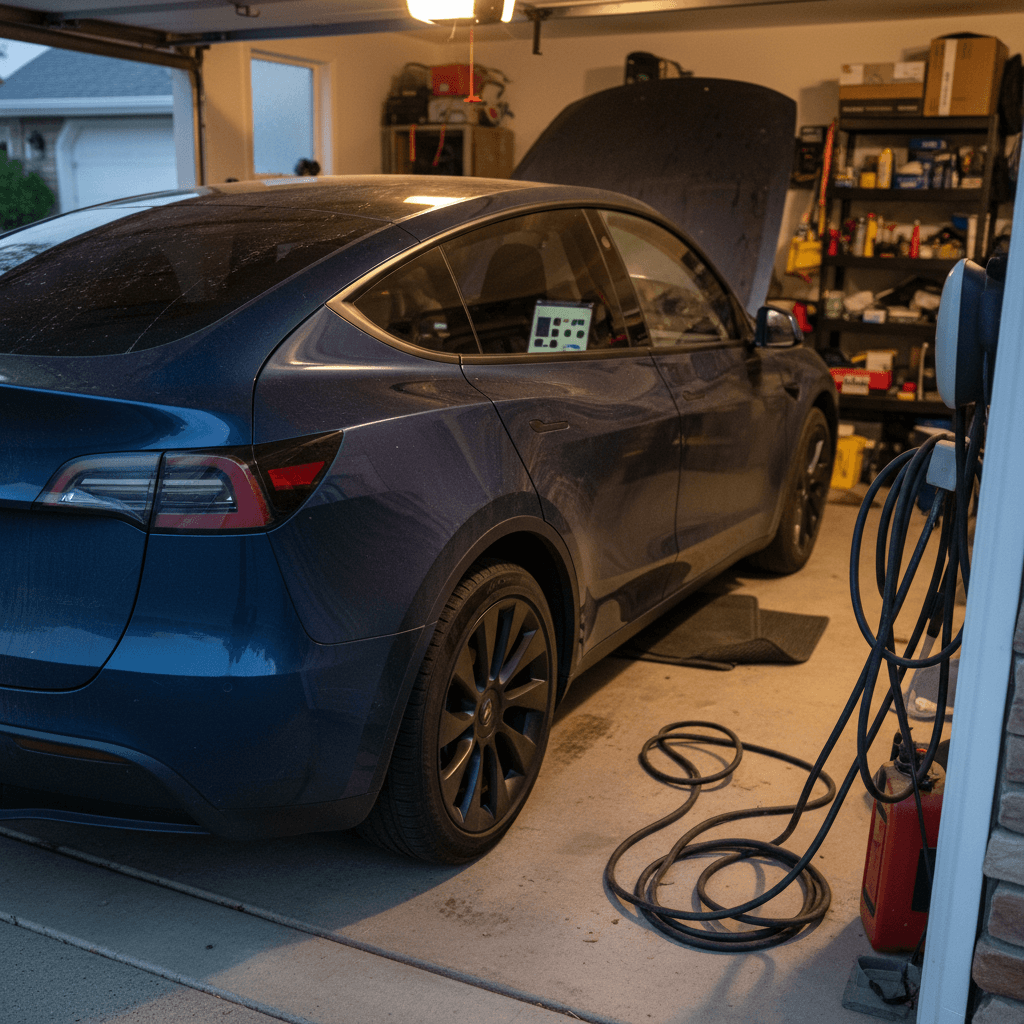
The Model Y’s most consequential flaws aren’t hidden so much as normalized: the ride can be brittle, the cabin can transmit more road noise than expected, and simple controls often require screen interaction. Used examples add another layer because wheel choice, repairs, modifications, software features, and battery condition can differ substantially from car to car. The sensible approach is to inspect the individual vehicle, not rely on the badge, the listing headline, or assumptions about every Tesla being mechanically identical.
The complaints that matter most
The complaints that matter most are the ones you’ll encounter every day or pay to correct later. Ride comfort and touchscreen dependence are largely matters of preference, while body condition, software status, battery health, and resale position require vehicle-specific verification. Here’s the short version before you schedule a test drive:
Common Model Y complaints at a glance
Separate everyday annoyances from issues that can affect a used vehicle’s condition or value.
| Complaint | What you may notice | What to check | Why it matters |
|---|---|---|---|
| Firm ride | Sharp impacts, tire noise | Wheels, tires, road test | Daily comfort |
| Fit and finish | Rattles, seals, panel alignment | Inspect panels and cabin | Car-specific condition |
| Touchscreen reliance | Controls buried in menus | Try normal driving tasks | Driver preference |
| Software confusion | Features may change value | Verify active features | Purchase price |
| Range variation | Different tested range | Request battery diagnostics | Trip planning |
| Resale volatility | Values can move quickly | Compare live listings | Loan-equity risk |
Severity depends on the individual Model Y, its equipment, condition, and ownership history.
Why can the ride feel so busy?
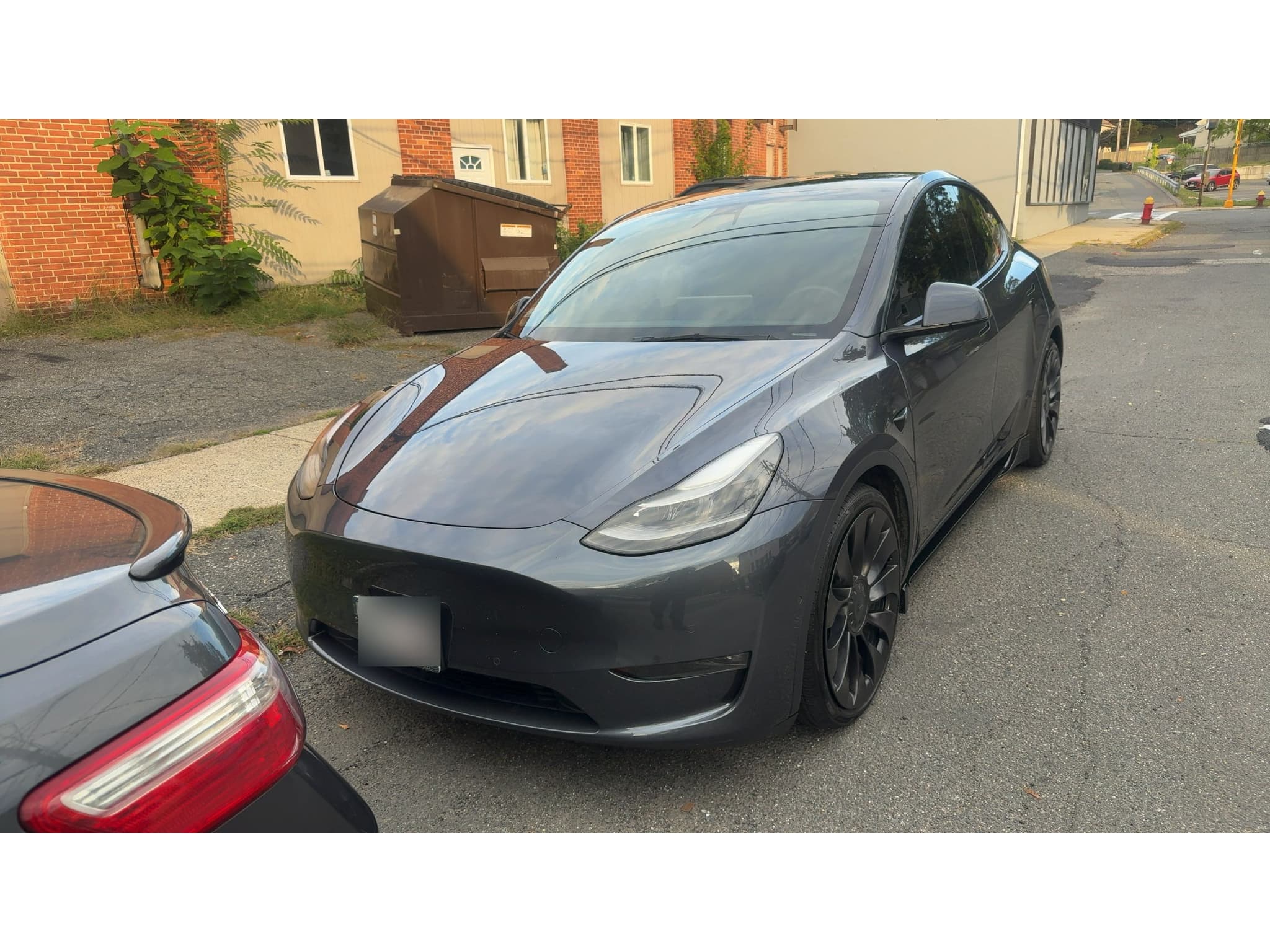
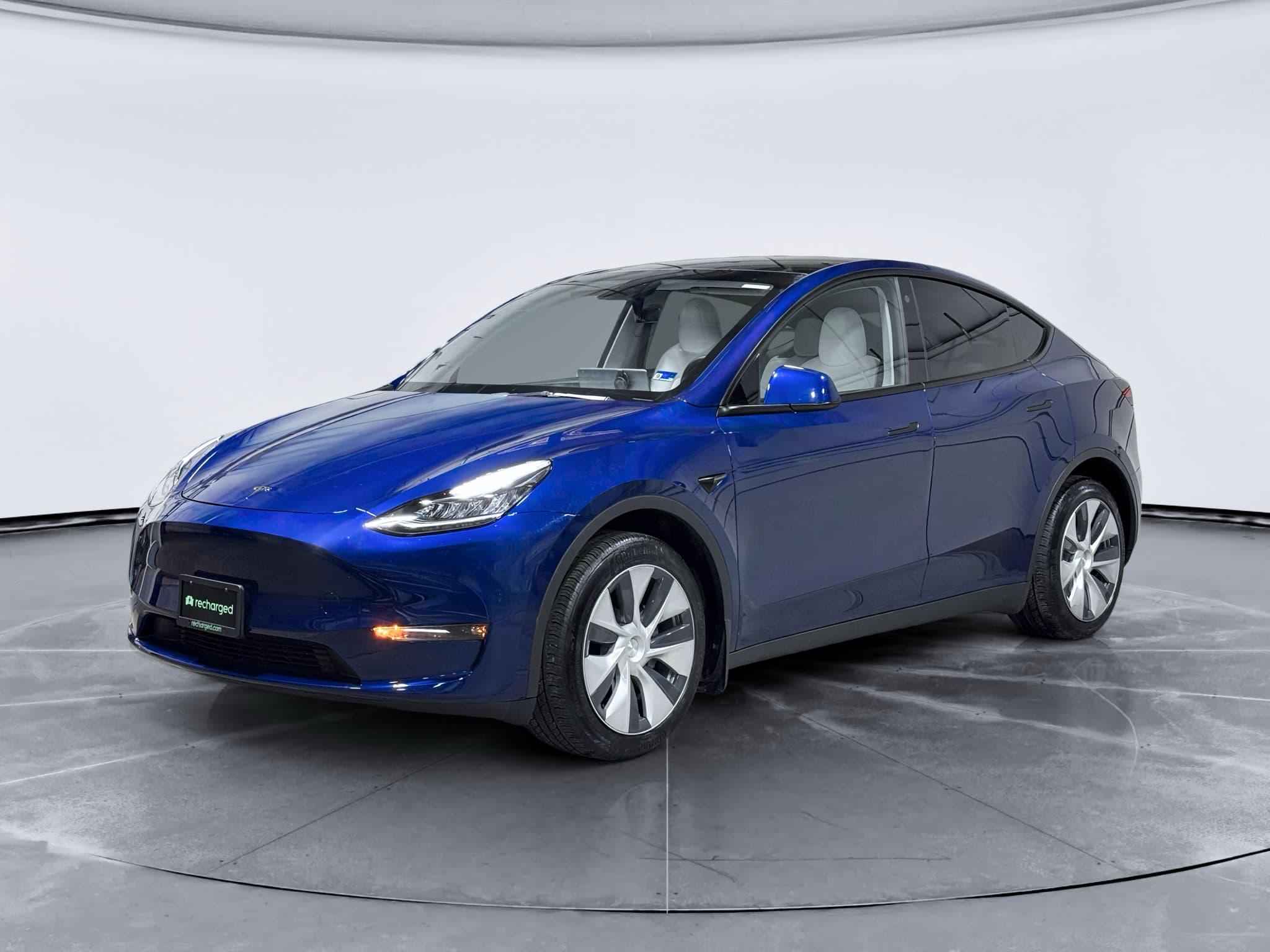
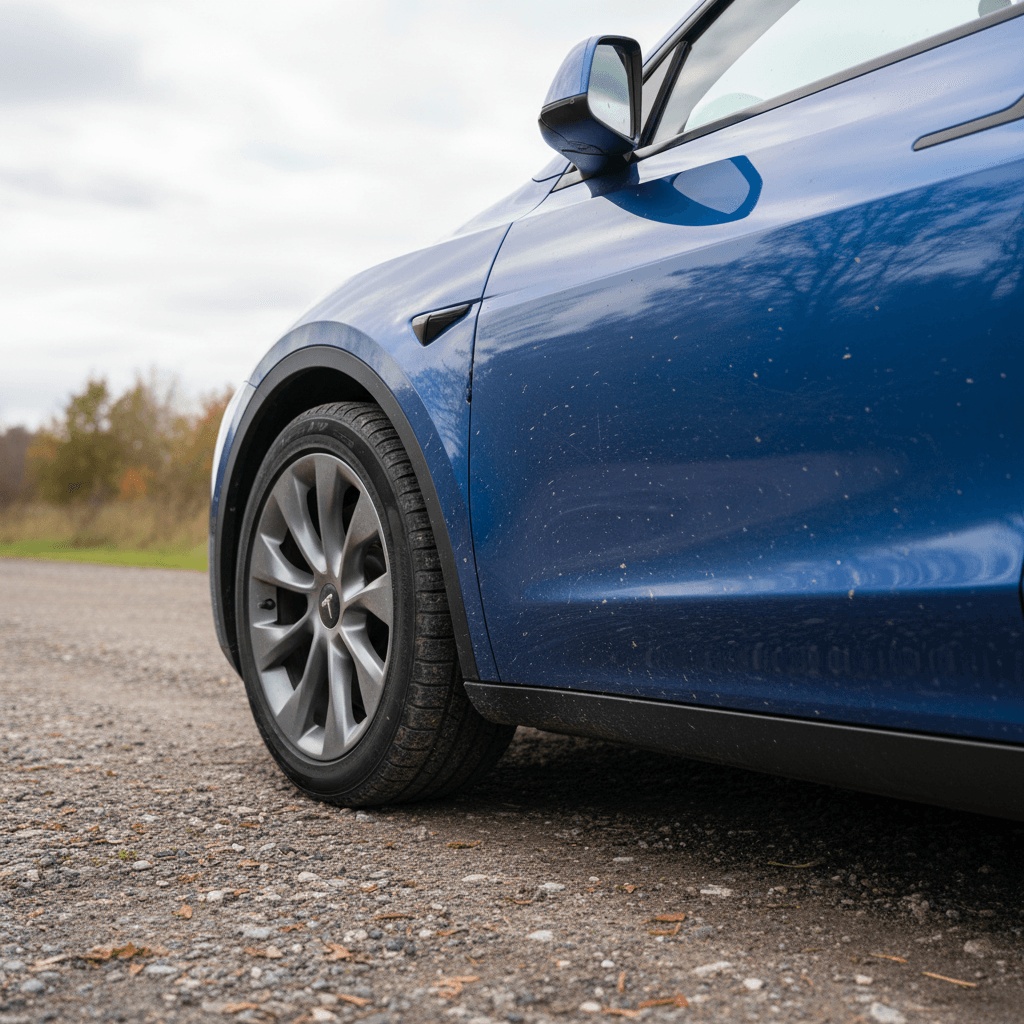
The Model Y can feel firm and noisy over broken pavement, particularly when its wheel-and-tire setup prioritizes appearance over cushioning. Recharged has evaluated examples with upgraded 20-inch wheels and even a heavily modified car wearing 22-inch rims, illustrating how dramatically equipment can change the experience. Larger wheels generally leave less tire sidewall to absorb impacts, while tire wear and pressure can add still more harshness. Drive the exact vehicle on coarse pavement, expansion joints, and the roads you use every day.
Listen for persistent trim noises rather than treating every sound as a generic Tesla trait. Check the door and hatch seals, inspect panel alignment, and drive without music so wind, suspension, and cabin noises have nowhere to hide. A pre-purchase inspection can help distinguish an inherent comfort compromise from a loose trim piece, damaged wheel, worn tire, or past repair; see the broader used-EV inspection checklist for a systematic approach.
Wheel choice can change a Model Y more than shoppers expect. Drive the actual car you’re buying, because a modified or large-wheel example may ride very differently from another one that looks almost identical online.
The touchscreen asks for compromise
The touchscreen is elegant to look at but can make routine adjustments more distracting than physical controls would. Don’t spend the test drive admiring the map; try changing climate settings, adjusting mirrors, reviewing energy use, and finding the controls you expect to use regularly. Voice commands can reduce screen interaction, but they don’t erase the underlying preference question. If the interface irritates you in a calm parking lot, it’s unlikely to become charming in traffic.
Software features also need more scrutiny than a badge or upholstery color. Recharged’s purchasing team has encountered Model Y transactions in which Full Self-Driving capability was being moved to the seller’s replacement vehicle, so you shouldn’t assume a feature mentioned in conversation or an old advertisement will remain with the car. Verify the active software from the vehicle itself and make sure the purchase paperwork describes what is included. Our used Tesla buying guide explains why account status, charging equipment, keys, and software deserve a handover check.
Verify software before assigning it value
What Recharged data says about battery and price
Recharged data shows that used Model Y battery condition is often solid overall, but the spread between individual vehicles makes testing essential. Across 316 Recharged Score battery inspections, tested remaining capacity averaged 88.9% of original capacity, with a median of 88.8%; inspected vehicles ranged from 76.6% to 100%. Tested real-world range averaged and had a median of 280 miles, while individual results extended from 195 to 327 miles. Those aren’t official new-car estimates, they’re diagnostic results from the used vehicles Recharged inspected.
Current asking prices vary almost as visibly as battery results. Among 53 matching Model Y listings on Recharged, the average asking price was $35,631 and the median was $33,599, with listings running from $23,599 to $54,998 at the snapshot date. That range reflects differences among actual listed vehicles rather than a discount against another pricing service. The takeaway: model name alone doesn’t establish battery condition, equipment, history, or fair price.
Resale movement deserves attention if you’re financing with a small down payment or replacing the vehicle again soon. Recharged’s buying conversations show how a loan payoff and a Model Y’s current value can become misaligned, especially after broader pricing changes. Compare the asking price with similar live vehicles, verify the configuration, and avoid paying for aftermarket changes simply because they were expensive for the previous owner. Battery diagnostics add another necessary layer; learn how to check an EV battery’s health before relying on the dashboard’s displayed range.
A Model Y’s value can turn on configuration, condition, accident history, active software, and even color, not just year and mileage. The cleanest transaction starts by verifying each of those details rather than pricing the car from one headline number.
Recharged data
Used Tesla Model-Y battery health
89%
avg remaining capacity
From Recharged battery inspections, not manufacturer estimates.
- Lowest
- 77%
- Median
- 89%
- Highest
- 100%
- Est. range
- 280 mi avg
- Cell balance pass
- 100%
- Quick charges
- 22 avg
- Slow charges
- 77 avg
Average cell imbalance: 6.3 mV
Based on vehicles Recharged tested
Recharged data
Used Tesla Model-Y prices at Recharged
$33,599
median list price
Current list prices for matching inventory at Recharged.
- Lowest
- $23,599
- Average
- $35,631
- Highest
- $54,998
Average Recharged Score on these listings
4.7 / 5
Range
4.0 – 5.0
Based on available listings
Every EV is battery-tested with a Recharged Score. Nationwide delivery.
What should you check before buying?
You should check the battery report, tires, wheels, repair history, software, charging equipment, and every frequently used control before buying. None of these steps requires you to reject the Model Y as a category; they help you avoid paying a good-car price for an inferior individual example. Use the test drive to evaluate comfort and controls, then use documentation and diagnostics to settle the expensive questions.
Used Model Y inspection priorities
Request battery diagnostics
Review tested remaining capacity and tested real-world range, not only the dashboard estimate.
Inspect every wheel and tire
Look for curb damage, uneven wear, mismatched tires, and oversized aftermarket wheels.
Drive on imperfect pavement
Evaluate impact harshness, road noise, rattles, steering behavior, and cabin comfort.
Check body and seals
Inspect panel alignment, paint consistency, glass, door seals, hatch operation, and repair quality.
Confirm active software
Verify included driver-assistance features on the car and in the transaction paperwork.
Price insurance first
Obtain a quote for the specific vehicle and driver before finalizing your ownership budget.
Test charging equipment
Confirm the charge port works and identify which mobile or home-charging accessories are included.
Review modifications carefully
Decide whether wraps, wheels, spoilers, trim, or interior accessories add value for you, or future work.
Instant offer, trade-in, or consignment. Pickup available.
Tesla Model Y complaints: FAQ
The verdict on a used Model Y
A used Model Y can still be a compelling electric crossover, but its strengths don’t make its compromises imaginary. The firm ride and touchscreen are matters you can judge in minutes; battery condition, software, repairs, and value require evidence. Buy the individual vehicle only after its Recharged Score, condition, equipment, and price all tell the same story.