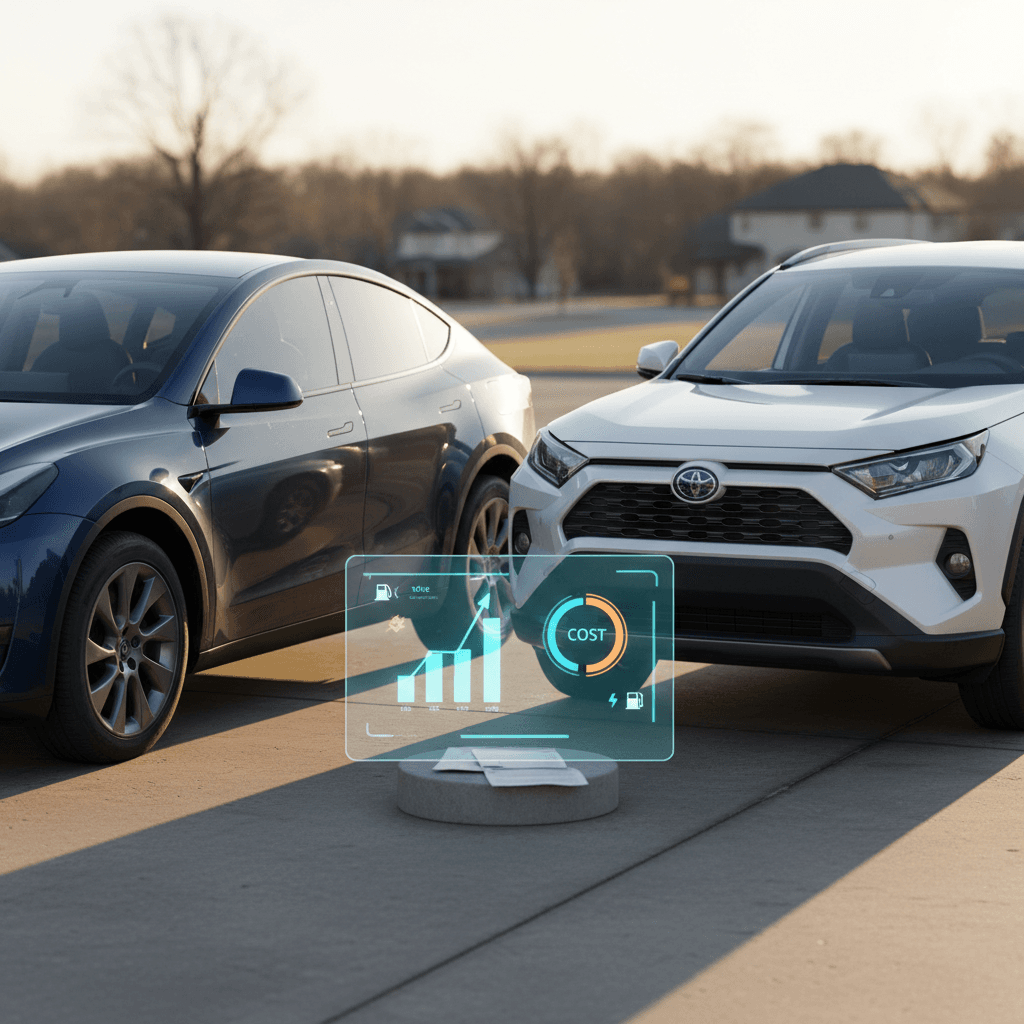
If you’re looking at a **Tesla Model Y 50,000‑mile review**, you’re probably in one of two camps: you already own a Model Y and want to know what’s coming next, or you’re shopping for a used one that’s just rolling past that 50k mark. Either way, this is where an EV’s long‑term story really starts to get interesting: tires, range, suspension, software, and total cost of ownership all come into sharper focus.
Quick takeaway
Why 50,000 miles is a key milestone for a Model Y
On most modern cars, **50,000 miles** is roughly the end of the new‑car honeymoon and the beginning of true long‑term ownership. For the Tesla Model Y, it’s also the point where the **basic warranty** (4 years/50,000 miles) typically runs out, while the **battery and drive unit warranty** continues to 8 years and 100,000–120,000 miles depending on configuration. That makes this mileage especially important for used‑EV buyers: you’re catching the car as it transitions from “factory‑backed” to truly independent.
- Most software features and connectivity habits are well established by 50k miles.
- Any early‑build quality issues have usually surfaced and been addressed.
- The original tires are often gone, or very close to needing replacement.
- Real‑world battery health trends (not just EPA range) are becoming visible.
Warranty timing matters
Tesla Model Y at 50,000 miles: Snapshot
Ownership costs over 50,000 miles
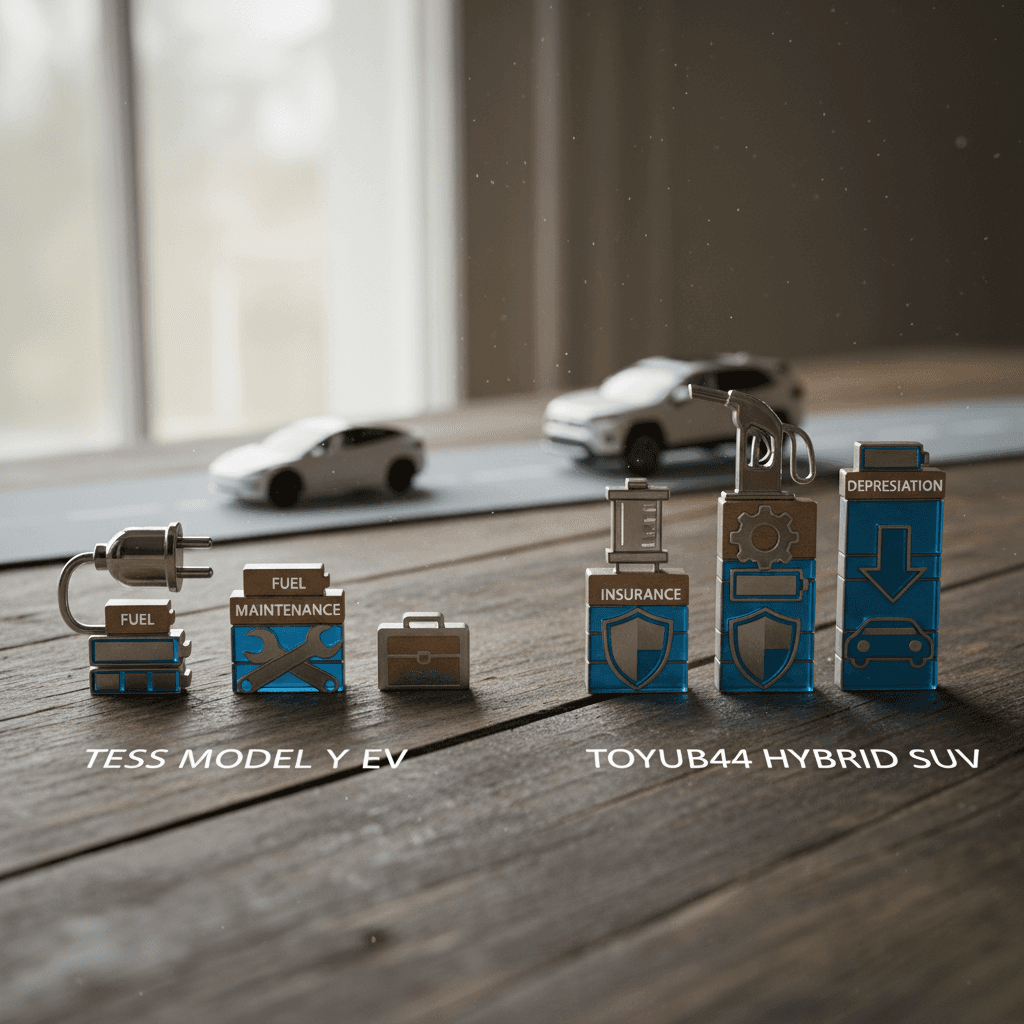
One of the biggest questions in any **Tesla Model Y 50,000‑mile review** is simple: has it actually been cheaper to own than a comparable gas SUV? Real‑world data suggests that for most drivers the answer is yes, especially once you factor in fuel savings, but the picture is more nuanced than “EVs are maintenance‑free.”
Model Y vs. Gas SUV: Approximate 50,000‑Mile Running Costs (US)
Illustrative cost comparison for a Tesla Model Y versus a similar gas crossover over roughly 4 years/50,000 miles. Actual costs vary by region, driving style, and tire choice.
| Cost Category | Tesla Model Y (50k mi) | Comparable Gas SUV (50k mi) | What To Know |
|---|---|---|---|
| Electricity / Fuel | ~$2,000 (home + some fast charging) | ~$6,000–$7,500 in gas | EVs win big on energy cost, especially with home charging. |
| Routine Maintenance | ~$2,500–$3,000 | ~$5,000–$7,500 | No oil, spark plugs, or transmission service on the Model Y. |
| Tires | $1,000–$1,400 per set (often once before 50k) | $800–$1,000 per set (typically slower wear) | Model Y’s weight and torque chew through tires faster. |
| Brakes | Minimal (regenerative braking) | Moderate (pads/rotors every 30–50k) | Most Model Y pads last well past 100k miles. |
| Insurance | Higher than average | Lower than equivalent luxury SUV | EV‑specific repairs and Tesla parts keep premiums elevated. |
Fuel and tires dominate the Model Y’s cost structure; gas, oil and traditional maintenance dominate a comparable SUV’s.
Pro tip: Look at total cost, not single line items
Battery health & real-world range after 50,000 miles
Battery life is the anxiety behind a lot of **50,000‑mile Tesla Model Y reviews**. The good news: long‑term data and owner reports suggest the **Model Y battery holds up quite well** through this point. Tesla’s own fleet data pegs average capacity loss around 15% at roughly 200,000 miles, and forums are full of Model Y owners reporting **single‑digit degradation** at 50,000–60,000 miles. Outliers do exist, especially among drivers who fast‑charge heavily or live in extreme climates, but they’re still the exception, not the rule.
What range loss looks like in practice
- A Model Y Long Range rated at ~330 miles new might show 310–320 miles on the dash at 100% after 50k miles.
- Real‑world highway range at 70–75 mph is more like 240–270 miles, depending on weather and wheels.
- Cold‑climate owners see bigger winter swings (temporary), but summer range usually bounces back.
Habits that protect battery health
- Charging mostly to 70–80% for daily use, saving 90–100% for road trips.
- Limiting DC fast charging when you don’t need it (home Level 2 is kinder over time).
- Avoiding letting the pack sit at 0% or 100% for long stretches.
- Keeping software up to date, since Tesla regularly tweaks range estimates and thermal strategies.
Watch for unusual range drops
Common issues and wear items by 50,000 miles
Mechanically, there just isn’t much to a Model Y compared with a traditional SUV, no engine, transmission, or exhaust system to maintain. But that doesn’t mean **nothing wears out** by 50,000 miles. Here’s what long‑term owners most commonly report.
Most common 50k‑mile Model Y complaints
What you’re likely to see, and what’s a red flag
Fast tire wear
Thanks to weight and instant torque, plenty of owners burn through the factory tires in 20,000–30,000 miles. By 50k, you’re usually on your second set, or close.
Not a defect, just something to budget for.
Alignment & suspension knocks
Repeated pothole hits can knock the alignment out or loosen suspension components, leading to uneven tire wear, pulling, or clunks.
An alignment check and test drive over rough roads are must‑dos on a used car.
HVAC & cabin filters
Most Model Y cabins go through at least one set of air filters by 50k. Some owners also report noisy HVAC fans or A/C odor if filters weren’t changed on time.
Easy, relatively low‑cost fixes, good bargaining chips if neglected.
Fit & finish and interior wear
- Early Model Ys had more reports of panel gaps, rattles, and trim issues; many were fixed under warranty.
- By 50k miles, look for rattles over rough pavement and creaks from the hatch or glass roof.
- The synthetic leather generally wears well, but heavily used driver’s seats can show bolster creasing or dye transfer.
Electronics & software quirks
- Center‑screen reboots happen occasionally but shouldn’t be constant.
- Check that cameras, parking sensors (if equipped), and Autopilot operate normally.
- Verify that all prior software recalls or campaign updates have been completed.
The upside: very few big-ticket failures at 50k
Charging experience and convenience over time
If you’re coming from a gas car, 50,000 miles in a Model Y is enough to fully answer the question: “What is living with charging actually like?” For many owners, the pattern settles into **routine home charging with occasional Supercharger use for trips**, which keeps both costs and battery wear in check.
Typical charging patterns by 50,000 miles
One under‑appreciated benefit that shows up in long‑term reviews: **software‑driven improvements**. Over 50,000 miles, it’s common to see updated trip planning, charging curve tweaks, and better battery preconditioning ahead of fast charging. Those refinements don’t show up on a Monroney sticker, but they absolutely change the day‑to‑day experience.
Apartment & condo life at 50k miles
Depreciation: How the Model Y holds its value
Depreciation is the quiet giant in any 50,000‑mile cost calculation. Here the Model Y is a bit of a paradox: EV prices have been volatile, and Tesla’s own price cuts have squeezed used values at times, but the Y still tends to **hold its value better than many compact luxury SUVs** thanks to strong demand, safety scores, and the Supercharger halo.
- A 3–4‑year‑old Model Y with ~50,000 miles will usually still command strong resale, especially in desirable colors and trims.
- High equipment levels (Autopilot, premium interior, heat pump) age better than niche EVs that feel outdated quickly.
- Battery warranties that still have several years and tens of thousands of miles left help shore up buyer confidence.
Why depreciation matters more than tires
What to inspect on a used Tesla Model Y with 50k miles
When you’re evaluating a used Model Y with around 50,000 miles, you’re not just buying a battery and some motors, you’re buying **how the previous owner treated the car**. Here’s a focused checklist you can use whether you’re shopping private‑party, at a dealer, or online.
50,000‑mile Model Y buyer’s checklist
1. Verify battery health and charging history
Look for a recent full‑charge estimate and compare it to the original EPA range for that trim. Ask how often the car was fast‑charged and whether it typically lived at 100% or comfortably in the 50–80% window.
2. Inspect tires and alignment
Uneven tread wear, cupping, or a car that pulls on the highway can indicate alignment or suspension issues. Budget for a new set of tires if tread is low; that’s normal at this mileage, but it’s real money.
3. Test drive for noises and rattles
Take the car on rough pavement and at highway speeds. Listen for clunks from the suspension, wind noise from the glass roof or mirrors, and creaks from the hatch. A tight, quiet cabin at 50k miles is a good sign.
4. Check software, cameras, and driver‑assist
Confirm that the car is on current software, that all cameras provide a clear image, and that Autopilot engages smoothly. Any persistent error messages on the main screen deserve a closer look.
5. Review service history and recalls
Ideally, you’ll see documentation of tire rotations, cabin filters, and any warranty repairs. Make sure open recalls or service campaigns have been addressed, Tesla can confirm this by VIN.
6. Confirm remaining warranty coverage
Even if the basic warranty has expired, the battery and drive unit may still be covered. Knowing exactly **how many years and miles remain** is crucial for pricing and peace of mind.
Be cautious with heavily modified cars
How Recharged evaluates a used Tesla Model Y
Because 50,000 miles is such a pivotal moment in a Model Y’s life, Recharged treats this mileage band with extra scrutiny. Our goal is to separate **healthy, fairly‑priced cars** from the ones that look good in photos but hide expensive surprises.
Inside the Recharged Score for a Model Y
What we look at before a used Tesla ever hits our marketplace
Battery & charging diagnostics
Underbody & suspension inspection
History, pricing & support
If you want to skip the guesswork of vetting a 50,000‑mile Model Y yourself, Recharged offers **financing, trade‑ins, instant offers or consignment, and nationwide delivery**, all wrapped around that detailed battery and condition report. You can shop entirely online or visit our Experience Center in Richmond, VA if you prefer to see and feel a car in person.
Tesla Model Y 50,000‑mile FAQ
Frequently asked questions about a 50,000‑mile Model Y
Is a 50,000‑mile Model Y right for you?
At 50,000 miles, the Tesla Model Y has largely answered the big questions that hover over any new technology. The battery has either proven itself or revealed problems. The suspension has either shrugged off real‑world roads or picked up some battle scars. And the software experience, good, bad, or somewhere in between, is now baked into the car’s personality.
If you can find a **clean, well‑documented Model Y around 50k miles**, it can deliver most of the new‑car experience at a significantly lower price, with running costs that undercut most similarly quick, similarly spacious gas crossovers. Just go in with your eyes open: budget realistically for tires and insurance, insist on clear evidence of battery health, and don’t ignore suspension or alignment issues on the test drive.
And if you’d rather not play detective, you can always start with cars that have already been professionally vetted. Every used EV on Recharged comes with a **Recharged Score Report** that details battery health, pricing, and condition, plus expert help to make sense of it. That way, your own **Tesla Model Y 50,000‑mile review** can focus on road trips and playlists, not surprise repair bills.