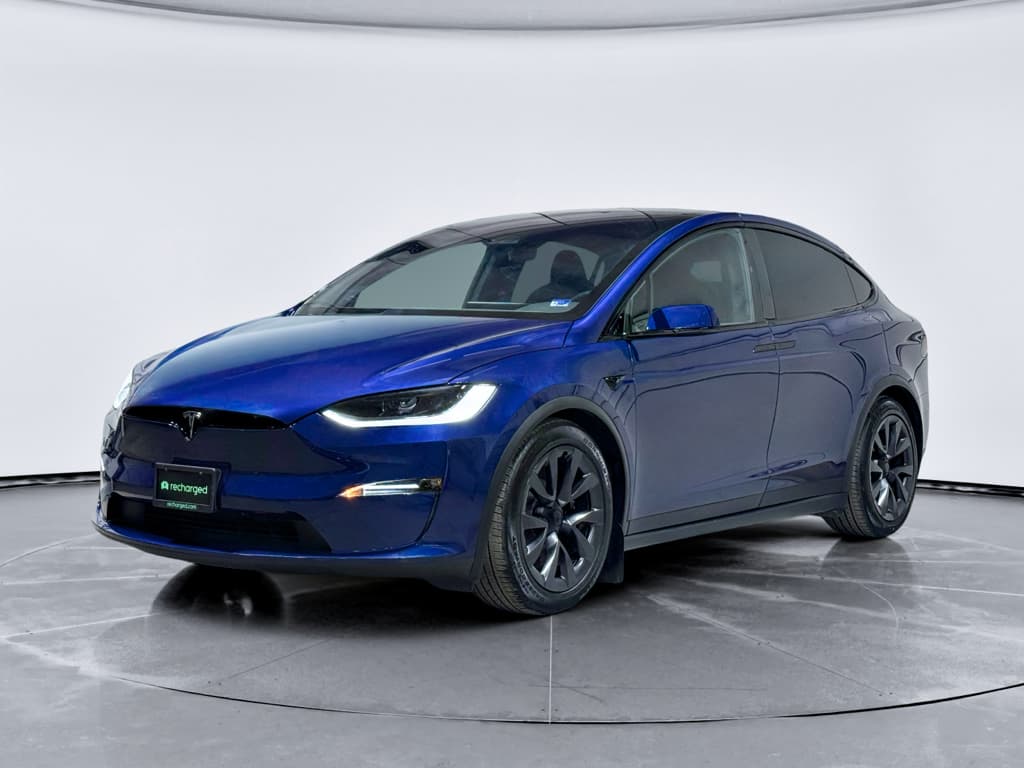
If you’re cross‑shopping a Tesla Model X against a big gas luxury SUV, sticker price alone will give you whiplash. The real story is in total cost of ownership, what you actually spend over years on fuel (or electricity), maintenance, insurance, and depreciation. This guide walks through a clear, numbers‑driven comparison of Tesla Model X total cost vs a gas car equivalent over five years, using today’s energy prices and real‑world assumptions.
At a glance
Why compare Tesla Model X vs a gas SUV?
The Model X sits in rare air: it’s a three‑row, all‑wheel‑drive luxury SUV with serious performance. The natural competitors are big gas SUVs from Audi, BMW, Mercedes‑Benz, Volvo, Genesis and others. If you’re going to live with a vehicle for 5–10 years, you don’t just care about how it drives, you care about what it costs you every month and every mile.
- You may be stretching your budget and need to know if lower running costs justify a higher price tag.
- You’re comparing leasing vs buying and want to understand long‑term math.
- You’re debating between a new gas SUV and a used Model X with similar monthly payments.
Tip for shoppers
What counts as a ‘gas car equivalent’ to the Model X?
To keep this apples‑to‑apples, let’s compare a dual‑motor Tesla Model X Long Range to a similarly sized, similarly luxurious gas SUV. Think along the lines of a BMW X5 xDrive40i, Mercedes‑Benz GLE 450, Audi Q7 55, or Genesis GV80 3.5T, mid‑size luxury SUVs that often require premium fuel, have comparable performance, and are commonly cross‑shopped.
Gas SUVs comparable to a Tesla Model X
Roughly similar size, luxury and performance
BMW X5 xDrive40i
Mercedes‑Benz GLE 450
Genesis GV80 3.5T
Not a perfect science
Key assumptions for this cost comparison
To keep things fair and transparent, here are the assumptions used in the 5‑year total cost of ownership comparison. You can adjust these to fit your driving and local prices.
5‑year cost comparison assumptions
Baseline assumptions you can tweak for your own situation
| Factor | Tesla Model X (EV) | Gas luxury SUV |
|---|---|---|
| Purchase type (example) | $75,000 used 2‑3 year old Model X | $65,000 new or nearly new gas SUV |
| Ownership period | 5 years | 5 years |
| Total miles driven | 75,000 miles (15,000/year) | 75,000 miles (15,000/year) |
| Electricity price | $0.17 per kWh (US 2025 residential average) | , |
| Gasoline price | , | $3.75 per gallon (regular/premium blend) |
| Model X efficiency | 0.40 kWh/mile (about 2.5 mi/kWh) | , |
| Gas SUV efficiency | , | 22 mpg combined (real‑world) |
| Charging mix | 80% home, 20% fast charging | N/A |
| Discount rate / financing | Ignored for simplicity (focus on out‑of‑pocket costs) | Ignored for simplicity |
You can plug in your own mileage, fuel prices and insurance quotes to personalize this comparison.
Why we use 75,000 miles
5‑year cost summary: Model X vs gas SUV
Five‑year cost snapshot (75,000 miles)
Those ranges hide a lot of nuance, so in the next sections we’ll break out energy, maintenance, insurance, taxes/fees, and depreciation to show where the Tesla Model X wins, where it can cost more, and how a used Model X can tilt the math in your favor.

Energy costs: electricity vs gasoline
Here’s where EVs shine. You’re swapping volatile gasoline prices for (usually) cheaper and more stable electricity rates. The exact break‑even depends heavily on your local kWh rate and gas prices, but we can get to a realistic national average.
Electricity cost – Tesla Model X
- Efficiency: ~0.40 kWh per mile
- Miles: 75,000 over five years
- Total energy: 30,000 kWh
- Home electricity rate: $0.17/kWh average
- Home charging share: 80%
- Fast charging: assume $0.30/kWh, 20% of energy
Blended electricity cost: (0.8 × $0.17 + 0.2 × $0.30) ≈ $0.196/kWh.
5‑year electricity cost: 30,000 kWh × $0.196 ≈ $5,880.
Gasoline cost – luxury gas SUV
- Efficiency: 22 mpg combined (real‑world)
- Miles: 75,000 over five years
- Total fuel: 3,409 gallons
- Gas price (regular/premium mix): $3.75/gal average
5‑year fuel cost: 3,409 × $3.75 ≈ $12,784.
That’s more than double the Model X electricity bill in this scenario.
Energy savings in this scenario
When EV energy costs can creep up
Maintenance and repairs
This is where everyday ownership feels different. EVs like the Model X skip oil changes, spark plugs, exhaust systems and multi‑gear transmissions. But they’re still complex, heavy vehicles with expensive tires and sophisticated suspension parts.
Typical 5‑year maintenance and repair costs
High‑level, real‑world estimates, not a quote, based on common service intervals and owner reports.
| Category | Tesla Model X (EV) | Gas luxury SUV |
|---|---|---|
| Oil & routine engine service | $0 | $2,000–$2,500 |
| Brake pads & rotors | $400–$800 (mainly rears, thanks to regen) | $1,200–$1,600 |
| Tires (2 sets over 75k mi) | $2,000–$2,800 | $1,800–$2,400 |
| Other fluids (coolant, etc.) | $300–$500 | $400–$600 |
| Unexpected repairs (out of warranty) | $1,000–$2,000 | $1,500–$2,500 |
| Total 5‑year estimate | $3,700–$6,100 | $6,900–$9,600 |
Assumes out‑of‑warranty work is done at a franchised dealer or specialist shop at typical U.S. rates.
Why Model X brakes last so long
On balance, a Model X often costs $2,500–$4,000 less to maintain over five years than a comparable gas SUV, even though some EV‑specific repairs (like air suspension or door hardware) can be pricey if they crop up out of warranty.
Insurance, taxes and fees
Insurance is one of the places where Teslas, and especially the Model X, can be more expensive. High parts costs, aluminum bodywork, complex sensors and strong performance all push premiums upward compared with more ordinary SUVs.
Insurance estimates (per year)
- Tesla Model X: $2,300–$2,800
- Gas luxury SUV: $1,800–$2,300
Over five years, that’s roughly:
- Model X: $11,500–$14,000
- Gas SUV: $9,000–$11,500
So you might pay $2,000–$3,000 more to insure the Tesla over five years, depending on your driving record and location.
Taxes and registration
- Purchase taxes: Based on vehicle price and your state rate; a higher sticker price usually means more tax, EV or not.
- Annual registration: Some states add an EV fee (often $100–$250/year) instead of fuel taxes.
For a $70k–$80k vehicle in many U.S. states, five‑year taxes and registration often land in the $4,000–$6,000 range for either vehicle, with a slight edge to the cheaper gas SUV, offset partly by any EV‑specific fees.
Don’t skip the insurance quote step
Depreciation and resale value
Depreciation, how much value your vehicle loses, is often the single biggest cost of ownership, and it’s where the story changes dramatically between buying new and buying used.
Illustrative 5‑year depreciation scenarios
Rounded estimates for typical market behavior; real‑world prices swing with incentives, supply, and macro conditions.
| Scenario | Purchase price today | Estimated value in 5 yrs | 5‑yr depreciation |
|---|---|---|---|
| New Tesla Model X Long Range | $90,000 | $40,000 | ≈ $50,000 |
| Used 2‑3‑yr‑old Tesla Model X | $75,000 | $38,000 | ≈ $37,000 |
| New luxury gas SUV (e.g., X5/GLE) | $70,000 | $30,000 | ≈ $40,000 |
| Used 2‑3‑yr‑old gas SUV | $60,000 | $28,000 | ≈ $32,000 |
Starting with a used Model X often flattens the depreciation curve compared with buying new.
Buying either vehicle new, the Model X can depreciate as much or more than the gas SUV simply because you’re starting from a higher number. Buying used, the Model X starts to look much better: the steep early drop is already baked in, and you’re more likely to benefit from EV demand if it stays strong.
Used EV sweet spot
New vs used Model X: how the math changes
To make this more concrete, let’s sketch two simplified five‑year scenarios, both covering 75,000 miles:
Two common shopper paths
Same driver, different starting points
Scenario A: New gas SUV
- Buys a new $70,000 gas luxury SUV.
- Spends roughly $12,800 on fuel over 5 years.
- Maintenance and repairs land near $8,000.
- Insurance totals around $10,000.
- Depreciation of about $40,000.
Estimated 5‑year out‑of‑pocket: ≈ $70,000.
Scenario B: Used Model X
- Buys a 2–3‑year‑old Model X for $75,000.
- Spends about $5,900 on electricity.
- Maintenance around $4,500–$5,000.
- Insurance totals around $12,500.
- Depreciation of about $37,000.
Estimated 5‑year out‑of‑pocket: ≈ $64,000–$67,000.
In this rough but realistic comparison, the used Model X ends up $3,000–$6,000 cheaper to own over five years than the new gas SUV, while also giving you instant torque and the all‑electric driving experience.
How your driving and location change the outcome
Total cost of ownership is intensely personal. A Model X driver who commutes 5,000 miles a year and fast‑charges at high prices will see a very different picture than a 20,000‑mile‑per‑year road warrior with cheap home electricity. Likewise, a driver in California with $0.30+/kWh power lives in a different world than someone in the Midwest paying closer to $0.13–$0.17/kWh.
Levers that swing Model X vs gas SUV costs
1. Annual mileage
The more you drive, the more an EV’s low per‑mile energy and maintenance costs matter. High‑mileage drivers tend to favor the Model X in total cost.
2. Local electricity vs gas prices
If your electricity is very expensive and gas is cheap, the fuel‑savings advantage shrinks. If your kWh is cheap and gas is pricey, the Model X pulls ahead quickly.
3. Home charging access
Charging overnight at home is almost always cheaper than using DC fast chargers. Apartment dwellers reliant on fast charging will see higher EV energy costs.
4. Insurance market
Insurance premiums vary wildly by ZIP code and carrier. In some areas, Teslas are unusually expensive to insure; in others the gap vs gas SUVs is smaller.
5. Purchase price and incentives
A well‑bought used Model X can completely change the equation. Likewise, heavy discounts on outgoing gas SUVs can narrow the gap.
6. How long you keep it
Depreciation is front‑loaded. If you tend to keep vehicles 8–10 years, the Model X’s low running costs become more and more compelling over time.
Run your own numbers
How Recharged helps you understand real‑world costs
If you’re leaning toward a used Tesla Model X, the tricky part isn’t the spreadsheet, it’s confidence. You want to know the battery is healthy, the price is fair, and that someone has your back if you’ve never owned an EV before.
What Recharged brings to the table for Model X shoppers
Clarity on cost, confidence in condition
Verified battery health
Fair market pricing
Financing & trade‑in support
Ready to find your next EV?
Browse VehiclesIf you’re near Richmond, VA, you can even visit our Recharged Experience Center to talk through costs with EV specialists and see vehicles in person. Or you can stay fully digital: browse, get pre‑qualified, and have a used Model X delivered to your driveway.
FAQ: Tesla Model X total cost vs gas SUV
Frequently asked questions
Bottom line: should you pick a Model X?
When you pull back from the individual line items, the pattern is pretty clear. A Tesla Model X shifts your spending away from the gas pump and routine engine maintenance and toward electricity and, sometimes, higher insurance. Over five years and average American mileage, a thoughtfully chosen Model X, especially a used one, often edges out a comparable gas luxury SUV on total cost while delivering a quieter, quicker, lower‑emissions driving experience.
If you’re the kind of driver who racks up miles, can charge at home at reasonable rates, and plans to keep the vehicle a while, the math tends to favor the Model X. If you drive very little, face sky‑high electricity prices, or can only fast‑charge, the financial gap narrows and the decision becomes more about how you want the vehicle to feel every day.
Either way, the smartest move is to base your choice on your numbers, not national averages. That’s where working with a retailer that lives and breathes EVs, like Recharged, can turn a fuzzy, emotional decision into a confident one, backed by real battery data, fair pricing, and people who understand what owning a Model X actually looks like in the real world.