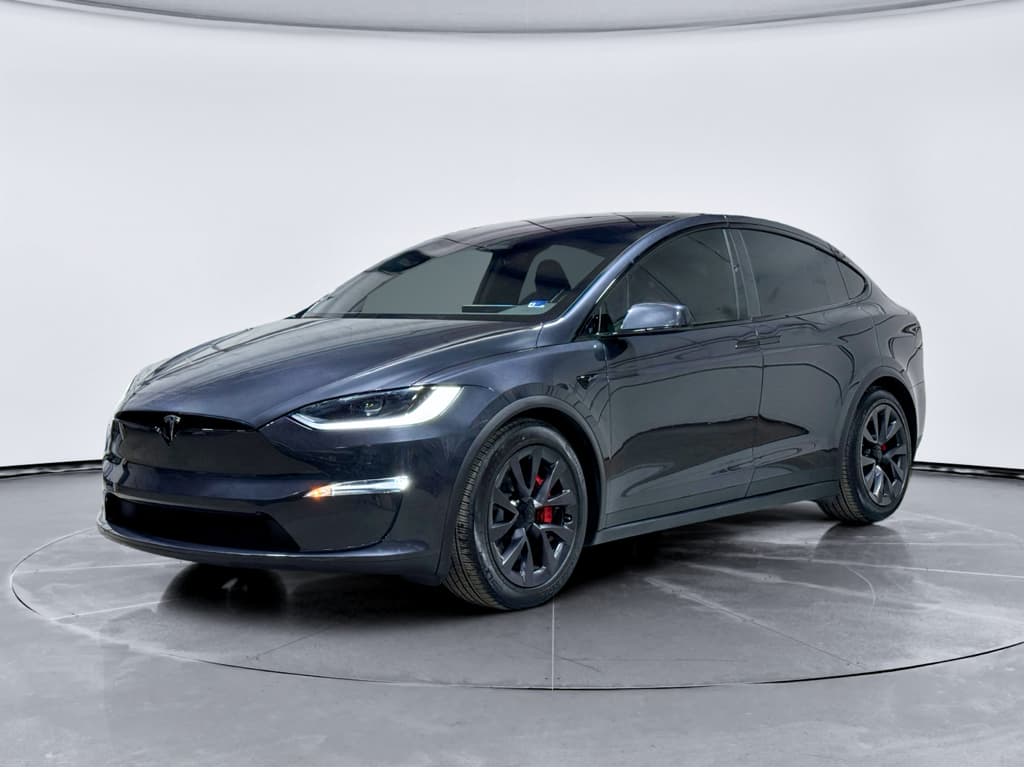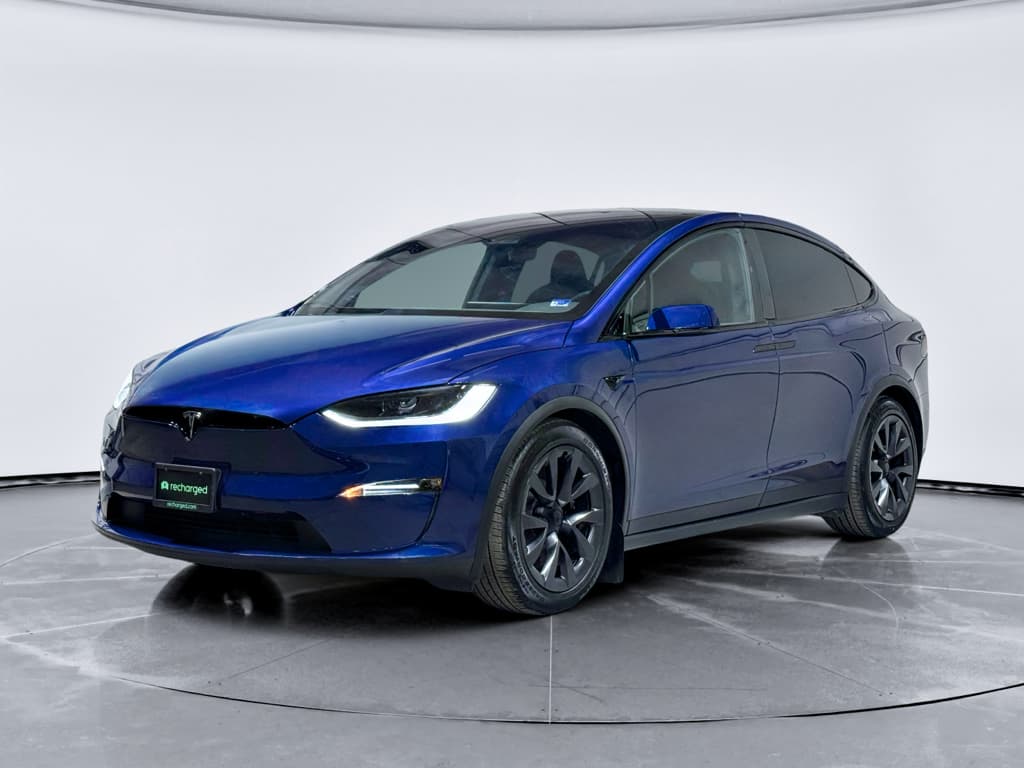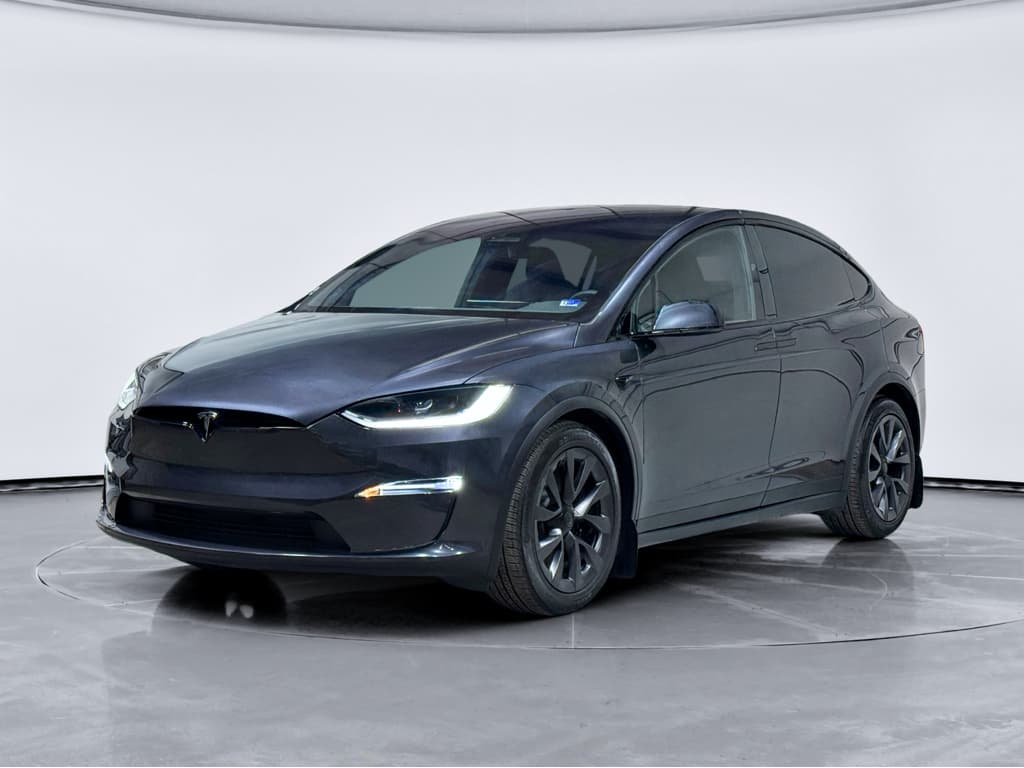
If you own a Tesla Model X, 2026 is a strange moment to be thinking about resale value. Just as used EV prices have cooled, Tesla has quietly ended new Model X production, and used Tesla prices have started creeping back up again. This guide walks through 2026 Tesla Model X resale values, what really drives the numbers, and how to position your X to sell for as much as possible.
Quick take
Why Model X resale value looks different in 2026
For a few years, Tesla resale values were on a roller coaster. Aggressive new‑car price cuts in 2023–2024 pushed used values down, and broad EV demand cooled. Then the script flipped. In late 2025 and early 2026, several things happened at once:
- Tesla discontinued new Model X sales in North America, instantly turning every existing X into a finite commodity.
- Used Tesla prices, which had fallen hard, found a bottom and started to rise again, with Model S and Model X among the biggest movers.
- Federal EV tax credits shifted toward more affordable models, nudging some shoppers from new luxury EVs into the used market instead.
- The pipeline of large, three‑row electric SUVs is still thin, making the Model X one of the few practical family EVs you can actually buy used today.
What this means for you
2026 Tesla Model X price bands by model year
Exact values swing with mileage, condition, options, and local demand, but by spring 2026 U.S. retail asking prices for used Model Xs typically fall into these broad bands. Think of these as "healthy market" ranges for clean‑title, no‑accident vehicles; deeply discounted outliers usually have a story behind them.
Typical 2026 Tesla Model X resale price bands (USA, retail)
Approximate asking‑price ranges you’re likely to see from dealers and well‑documented private sellers in early 2026.
| Model year | Typical 2026 asking range | What that usually buys you |
|---|---|---|
| 2016–2017 | Low–mid $20,000s | High miles, early build, older Autopilot hardware; best for budget shoppers who accept age and pending maintenance. |
| 2018–2019 | Low–mid $30,000s | Often the price sweet spot: updated hardware, fewer miles than the earliest years, still relatively attainable. |
| 2020–2021 | Mid $40,000s–mid $50,000s | More range, efficiency and feature improvements; many with some battery warranty left. |
| 2022–2023 | Mid $50,000s–low $70,000s | Refreshed interior and latest tech; lower miles, often CPO or single‑owner history. |
| 2024–2025 | High $60,000s–$80,000+ | Very low miles, latest hardware and features; the closest thing to nearly new now that production has stopped. |
These bands assume average mileage for age and good condition; unique specs, damage, or poor battery health can move a particular X far outside the range.
Watch out for “too good to be true”
Model X depreciation snapshot heading into 2026
How fast does a Tesla Model X depreciate?
If you bought your Model X new, you’ve already felt the sting: this is a six‑figure luxury EV that behaves like most high‑end vehicles on the depreciation curve, only with a few EV twists.
- Years 1–3: The steepest drop. Thanks to rapid new‑price adjustments from Tesla, it’s common for a 3‑year‑old X to be worth only around half its original MSRP.
- Years 4–6: Depreciation moderates. Once the first big drop is over, values tend to settle into a slower, more traditional curve, as long as battery health looks solid.
- After year 7: Condition and battery health matter more than calendar age. A well‑cared‑for, low‑mile 2017 can be worth more than a hard‑used 2019 with a tired pack.
Compared with other luxury EVs, the Model X has actually performed better than you might think. Some rivals shed more than 70% of their value in five years. The X’s roughly 60‑plus‑percent drop still hurts, but used buyers are gravitating to it because it’s one of the few electric three‑row SUVs with real family space and long‑range capability.
Why prices fell so hard… then bounced
Battery health: the quiet number buyers are pricing in
On a used Tesla Model X, battery health is resale value. Most buyers don’t think in kilowatt‑hours and capacity curves; they think in range. How many miles does it show at 100%? How close is that to when it was new?
What’s “normal” degradation?
Real‑world data across Tesla fleets suggests modern packs lose capacity faster in the first few years, then settle into a slow glide. By year 5–7, many Model X packs have lost roughly 10–15% of their original usable range, then degrade more gently from there.
For a shopper, a 2018–2019 X that still shows within about 10% of original range looks healthy. One that has lost 20% or more raises questions, and the asking price usually reflects that.
How that shows up in pricing
- Strong pack, clean history: Commands top‑of‑range pricing for its model year and miles.
- Average degradation: Sits comfortably in the middle of the market range.
- Above‑average loss or unknown state: Buyers either walk away or expect a deep discount to budget for future battery costs.
Because replacement packs are expensive, serious shoppers increasingly ask for some kind of third‑party battery report before paying a premium.
Use data to defend your asking price
Other factors that move Model X resale value up or down
Key Model X value drivers beyond the odometer
Buyers look at the whole story, not just the year and mileage.
Accident & title history
Clean Carfax and no paintwork still matter. Branded titles or major collision repairs can chop 20–40% off value, no matter how nice the photos look.
Spec & options
Long Range vs Plaid, wheel size, seating configuration, and Autopilot/FSD all move numbers. Three‑row seating and more modest wheel sizes tend to hold value better than flashy, curb‑rash‑prone 22s.
Region & climate
In cold‑weather states, buyers worry about winter range but also appreciate AWD and heated features. In hot‑weather markets, battery cooling and sun load matter. Rust‑belt cars with corrosion show it in the price.
Owner history
Single‑owner, well‑documented examples are easier to sell and often fetch more than similar multi‑owner vehicles with patchy records.
Service & recall work
Proof that recalls and known issues (like early falcon‑wing door adjustments) were handled on time reassures buyers and helps close the gap between trade‑in and private‑party money.
Software & features
Transferred FSD builds, premium connectivity status, and the latest infotainment hardware can be the reason a buyer chooses your X over a cheaper one down the street.
The things that scare buyers away
Should you sell, trade in, or consign your Model X in 2026?
Once you have a sense of what your X is worth, the next decision is how to sell it. In 2026, you effectively have three paths: trade‑in, private sale, or using a specialist marketplace or consignment service.
Trade‑in: fastest, usually least money
Trading your Model X to a dealer or EV retailer is the path of least resistance. You get an instant number, skip dealing with tire‑kickers, and reduce your taxable purchase price on the next vehicle in many states.
The trade‑off is simple: convenience costs money. Typical trade offers sit a few thousand dollars below realistic private‑party value, sometimes more if the buyer doesn’t really want an X on their lot.
Private sale or consignment: more work, more upside
Listing and selling your own Tesla can capture the most money, but it also means handling calls, test drives, and paperwork. In 2026, that also means educating buyers about battery health and software features.
Consignment (including digital variants) splits the difference: a specialist helps you price, market, and sell the car for a fee or commission, often still netting you more than a traditional trade‑in.
Where a specialist helps
How to get top dollar for your used Model X
Pre‑sale checklist to lift your Model X’s value
1. Get a battery‑health report
Before you argue over price, know where your pack stands. A professional diagnostic that shows strong remaining capacity can easily justify a higher ask, and help your X stand out from similar listings.
2. Fix the obvious, document the rest
Take care of inexpensive but visible issues: curb‑rashed wheels, tired tires, wiper blades, cracked glass. For bigger repairs you choose not to do, gather estimates so a buyer understands the cost instead of guessing high.
3. Assemble a clean paper trail
Print or save PDFs of service records, recall work, and charging history if you have it. A tidy folder (or shared drive link) tells buyers this X has been in responsible hands.
4. Detail inside and out
Professional paint correction and interior detailing are cheaper than a big price cut. On a vehicle that still looks expensive, cosmetic condition can easily swing value by thousands of dollars.
5. Photograph like a pro
Shoot your Model X clean, in good light, with clear photos of the interior, seats, screen, tires, and charge port, plus a screenshot of rated range at 100%. Listings with honest, detailed photos sell faster and closer to asking.
6. Price with the market, not your memories
Anchor your expectations in real comps: recent sales, live listings, and appraisal tools. You may love your X, but buyers only pay extra for condition, spec, and proof, not sentiment.
Leave a little on the table, on purpose
Model X vs other luxury EV SUVs on resale value
How does the Tesla Model X hold up against other big‑ticket EV SUVs after a few years on the road? In a word: mixed, but trending positive again.
How the Model X stacks up in the used luxury EV SUV market
Approximate five‑year resale performance for popular luxury EV SUVs sold in the U.S., based on public depreciation studies and used‑market data through 2025.
| Model | Approx. 5‑year value retained | Resale story in 2026 |
|---|---|---|
| Tesla Model X | ≈35–40% | Steep early drops but renewed interest now that new production has ended and three‑row EV choices remain limited. |
| Tesla Model Y | ≈40–45% | Better percentage retention thanks to lower original price and massive demand, but far more competition on the used market. |
| Jaguar I‑Pace | ≈25–30% | Among the hardest‑hit on depreciation; tempting used prices but buyers worry about range and support. |
| Mercedes EQS SUV | ≈30–35% | Big discounts used versus new; great comfort, but fast early depreciation mirrors gas‑luxury patterns. |
| Audi e‑tron / Q8 e‑tron | ≈30–35% | Solid build, softer demand. Attractive used prices but shorter range than the X in many trims. |
Percentages refer to value retained after five years versus original MSRP; actual numbers vary by spec and condition.
If you’re selling, this comparison is actually good news: plenty of shoppers have learned the hard way just how fast some early luxury EVs lose value. The fact that the Model X is still in the conversation, and in some lists called out as one of the better long‑term bets, gives your used X a narrative advantage, especially if you can back it up with documentation.
Where Recharged fits in if you’re selling or buying
This is where a specialist marketplace built around used EVs, and Tesla in particular, changes the experience. At Recharged, every vehicle we list comes with a Recharged Score Report that includes verified battery health, fair‑market pricing, and a deep dive on condition, exactly the information shoppers are hunting for when they’re nervous about EV depreciation.
How Recharged can help you with a Model X in 2026
Whether you’re cashing out or hunting for a deal, an EV‑only partner simplifies the job.
Instant offer or trade‑in
Get a no‑obligation offer for your Model X, or roll it into another EV purchase. Because Recharged focuses on EVs, offers are grounded in real battery data and current market demand, not guesswork.
Consignment with experts
Prefer to target top‑of‑market money without becoming a full‑time salesperson? Recharged can market, show, and sell your X for you, leaning on its national audience of EV shoppers.
Nationwide buyers, nationwide delivery
Recharged’s digital‑first model and nationwide delivery mean your buyer doesn’t have to live in your ZIP code. That wider audience often supports stronger pricing for well‑kept examples.
Ready to find your next EV?
Browse VehiclesNear Richmond, VA?
Tesla Model X resale value FAQ (2026)
Frequently asked questions about Model X resale value in 2026
Bottom line on Tesla Model X resale value in 2026
The 2026 Tesla Model X resale story is complicated, but not bleak. Yes, the big luxury EV SUV took a huge hit out of the gate, and yes, some early buyers watched values fall faster than they expected. But now that new production has stopped and the market has had time to absorb Tesla’s price swings, clean, well‑documented Model Xs, especially those with healthy batteries, are starting to look like smart buys and solid used‑car plays.
If you’re selling, your job is to prove your X is one of the good ones: show battery health, tell its story honestly, and price it in line with real‑world comps. If you’re buying, you’re shopping in a moment when the hardest depreciation is already behind you, and an experienced EV partner like Recharged can help you separate the keepers from the headaches. Either way, understanding how Model X resale value works in 2026 gives you the leverage, not the market, when it’s time to make your move.