If you own a Tesla Model X, or you’re thinking about buying one used, the question on your mind right now is simple: what will this thing be worth in a few years? The Tesla Model X resale value forecast is more complicated than it used to be, thanks to rapid EV tech changes, Tesla’s price cuts, and a recent rebound in used Tesla pricing.
Why this matters now
Tesla Model X resale value at a glance
Tesla Model X value snapshot (2026)
Data from multiple depreciation calculators suggests a five‑year depreciation of roughly 65–70% for the Tesla Model X under normal conditions, leaving a typical resale value in the low $30,000s on a vehicle that originally cost around $90,000–$100,000. At the same time, fresh market data shows used Tesla prices, including the Model X, have started to rebound in early 2026, with Model X values up roughly 10% since the end of 2025 even as many other used EVs slipped.
How the Model X has depreciated so far
To understand any Model X resale value forecast, you first need to see how this luxury EV SUV has behaved in the real world. Historically, the Model X has depreciated faster than many gasoline luxury SUVs, and faster than some other EVs, especially in the first few years.
Historical Model X depreciation: what we’ve seen
Past behavior doesn’t guarantee the future, but it offers strong clues.
1–3 years: steep drop
Analyses of recent years show the Model X taking its biggest hit by year 3, with around half of its original value gone by that point in some datasets when new pricing was high.
5 years: ~65–70% loss
Third‑party depreciation tools suggest about a 67% loss after 5 years for a typical Model X, assuming average miles and good condition.
7+ years: stabilizing floor
By year 7 and beyond, absolute dollar losses slow. Depreciation continues, but the Model X begins to behave more like an older luxury SUV with niche demand.
Luxury EV reality check
Several forces have accelerated depreciation for earlier Model X builds: rapid improvements in range and charging speeds on newer EVs, frequent over‑the‑air feature changes, the introduction of the refreshed "Plaid" variants, and Tesla’s well‑publicized price cuts on new inventory. Each big MSRP cut effectively reset the market, forcing used prices down to stay competitive.
What changed in 2025–2026 for Model X values
The last 18–24 months have been a rollercoaster for used Teslas in general and the Model X in particular. After plunging through 2024 and into early 2025, values began to firm up, and then climb, going into 2026.
- Used EV softness overall: As new‑EV demand cooled, many non‑Tesla EVs saw used prices fall, making them relative bargains versus Teslas.
- Tesla price cuts: Aggressive list‑price cuts on new Teslas in 2023–2024 hammered residuals, especially on older Model X and Model S vehicles.
- Tax‑credit timing: The expiration of key federal incentives for new EVs in late 2025 shifted some shoppers toward used Teslas, tightening supply.
- Recent rebound: Fresh used‑car marketplace data in early 2026 shows used Tesla prices rising again, with the Model X up around 10% over just a few months while many other used EVs slipped.
What the rebound tells you
Tesla Model X resale value forecast: 2026–2031
Any forecast is, by definition, an educated guess. That said, we can combine historical depreciation curves, today’s pricing data, and likely macro trends to sketch a reasonable Tesla Model X resale value forecast for the next five years.
Illustrative resale forecast for a newer Tesla Model X
Example projection for a late‑model Tesla Model X purchased around $95,000, assuming typical mileage (~13,500 miles/year) and good condition. Actual values will vary by trim, options, location, and market swings.
| Ownership Year | Vehicle Age | Estimated Value | Approx. Depreciation vs. New | Market Notes |
|---|---|---|---|---|
| Year 1 (2027) | 1 year | ≈$60,000 | ~37% down | Early steep drop from luxury‑EV pricing; still within bumper‑to‑bumper coverage. |
| Year 2 (2028) | 2 years | ≈$57,000 | ~40% down | Price pressure from newer EVs and any fresh Tesla price moves. |
| Year 3 (2029) | 3 years | ≈$36,000 | ~62% down | Historically where Model X has been hit hardest; many shoppers cross‑shop newer mainstream EVs. |
| Year 4 (2030) | 4 years | ≈$33,000 | ~65% down | Depreciation moderates as values converge toward long‑term floor. |
| Year 5 (2031) | 5 years | ≈$31,000 | ~67% down | Typical resale floor for a well‑kept luxury EV SUV with high original MSRP. |
Use this as a directional guide, not a guarantee, your actual resale price could be higher or lower.
How to read this forecast
Short‑term (2026–2027): mild support after the rebound
Over the next 12–24 months, the most likely scenario is a flattening of the recent rebound. With used Model X prices already jumping around 10% into early 2026, additional big gains are unlikely unless Tesla significantly restricts new‑vehicle production or raises prices again. Instead, expect modest month‑to‑month moves around a relatively stable trend line, especially for clean, low‑mile examples.
Medium term (2028–2030): depreciation resumes, but not a freefall
As more rival three‑row EV SUVs hit the used market, and as new‑EV prices slowly normalize, you should plan on ongoing depreciation in the mid‑to‑high single digits per year for a post‑rebound Model X. The technology gap between older and newer vehicles will widen, especially around driver assistance, infotainment, and battery efficiency. That tends to push shoppers toward newer metal unless your price reflects the age.
Long term (2031 and beyond): settling near a luxury‑SUV floor
By roughly year 7–10 of age, most Model X examples will have settled into a residual value band driven more by overall condition, battery health, and luxury‑SUV desirability than by Tesla’s latest innovations. At that point, battery replacement cost and fear of out‑of‑warranty repairs become key drivers of what buyers are willing to pay.
Key factors that will shape future Model X values
The Model X doesn’t live in a vacuum. Its resale value is influenced by Tesla’s corporate decisions, the broader EV market, and the micro‑details of your specific vehicle. Here are the biggest levers to watch:
The five biggest drivers of Model X resale value
Some are market forces; others are squarely under your control.
Battery health & range
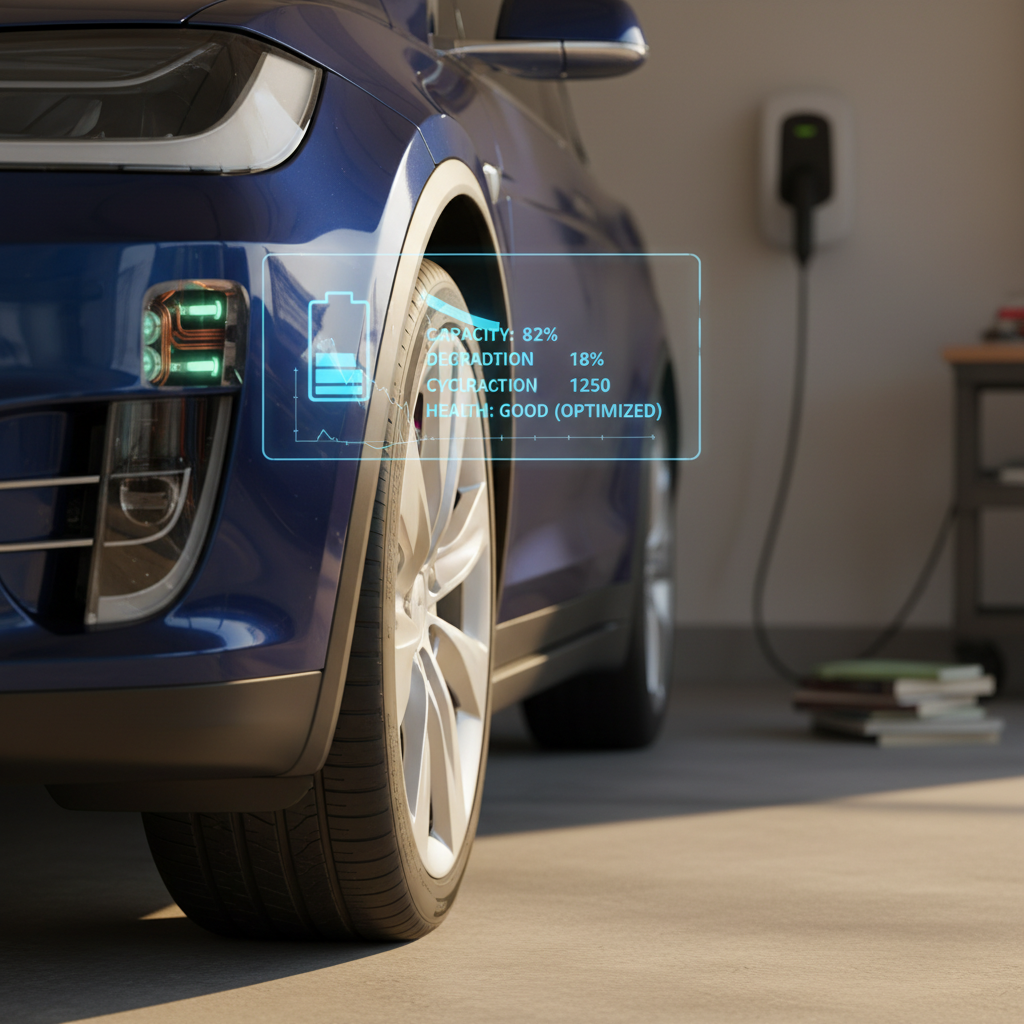
Buyers care less about original range and more about range today. Pack degradation, DC fast‑charging history, and climate exposure all influence real‑world range, and thus value.
Warranty & repair risk
As vehicles age out of Tesla’s factory warranties, fear of a big repair bill weighs heavily on pricing. Extended coverage or documented maintenance can soften that blow.
Tesla pricing strategy
When Tesla slices prices on new Model X inventory, used values typically get marked down in sympathy. Conversely, stable or higher MSRPs support used prices.
Interest rates & credit
Higher borrowing costs push some buyers into cheaper used EVs, while rate cuts can pull shoppers back toward new vehicles, pressuring resale values.
Competition from other EV SUVs
Three‑row EVs from Mercedes, BMW, Kia, Volvo and others will crowd the segment. If they’re deeply discounted new, older Model X values feel that pressure.
Policy & incentive shifts
Changes in federal or state EV incentives can quickly flip the new‑vs‑used value equation. When new EV subsidies shrink, used Teslas often look more attractive.
The wildcard: Tesla’s next big move
How your ownership decisions affect Model X resale
You can’t control macro forces, but you do have a surprising amount of influence over where your specific Model X lands within the market band. Two five‑year‑old Model X SUVs can differ in value by $10,000–$20,000 simply based on how they’ve been cared for and presented.
Practical ways to protect (or boost) your Model X resale value
1. Manage your fast‑charging habits
Heavy DC fast‑charging over many years can stress the battery and reduce range. Favor Level 2 charging at home or work when possible, and reserve fast‑charging for trips. Healthier packs sell for more.
2. Keep detailed service and software records
Buyers of used luxury EVs want transparency. Maintain a digital folder with service invoices, tire replacements, recalls, and key over‑the‑air updates. Organized documentation signals a well‑cared‑for vehicle.
3. Align mileage with the market sweet spot
Staying close to average annual mileage (around 10,000–15,000 miles per year) helps. Very high mileage drags values down; extremely low mileage on an older vehicle can raise questions about long‑term storage or underuse.
4. Preserve the interior and high‑touch surfaces
The Model X’s minimalist cabin shows wear quickly. Fix sagging seat bolsters, deep scratches, and cracked trim. A clean, odor‑free interior can be the difference between average and top‑of‑market pricing.
5. Time your sale around warranty coverage
If you can, aim to sell while major components are still under factory or extended warranty. Buyers will pay a premium to avoid being on the hook for a large surprise repair.
6. Price realistically against non‑Tesla rivals
Cross‑shop your Model X against similarly‑sized EV and plug‑in SUVs, not just other Teslas. If a newer mainstream EV offers similar range and more modern tech for the same money, you may need to adjust expectations.
How Recharged helps here
Ready to find your next EV?
Browse VehiclesSelling or buying a used Model X with Recharged
Because the Model X lives at the intersection of high MSRP, fast‑moving tech, and a volatile EV market, where and how you transact matters. A data‑driven marketplace built for EVs can soften some of that volatility.
Selling or trading in your Model X
If you’re thinking about exiting your Model X before the next depreciation step‑down, Recharged can help you capture its current value while the 2026 rebound is still in play.
- Instant offer or consignment: Get an instant online offer or let Recharged market your Model X to EV‑focused shoppers.
- Battery‑forward story: The Recharged Score highlights verified battery health and inspection findings, which can justify a stronger asking price.
- Nationwide reach: With digital retailing and shipping, you’re not limited to local demand for a high‑end EV SUV.
Shopping for a used Model X
If you’re a buyer, today’s depreciation curve can actually work in your favor, especially if someone else already took the steep first‑owner hit.
- Browse late‑model Model X inventory with transparent pricing and condition reports.
- Compare battery health, mileage, and equipment side by side instead of guessing from generic listings.
- Use Recharged’s EV‑specialist support and financing tools to understand total cost of ownership, not just the monthly payment.
FAQ: Tesla Model X resale value forecast
Frequently asked questions about Model X resale value
Bottom line: Is the Tesla Model X a good long‑term value?
If you’re looking for a vehicle that sheds almost no value, the Tesla Model X isn’t it. Historically it has depreciated sharply in the first three to five years, and even with the 2026 rebound, it remains a high‑dollar, high‑volatility luxury EV. But if you buy smart, letting someone else take that early hit, prioritizing strong battery health, and focusing on the right price rather than the original window sticker, a used Model X can deliver world‑class EV performance and practicality at a fraction of its new cost.
For current owners, the path to a better resale outcome is clear: stay ahead of major price and product moves, maintain your SUV meticulously, document its battery health, and choose the right selling partner. If you’re considering selling or trading, or if you want to step into a used Model X with eyes wide open, Recharged is built to make that process transparent, data‑driven, and as painless as possible.