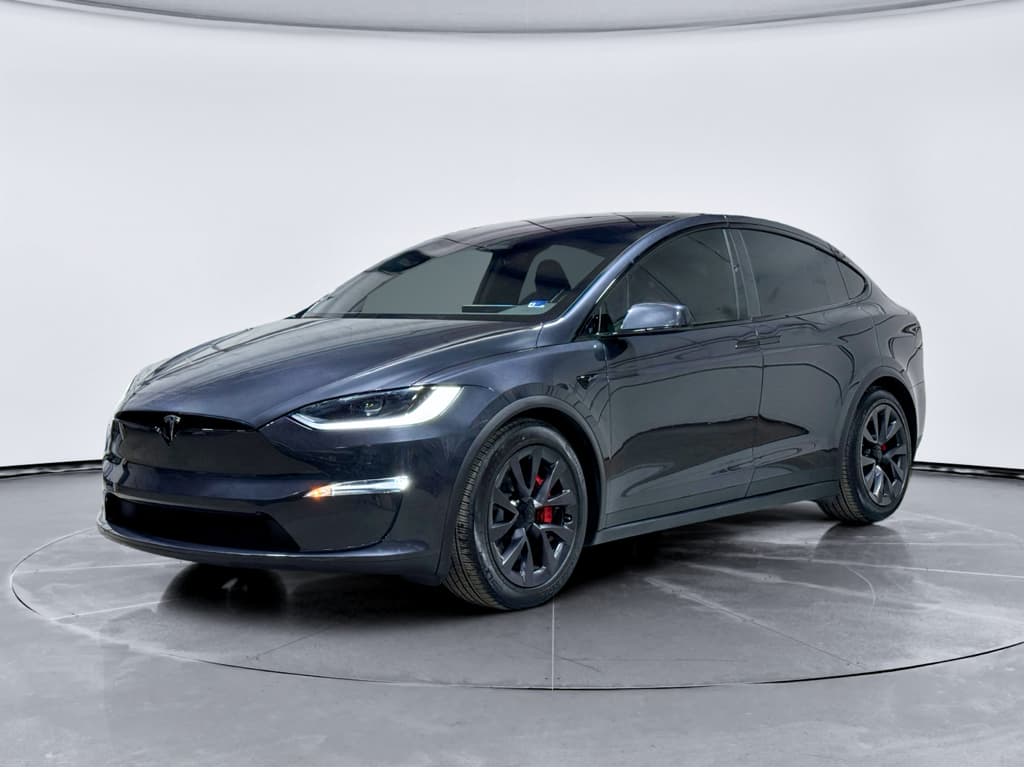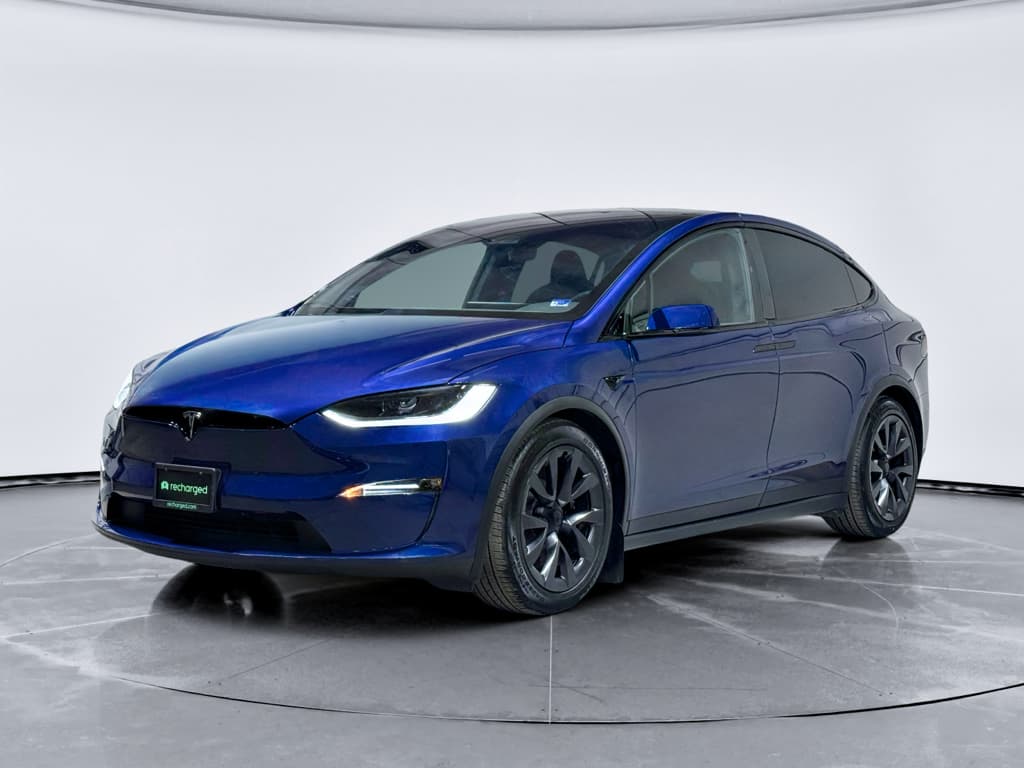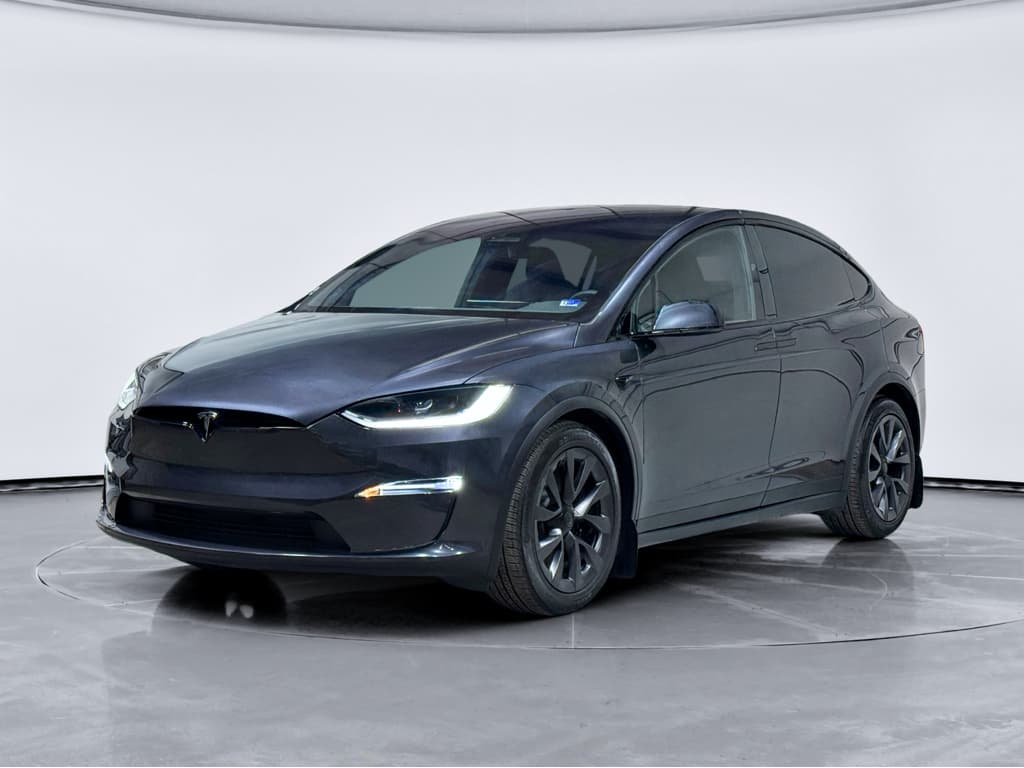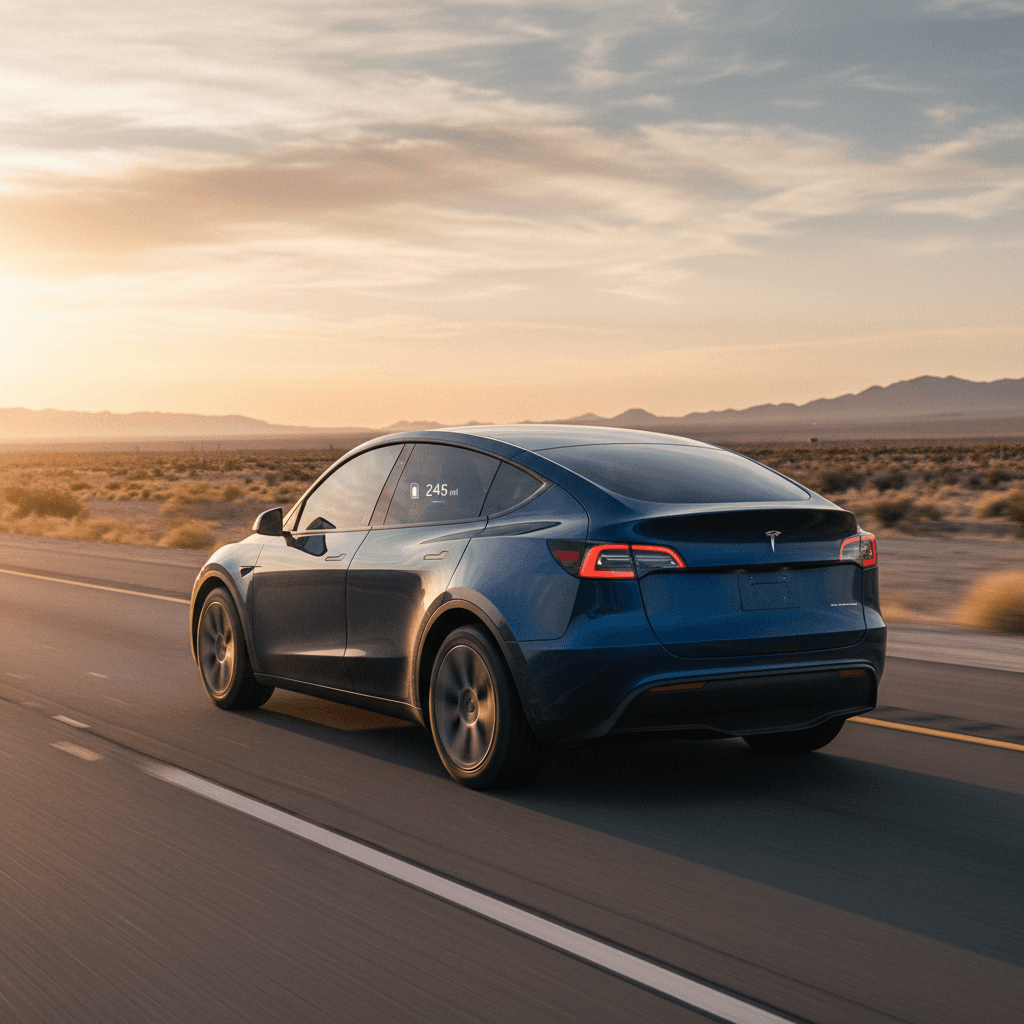
If you’re looking at a Tesla Model X, you’ve probably seen the big EPA range numbers, up to around 335–352 miles for recent dual‑motor models. Impressive on paper, but what most shoppers really care about is the real-world Tesla Model X range on the highway, driving 70–80 mph with family, luggage and climate control running.
Quick answer: Model X highway range
Why real-world Model X highway range matters
The Model X is a big, heavy, fast electric SUV. That combination makes it fantastic for hauling people and gear in comfort, but it also makes it the least efficient Tesla in the lineup. Typical energy use for a recent Model X on the highway is in the ballpark of 360–390 Wh/mi for dual‑motor models and a bit more for Plaid, especially at higher speeds. That’s still competitive with other luxury electric SUVs, but it means you can’t treat the EPA number as a guaranteed highway road‑trip range.
Headline numbers for Tesla Model X range
EPA range vs real-world on the highway
Tesla quotes an EPA-estimated range for each Model X configuration. As of early 2026, the U.S. order page lists roughly 335 miles for Plaid and 352 miles for the dual‑motor Model X with the most efficient wheel options. Those numbers come from a standardized lab test with relatively gentle acceleration, modest highway speeds and a specific city/highway mix.
Real life looks different. U.S. interstates are commonly driven at 70–80 mph, you’ll almost always have climate control running, and you’re often carrying people and cargo. Independent 75‑mph tests of recent Model X dual‑motor models have recorded highway ranges around 300 miles from a full charge, a roughly 15% drop from the 352‑mile EPA figure. Owner trip reports line up: highway‑heavy drives at 70+ mph typically land in the 290–310 mile range on a fresh battery with 20" wheels in mild weather.
A simple mental rule
How far can a Tesla Model X go on the highway?
Highway range depends heavily on which Model X you’re talking about. Tesla has sold multiple battery and motor configurations since 2016, and wheel size makes a bigger difference than many people realize. To keep things practical, let’s focus on the current‑generation dual‑motor and Plaid models (roughly 2021–2026), which share the same basic battery pack.
Approximate real-world highway range by configuration
Typical ranges assume steady 70–75 mph in mild weather, starting from 100% to near empty. Individual results will vary.
| Model & era | Wheels | EPA rating (approx) | Typical 70–75 mph highway range | Notes |
|---|---|---|---|---|
| Dual‑motor (2023–2026) | 20" | ~352 mi | ~300–310 mi | Best‑case efficiency; careful driving at 70 mph can land near the top of this band. |
| Dual‑motor (2023–2026) | 22" | ~330–335 mi | ~270–290 mi | Larger wheels and performance tires add aero and rolling losses. |
| Plaid tri‑motor (2023–2026) | 20" | ~335 mi | ~270–300 mi | More powertrain loss at high speed; still capable of ~300 mi with gentle driving. |
| Plaid tri‑motor (2023–2026) | 22" | Low 300s mi | ~240–270 mi | Fast cruising (75–80 mph) plus 22" wheels can put you at the lower end. |
| Older Raven/Long Range (2019–2021) | 20" | High 200s–low 300s mi | ~260–290 mi | Less efficient than latest models but similar pack size; age and degradation matter. |
Recent Model X variants and realistic highway range expectations.
EPA changes have trimmed ratings
What actually eats range at 70–80 mph
Six big factors that cut Model X highway range
Understanding these helps you predict, and control, your real-world range.
1. Speed
2. Weather & HVAC
3. Wheels & tires
4. Weight & cargo
5. Elevation & wind
6. Battery temp & state of charge
Easy highway range wins
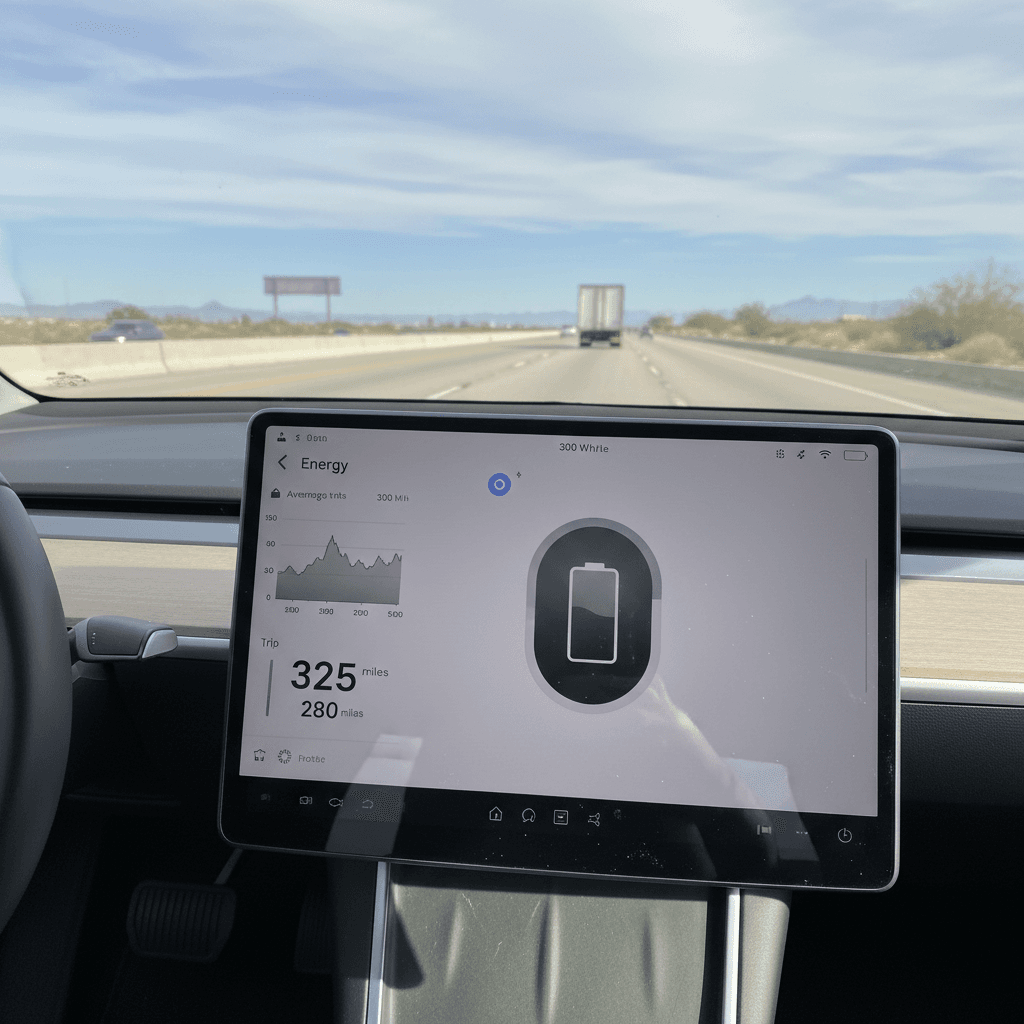
Highway range by driving scenario
Mild-weather road trip at 70 mph
Picture a spring or fall interstate drive, 65–72 °F, 20" wheels, two adults, light luggage, steady 70 mph on mostly flat ground.
- Energy use: ~340–360 Wh/mi for a recent dual‑motor Model X
- Usable highway range: roughly 290–310 miles from 100% down to low single digits
- Typical stop pattern: Every 2.5–3.5 hours to charge, depending on how low you’re comfortable going
Fast-lane run at 80 mph
Now imagine the same car, but you’re sitting in the left lane at an indicated 80 mph with 22" wheels.
- Energy use: often 400–430 Wh/mi or more
- Usable highway range: more like 220–260 miles from full to near empty
- Typical stop pattern: Every 2–2.5 hours, with a longer charge per stop if you want to keep SOC high
Approximate range in common Model X highway scenarios
Rounded figures for a healthy, recent dual‑motor Model X. Your numbers may vary, but the relationships hold.
| Scenario | Speed & conditions | Estimated consumption | Approximate usable highway range |
|---|---|---|---|
| Efficient cruise | 65–70 mph, mild weather, 20" wheels, light load | ~330–350 Wh/mi | ~310–330 mi |
| Typical U.S. highway | 70–75 mph, mild weather, 20" wheels, family + luggage | ~350–380 Wh/mi | ~280–310 mi |
| Performance look | 75–80 mph, 22" wheels, warm weather, light load | ~400–420 Wh/mi | ~230–260 mi |
| Winter trip | 70–75 mph, around freezing, heat on, 20" wheels | ~400–430 Wh/mi | ~230–270 mi |
| Worst case combo | 75–80 mph, sub‑freezing, 22" wheels, full load, headwind | 450+ Wh/mi | <220 mi |
Think in terms of conditions and driving style, not a single magic range number.
Watch out for winter at highway speeds
Used Model X: battery health and degradation
If you’re shopping for a used Model X, the obvious question is: how much range has it lost compared with new? Real‑world data across Teslas suggests that most packs lose around 5–10% in the first 100,000 miles, then degrade more slowly after that, assuming normal use and charging habits. Individual cars can do better or worse, but big sudden losses are rare unless there’s a specific issue.
How battery health changes real-world highway range
Same conditions, different battery health levels on a dual‑motor Model X.
Near-new pack (~0–5% loss)
Typical used pack (~10% loss)
Higher-mileage pack (~15%+ loss)
How Recharged helps on used Model X range
Ready to find your next EV?
Browse VehiclesPlanning a road trip in a Model X
Road-trip planning checklist for realistic Model X range
1. Start from the right EPA baseline
Look up your exact Model X trim, year and wheel size in the Tesla app or on Tesla’s site, then mentally assume <strong>~80–85% of that EPA number</strong> as your gentle‑driving highway range in good weather.
2. Adjust for winter or extreme heat
If you expect freezing temps with cabin heat on, or desert heat with strong A/C, reduce your assumed highway range another <strong>15–25%</strong>. That may sound aggressive, but it keeps you on the safe side.
3. Use the built-in Trip Planner
Tesla’s navigation will plot Supercharger stops and estimate arrival state of charge based on speed limits, elevation and weather. Treat it as a smart baseline, but don’t be afraid to slow down or add a stop if margins look thin.
4. Target 10–20% arrival at chargers
Planning to arrive at Superchargers with <strong>around 10–20%</strong> allows some margin for traffic, weather and detours, and it keeps you in the fastest part of the charging curve for your next leg.
5. Prefer 20" wheels for highway trips
If you have a choice between 20" and 22" wheels and you’re putting in serious highway miles, the 20s are the more rational pick. Over a full trip, they can easily save you one charging stop.
6. Pack smarter for aero
Roof boxes and bike racks hammer aero on a Model X. If you can fit gear inside, do it. If you can’t, treat your EPA‑based highway range estimates as optimistic and leave extra buffer between stops.
Charge time vs range: don’t chase 100%
Model X vs other electric SUVs on the highway
The Model X isn’t the most efficient EV out there, but it’s still one of the better highway choices among big three‑row electric SUVs. Its official range is typically higher than German rivals from Mercedes, BMW and Audi, and only a few newer entries like the Rivian R1S or upcoming Lucid Gravity match or beat its combination of capacity and usable highway range.
How Model X highway range compares to key rivals
High-level comparison of EPA or WLTP figures and realistic highway expectations for large electric SUVs.
| Model | Official range (approx) | Realistic 70–75 mph highway range | Notes |
|---|---|---|---|
| Tesla Model X dual-motor | ~335–352 mi EPA | ~280–310 mi | Among the best for highway road trips, with dense Supercharger coverage. |
| Tesla Model X Plaid | Low–mid 300s mi EPA | ~240–300 mi | More performance loss at speed, especially on 22" wheels. |
| Rivian R1S Max Pack | ~400+ mi est. | ~320–340 mi | Very strong range; efficiency similar or slightly worse than X due to shape and weight. |
| BMW iX xDrive50 | Low–mid 300s mi EPA/WLTP | ~260–290 mi | Efficient for its size but smaller pack than X in many configs. |
| Mercedes EQS SUV | Low 300s mi EPA | ~250–280 mi | Comfortable cruiser; charging curve and network access are key differences. |
For road trips, usable highway range and charging network access matter more than spec-sheet bragging rights.
Network matters as much as range
Frequently asked questions about Model X highway range
Model X real-world highway range FAQs
Bottom line on Model X real-world highway range
The Tesla Model X’s official numbers, well over 300 miles of EPA range, tell only part of the story. On real U.S. highways at realistic speeds, most drivers should plan around roughly 260–310 miles of usable highway range on a recent dual‑motor Model X, and a bit less on Plaid or 22" wheel setups. Weather, wheels, speed, load and battery health all matter, but the good news is that once you understand those variables, the Model X is one of the more predictable long‑distance EVs you can buy.
If you’re cross‑shopping new and used, don’t just compare window‑sticker EPA figures. Compare real-world highway range in the context of your routes, climate and driving style, and make sure you have clear battery‑health data on any used example you’re considering. Recharged was built around exactly that problem: pairing detailed battery diagnostics and transparent pricing with EV‑specialist support, so your first (or next) Model X feels like a confident highway companion, not a rolling range‑anxiety experiment.