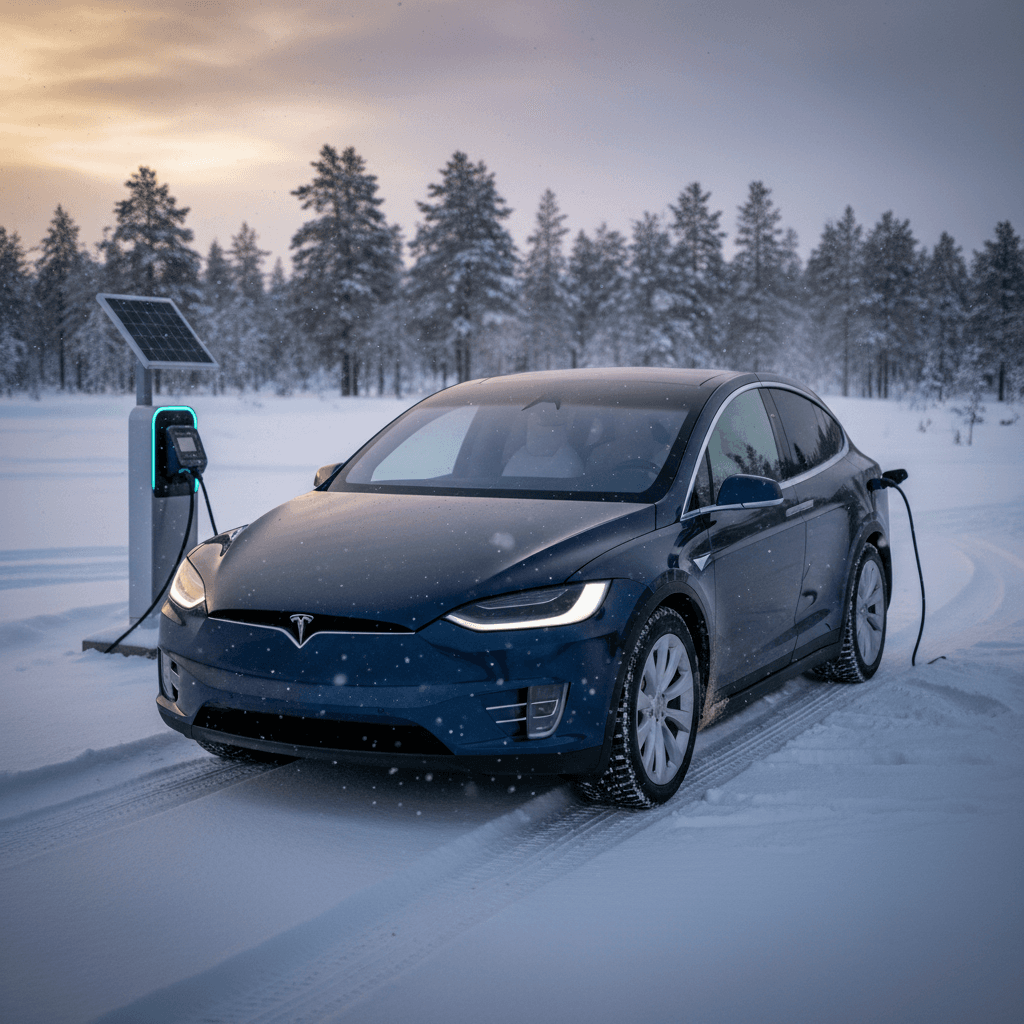
If you live where winter actually feels like winter, you’ve probably heard scary stories about Tesla Model X range in cold weather. Numbers like “half the range” get tossed around in forums and at charging stations. The truth is more nuanced: cold absolutely cuts into range, but how much depends heavily on temperature, speed, and how you use the car’s features.
Quick takeaway
Overview: Model X range in cold weather
Let’s put some plain-English boundaries around what you can expect from a Model X in cold weather. For this article, we’ll focus mainly on 2021+ Long Range and Plaid Model X, but the principles apply to earlier years too.
Tesla Model X winter range snapshot
Those numbers might look sobering, but remember: winter slams gas cars too, just in more subtle ways at the pump. The advantage with Tesla is that you see the impact in real time and can plan around it.
How much range you’ll actually lose in winter
Instead of one scary headline number, it’s more useful to think in bands: mild, typical winter, and harsh cold. These examples assume a healthy-battery Model X Long Range driven from a full charge down to about 10% remaining.
Tesla Model X winter range by temperature (rule-of-thumb)
Approximate real-world range from 100% to 10% state of charge for a healthy Model X Long Range, assuming steady driving and relatively calm wind.
| Conditions | Temp & Trip Type | Approx. Usable Range | Estimated Loss vs. EPA |
|---|---|---|---|
| Cool, not brutal | 40–50°F, mix of city & highway | 270–290 miles | 5–15% |
| Typical winter | 25–35°F, highway at 70–75 mph | 230–260 miles | 20–30% |
| Deep freeze | 0–20°F, highway at 70–75 mph | 190–230 miles | 30–40% |
| Worst case | Below 10°F, lots of 5–10 minute trips | 150–190 miles equivalent | 40–50%+ on energy use |
Use these as planning guides, not promises, local conditions and driving style can move you up or down a band.
Don’t plan winter trips on the EPA number
Independent winter tests and large‑fleet data have consistently found that most EVs, especially those with heat pumps like newer Teslas, retain roughly 75–85% of their rated range around freezing. The outliers on the low end are usually doing lots of short hops with the cabin and battery starting from cold over and over again.
EPA range vs real-world Model X winter range
EPA range is measured under controlled conditions, at moderate temperatures, and on a standardized drive cycle. It’s useful for comparing vehicles, but it’s not a promise. Winter flips most of those friendly assumptions on their heads.
EPA range vs real-world winter range in a Model X
Think of EPA as the ruler; winter is the real-world project you’re measuring.
What EPA range assumes
- Mild temperatures, roughly room temperature.
- Gentle driving with modest acceleration.
- Limited accessory use, no blasting the heat on full.
- Battery already in an efficient temperature zone.
What winter actually looks like
- Cold-soaked battery after sitting outside or overnight.
- Cabin heating pulling several kilowatts at first.
- Higher rolling resistance from cold tires and snow.
- Faster highway speeds to keep up with traffic.
On a 2022–2026 Model X Long Range, an EPA rating in the low-300s miles often turns into something like 230–260 miles on a sub‑freezing road trip if you drive 70–75 mph and keep the cabin comfortable. If you slow down a bit and precondition properly, you can nudge that number upward.
Use the in-car energy graph, not just the big range number
Why cold weather hurts EV range
Three main villains gang up on your Model X in cold weather: battery chemistry, cabin heating, and physics. None of them care how big your SUV is or how expensive it was.
- Battery chemistry slows down in the cold. Lithium‑ion cells simply don’t like low temperatures. Internal resistance rises, which means you get less usable energy out of the pack until it warms up. This is why a cold-soaked X often shows high consumption for the first 15–20 minutes.
- Cabin heat is running on battery power. Unlike a gas engine that throws off plenty of waste heat, your Tesla has to generate heat on purpose. Newer Model X SUVs use an efficient heat pump, but when it’s really cold or you demand toasty-cabin temps quickly, the system can still draw several kilowatts.
- Everything else gets harder to move. Cold air is denser (more drag), tires stiffen and can be rolling through slush or snow (more resistance), and winter wheels/tires are often heavier. All of this adds up to higher energy use per mile.
Temporary vs permanent range loss
Model X generations, heat pumps, and winter performance
Not all Model X SUVs behave the same way in January. Tesla has steadily improved motors, inverters, and, crucially, the HVAC system. If you’re shopping for a used Model X in a cold climate, this matters a lot.
Model X generations and cold-weather behavior
High-level view of how different Model X eras handle winter driving.
| Model Years | Key Hardware | Winter Range Behavior | What to Know |
|---|---|---|---|
| 2016–2019 (pre-refresh) | No heat pump, older motors | Solid winter performance but larger percentage losses in deep cold, especially on short trips. | Budget for more preconditioning and more frequent fast charging on road trips. |
| 2020 (transition years) | Efficiency tweaks, still no heat pump | Slightly better efficiency, but still relies on resistive heat more often. | Treat winter planning like earlier cars, but expect modestly better results. |
| 2021–2026 (refresh) | Re-engineered interior, heat pump system | Generally better winter efficiency, especially on longer drives once battery and cabin are warm. | Many owners report being near the 10–25% loss band on trips when driven reasonably. |
Exact range will vary, but these patterns hold up across many owner reports.
Heat pump is your winter ally
At Recharged, the Recharged Score on a used Model X includes verified battery health and real-world range indicators. That means you’re not guessing how a six‑ or eight‑year‑old pack will behave when the first snow hits, you see how it’s doing today.
City vs highway: How your winter driving style changes range
Cold weather doesn’t treat all trips equally. A Model X running steadily down the interstate is a very different story from a Model X doing school runs and grocery trips in February.
Highway winter driving
- Steady speeds help the car settle into a predictable efficiency band.
- Battery and cabin stay warm, so initial heating penalty is spread over many miles.
- At 65 mph you’ll often see noticeably better range than at 75–80 mph.
- Great use case for Scheduled Departure and Supercharger preconditioning.
Short-trip winter driving
- Every cold start means the car has to re-heat the pack and cabin.
- Five 10‑minute trips can use far more energy than one 50‑minute trip.
- Range display may plummet early, then stabilize as things warm up.
- Preheating while plugged in is critical if you do lots of short hops.
Where those scary 40–50% loss stories come from
Practical strategies to extend Model X range in the cold
You can’t negotiate with physics, but you can stack the deck in your favor. These are the habits that make the biggest difference to Tesla Model X range in cold weather.
Winter range checklist for Tesla Model X owners
1. Precondition while plugged in
Set <strong>Scheduled Departure</strong> in the app so the cabin and battery are warm just before you leave. This moves a lot of heating load off the battery and onto your home power, preserving range for the road.
2. Use seat and steering wheel heaters first
Seat heaters use far less power than blasting cabin heat. Start by turning on seat and wheel heat, then set the cabin temperature a bit lower than you would in a gas SUV.
3. Dial back highway speeds
On winter road trips, dropping from 78 mph to 68–70 mph can easily save you <strong>10–15% energy</strong>, sometimes more in dense cold air. That’s the difference between one extra charging stop and getting home.
4. Keep tires properly inflated
Cold air drops tire pressure, which increases rolling resistance and hurts range. Check pressures regularly in winter and keep them near Tesla’s recommended PSI when the tires are cold.
5. Clear snow and ice before driving
Snow on the roof, hood and wheel arches adds drag and weight. Take the couple of minutes to brush and knock it off, you’ll reduce road noise and save energy.
6. Use navigation to a Supercharger
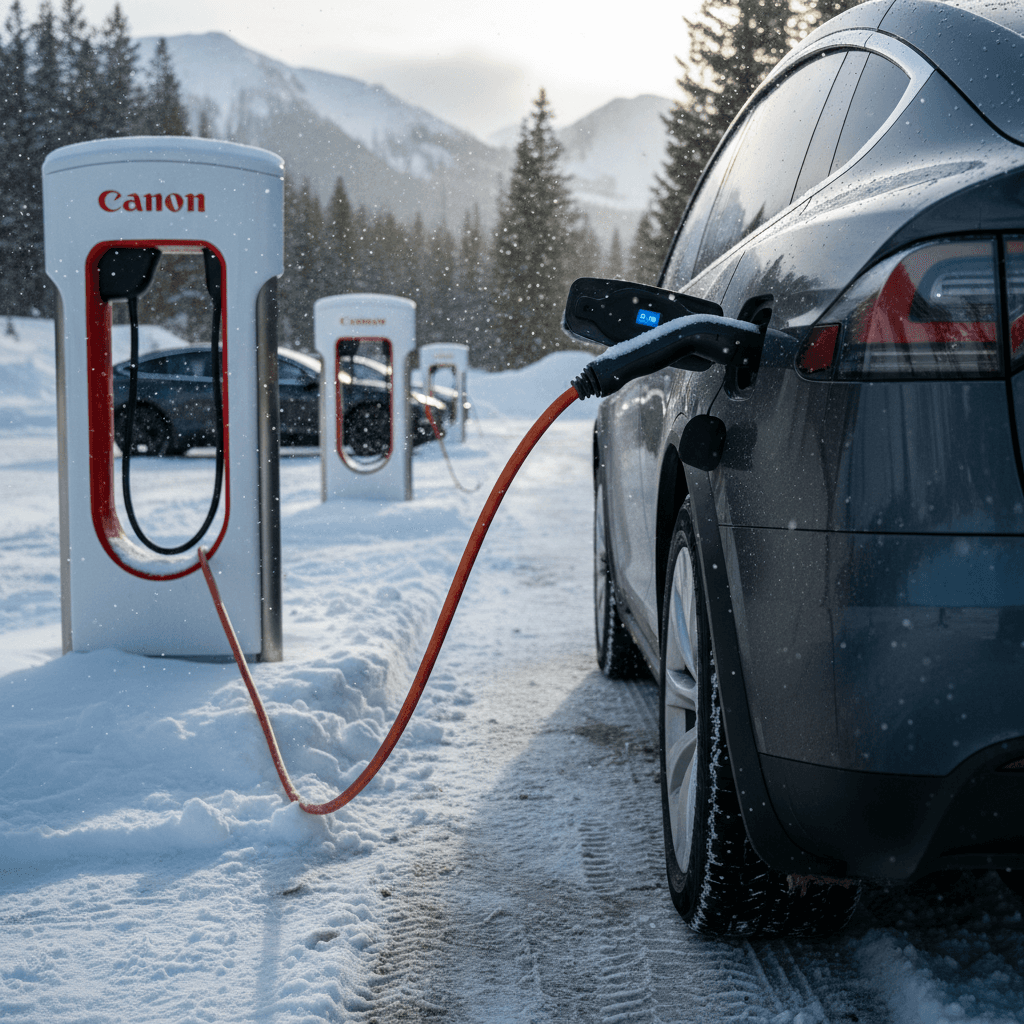
When you set a Supercharger as your destination, your Model X <strong>preconditions the battery</strong> on the way. That’s crucial in winter to avoid painfully slow fast‑charging sessions with a cold pack.
When to use Range Mode–style habits
Planning winter road trips in a Model X
Road trips are where cold weather range matters most, and where the Model X is actually easiest to live with in winter. The big battery, fast Supercharging, and smart trip planner all work in your favor. You just need to give the car honest inputs.
Three pillars of stress-free winter road trips
Think like a pilot: plan conservatively, verify often, and adjust early.
1. Plan with a winter buffer
In real winter (below ~32°F), assume your usable range is about 70–80% of EPA for planning. If your X is rated at 330 miles, think in terms of 230–260 miles, then let Tesla’s nav refine that as you go.
2. Trust, but verify, the trip planner
Plug in your destination and watch the arrival SOC estimate. If it drops faster than expected in the first 30–40 miles, slow down a bit or plan one more quick charging stop.
3. Prioritize covered or busy Superchargers
In snow country, favor busier Superchargers where other cars’ use helps keep stalls warmer and cleared of snow. Apps and the Tesla map will show you live stall use and amenities.
Watch for snow‑blocked chargers
If you’re planning your first big winter trip in a used Model X you just bought, this is where buying from a company that understands EVs matters. Recharged customers can lean on EV‑specialist support to sanity‑check winter routing, charging spacing, and how aggressive to be with buffers for your specific car and climate.
Winter range considerations for used Model X buyers
If you’re eyeing a used Tesla Model X and you live where the snowplows get a workout, winter range shouldn’t scare you off, but it should shape what you shop for and how you evaluate the car.
- Battery health matters more in the cold. A pack that’s already lost 10–15% of its original capacity will feel that loss most on winter road trips, when every kilowatt‑hour counts.
- Heat pump vs resistive heat. If winter is a big part of your driving life, strongly consider 2021+ heat‑pump Model X or price in the extra energy use of an older one.
- Wheel and tire setup. Big 22‑inch wheels and aggressive winter tires look great but cost you efficiency. A 20‑inch wheel with a more moderate winter tire can easily be worth several percentage points of range.
- Charging access at home. In cold climates, Level 2 home charging is almost mandatory. It lets you precondition while plugged in and start each day with a warm(er) battery.
How Recharged helps winter-proof your purchase
Ready to find your next EV?
Browse VehiclesFAQ: Tesla Model X range in cold weather
Frequently asked questions about Model X winter range
Bottom line: Driving a Model X through winter
Cold weather absolutely trims back Tesla Model X range, but it doesn’t turn the car into a hibernating diva. Once you understand that a 300‑plus‑mile SUV behaves more like a 220–260‑mile SUV on a freezing highway, and maybe closer to 180–200 miles in deep cold or with lots of short trips, you can plan around those numbers and get on with your life.
If you’re shopping used, the key is knowing which Model X you’re getting and how its battery has aged. That’s why Recharged builds every sale around a Recharged Score Report with verified battery health, fair pricing and EV‑savvy support from first click to delivery. Winter is just another season; with the right information, and the right car, you’ll be watching the snow, not the range gauge.