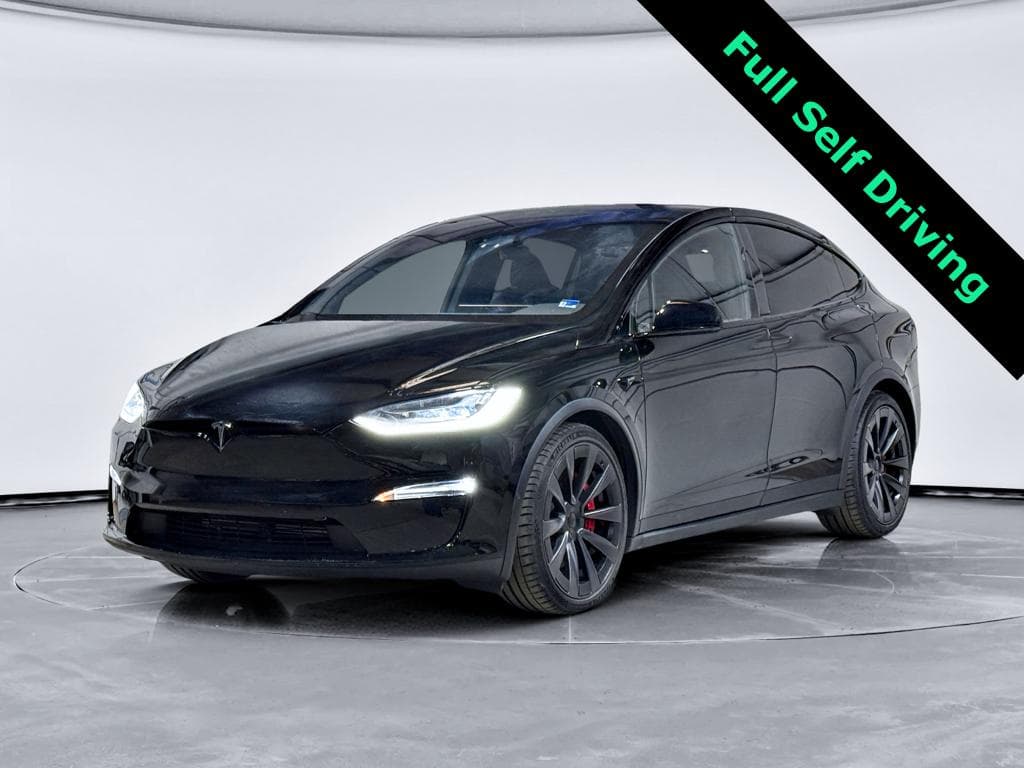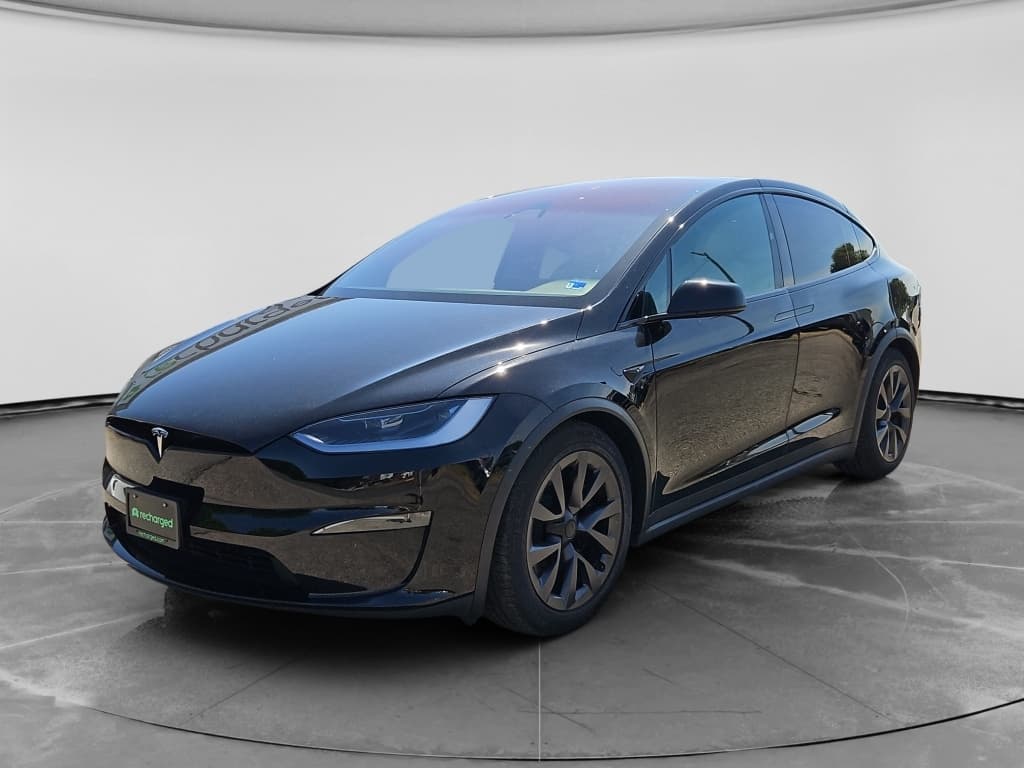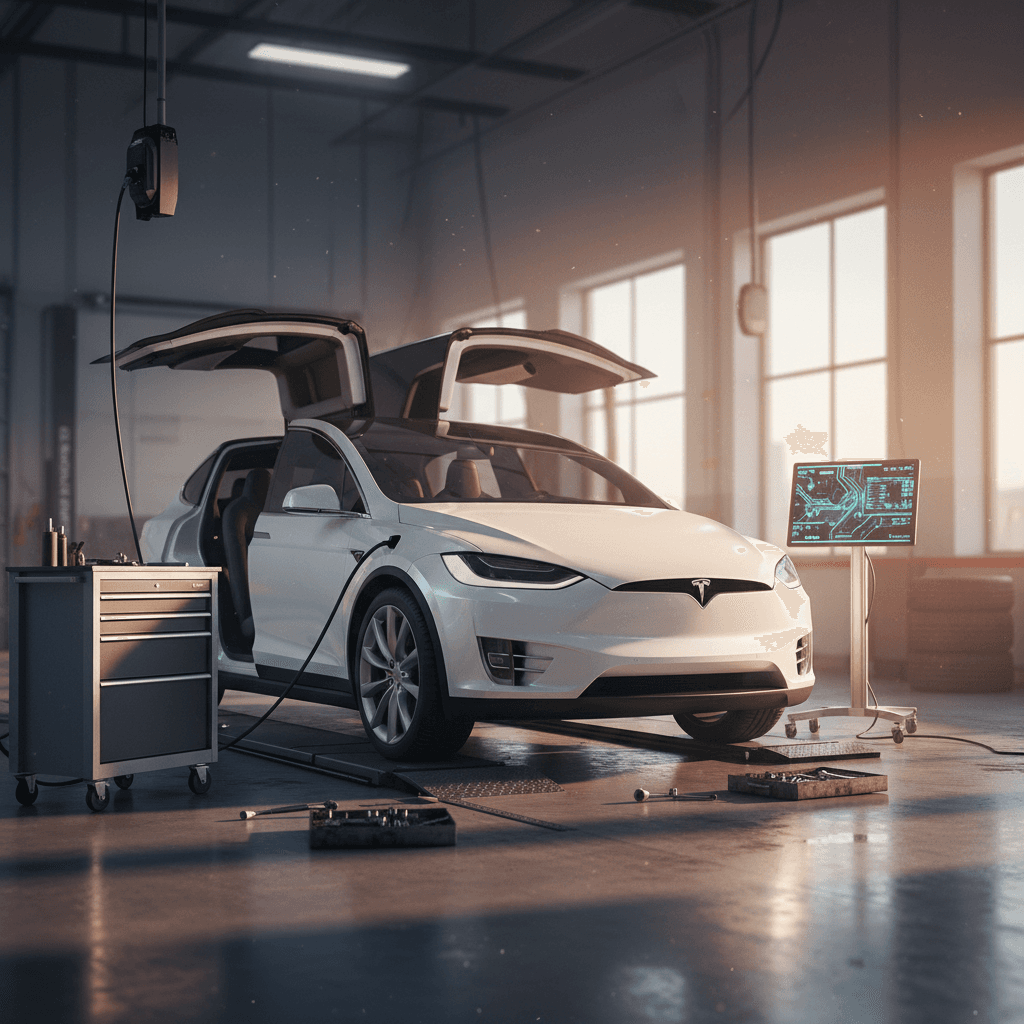
If you’re eyeing a Tesla Model X, you already know it’s not a cheap date. The question that really matters is what it costs to keep happy once it’s in your driveway. The good news: Tesla Model X maintenance cost is usually lower than a comparable gas luxury SUV. The catch is in the details, tires, suspension, and the occasional eye-watering repair if you’re unlucky.
Quick takeaway
Tesla Model X maintenance cost at a glance
How much does a Tesla Model X cost to maintain per year?
Strip away the drama and the Tesla Model X maintenance cost per year is surprisingly ordinary for such an extroverted machine. Across recent model years (new and gently used), most owners should expect something like this under normal U.S. driving of 12,000–15,000 miles per year:
Estimated Tesla Model X maintenance costs (typical U.S. driving)
These are planning numbers for routine maintenance and wear items, not crash repairs or major out‑of‑warranty failures.
| Timeframe | Low estimate | High estimate | What it usually covers |
|---|---|---|---|
| Per year | $650 | $750 | Tire rotations, filters, wiper blades, tire wear, occasional alignment and brake service |
| 5 years | $3,250 | $3,750 | Two full sets of tires on heavier drivers, multiple rotations, filters, brake fluid check, small fixes |
| 10 years | $7,000 | $10,000+ | Tires, filters, brake service and the odd repair once the car is out of warranty |
Real-world spend will skew higher if you drive hard, tow often, or live somewhere that eats tires and suspension.
Reality vs spreadsheets
What actually drives Model X maintenance costs
Unlike a German V8 SUV, the Model X doesn’t have a lot of scheduled mechanical busywork. No engine oil, no transmission service, no timing chains. Most of what you’ll pay for falls into a few boring but important buckets:
The big levers behind your Model X maintenance cost
Think in systems: tires, brakes, suspension, climate, and software.
Weight & wheels
A Model X is heavy and often rides on massive 20–22" wheels with sticky, EV‑specific rubber. That means:
- Faster tire wear than a compact EV
- More expensive tire sizes
- Alignment matters more to avoid uneven wear
Driving style
Use the instant torque all the time and you’ll grind through tires. Drive smoothly and:
- Regenerative braking saves pads and rotors
- Tires last closer to 35,000–40,000 miles
- Suspension bushings live a calmer life
Climate & roads
Road salt, heat, potholes and gravel all add cost:
- Brake caliper service in salty states
- More frequent alignments on bad roads
- Cabin filters clog faster in dusty cities
Suspension & doors
Air suspension and the Falcon Wing rear doors are engineering theater. Beautiful, but:
- More moving parts than a Model Y
- Higher out‑of‑warranty repair potential
- Alignment and bushing wear to watch
Mileage & usage
15,000 miles a year with road trips is a different world from 6,000 miles of school runs:
- High‑milers will buy tires more often
- More rock chips, more wear on seals
- More time on fast chargers = more inspections
Software & support
Tesla’s app‑based service and OTA updates don’t cost much by themselves, but:
- They catch small faults early
- Fewer “service packages,” more pay‑as‑you‑go
- Mobile service saves you a lot of time
Don’t confuse maintenance with repairs
Tesla Model X service schedule: what’s really required
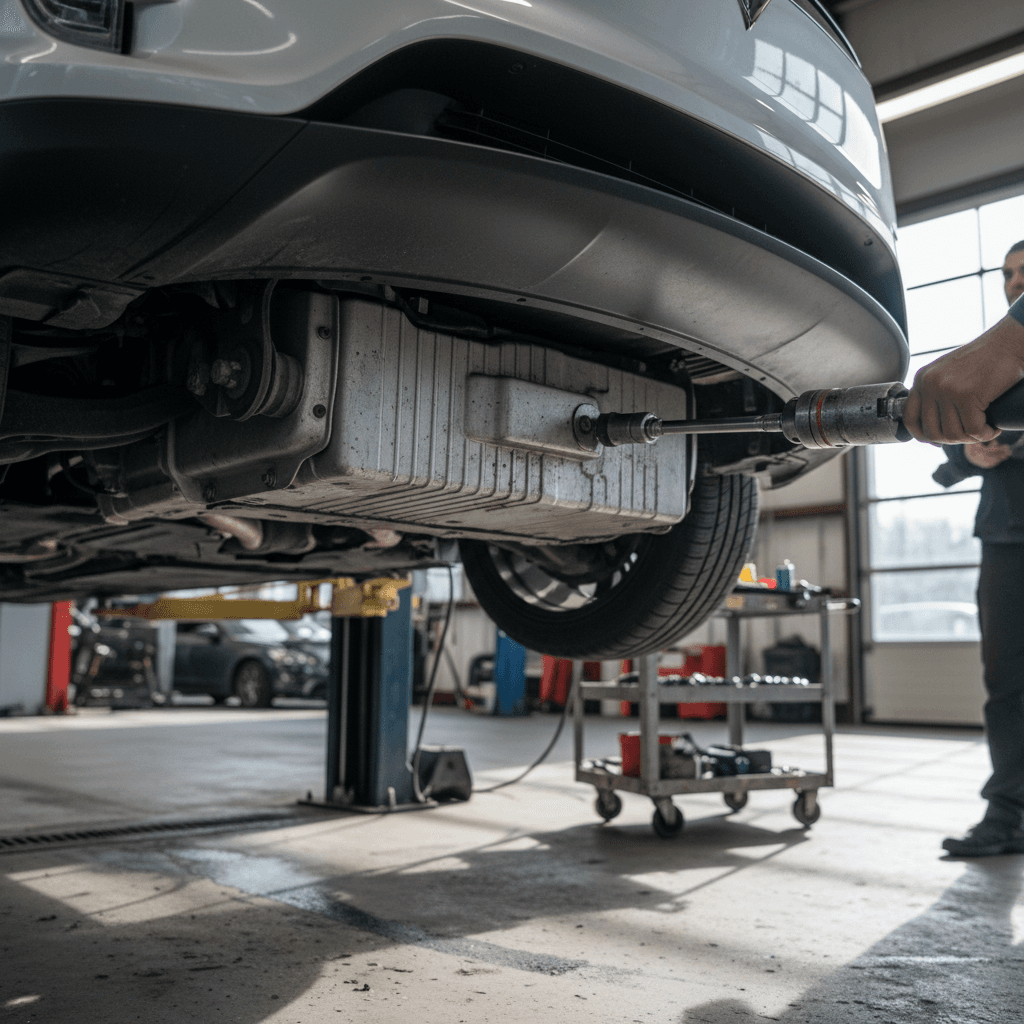
Tesla quietly killed the old-school idea of 30k/60k/90k service menus. For the Model X, the official guidance boils down to a short list of inspections and wear items. Here’s the gist of what Tesla recommends for continued reliability and efficiency:
- Tire rotation: About every 6,250 miles or when tread depth differs by 2/32" between tires.
- Brake fluid check: Every 4 years; replace only if the fluid fails a moisture/health test.
- Cabin air filter: Typically every 3 years on Model X, more often if you drive in dusty or polluted areas.
- HEPA / carbon filters (for equipped cars): About every 3 years.
- Wiper blades: Every year, or when streaking begins.
- Brake caliper cleaning & lubrication: Annually or every 12,500 miles in regions that use road salt.
- General inspection: Suspension, steering, lights, HVAC, and underbody checks as needed.
What you won’t see on the service menu
Model X tires, brakes and other wear items
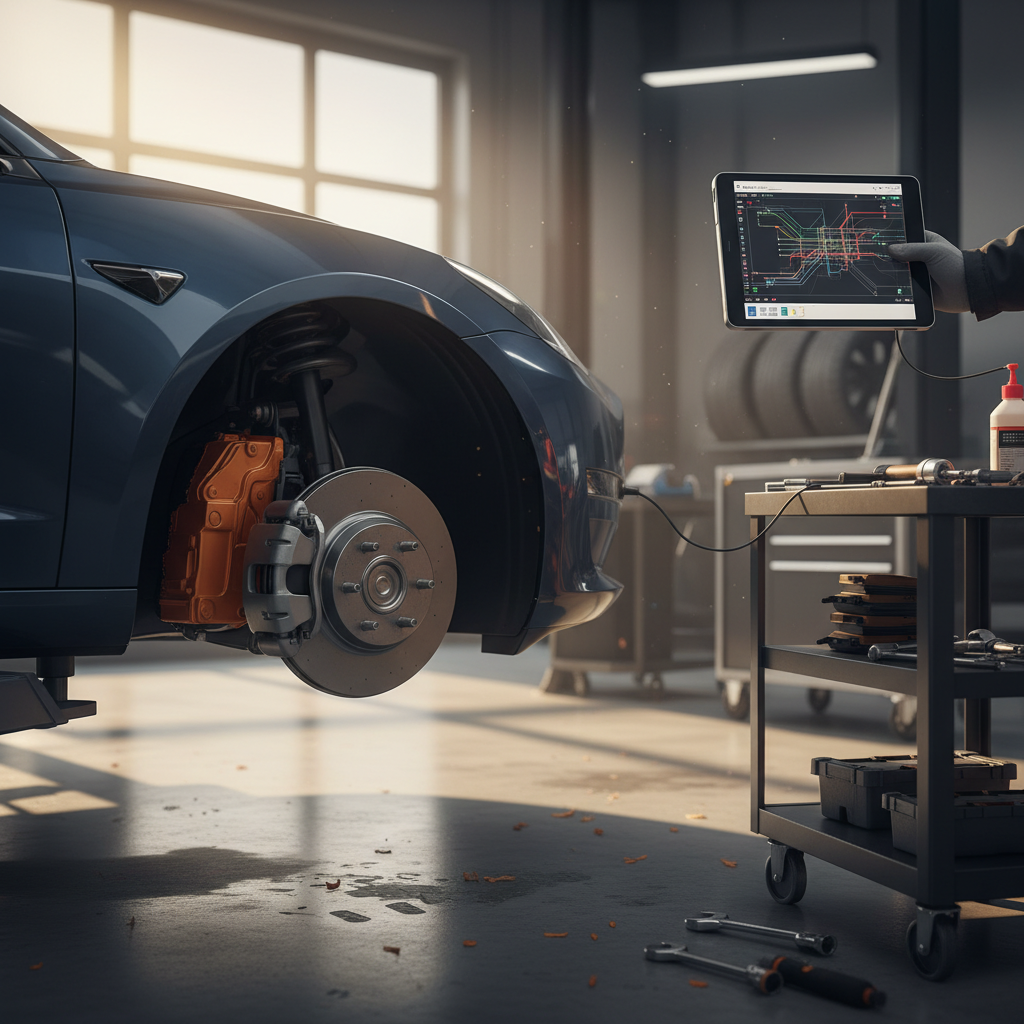
If you want to understand Tesla Model X maintenance cost, follow the rubber. Tires are the star of this particular show, with brakes, wipers and filters playing supporting roles.
Typical Tesla Model X wear-item costs (U.S., 2025)
Approximate retail pricing for common wear items on a Model X. DIY, independent shops, and location can move these numbers up or down.
| Item | Typical interval | Rough cost range | Notes |
|---|---|---|---|
| Tire rotation | 6,250 miles | $50–$120 | Often bundled with inspection or alignment; some owners DIY. |
| Full set of tires | 30,000–40,000 miles | $2,000–$2,500 installed | Large 20–22" EV‑rated tires; performance compounds cost more. |
| Wheel alignment | As needed, often yearly | $150–$250 | Cheap insurance against chewing through a set of tires early. |
| Brake pads & rotors | Often 80,000–120,000+ miles | $600–$1,200/axle | Regenerative braking means far slower wear than gas SUVs. |
| Cabin air filter | Every 3 years | $75–$200 | Lower end for DIY parts, higher for service-center install. |
| HEPA / carbon filter set | Every 3 years | $200–$400 | Applies to cars equipped with the Bioweapon Defense Mode system. |
| Wiper blades | Yearly | $40–$120 | Depends on OEM vs aftermarket and whether you pay for install. |
Think in terms of intervals: every 6k–7k miles for rotations, 30k–40k miles for tires, every few years for filters and fluids.
Tire strategy matters more than you think
Maintenance vs repairs: the big-ticket Model X items
Maintenance is the stuff you can circle on a calendar. Repairs are the surprises. Newer Model X SUVs under warranty tend to be inexpensive to keep on the road; the risk creeps up as the car ages, miles stack up, and the factory coverage sunsets.
Routine maintenance (predictable)
- Tire rotations and eventual replacement
- Cabin and HEPA filter changes
- Brake fluid checks every 4 years
- Wipers, washer fluid, small trim fixes
- Occasional alignment or suspension check
These are the items behind that $650–$750/year planning number.
Repairs & out-of-warranty surprises
- Air‑suspension components (compressor, struts)
- Falcon Wing door sensors or actuators
- HVAC issues, door seals, window regulators
- Paint and bodywork (especially post‑collision)
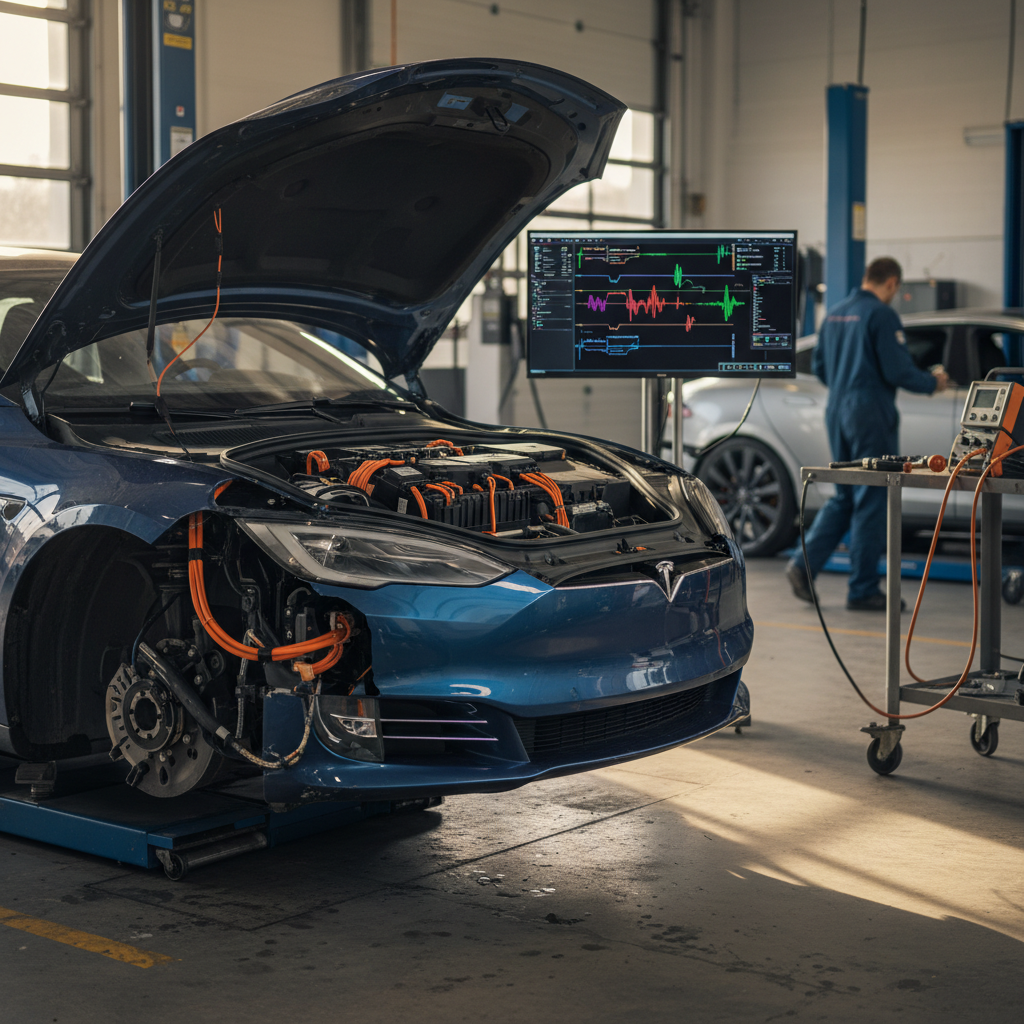
- Rare battery or drive‑unit issues outside warranty
These are uncommon but can quickly turn a cheap year into an expensive one. Extended coverage or a strong warranty on a used Model X takes the sting out.
Battery and drive-unit protection
Model X maintenance cost vs comparable gas SUVs
The Model X doesn’t live in a vacuum. Shoppers cross‑shop it with three‑row luxury SUVs, think Mercedes GLS, BMW X7, Audi Q7/Q8, maybe a Range Rover if you’re a gambler by nature. Those vehicles bring their own maintenance and repair stories, and they’re not fairy tales.
How Model X maintenance stacks up against luxury gas SUVs
1. Fewer moving parts to service
A gas SUV has an engine, transmission, exhaust, emissions hardware, and a tangle of fluids. The Model X deletes most of that. Over 5–10 years, that translates into fewer line items on the service invoice.
2. Lower routine service bills
Once you factor in oil changes, transmission service, spark plugs, and the usual tune‑up paraphernalia, many luxury SUVs easily average $1,000+ per year in maintenance alone. The Model X commonly lands in the $650–$750 band.
3. Tires are expensive either way
A Mercedes GLS on 21" wheels will burn through rubber just as hungrily as a Model X. If anything, the Tesla’s regenerative braking can stretch brake life, slightly offsetting tire cost.
4. EV-specific repairs vs traditional headaches
Instead of timing chain jobs and transmission rebuilds, your risk is concentrated in EV‑specific systems: high‑voltage components, air suspension, and software quirks. The overall risk is still comparable or lower than many complex gas luxury SUVs.
5. Long-term savings on fluids and friction
Over 10 years, an EV’s aversion to fluid changes and friction parts really adds up. Studies that track 10‑year cost of ownership consistently place Tesla toward the low end of the luxury field for combined maintenance and repairs.
“Think of a Model X as a rolling tech flagship that just happens to eat tires instead of oil changes. Keep up with the rubber and the rest of it is surprisingly reasonable for what it is.”
Buying a used Model X: maintenance reality check
If you’re looking at a used Model X, you’re doing capitalism correctly: let someone else absorb the brutal first years of depreciation, then enjoy the spaceship. The trick is making sure you’re not inheriting someone else’s deferred maintenance or undisclosed issues.
Used Model X maintenance: what to check before you buy
A little due diligence here can save you thousands later.
Mechanical & cosmetic inspection
- Check tires for uneven wear, this screams alignment or suspension issues.
- Listen for clunks or knocks over bumps.
- Inspect the Falcon Wing doors for smooth, quiet operation.
- Look closely at the panoramic windshield for chips and cracks.
Service history & warranty
- Ask for service records: rotations, filter changes, any major repairs.
- Confirm remaining battery and drive‑unit warranty coverage.
- Check if any recalls or campaigns are outstanding.
- Factor in timing: if warranty ends soon, budget a little extra cushion.
How Recharged fits in
How to keep your Model X maintenance costs down
You can’t make a 5,000‑plus‑pound, three‑row luxury EV cheap to run. But you can keep it from becoming expensive for dumb reasons. A few habits go a long way.
7 smart habits that lower Tesla Model X maintenance cost
1. Rotate tires on time
Follow Tesla’s guidance of roughly every 6,250 miles, and don’t skip alignments if you notice uneven wear or the steering wheel pulling. Rotations are cheap; premature tire replacement is not.
2. Choose wheels and tires wisely
If you live somewhere with brutal roads or long winters, consider smaller wheels and more durable all‑season rubber. You’ll trade a bit of visual drama for noticeably longer tread life and a friendlier ride.
3. Drive the torque, not the drama
Launch-control driving every day is a great way to meet your local tire shop staff by first name. Smooth acceleration and regenerative braking extend both tire and brake life.
4. Keep an eye on software alerts
The car will tell you when something needs attention, tire pressure, sensors, even some drivetrain issues. Don’t ignore the yellow triangles; small fixes get more expensive when deferred.
5. Protect the suspension
Avoid curbing the wheels, slow down for craters disguised as potholes, and use the adjustable suspension sensibly. Busted control arms and bent wheels aren’t unique to Tesla, but they’re never cheap.
6. Stay on top of filters and calipers
Cabin and HEPA filters are inexpensive but critical for air quality and HVAC health. In salty climates, yearly brake caliper cleaning and lubrication is cheap rust insurance.
7. Consider extended coverage on older Xs
On a high‑mileage or older Model X, a quality extended service contract or buying from a retailer that stands behind the car can turn potential four‑figure repairs into background noise.
Tesla Model X maintenance cost: FAQ
Frequently asked questions about Model X maintenance
The Model X is a paradox: a Silicon Valley fever dream of Falcon Wing doors and minimalist futurism, bolted to a very ordinary set of ownership math. If you respect the tires, stay ahead of basic service, and choose your specific vehicle wisely, especially on the used market, Tesla Model X maintenance cost settles into a predictable, manageable band. And if you’d rather not navigate that alone, Recharged was built exactly for this: giving you the battery data, pricing transparency, and expert support you need to own the spaceship without getting spaced by the bills.