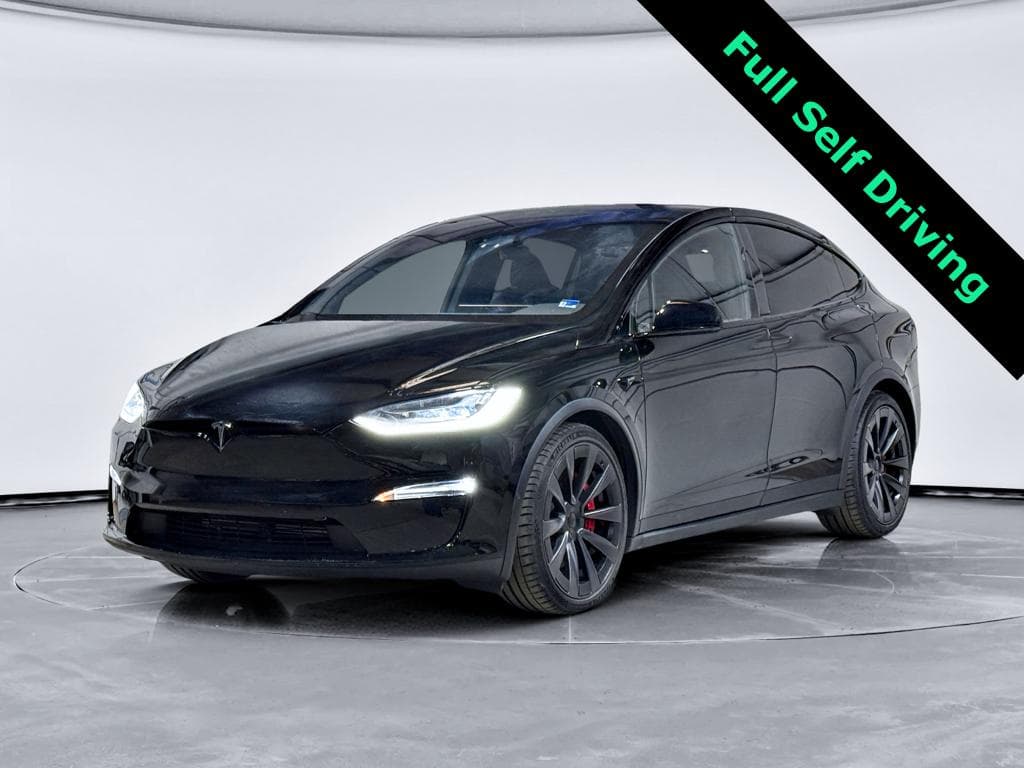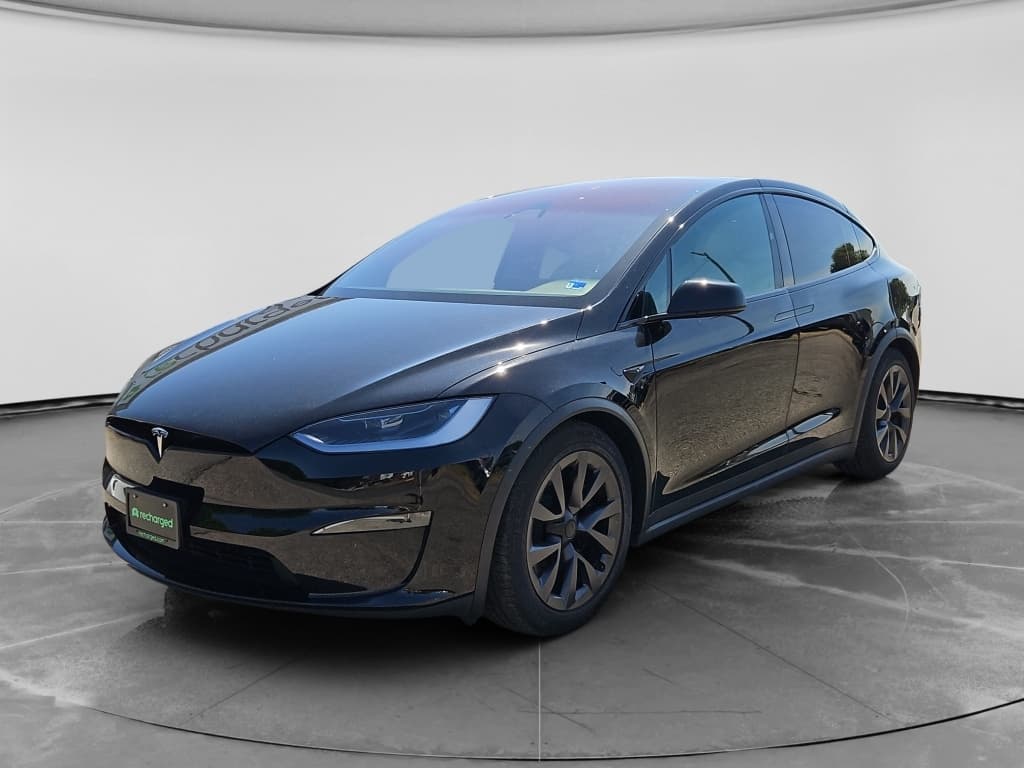
If you’re looking at a Tesla Model X, you’re probably not just price‑shopping SUVs, you’re weighing a technology flagship with falcon‑wing doors, huge torque, and one of the longest‑range electric SUVs on the road. But once the excitement settles, the real question is: what does Tesla Model X long term ownership cost actually look like over 5–10 years?
At a glance: is Model X expensive to own?
Why Model X ownership costs are tricky to estimate
Most ownership calculators treat the Model X like any other SUV: purchase price, a flat depreciation curve, generic insurance, and fuel savings. In reality, long‑term costs depend heavily on how you buy (new vs used), where you live, and how you drive.
- It’s a low‑volume luxury EV with complex features (like falcon‑wing doors) that can drive up repair bills and insurance pricing.
- Battery and drive unit are covered by an 8‑year / 150,000‑mile warranty with a 70% capacity guarantee, which caps some worst‑case risks but not all.
- Charging costs vary dramatically between mostly‑home charging and heavy DC fast charging use on networks like Supercharger or Electrify America.
- The used Model X market has already absorbed much of the initial depreciation, radically changing total cost of ownership if you buy a 3–6‑year‑old vehicle instead of brand new.
Why this matters for you
Key cost drivers for Tesla Model X ownership
Model X cost pressures vs typical SUV
Think of the Model X as a high‑tech luxury SUV that trades oil changes and engine work for higher insurance, expensive bodywork, and very low fuel and routine‑maintenance costs. Your personal total cost of ownership is basically how those forces balance out for your use case.
Insurance: why Model X is one of the most expensive cars to insure
Insurance is the single biggest line item that surprises new Model X owners. Recent analyses put average full‑coverage premiums for the Tesla Model X in the roughly $4,500–$5,500 per year range in the U.S., with wide variation by state and insurer. In several studies of 2024–2025 data, the Model X consistently ranks among the most expensive vehicles in America to insure, not just among EVs.
Typical annual Model X insurance costs
Illustrative full‑coverage premiums for a clean‑record driver; your quotes may differ substantially.
| Driver profile | Lower range | Typical | Higher range |
|---|---|---|---|
| Safe driver, low‑cost state (e.g., ID, VA) | $2,800 | $3,500 | $4,200+ |
| Safe driver, average‑cost state | $3,800 | $4,800 | $5,800+ |
| Urban, high‑cost state (e.g., CA, TX, LA) | $4,800 | $5,500+ | $7,000+ |
| Telematics / Tesla Insurance customer | $2,500 | $3,500 | $4,500 |
High sticker price, complex repairs, and limited certified body shops push Model X insurance well above average.
Why Model X insurance runs hot
If you’re modeling long‑term ownership cost, it’s realistic to assume $400–$500 per month in insurance for a new or late‑model X, and somewhat less for older, depreciated examples, assuming clean driving history and no at‑fault accidents.
Energy costs: charging vs gas over 100,000 miles
The good news: even with higher electricity prices in parts of the U.S., the Model X still wins solidly on “fuel” cost compared with a comparable three‑row gas SUV.
Scenario A: Mostly home charging
Assume you drive 12,000 miles per year and keep the Model X for ~8 years (96,000 miles).
- Efficiency: ~33 kWh/100 miles for a Model X, including some real‑world overhead.
- Home electricity: $0.15/kWh U.S. blended average (many markets are lower overnight).
Energy cost over 100,000 miles:
33 kWh/100 mi × 1,000 × $0.15 ≈ $4,950.
Scenario B: Comparable gas SUV
Assume a similarly quick, 3‑row luxury SUV averaging 20 mpg on premium.
- Fuel: 100,000 miles / 20 mpg = 5,000 gallons.
- Premium gas: assume $3.75/gal over the next decade (conservative; many markets already higher).
Fuel cost over 100,000 miles:
5,000 × $3.75 = $18,750.
Fuel savings are very real

Maintenance, repairs, and tires: what you’ll actually spend
Tesla markets EVs as “low maintenance,” and that’s broadly true: no oil changes, no transmission fluid swaps, no timing belts. But a heavy, powerful three‑row SUV on 20"–22" wheels will still eat consumables and can rack up serious repair bills if something fails out of warranty.
Where Model X owners actually spend maintenance money
Less on fluids, more on tires, suspension, and the occasional big repair.
Routine service
- No oil changes or spark plugs.
- Brake fluid, coolant, and cabin filter services every few years.
- Expect a few hundred dollars per year on average.
Tires & alignment
- Weight + torque = faster tire wear.
- Many owners see 20,000–30,000 miles per set.
- Plan on ~$1,200–$1,800 per full set of quality tires including mounting.
Unplanned repairs
- Door mechanisms, air suspension components, HVAC, electronics.
- Individual repairs can run $1,000–$4,000 at retail rates.
- Frequency depends heavily on build year and mileage.
The “spiky” nature of EV repair costs
Over 5–8 years of mixed use, a realistic budget for a Model X is in the $700–$1,200 per year range for maintenance, repairs, and tires combined, assuming you’re not extremely unlucky and you shop around for independent EV‑savvy shops where available.
Battery life and warranty: how much should you budget?
The Model X’s battery and drive unit are covered by an 8‑year / 150,000‑mile warranty with a minimum 70% capacity retention guarantee. That’s a major backstop on the single most expensive component in the vehicle over at least the first ownership decade for many drivers.
- Real‑world data from high‑mileage Teslas suggests gradual degradation, often in the 10–20% loss range by 150,000 miles, depending on climate and charging habits.
- Within the 8‑year warranty period, you should not be budgeting for a full battery replacement, though you may see range gradually decline.
- After the warranty expires, pack‑level replacement is expensive (well into five figures if done by Tesla), but third‑party repair and module‑level refurbishment options are slowly emerging in some markets.
Battery anxiety vs battery risk
This is exactly why Recharged includes a Recharged Score battery health report on every used EV we sell. Instead of guessing based on age and mileage, you see measured battery performance, degradation estimates, and how that’s already priced into the vehicle, reducing the risk of an ugly surprise later.
Depreciation: new vs used Model X
New, the Model X is a six‑figure luxury SUV in many trims once you add options. Like most luxury vehicles, especially tech‑forward ones, it depreciates hard in the first few years, then levels off.
Illustrative Tesla Model X depreciation curve
High‑level view for a well‑optioned Model X with an original transaction price around $100,000. Real‑world prices will vary by trim, mileage, and market conditions.
| Vehicle age | Approx. market value | % of original price | Notes |
|---|---|---|---|
| New (year 0) | $100,000 | 100% | High MSRP, steep initial drop |
| 3 years | $60,000–$70,000 | 60–70% | Major depreciation already baked in |
| 5 years | $45,000–$55,000 | 45–55% | Sweet spot for many used buyers |
| 8 years | $30,000–$40,000 | 30–40% | Battery warranty nearing or at the end |
| 10+ years | $25,000–$30,000 | 25–30% | Value driven by battery health, condition, and options |
The first 3–4 years do the most damage. Buying in after that steep drop can dramatically lower long‑term cost.
Why the used Model X sweet spot matters
5-year and 10-year total cost of ownership examples
Let’s pull this together with simplified scenarios. These aren’t promises or quotes, just realistic frameworks so you can sanity‑check your own assumptions.
Scenario 1: New Model X, 5 years, 60,000 miles
- Purchase price: $100,000 (after taxes/fees, rounded).
- Depreciation: Resale around $50,000–$55,000 after 5 years → ~$45,000–$50,000 in depreciation.
- Insurance: $4,800/year × 5 = ~$24,000.
- Energy: ~60,000 miles → ~$3,000 in electricity at home vs ~$11,000 in gas for a comparable SUV (≈$8,000 saved).
- Maintenance/repairs/tires: ~$1,000/year × 5 = ~$5,000.
Net 5‑year cost of ownership:
Depreciation ($47,500 midpoint) + Insurance ($24,000) + Energy ($3,000) + Maintenance ($5,000) ≈ $79,500 out of pocket over 5 years.
Scenario 2: 4‑year‑old used Model X, 6 more years, 72,000 miles
- Purchase price: $55,000 for a well‑equipped, ~4‑year‑old Model X with a strong battery health report.
- Depreciation: After 6 more years (vehicle age 10), value maybe ~$28,000 → ~$27,000 in depreciation.
- Insurance: Older value, slightly cheaper → assume $4,200/year × 6 = ~$25,200.
- Energy: 72,000 miles → roughly $3,600 electricity vs ~$13,500 gas (≈$9,900 saved).
- Maintenance/repairs/tires: Budget higher: $1,200/year × 6 = ~$7,200, plus room for one larger repair.
Net 6‑year cost of ownership:
Depreciation ($27,000) + Insurance ($25,200) + Energy ($3,600) + Maintenance ($7,200) ≈ $63,000 over 6 years.
How to use these numbers
How buying a used Model X with Recharged changes the math
If you love the Model X but hate the idea of lighting tens of thousands of dollars on fire in early depreciation, or rolling the dice on a sketchy used example, your leverage points are pretty clear: buy used, buy carefully, and know the battery.
What Recharged does differently for used Model X buyers
The goal: flagship EV experience with less flagship‑sized financial risk.
Verified battery health
Fair, transparent pricing
End‑to‑end EV‑focused retail
Ready to find your next EV?
Browse VehiclesWhy this matters for total cost of ownership
Checklist: reducing your Model X long-term ownership cost
High‑impact ways to tame Model X long‑term costs
1. Decide if you’re a new or used buyer
If status, custom spec, and latest features matter most, budget for heavy early depreciation. If cost of ownership matters more, focus on 3–6‑year‑old Model X inventory with strong condition and battery reports.
2. Get multiple insurance quotes before you buy
Don’t wait until after you sign. Get real quotes using the exact VIN or at least a close proxy. Compare major carriers, Tesla’s own insurance where available, and any telematics‑based options that can reward safe driving.
3. Plan on home charging if at all possible
Home charging is where most of your energy savings come from. If you rent, explore options for a 240V outlet or Level 2 charger; if you own, consider a professionally installed wallbox and off‑peak utility rates.
4. Budget realistically for tires and alignment
Put aside money for a new set of quality tires roughly every 20,000–30,000 miles, and don’t skip regular alignments. It’s cheaper to maintain good tire wear than to replace prematurely worn sets.
5. Protect the battery and drivetrain
Avoid constant 100% fast charges, limit frequent DC fast charging if you can, and try not to leave the vehicle at very low state of charge for extended periods. Small habits can preserve range and long‑term value.
6. Buy with data, not just photos
When shopping used, prioritize vehicles with third‑party or seller‑provided battery health diagnostics, transparent service history, and clear pricing rationale. That’s baked into the Recharged Score for every vehicle we list.
FAQ: Tesla Model X long-term ownership cost
Frequently asked questions about Model X ownership costs
Bottom line: is a Tesla Model X worth it long term?
The Tesla Model X is not a cheap way to drive. It’s a high‑performance, tech‑heavy luxury SUV that happens to be electric, and its long‑term ownership cost reflects that reality. You’re trading very low energy and routine‑maintenance costs for higher insurance, premium consumables, and the risk of occasional big‑ticket repairs.
Where it becomes compelling is in the details: buying after the steepest depreciation, prioritizing home charging, aggressively shopping insurance, and understanding the health of the battery you’re betting on. Do those things well, and you can enjoy most of what makes the Model X special without burning unnecessary money along the way.
If you’re considering a used Tesla Model X, exploring Recharged’s used EV inventory, each vehicle backed by a Recharged Score battery health report, fair market pricing, and EV‑specialist support, can give you a clearer, more data‑driven path into long‑term Model X ownership.