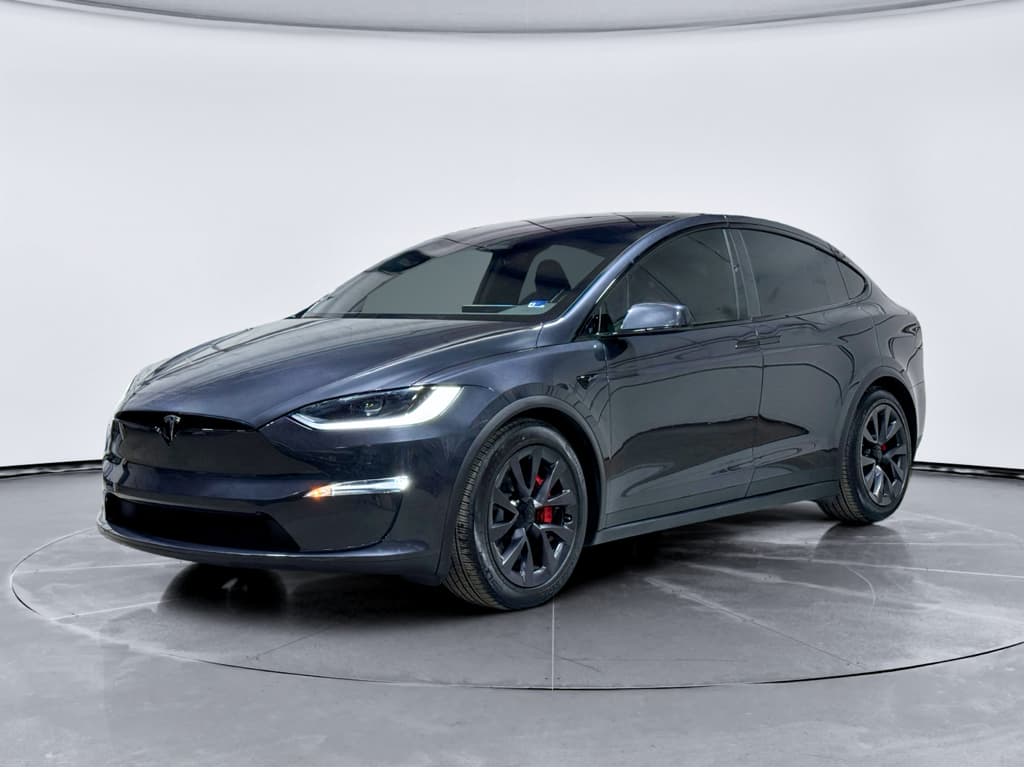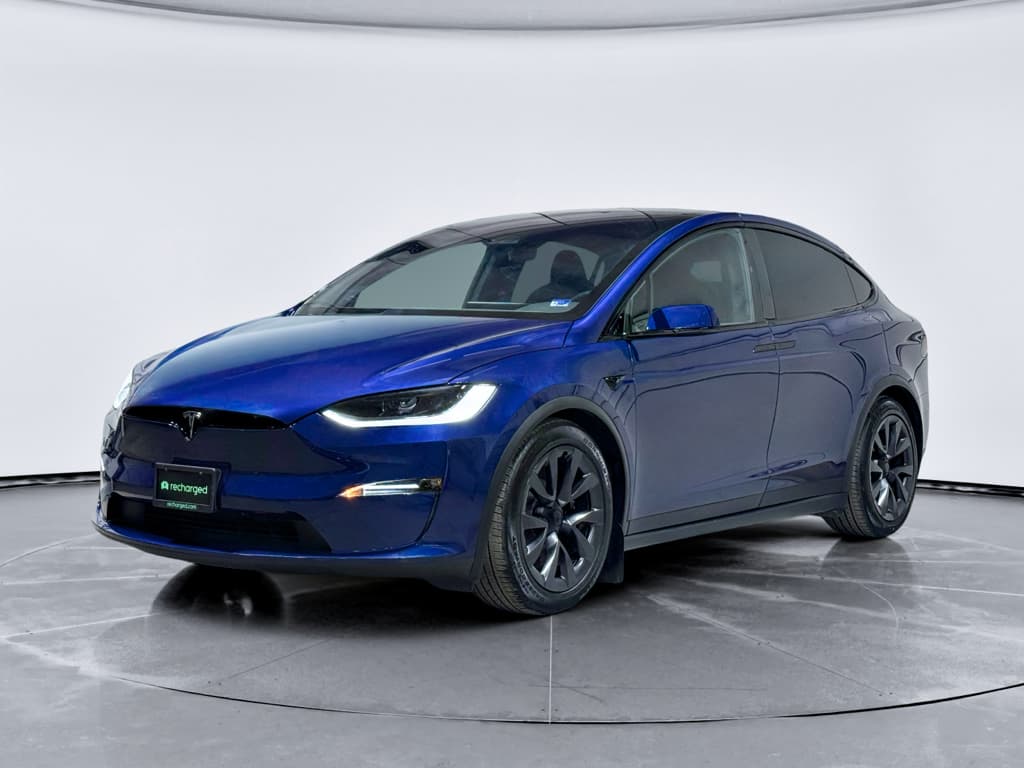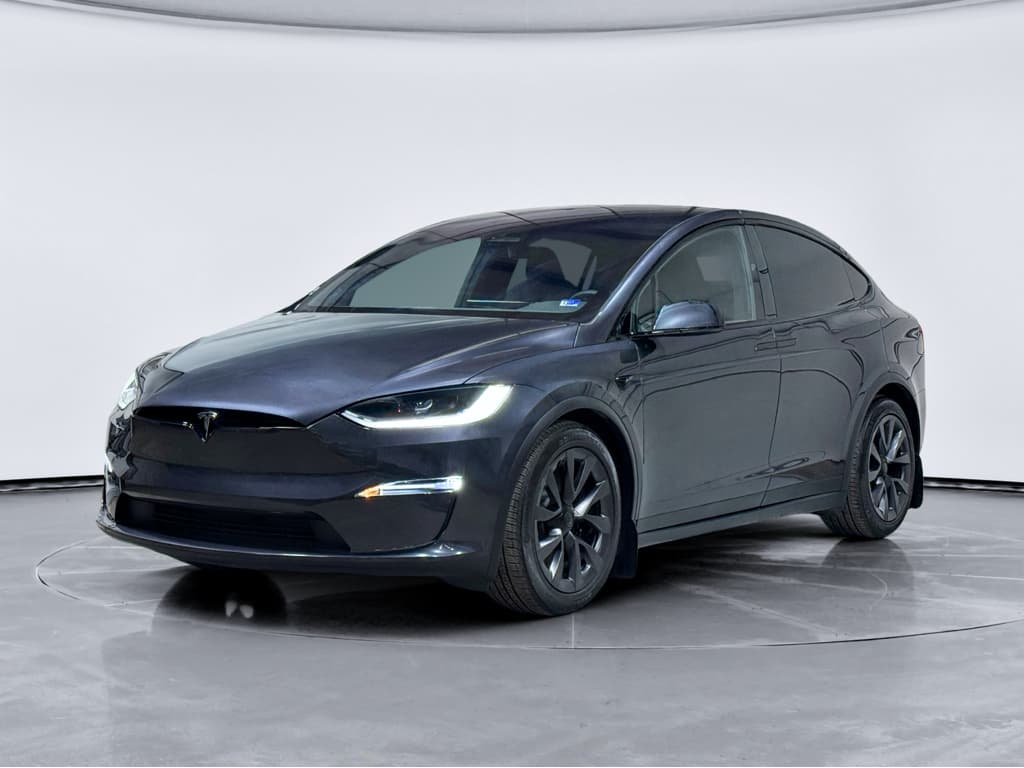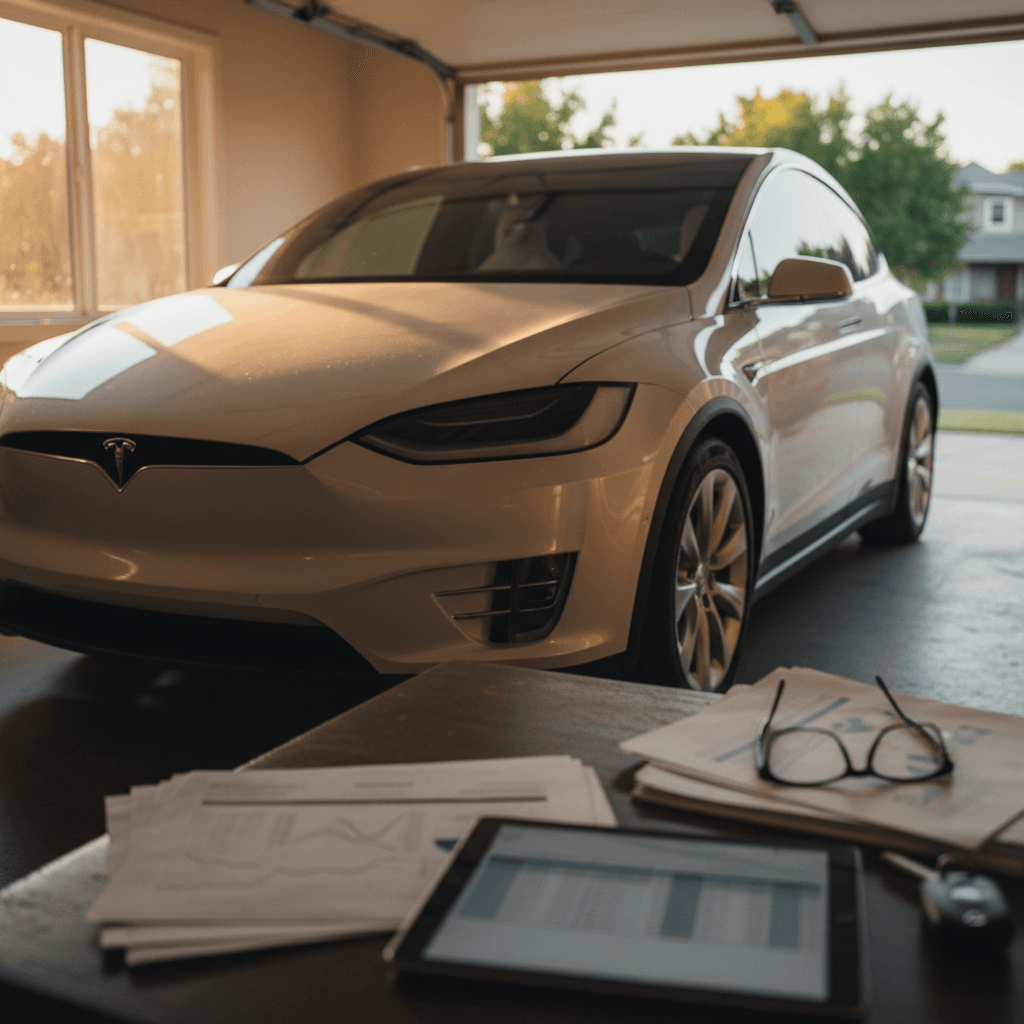
If you’ve priced out a Tesla Model X insurance cost in 2026, you’ve probably had a little sticker shock. The Model X is a fast, heavy, high-tech luxury SUV, and insurers price it that way. The good news is that once you understand why the numbers are so high, you can start shaving that bill down, especially if you’re open to a used Model X instead of brand-new.
Quick context: 2026 insurance market
Overview: 2026 Tesla Model X insurance costs at a glance
What most drivers pay to insure a Tesla Model X in 2026
Across recent national data sets focused on EVs and luxury models, the Tesla Model X routinely shows up as one of the most expensive vehicles to insure. In 2026, it’s common to see full‑coverage quotes in the low‑$3,000s for low‑risk drivers in cheaper states, climbing into the $6,000–$7,000+ range in high‑cost states, dense cities, or for higher‑risk drivers. If you’re seeing numbers like these, you’re not an outlier, this is the market talking.
Don’t compare to your old crossover
Why is Tesla Model X insurance so expensive in 2026?
Four big reasons your Model X insurance quote is sky‑high
It’s not just the Tesla badge, insurers are doing the math.
1. High vehicle value
2. Expensive tech to repair
3. Limited repair network
4. Loss history & vandalism
On paper, the Model X is also a safety standout, with strong crash performance and advanced driver‑assistance tech. That helps on the bodily‑injury side of the equation. But on the property‑damage side, claims are steep. When actuaries feed that data into their models, the result is a premium that looks more like a German luxury SUV than a family hauler, even though you might be using it as the ultimate kid‑and‑dog shuttle.
Average Tesla Model X insurance cost by driver profile
Every insurer prices risk differently, but there are clear patterns in 2026. To give you a feel for where you might land, here’s a simplified look at full‑coverage Model X premiums for U.S. drivers with different profiles. Think of this as directional, not a quote.
Illustrative 2026 Tesla Model X annual insurance costs
Approximate full‑coverage premiums for a recent‑model Tesla Model X, assuming typical coverage limits and average credit. Your own quote may land outside these ranges.
| Driver profile | Location example | Typical yearly premium | Notes |
|---|---|---|---|
| Clean record, 40s, homeowner | Lower‑cost state suburb | $3,000–$3,800 | Good credit, low mileage, no recent claims. |
| Clean record, 30s | Major metro, higher‑cost state | $4,000–$5,500 | Higher traffic density and theft/vandalism risk. |
| One at‑fault accident in last 3 years | Average‑cost state | $5,000–$6,500 | Surcharge for prior loss plus expensive vehicle to fix. |
| Young driver (under 25) on policy | Urban area | $6,000–$8,000+ | Youthful driver plus high‑value EV is a pricey combo. |
| Retired driver, low mileage | Small city / town | $2,800–$3,500 | Telematics or low‑mileage discounts can help a lot. |
Use these bands to sense‑check your quotes, not as a guarantee.
Reality check on “averages”
7 factors that drive your Tesla Model X premium
- 1. Where you live – Dense traffic, higher accident rates, and more vandalism or theft claims all nudge premiums up. Moving from a rural county to a big metro can raise your Model X bill even if nothing else changes.
- 2. How you use the car – Long daily commutes, heavy mileage, or using the vehicle for business can cost more than occasional personal use.
- 3. Your driving record – Speeding tickets, at‑fault crashes, and DUIs are magnified on a high‑value EV. Clean driving is the single biggest controllable lever you have.
- 4. Credit and insurance score (in many states) – In states where it’s allowed, insurers use credit‑based insurance scores. Better scores generally mean lower premiums.
- 5. Coverage level and deductibles – Full coverage (liability + comprehensive + collision) is what lenders usually require. Higher liability limits and low deductibles mean richer protection, but also higher cost.
- 6. Model year and trim – A brand‑new Plaid with every option simply costs more to insure than an older Long Range model that’s depreciated heavily.
- 7. Safety and telematics programs – Whether it’s Tesla’s own Safety Score or a carrier’s smartphone app, hard braking, speeding, and late‑night trips can move your rate up or down.
Pro tip: Start with coverage, not price
10 smart ways to lower Tesla Model X insurance cost in 2026
Practical levers you can actually pull
1. Get quotes from EV‑friendly insurers
Some national carriers quietly price Teslas more competitively than others because they’ve built up better repair networks and data. Don’t stop at your current company, quote at least three, including one that specifically mentions EV expertise.
2. Compare Tesla Insurance where available
In the states where Tesla Insurance operates, it can be very competitive for Model X owners with strong Safety Scores. It isn’t always the cheapest, but it’s worth a side‑by‑side comparison if you qualify.
3. Adjust deductibles thoughtfully
Raising your comprehensive and collision deductibles from, say, $500 to $1,000 can shave meaningful dollars off an expensive policy. Just be sure you have that amount set aside so a claim doesn’t become a cash‑flow crisis.
4. Dial in your mileage and usage
If your Model X is a second vehicle, primarily used for weekend trips and errands, make sure the policy reflects low annual mileage and personal use only. Many people overpay because their usage was never updated.
5. Take advantage of telematics & safety programs
Usage‑based programs that monitor driving, Tesla Safety Score, carrier apps, or plug‑in devices, can earn 10–30% discounts for consistently smooth, low‑risk driving. In a high‑premium vehicle, that discount packs a punch.
6. Stack discounts the right way
Bundle home and auto, ask about EV discounts, safe‑driver perks, multi‑car savings, and professional or alumni‑association deals. None of these are huge alone, but together they can pull a Model X into more reasonable territory.
7. Re‑shop after major life changes
A move to a new zip code, paying off your loan, getting married, or a few claim‑ and ticket‑free years can all change your risk profile. Put an annual reminder on your calendar to re‑shop your Model X policy.
8. Be realistic about young drivers
Adding a teen to a Model X policy can be brutal. If possible, keep youthful drivers in a lower‑value vehicle and list them as occasional or excluded drivers for the Tesla, in line with your insurer’s rules.
9. Consider a slightly older used Model X
Because the vehicle’s value is such a big input, a well‑chosen used Model X can cost less to insure than a brand‑new one while delivering the same daily experience. More on that in a moment.
10. Clean up small coverage mistakes
Check for duplicate roadside assistance, rental coverage you don’t need, or add‑ons like gap coverage on a vehicle you now own outright. Small clean‑ups can help offset the Model X premium.
Where Recharged fits in
Ready to find your next EV?
Browse VehiclesDoes a used Tesla Model X cost less to insure?
New or near‑new Model X
- Highest premiums: A $90,000+ sticker price and the latest hardware push collision and comprehensive costs up.
- More financing requirements: Lenders usually insist on full coverage with fairly low deductibles.
- Better theft protection: Newer firmware and tracking can be a plus with some insurers, but not enough to offset the higher value.
Used Model X (3–8 years old)
- Lower vehicle value: Depreciation cuts replacement cost, which can trim premiums, especially on comprehensive and collision.
- More flexibility: If you buy with cash or pay off the loan, you can choose higher deductibles or adjust coverages.
- Similar daily experience: You still get the space, performance, and tech, with potentially gentler insurance bills.
Think of insurance as another line in the total cost of ownership spreadsheet. A smartly chosen used Model X, priced fairly, with strong battery health, can bring both your payment and your premium down compared to buying new. That’s a big reason many shoppers step into a Model X via the used market.

Tesla Insurance vs. traditional carriers for the Model X
In 2026, Model X owners in eligible states effectively have two paths: Tesla Insurance and traditional insurers (State Farm, GEICO, Progressive, regional carriers, and others). Each has its quirks.
How Tesla Insurance stacks up against traditional carriers
What to weigh before you commit.
Tesla Insurance
- Pros: Pricing tied closely to your Safety Score; deep familiarity with Tesla repairs; app‑based claims experience; sometimes very competitive for cautious drivers.
- Cons: Limited state availability; not always cheapest for everyone; rates can move with your driving behavior; fewer options to bundle home and auto.
Traditional carriers
- Pros: Wide national availability; big swings in quotes between carriers (good for shoppers); bundling discounts with home or renters; more predictable, less telematics‑driven pricing if you prefer that.
- Cons: Some carriers still load Teslas heavily on price; not all have strong EV repair networks; online quotes often miss EV‑specific discounts unless you dig.
How to compare fairly
How Model X insurance compares to other EVs and SUVs
If you’re still cross‑shopping, it helps to know where the Model X sits in the broader landscape. In most 2024–2026 insurance studies, the Model X is one of the most expensive mainstream EVs to insure, often outpacing the Model 3 and Model Y by a wide margin and landing closer to high‑end German SUVs.
Big‑picture comparison: Typical full‑coverage premiums
Approximate national 2026 full‑coverage premiums based on recent market data and insurer studies. These are broad ranges, not quotes.
| Vehicle | Type | Typical annual premium | Relative to U.S. average |
|---|---|---|---|
| Tesla Model 3 | Compact EV sedan | $2,400–$3,500 | Slightly to moderately above average |
| Tesla Model Y | Compact EV SUV | $2,800–$4,200 | Noticeably above average |
| Tesla Model S | Luxury EV sedan | $3,500–$5,000 | Well above average |
| Tesla Model X | Luxury EV SUV | $4,000–$5,500+ | Among the highest for mass‑market EVs |
| Gas midsize SUV (non‑luxury) | Gasoline SUV | $1,800–$2,400 | Around or slightly above average |
Use this table to sense how the Model X stacks up, not to price your exact vehicle.
Why comparisons matter
Checklist: What to do before you get a Model X quote
Pre‑quote prep to avoid overpaying
Confirm your garaging address and daily mileage
Insurers price by where the car sleeps and how far it travels. Don’t let an outdated commute or old address inflate your premium.
Decide on your must‑have coverage
Write down the liability limits, comprehensive and collision deductibles, and extras (like rental reimbursement) you consider non‑negotiable. This keeps you from being talked into thin coverage just to chase a lower number.
Gather driver and vehicle details
Have VINs, annual mileage estimates, driver license numbers, and any ticket/accident dates handy. Consistent inputs make it easier to compare quotes across companies.
Check your credit and payment history
In states where it’s allowed, a stronger credit profile can mean a better insurance rate. If you’re on the edge of a higher tier, consider waiting until recent improvements show up.
Plan your timeline if buying used
When you’re shopping a used Model X, get a couple of sample quotes using the year and approximate value you’re targeting. Recharged’s listings include pricing and battery health, which makes it easier to plug real numbers into quote forms.
Get at least three competitive quotes
Start with your current carrier, one EV‑friendly national company, and Tesla Insurance (if available). If the spread is large, add a regional carrier to the mix.
FAQ: Tesla Model X insurance cost in 2026
Frequently asked questions
Bottom line: Is Tesla Model X insurance worth the cost?
Insuring a Tesla Model X in 2026 will never be cheap. You’re asking an insurer to stand behind a quick, heavy, six‑figure‑when‑new electric SUV loaded with sensors and glass. But high doesn’t have to mean out of reach. With smart shopping, realistic coverage choices, and perhaps a move to a well‑chosen used Model X, you can align the premium with the value you and your family get from the car.
If you’re early in the research phase, consider starting with the car itself. A fair price and healthy battery set the tone for everything that comes after, payments, charging, and yes, insurance. At Recharged, every used Model X comes with a Recharged Score Report, verified battery diagnostics, and expert guidance, so you can see the full cost picture before you ever hit “buy.” That’s how you make a luxury EV feel like a smart decision, not a financial leap of faith.