If you’re eyeing a used Tesla Model X in 2026, or thinking about selling yours, the big question is simple: how fast does a Tesla Model X depreciate, and what’s a fair price right now? This guide walks through the Tesla Model X depreciation rate in 2026, how age, mileage, battery health, and trim affect value, and how to protect yourself whether you’re buying or selling.
A quick note on numbers
Why Tesla Model X depreciation matters in 2026
The Tesla Model X lives in a tricky corner of the market: it’s a large, expensive, high-tech electric SUV. That combination means depreciation isn’t just about age, it’s also about software features, battery health, and where EV demand is heading in 2026. Understanding depreciation helps you avoid overpaying, spot a truly good deal, or time your sale before values soften further.
What’s different in 2026
- More three‑row electric SUVs from Mercedes, BMW, Kia, and others compete directly with the Model X.
- Many 2016–2018 Model Xs are now a decade old, so condition and battery health vary widely.
- Software and hardware updates (HW4, refreshed interiors) make older cars feel dated faster than traditional SUVs.
What’s holding values up
- Strong brand recognition and over‑the‑air updates keep even older Teslas feeling modern.
- High new‑car prices make well‑specced used examples attractive to families.
- Lower running costs versus gas SUVs help offset a higher purchase price.
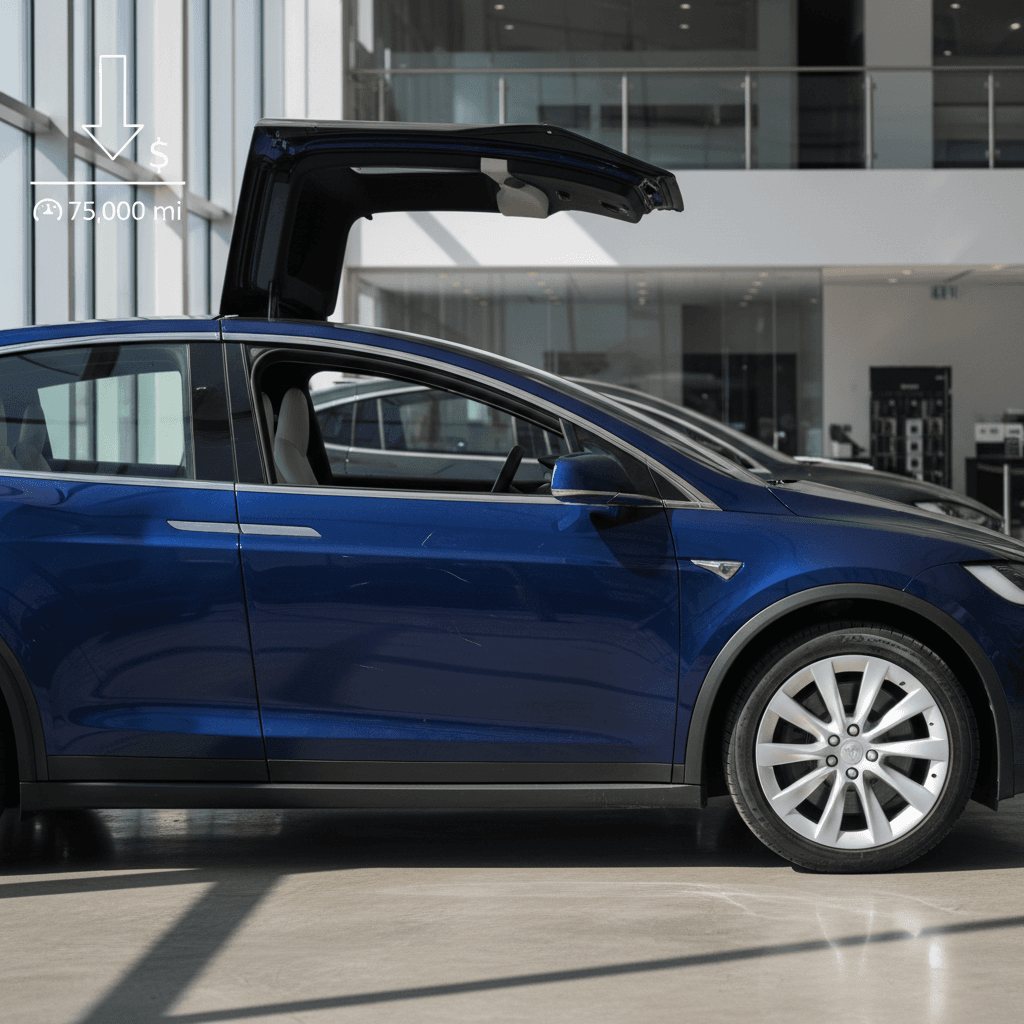
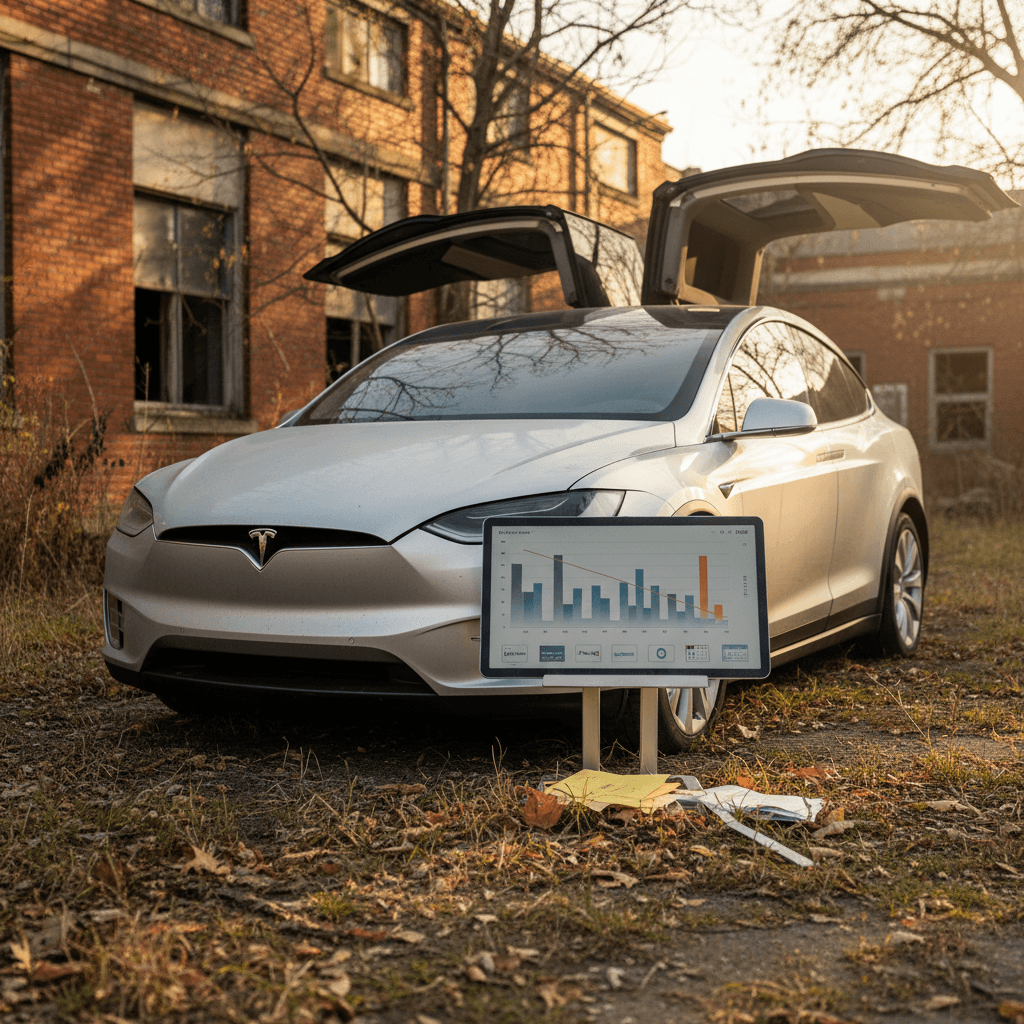
Quick look: Tesla Model X depreciation curve
Typical Tesla Model X depreciation in 2026 (big picture)
How to use these numbers
How fast does a Tesla Model X depreciate?
Depreciation on a Model X is front‑loaded, like most luxury vehicles, but it flattens out if the car is well cared for. In 2026, a brand‑new Model X can still lose a hefty chunk in the first few years, while older examples lose value more slowly year over year.
Approximate Tesla Model X depreciation by age in 2026
Directional view of how a well‑kept Model X typically loses value over time, relative to its original MSRP.
| Vehicle age in 2026 | Model year example | Typical total depreciation from original MSRP | Notes |
|---|---|---|---|
| 1 year old | 2025 | ≈ 15–20% | Early hit from first owner; nearly new with strong demand. |
| 3 years old | 2023 | ≈ 30–35% | Good value sweet spot if mileage and battery health check out. |
| 5 years old | 2021 | ≈ 40–50% | Most major depreciation already taken; condition now matters more than age. |
| 7–8 years old | 2018–2019 | ≈ 55–65% | Aging tech and cosmetics start to separate strong examples from tired ones. |
| 10+ years old | 2016–2017 | ≈ 65–75% | Values vary widely depending on battery health, repairs, and cosmetic condition. |
Assumes average U.S. mileage, clean history, and no major cosmetic or mechanical issues.
Beware of averages
Depreciation by Model X model year and trim
Not all Model X SUVs lose value at the same pace. Hardware changes, range increases, refreshed styling, and performance trims all move the numbers. Here’s how different eras of Model X tend to behave in 2026.
How different Model X generations age in 2026
From early Falcons to Plaid rockets, depreciation doesn’t treat them equally.
Early Model X (2016–2018)
Depreciation: Steep early, now flattening.
Early build quirks and older interiors push prices down, but clean examples with solid battery health can be solid value plays.
Mid‑cycle (2019–2021)
Depreciation: Moderate and predictable.
Updated components and incremental improvements hold value better, especially on higher‑range Long Range variants.
Refresh & Plaid (2022–2025)
Depreciation: Higher dollar loss, lower percentage.
Big MSRPs mean big early drops in dollars, but demand for the refreshed interior and Plaid performance keeps percentage losses in check.
Long Range vs Plaid
Mileage, battery health, and depreciation
On a gas SUV, high mileage mostly means wear on mechanical parts. On a Tesla Model X, mileage is only half the story. How the battery was treated, and how much capacity it’s retained, can easily move the needle by five figures.
Mileage bands and value pressure
- Under 30,000 miles: Premium territory; buyers expect "like‑new" condition and strong battery health.
- 30,000–60,000 miles: Mainstream used‑market sweet spot if cosmetics and service history are clean.
- 60,000–100,000+ miles: Prices soften more quickly; buyers get selective about battery data and repair history.
Battery health tells the real story
- Unusually high capacity loss for the age is a resale red flag.
- Heavy DC fast‑charging use (Supercharging) can mildly accelerate wear versus mostly home Level 2 charging.
- Consistent software updates and no chronic warning lights are strong confidence signals for buyers.
How Recharged helps here
Options that help or hurt Model X resale
Tesla doesn’t do long option lists like traditional automakers, but the choices you see on a Model X still affect depreciation. Some options age gracefully; others look expensive on the used‑car price tag without adding much everyday value.
High‑impact options on Tesla Model X resale
1. Seating configuration
Six‑seat layouts with captain’s chairs remain highly desirable for families and road‑trippers, often commanding stronger resale than five‑seat versions. Seven‑seat setups find buyers too, but six‑seat tends to be a sweet spot.
2. Wheels and tires
Oversized performance wheels look great but can hurt ride quality and tire wear, which some buyers shy away from. A car on smaller, more efficient wheels may hold value better than a similar one on huge, curb‑rashed alloys.
3. Autopilot and FSD status
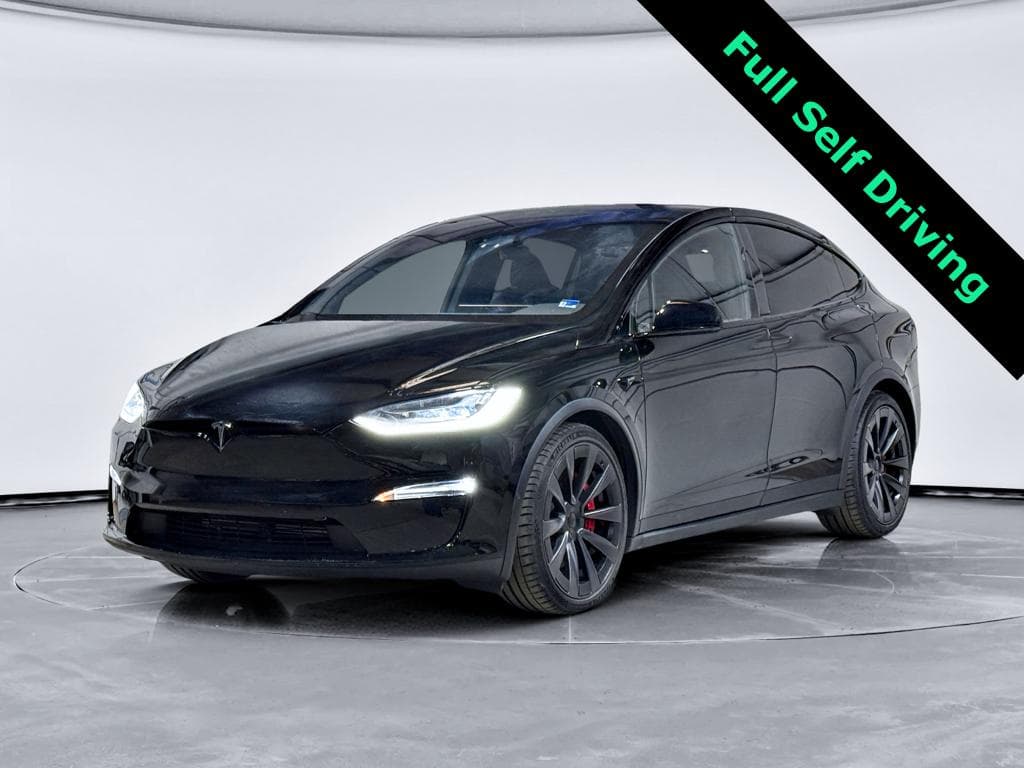
Basic Autopilot is standard on most used Model X vehicles. Extra value from Enhanced Autopilot or Full Self‑Driving depends on what’s transferable and how buyers in your area perceive those features, some pay up, others won’t.
4. Interior color and wear
Light interiors feel airy but can show stains and dye transfer; dark cabins can hide wear but feel less special. A clean, carefully detailed interior almost always sells faster and closer to asking price.
5. Tow package and utility
Factory tow packages, roof racks, and evidence of responsible utility use (not abuse) can help value with buyers who actually plan to use the X as a family and adventure vehicle.
Cosmetic shortcuts cost you
Model X vs other luxury SUV depreciation
If you’re cross‑shopping a Model X against a Mercedes GLS, BMW X7, or Audi Q7 e‑hybrid, depreciation is part of the equation. Historically, big German luxury SUVs shed value quickly once out of warranty. The Model X behaves differently, thanks to its electric drivetrain and software‑first personality.
How Tesla Model X stacks up against other luxury SUVs (typical 5‑year depreciation)
Directional comparison of 5‑year depreciation behavior among large luxury SUVs in 2026.
| Vehicle type | Powertrain | Typical 5‑year depreciation | Resale notes in 2026 |
|---|---|---|---|
| Tesla Model X | All‑electric | ≈ 40–50% | Battery health and software features keep good examples in demand; tech obsolescence can hurt earlier builds. |
| German luxury SUV (GLS/X7) | Gas or mild‑hybrid | ≈ 50–60% | Heavy early depreciation, especially thirsty V8s as fuel and maintenance costs climb. |
| Luxury plug‑in hybrid SUV | PHEV | ≈ 45–55% | Appeals to a narrower audience; aging batteries and complex drivetrains can spook second owners. |
Exact percentages vary by trim and options, but this gives you the broad shape of the market.
Where the Model X can win
Tips for buying a used Tesla Model X in 2026
Shopping for a used Model X in 2026 means balancing price against range, features, and how long you plan to keep it. You don’t have to become a Tesla engineer, but you do need to ask better questions than you would about a conventional SUV.
Smart buyer checklist for a used Model X
1. Start with a fair, data‑backed price
Compare asking prices against similar Model X vehicles with the same year, trim, mileage, and options. Platforms like Recharged use market data to show you where a listing sits versus the wider used‑EV market.
2. Get real battery‑health data
Don’t settle for “it charges fine.” Ask for recent battery‑health diagnostics and note usable capacity versus original. A healthy pack is worth more than cosmetic upgrades you can add later.
3. Examine charging history
Frequent DC fast charging isn’t a deal‑breaker, but a car that’s lived mostly on home Level 2 charging may age more gracefully. Look for a pattern, not a single road trip with lots of Supercharging.
4. Check software and hardware generation
Confirm which hardware suite (Autopilot computer, cameras) and which infotainment version the vehicle has. Newer hardware typically holds value better and feels less dated in 2026 traffic.
5. Inspect doors, seals, and glass
The Model X’s Falcon Wing doors and large windshield are special, and expensive to repair. Make sure doors open and seal smoothly, and look closely for trim, water leaks, and wind noise issues.
6. Review accident and service history
Structural repairs, repeated electrical gremlins, or chronic suspension issues can drag resale down. Favor vehicles with documented maintenance from Tesla or reputable EV‑experienced shops.
What a Recharged Score adds
Selling or trading in your Model X in 2026
If you own a Model X today, depreciation is no longer theoretical. The question is how to present your SUV so it lands at the top end of its value range instead of the bottom.
Steps to protect value before sale
- Fix obvious issues: Resolve warning lights, windshield cracks, and inexpensive cosmetic flaws that make buyers nervous.
- Detail it properly: A thorough interior and exterior detail, done well, often returns more than it costs at resale time.
- Document everything: Gather service invoices, recall paperwork, and tire receipts so buyers see a cared‑for vehicle.
Choosing how to sell
- Instant cash offers: Fast and simple, but you may leave some money on the table.
- Consignment: A partner markets and sells your Model X on your behalf, usually targeting higher net proceeds.
- Trade‑in: Convenient if you’re heading into another EV, especially if the dealer or marketplace specializes in EVs.
How Recharged can help you sell
Ready to find your next EV?
Browse VehiclesFrequently asked questions: Tesla Model X depreciation 2026
Common questions about Tesla Model X depreciation in 2026
The bottom line on Tesla Model X depreciation in 2026
By 2026, the Tesla Model X is no longer a novelty; it’s a known quantity in the used market. Depreciation is real, especially in the first few years, but so is the value of a long‑range, three‑row electric SUV with low running costs. If you’re buying, focus less on the cheapest asking price and more on battery health, software and hardware generation, and documented care. If you’re selling, take the time to fix obvious flaws and present your X with complete records so it lands at the top of its value range rather than the bottom.
Whichever side of the transaction you’re on, you don’t have to guess. Recharged was built to make used‑EV ownership simple and transparent, with fair market pricing, verified battery diagnostics, financing, trade‑in and consignment options, and EV‑specialist support from first click to final signature. That’s how you turn depreciation from a worry into just another line in a smart ownership plan.